If you’re thinking about upgrading to a 12 – 20 cubic feet refrigerator, you’re in the right place. It’s a versatile size that suits a wide range of needs, from growing families to folks who love to entertain. You might be wondering what makes a fridge in this capacity range so popular, or how to ensure it fits smoothly into your kitchen. In this guide, we’ll walk through key features, maintenance tips, and practical considerations to help you feel confident about your purchase. Whether you’re looking for more freezer space, better organization, or a design that fits your style, you’ll learn everything you need to know before you commit.
Understand the 12 – 20 cubic feet range
A refrigerator in the 12–20 cu ft capacity range is often the sweet spot for many households. It can provide enough storage for weekly groceries without taking up excessive floor space, and it typically comes with flexible compartments that keep things organized.
Why capacity matters
You might ask, “Is 12 cubic feet enough for my household?” That depends on how many people you’re feeding and how you like to grocery shop. If you prefer stocking up on fresh produce and frozen meals once a week, that middle-of-the-road size can work just fine. On the flip side, if you’re the sort of person who bulk-buys and preps large amounts of food, you may want to lean toward the higher end of this capacity range, closer to 20 cubic feet.
A smaller 12–15 cu ft model typically suits:
Singles or couples who cook at home regularly.
Dorms or office settings where you need more space than a mini-fridge, but not as much as a full-size family fridge.
Vacation homes or guest suites where you need moderate refrigeration without handling huge grocery hauls.
A 16–20 cu ft model is ideal for:
Small families who stock a mix of fresh produce, beverages, and frozen essentials.
Homeowners who enjoy cooking multiple times a week but don’t always cook in bulk.
Individuals who typically keep fridge contents neatly arranged yet still want some wiggle room for entertaining.
Who benefits most from this range
If you often host dinner parties or have friends and family stopping by, the 12–20 cu ft range can be surprisingly accommodating. You’ll have enough space for beverage pitchers, party trays, and chilled desserts, all without crowding the interior. At the same time, if you’re more of a day-to-day cook who doesn’t store huge leftovers, you won’t feel like you’re paying for empty cubic feet you never use.
Key features and configurations
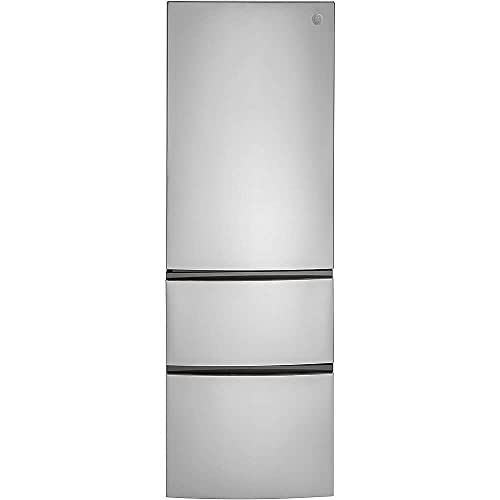
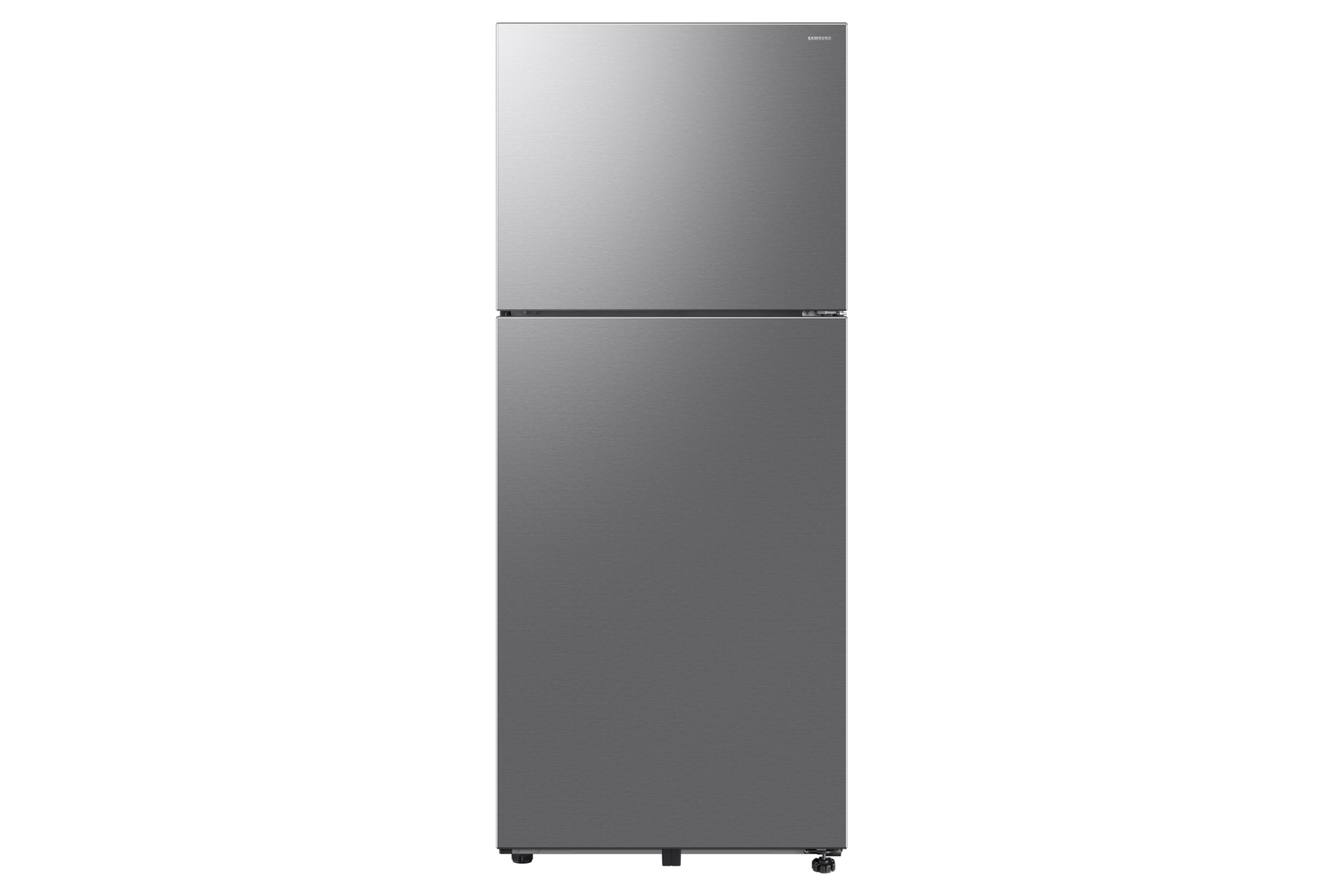
When shopping in the 12–20 cu ft range, you’ll discover a variety of fridge styles, from top-freezer to bottom-freezer and even side-by-side designs. Each approach has unique pros and cons, so it helps to know which features matter most to you.
Shelving and compartments
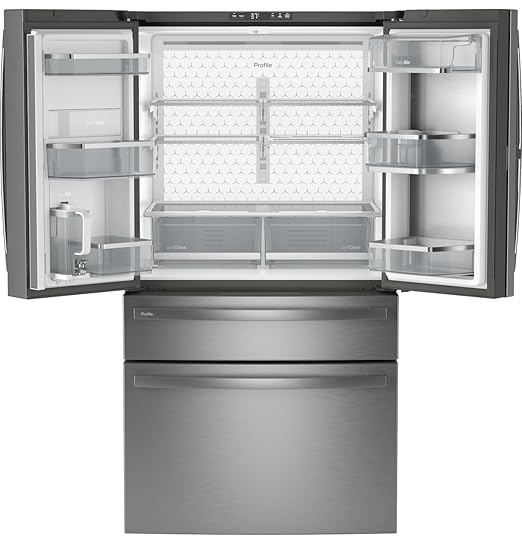
Inside a modern refrigerator, you’ll often see adjustable shelves that can shift to accommodate taller items like juice cartons or large pitchers. You may also spot specialized compartments for deli meats, cheeses, or produce. If you love to keep your fresh veggies crisp and your snacks easily accessible, look for features like humidity-controlled crisper drawers and dedicated snack trays. These small details can make your day-to-day routine more convenient.
Door styles
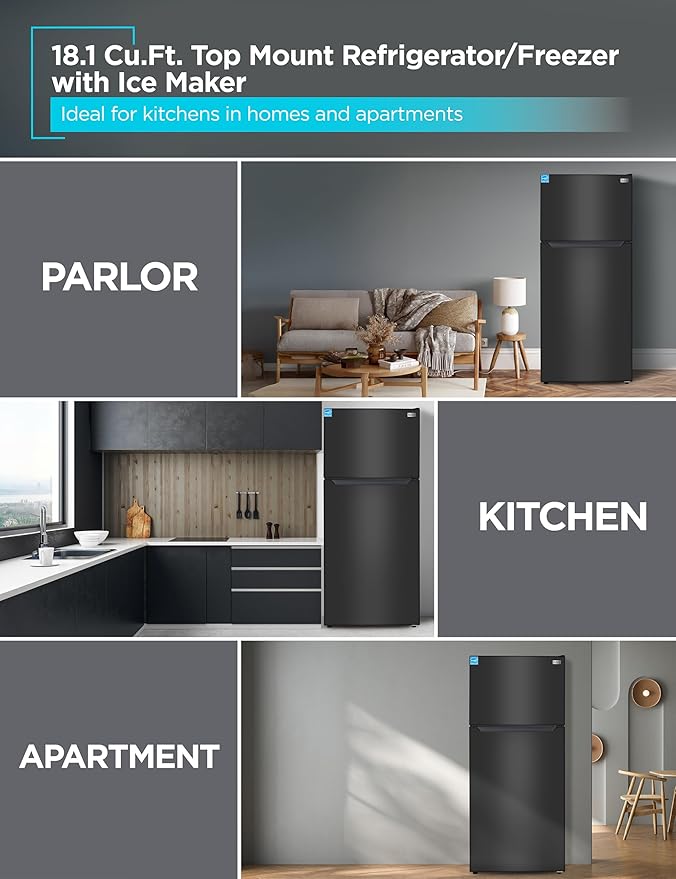
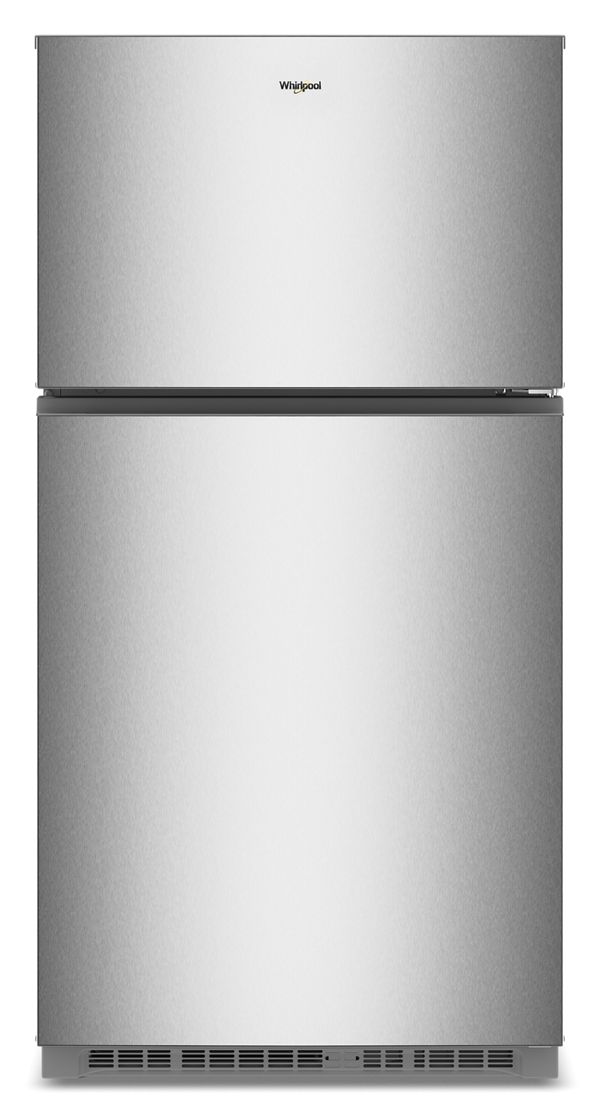
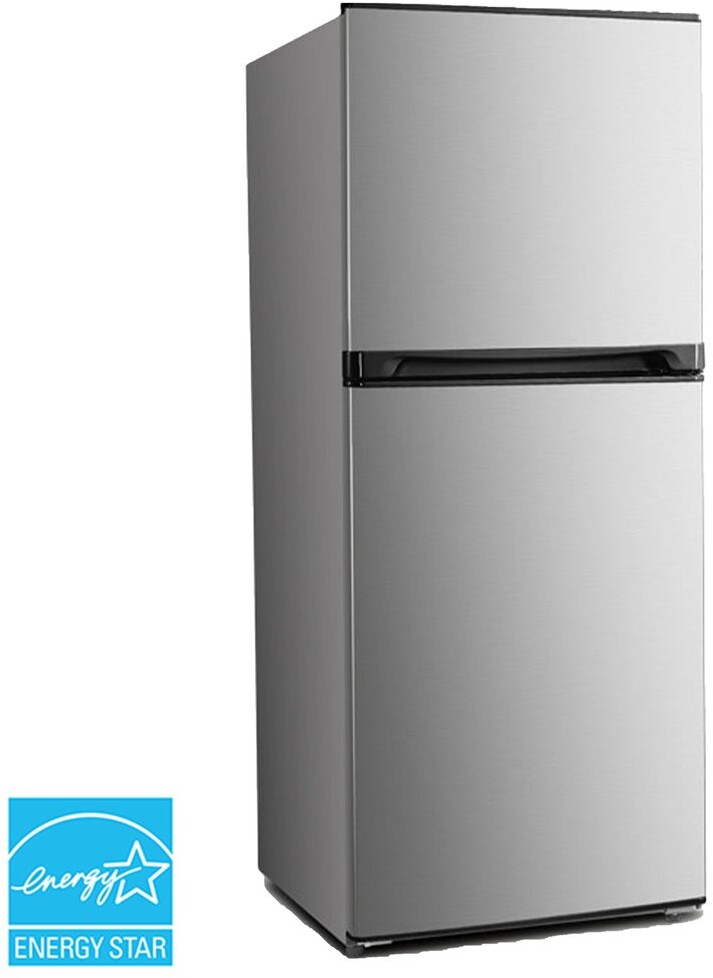
Top freezer: The freezer sits above your fridge space, making it easy to see and grab items without crouching.
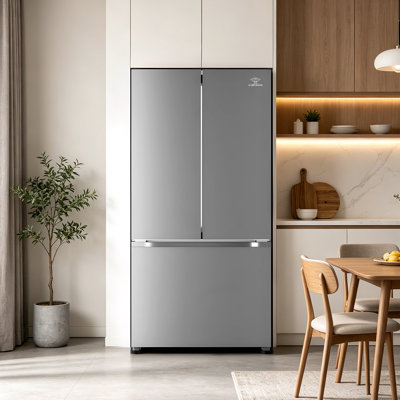
Bottom freezer: You’ll enjoy having your fresh foods at eye level, but it can be a little more effort if you frequently access the freezer compartment.
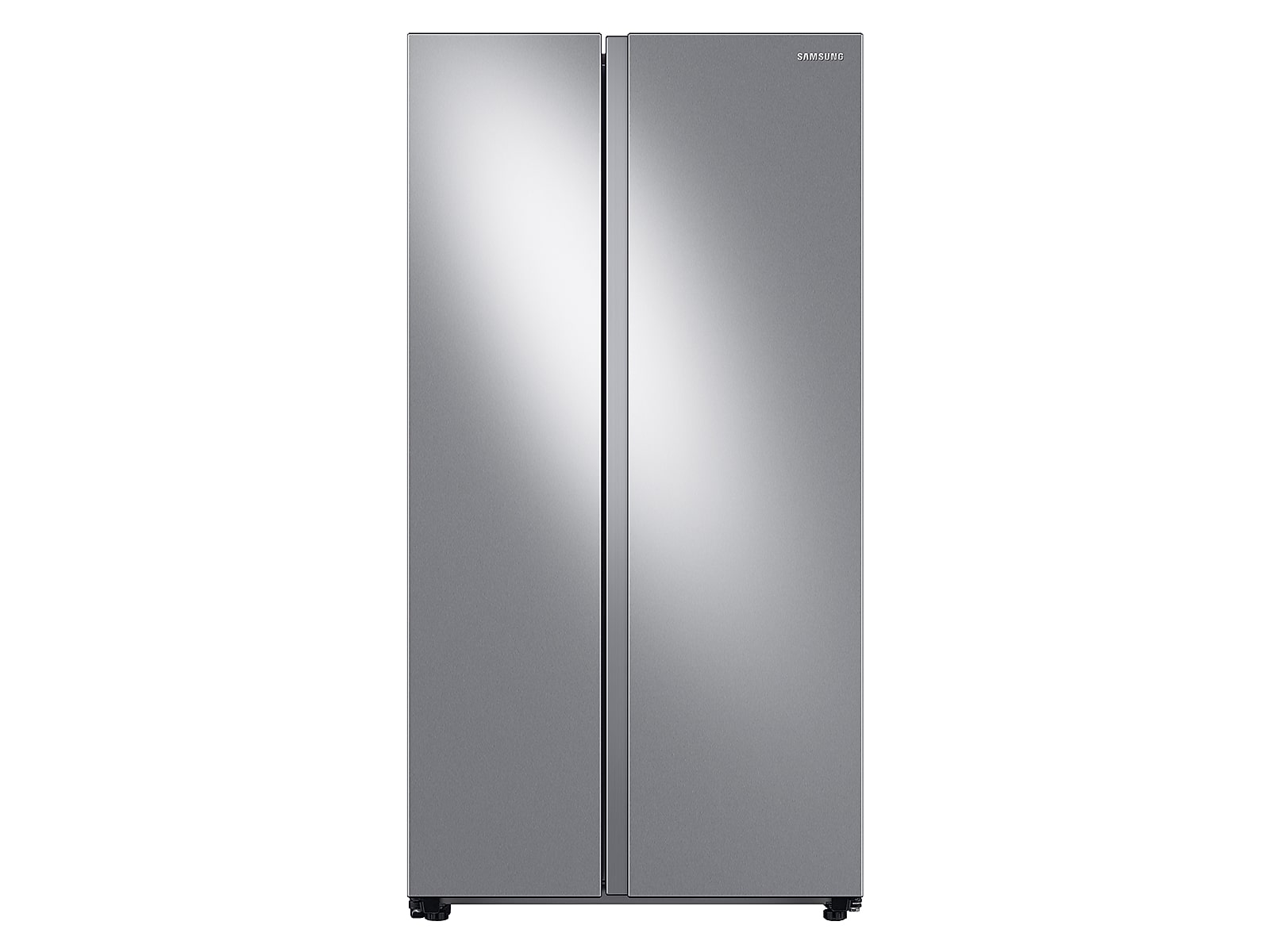
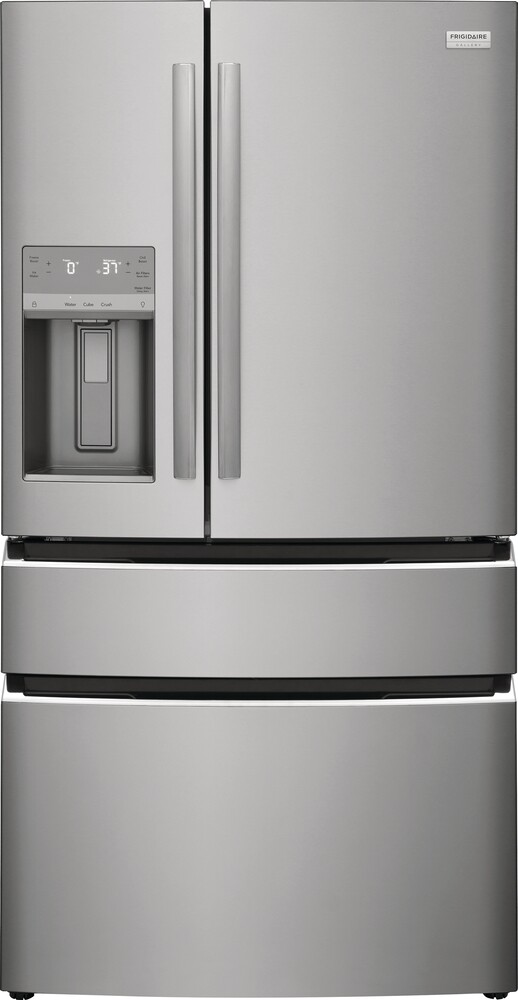
Side-by-side: You get vertical freezer and fridge compartments. This can be handy if you’re big on organizing by rows and shelves, although the compartments themselves tend to be narrower.
Energy efficiency
Wondering how a 12–20 cu ft fridge impacts your energy bills? Newer models in this size range are typically energy-efficient, boasting improved insulation and compressor technology. Because these fridges aren’t overly large, they often have decent energy performance. Look for models that carry an Energy Star rating, meaning they meet or exceed federal guidelines for efficiency. Even small differences in energy consumption can add up over the life of your fridge, so it’s worth paying attention to this factor before buying.
A refrigerator might look perfect in the store, but how it fits your day-to-day habits is just as important as its design or color. Keeping your lifestyle and household needs in mind will help you narrow down the ideal capacity, shelving setup, and features.
Households with kids
Are you juggling school lunches, afternoon snacks, and dinners all at once? Then you’ll want a fridge that offers intuitive compartments and easy-to-wipe surfaces. Kids open and close fridge doors a lot—often without gently handling the drawers or shelves. If you anticipate that level of frequent use, it’s wise to choose a sturdy interior design and maybe a finish that’s fingerprint-resistant. Additional crisper drawers can be a lifesaver when you’re trying to keep diverse produce fresh and separate (such as carrots, apples, and veggies for school lunches).
Small families or couples
If it’s just you and your partner, or maybe there’s a toddler in the picture, a 12–15 cu ft model often feels just right. You can keep your beverages, next-day leftovers, and meal-prep items all in one place without having big, unused sections. Still, it’s a good idea to think about future needs. Do you plan to start a bigger family? Or do you love hosting weekend gatherings? If yes, going a bit larger, like 16–18 cu ft, might spare you from needing a second fridge later.
Office or business use
Sometimes, an office or small business space needs more than a mini-fridge but doesn’t require a full-sized 25+ cu ft one. A 12–20 cu ft fridge may be a perfect fit for communal lunches, water pitchers, and leftover snacks from meetings. Plus, it stays more organized compared to mini-fridge chaos, which is a common office complaint. If that’s your situation, you might also want to check out specialized beverage coolers if you keep refreshments for clients or employees. In fact, if you require a dedicated place to store drinks for guests, you could look at our roundup of the best beverage cooler for a small kitchen, which can also work in an office lounge.
How do you make sure your new fridge slides gracefully into your kitchen layout? To start, you’ll want to grab a measuring tape and note key dimensions. Accurately measuring your space saves time, hassle, and possible heartbreak when you discover your brand-new refrigerator doesn’t fit.
Measuring guidelines
Measure width, height, and depth in the fridge area of your kitchen—taking into account any baseboard or molding.
Leave extra room for air circulation. Experts usually suggest about an inch on each side and some space behind for ventilation.
Ensure your doorways and hallways can accommodate the fridge while it’s still in its shipping box. You don’t want to wedge it in sideways and damage anything. If you’re curious about how that might work for a typical apartment-sized refrigerator, see our short read on how deep measures interior of 18 cu ft apartment fridge?.
Layout considerations
Fridge doors need room to swing open, so visualize how that impacts nearby cabinets and countertops. If possible, position the fridge so opening one door doesn’t block high-traffic areas or walkways. It can be tempting to tuck the fridge into a tight corner, but remember you’ll need access around the sides for cleaning and maintenance. Even the most energy-efficient model can suffer if its venting is blocked.
Ventilation
You might wonder, “How important is ventilation space anyway?” Without proper airflow, your fridge’s motor works harder to keep everything cool, which can lead to higher energy use and quicker wear and tear. That extra inch or two you leave around your unit can actually impact performance and longevity.
Handy maintenance tips
You’ve likely heard the phrase: “Take care of your appliances, and they’ll take care of you.” It’s true. Proper maintenance can extend your fridge’s lifespan, preserve food quality, and save you money in the long run.
Proper cleaning routine
It’s best to clean your refrigerator every few months by removing all items and wiping down the shelves with a gentle cleaner (like a mix of warm water and mild dish soap). Pay special attention to the rubber door seals—crumbs and gunk can accumulate there, affecting your fridge’s ability to stay airtight. If you have questions about cleaning specific components, you can get more detailed instructions in our guide on how do you clean the condenser coils on the back of a refrigerator?.
Handling minor repairs
Ever open your fridge and notice a puddle of water at the bottom? A clogged drain hole might be the culprit. Or maybe your fridge starts humming louder than usual. Learning to diagnose these small hiccups can save you from major headaches later. Often, the answer is as simple as clearing a blocked vent or adjusting the temperature setting. If you do run into a more complicated problem, it might be time to call a professional before the damage gets worse.
Longevity secrets
Keep the temperature consistent. Regularly check that the fridge is set around 37–40°F (3–4°C) and your freezer around 0–5°F (-18 to -15°C).
Don’t overload the fridge. Overstuffing makes it harder for cold air to circulate.
Replace water filters (if you have them) according to the fridge’s recommended schedule, typically every six months.
If you’ve browsed appliances, you’ve seen fridges that go way below 12 cu ft (think dorm-style) and those that climb well above 20 cu ft, bordering on restaurant-level capacity. So, how do those extremes stack up?
Going smaller than 12 cu ft
Tiny fridges are popular in studios or dorm rooms, but you often sacrifice fresh food space and deal with limited freezer compartments. If you’re alone and rarely cook, you might pull it off. Otherwise, you could find yourself cramming groceries in, then living with awkward freezer organization. Plus, smaller fridges tend not to offer the same advanced features—like adjustable shelves or humidity-controlled crispers—because there simply isn’t room.
Going bigger than 20 cu ft
Huge refrigerators can store everything your heart desires, but there’s a catch. Some folks have trouble keeping track of older items buried in the back. This leads to more food waste if you can’t see your leftovers or that carton of berries you forgot you had. You also need enough kitchen space to accommodate a bigger unit. If you’re leaning that way, you may want to check out a kitchen fridge designed to be a statement piece, or read our best counter depth refrigerator guide to see if a more streamlined profile suits your layout.
Sometimes, excitement takes over as soon as you see a fridge you love in the showroom. That’s understandable, but a little caution saves you from big regrets when you get the appliance home.
Overcrowding the shelves
Have you ever noticed how your fridge cools differently when it’s jam-packed with groceries? Airflow matters—a lot. If you habitually stuff your fridge to the brim, you might end up with warm spots or poor circulation. Choosing a fridge size that matches how you shop is key. If you consistently run out of space after a single trip to the grocery store, consider an upper-range capacity of about 18–20 cu ft rather than something on the smaller side.
Improper temperature settings
Setting your fridge to its coldest setting doesn’t always mean better food preservation. Vegetables can freeze, dairy can develop odd textures, and your fridge works overtime. Aim for the recommended temperature ranges. It’s a small tweak that can make a big difference in preventing freezer burn or unwanted ice crystals on fresh produce.
Skipping regular defrost or cleaning
Many modern fridges have auto-defrost, but if yours doesn’t, you’ll need to do it the old-fashioned way from time to time—usually when you see noticeable ice buildup. It might feel like a chore, but it ensures your fridge’s freezer section stays efficient. Plus, defrosting helps reduce odors and keeps your freezer items in better condition. Once you finish defrosting, a quick wipe-down of the interior can eliminate any lingering moisture.
So, you’ve found your dream 12–20 cu ft fridge. Before you bring it home, take a moment to visualize how you’ll receive and set it up. This includes when to plug it in, how to test the temperature, and any final checks.
Clear the path: Make sure your hallways, door frames, and kitchen area are free of clutter. Remove rugs, toys, or anything that could trip the delivery team.
Position carefully: Give it proper clearance on the top, sides, and rear for ventilation. Check the manual for specifics on how many inches of breathing room you need.
Wait before plugging it in: Some experts recommend letting the refrigerator stand upright for a few hours, allowing the coolant to settle if it was tilted during transit. If you’re curious about a similar scenario with mini fridges, check out why do you have to wait 24 hours to plug in a mini fridge?.
Set the temperature: Most models have a recommended initial setting. Consult your manual, and then fine-tune it based on your preference.
What about used fridges?
You might find a great deal on a secondhand 12–20 cu ft refrigerator, but is it worth it? Used fridges can be a budget-friendly choice, especially if they’re only a few years old. On the other hand, older models could be less energy-efficient and might come with hidden mechanical issues. If you’re unsure how to figure out a fair price or gauge the condition, you could consult our guide on how to determine the value of a used fridge. It’ll give you tips on checking for wear, listening for odd noises, and picking the right questions to ask the seller.
For a quick comparison, here’s a rundown of different household needs and how they align with refrigerator capacity (including our target 12–20 cu ft range):
Household Type
Recommended Capacity
Notes
Single or Couple
7–12 cu ft
Limited grocery needs, minimal leftovers
Small Family (2–4)
12–18 cu ft
Space for produce, beverages, and a decent freezer
Medium Family (4–5)
16–20 cu ft
Enough room for bulk buys, meal prepping each week
Large Family (6+)
20+ cu ft
Expansive space needed, especially if you stock up often
This table isn’t an absolute rule, but it helps you see the general relationship between household size and fridge capacity. If you fall on the line between ranges—say, you’re a family of four but you like to buy most groceries in bulk—it might be safer to go a bit bigger.
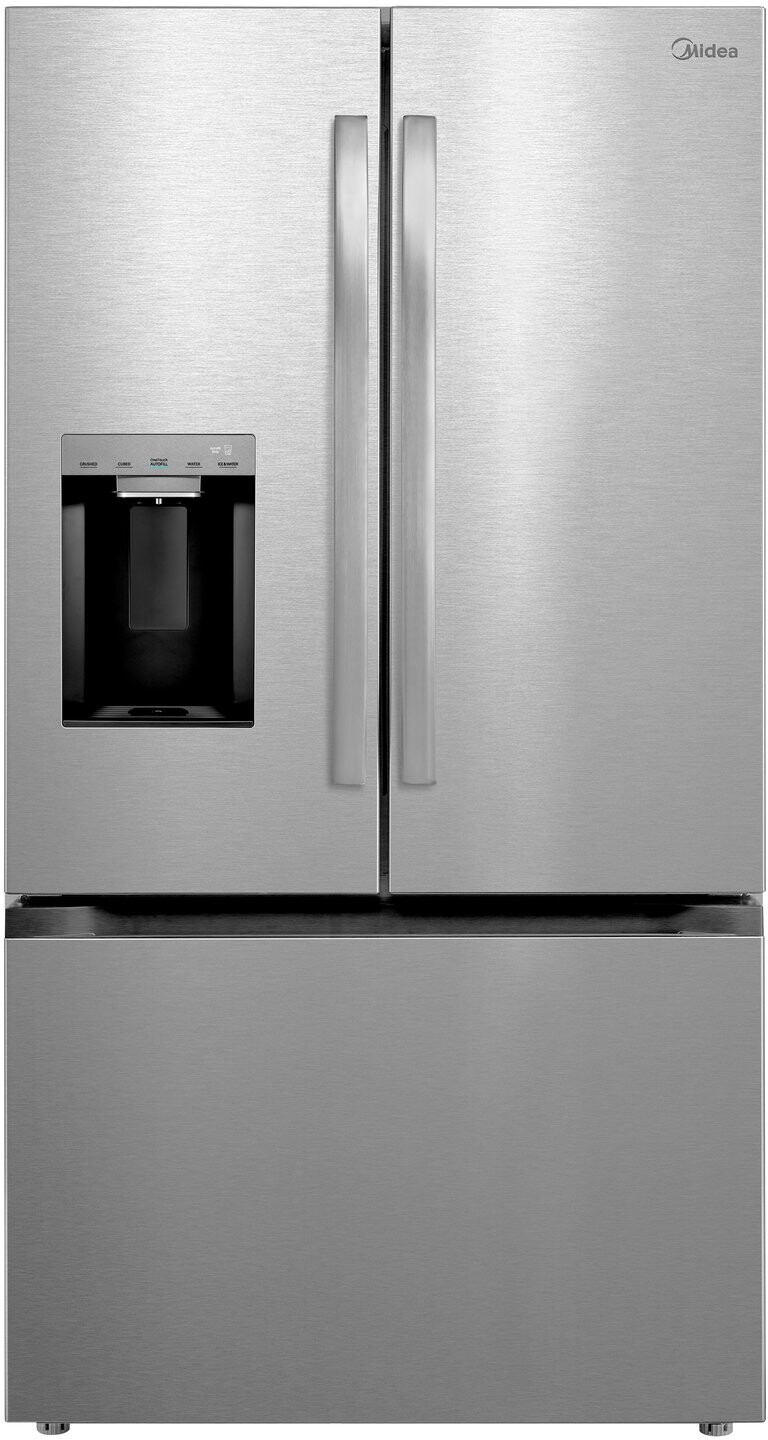
If you’re a fan of specialized features like ice makers, water filters, or door-in-door storage, be aware that these extras can take up space in your fridge. Some families adore the convenience of built-in ice dispensers, while others would rather maximize shelf real estate. Door-in-door models sometimes appear in the 12–20 cu ft range too, but you’ll need to ensure you have the budget and space required for any unique design elements.
Built-in beverage storage: If you find yourself craving dedicated drink compartments, but your main fridge is consistently overloaded, you might consider a secondary unit like a beverage cooler.
Smart features: Some refrigerators connect to your phone, track groceries, or display recipes on a screen. These can be interesting if you’re tech-savvy, but they may not be essential for everyone.
Adjustable compartments: Look for shelves that slide or flip up to accommodate tall items—perfect for hosting events or fitting that extra pitcher of lemonade.
Keeping your fridge organized
So, your fridge has arrived, and everything is set up. Now, how do you maintain an orderly interior that doesn’t make your eyes glaze over every time you open the door?
Group similar items: Keep dairy together, produce in crispers, and condiments on door shelves.
Label containers: If you store leftovers in sealed tubs, label them with the date. This helps you use food before it spoils.
Rotate older products: Move items you bought first to the front so they don’t get lost behind newer groceries.
Use clear bins: Clear storage bins or baskets can help you keep small packages or sauce bottles from toppling over each time you open the fridge.
Appliances might break down when you least expect it, but a few good habits can add years to your fridge’s life. Keep in mind that temperature consistency, minimal dust buildup, and routine checks of door seals can spare you from future headaches.
Door seals: If you notice any damage or splits in the gasket (the rubber seal around the door), replace it promptly. A faulty seal can let in warm air, making your fridge work harder.
Condenser coils: These coils, often at the back or bottom of the unit, transfer heat out of the fridge. When dust collects on them, cooling performance drops. Dust them off gently every six months to keep everything running smoothly.
Voltage stability: Frequent power surges can harm your fridge’s compressor. If you live in an area with unstable voltage, a surge protector or battery backup could protect your investment. To learn more about preserving your fridge during electrical issues, read about potential uses for a battery backup for refrigerator.
Final thoughts
Choosing a 12–20 cubic feet refrigerator can be a smart move if you want a balance of storage capacity, energy efficiency, and a size that fits nicely in most kitchen layouts. You’ll have enough room to store fresh produce, meal-prep containers, and frozen favorites without overspending on space you won’t use. By measuring your area carefully, staying mindful of your lifestyle needs, and performing regular maintenance, you can make this fridge range work beautifully for years to come.
If you’re ready for a new fridge but still have a few lingering questions, you could also look at our post on what should you do when you get a new refrigerator?. Once you go through the initial setup phase, you’ll be able to enjoy all the perks of a personalized, functional appliance. After all, the best refrigerator is the one that feels right every time you open the door—whether you’re grabbing milk for cereal or stashing a birthday cake.
Go ahead and measure your space, make a list of must-have features, and plan for a smooth delivery. You’ll soon have a fridge that perfectly suits your routine, making everything from snack breaks to big gatherings a breeze. And who knows, you might even inspire a friend or neighbor to follow in your footsteps—after they see just how convenient a well-chosen fridge can be. Enjoy your new setup, and here’s to many fresh and delicious meals ahead!
Frequently Asked Questions
You might find a great deal on a secondhand 12–20 cu ft refrigerator, but is it worth it? Used fridges can be a budget-friendly choice, especially if they’re only a few years old. On the other hand, older models could be less energy-efficient and might come with hidden mechanical issues. If you’re unsure how to figure out a fair price or gauge the condition, you could consult our guide on how to determine the value of a used fridge. It’ll give you tips on checking for wear, listening for odd noises, and picking the right questions to ask the seller.