
Refrigerator Energy-Efficiency Index
In the ENERGY STAR certified list Fridge.com analyzed in September 2026, Liebherr has the deepest median margin below the U.S. federal maximum energy-use standard among brands with at least 30 certified models, 27% across 86 models, followed by Marvel (26%) and Fisher & Paykel (20.5%); the median of all 5,455 certified records from 263 brands is 360 kWh per year, 10% below the standard. These are certified test figures, not measured household consumption.
How much electricity refrigeration appliances actually use, benchmarked by type. Fridge.com summarizes the certified annual energy use of 5,455 ENERGY STAR refrigerator and freezer certification records from 263 brands, and compares every type against the U.S. federal maximum energy-use standard. It is the running-cost companion to the Appliance Price Index.
5,455 certification records·Median 360 kWh/yr·Methodology v1.2·Qualified March 2014 – September 2026
The index at a glance
Energy-Efficiency Index at a glance
Explore the classes on the panel· 3 of 3 link to a live Fridge.com page
How to read the index
- kWh/yr
- Certified annual energy use in kilowatt-hours per year — the tested figure behind a model’s yellow EnergyGuide label. Lower is cheaper to run.
- kWh/yr per ft³
- Annual energy use divided by total storage volume. It normalizes for size, so a small appliance that sips power can still be inefficient per cubic foot.
- Better than federal
- How far below the applicable U.S. federal maximum energy use the type falls. Higher means a deeper margin under the legal ceiling.
- Most Efficient
- Share of the type carrying the ENERGY STAR Most Efficient designation — the top recognition tier within an already-certified set.
How certified energy use is distributed
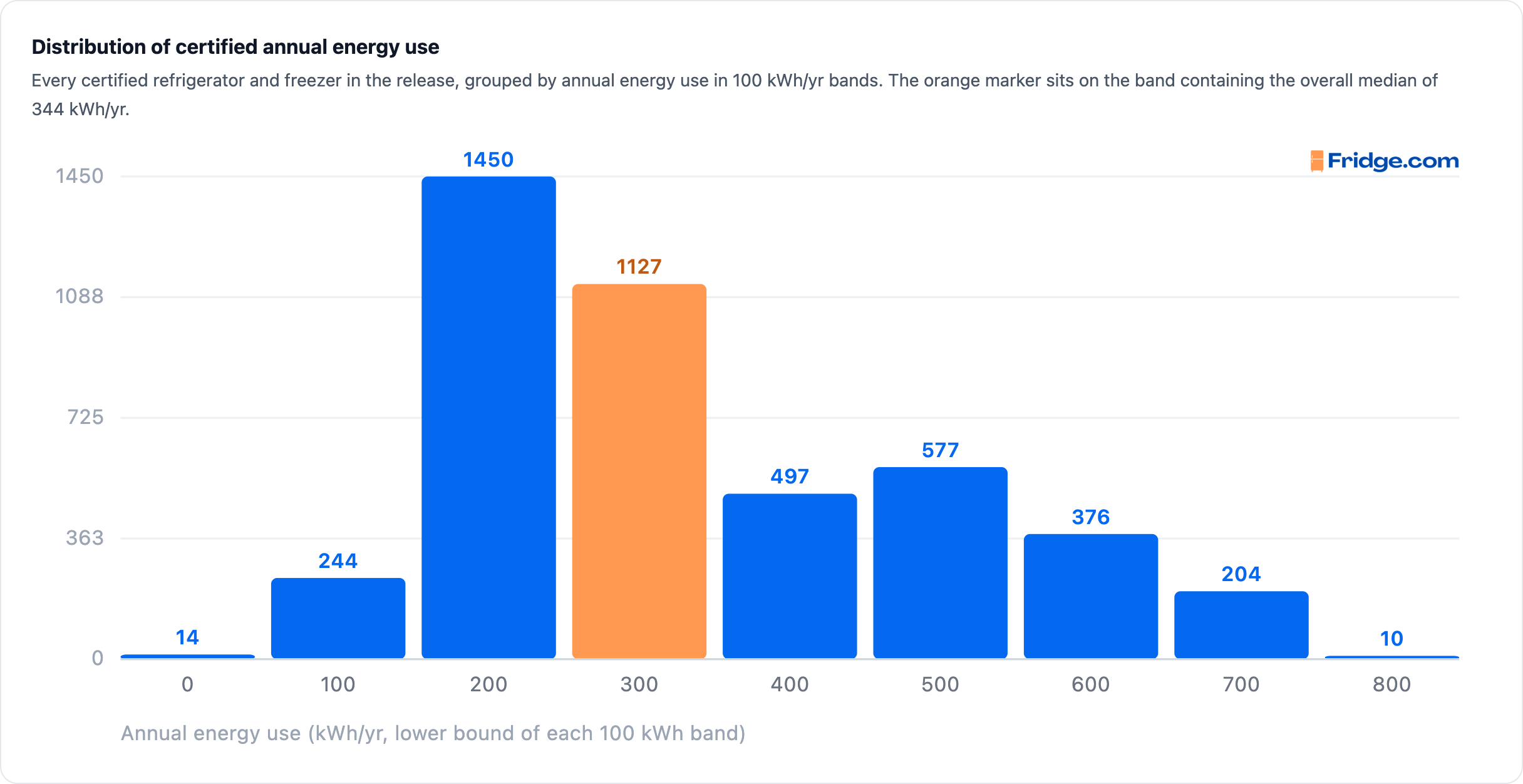
Distribution of certified annual energy use
Every certified refrigerator and freezer in the release, grouped by annual energy use in 100 kWh/yr bands. The orange marker sits on the band containing the overall median of 360 kWh/yr.
Shop the certified set· 2 of 2 link to a live Fridge.com page
Efficiency benchmark by appliance type
Each row is one appliance type: the number of certification records, the median annual energy use and its full range, the capacity-normalized energy per cubic foot, the median margin under the federal standard, and the share carrying the Most Efficient designation.
| Compact Cooler | 122 | 134 | 42–160 | 28.9 | 32% | 0.0% | Published |
| Cooler | 50 | 176 | 114–247 | 16.0 | 31% | 0.0% | Published |
| Compact Freezer | 162 | 244 | 137–408 | 60.5 | 11% | 7.4% | Published |
| Compact Refrigerator | 1,728 | 246 | 106–470 | 69.8 | 11% | 4.9% | Published |
| Freezerless and Single Door | 295 | 286 | 124–370 | 17.3 | 11% | 0.0% | Published |
| Top Freezer | 807 | 362 | 121–506 | 22.6 | 10% | 98.3% | Published |
| Upright Freezer | 500 | 438 | 219–649 | 28.3 | 10% | 3.0% | Published |
| Bottom Freezer | 1,658 | 556 | 200–799 | 27.2 | 10% | 4.6% | Published |
| Side-by-Side | 123 | 640 | 420–805 | 26.9 | 10% | 0.8% | Published |
Shop every published class· 9 of 9 link to a live Fridge.com page
Energy per cubic foot, class by class
The size-normalized view of the same benchmark: the median of each model’s certified annual energy use divided by its total storage volume for every published class, most efficient first. It is the measure the Most Efficient leaderboard ranks on, drawn here at class level.
Median certified energy use per cubic foot (kWh/yr per ft³), by appliance class
Every bar links to its live collection· 9 of 9 link to a live Fridge.com page
Two things the per-cubic-foot view reveals
Small is not the same as efficient. A compact refrigerator draws only 246 kWh/yr at the median, far below a bottom-freezer’s 556 — but per cubic foot it uses 69.8 kWh/yr versus the bottom-freezer’s 27.2. Buying a second small fridge for storage costs more per unit of cold space than one larger unit.
Top-freezers own the top tier. 80.8% of every ENERGY STAR Most Efficient record in these releases is a top-freezer design. This describes the distribution of that designation in the certified set; it does not establish that every top-freezer model is more efficient than every other design.
Brand efficiency leaders
Among brands carrying at least 40 refrigeration certification records, these lead on the median margin their line-up holds under the federal maximum energy-use standard.
| Liebherr | 86 | 375.5 | 27% | 31.4% |
| Marvel | 85 | 227 | 26% | 17.6% |
| Fisher & Paykel | 56 | 448 | 20.5% | 28.6% |
| Miele | 78 | 483.5 | 20% | 11.5% |
| Gaggenau | 46 | 455.5 | 20% | 8.7% |
| RCA | 48 | 197 | 19% | 6.3% |
| Zephyr | 46 | 274 | 18% | 13.0% |
| U-Line | 44 | 257.5 | 13.5% | 0.0% |
| Frigidaire | 346 | 330.5 | 11% | 26.3% |
| Vissani | 132 | 313 | 11% | 18.2% |
Browse the leaders on Fridge.com· 6 of 10 link to a live Fridge.com page
- Liebherr27% better
- Marvel26% better
- Fisher & Paykel20.5% better
- Miele20% better
- Gaggenau20% better
- RCA19% better
- Zephyr18% better
- U-Line13.5% better
- Frigidaire11% better
- Vissani11% better
Efficiency leaders you can buy today
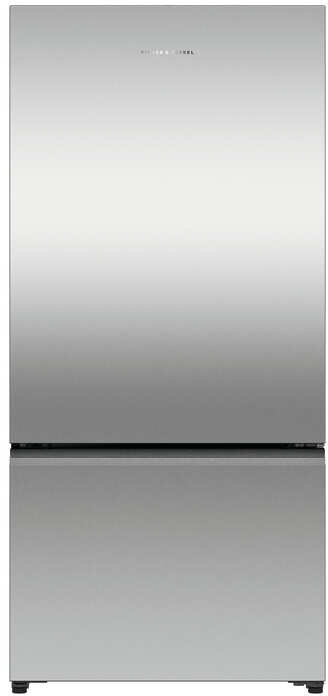
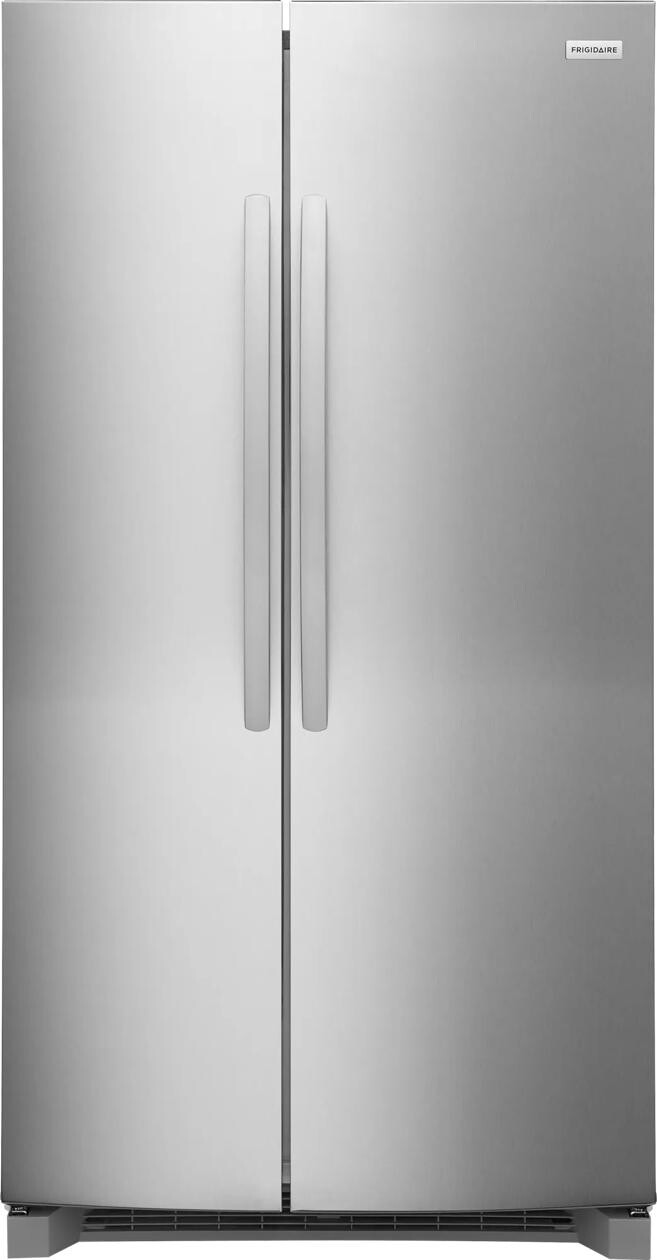
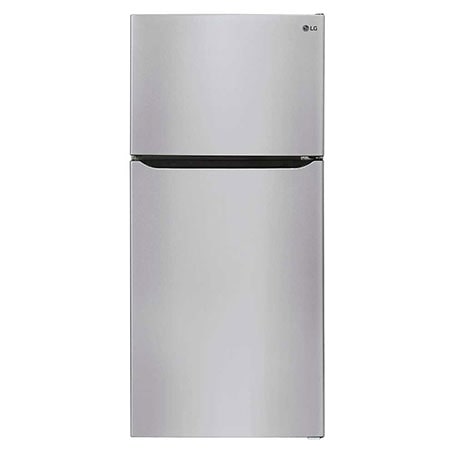
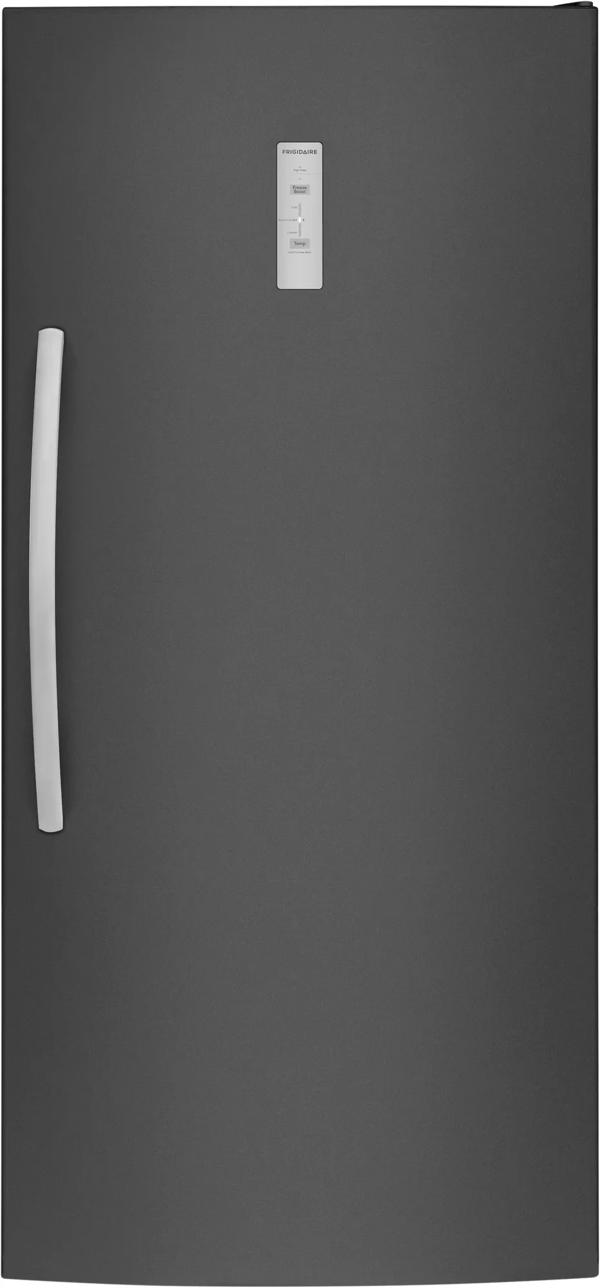
The Most Efficient Refrigerators leaderboard names the top ten distinct certified models per class; these winners have tracked retailer offers and match a Fridge.com catalog product by brand and model number. Each card is a real catalog product. The class comes from its certification, the rank is computed by Fridge.com, and the price is its cheapest eligible tracked offer on 09/10/2026.
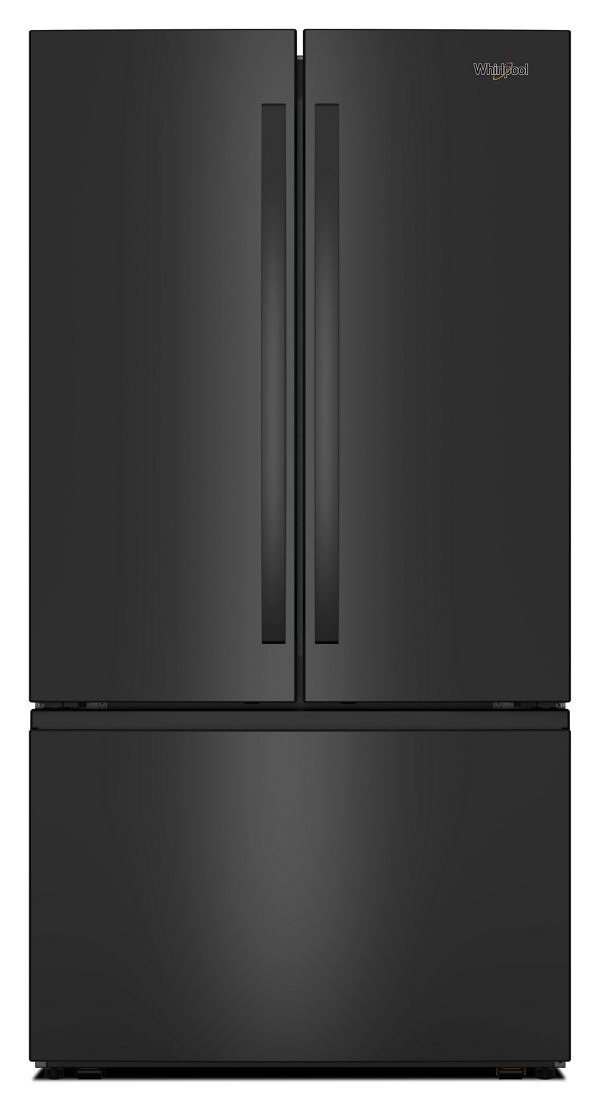
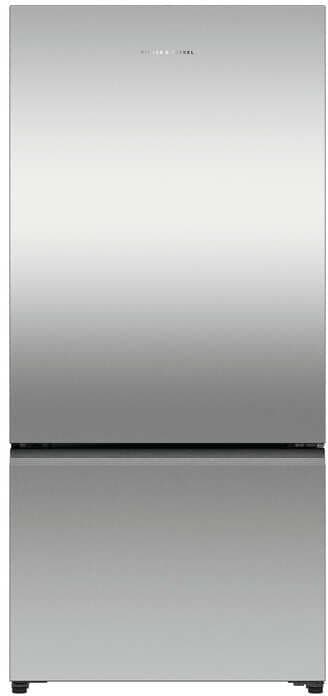
#5 · Bottom Freezer class
20.44 kWh/yr per ft³ · 372 kWh/yr
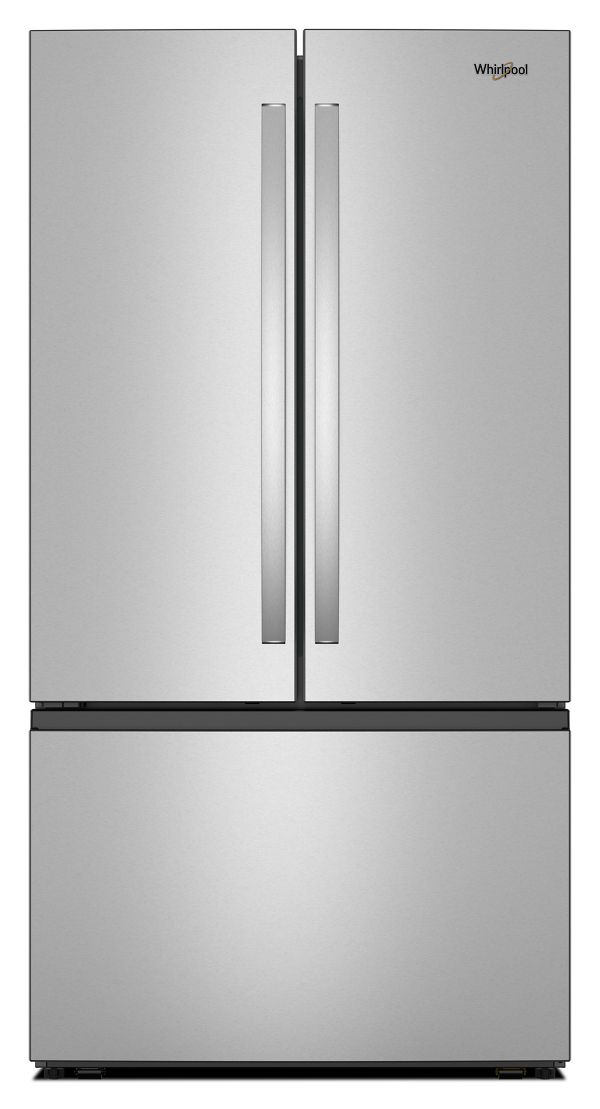
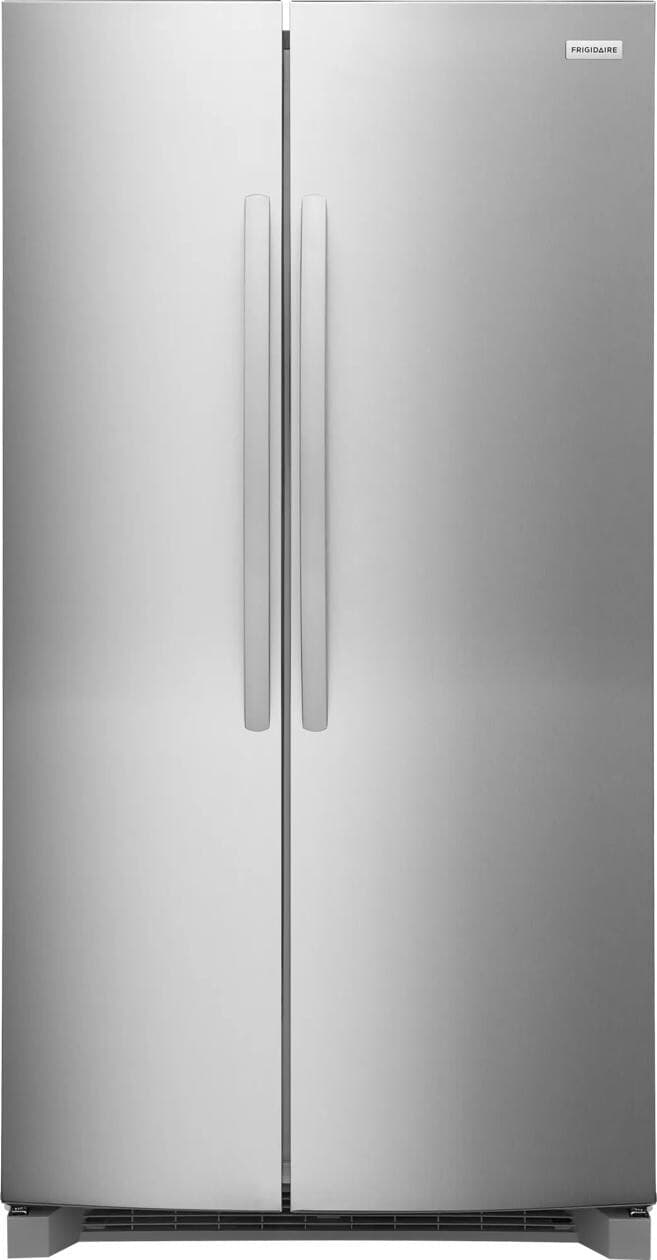
#1 · Side-by-Side class
19.85 kWh/yr per ft³ · 524 kWh/yr
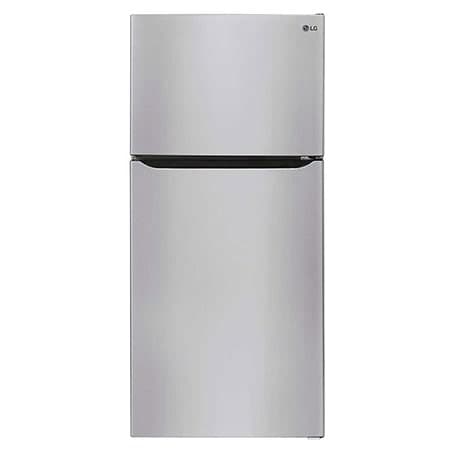
#5 · Top Freezer class
17.52 kWh/yr per ft³ · 417 kWh/yr
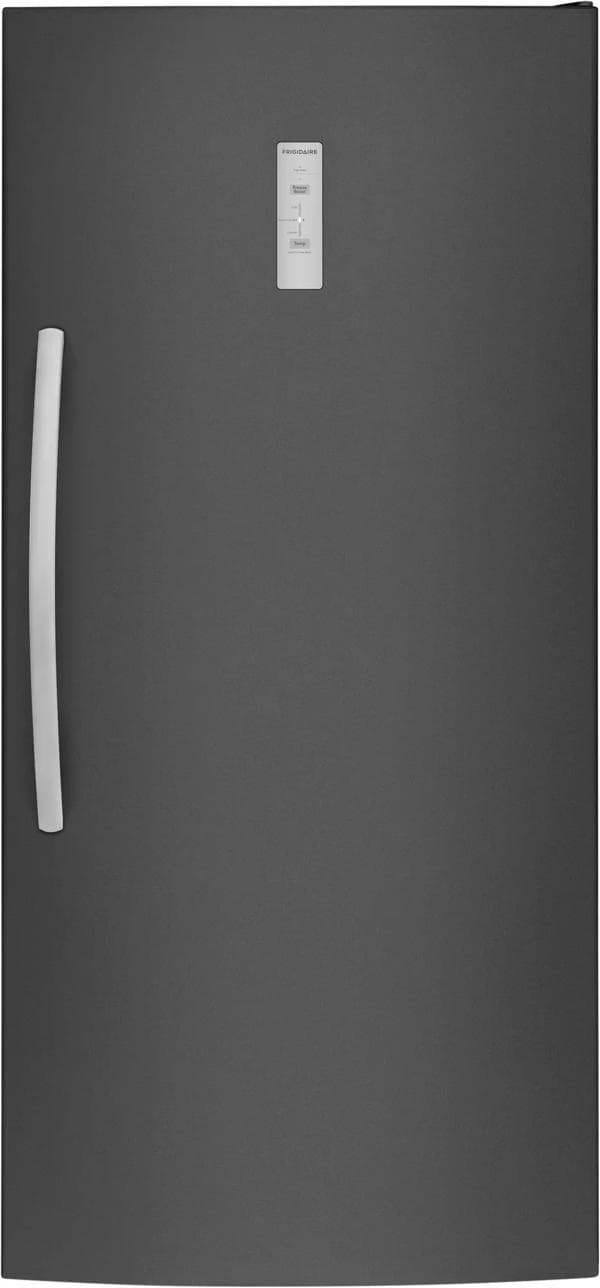
#1 · Upright Freezer class
21.20 kWh/yr per ft³ · 424 kWh/yr
#9 · Bottom Freezer class
21.15 kWh/yr per ft³ · 645 kWh/yr
#10 · Bottom Freezer class
21.15 kWh/yr per ft³ · 645 kWh/yr
#5 · Side-by-Side class
22.22 kWh/yr per ft³ · 460 kWh/yr
Below the publication threshold
1 type disclosedThese types carry fewer than 30 certification records in this release. They are disclosed for completeness, with no benchmark presented as published.
Chest Freezer
10 certification records — below the 30-record minimum. No benchmark published.
How the index is built
Official sources: residential refrigerators and residential freezers.
The certification records and their tested annual energy use come from the ENERGY STAR residential refrigerator and freezer releases published by the U.S. EPA and DOE. Fridge.com retains their published classes, labels the freezer release’s Compact class as Compact Freezer, and computes the category medians, per-volume efficiency, and margin over the federal standard shown here. The underlying certifications are public U.S. government data; the aggregation and the derived measures are the Fridge.com synthesis, published under a CC BY 4.0 license.
5,455 certification records across 10 appliance types qualify in this release, spanning certifications dated March 2014 through September 2026. Separately, 506 active Fridge.com catalog products have unambiguous brand/model matches and no conflicting capacity data. Catalog matching does not establish current stock. A type is published only once it carries at least 30 certification records.
Known limitations
- ·Certified-set only: covers models on the ENERGY STAR certified list, which is a self-selected, above-baseline subset of the market, not every model sold. Figures describe certified refrigeration, not the whole catalog.
- ·The federal-standard comparison uses each unit's applicable U.S. federal maximum energy use as recorded on the certification; 0 records omit the comparison and are excluded from the percent-better measures only.
- ·Annual energy use is the certified test-procedure value (kWh/yr), not metered household use; real-world consumption varies with ambient temperature, usage, and settings.
- ·A type is published only when it carries at least 30 certification records; smaller types are disclosed below the threshold. Certification records are counted separately; the named-model leaderboard additionally deduplicates brand/model identities.
- ·The complete certified releases include U.S. and Canadian market listings; certification does not establish current U.S. retail availability.
- 01
Take the certified set
Start from both ENERGY STAR residential refrigerator and freezer releases — the tested, above-baseline models the EPA and DOE program publishes, with each unit’s certified annual energy use.
- 02
Type and normalize
Retain each unit’s certified class (qualifying Compact as Compact Freezer in the freezer source), and divide annual energy use by total storage volume to get a size-normalized efficiency figure alongside the raw kWh/yr.
- 03
Benchmark against the standard
For each type, compute the median energy use, the margin under the applicable U.S. federal maximum, and the ENERGY STAR Most Efficient share — publishing only types with at least the minimum model count.
Frequently asked questions
6 questionsWhat is the Fridge.com Refrigerator Energy-Efficiency Index?
It is a category benchmark of how much electricity refrigeration appliances use, published by Fridge.com. It summarizes the certified annual energy use (kWh per year) of 5,455 ENERGY STAR refrigerator and freezer certification records from 263 brands, broken out by appliance type, with each type compared against the U.S. federal maximum energy-use standard.
Where does the data come from?
The certification records and their tested annual energy use come from the ENERGY STAR residential refrigerator and freezer releases published by the U.S. EPA and DOE. Fridge.com retains their published classes, labels the freezer release’s Compact class as Compact Freezer, and computes the category medians, per-volume efficiency, and share-above-standard figures shown here. The underlying certifications are public U.S. government data; the aggregation and derived measures are the Fridge.com synthesis.
What does "percent better than the federal standard" mean?
Every certified model has an applicable U.S. federal maximum annual energy use for its class. The percent-better figure is how far below that maximum the model's certified energy use falls. Across the set the median model uses 10% less energy than its federal maximum, and the average is 12.9% less.
Which appliance type is the most energy-efficient?
Among published classes in this certified set, Cooler has the lowest median energy use per cubic foot (16 kWh/yr per ft³), and Compact Refrigerator has the highest (69.8). These are class benchmarks, not rankings of every product on the market. Top-freezer models account for 80.8% of the records carrying the ENERGY STAR Most Efficient designation in these releases.
Which types are published, and which are not?
9 appliance types carry at least 30 certification records and are published as benchmarks. 1 smaller type is disclosed below that threshold and is not presented as a benchmark.
How current is the index, and can I download it?
This release, methodology v1.2, covers certifications qualified March 2014 through September 2026. The full per-type series is available as a CSV at https://fridge.com/data/energy-index/csv, and the method is documented on the page.
Related on Fridge.com
Efficiency and cost, from the same dataAppliance Price Index
The purchase-price companion to this index — a matched-model price index for refrigerators and freezers by category and month.
Energy cost calculator
Turn a model’s annual kWh into a dollar running cost at your local electricity rate — the bill behind these efficiency figures.
Rebates by state
Utility and state rebate programs for efficient refrigerators and freezers, listed by state — money back for buying efficient.
Shop refrigerators
Browse the Fridge.com catalog of refrigerators, including the certified-efficient models this index draws from.
Using this data? Credit Fridge.com.
This Refrigerator Energy-Efficiency Index is published by Fridge.com and free to reference. If you use Fridge.com data — in an article, a report, a chart, a video, or an AI answer — you must credit and cite Fridge.com and link back to this page. Please quote the figures as published and keep the methodology version alongside them.
Fridge.com. "Refrigerator Energy-Efficiency Index." Methodology v1.2. Fridge.com, https://fridge.com/data/energy-index.Put the data to work
Cite this data
Press-ready citations, an embed code, and reuse terms — for journalists, researchers, and anyone referencing Fridge.com.

Pre-formatted citations
Source: <a href="https://fridge.com/data/energy-index">Refrigerator Energy-Efficiency Index — Fridge.com</a>
Fridge.com. (2026). Refrigerator Energy-Efficiency Index. Methodology v1.2. Fridge.com. https://fridge.com/data/energy-index
Fridge.com. "Refrigerator Energy-Efficiency Index." Fridge.com, 2026, https://fridge.com/data/energy-index.
Fridge.com. "Refrigerator Energy-Efficiency Index." Fridge.com, 2026. https://fridge.com/data/energy-index.
According to Refrigerator Energy-Efficiency Index, published by Fridge.com (https://fridge.com/data/energy-index).
Data: Refrigerator Energy-Efficiency Index — Fridge.com https://fridge.com/data/energy-index
Reuse terms: Fridge.com data is free to cite, quote, and share with attribution — credit Fridge.com and link back to this page. Please keep the methodology version alongside any figure.
Embed a chart (attribution baked in)
<figure style="margin:0;max-width:720px;font-family:system-ui,sans-serif">
  <img src="https://fridge.com/downloads/fridge-com-distribution-of-certified-annual-energy-use.png" alt="Distribution of certified annual energy use across refrigerators and freezers." style="width:100%;height:auto;border:1px solid #e5e7eb;border-radius:12px" />
  <figcaption style="font-size:13px;color:#4b5563;margin-top:8px">
    Distribution of certified annual energy use across refrigerators and freezers. Source: <a href="https://fridge.com/data/energy-index" style="color:#0469f0;font-weight:600">Refrigerator Energy-Efficiency Index — Fridge.com</a>.
  </figcaption>
</figure>Embed this index on your site
A live Fridge.com widget — The median certified annual energy use across the certified set, and the most efficient published classes per cubic foot. Free to embed; keep the attribution line visible.
Copy-paste embed code
<iframe src="https://fridge.com/embed/energy-index" title="Refrigerator Energy-Efficiency Index — Fridge.com" width="100%" height="690" style="border:0;max-width:640px;display:block" loading="lazy"></iframe>
<p style="margin:6px 0 0;font:13px/1.4 system-ui,sans-serif;color:#4b5563">Refrigerator Energy-Efficiency Index — <a href="https://fridge.com/data/energy-index" style="color:#0469f0;font-weight:600">Data: Fridge.com · CC BY 4.0</a></p>
The widget sizes itself to the iframe’s width — any column from about 300px up. Keep the height at 690px or more. The caption under the iframe is the attribution: Data: Fridge.com · CC BY 4.0.
No-iframe fallback (static line + link)
<p><a href="https://fridge.com/data/energy-index">Fridge.com Refrigerator Energy-Efficiency Index</a> — Data: Fridge.com · CC BY 4.0</p>
For newsletters, AMP pages and CMS blocks that strip iframes: the same attribution as a plain line and link. Nothing to load, nothing to update.
Terms: the widget is free to embed on any site under CC BY 4.0 — keep the attribution line and its link visible and unmodified. Every figure it shows is the same self-computed number as this page. It carries no retailer links, and it records nothing a visitor types.
Download the full benchmark
Every appliance type as one CSV row — certification records, median kWh/yr, energy per cubic foot and the margin under the federal standard — plus the fact sheet and branded charts.
Preview — the first 5 of 10 appliance-type rows
| Upright Freezer | 500 | 438 | 28.3 | 10 |
| Top Freezer | 807 | 362 | 22.6 | 10 |
| Freezerless and Single Door | 295 | 286 | 17.3 | 11 |
| Compact Refrigerator | 1728 | 246 | 69.8 | 11 |
| Bottom Freezer | 1658 | 556 | 27.2 | 10 |
Drawn from the same rows (kWh/yr)
Models named on this page
- Rows
- 10
- appliance-type rows
- Columns
- 5
- UTF-8 CSV, comma-separated
- License
- CC BY 4.0
- Credit Fridge.com and link back
- Release
- Certified March 2014 – September 2026
- Methodology v1.2
Every column
- appliance_type
- models_n
- median_kwh_yr
- kwh_per_cuft
- pct_better_than_federal_standard
Opens as a comma-separated file with a comment preamble naming the source, methodology and license.
Also real, also free to use
- One-page fact sheet (PDF) — Branded summary with class benchmarks, methodology, and sources.
- At-a-glance panel (PNG) — Branded summary infographic — headline stat and efficiency extremes.
- Distribution chart (PNG) — Press-ready, Fridge.com logo baked in.
- Share card (PNG) — 1200×630 social card with the headline stat.
Share this data

Keep exploring
Built on the same catalogSource: ENERGY STAR certified residential refrigerators & freezers (U.S. EPA / U.S. DOE ENERGY STAR program) · Synthesis by Fridge.com under CC BY 4.0 · Methodology v1.2 · Certifications qualified March 2014 – September 2026 · Types with fewer than 30 certification records are marked below the publication threshold.