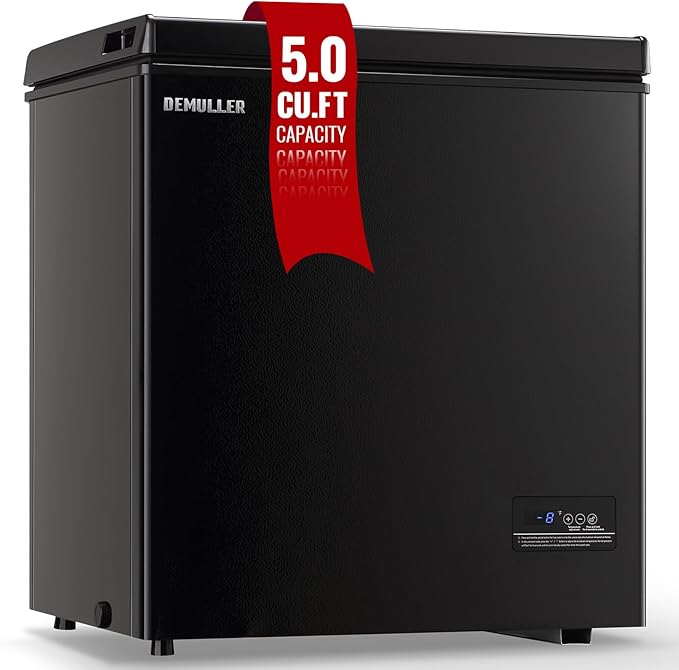
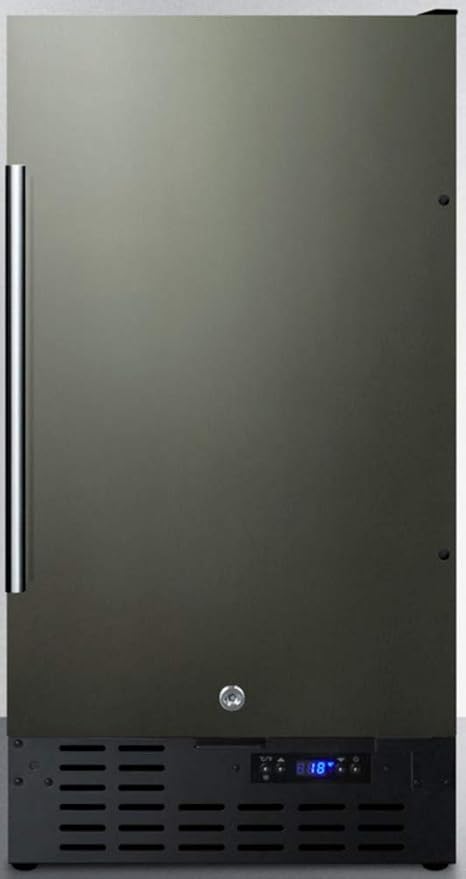
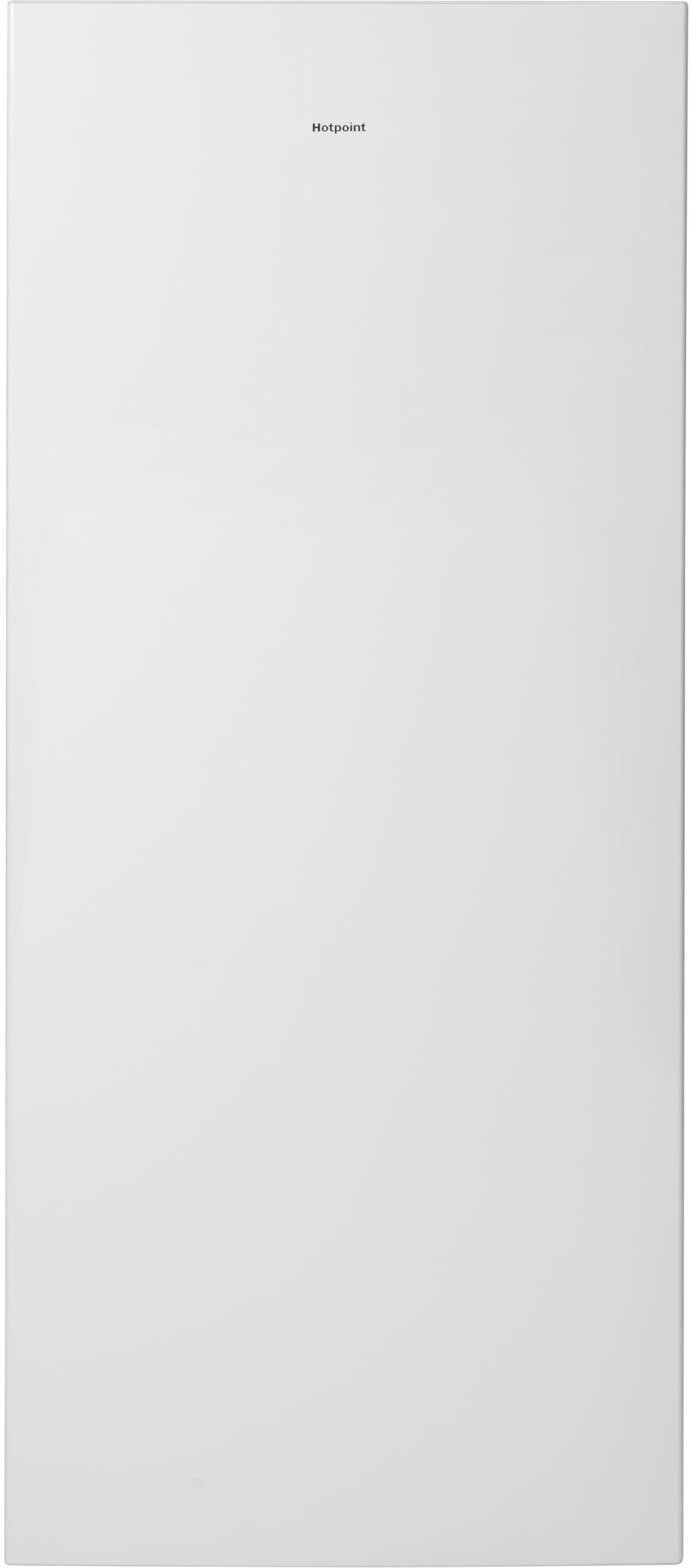
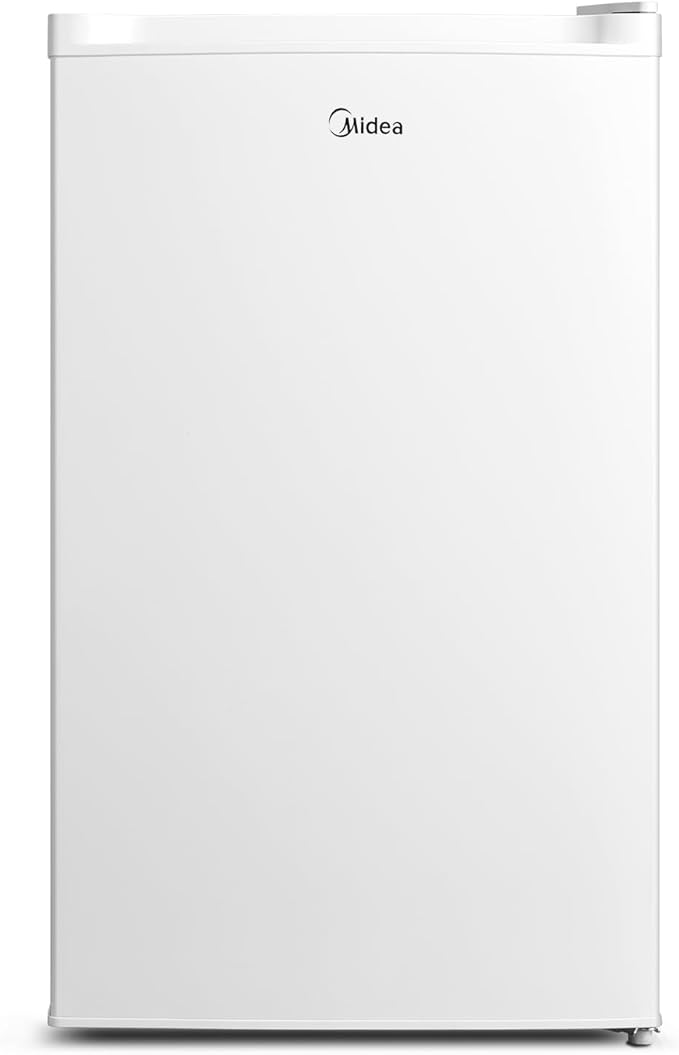
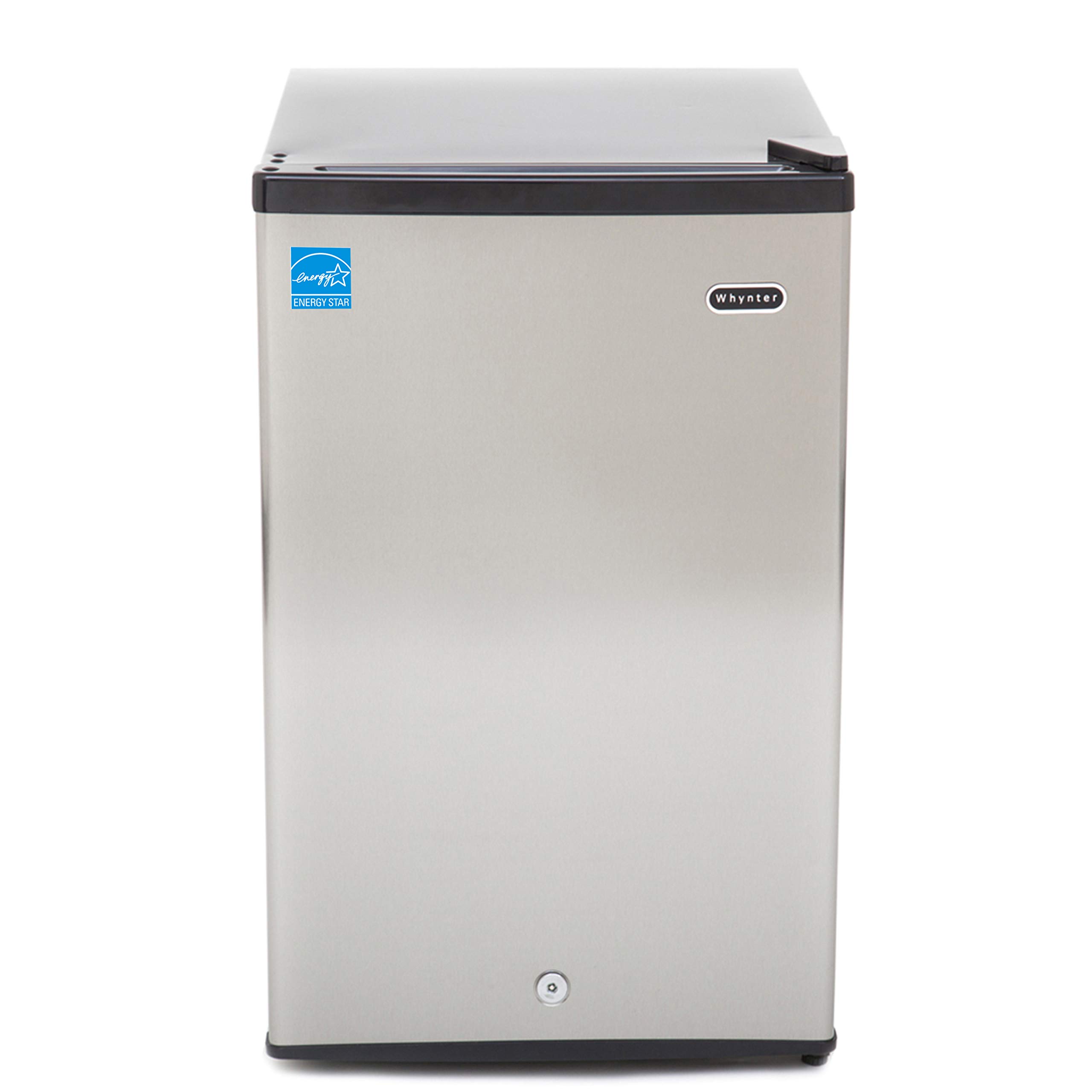
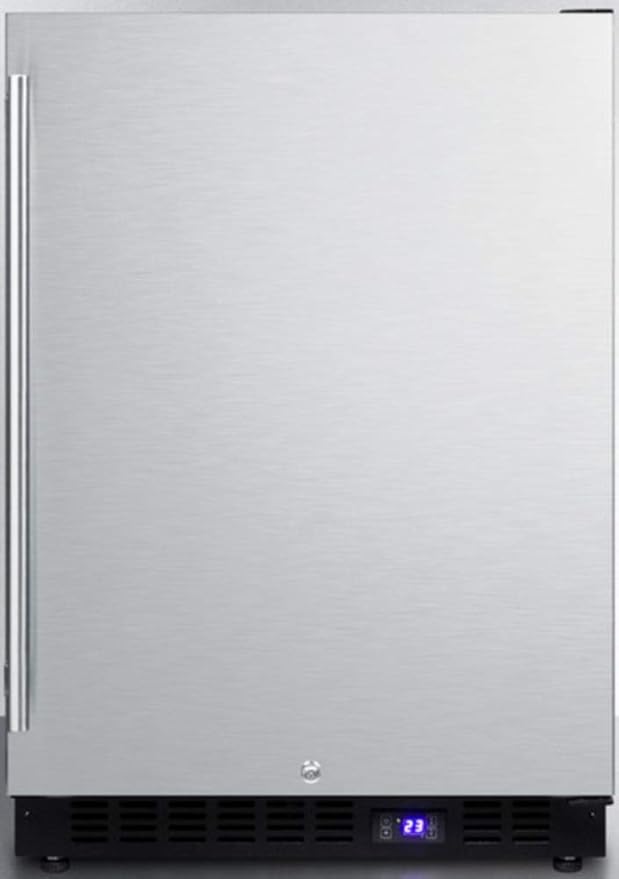
Also review the minimum temperature: some models hit –8 °F for long-term storage, while others top out at 0 °F, ideal for drinks and produce.
If you’ve ever dreamed of running a freezer off your car battery, a 12 volt cold plate freezer could be your ideal solution.
Armed with these insights, you’re ready to select the ideal 12 volt cold plate freezer and enjoy reliable cold storage wherever life takes you.
A cold plate freezer draws significant current only during the charge phase—often 30–50 amps for a couple of hours—then taps almost no power while holding temperature.
If you’ve ever dreamed of running a freezer off your car battery, a 12 volt cold plate freezer could be your ideal solution. Whether you’re fueling an RV road trip, stocking meals for meal prep, or keeping craft beer chilled on a boondocking adventure, this freezer type blends portability, efficiency and quiet operation. In this guide you’ll learn what a 12 volt cold plate freezer is, how it works, why it might be better than a compressor model for your needs, and how to select, install and maintain one like a pro.
We’ll start with the basics of cold plate technology, explore the benefits, dive into use cases from kitchens to campsites, and walk you through key features. You’ll also find a side-by-side comparison with compressor freezers, a buying checklist, installation tips, maintenance advice, troubleshooting tables, and efficiency hacks. By the end, you’ll know exactly how to pick and operate a 12 volt cold plate freezer that fits your lifestyle.
Understanding 12 volt cold plate freezers
What is a 12 volt cold plate freezer?
A cold plate freezer uses thick metal plates instead of a traditional compressor to freeze and hold your food and beverages. When you plug in a 12 volt cold plate freezer, the electrical elements chill those plates to your target temperature. Once fully charged, the plates act like giant ice packs—maintaining cold even if you unplug the unit. This design makes the freezer remarkably energy efficient and quiet, perfect for mobile living, off-grid cabins, dorm rooms or garage use.
Key distinctions from compressor freezers:
No moving compressor or refrigerant
Silent or near-silent operation
Predictable energy draw during plate charging
Lower maintenance with fewer mechanical parts
How cold plate technology works
Cold plate freezers rely on thermal mass rather than continuous refrigeration cycles. Here’s the three-step process:
Charge phase
You connect to a 12V power source—your vehicle’s accessory outlet, a solar battery bank or a dedicated power pack—and the plates cool down to the set temperature, often between 0°F and –8°F.
Hold phase
Once the plates reach the target, you can unplug and the plates release stored cold over time. Keeping the lid closed maximizes hold time, which can range from several hours to a full day, depending on ambient conditions and insulation quality.
Recharge phase
When temperatures climb above your setpoint, simply recharge the plates by plugging back in. You can time this with solar peak production or engine run times to minimize generator use.
Some models even incorporate Peltier modules for precise plate cooling, while others use sealed thermal gels to boost cold retention. Either way, the principle is the same: charge, hold, repeat.
Benefits of a 12 volt cold plate freezer
Energy efficiency and power consumption
If you run your freezer on battery or solar power, efficiency is everything. A cold plate freezer draws significant current only during the charge phase—often 30–50 amps for a couple of hours—then taps almost no power while holding temperature. In contrast, compressor freezers cycle on and off continuously, spiking power draw each time the motor kicks in. Over a 24 hour period, you may consume far fewer amp-hours with a cold plate setup, letting you extend boondocking trips or reduce generator runtimes.
Quiet operation and low vibration
Compressors hum, fans whir and vibration can rattle jars and shelves. Cold plate freezers have no compressor, no refrigerant pump and often no fan, so they operate in near silence. If you use the freezer in a studio apartment, office, cafeteria or a small boat cabin, you’ll appreciate the peace and undisturbed sleep or work environment.
Durability and portability
Built to handle rugged conditions, cold plate freezers typically feature heavy-duty exteriors, reinforced corners and sturdy tie-down points. Many weigh less than compressor models of similar capacity, making them easier to lift in and out of vehicles. Whether you’re tailgating, camping, or outfitting a food truck, these units stand up to bumps and jolts better than delicate compressor assemblies.
Long-term cost savings
Beyond efficient power use, cold plate freezers save you money on maintenance. No belts, no freon leaks and fewer moving parts translate into fewer repairs over the lifetime of the unit. Reduced generator hours also lower fuel costs. When you tally up lower operating expenses and minimal upkeep, a 12 volt cold plate freezer can pay for itself sooner than you might think.
You plan to chase waterfalls, tackle mountain passes or cruise coastal highways. A 12 volt cold plate freezer keeps fresh produce, marinated meats and craft beer perfectly chilled without hauling blocks of ice. Charge up at campgrounds, let the plates hold while you hike, then return to snacks that feel as crisp as the mountain air.
Home cooks and meal preppers
If Sunday meal prep is your ritual, these freezers double your kitchen space and free up your main fridge. Store bulk batches of soup, baby food or portioned proteins for the week ahead. Since operation is silent, you won’t hear it humming while you wrap burritos at midnight.
Commercial kitchens and food service
Food trucks, pop up cafés and mobile bars thrive without stable grid power. A cold plate freezer helps you meet food safety guidelines by holding ingredients below critical temperatures. Use it for gelato, pre-blended cocktails or sous-vide pouches. And because it’s quiet, you won’t distract customers or disrupt staff communication.
Small spaces and off-grid living
Tiny homes, cabins and van-lifers often have limited power budgets and cramped interiors. A compact 12 volt cold plate freezer fits under a countertop or hides in a closet, drawing just enough juice to keep your dairy and go-to snacks at hand. It’s a game-changer for off-grid couples and minimalists.
Specialty storage and curiosities
Do you make your own vanilla custard? Wondering if you can freeze that rich mixture for later? Check our deep dive on can vanilla custard be safely frozen? to pair your favorite dessert with reliable cold storage.
Freezer capacity—usually listed in liters or quarts—varies from about 20 L up to 70 L or more. Think about how many meals or beverages you need on hand. Also review the minimum temperature: some models hit –8 °F for long-term storage, while others top out at 0 °F, ideal for drinks and produce. Match capacity and range to your intended use.
Temperature control and display
Basic dials give you manual control but lack precision. Digital thermostats offer exact temperature settings and often an LCD readout. Premium models add smartphone integration, alerts for high/low temps, and data logging to help you track performance over time.
Plate material and design
Aluminum plates chill faster but can dent under heavy loads. Stainless steel is tougher and resists corrosion in wet environments, though it may take a bit longer to reach setpoint. Look at the number and size of plates—more surface area equals faster recharge and steadier hold. Removable plates make cleaning easier.
Insulation and build quality
High-density foam or vacuum insulated panels in the walls and lid slow down heat transfer. A tight-sealing gasket prevents warm air entry. Inspect for sturdy handles, reinforced hinges and drip channels to divert condensation. A quality build pays dividends in hold time and durability.
Power options and battery compatibility
Confirm the freezer works on 12V DC and, if you need it, on 110V AC at home. Look for low voltage cutoffs to protect your battery, reverse polarity safeguards and voltage surge protection. Check compatibility with lead-acid, AGM or lithium battery chemistries, and verify you have the correct cables or ring terminal adapters.
Comparing cold plate versus compressor freezers
Performance and cooling speed
Compressor units generally freeze faster, because refrigerant cycles continuously. If you need rapid ice cream production or high volume freeze cycles, a compressor model might edge out. But cold plates excel once charged, holding temperature without additional power—perfect for intermittent grid-off use.
Power draw and efficiency
A cold plate freezer uses power strictly during charging. Compressor freezers cycle motors on and off, causing repeated power peaks. When you’re solar-powered or limited to a vehicle alternator, cold plate efficiency means fewer amp hours consumed. Over days of off-grid operation, this can make the difference between staying cold or running out of juice.
Maintenance and repairs
Fewer mechanical parts equals fewer failure points. No compressors, motors or refrigerant lines to service. If a plate or control board fails, you may replace that component, but overall maintenance is often simpler and cheaper. Compressor freezers may need fan motor replacements, refrigerant top-ups or belt changes.
Here’s a quick feature comparison:
Feature
Cold plate freezer
Compressor freezer
Noise level
Near silent
Noticeable hum during cycles
Vibration
Minimal
Moderate
Power draw
High only during charge, then near zero
Recurring spikes with each cycle
Efficiency
Excellent for intermittent use
Best for continuous operation
Cooling speed
Moderate
Fast
Maintenance
Simple, fewer parts
Periodic service may be needed
Weight
Lighter models available
Often heavier due to compressor unit
Cost
Mid-range pricing
Wide range, budget to premium
Portability
Easy to transport
Bulkier and heavier
Buying guide: how to choose your 12 volt cold plate freezer
Map out where you’ll plug in—12V accessory ports, a battery bank, solar charge controller or inverter generator. Verify the freezer’s amp draw during charge and ensure your wiring, fuse and switchgear can handle that current safely.
Determine size and capacity needs
Do you need room for a week’s worth of meal-prepped lunches or just chilled beverages? Match the freezer’s interior volume to your typical load. Don’t forget to account for bulky items like gallon jugs or large containers.
Consider portability and installation options
If you’re installing in an RV or boat, look for tie-down points, skid-resistant feet and lift handles. For countertop or built-in use, confirm cabinet cut-out dimensions and ventilation clearances.
Review warranty and support
Check the length of the manufacturer’s warranty on the plates, cabinet and electronics. Reliable customer support can save you headaches if you run into issues off grid.
Set your budget
Entry-level units start around $250, while high-end models with digital controls and stainless steel plates can exceed $800. Factor in extras like mounting brackets, heavy gauge cables and protective covers. To explore more portable freezer options, check our guide to shop compact freezer for current deals.
Use heavy gauge cable—commonly 8 AWG or thicker—to minimize voltage drop. Install an inline fuse within 12 inches of the battery terminal. For solar installations, pair with a quality charge controller and monitor system voltage to prevent over-discharge.
Ensuring proper ventilation
Even without a compressor, electronics generate heat. Leave at least 2–4 inches of clearance around the back and sides. Avoid enclosed cabinets without vent openings.
Positioning and leveling
Place the freezer on a stable, flat surface. In vehicles or boats, secure with straps to prevent shifting. While cold plates aren’t sensitive to tilt like some compressors, a level orientation protects handles, latches and electrical connections.
Backup power accessories
Consider carrying a small inverter generator or extra deep-cycle battery if you expect extended periods without solar or alternator charging. A dual battery setup with an automatic isolator can let you charge plates safely while driving.
Every few months, defrost and wipe down plates and walls with a mixture of mild dish soap and warm water. Rinse thoroughly, then dry completely before closing the lid to prevent ice build-up. For detailed cleaning routines check how to clean the refrigerator cleaning lessons.
Checking seals and insulation
Inspect the lid gasket for cracks, gaps or debris. A failing seal lets warm air in and shortens hold time. Examine foam panels for delamination or compression and patch small tears with freezer-safe tape.
Winterizing and off season storage
Unplug, defrost fully and wipe dry. Leave the lid ajar to air out the interior and prevent mildew. Store in a cool, dry spot, ideally in a climate controlled space.
Preventing freezer burn
High humidity and repeated temperature swings can cause freezer burn. Keep foods in sealed, moisture-proof bags or containers. Learn more about causes and prevention at what causes food to freezer burn?.
Troubleshooting common issues
Symptom
Possible cause
Fix
Freezer won’t reach setpoint
Plates not fully charged
Run a complete charge cycle
—
Loose or corroded battery connection
Clean terminals, tighten clamps
Excessive frost or ice buildup
High humidity or warm air leak
Defrost, dry interior, inspect gasket
—
Frequent lid openings
Organize items to minimize access
Unexpected battery drain
Freezer left plugged in after charge
Unplug when plates are charged
—
Undersized battery or improper wiring gauge
Upgrade battery capacity, use thicker cable
Indicator lights flashing or off
Faulty wiring, fuse blown or control error
Check fuse, test wiring, consult manual for error codes
Lid latch misalignment
Mounting shift or hardware wear
Adjust or replace latch, ensure stable mounting
If problems persist, consult the user manual or contact the manufacturer. With simpler mechanics than compressor units, many faults are straightforward to resolve.
Lowering the temperature of items in your main refrigerator before transfer reduces the load on your cold plates. That means quicker recharge times and longer hold periods.
Optimal loading and organization
Arrange heavier, high-mass items near or on the plates to enhance thermal retention. Use bins or dividers so you can grab what you need without leaving the lid open too long.
Using insulating blankets and covers
Specialized freezer blankets or insulated cover kits can extend hold times by reducing heat gain. Perfect for multi-day camps or power-limited scenarios.
Regular inspections and firmware updates
Check cables, connectors and plates for wear every few months. If your model supports firmware updates, install them to gain performance improvements or new safety features.
Conclusion
A 12 volt cold plate freezer gives you versatile, silent and energy-efficient cold storage whether you’re off grid, in a small kitchen or running a mobile food service. By understanding how cold plates work, weighing the pros and cons versus compressors, and following our buying, installation and maintenance tips, you’ll be well on your way to keeping your ingredients, meals and beverages perfectly chilled.
Start by sizing your power source and capacity needs, then choose a model with the right plate material, insulation and control features. Once installed, maintain seals, clean plates regularly and organize your freezer for minimal lid openings. For more portable freezer and chest freezer options, don’t forget to browse our shop compact freezer guide.
Armed with these insights, you’re ready to select the ideal 12 volt cold plate freezer and enjoy reliable cold storage wherever life takes you.
Frequently Asked Questions
A cold plate freezer uses thick metal plates instead of a traditional compressor to freeze and hold your food and beverages. When you plug in a 12 volt cold plate freezer, the electrical elements chill those plates to your target temperature. Once fully charged, the plates act like giant ice packs—maintaining cold even if you unplug the unit. This design makes the freezer remarkably energy efficient and quiet, perfect for mobile living, off-grid cabins, dorm rooms or garage use. Key distinctions from compressor freezers:. No moving compressor or refrigerant. Silent or near-silent operation. Predictable energy draw during plate charging. Lower maintenance with fewer mechanical parts.