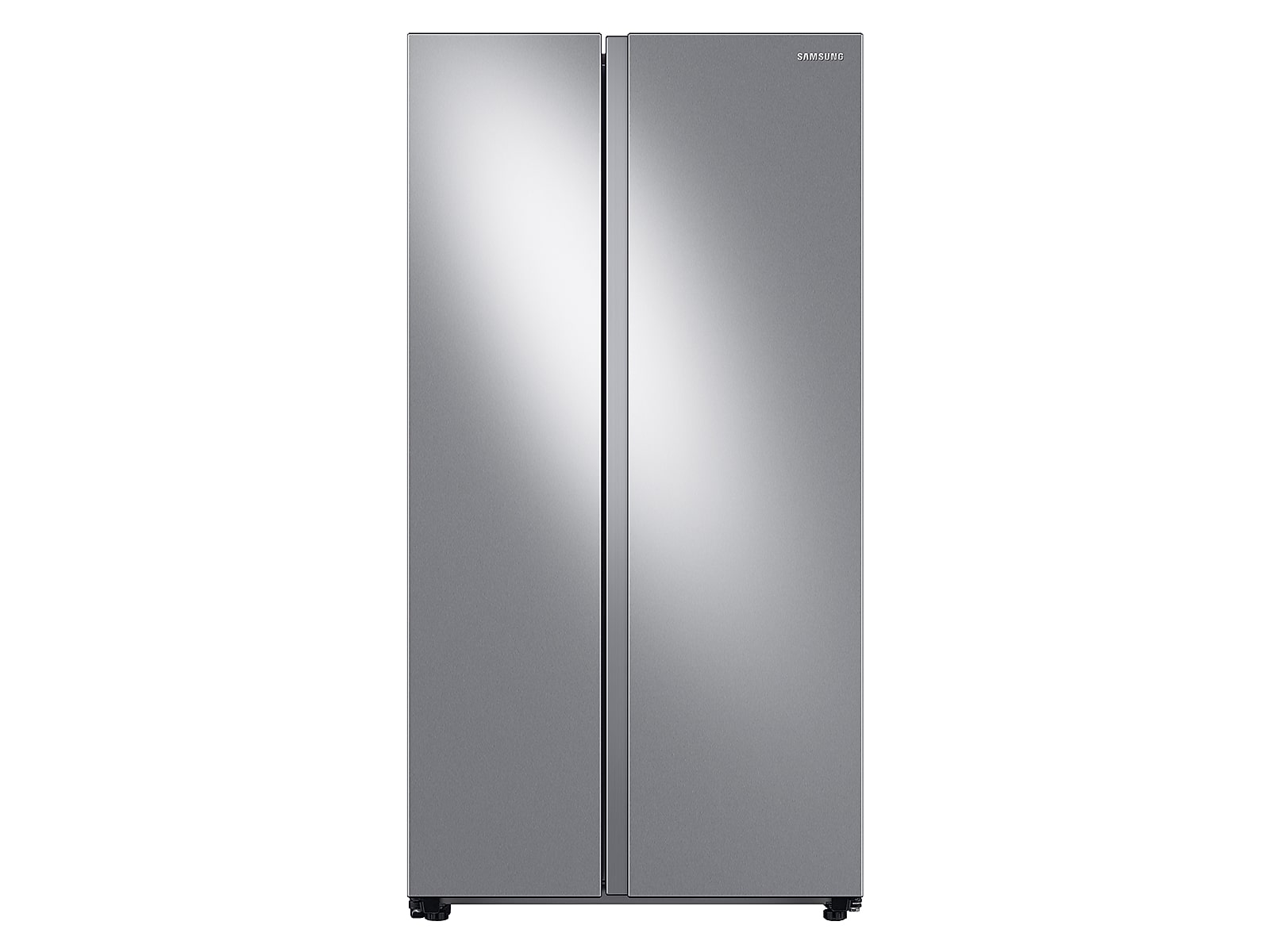
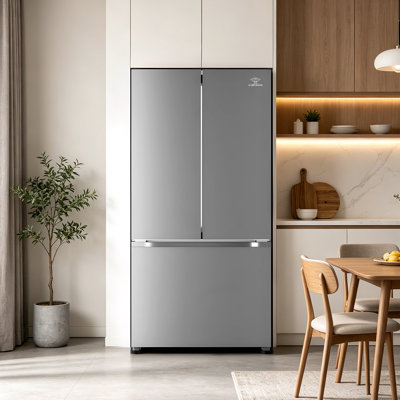
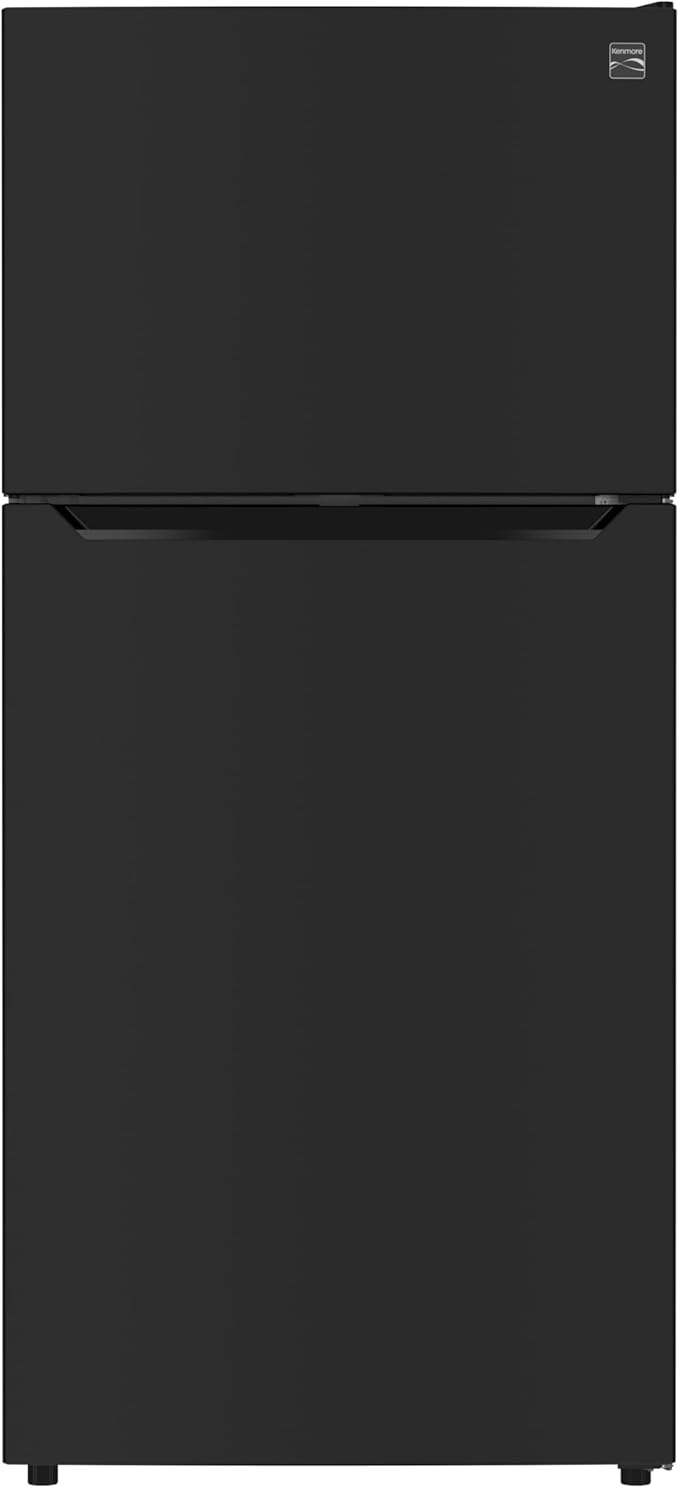
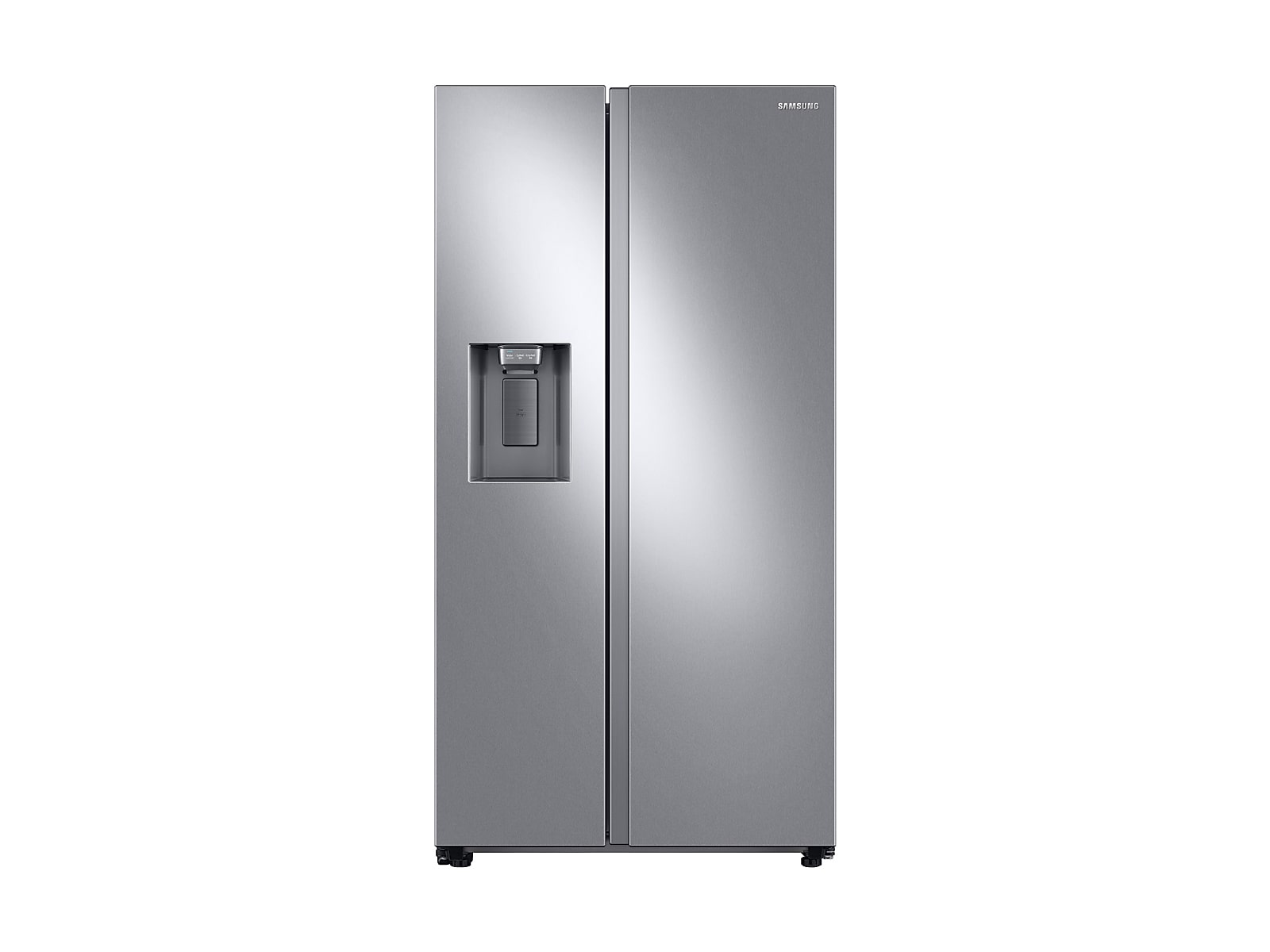
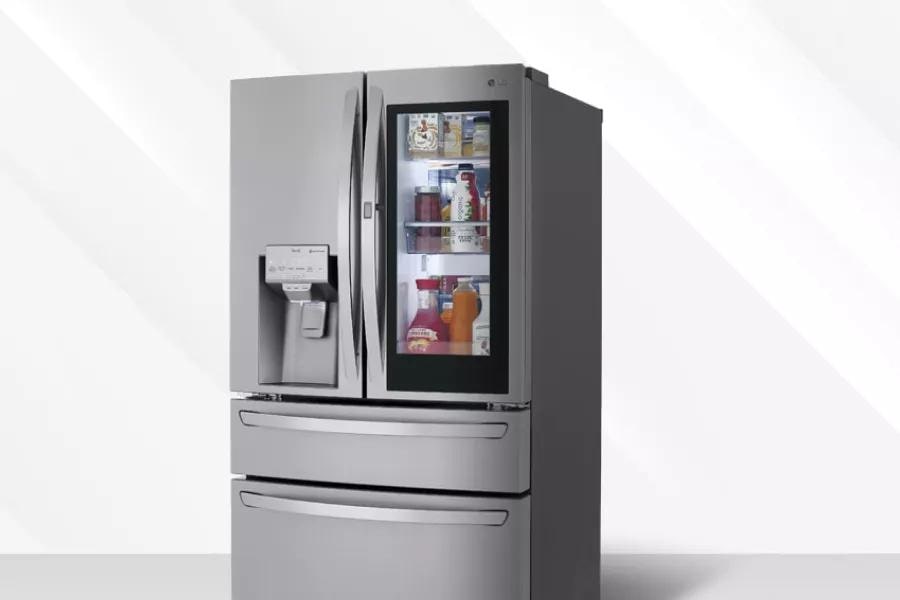
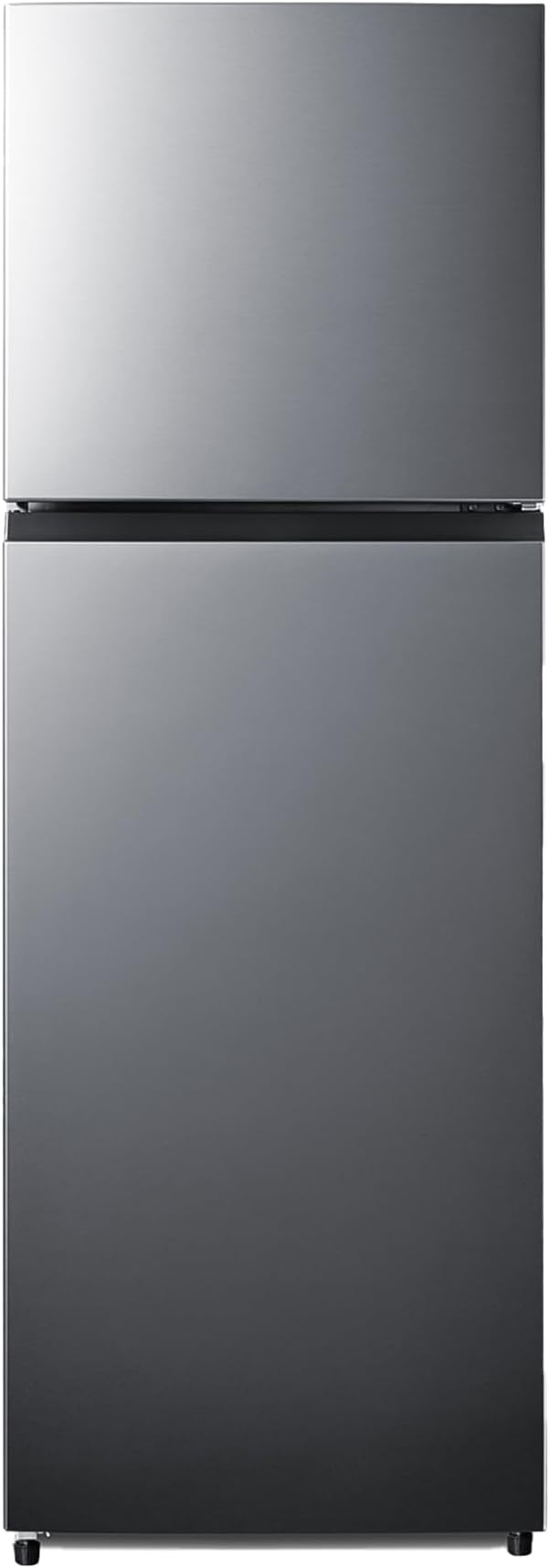
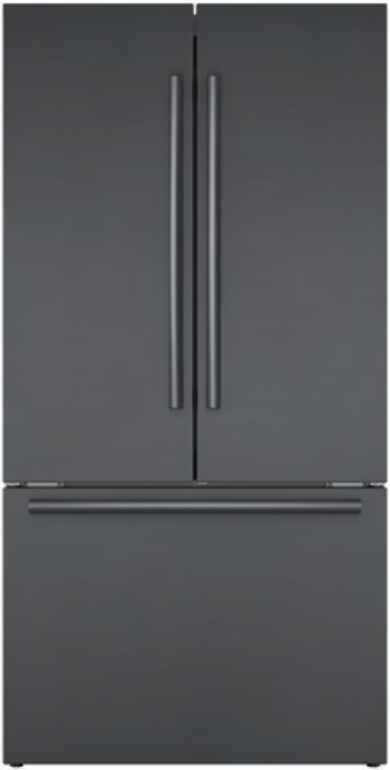
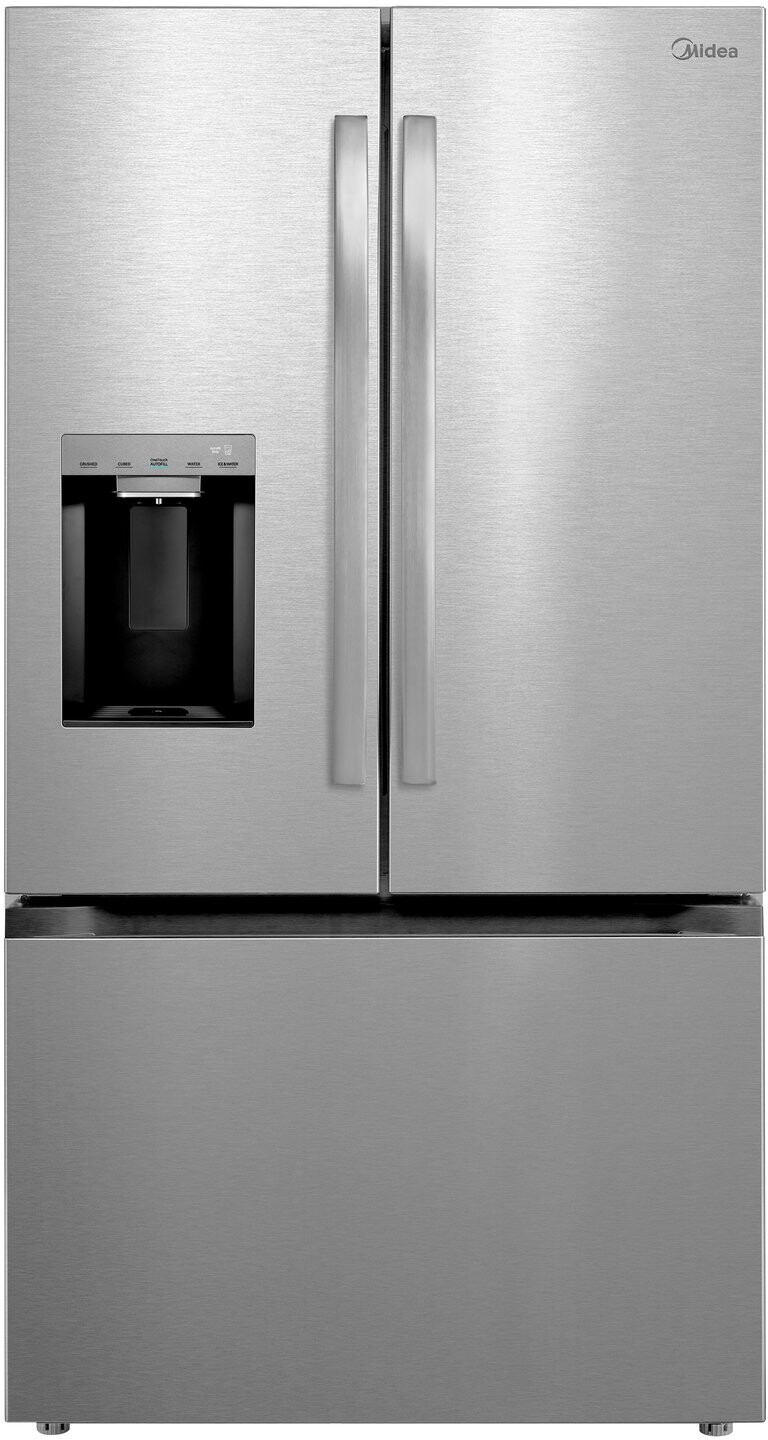
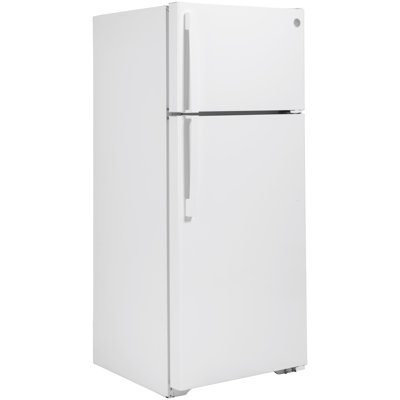
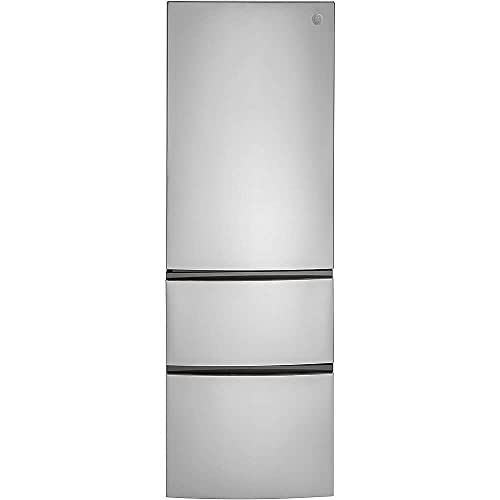
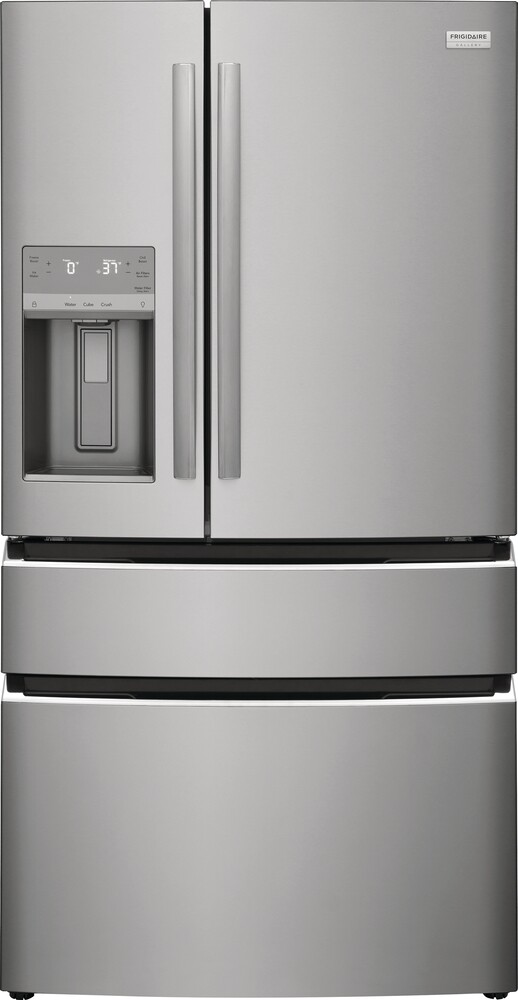
If you’ve been hunting for the best counter depth refrigerator guide, you’re in the right place. Counter-depth models are popular among homeowners, families, and even small businesses because they blend seamlessly with cabinetry, save space, and look pretty stylish in just about any kitchen. In this post, we’ll walk through everything you need to consider before picking your dream fridge—from measuring dimensions to exploring specialized features. By the end, you’ll be set with all the info you need to make a confident decision.
Understand counter depth fridges
A counter-depth fridge is usually around 24 to 30 inches deep and aligns more or less with standard kitchen counters. Instead of jutting out into your kitchen like some bulkier models, these fridges create a more streamlined look and leave your walkways open.
So why go for a counter-depth design over a typical fridge? First, you’ll enjoy a cleaner aesthetic that’s visually in line with your counters. Second, this style helps with traffic flow, especially if you have a narrower kitchen. Lastly, many people like the sense of space these fridges offer, even though their capacity might be slightly less than a full-depth model.
Remember, while counter-depth models look sleeker, you could be sacrificing a few cubic feet of storage inside. That doesn’t matter much if you tend to shop for groceries more frequently or if you live solo. But if you have a big family or you love hosting large gatherings, that lost space could be a deal-breaker. It all depends on what you need day to day. In any case, the clarity of a well-aligned fridge can make your kitchen feel more cohesive.
When you’re comparing designs, always check the specs from the manufacturer. One brand’s idea of “counter depth” might be 24 inches, while another brand may tack on a couple more inches to account for doors and handles. Make sure to include the handle depth in your final measurement so you know precisely how your fridge will fit.
Your kitchen layout can be the deciding factor in choosing a counter-depth fridge. Maybe you’ve got a galley-style kitchen with two parallel counters, or perhaps you have a spacious open concept with an island in the middle. In either case, a counter-depth model can help you maximize floor space and keep the kitchen’s traffic lanes clear.
Here are some things to think about:
Door swing: Will a side-by-side door hit any cabinets, walls, or your kitchen island as it opens?
Cabinet clearance: Measure the depth of your counters and the height where your cabinets hang.
Dedicated walkway: Generally, you’ll want about 36 inches of clearance for people to pass comfortably in front of an open fridge door.
If your layout is especially tight, you might even consider a slim model that mounts flush beside a tall pantry. Need more ideas on that? You could check out fewer bulky options such as which slim refrigerator mounts flush beside tall pantry?. Taking a moment to evaluate your walkways might save you from surprises when the appliance arrives.
One last thing: watch out for corners. If your fridge is near a corner, you’ll need extra room for the door to swing open fully so you can slide out crispers or drawers without a fight. Measure, mark it down, and double-check. It’s easier to adjust your plan now than to regret it once the fridge is standing in your kitchen.
Even though counter-depth fridges are known for their streamlined shape, capacity can still vary widely. Depending on the model, you might see anything from 15 cubic feet in more compact designs up to 25 cubic feet or more in pricier, full-featured units. If you’re a household of four or more, you’ll typically want something around 20 cubic feet or larger.
The real question is: how do you know if your fridge is big enough? Here are some pointers:
Assess your grocery habits: Do you do one massive shopping trip every other week, or do you shop in smaller batches more frequently?
Consider your lifestyle: If you regularly host parties or run a small catering business on the side, bigger is usually better.
Don’t forget the freezer: Fast-frozen meals, large cuts of meat, or family-size ice cream tubs all call for a roomier freezer section.
If you think a slightly bigger capacity might serve you well, take a look at options in the 12 to 20 cubic feet range. You can explore 12 – 20 cubic feet refrigerator for insights. Ultimately, there’s a sweet spot between having enough space for your favorite foods and not letting your fridge’s door protrude too much into your kitchen.
Explore style and finish
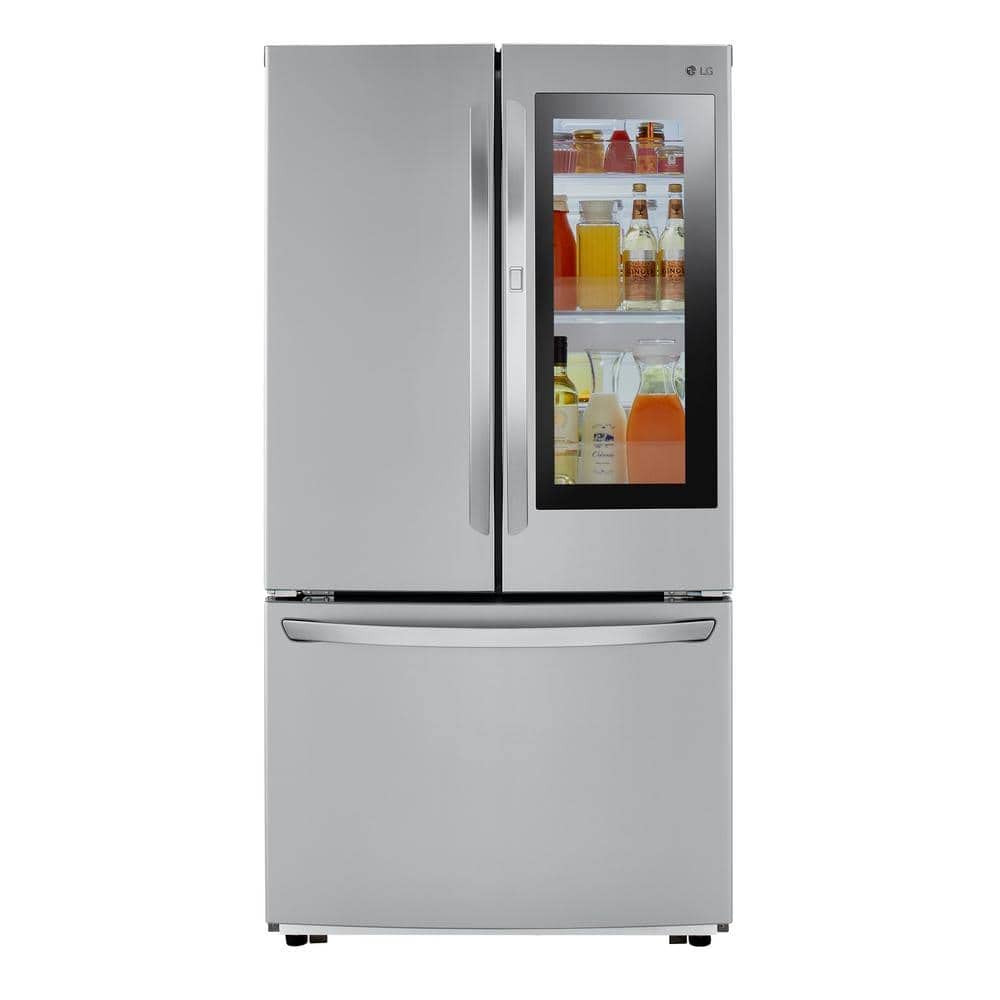
Counter-depth fridges come in plenty of styles—top freezer, bottom freezer, side-by-side, French door, or even four-door. Beyond layout, finishes also play a big role in how your fridge looks and functions.
Here’s a quick rundown of popular finishes:
Stainless steel: Timeless and easy to match with most kitchen appliances. Some modern stainless steel surfaces are fingerprint-resistant, which is a plus if you have kids.
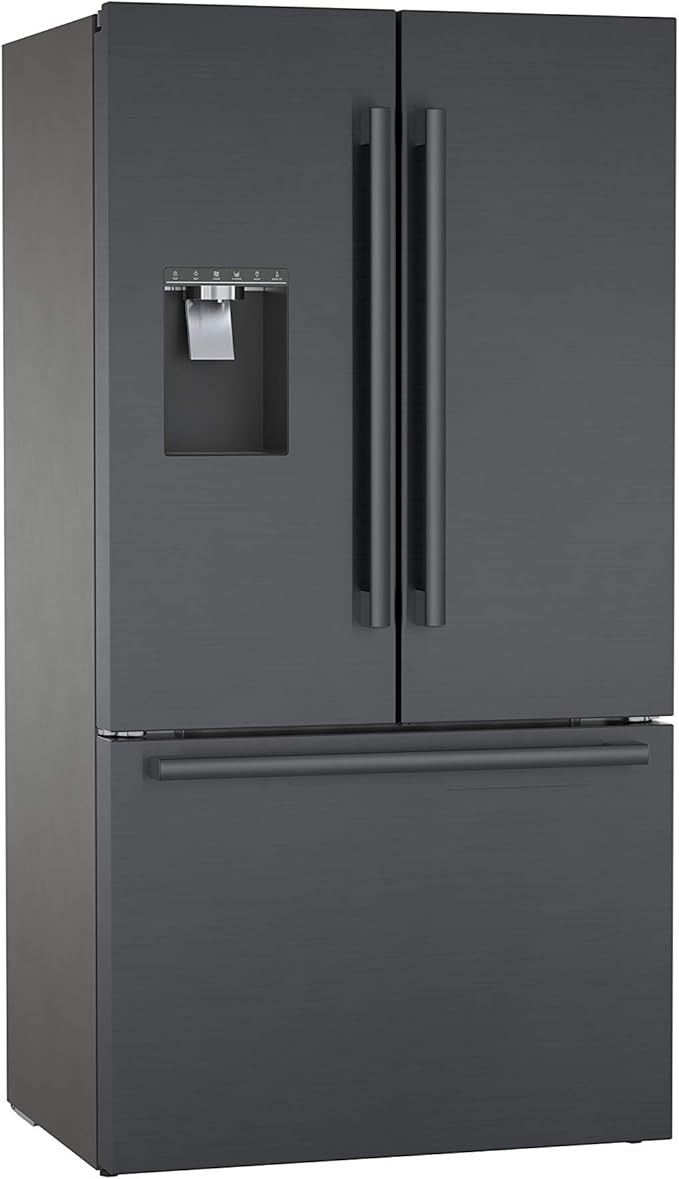
Black stainless: A sleek twist on stainless steel, offering a slightly more modern vibe.
Classic white or black: Perfect for a cozy cottage feel or if your kitchen’s color scheme leans traditional.
Custom panel-ready: Allows you to match your fridge doors to existing cabinets, seamlessly blending everything together as if the fridge isn’t even there.
If your kitchen is on the smaller side, you might want to stick to lighter finishes like classic stainless steel or white, which can make the space feel more open. But if you’ve got a bold interior style, black stainless or a custom panel could be a chic option.
One minor note: be sure to ask about how easy it is to clean or maintain the finish. High gloss surfaces may look stunning in a showroom, but you don’t want to wipe off smudges constantly.
Assessing energy efficiency goes beyond saving on your monthly utility bill, though that’s definitely a perk. A fridge that’s engineered for energy savings tends to have better insulation, smarter temperature controls, and even advanced compressors that keep food fresher longer.
Most modern counter-depth fridges will carry an Energy Star label. That’s a solid start, but it’s worth diving deeper. Look at the annual kilowatt-hours (kWh) usage, typically listed on the product’s specification sheet. A difference of just 50 kWh might not seem like much, but it can add up over the lifespan of your appliance.
Besides the fridge’s power rating, think about:
Lighting: LED lighting isn’t just for aesthetics. It also emits less heat than older, incandescent bulbs.
Variable-speed compressors: These adjust to how much cooling is needed at a given time, improving efficiency.
Smart features: Some models let you track energy usage or alert you if a door is left open.
Keep in mind that better efficiency sometimes carries a higher sticker price, but you could recoup that cost in electricity savings. Plus, being eco-friendlier never hurts. If you’re weighing all sorts of features, energy efficiency should definitely rank high on your list.
Shelves might seem like an afterthought, but they can make or break your everyday experience. The best counter-depth refrigerator guide wouldn’t be complete without addressing how to ace your fridge’s internal layout.
Different fridge styles come with unique shelving solutions:
Adjustable shelves: Move them around to accommodate tall bottles or awkwardly shaped containers.
Spill-proof shelves: A raised edge or special coating prevents liquid from dripping down if something tips over.
Pull-out drawers: Slide them out fully so you can reach items at the very back.
Door-in-door shelves: A smaller compartment within one of the doors. Perfect for quick grabs like milk or juice.
It’s a good idea to look for a model that offers flexibility. Some folks love to store big platters for parties, while others might need extra vertical space for large beverage containers. If you’re a big fan of small soda cans or bottled drinks, you might even find a fridge dedicated to beverage cooling, like the best beverage fridge for a small kitchen
. You can keep weekly grocery staples in one section and special items in clearly defined spaces.
Take a moment to imagine how you’ll place your usual items: leftover containers, produce, beverage pitchers, maybe a big turkey around the holidays. A well-designed interior can make all the difference, so you won’t have to shuffle items around each time you bring home groceries.
Nothing amps up convenience like a few well-chosen extras. While you don’t need over-the-top bells and whistles, some special features might be worth the investment if they align with your daily routine.
A few popular offerings include:
Water and ice dispensers: Great for families or frequent entertainers, but note that these can take up extra room inside the door.
Wi-Fi connectivity: Allows you to adjust temperature settings from your phone or get an alert if someone leaves the door ajar.
Dual evaporators: Maintain separate humidity levels in fridge and freezer compartments, often leading to fresher produce and fewer odors mixing in.
Built-in air filters: Help trap odors so your fridge smells consistently clean.
You might also come across advanced freezer technologies like vacuum-sealed drawers or specialized crispers designed to keep berries fresh. If you’re into meal prepping, that can be a major plus. There are all sorts of creative engineering marvels out there—even models that connect to your smart home system.
If you enjoy a little extra tech, ask yourself which features you’ll genuinely use daily. Having a super-smart fridge that streams cooking tutorials might be overkill, unless that’s your jam. However, if you’re curious about that kind of convenience, see if there’s an option similar to which door display streams cooking tutorials while open?. Overall, weigh novelty features against practicality. The right balance can bring a ton of satisfaction without complicating your life.
Check brand reputations
If you browse online reviews, you’ll probably notice certain brand names popping up repeatedly for their reliability and features. Brand reputation matters because you want peace of mind that your investment will run smoothly for years to come. Plus, some manufacturers include better warranties or customer service policies than others.
To guide your research, consider:
Long-term durability: Look for brand reviews mentioning consistent quality over 5 or 10 years.
Replacement parts availability: Even the sturdiest fridges can need new shelving clips, water filters, or door seals down the line.
Service network: A widespread service network can simplify repairs and routine maintenance.
Talking to friends, neighbors, or even your local retailer can help you gather real-world experiences. If they say their fridge’s ice maker busts every six months, that’s a red flag. On the other hand, a brand with raving fans for both performance and service is more likely to live up to your expectations.
A warranty is your safety net in case something goes wrong. Standard fridge warranties often cover one year of parts and labor, plus an extended period for the compressor—maybe five to ten years. Double-check the fine print, though. Some warranties might only cover specific components.
Key elements of a fridge warranty:
Length of coverage: Does the warranty extend beyond one year for any major parts?
Scope of coverage: Is labor included, or do you have to cover that yourself after the first year?
Authorized service providers: Make sure there’s a local technician who can handle any repairs without you jumping through hoops.
One tip: keep a digital copy of your purchase receipt along with your warranty certificate. Having those handy can save you time if you ever need to file a claim.
If your chosen brand offers in-home repair as part of their coverage, that’s typically a good sign they stand behind their product. Otherwise, you might have to transport the fridge to a service center, which can be complicated. Always confirm the specifics before you commit.
We’ve talked about a few measurements along the way, but it’s so important it deserves its own section. The difference between frustration and fridge bliss often comes down to less than an inch. Assuming you know your cabinet depth, you still need to confirm how your fridge doors will clear any islands, corners, or walls.
Here’s a simple table outlining the key measurements to note:
Measurement
Description
Cabinet depth
Distance from wall to the front edge of your counter.
Fridge width
The total width of the fridge plus a little breathing room on each side.
Fridge height
From the floor to the top hinge, factoring in any overhead cabinets.
Door swing clearance
The space needed for the doors to fully open without hitting anything.
Ventilation space
A bit of gap behind or above for proper airflow, varies by fridge model.
Don’t forget to account for baseboards or other wood trim that might reduce the actual opening. If you plan to push your fridge flush against a cabinet, measure everything at least twice. That fraction of an inch could make or break your plan.
Bonus tip for new homes or renovations
If your kitchen is still being built or remodeled, finalize your fridge choice before the cabinets are installed, if possible. That way, your carpenter can ensure a perfect fit instead of you adjusting on the fly later.
Pulling it all together
Shopping for a counter-depth fridge might feel like a puzzle, but it’s one you can easily solve once you know the right questions to ask. You’re balancing your kitchen layout, grocery habits, and style preferences, all for an appliance you hope will last years if not a decade.
If you’re into hosting weekend BBQs or planning to stuff your fridge with party platters, capacity will be more critical for you. If you have a compact kitchen or a tall pantry next to your fridge space, the exact door swing and flush alignment might matter more. Think through your top priorities, then let those be your guide.
Quick recap of key steps
Measure your space meticulously to ensure the door swing won’t clash with cabinets.
Verify capacity meets your family’s needs without sacrificing too much interior room.
Consider a finish that complements your kitchen’s aesthetic.
Weigh energy efficiency, especially if you’re concerned about long-term costs.
Make sure the shelving suits your grocery habits and storage containers.
Examine warranties and check for local service networks.
Now that we’ve gone through this best counter depth refrigerator guide in detail, you’re all set to navigate showrooms or websites like a pro. Picture it: you walk in, tape measure in hand, and you already know the must-haves and deal-breakers that fit your lifestyle.
Still hungry for more fridge tips? If you ever find yourself wondering about specialized functions like how to store big trays or even quick beverage chilling, you can explore something like kitchen fridge to see how standard features compare to counter-depth models. Or, if you inherit a second-hand fridge and want to figure out its worth, consider reading how to determine the value of a used fridge.
Above all, trust your gut. A fridge is one of the most frequently used appliances in your home, so it should be something that truly works for you. Enjoy your new kitchen setup, and don’t forget to show it off at your next gathering. Here’s to a future of perfectly chilled groceries and a sleek, efficient kitchen designed with you in mind!
From Fridge.com research
Figures below come from data Fridge.com builds and maintains. Each links to the record behind it.
Fridge.com Energy Index, built on U.S. EPA and DOE ENERGY STAR records
Across 5,455 ENERGY STAR certified refrigerators and freezers from 263 brands, median use is 360 kWh per year.