Congratulations on your brand-new refrigerator. There’s nothing like that just-out-of-the-box excitement, right? So what should you do when you get a new refrigerator? You might be tempted to plug it in immediately and start stocking your groceries, but a few crucial steps will ensure smoother performance and a longer lifespan. Below, you’ll find practical tips on everything from unpacking to daily upkeep. Let’s dive in!
The first thing to do is give your new fridge a thorough once-over. Shipping can be rough, so you’ll want to spot any dings or mechanical issues right away.
Carefully cut away packaging material, making sure you don’t scratch doors or interior surfaces.
Check corners, hinges, shelves, and drawers for cracks or damage.
Open and close the doors a few times to ensure they seal tightly without sticking.
If you notice any defects, snap a few pictures and contact the retailer or manufacturer as soon as possible. It’s always better to handle potential warranty claims before you’ve loaded the fridge with perishables.
Once you’re sure everything’s in good shape, it’s time to position your new refrigerator in its permanent spot.
Place it out of direct sunlight and away from large heat sources such as ovens or radiators. Too much heat makes the unit work harder.
Measure the depth and width of your kitchen area, factoring in room for door swings. For tight spaces, you might want to check the best counter depth refrigerator guide for installation pointers.
Use a carpenter’s level to check alignment. Adjust the front feet or rollers until the fridge sits flat. A slight backward tilt can help the doors close more easily, but you want to avoid wobbling or uneven tilts.
Leveling is key, because an uneven fridge can cause vibrations, extra noise, and uneven cooling. Plus, your fridge door might not always shut properly if the machine leans too far forward.
Believe it or not, you often need to wait a bit before powering up your new appliance. Refrigerant and compressor oil can shift during transit, so let it settle upright for a few hours, or follow the manufacturer’s recommendation. If you’ve ever had to ask, “Why do you have to wait 24 hours to plug in a mini fridge?” you’ll know that some units require extra time for internal components to stabilize. While full-size models can vary in their instructions, a short wait before switching on is usually a good idea.
If you transported the fridge on its side, waiting becomes even more important. The internal mechanics have to redistribute any fluids that moved out of place. Skipping this step can lead to compressor damage and early operational woes.
You’d think a new refrigerator would come perfectly pristine, but it’s still wise to give it a quick clean. Manufacturing residues or dust from the warehouse might be lingering in corners.
Remove all shelves, drawers, and removable bins so you can wipe down every nook.
Clean surfaces with a gentle mixture of mild soap and warm water, or a food-safe antibacterial cleaner.
Rinse thoroughly with a damp cloth to ensure no cleaning agent remains.
Dry all surfaces with a clean towel before reinstalling shelves and drawers.
Even if it seems spotless, this habit protects your food from any unpleasant chemical smells and keeps your fridge extra fresh right from the start.
Once your new fridge is stable and clean, go ahead and plug it in. Next, you’ll want to pick the ideal temperature settings. The typical fridge temperature is around 37°F (3°C), while the freezer section usually does well at 0°F (-18°C). Some models let you set exact numbers, others use level dials (like “cold” to “coldest”). If your fridge has digital controls, consult the user manual for the recommended default settings.
Below is a quick reference table for common temperature guidelines:
Section
Recommended Range
Refrigerator
35–38°F (2–3°C)
Freezer
0°F (-18°C)
You can keep a small thermometer in your fridge and freezer if you want extra accuracy. This helps you fine-tune the settings, especially if you notice foods freezing in the fridge or not staying sufficiently cold.
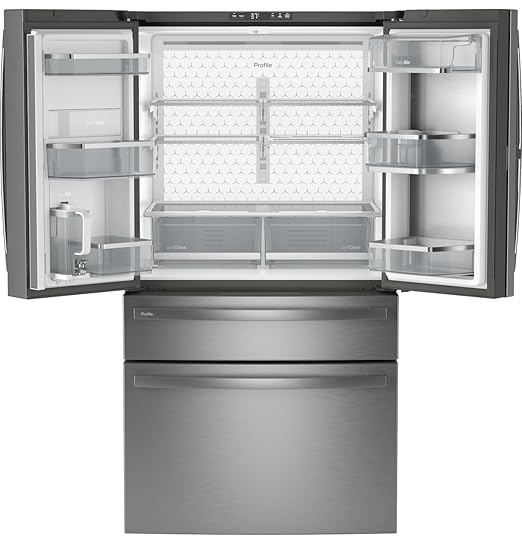
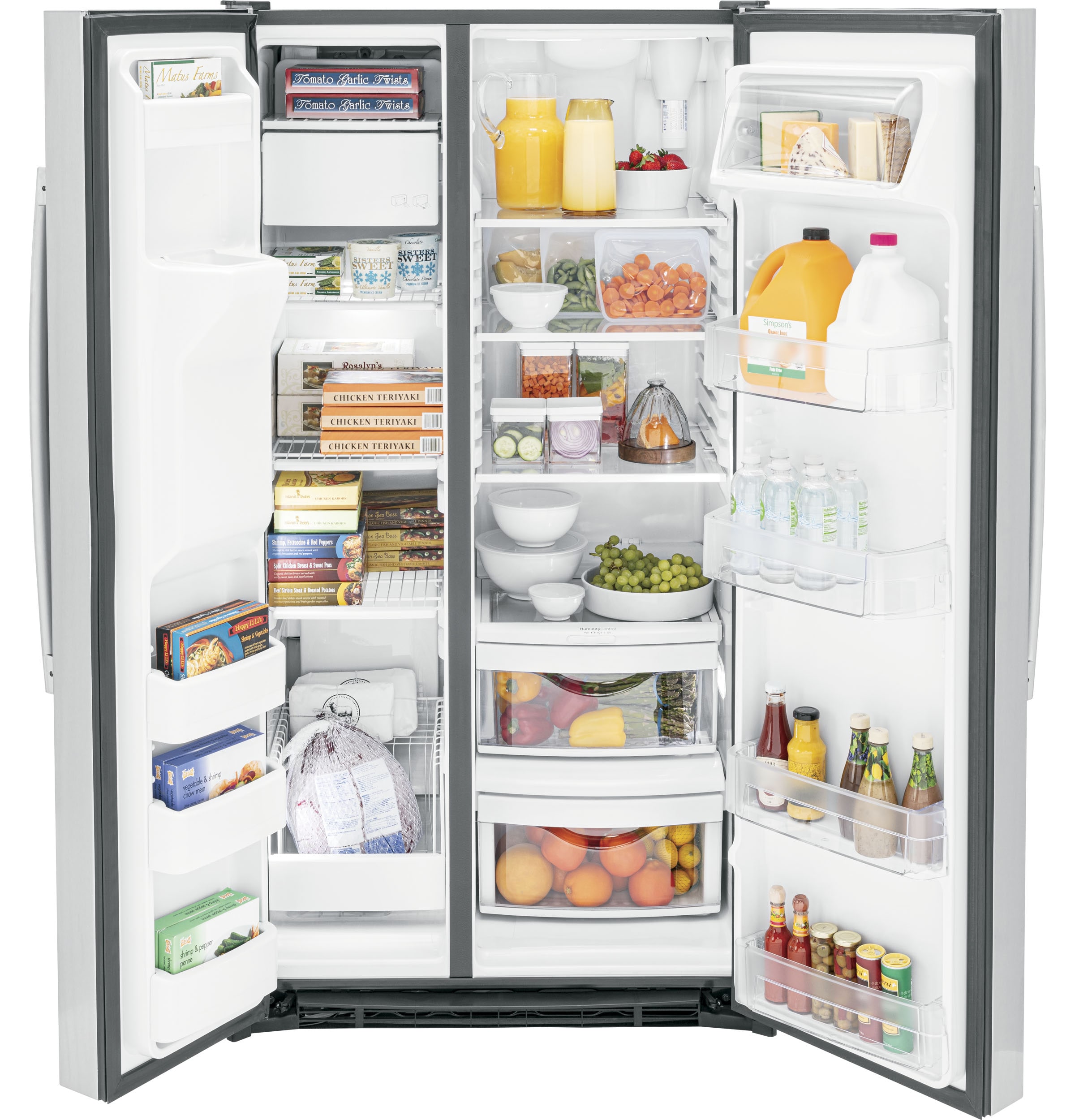
Most modern fridges feature adjustable shelving, storage bins, and crispers designed for different food groups. Spend a few minutes deciding how you’d like to lay out your refrigerator’s interior. This early effort saves a lot of hassle later.
Keep frequently used items front and center.
Store raw meat or seafood on lower shelves to prevent any juices from dripping onto other foods.
Designate certain drawers for fruits and veggies, which often require slightly different humidity levels.
You can also use clear containers or labeled bins to stay on top of leftovers. A tidy layout encourages quicker retrieval and less time with the door open, saving energy.
If your fridge includes a water dispenser or built-in ice maker, hooking it up correctly is another must-do step. Follow your manufacturer’s instructions carefully or hire a professional if plumbing tasks make you uneasy. Improper connections can mean leaks the very first day, so double-check each hose and valve.
Turn off the main water supply or the local shut-off valve before installing the line.
Use the correct tubing type (often copper or braided stainless steel) to ensure a reliable seal.
Run the dispenser or ice maker for a few minutes to clear out any initial impurities.
Check for leaks by feeling around the tubing after you turn the water back on.
Some fridges come with advanced water-filtration systems or specialized ice-making features. Take a moment to read the manual so you don’t miss out on a feature you’ve already paid for.
Check and clean condenser coils
Condenser coils help release excess heat from your refrigerator. When they’re dirty, your fridge might lose efficiency, costing you more in energy bills. Although your new fridge coils won’t be dusty right away, this is a great time to see exactly where they’re positioned so you can clean them regularly.
The coils are usually behind a vent panel near the base or at the back of the unit. A quick vacuum or brush-down every six months or so is enough for most households. If you’re unsure how to reach them, check out this helpful guide: How do you clean the condenser coils on the back of a refrigerator?.
Now comes the fun part: filling your fridge with groceries. Because you already cleaned and set the temperature, you’re good to go. Keep these tips in mind:
Wait until the fridge cools to its proper temperature before adding perishable foods.
Don’t block air vents with tall items or stuffed containers, as that disrupts airflow.
Allow a bit of space around each item for better cooling. Overstuffing can raise internal temperatures.
With everything in place, you can confidently store produce, beverages, and leftovers, knowing they’re at safe temperatures. If you want a dedicated unit for drinks, you might check out a best beverage cooler for a small kitchen instead of cramming everything into one place.
Owning a refrigerator isn’t just about plugging it in and forgetting; consistent care ensures longevity and efficiency. Here are a few best practices:
Wipe away spills quickly. Liquids can freeze or harden, making them tougher to remove.
Clean door gaskets (the rubber seals) with mild soap so they stay supple and leak-free.
Keep an eye on the back or bottom area for dust buildup. If you see it, unplug the fridge and vacuum gently.
Set reminders to change water and air filters according to the manufacturer’s schedule.
Another tip is to listen for unusual noises. A slight hum is normal, but grinding or clunking sounds might indicate a problem with the compressor or fan motor. Addressing small issues early can save you from big headaches down the road.
Avoid these common pitfalls
Sometimes, even the best intentions can lead to mistakes. Here are a few traps to steer clear of:
Overloading the fridge immediately. Packing it full of warm groceries all at once forces it to work overtime. Cool items in batches if you have a lot of produce on hand.
Blocking air circulation. Shoving everything against the vents can reduce efficiency and lead to inconsistent temperatures.
Ignoring the freezer door seal. Make sure your freezer door closes properly. Even a small gap can cause frost buildup.
Forgetting to register the warranty. Most manufacturers let you register online. Failing to do so could delay or invalidate future service claims.
Staying aware of these early on helps you get the most out of your purchase.
You’ve just walked through the essential steps for setting up a new refrigerator, from that all-important first inspection to double-checking the water line. Here are the highlights in a nutshell:
Carefully unpack and check for visible damage.
Position and level the unit for optimal performance.
Let refrigerants settle before switching on the power.
Thoroughly clean inside surfaces and removable parts.
Set the proper temperature in both fridge and freezer sections.
Keep the layout organized and ventilation clear.
Hook up water and ice lines carefully to prevent leaks.
Schedule regular maintenance, especially cleaning those condenser coils.
Avoid pitfalls like cramming the fridge full from day one or ignoring warranty details.
Got any lingering questions about handling your brand-new fridge? Sometimes folks wonder if they’ll damage the appliance by moving it on its side or whether it’s safe to keep one in a bedroom. If you’re curious, check out will i damage my fridge if i transport it on its side? or is it harmful to keep a fridge in a bedroom?.
Once everything is up and running, give yourself a pat on the back. You’ve set a solid foundation that will keep your new appliance humming efficiently for years to come. If you find any cool (pun intended) organization hacks or maintenance tips of your own, feel free to share with friends or family. After all, a fridge is more than just another kitchen appliance, it’s the heart of your daily meals and gatherings. Enjoy your new refrigerator!