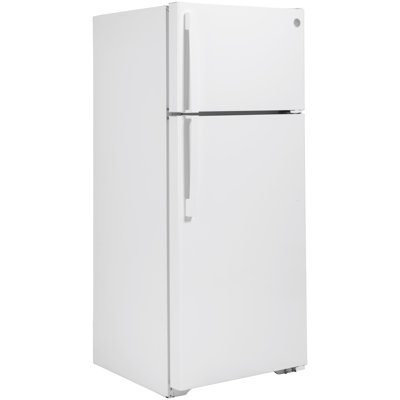
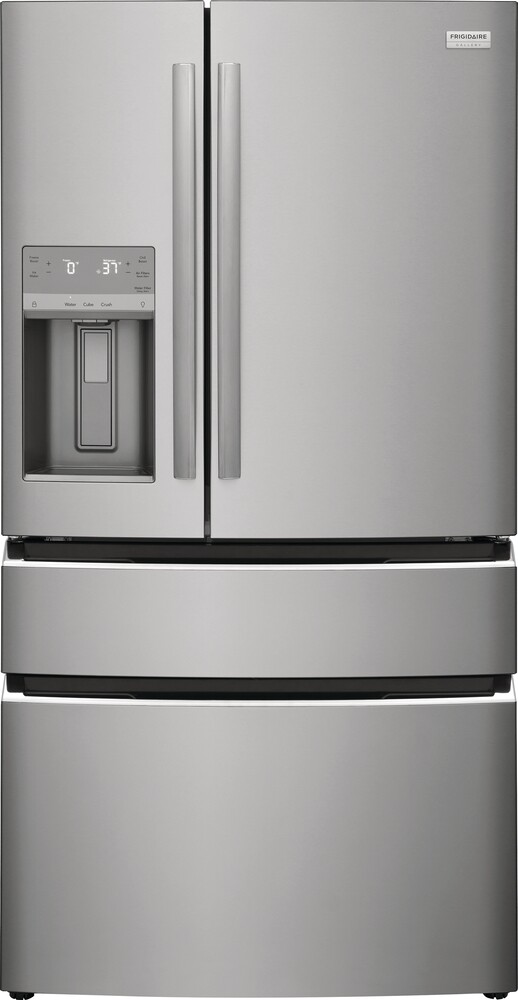
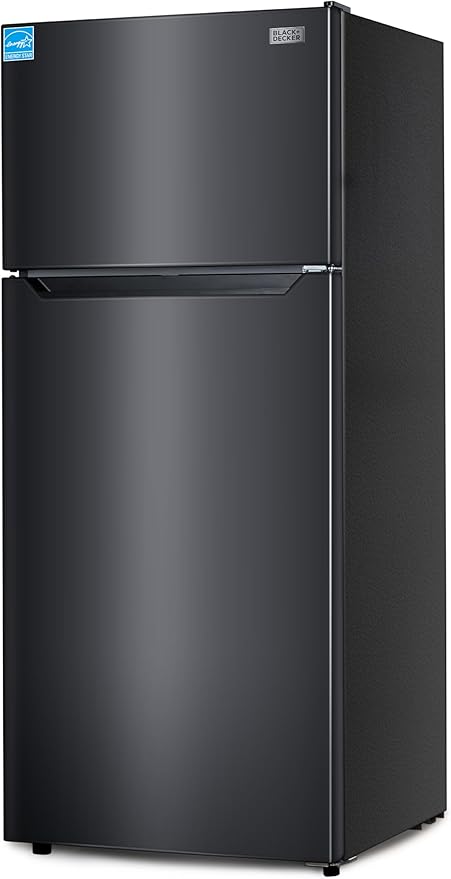
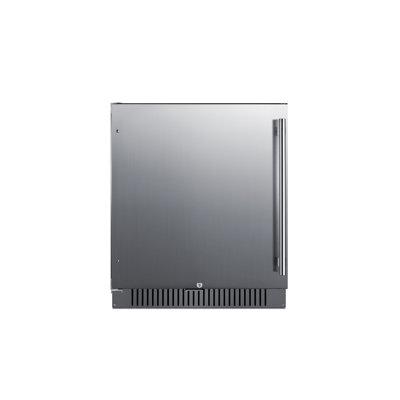
Picture this: you lose power on a scorching summer day, and the clock starts ticking before everything in your fridge begins to thaw or spoil. That’s where a battery backup for refrigerator use comes in, giving you peace of mind and a safeguard against ruined groceries. In this guide, you’ll discover how a battery backup system can keep your fridge humming along when the lights go out, explore various technology options, and learn practical steps to set up and maintain this essential piece of home protection. Let’s dive in.
Recognize the value of a battery backup
A refrigerator is not just another appliance. It’s the main gatekeeper for your fresh produce, chilled beverages, and even life-saving medications. When the power goes out, so does the fridge’s ability to preserve whatever you’ve got on those shelves. Without backup power, you often have to scramble, moving perishables into coolers or rushing out to buy ice. That can feel chaotic and stressful, especially if the outage drags on. A battery backup is designed to stop that mad dash in its tracks.
Besides giving you peace of mind, a backup system helps you:
Avoid wasting food (and money) during emergencies.
Keep essential or temperature-sensitive items protected.
Prevent the hassle of manually hauling bags of ice to keep fridge contents chilled.
Maintain the normal function of your refrigerator so you can carry on with your day.
Let’s be honest, when the power fails unexpectedly, your fridge's temperature can climb faster than you realize. The last thing you want is to open the door and find that your favorite leftovers or that pricey cut of meat has gone bad. A battery backup essentially bridges the gap by delivering power to the fridge until you can restore normal electricity or hook up a generator.
Moreover, an efficient battery backup helps you reduce the constant anxiety of not knowing when the electricity will return. Whether you live in a hurricane-prone area, deal with frequent blackouts, or simply want to be prepared for random outages, the value of a battery backup can’t be overstated. And if you pair this system with sensible maintenance—like how do you clean the condenser coils on the back of a refrigerator?—you can extend your fridge’s life even more.
Understand how battery backup works
Knowing the basic science behind a fridge backup can help you choose and maintain the best setup for your household. In simple terms, a battery backup system stores electricity when your home’s power is on. During an outage, the system automatically detects the loss of power and channels stored energy to your refrigerator, keeping it running without interruption.
There are two main parts to a typical backup system:
The battery or bank of batteries. These store the energy that keeps your fridge powered.
The inverter, if required. This device converts the battery’s DC power (direct current) into AC power (alternating current), which most refrigerators need.
Additionally, some systems come with integrated chargers that replenish the battery whenever the grid power is active. When the electricity cuts out, you don’t have to flip a switch or plug in cords manually. The switch is often instantaneous—so quick, in fact, you might not even notice a flicker in your kitchen lights if those are also connected.
Some battery backup units operate with inverters built in, ensuring you don’t have to purchase a separate piece of equipment. Others are more DIY-friendly, where you select each component yourself for a custom solution. Here’s the bottom line: the simpler and more automated your setup, the lower the chance of user error during blackouts.
A good rule of thumb is to ensure your battery backup has sufficient power to keep your fridge running for the entire anticipated outage, whether that’s a few hours or a few days. Of course, predicting how long you’ll be off the grid can be tricky. But understanding the fundamental mechanism is the first step in choosing a system that aligns with your refrigerator’s size, your local climate, and the average duration of outages in your area.
There’s more than one way to maintain electricity for your refrigerator during an outage, and selecting the right one often depends on your budget, your environment, and how frequently you deal with power interruptions. Let’s break down a few common routes:
Lead-acid battery systems
Lead-acid batteries are an older technology and often more budget-friendly upfront. Think car batteries, but configured for home use. They’ve been around a long time, are widely available, and tend to be simpler to repair. However, they’re heavier, not as efficient as modern types, and usually require more frequent maintenance checks (like water topping).
Lithium-ion battery systems
Lithium-ion batteries are increasingly popular because they’re lighter, more efficient, and last longer overall. They do, however, come at a higher initial cost. If you’re aiming for lower maintenance and a smaller footprint, lithium-ion might be a smart choice. These systems also charge faster and can be more adaptable to expansions if you decide later to power additional appliances or integrate solar panels.
Inverter-based generators
Not exactly a battery system, but worth mentioning. An inverter generator can automatically regulate its engine speed to match the load, making it quieter and more fuel-efficient than standard portable generators. If you live somewhere where you anticipate extended power outages, combining a small battery bank with an inverter generator could be a balanced solution. The generator handles longer blackouts, while the battery covers short or sudden lapses.
Solar-integrated backups
If you’re thinking long term—and have the resources—you can add solar panels to recharge your battery array. This arrangement allows you to replenish your backup unit using renewable energy, which can be invaluable during lengthy outages or in remote areas. The upfront installation can be pricier, though incentives or rebates in some regions might offset costs.
Choosing the right fit
Your choice might depend on your region’s typical power outage duration, how big your refrigerator is, and the power draw it demands. If you’re uncertain, consulting a licensed electrician is often the simplest path. Discuss your budget, your fridge’s daily power consumption, and any future home expansion plans, like additional freezers or an outdoor cooler. By matching your fridge’s requirements with the capabilities of these battery or generator technologies, you’ll end up with a more efficient system that reliably supports your household.
Before you invest in a battery backup, it’s crucial to know exactly how much power your fridge actually consumes. Refrigerators vary in size, insulation quality, and components—some modern units have advanced features like dual cooling zones or custom humidity drawers. These can boost convenience but also draw more power.
Calculating fridge wattage
Most refrigerators come with a label or manual specifying their wattage or amps. If you can’t find it, you can measure power consumption with a plug-in appliance meter. Once you have a rough idea of the fridge’s wattage:
Multiply the wattage by the number of hours you expect to run it on backup power.
Factor in startup surge. A fridge needs extra power—and sometimes double its usual wattage—to start its compressor.
Let’s say your fridge normally consumes around 150 watts per hour. Over 6 hours, that’s 900 watt-hours. But if the fridge’s compressor starts several times within those hours, you might see short spikes around 300 watts. Always size your system to handle those spikes to prevent circuit breaker trips or battery strain.
Additional variables
Ambient temperature, frequency of door openings, and fridge age play roles in overall power draw. If your family frequently opens the fridge door or if it’s placed in a hot spot (like next to a sunny window or near a heat vent), you’ll want some extra backup capacity. Also, keep in mind that what should you do when you get a new refrigerator? might differ from how you handle an older model that’s less efficient.
Creating a power budget
A helpful tactic is to list all appliances (besides the fridge) you might also want to run on battery—like lights, chargers, or a small fan. Then decide which items are truly essential in an emergency. The fridge is probably near the top of the list, but maybe you want to keep a phone charged too. A power budget helps you select a battery system that comfortably manages your fridge with enough capacity left over for a few critical extras.
When you know how much power your refrigerator needs, you can pinpoint a suitable battery size and set realistic expectations for how long you can keep everything cool.
While it’s possible to DIY a simple battery backup for your fridge, you’ll want to handle the installation with care. Electrical work can be tricky—even dangerous—if you’re unsure of the wiring requirements. Gather as much information as possible, and when in doubt, consult or hire a professional.
Location matters
First, figure out where to place the backup equipment. Batteries, especially lead-acid types, can off-gas hydrogen and should be stored in a well-ventilated space. Keep your backup system off the floor if possible, in a dry, moderately cool environment. If you have limited indoor space, a weatherproof enclosure or battery box might be needed.
Wiring basics
Connect the fridge to the battery through an appropriate inverter if your fridge requires AC power. In some setups, you can have a manually switched outlet dedicated to the fridge. In others, the system can be integrated into your home’s electrical panel with an automatic transfer switch. The latter offers convenience because you won’t be fumbling with cords in the dark. But it also requires more advanced wiring.
Testing is key
Once everything’s installed, do a dry run. Switch off your main power (safely, of course) and observe how quickly your fridge transitions to battery power. Monitor the battery’s status display, if it has one. Ensure the inverter doesn’t overheat or shut down. Testing helps you catch any problem—like an undersized inverter or a poor connection—before a real blackout hits.
Basic safety checks
Use the correct gauge of wiring to handle your fridge’s peak current.
Install properly rated fuses or circuit breakers.
Keep a fire extinguisher nearby.
Note your battery’s rated temperature range; avoid hot attics or freezing garages.
Finding a trusted electrician might cost a bit upfront, but it guarantees a safer, more reliable setup. Remember, a battery backup system is only as good as its installation. If your connections are loose or your cables are undersized, you’ll face a frustrating outage when you need power most.
Maintain and extend battery performance
Installing a battery backup is only the beginning. If you neglect routine maintenance, your system may fail to deliver when it matters. Just as you’d schedule a periodic checkup for your fridge, plan some simple but essential steps for the battery itself.
Regular inspections
Take a quick look at the battery terminals at least once a month. Ensure there’s no corrosion (white or greenish powder) building up, and tighten any loose connections. If you have a lead-acid battery, periodically check the electrolyte levels—top them off with distilled water if the levels are low. Lithium-ion batteries usually need less direct care, but any sign of swelling or physical damage should be addressed immediately.
Charging cycles
Batteries love consistent charging. Leaving them partially charged for extended periods can shorten their lifespan. Depending on your backup system, the unit should automatically trickle-charge or maintain the battery’s voltage within the ideal range. Keep an eye on the charge controller settings and any software updates if you have a more advanced kit.
Temperature awareness
Extreme temperatures aren’t friendly to batteries. Excessive heat increases internal battery stress, while cold reduces a battery’s available capacity. Try to place your battery system in a room where temperatures remain within the recommended range year-round. If you must store it in a garage or outdoor enclosure, look into insulated or temperature-controlled setups, especially if you live in a region with harsh winters or scorching summers.
Usage best practices
Avoid letting your battery fully drain if possible.
Don’t keep the battery plugged into large non-essential appliances.
Check the backup system’s self-test feature (if available) to confirm performance.
When you give your setup a little TLC, it pays you back with reliable service. It only takes a handful of minutes each month—much less time than you’d spend salvaging your groceries in a meltdown. And because your fridge isn’t the only item that can benefit from stable backup power, it’s a win for your entire home.
Short outages of one or two hours are easy to handle, especially with a dedicated battery backup. But what if a severe storm knocks out the grid for days? You might need to rethink your approach or at least have a contingency plan.
Rotating usage
One trick is rotating which appliances run at any given time. For instance, run your fridge for a certain number of minutes each hour to keep temperatures low, then switch off so your battery can rest or power another urgent device. This approach can stretch your limited battery capacity, though it does require a bit more hands-on attention.
Generator add-ons
If you regularly face multi-day outages, consider pairing your battery system with a small generator. Use the generator to recharge the battery or directly power the fridge for part of the day. This hybrid method saves fuel compared to running a generator nonstop and offers you the quiet, convenient bridging of battery power.
Solar solutions
Another long-term approach is installing a few solar panels to top off your batteries. Even a modest array can replenish part of the power you’re using in real time. If your power is knocked out for multiple days, having a free, renewable energy source is a major advantage. Just be mindful of weather conditions. Severe storms may limit sun exposure, so consider that possibility.
Food management strategies
Keep your fridge and freezer doors shut as much as possible to hold in cold air.
If you have a second cooler with ice packs, transfer items you use often so you’re not opening the main fridge repeatedly.
If the freezer is half-full, you can freeze containers of water ahead of time. Large blocks of ice keep the compartment colder longer, minimizing battery drain because your fridge’s compressor doesn’t have to work as hard.
Stay calm, be flexible, and have a backup plan for your backup system. Even if your area rarely experiences lengthy blackouts, it’s still better to be ready than to scramble at the last minute.
Remember key takeaway tips
You’ve seen how beneficial a reliable battery backup can be for your refrigerator, especially during unexpected outages. Keeping your fridge powered isn’t just about saving groceries—it’s about preserving your peace of mind and ensuring the basic day-to-day comfort of your home. Here’s a quick cheat sheet:
Match your fridge’s power requirements with a suitable battery capacity.
Consider battery type (lead-acid vs lithium-ion) and possibly combine it with alternative energy (like solar).
Place and wire your system correctly to avoid accidents.
Inspect and maintain the battery monthly for corrosion or damage.
Plan for extended outages by using a generator or rotating usage to conserve power.
Once you’ve got these essentials locked down, you’ll be ready to handle anything from a minor local outage to a more serious emergency. And if step-by-step guidance on new fridge usage piques your interest, feel free to check out what should you do when you get a new refrigerator? for extra tips on ensuring your appliance is set up for success from day one.
At the end of the day, your refrigerator backup strategy should fit your lifestyle and the typical power conditions in your area. A well-chosen battery backup for refrigerator emergencies means you won’t be caught off-guard by a sudden blackout. Instead, you’ll open that fridge door, see the cool air flowing, and know your system is working just as it should. That’s the real benefit—a calm, collected response when the lights flicker out. Enjoy the peace of mind, and here’s hoping your lights stay on whenever you need them most.