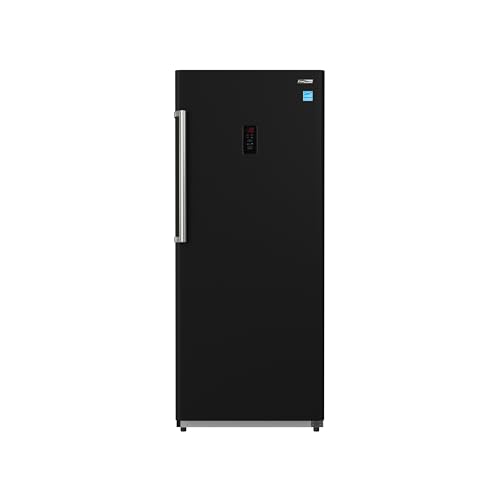
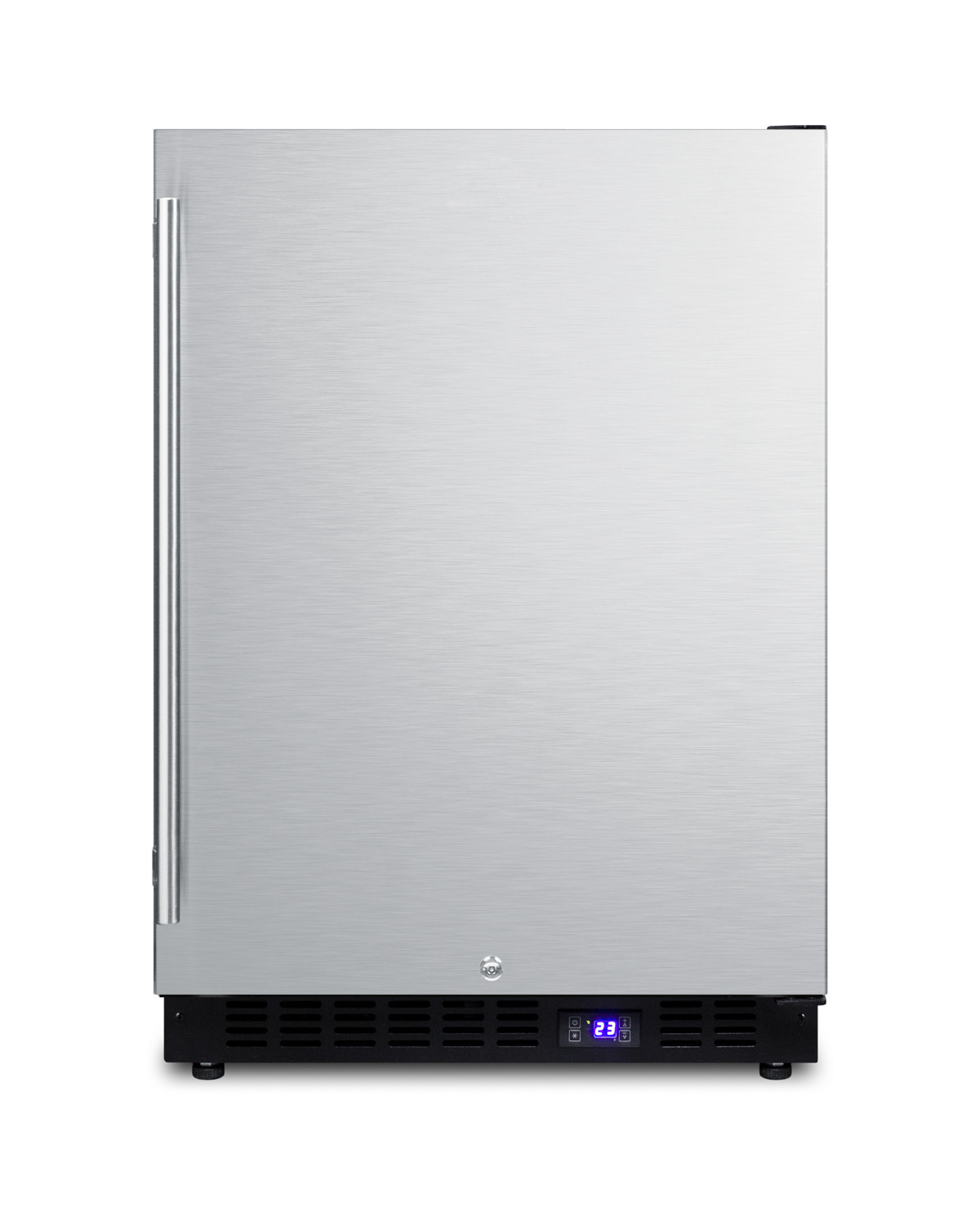
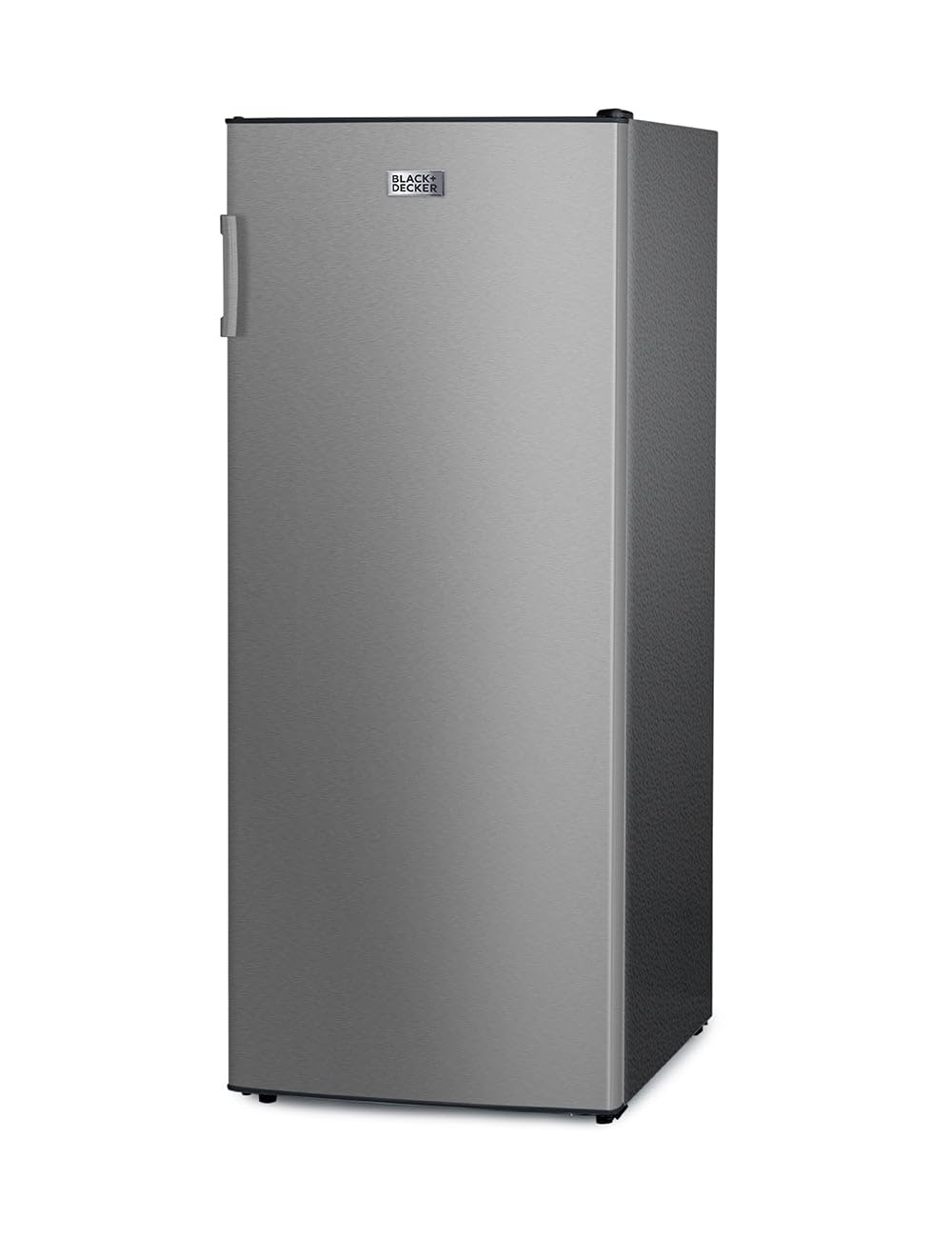
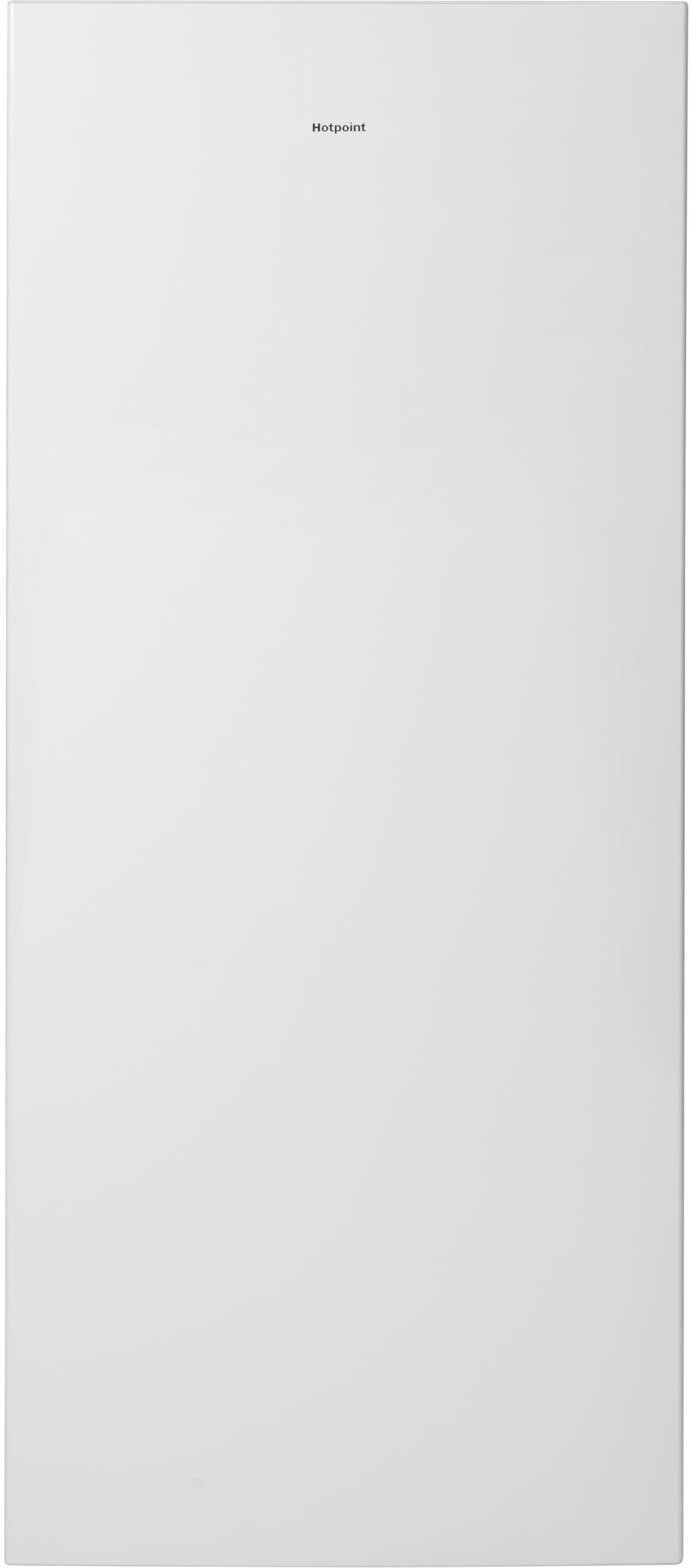
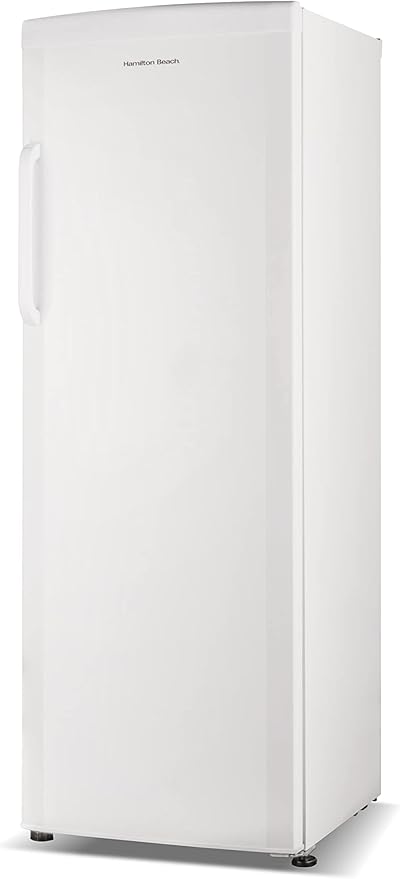
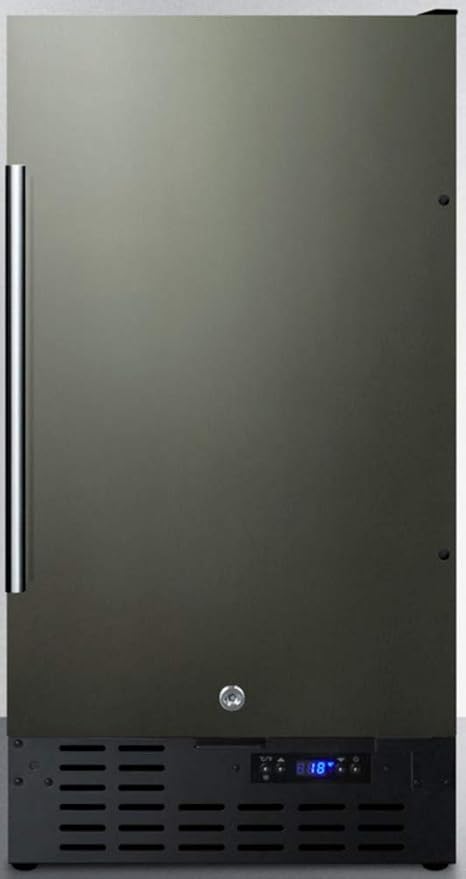
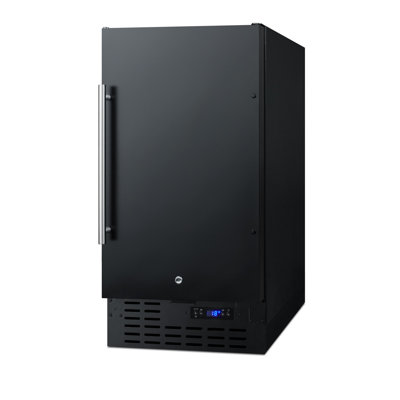
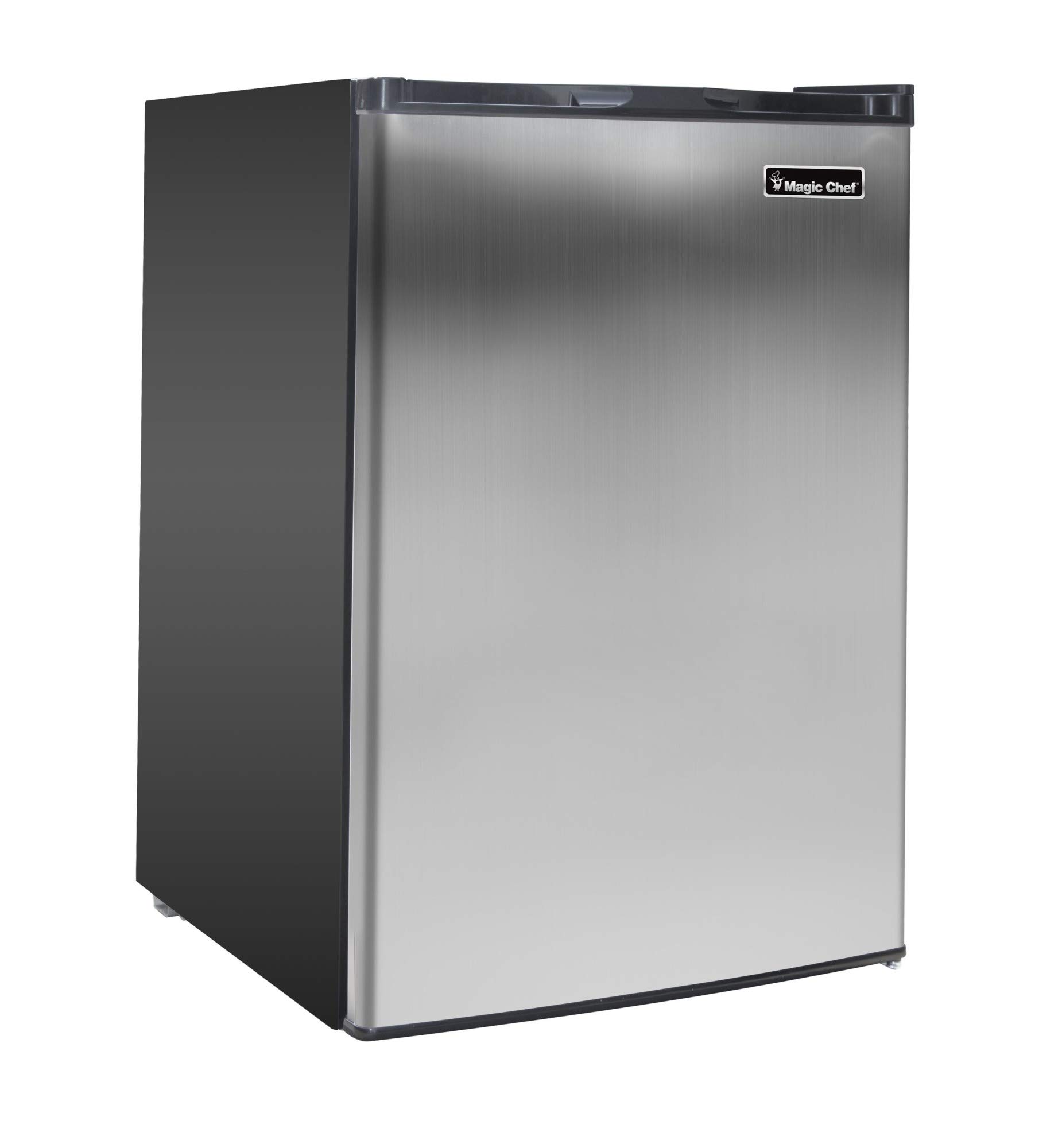
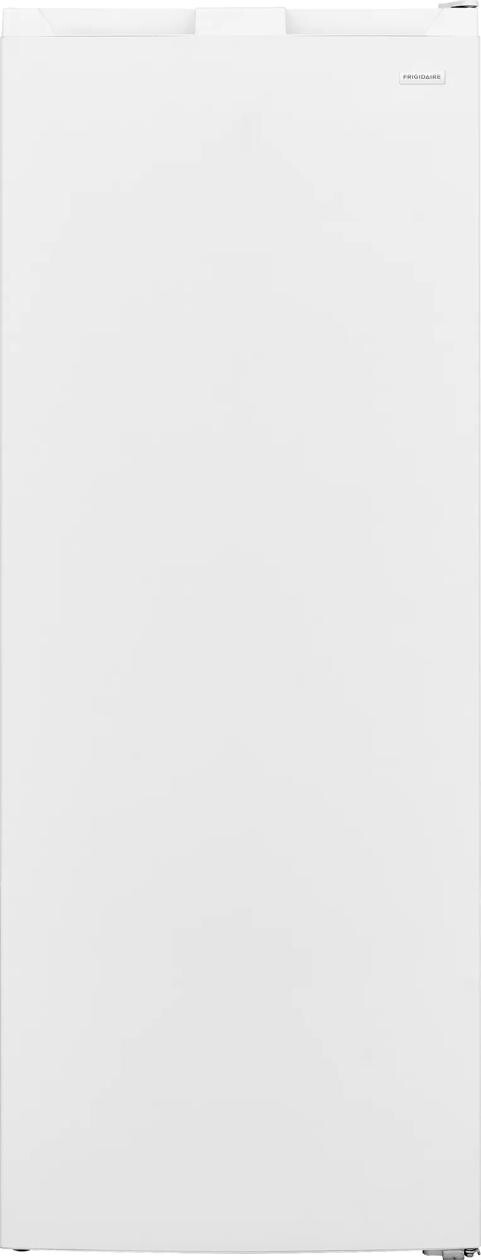
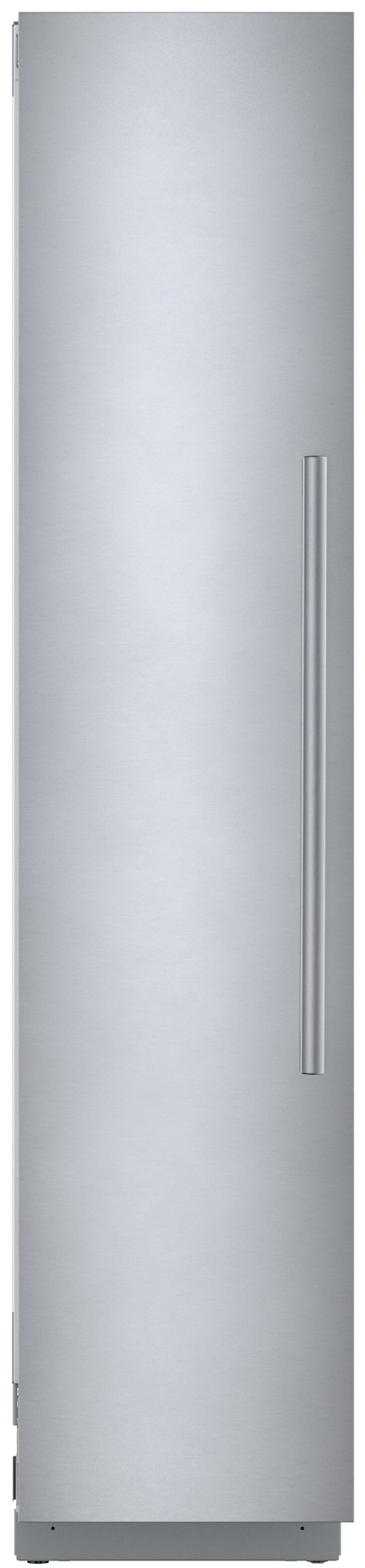
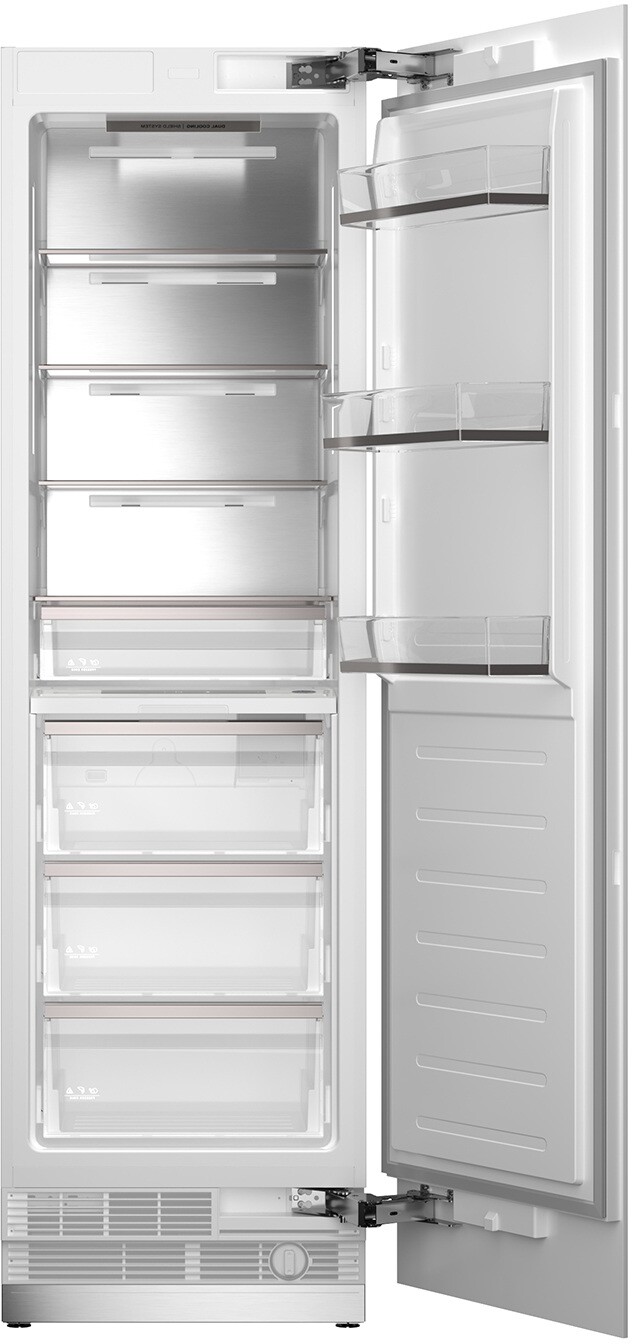
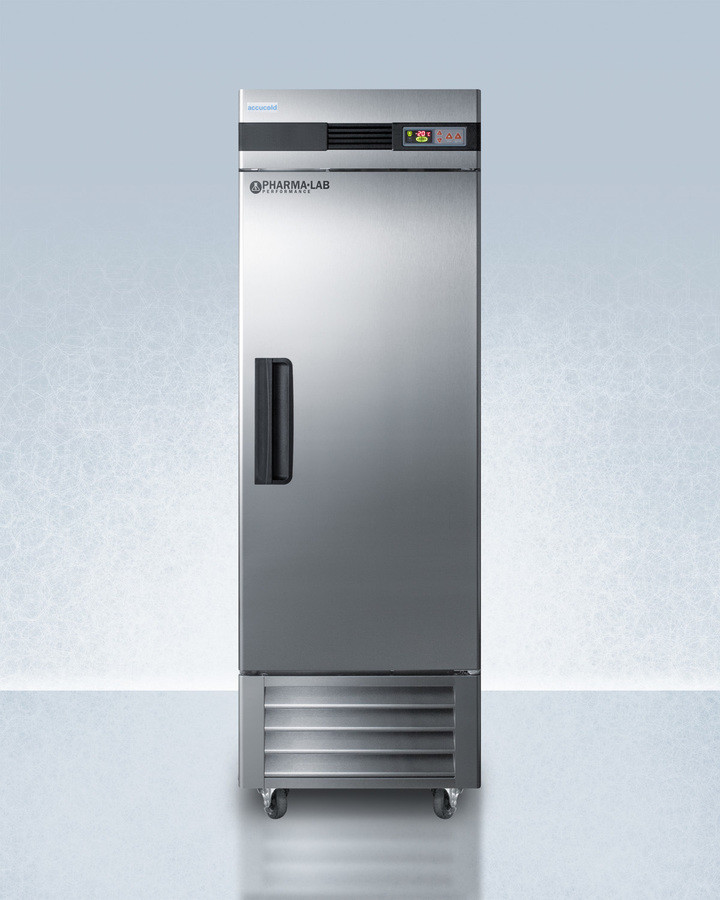
When you’re shopping for an 11 cu ft upright freezer in white, make sure you peek at the temperature dial.
While an 11 cu ft upright freezer in white is great for visibility and fairly compact storage, it’s always smart to consider how it measures up to other formats.
Most upright freezers offer adjustable thermostats, typically ranging from around -10°F to 0°F (-23°C to -18°C), although some can go even lower for deep freezing.
If you answered yes to any of the above, then an 11-cubic-foot upright freezer in a classic white finish could be your ideal solution.
If you’re considering an 11 cu ft upright freezer in white for your home or business, you’re probably picturing a sleek appliance that keeps everything from frozen veggies to bulk meal prep safely preserved. Maybe you’ve tried cramming groceries into a standard freezer before and ended up playing an elaborate game of Tetris just to make it all fit. Sound familiar? If so, this upright option can give you more breathing room—without swallowing half your kitchen.
In this post, we’ll explore how an 11-cubic-foot upright freezer can balance capacity, convenience, and a bright white finish that suits almost any décor. You’ll see how to plan your storage effectively, choose the right temperature controls, organize all those frozen goodies, and maintain everything with minimal fuss. By the end, you’ll know if this size and style is a perfect match for your household, your party-hosting ambitions, or even your small business need for overflow storage.
Meet your 11 cu ft freezer
Before you dive headfirst into choosing your new appliance, let’s get clear on what an 11-cubic-foot upright freezer actually is. The term “11 cu ft” simply means there’s enough interior volume to handle around 11 cubic feet of your frozen foods. In practical terms, you can store dozens of family-sized meal containers, multiple packs of meat, plenty of bags of frozen veggies and fruits, and still have space left over for a dessert or two.
If you’re someone who loves bulk shopping or pre-cooking meals for the week, you’ll probably find that this capacity hits a sweet spot between “just enough” and “not too large.” It’s also ideal if you already have a refrigerator/freezer combo but need extra space without switching to a massive commercial unit.
One of the best perks of going upright is the door configuration. With an upright model, you’ll easily spot whichever item you need—no more digging through layers, as you might with larger chest freezers. Plus, that white exterior is a classic. It tends to brighten up laundry rooms, basements, and kitchens, seeming clean and tidy right from the start. If you’re the type who likes your appliances to blend seamlessly, a white upright freezer often pairs nicely with other neutral-hued kitchen appliances.
So why pick 11 cubic feet specifically? For a small household, this size typically offers sufficient space without crowding your kitchen. Families with two to four members can comfortably freeze extra servings of soup or your favorite freezer-friendly vegetables. Entertainers can stash potluck dishes and fancy desserts ahead of time. If you run a small snack bar or keep a handful of specialties on-hand for customers, 11 cubic feet might be your sweet spot.
Plan your storage layout
Figuring out how—and what—to store can be a game-changer. You don’t want future you cursing the day you shoved a mountain of frozen veggies on the top shelf without thinking it through.
First, take inventory of the foods you typically freeze. Are you big on homemade freezer meals, or do you tend to stash packaged items from the grocery store?
Next, consider any special needs. Do you freeze large cuts of meat or frequently store bulk pizza crates for family movie night?
Finally, think about your usage pattern. Will you be in there daily, or is it just for stocking up on sale items you’ll thaw later?
Most upright freezers come with multiple shelves or wire baskets. If you plan ahead, you can allocate each shelf to a specific food category. For instance, dedicate one shelf to meats, another to fruits and vegetables, and a separate space for ready-made meals or ice cream. Not only does that make it super simple to locate items, it also helps with first-in, first-out rotation so older foods get used before they expire.
If you’re new to upright freezers, one helpful tip is to label shelves or containers. A quick piece of tape serves as an easy reminder of what goes where. It might sound a bit extra, but once you open the freezer and instantly see where everything belongs, you’ll appreciate that bit of extra planning.
Do you find yourself juggling space in your existing fridge? If so, an upright freezer can free up your main refrigerator section so you can comfortably store fresh produce in your kitchen fridge without worrying about the frozen extras.
Maintaining the right temperature is key to ensuring your stored foods last and taste great. Most upright freezers offer adjustable thermostats, typically ranging from around -10°F to 0°F (-23°C to -18°C), although some can go even lower for deep freezing.
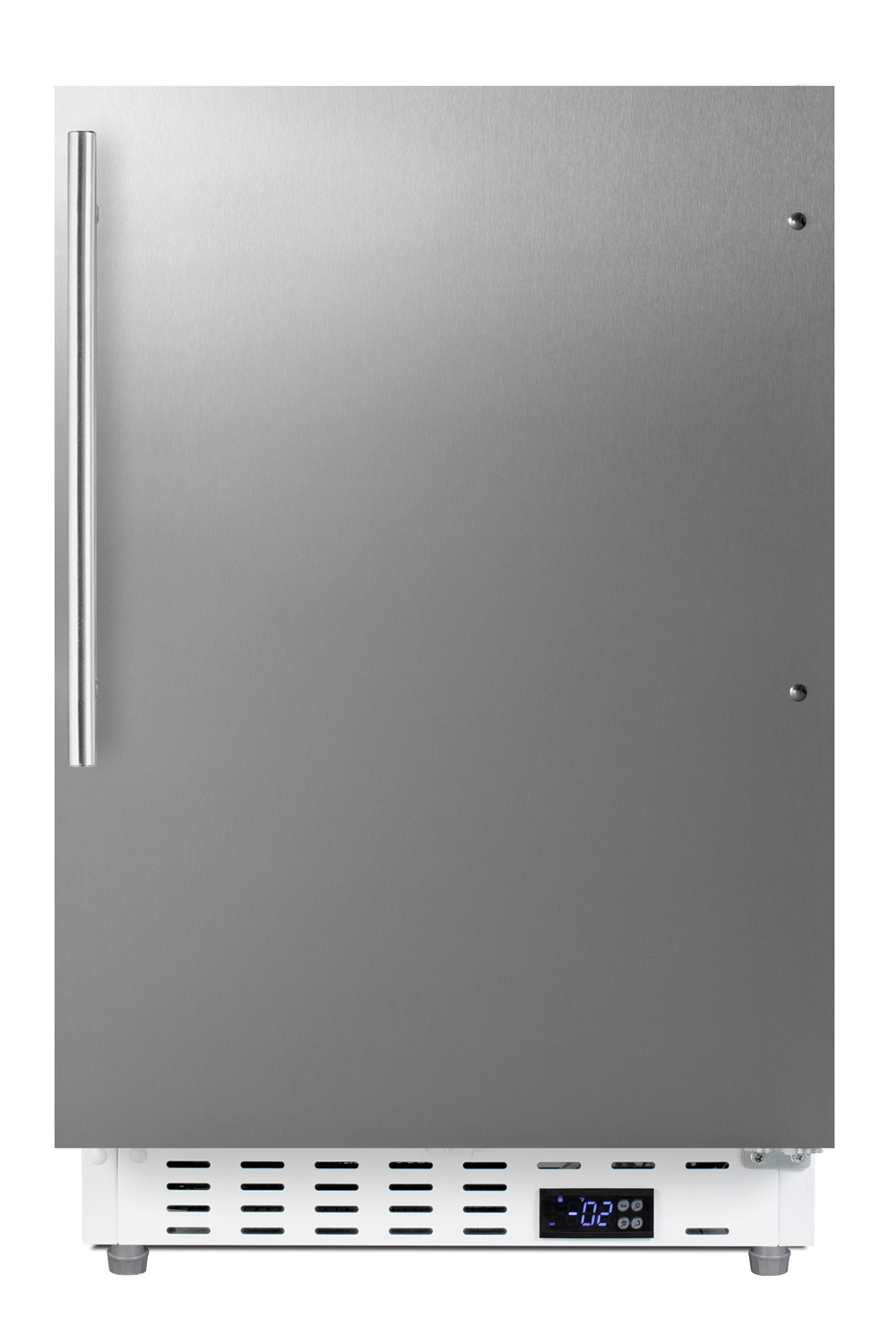
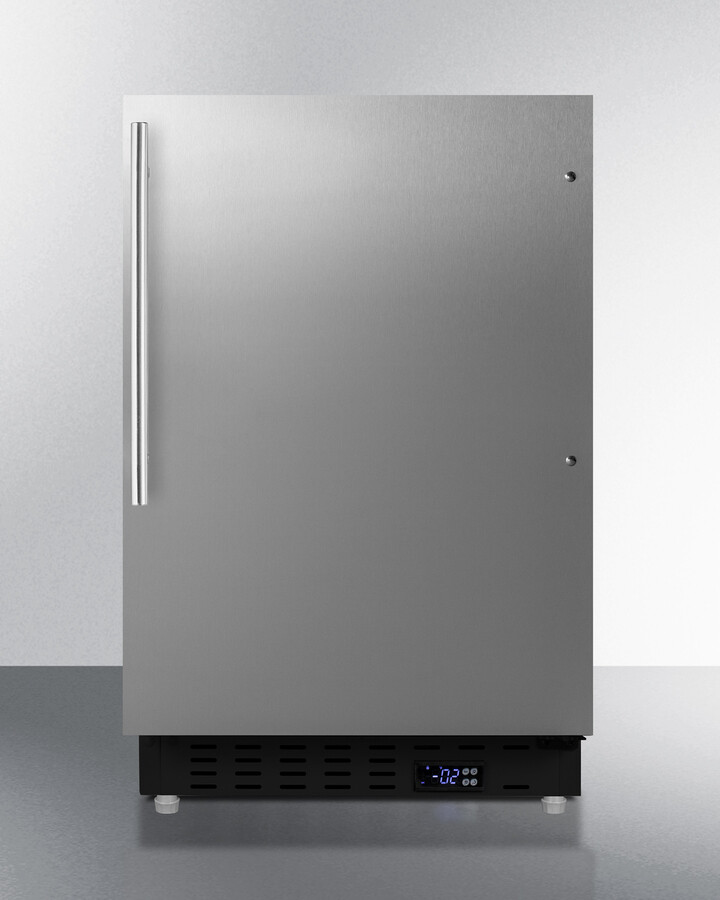
When you’re shopping for an 11 cu ft upright freezer in white, make sure you peek at the temperature dial. Some units provide intuitive digital controls, while others rely on a simple knob or slider. Digital controls can be easier to monitor—no guesswork about what “level 3” or “level 4” means. That being said, both types can work well as long as they maintain a stable temperature.
A few pointers to keep your freezer running at the ideal cold level:
Keep a freezer thermometer: This helps you spot any fluctuations quickly, like a sudden warm-up due to a power outage or a door inadvertently left open.
Don’t overpack it: Air circulation helps maintain consistent temps, so leave a little breathing room between items.
Check seals and gaskets: A cracked seal can let cold air leak, so occasionally inspect your freezer door seal for wear and tear.
In some cases, you might see “fast freeze” features on certain models. That’s a setting powering a super-cold burst to freeze large additions quickly. It’s handy if you often pop in fresh items that might otherwise cause a slight temperature bump. And while you’re tidying up, consider dusting the condenser coils—this improves efficiency. Not sure how? You might find some tips in articles like how do you clean the condenser coils on the back of a refrigerator?.
These days, energy efficiency isn’t just about lowering your carbon footprint, but also your monthly bills. Upright freezers can use more energy than a standard fridge, depending on age, design, and usage. Modern models, however, often come with better insulation and advanced compressors that help reduce energy consumption.
You’ll typically find an Energy Guide label on new freezers, detailing estimated electricity usage in kilowatt hours (kWh) per year. An 11 cu ft upright freezer that’s Energy Star certified might demand a bit more in upfront cost but can save you money in the long run. If you’re someone who’s mindful of day-to-day power usage—or you’re just tired of hefty utility bills—opt for a freezer with a solid efficiency rating.
Here are some quick tips if you want to keep those energy bills cozy:
Keep the freezer in a cool, dry place. Rooms with extreme heat cause it to work harder.
Leave some space behind the freezer so air can circulate around the coils.
Maintain a consistent interior temperature. Frequently opening the door invites warm air inside, making the compressor run longer.
If you’re filling up your freezer with items to support a particular eating plan—like storing meal preps for a 16/8 fasting schedule—you might appreciate the efficiency. You can even compare this upright model to a bigger system in 12 – 20 cubic feet refrigerator discussions, where you’ll see how capacity can impact power usage.
Location is often overlooked, but it can seriously affect how well your upright freezer runs. Where you set it up can influence energy consumption, convenience, and even whether you’ll remember to rotate your food.
Some folks keep their freezers in the kitchen. That’s convenient if you reach for frozen items multiple times a day, though smaller kitchens might feel cramped. Alternatively, a garage or basement is a popular choice, so the freezer sits out of the main traffic flow. Just note that in some climates, extreme hot or cold conditions could strain your freezer’s performance.
Ask yourself:
Will the door have enough room to open fully?
Is there a nearby electrical outlet that meets the freezer’s power specs?
Do you need to navigate any tight corners or narrow doorways to install it?
You might also want to consider the floor type. A level, solid floor is best. If you’re placing your freezer on a surface that might get wet, such as a garage floor during heavy rain, think about using a sturdy mat or platform to keep things dry. A small detail like that can prolong the life of your appliance.
If you’re extra cautious about noise or vibrations, you’ll want to check reviews. Upright freezers usually aren’t too loud, but it’s good to confirm how “quiet” it really is, especially if it’s parked near a frequently used living space. If you’re curious about noise levels in smaller refrigeration units, you might check articles like how soft whispers a 20 db micro refrigerator?.
Learn effective organizing tips
One of the biggest perks of an upright freezer is that everything is visible at a glance. Think about how you can harness that upright layout to create a systematic approach:
Use clear containers or freezer bags: Opting for transparent storage makes it easier to see what’s inside without rummaging through a bunch of unlabeled tubs.
Label and date items: A simple piece of masking tape with a date and item name prevents the dreaded “mystery meal” scenario. It’s especially critical if you freeze a variety of foods.
Group by category: Keep meats in one basket or shelf, vegetables in another, and pre-cooked meals on a separate shelf for easy mealtime assembly.
Reserve doors for quick-grab items: If your model has door shelves, use them for smaller items you reach for often, like frozen herbs, tortillas, or snack-size pizzas.
Rotate stock: Use the oldest items first to minimize waste. Placing newly purchased (or prepped) items behind older ones can help ensure first-in, first-out usage.
An 11-cubic-foot upright freezer can totally handle bigger tasks too, like prepping for a holiday feast or storing large platters. Just imagine how convenient it is to arrange a holiday turkey in one corner, with space for side dishes and pies. No more rearranging your entire fridge to fit that giant bird.
If you like to store homemade sauces, soups, or stocks, consider freezing them flat in zippered freezer bags. Once they’re solid, you can stand them upright like books on a shelf. Huge space saver. And if you occasionally freeze baked goods, section them out individually or in small batches so you’re not thawing an entire loaf just for a couple of slices.
Keeping your freezer in top shape doesn’t require a ton of work, but a little effort goes a long way. Let’s start with the basics: cleaning. Once or twice a year—more often if you spot spills—unplug the freezer, empty it, and wipe down the interior with a mild soapy solution. This wards off odors and maintains a well-kept environment for your ice creams and leftovers.
While you’re at it, do a quick check of the door seal. If it’s loose or cracked, you could be losing cold air, which leads to higher utility bills and inconsistent temperatures. A quick trick: close a dollar bill in the door, then tug on it. If it slides out too easily, your seal might need a cleaning or replacement.
Frost buildup can be another concern. Many upright freezers include an auto-defrost or frost-free function. But if you’re going for a manual-defrost model, you’ll want to keep an eye on frost accumulation. Excessive frost can reduce storage space and increase energy usage. Defrost the unit when frost is more than a quarter-inch thick. Emptying the freezer, unplugging it, and letting the frost melt naturally—or gently chipping away at the frost with a plastic scraper—usually does the trick.
What if you suspect your freezer isn’t getting cold enough? Double-check the thermostat setting and the condenser coils for dust. Make sure the door is closing properly. Also, keep an ear out for unusual noises. A rattling or clanking sound might indicate a loose part or an issue with the compressor. When in doubt, consult the manufacturer’s guidelines or call in a professional.
And remember, freezers sometimes need a few hours to settle and stabilize, especially if they’ve been moved on their side. For more details on safe fridge or freezer transport, you might check resources like will i damage my fridge if i transport it on its side?.
While an 11 cu ft upright freezer in white is great for visibility and fairly compact storage, it’s always smart to consider how it measures up to other formats. If you’re still on the fence:
Upright vs. chest freezer: Chest freezers can sometimes offer more raw capacity for the cost, but they require you to stack foods on top of one another. Retrieving items may mean digging into the depths. Upright models let you see everything at a glance but can be slightly pricier per cubic foot.
Upright vs. 2-door freezer: Some larger freezer options might have a two-door configuration, splitting the interior space differently. You might prefer 2 door refrigerator vs. freestanding drawer freezer if you need that extra separation for big families or small businesses.
Side-by-side refrigerator with freezer: If you need both cooling and freezing in one unit, a side-by-side might suit you, but it usually yields less dedicated freezer space than an upright model of similar exterior dimensions.
Overall, an upright freezer often strikes a nice balance for homeowners and families who want added freezer space without the rummaging. If you’d like a guide on deeper or larger capacities, you can check out kitchen appliances deep freezer to see how different freezers stack up in terms of size and function.
Decide if it’s right for you
So how do you know that this upright freezer truly aligns with your household or business needs? The simplest way is to weigh your lifestyle and usage patterns against the features we’ve talked about:
Are you frequently cooking and storing extra meals?
Do you buy groceries in bulk to save money?
Is your primary fridge freezer constantly jam-packed?
Do you need easy shelf access or a large open cavity for big items?
Do you have enough space in your kitchen, basement, or garage to accommodate the freezer footprint?
If you answered yes to any of the above, then an 11-cubic-foot upright freezer in a classic white finish could be your ideal solution. For many, it’s the sweet spot in terms of capacity. You won’t be overburdened by a massive appliance, but you’ll still have ample room for all your frozen must-haves.
But what if you anticipate your needs might grow? Sometimes a bit of future-proofing is wise. If you’re considering expanding your household or you’ve started a business that needs more serious chilling capacity, you can look at chest freezers under 500 or even bigger refrigerator models. On the other hand, if you’re positive 11 cubic feet will do, then you’re set.
Let’s wrap up with a quick recap on what you should keep in mind before you bring home your new upright freezer:
Capacity sweet spot: 11 cubic feet is enough for families or small businesses that need added freezer space without going overboard.
Layout advantage: An upright design makes it simpler to sort and find items, which can save you loads of time.
Temperature matters: Keep a thermometer handy, and adjust settings as needed to ensure consistent cooling.
Efficiency checks: Look for Energy Star ratings and good compressor insulation to trim your bills.
Strategic placement: Set your freezer up in a spot with decent ventilation and moderate temperatures.
Maintenance routine: Clean and defrost regularly, and inspect the door seal for any wear.
Compare options: Weigh chest vs. upright vs. fridge-freezer combos to find a design that best suits your lifestyle.
Feel free to combine this freezer with a main refrigerator or be sure it fits snugly by checking the dimensions for your space. The payoff is a more organized, relaxed, and efficient way to manage your frozen foods.
Choosing an 11-cu ft upright freezer in white is often a smart, stylish investment. You’ll get that crisp, clean look that suits various interiors, plus plenty of shelving to keep your frozen goodies in perfect order. And once you have that extra cold storage capacity, you may find meal prep more doable, parties less stressful, and your daily grocery runs a lot more efficient. Go ahead, revel in the satisfaction of opening a well-organized freezer, and enjoy seeing exactly where your next meal is waiting. You’ve got this!
From Fridge.com research
Figures below come from data Fridge.com builds and maintains. Each links to the record behind it.
Fridge.com Energy Index, built on U.S. EPA and DOE ENERGY STAR records
Across 5,455 ENERGY STAR certified refrigerators and freezers from 263 brands, median use is 360 kWh per year.