Short answer: "fridge" is a shortened and altered form of "refrigerator". Merriam-Webster, the Oxford English Dictionary and Etymonline all date its first known use to 1926, which makes 2026 the word's hundredth year.
A word for "something that cools"
"Refrigerator" is far older than the appliance. Etymonline dates it to the 1610s, when it meant anything that cools, an agent noun built on "refrigerate", from the Latin refrigerare, "to make cool". The meaning we use today, a cabinet that keeps food cold, arrived in 1824, first in the brewery trade, replacing the earlier "refrigeratory".
Before electric refrigeration, a cold cabinet ran on blocks of ice. "Icebox" is recorded from 1839, first meaning an ice chest. People were already clipping the long word, too: Etymonline records "frigerator" as a colloquial shortening by 1886.
Frigidaire, and where the "d" may come from
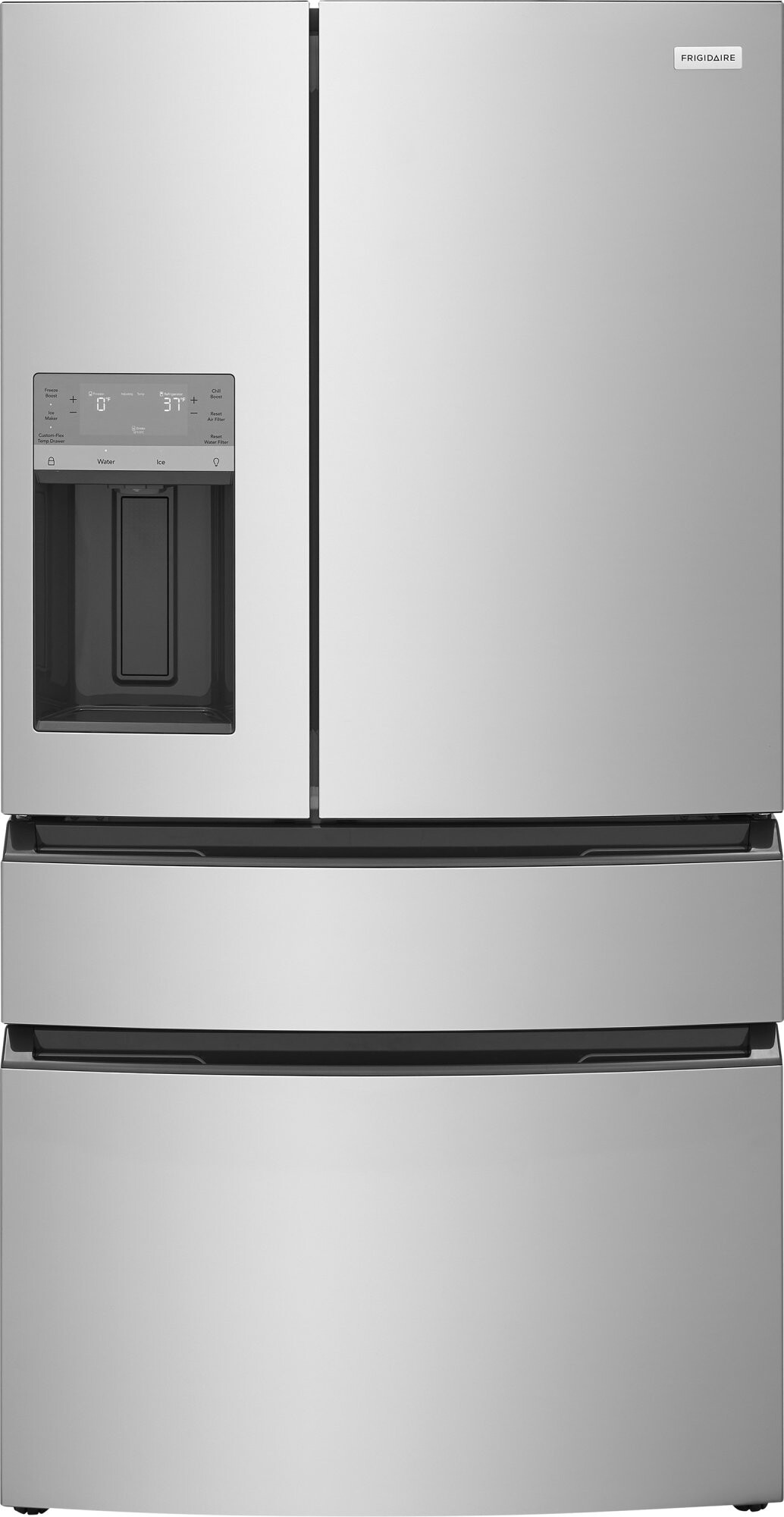
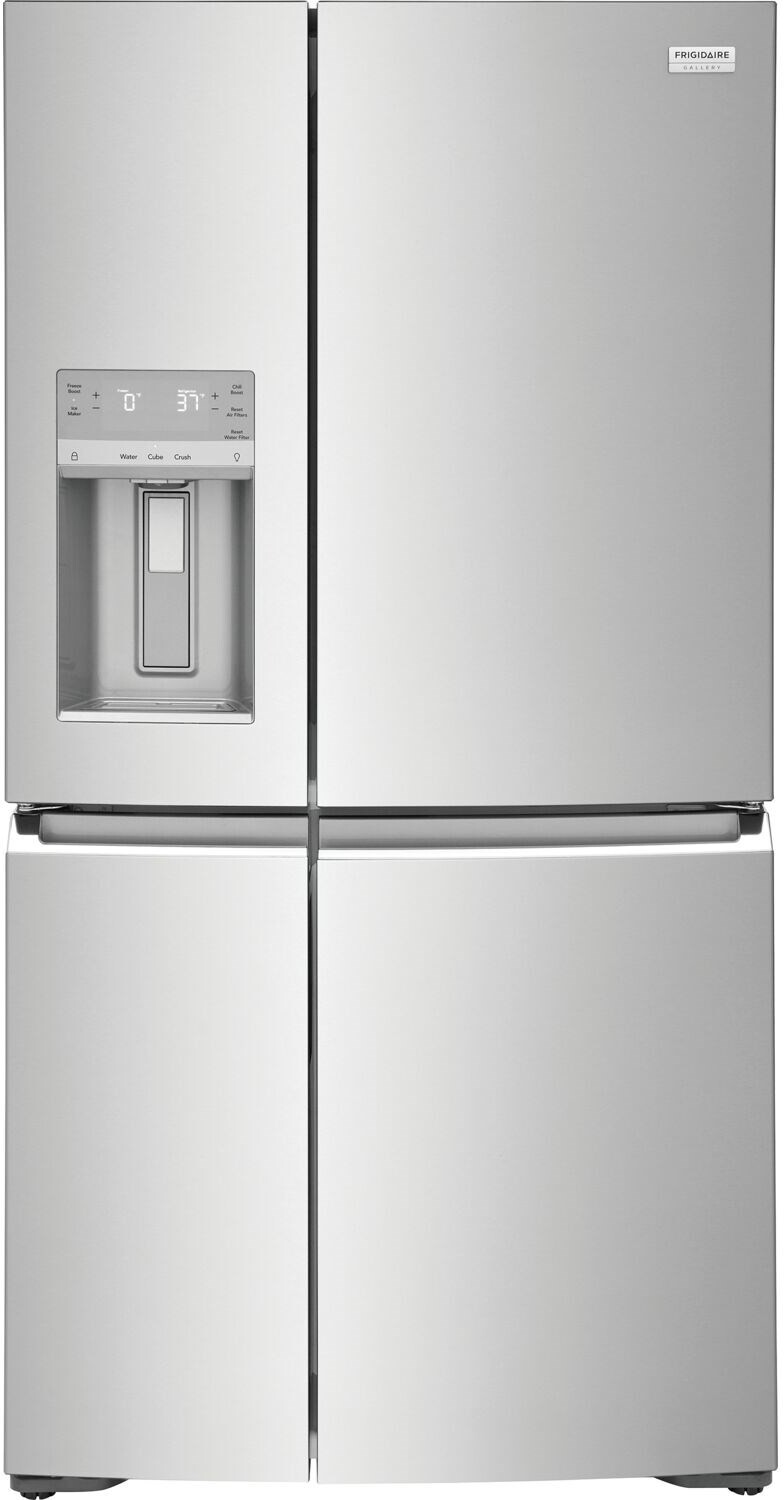
Electric household refrigerators became widely available from about 1918, and Frigidaire was a popular early brand of automatic, ice-free refrigerator. Etymonline dates the brand name to 1919; the OED's earliest evidence for it is from 1926. Etymonline suggests the brand perhaps influenced the new short word, which would explain a spelling with a "d" that "refrigerator" does not have. That link is a likely story, not a recorded fact: Merriam-Webster simply describes "fridge" as formed by shortening and alteration.
1926: the first "fridge"