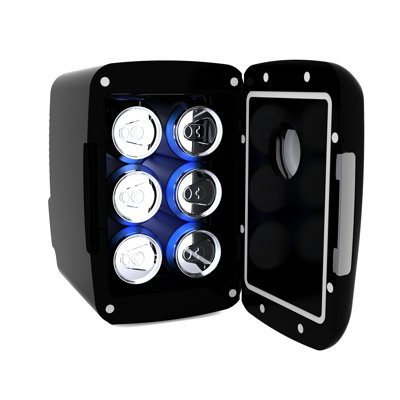
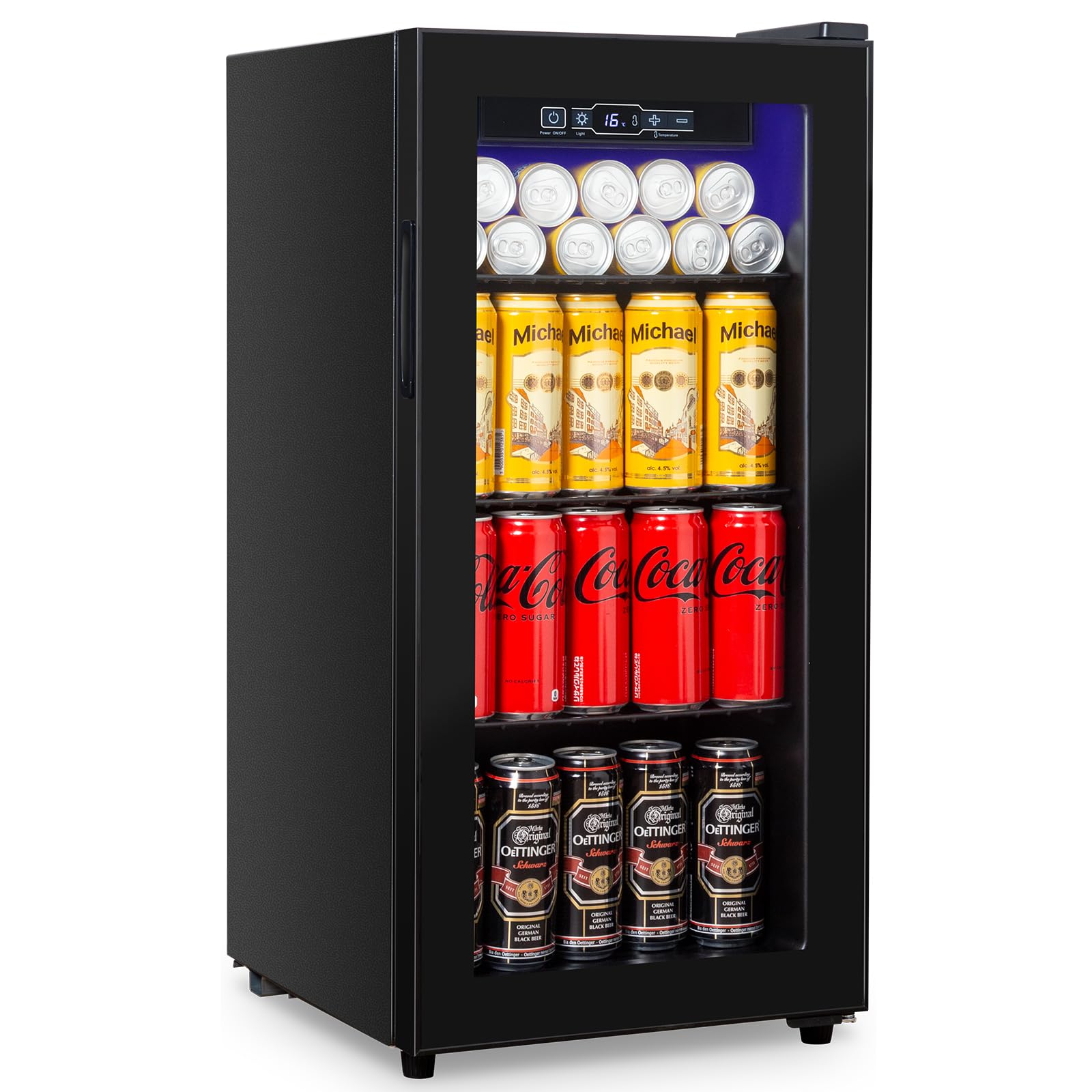
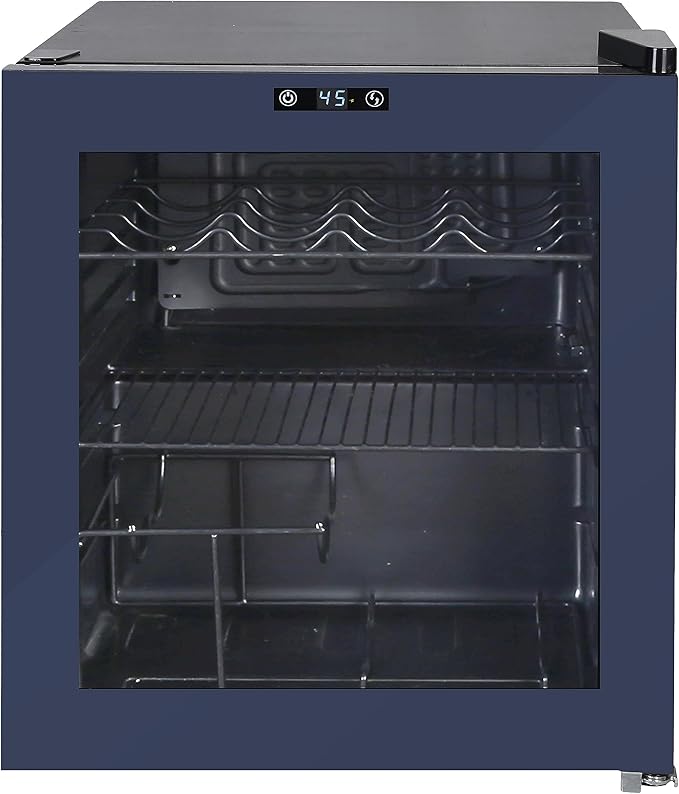
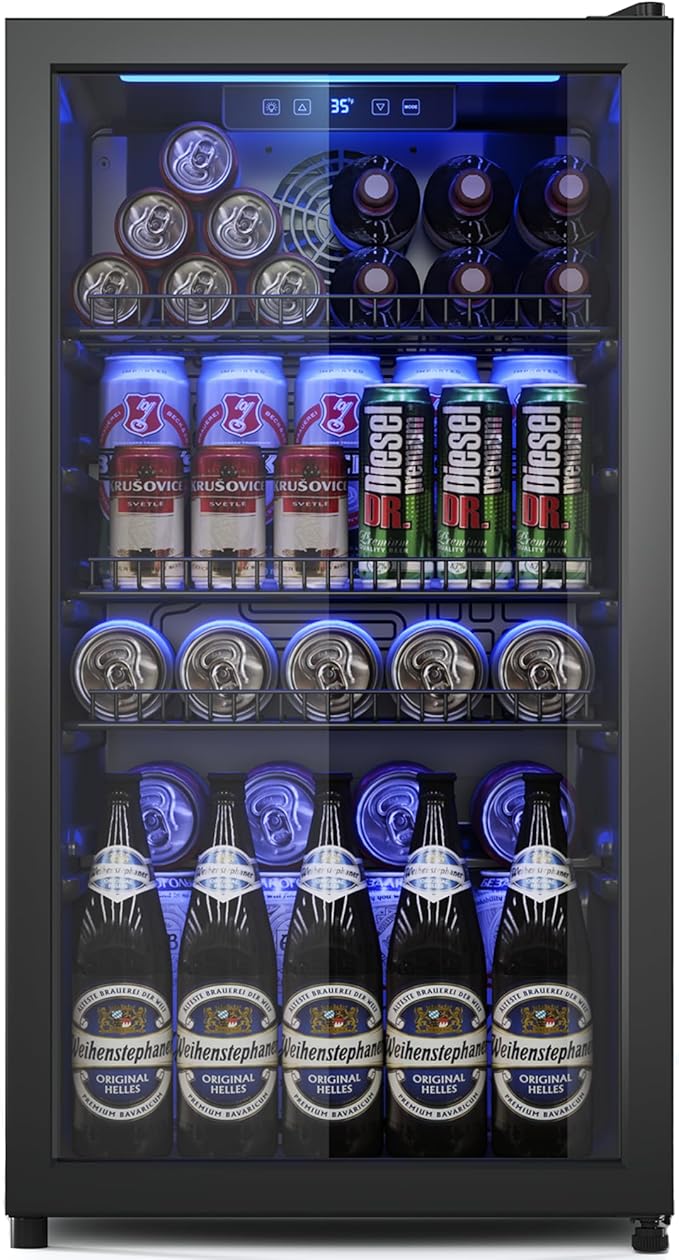
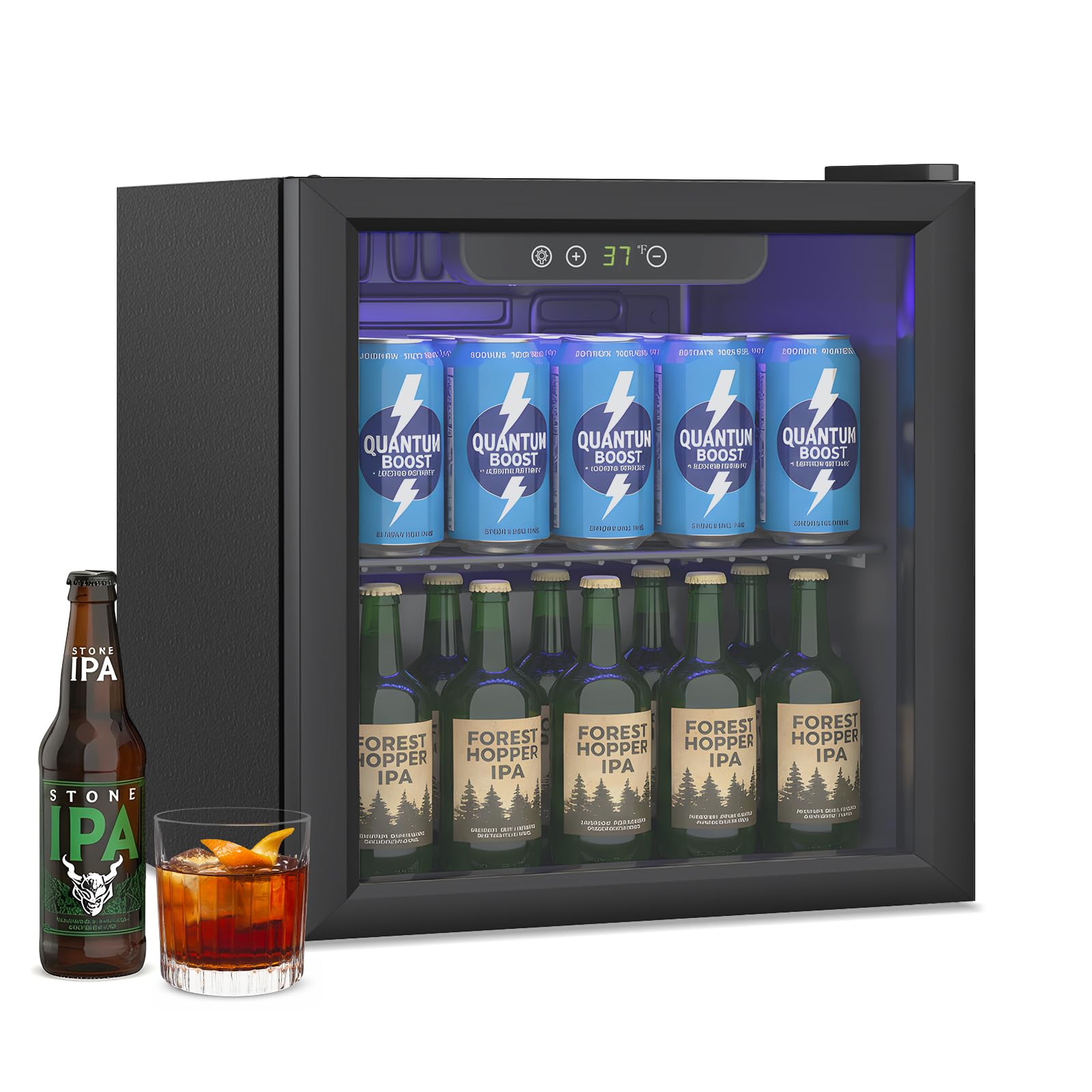
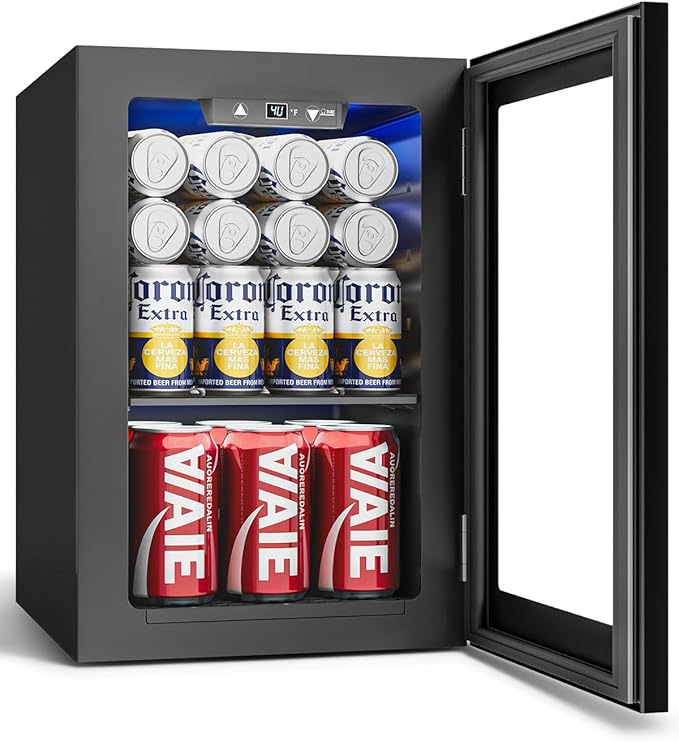
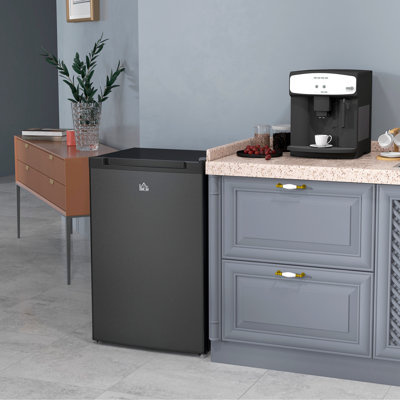
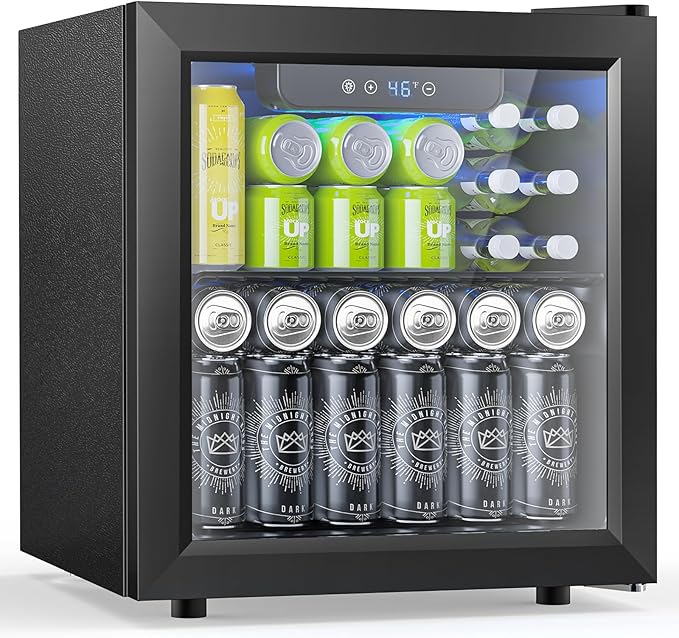
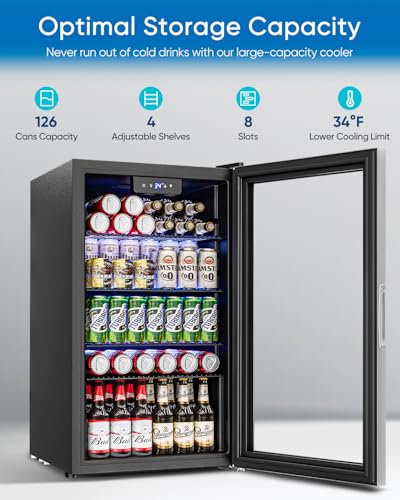
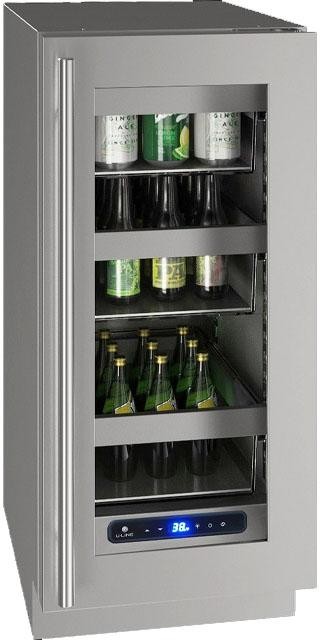
Most beverage coolers can go as low as 34°F (1°C) for a crisp chill, while others only dip to around 40°F (4°C).
For smaller homes, best condo kegerators can guide you toward the ideal pick.
A dedicated beverage cooler frees up precious shelf space in your main refrigerator, helps keep your drinks organized, and ensures your beverages are always at the optimal chill level.
By the end, you’ll not only feel confident about your purchase, but you’ll also have some insider tips on installation, cleaning, and troubleshooting along the way.
Are you tired of constantly rearranging your fridge just to stash a few extra soda cans or chilled wine bottles? If so, you’re not alone. Many of us with compact kitchens struggle to make room for all our essentials while keeping our favorite drinks at the perfect temperature. That’s where the best beverage cooler for a small kitchen comes into play. A dedicated beverage cooler frees up precious shelf space in your main refrigerator, helps keep your drinks organized, and ensures your beverages are always at the optimal chill level.
In this post, we’ll walk through everything you need to know before buying a beverage cooler for your cozy kitchen. We’ll talk about measuring your space accurately, deciding what capacity fits your lifestyle, and selecting handy features like adjustable shelves or dual temperature zones. By the end, you’ll not only feel confident about your purchase, but you’ll also have some insider tips on installation, cleaning, and troubleshooting along the way.
Before diving into all the cool features a beverage cooler can offer, you need to figure out how big your kitchen can go. Even the most compact beverage coolers come in various heights and widths, so measuring carefully keeps you from getting stuck with a fridge that’s too large, too tall, or simply awkwardly placed.
Assess your kitchen layout
Start by scanning the spots where you could put a small beverage cooler. Maybe there's a narrow space next to your oven, or perhaps you have a gap between cabinets where a 15-inch-wide unit can slide in nicely.
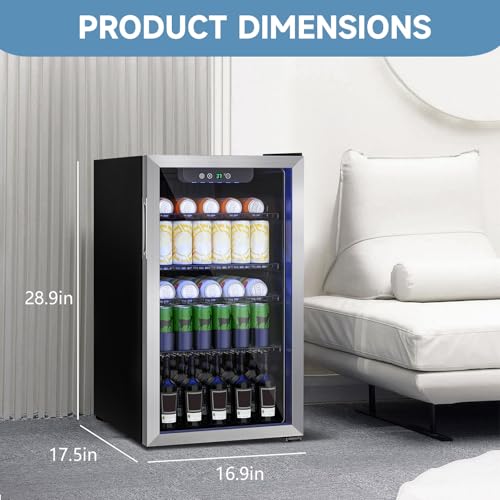
Use a tape measure to capture the width, depth, and height of the area.
Factor in your baseboard or countertop overhang, which might reduce the usable space.
If you’re considering a built-in cooler, note how the cabinetry or wall structure might affect airflow.
It’s also a good idea to check for any nearby power outlets, so you won’t have to wrestle with extension cords. Keeping the cooler close to an outlet ensures the installation is straightforward and safe.
Check door swing clearance
Even a compact cooler needs enough clearance to open smoothly. If your kitchen is especially tight, you’ll want to confirm that opening the cooler door won’t crash into the wall, cabinets, or a freestanding trash can. Generally, you’ll want:
At least a few inches of wiggle room on either side.
Clearance for any protruding handles.
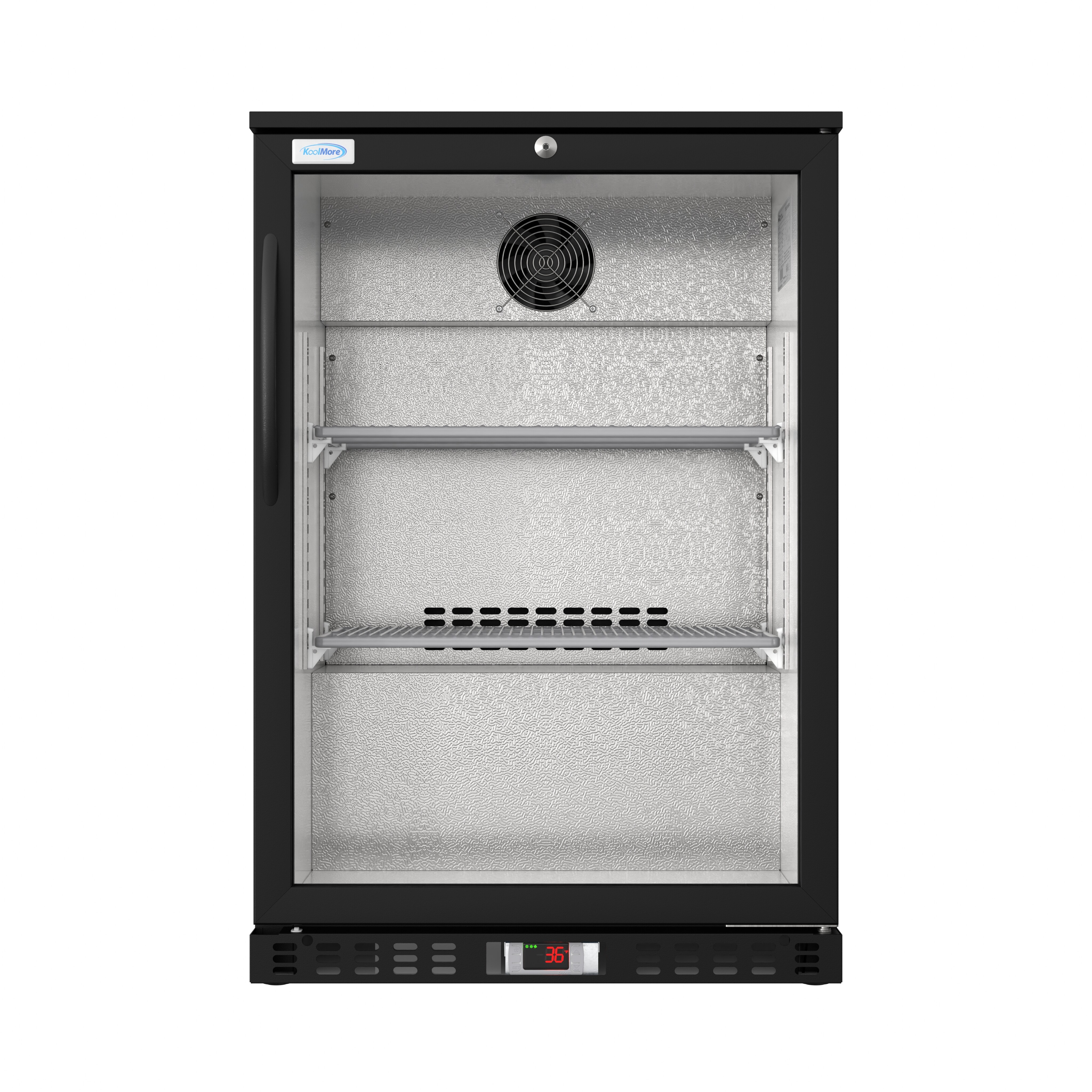
Enough forward space so the door can open fully (especially important if the shelves slide out).
If you discover that a hinged door isn’t practical, consider models that offer reversible hinges so you can switch which side opens to best suit your layout. For instance, you can explore which reversible hinge stops at five preset positions? if you’re curious about hinge flexibility.
Once you’ve nailed down dimensions, it’s time to think about capacity. You might only need a modest cooler for a handful of soda cans and a few bottles of sparkling water. Or, maybe you regularly host game nights and want enough space for everyone’s drinks. Consider your needs first, and then pick a size.
Think about can vs. bottle capacity
Beverage coolers often advertise how many standard 12-ounce cans they can hold. However, this number might not tell the whole story if you’re mixing cans and taller bottles.
If you host dinner parties with wine, look for a beverage cooler that accommodates taller bottle profiles.
If you’re all about soda or beer cans, a can-optimized design might give you more overall capacity.
Some models even include removable or adjustable shelves, letting you customize the interior to make room for different bottle shapes. By shifting shelf heights, you can maximize every cubic inch of space.
Adjustable shelving benefits
When you check product specs, see if the shelves are easy to remove or reposition. This flexibility is especially helpful if you want to store a mix of drinks:
Short cans on the lower shelves, upright bottles on top.
A spare shelf removed for the occasional tall drink container.
Different zones separated by a shelf divider (if the cooler supports multiple temperature zones).
Once you’ve worked out what you need from a capacity standpoint, you can delve into temperature settings and how they affect your beverage variety.
Temperature control and zones
One of the biggest perks of a beverage cooler is the control you have over internal temperatures. If you only plan to chill sodas and bottled water, a single temperature zone is likely enough. But if you want to serve both chilled white wine and slightly warmer craft beers from the same unit, a dual-zone cooler might be worth the extra investment.
Single-zone vs. dual-zone
Single-zone coolers: All beverages stay at one consistent temperature. Great for simple needs and smaller budgets.
Dual-zone coolers: Two separated compartments offer different temperature ranges, allowing you to store items that require distinct levels of chill.
Below is a quick table comparing single-zone and dual-zone:
Feature
Single-Zone Cooler
Dual-Zone Cooler
Number of temperature settings
1
2
Ideal for
Uniform beverages like soda, beer
Mixed drinks requiring varied chills
Complexity
Simpler
More advanced
Temperature range matters
Even if you decide on a single-zone cooler, look at the specific temperature range it can maintain. Most beverage coolers can go as low as 34°F (1°C) for a crisp chill, while others only dip to around 40°F (4°C). Some specialized units can also keep certain shelves slightly warmer than the bottom areas, which is handy if you store different types of drinks together.
While beverage coolers are smaller than regular refrigerators, they do use power continuously. The good news is, many models come with energy-saving capabilities that make them cost-effective and eco-friendly.
Look for an Energy Star rating
Energy Star-rated coolers meet specific efficiency guidelines that help reduce your monthly utility bills. When you’re comparing models, keep an eye out for:
Annual power consumption estimates on the product label.
Additional features like automatic interior lighting shut-off when the door closes.
A compressor with a lower energy draw.
Though energy-efficient models often cost a bit more upfront, you’ll typically recoup that investment in electricity savings over time.
Proper ventilation and maintenance
A beverage cooler needs adequate airflow around its sides or back to manage heat exchange — especially if it’s a built-in model. Without proper ventilation, the cooler works harder, increasing your energy costs.
Follow the manufacturer’s ventilation clearance recommendations.
Keep the condenser coils clean to ensure maximum efficiency.
Avoid pushing the cooler directly against the wall unless it’s specifically designed for a flush fit.
Looks matter, especially if your new beverage cooler is going to be a visible part of your kitchen. Manufacturers offer a range of door types, finishes, and lighting options to blend with different décors.
Glass vs. solid doors
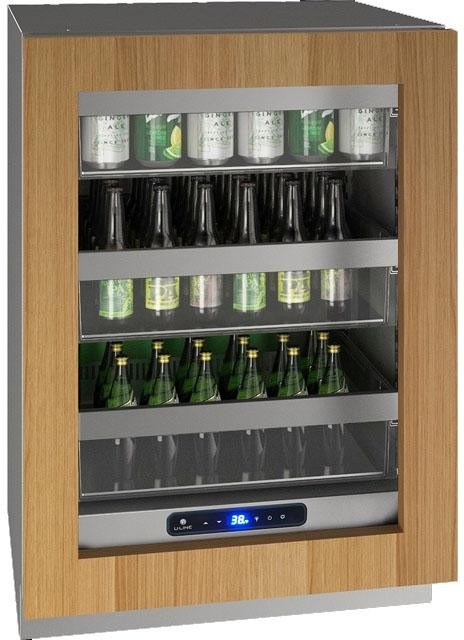
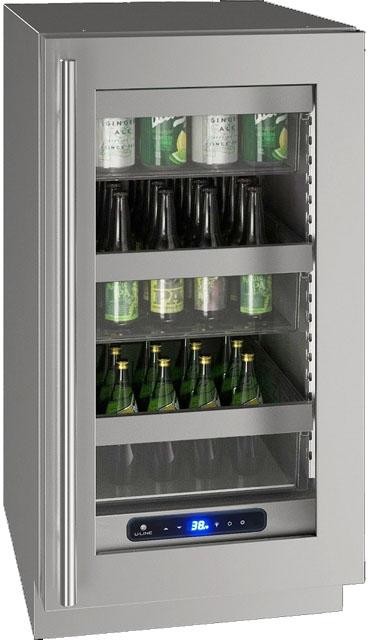
Glass doors let you see what’s inside without having to open them, which can reduce how often you let cold air escape. Many people like the convenience and the sleek aesthetic.
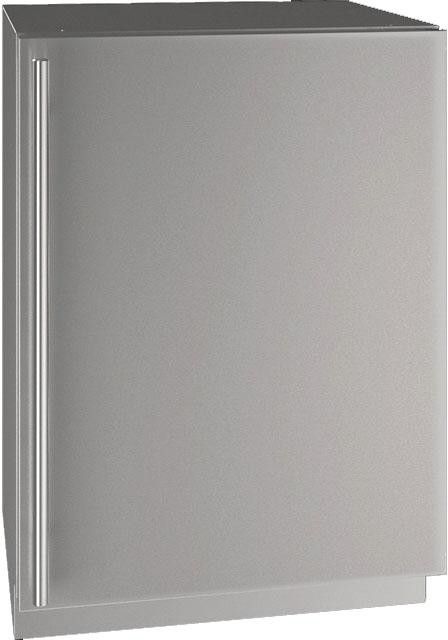
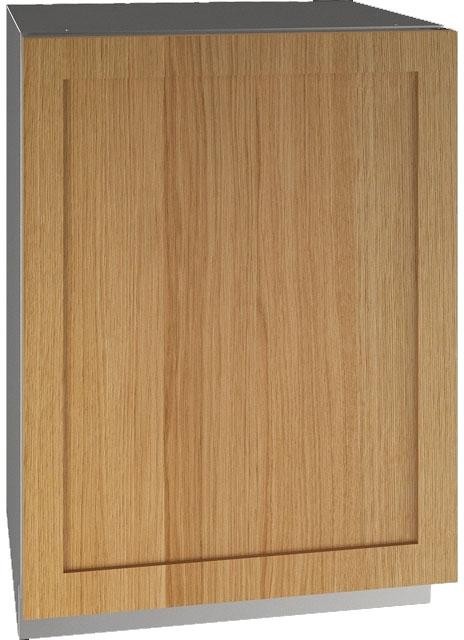
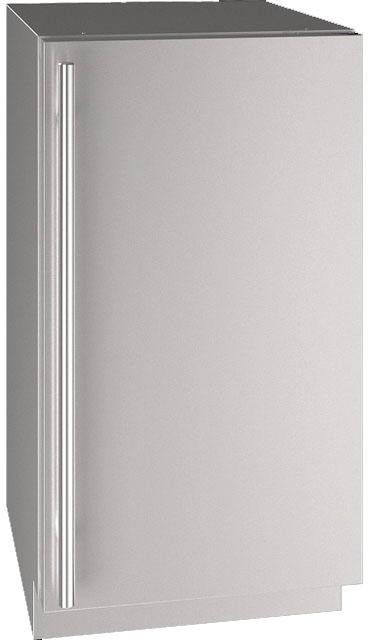
Solid doors provide better insulation in some cases, and they hide the contents if you prefer a cleaner, uniform look.
Still undecided? Consider how often you want to glance at what’s inside, whether you like the display style, and whether you might need a little extra insulation. Also, factor in how the door material will handle fingerprints and smudges, especially if kids are in and out of the kitchen.
Lighting and finishes
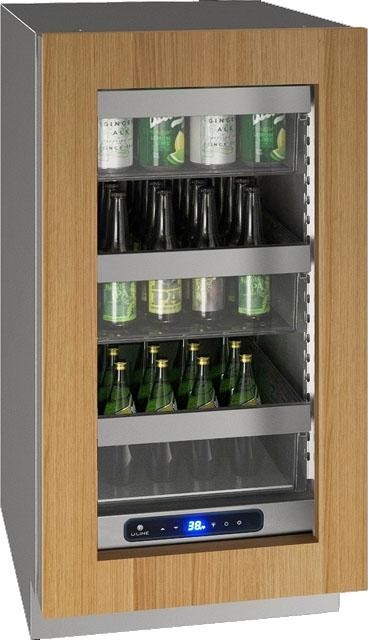
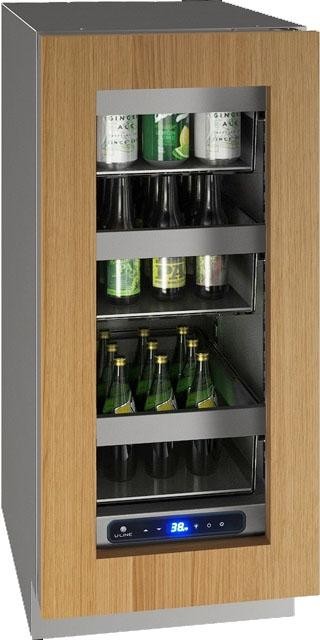
Soft LED lighting inside the cooler not only looks cool but also helps you spot your favorite beverages quickly. Finishes can range from stainless steel to black or white exteriors. Some models even offer panel-ready fronts that match your cabinetry.
Stainless steel is a common choice for modern, sleek kitchens.
Black or white finishes blend well if other appliances share that color.
Panel-ready options disappear into your cabinetry for a seamless look.
If you’re the type of person who welcomes a bold statement piece, you might opt for a vibrant color or a glass door with eye-catching interior lighting. There’s no wrong option — just pick what suits your style best.
The perfect spot for your cooler depends on how you use your kitchen. You might want it near your main cooking station, or maybe you prefer to keep it closer to the entertaining area. Think carefully about your daily routine and the traffic flow in your space.
Built-in vs. freestanding
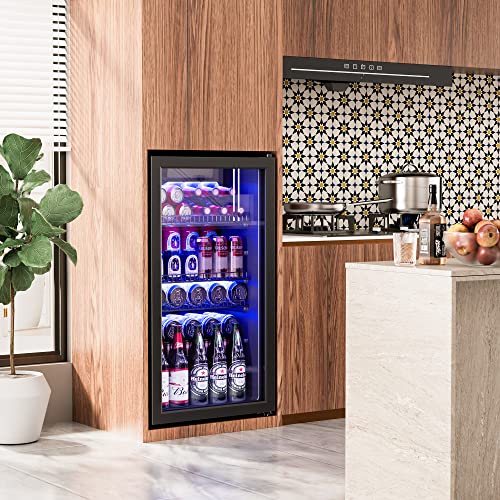
Built-in: These models often install under counters or between cabinets and feature front venting. They create a seamless, custom look.
Freestanding: Ideal if you want the option to move the cooler around. Venting usually occurs at the back, so these need additional clearance from the wall.
If you’re redesigning your kitchen or adding a pantry, you might wonder about flush mounting. For more details, you can explore which slim refrigerator mounts flush beside tall pantry? to discover how some compact appliances can fit neatly into a tight layout.
Optimizing your traffic flow
A beverage cooler shouldn’t block main paths in your kitchen. Picture guests raiding the cooler during a party — you don't want them bumping elbows with you while you’re cooking. Instead, tuck it into an area with less foot traffic or place it near the dining or living room. Here are a few ideas:
If your main fridge is in a high-traffic area, consider a beverage cooler by your breakfast nook.
An under-counter unit in an island can let guests grab drinks without interrupting your workflow.
A corner of the kitchen that’s currently underused might be perfect for a freestanding model.
Keeping the cooler accessible yet out of the way helps maintain harmony in your small kitchen.
Price and budget considerations
Prices for beverage coolers can range from a couple of hundred dollars to well over a thousand, depending on brand, capacity, and advanced features. Don’t get too hung up on flashy extras if they aren’t truly useful for your situation.
Balancing features vs cost
When comparing models, prioritize the features you’ll actually use. For instance, if you rarely drink wine, you might not need dual temperature zones. On the other hand, if you love collecting specialty beers, a cooler with adjustable shelving might be more important than a fancy door display.
Practical features: Reversible doors, lockable doors, adjustable shelving, LED lighting.
Premium extras: Touchscreen controls, built-in Wi-Fi for temperature monitoring, advanced carbon filters.
And speaking of carbon filters, you might be interested in how certain filters work. If that’s the case, check out which carbon filter snaps into ceiling without tools? for an example of easy-to-install filter technology that some modern fridges feature.
Long-term savings
An energy-efficient cooler is likely to save you money over the years. The upfront cost might be higher, but you’ll notice some relief on your utility bill if you pick a model that meets strict energy standards. Also, a quality beverage cooler with durable parts usually has a longer lifespan, reducing the need for frequent replacements.
Just like with any kitchen appliance, a little routine care goes a long way. Keeping your cooler clean and well-maintained not only helps it run optimally, but it also keeps your beverages tasting fresh — especially if you store flavored drinks or wines.
Routine cleaning schedule
Aim to wipe down shelves and door seals at least once a month. This helps you spot any spills or leaks early on.
Unplug the cooler for safety.
Remove all cans and bottles, plus any removable shelves or racks.
Clean the interior surfaces with mild soap and warm water.
Rinse and dry thoroughly before plugging it in again.
Don’t forget to wipe down the door gasket (the rubber seal). Dust and grime can collect there, which might compromise the cooler’s ability to seal properly.
Troubleshooting minor issues
You might experience small hiccups like temperature fluctuations or increased compressor noise. Here are some quick fixes:
Ensure you didn’t accidentally change the temperature setting.
Check the door seal for gaps or damage.
Make sure the cooler vents aren’t blocked by boxes or clutter.
Keep the coils clean to avoid overworking the compressor.
If you notice more serious problems, consult the manufacturer’s manual or reach out to their customer service. Some issues might be covered under warranty, so always keep your receipt or proof of purchase handy.
Once you install your beverage cooler, you may find your kitchen becomes a more flexible, enjoyable space. You can store extra produce in your primary fridge, keep meal preps organized, or even experiment with different appliance add-ons.
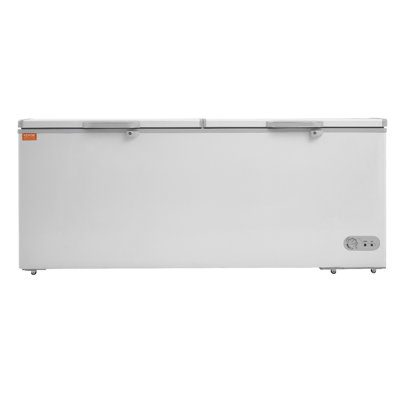
Consider a deep freezer if you need more frozen storage. Check out kitchen appliances deep freezer for tips on choosing the right model for your household.
If you’re a fan of draft beer, a kegerator might also be on your wish list. For smaller homes, best condo kegerators can guide you toward the ideal pick.
Tips for small kitchen functionality
While your beverage cooler will certainly help, you might still wonder how to squeeze every bit of efficiency out of your small kitchen. Here are a few final thoughts:
Use vertical space: Shelving, pot racks, and wall hooks let you store items off the counter.
Opt for multifunctional pieces: A foldable dining table or a cutting board that fits over your sink helps you multi-task in limited space.
Keep it organized: Label your containers and group pantry items to quickly find what you need.
Declutter routinely: If you haven’t used an appliance or tool in months, consider donating or storing it elsewhere.
A small kitchen can still be mighty if you plan carefully. Maintaining a streamlined workflow and giving each appliance a justified role can make cooking and entertaining feel effortless.
Choosing the best beverage cooler for a small kitchen doesn’t have to be overwhelming. By measuring your space, deciding on important features, and comparing options thoughtfully, you can find a unit that perfectly suits your needs. You’ll be able to keep drinks chilled at the ideal temperature without sacrificing precious fridge space for everyday groceries.
Remember to think about ventilation, energy efficiency, and whether a single-zone or dual-zone design fits your beverage lineup. And once you’ve made your pick, a little routine cleaning will keep it in prime condition for years to come. Before you know it, you’ll be enjoying an ice-cold soda, a crisp beer, or a bottle of sparkling water at the precise chill level you’ve always wanted.
Got any favorite small kitchen hacks you’d like to share? Feel free to let me know how you’re making a tight space work for you. And if you’re still exploring various fridge-related options, you can also stop by best counter depth refrigerator guide to see if a counter-depth model fits your style. Here’s to enjoying every sip, even in the coziest of kitchens!
From Fridge.com research
Figures below come from data Fridge.com builds and maintains. Each links to the record behind it.
Fridge.com Energy Index, built on U.S. EPA and DOE ENERGY STAR records
Across 122 ENERGY STAR certified compact cooler models, median use is 134 kWh per year — 32% better than the federal standard.