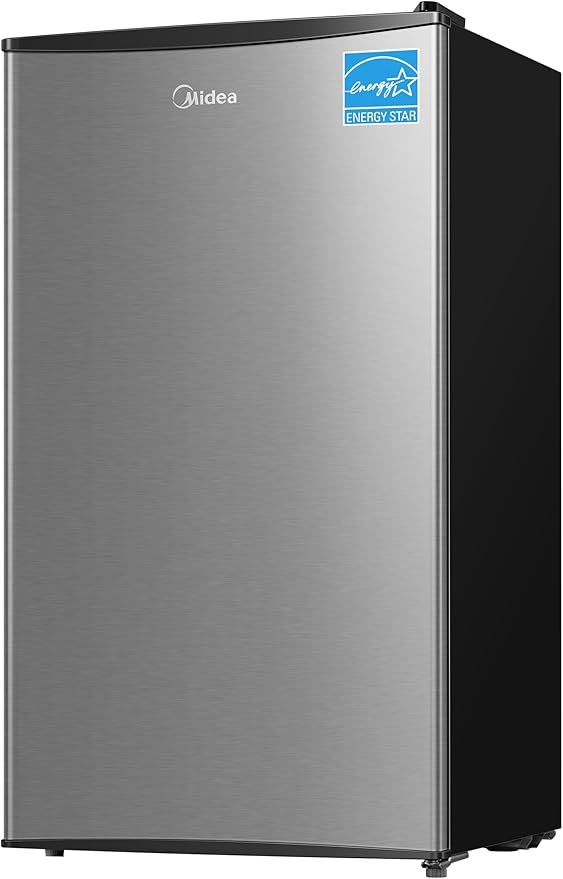
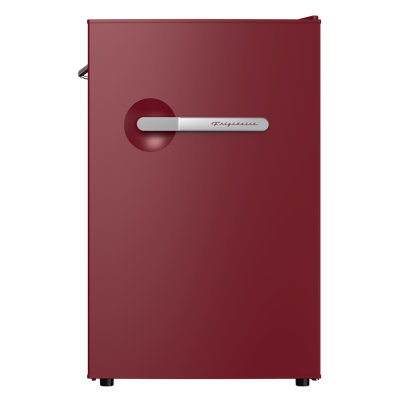
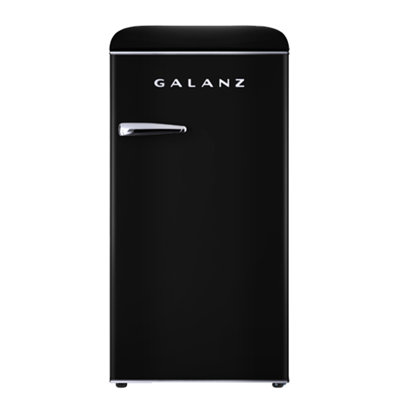
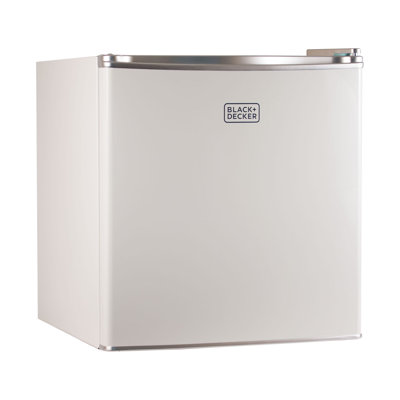
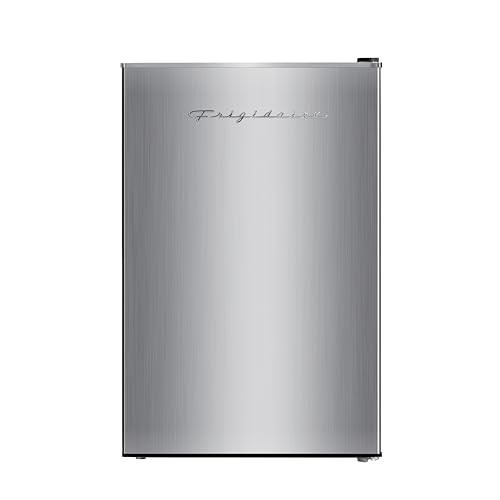
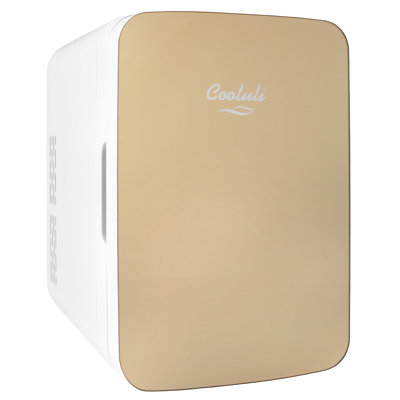
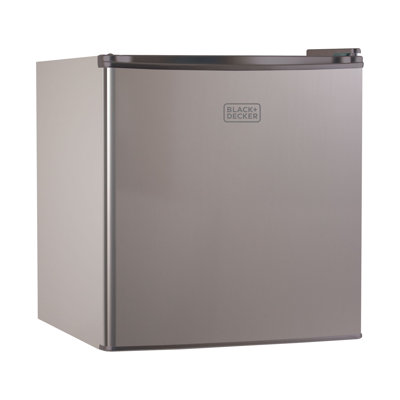
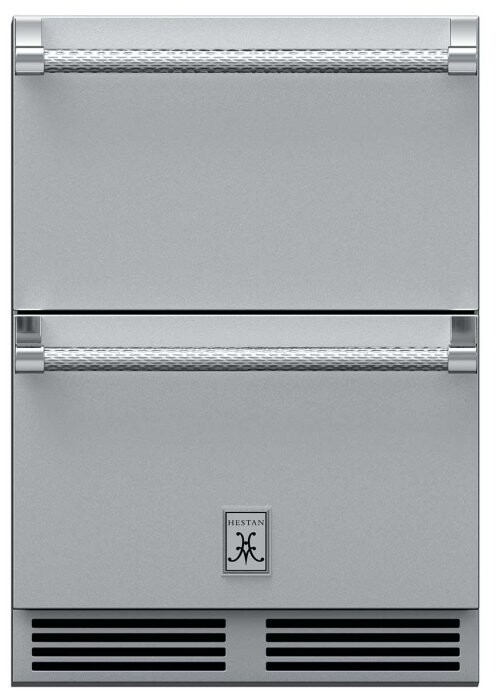
Have you ever unboxed a brand-new mini fridge, only to be told you have to wait a whole day before plugging it in? It’s natural to wonder why do you have to wait 24 hours to plug in a mini fridge? After all, you’re excited to stack it with your favorite drinks, snacks, or maybe even some meal-prep ingredients. You might see this instruction plastered on the side of the box, hear it from the salesperson, or spot it in the manual. It seems like a strange request, right? But there’s a solid reason behind it. This waiting period isn’t just an arbitrary tradition passed down from fridge to fridge. Instead, it’s meant to protect the cooling system and ensure your mini fridge starts off on the right foot. As you’ll discover in the sections below, a little patience can go a long way toward preserving the performance and lifespan of your mini fridge.
Before you stash all those chilled goodies, let’s walk through how the mini fridge cooling system actually works, why immediate plug-in can lead to problems, and how to get your new appliance set up smoothly. By the time you finish reading, you’ll feel confident about the wait, be armed with practical tips, and hopefully skip any frustrating fridge malfunctions down the road.
Recognize the waiting period
When folks talk about waiting 24 hours, they’re typically referencing a guideline that’s become an industry standard. If you’ve moved your mini fridge from the store to your home, or even from one room to another in a moving truck, that simple act of transportation can jostle the internal parts.
Why 24 hours?
Waiting a full day can feel like forever, but think of it as a buffer that helps the fridge settle. Inside every refrigerator, there’s a compressor filled with refrigerant liquid (an essential fluid that cycles through pipes to cool the interior). This liquid can get dislodged or misaligned if the fridge is tipped, shaken, or even laid on its side during shipping. Although some people suggest a shorter wait—perhaps 2 to 4 hours—24 hours is a safe upper benchmark. That extra time gives the refrigerant the chance to return to its proper position and the compressor oil to level out.
Not everyone’s situation is the same, though. Some manufacturers might explicitly tell you to wait only a few hours. If that’s what your brand’s instructions say, it’s wise to follow their recommendation instead. But if you see “24 hours” in big, bold letters, it’s best to honor that timeframe. After all, ignoring it could lead to unnecessary wear or damage.
Transporting with caution
If you transported your mini fridge on its side or tilted it at a steep angle, it’s extra important to allow that 24-hour settling period. The stylish design of many mini fridges often hides a complex system underneath. So if that system has been jostled around, it benefits from some downtime. In fact, whether it’s a mini fridge or a full-sized model, you run the risk of harming the compressor if you plug in the unit too soon. Curious about moving a fridge on its side? You might find this read useful: Will I damage my fridge if I transport it on its side?
Understand the compressor system
Your mini fridge works like a scaled-down version of a standard refrigerator. It’s got a compressor, evaporator coils, and refrigerant fluid. Together, they make sure your drinks and snacks stay pleasantly cool. But what happens when you stand that mini fridge upright immediately after it’s been traveling on its side or bouncing around in the back of a truck?
The fridge’s core operation
Compressor: Think of the compressor like the heart of your fridge. It pumps refrigerant around the interior pipes, pressurizing it before sending it to the condenser coil.
Condenser coil: This coil typically sits at the back or bottom of your fridge. Here, hot compressed refrigerant cools down and turns from a gas into a liquid as heat escapes.
Evaporator coil: Afterward, the liquid refrigerant moves into the evaporator coil. This is the stage where it expands and absorbs heat from inside the fridge compartment, keeping your beverages chilly.
Cycle repeats: Once the refrigerant absorbs that heat, it heads back to the compressor to start the cooling loop all over again.
Why tipping disrupts the system
Tipping the fridge can cause refrigerant and compressor oil to flow into areas where they shouldn't be. You can imagine the inside of your fridge as a mini labyrinth of coils and tubes. With each bump in the road or tilt, the fluid can shift out of position. If you plug in your fridge while the oil or refrigerant is still resting in the wrong spot, the compressor might start straining to circulate fluid. Over time, that strain can damage the internal components, cause rattling noises, or reduce cooling efficiency.
Waiting prevents long-term issues
Taking a day off before plugging in your mini fridge feels like a hassle. But the real hassle would be having to replace or repair a fridge you just bought. When you compare those two options, the 24-hour rule starts to sound like a small price to pay. Sure, 24 hours of waiting might not be ideal for immediate gratification. But when you think about your mini fridge as an investment—making your life easier by providing cold drinks at your desk, extra space in your dorm room, or a quick snack station in your den—why not give it the start it deserves?
When you power on a fridge that hasn’t had time to settle, you’re rolling the dice. The immediate risk is that the compressor tries to operate with displaced oil. Over time, that could lead to bent or broken internal parts, or even a full-on refrigerator breakdown. Let’s unpack how certain types of damage might unfold.
Damage from improper start-up
Overheating motor: If the refrigerant isn’t where it should be, your fridge’s motor might have to overwork to push fluid around. This can cause heat buildup that weakens the motor.
Internal friction: Excess friction happens when the parts that usually move fluid easily are instead moving heavier, misaligned fluid. That friction speeds up wear and tear on your compressor.
Burns on electrical wiring: A struggling motor can sometimes draw more current than usual. If you’re unlucky, that extra draw can overheat wires.
Even though these issues are relatively rare, the risk is still there. The best way to avoid it? Stick to the wait period. If you’re excited to set up your mini fridge right away, consider using those hours to tidy up your space, double-check you have the right spot picked out, and gather whatever you plan to store in it.
Signs of early damage
Should you accidentally plug in your fridge too soon, keep an eye out for unusual symptoms:
Loud knocking or constant clicking from the back
Suddenly lower cooling efficiency
Intermittent short-cycling, where the fridge turns off and on rapidly
Excessive vibration or rattling
If you notice any of these early warnings, turn off your mini fridge for several hours to give it time to rest. Then try again. If the problem continues, you might need a professional opinion or an exchange, depending on the severity. To learn more about what you can do if you’re dealing with a brand-new fridge, here’s a handy tip: What should you do when you get a new refrigerator?
Once you’ve given your mini fridge the waiting time it needs, it’s time to get everything set up. Installation is more than just plugging it in and shoving it against a wall. A carefully placed mini fridge will run more efficiently and last longer.
Find the right location
Your mini fridge might be going in your bedroom, dorm, office, or kitchen nook. Regardless of the spot, here are a few pointers:
Keep it away from direct sunlight. Extra heat from the sun forces your fridge to work harder to maintain a low temperature.
Maintain a few inches of space around the back and sides. This helps with airflow and venting. Check the manual for exact clearance recommendations.
Ensure you have a grounded outlet. Fridges draw more power than many devices, so that extra safety measure is important.
Keep it level. Sometimes floors aren’t perfectly flat, and a small wedge or adjustable feet can stop your fridge from tilting or wobbling.
Think of your mini fridge like a mini environment. A poorly ventilated corner or hot window seat can force the compressor to kick into overdrive. And that means a higher electricity bill and potentially faster wear on the parts.
Consider the noise factor
Mini fridges can sometimes hum, click, or vibrate, especially if they’re pressed tight against a wall. If you’re placing your mini fridge near your work desk or bed, keep a few inches of space from corners and walls to minimize those vibrations. If it’s still noisy, adjust the feet so the fridge stands at a perfect level.
If hearing a constant hum is a concern, you might want to explore quieter models. For example, many people consider how soft the noise level is, especially if they’re using the fridge in a bedroom. If that resonates with you, you could take a look at How soft whispers a 20 db micro refrigerator?
Plug in and test run
Once your 24 hours are up and you’ve maneuvered your mini fridge into place, go ahead and plug it in. Most manufacturers recommend leaving it empty for another couple of hours to confirm it’s cooling properly. You can set the thermostat to a mid-range temperature first. Within a few hours, open that door and see if it feels cold. Then, if everything’s working well, load up your fridge with whatever you like.
A pro tip: store your drinks upright and avoid overstuffing. Good airflow inside the mini fridge helps maintain an even temperature. If you’re always packing the fridge to the brim, you might block some of the vents or reduce circulation, causing uneven cooling.
Many folks rely on well-meaning, but sometimes outdated, fridge advice. That can create confusion. Below, let’s debunk a few of the biggest myths around plugging in mini fridges.
Myth 1: “I only need to wait if it’s large”
You might hear that only big, standard refrigerators need a waiting period, and that smaller ones can be plugged in immediately. But the truth is that most compression-based cooling systems (large or small) still need time to settle if they were tipped or jostled. Mini fridges are no exception. In fact, their smaller compressor can be more vulnerable to damage if the refrigerant isn’t in the right place. You want to keep your mini fridge pristine, so treat it the same way you’d treat a big one.
Myth 2: “24 hours is overkill”
Some people argue that waiting 24 hours is extreme, and a mere four hours is enough. Though some manufacturers do recommend shorter waiting periods, the 24-hour guideline is a universal fallback. It’s designed with safety in mind. If your fridge arrives in perfect upright condition and the manufacturer says four hours is fine, then by all means, do that. But if you had to lay the fridge flat during transport or suspect it was knocked around, you won’t regret giving it a full day to settle.
Myth 3: “It’s okay to plug it in and just not turn it on yet”
Occasionally, you’ll see the idea that you can plug your new fridge into the wall but keep the temperature dial at the “Off” setting. The theory is that if power isn’t flowing to the compressor, the fridge can safely settle, and you’ll simply turn it on after a few hours. The trouble is, most modern mini fridges start cooling as soon as they sense power. And even if the compressor isn’t actively running, certain parts of the system may still engage if the fridge is plugged in. So you might think you’re outsmarting the system, but you’d still be putting your fridge at risk. It’s simpler and safer to remain unplugged until the recommended time is up.
Myth 4: “A mini fridge doesn’t have enough refrigerant to matter”
Yes, mini fridges use less refrigerant than full-sized kitchen fridges. However, it’s still enough to cause trouble if it pools where it shouldn’t. The refrigeration process depends on that fluid traveling seamlessly in a closed loop. A small deviation in fluid position can create big headaches for your mini fridge’s cooling power. Don’t underestimate the impact of that fluid. In fact, everything from simple bar fridges to elaborate beverage coolers rely on correct fluid flow.
Explore additional setup tips
Giving your new appliance a 24-hour rest is only part of the puzzle. Once it’s in place, maintaining your mini fridge properly can extend its life and save you from frustration down the road.
Keep the coils clean
One simple but overlooked trick is to keep the coils (found at the back or underside) clean and dust-free. This is especially relevant if you’re using your mini fridge in a home office or bedroom with carpets. Dust bunnies love collecting around warm machinery. Periodically unplug your fridge and vacuum or wipe down the coils. If you’re not sure how to do this with your specific model, check out a short how-to guide: How do you clean the condenser coils on the back of a refrigerator?
Monitor temperature settings
Some mini fridges come with a dial that goes from 1 to 5 or 1 to 7. These numbers can be confusing. Typically, the higher the number, the colder the fridge. Keep in mind that if you crank it to the max, you could be using more energy than you need. Temperatures that are too low can also cause partial freezing of items. So if you notice ice crystals on your produce or a thin sheet of ice forming on the back wall, dial it down. Aim for a fridge temperature around 35-38°F (1.7-3.3°C), which is a sweet spot for food safety and energy efficiency.
Check your fridge’s contents
While a mini fridge is perfect for snacks, drinks, or a day’s worth of meal prep, it’s not always the best place for long-term storage if you open it frequently. Because of their compact size, mini fridges can have temperature fluctuations if opened often. If you notice dramatic cooling swings, you might consider a bigger or more specialized unit. Some folks like to keep a beverage cooler in the kitchen for frequent drink grabs, and use the mini fridge for items that aren’t taken out as often. If that’s you, maybe look into the best beverage cooler for a small kitchen.
Give it breathing room over time
As months go by, don’t let clutter build up around the outside of your mini fridge. Stacking boxes on top, stuffing clothes around, or pushing it tight against a wall can choke off the ventilation. That might overheat the compressor. Remember the original clearance requirements. There’s a reason manufacturers suggest a few inches on every side.
You might still have a few lingering questions. Let’s tackle some quick FAQs:
Can I plug in my fridge sooner if it’s brand new and was delivered upright?
Possibly. If it was never tilted on its side, many manufacturers say it’s fine to wait less than 24 hours, sometimes only a couple. However, the safest route is to follow the packaging or manual instructions. If you’re unsure, 24 hours is never going to hurt.
What if I forgot to wait and already plugged it in?
If the fridge is running fine, you might have dodged any major issues. Keep an ear out for odd noises or reduced performance. If you hear loud rattling or the fridge doesn’t cool properly, unplug it and wait a while. Then try again. If it’s still not working as expected, contact customer support.
Is this rule only for mini fridges, or does it apply to freezers too?
Most freezers, especially chest freezers, share a similar cooling system. If you move or tilt one, you generally want to wait. The recommended times can differ slightly, but the principle is the same. If you’re curious about freezers for certain diets, you can check resources like best freezer for 16/8 fasting diet or kitchen appliances deep freezer.
I’ve heard that if I tilt the fridge only a bit, it’s not a problem.
An extremely slight tilt might not be a big deal. The question is, how long and how severe was the tilt? If it was just momentary and only a few degrees, you’re probably fine. Still, it never hurts to wait a little. If it was a 45-degree tilt for an entire car ride, 24 hours is wise.
Do I need special surge protection or a dedicated circuit?
Many people just plug into a standard outlet and have no problems. However, if you’re in an older building or experience frequent power surges, a surge protector is a good idea. Avoid using cheap extension cords. A dedicated circuit is sometimes required for larger fridges, but mini fridges typically have a lower power draw—just check your manual.
Sum up the key takeaways
By now, you should feel more confident about exactly why that 24-hour rule matters. The big takeaway is that letting the compressor stabilize and the refrigerant settle can save you from costly repairs, weird noises, and fewer cooling issues. If you’re anticipating a quick setup, remember that sometimes it’s better to wait than to speed through and risk a broken fridge. Let’s recap a few highlights:
Refrigerant can shift in transit: When your fridge is tipped or moved around, the oil and coolant might migrate to odd corners in the compressor system.
24 hours is a baseline: You could be advised to wait less, but 24 hours is a universal safe zone to avoid damaging the internal parts.
Proper location matters: Leaving enough space, keeping it level, and placing it away from direct heat sources helps your mini fridge run smoothly.
Listen for odd sounds: Clicking, rattling, or frequent starts and stops can be early signs your fridge is stressed.
Maintain it over time: Clean coils, moderate temperature settings, and good organization help your fridge last longer.
Let’s face it—having a mini fridge is a convenience. Whether you use it for storing drinks in your office or stashing some quick snacks for the family room, it’s meant to simplify your life. But that means you want it working well. Waiting 24 hours before plugging it in is the simplest, surest way to start things off on the right foot.
If you also find yourself in the market for a new or bigger fridge down the line, it might help to read about what to consider before purchasing a full-sized appliance, like the best counter depth refrigerator guide. Whatever you choose, treat each fridge kindly at the start, and it’ll return the favor by running smoothly for years to come.
You may feel antsy when you see your mini fridge unboxed and waiting, but trust me, you’ll be grateful you took this extra step. In the end, it’s really just a 24-hour pause. Once that time is up, you can happily stock it with whatever you’d like—frozen treats, refreshing beverages, sandwich fixings, or maybe a few healthy meal-prep items. In no time, you’ll have a reliable little companion that’s ready to chill (literally) and keep your life just a bit more organized. Enjoy your new mini fridge!
Free tool
Kimchi Refrigerator Calculator
Free interactive tool from Fridge.com — get a quick answer while you read.