Figuring out how to determine the value of a used fridge can feel tricky at first. You might have an older fridge sitting in your garage, or you might be eyeing a secondhand model for a new apartment. Either way, knowing the right steps to price a used refrigerator accurately saves you time and prevents buyer's remorse. In this post, we will go through the main factors that influence a used fridge’s worth, from age and brand to condition and local market trends. By the end, you will have practical tips to confidently price or purchase a used fridge without second-guessing.
Gather essential information
Before assigning any dollar figure, make sure you have all the details about the fridge in question. Think of this step as a detective mission. The more facts you collect, the better equipped you are to set or negotiate a fair price.
Identify brand and model
Start by locating the manufacturer’s label, usually found inside the fridge compartment or behind the freezer drawer. Jot down both the brand and specific model number. Brands like Whirlpool, LG, Samsung, and GE often hold better resale value, simply because they are well-known and their parts are easier to find.
Note capacity and dimensions
Next, measure the interior and exterior of the fridge. Prospective buyers will want to know if your used unit is suitable for their kitchen layout. Also note the cubic feet, which indicates how much food it can store. If you are curious about standard capacities, take a look at typical guidelines for a 12–20 cubic feet refrigerator. This reference helps you see how your fridge compares to common sizes on the market.
Check serial number and production date
Some fridges have a specific code in their serial number that reveals the production date. Knowing exactly how old the unit is will help you fairly estimate market value. If you cannot decode it yourself, you might find instructions and reference materials online, or you can contact the manufacturer directly with the information you have.
A used fridge’s condition can drastically swing its price up or down. Even a coveted high-end brand may lose its appeal if interior shelves are broken or if the door handle is missing. Take a thorough look, inside and out, to see what shape the fridge is truly in.
Inspect operational performance
Confirm the cooling system works properly. Does the fridge maintain low temperatures without running constantly?
Listen for strange noises, like persistent rattling or loud humming.
Check the freezer’s efficiency. Is it forming ice too slowly, or does it leak water?
If you have concerns over transporting the fridge safely, you may find it helpful to check tips like will i damage my fridge if i transport it on its side?. Handling the fridge with care can preserve its value until it reaches its next home.
Examine interior cleanliness
A spotless interior signals to buyers that you have maintained the fridge responsibly. Look for:
Stains or discoloration on shelves and drawers.
Lingering odors that might hint at hidden mold or spoiled food residue.
Torn gaskets on doors, which allow warm air to leak inside.
Evaluate aesthetic appearance
Scratches and dents on the front or sides can impact resale worth. Some buyers may not mind a few cosmetic blemishes if they plan to tuck the fridge in a garage or basement. However, large, prominent dents will likely force you to lower the asking price.
Not all fridges are created equal. If your used fridge boasts unique features or advanced technology, you can often ask a higher price. Conversely, a fridge with minimal features might still be valuable if it shines in reliability or energy savings.
Look for energy efficiency
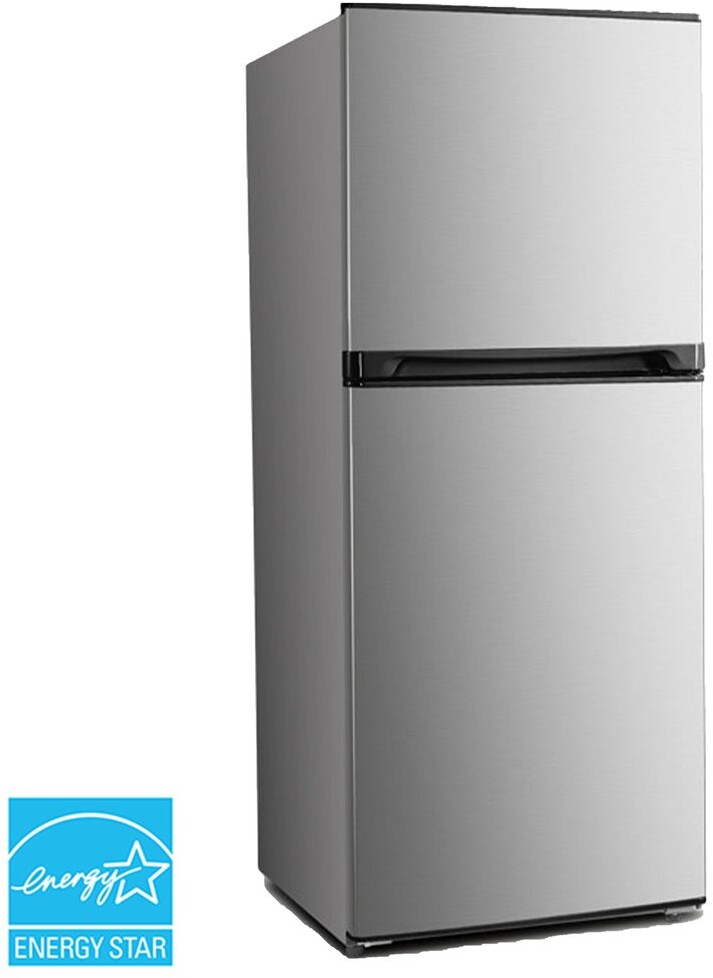
Energy Star certification typically raises resale value because it indicates cost-saving performance. People appreciate fridges that do not ramp up their electricity bills. If you have documentation about the unit’s estimated annual energy use, keep it handy.
Check fancy upgrades
Does your fridge have a built-in water filter, ice dispenser, digital control panel, or smart app connectivity? Modern extras can fetch a bit more in the resale market, especially if everything is in good working order.
It is wise to see how your fridge stacks up against similar models in your local classifieds or online marketplaces. Browse a few secondhand platforms, such as neighborhood social media groups and popular e-commerce sites, to identify price trends.
Sort by brand name or specific features.
Expand your search to nearby cities if you live in a smaller area.
Focus on listings from the past month, since older ads might not reflect current demand or pricing.
By comparing your fridge to these listings, you get a ballpark value range. Then you can refine that range based on unique aspects of your particular unit.
Account for repair and cleaning costs
Sometimes you will see a seemingly amazing deal on a used fridge, only to discover that it needs expensive repairs. If you are the seller, you may want to fix minor issues first, like a faulty door seal or broken shelf bracket, to justify a higher asking price. If you are the buyer, factor in potential repair or cleaning costs when deciding whether a listed price is reasonable.
Estimate repair expenses
Broken thermostat: Usually around $50 to $100 for the part, plus labor.
Defective door gaskets: Around $30 to $70 for replacements, if you do it yourself.
Malfunctioning ice maker: Anywhere from $75 to $200 for parts, plus labor if you hire a pro.
If you are unsure how to fix these yourself, consult a local appliance technician or look for a reputable repair service. A quick phone call or an online quote will help you decide if restoring a secondhand fridge is worth it.
Thorough cleaning for resale
Never underestimate the power of a spotless interior. A deep clean with mild detergent or a vinegar-and-water solution can help remove odors and make your fridge look nearly new. If you sell a used fridge that appears hygienic and fresh, you are more likely to justify a higher price.
Real estate trends and seasonality can impact the value of used appliances. If more people relocate during summer, used fridges tend to be in higher demand. During winter, demand might dip, which can affect the price you can command.
Move-in seasons (summer through early fall) often correlate with increased fridge shopping.
If many new apartment complexes are opening in your area, you might see heightened interest in secondhand fridges.
It might also help to know if your fridge fits popular spaces. Some people specifically look for narrower models like those highlighted in a best counter depth refrigerator guide. If your used fridge is a countertop-friendly design, market that point to interested buyers.
It is handy to organize all your findings into a quick summary. While every fridge is unique, this table provides a rough estimate of resale prices based on age, condition, and brand status. Adapt the ranges to your local market and the specific brand you have.
Age of Fridge
Condition
Brand Tier
Average Price Range
1–3 years
Excellent
Premium (e.g., LG)
$400–$700
1–3 years
Good
Standard (e.g., GE)
$300–$500
4–6 years
Very good
Premium or Standard
$200–$450
7–10 years
Decent
Standard
$100–$300
7–10 years
Decent
Economy (no name)
$75–$200
10+ years
Acceptable/Older
Any
Under $150, if working
Keep in mind, condition includes both mechanical performance and cosmetic appearance. If you have a fridge that is over ten years old but looks pristine and runs quietly, it might still command a better price.
Adjust for negotiations
Most buyers expect a bit of haggling. When you set your initial asking price, consider leaving room for negotiation. If you price it too high, you might scare potential buyers away. If you price it too low, you might lose out on money that the appliance is genuinely worth.
Start on the higher end if your fridge has been consistently maintained.
Move downward only if you sense that the market is not willing to pay your initial asking price.
Demonstrate any maintenance records or receipts to show that your fridge is in great shape.
Once you have a price in mind, it is time to write a short, honest description. If you are the buyer, you can ask a seller for similar details to confirm you are getting a fair deal.
Write a compelling description
Include all relevant specs: brand, model, capacity, dimensions, and production date.
Emphasize condition: mention any replaced parts or routine maintenance.
Highlight special features, like adjustable shelves or an energy-saving mode.
Use crisp, well-lit photos showing the interior and exterior.
Prepare for pick-up or delivery
If you are selling the fridge, decide if you can help transport it. Some buyers do not have a large vehicle. If you prefer not to worry about moving the appliance, list the item as “pick-up only.” You can also point them to resources on proper fridge handling, such as what should you do when you get a new refrigerator?. Although that page focuses on new fridges, it still includes helpful insights about proper setup and installation, which also apply to used units.
In some cases, a new fridge might be on clearance or heavily discounted, putting a used fridge’s price into question. Compare local appliance store discounts with your valuation. Make sure you are not pricing your used appliance too close to the lowest new appliance range. Buyers might be reluctant to buy a used fridge if a brand-new one is marginally more expensive.
If you realize you would rather purchase new but need a smaller footprint, you might explore references like a kitchen fridge guide or the which slim refrigerator mounts flush beside tall pantry? page. Both can point you to compact and neat solutions that might rival the value you would get from a pre-owned model.
Make your final decision
After researching the market, inspecting the fridge’s condition, and taking into account repair costs, you should have a comfortable range for how much your used fridge is worth. If you are the seller, it is perfectly fine to be patient until you find a buyer willing to pay a fair price. If you are the buyer, do not be afraid to ask the seller for extra details or a short testing period. A quick plug-in test goes a long way in verifying performance.
Consider special features, like energy efficiency and add-ons, in your valuation.
Research listings for similar fridges in your area to get a ballpark range.
Factor in repair or cleaning costs before finalizing any sale or purchase.
Price slightly above your rock-bottom figure, allowing room for negotiation.
Compare current new fridge deals to ensure your pricing remains appealing.
Whether you are selling or buying, a little research and attention to detail can make all the difference. By focusing on these factors, you will know exactly how to determine the value of a used fridge that meets your budget and satisfies practical needs. Good luck with your next fridge transaction, and feel free to pass along these tips to friends or family who might be ready to enter the secondhand fridge market!
From Fridge.com research
Figures below come from data Fridge.com builds and maintains. Each links to the record behind it.
Fridge.com Energy Index, built on U.S. EPA and DOE ENERGY STAR records
Across 5,455 ENERGY STAR certified refrigerators and freezers from 263 brands, median use is 360 kWh per year.