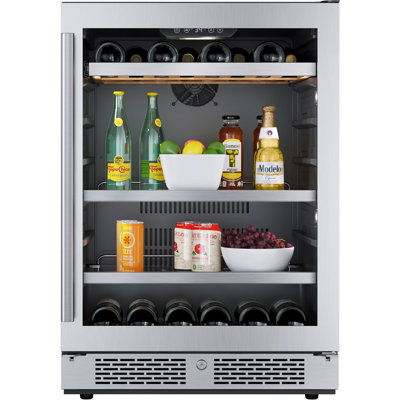
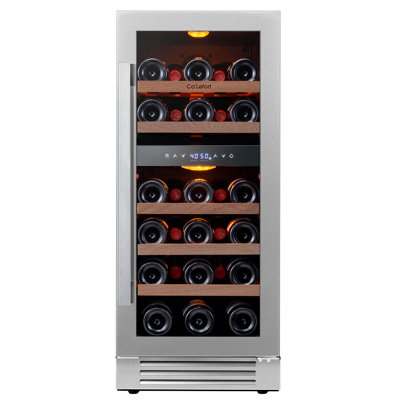
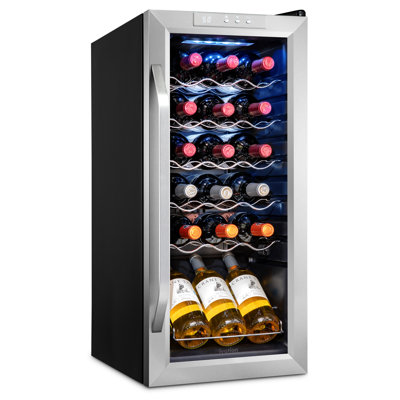
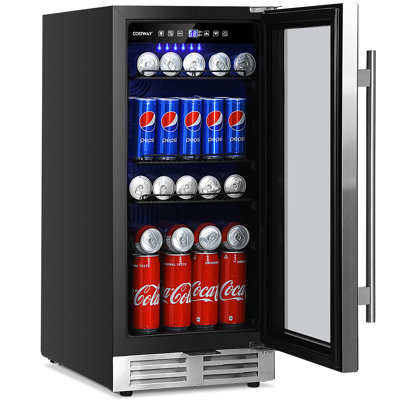
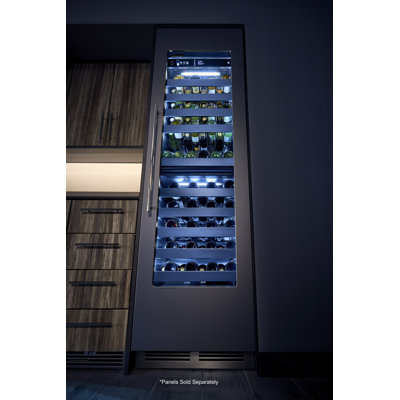
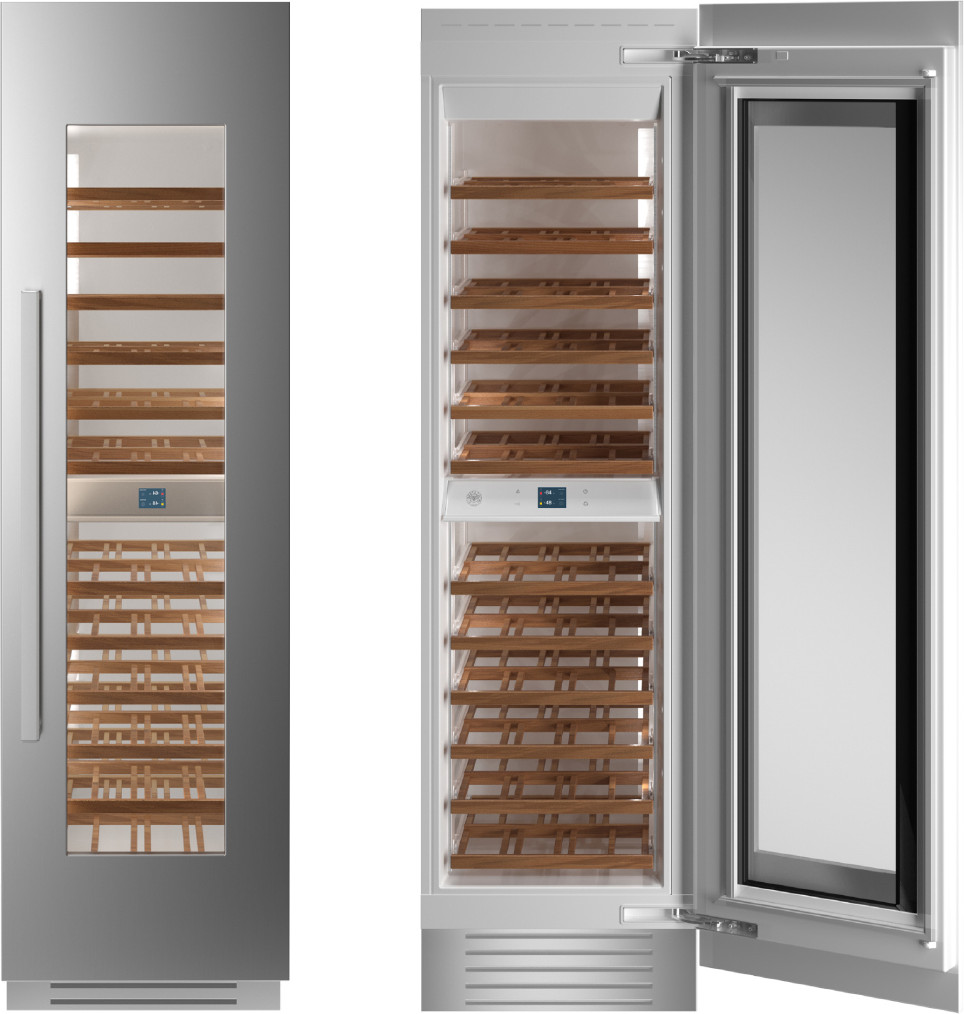
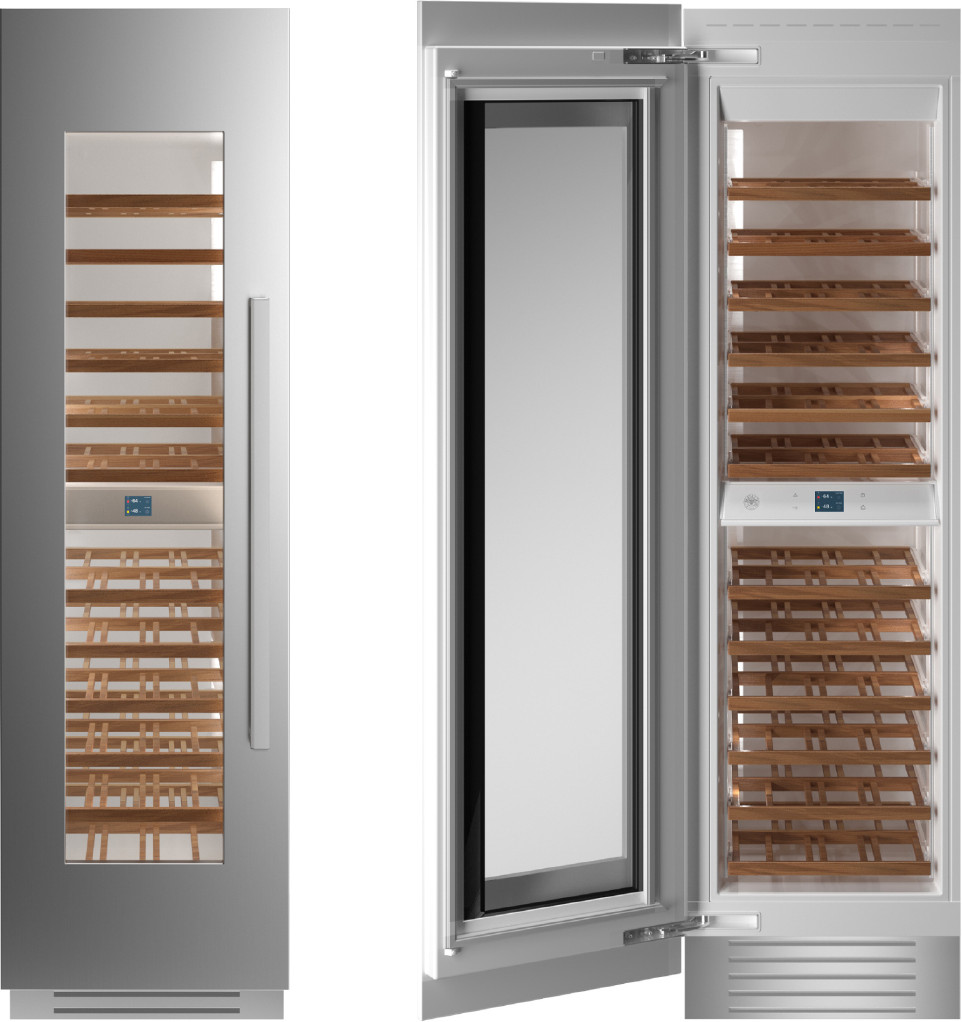
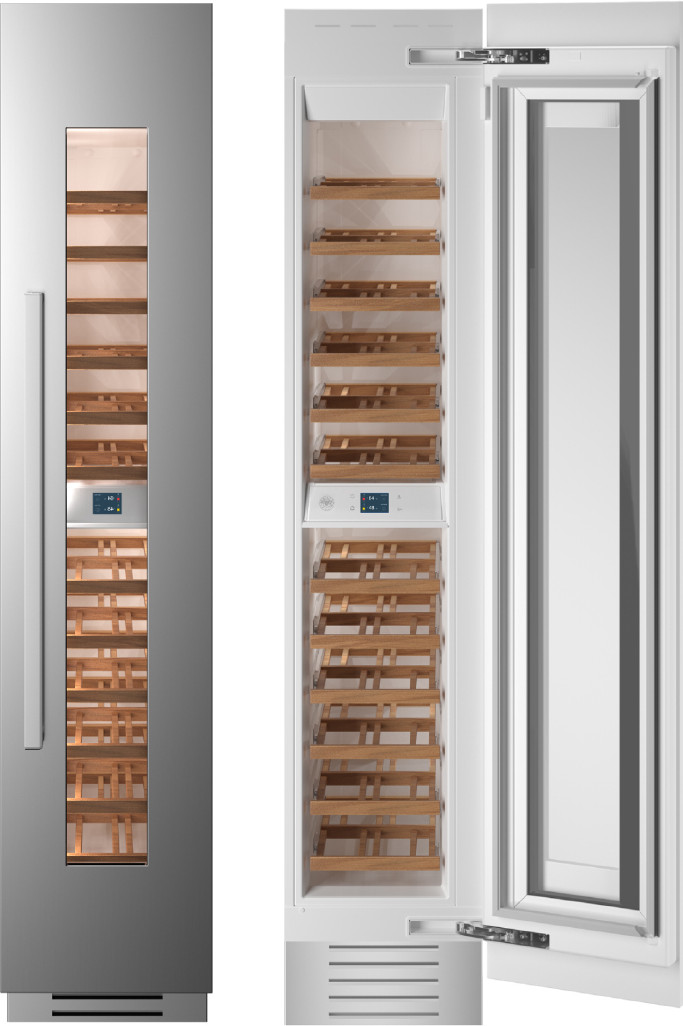
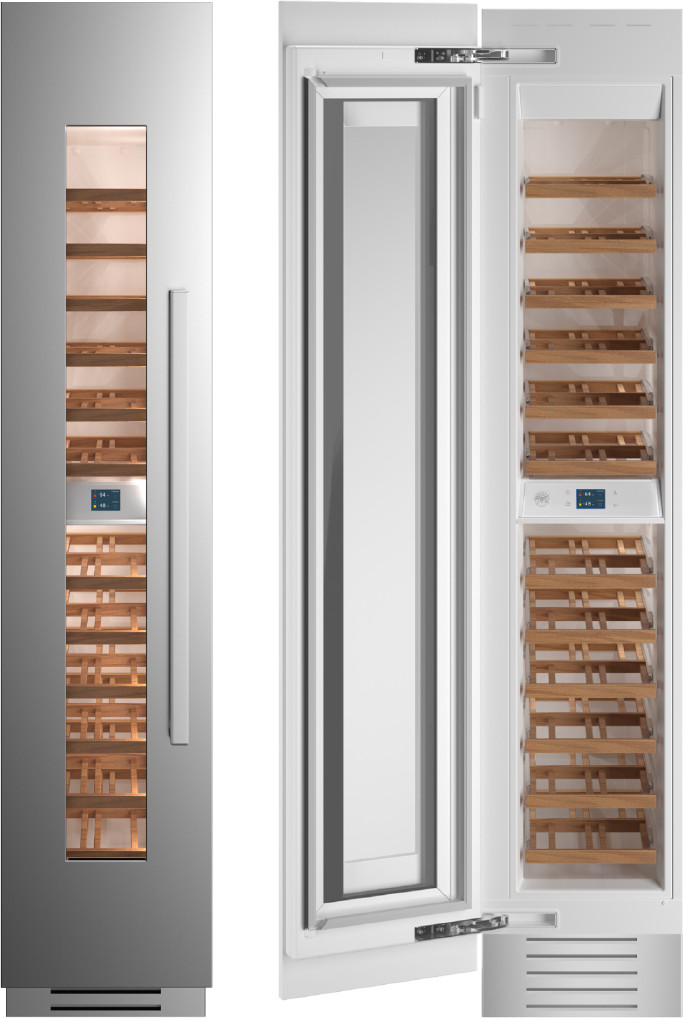
Have you ever juggled your favorite Chardonnay next to leftover pizza in your main fridge and wished you had a dedicated home for your precious bottles? You’re certainly not alone. Many wine lovers discover that ordinary refrigerators, with their varying temperatures and occasional strong odors, aren’t ideal for safeguarding the taste of a great vintage. That’s why so many people begin exploring wine fridge recommendations as a practical way to maintain the right environment for their growing collection. In this post, we’ll walk through everything you need to know, from temperature settings to must-have features, so you can confidently pick the best option for your space and sipping style.
Understand wine fridge basics
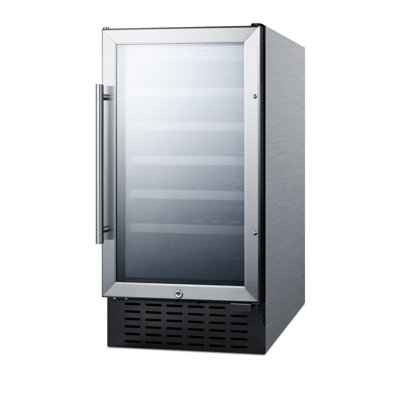
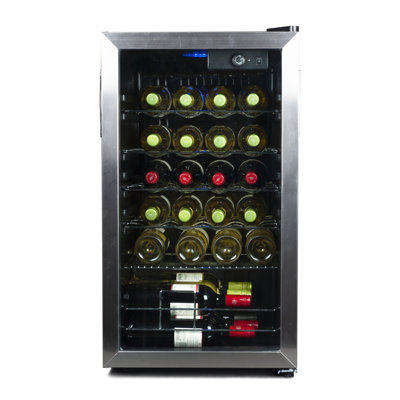
A wine fridge, sometimes called a wine cooler, is specifically designed to store bottles at conditions that keep them tasting just the way vintners intended. You might think, “Why not just use a normal fridge?” Regular refrigerator compartments are opened frequently, tend to be colder than necessary, and can pass on food odors. Wine fridges, on the other hand, hold your bottles at a stable temp that preserves flavor, fragrance, and even label quality.
What makes a wine fridge so different?
Consistent temperature and reduced fluctuations
Slightly higher operating range than most standard fridges
Vibration control (some models have dampening tech to reduce shaking)
Interior design that cradles bottles horizontally to keep corks moist
These subtle differences matter when you want your vino to stay at its finest. If you’re not sure whether a wine-only appliance is right for you, you can also take a look at what are the pros and cons of a wine fridge? for a quick overview.
Know your storage priorities
How many bottles do you typically have on hand, and how often do you entertain? Your collecting habits can seriously influence your wine fridge choice. If you only crack open a few bottles a month, a compact unit might be sufficient. If you’ve caught the collecting bug (or love throwing big dinner parties), you may want to plan for more space.
Planning for different bottle shapes
Wine bottles vary in shape and size. Champagne and certain specialty bottles are wider and sometimes taller than standard Bordeaux-style bottles. When you’re looking at product descriptions, check whether the indicated capacity is based on uniformly sized 750 ml bottles. If you enjoy bubbly, you’ll likely want extra shelf height or adjustable racks.
It might help to create a quick count of your usual wine inventory:
Red wines (Pinot Noir, Cabernet, Merlot)
White wines (Chardonnay, Sauvignon Blanc)
Sparkling wines or Champagne
Rosés and dessert wines
Prioritizing the styles you drink most often ensures you have the right interior configuration. And if you’re feeling adventurous, you might look into pairing your new purchase with an even bigger kitchen setup, like a kitchen fridge that holds extra produce and snacks for when guests arrive.
Temperature is vital for preserving the characteristics of wine. While most red wines taste great around 55 to 65°F, whites or sparkling often benefit from a cooler range, around 45 to 55°F. That’s why many wine fridge recommendations mention single-zone vs. dual-zone options. Here’s a quick breakdown of each.
Single-zone wine fridges
A single-zone cooler has one temperature setting for the entire storage area. If all your bottles do well within a single range (for example, if you mostly enjoy reds), then a single-zone unit can be ideal. They also tend to be less expensive and easier to operate.
Dual-zone wine fridges
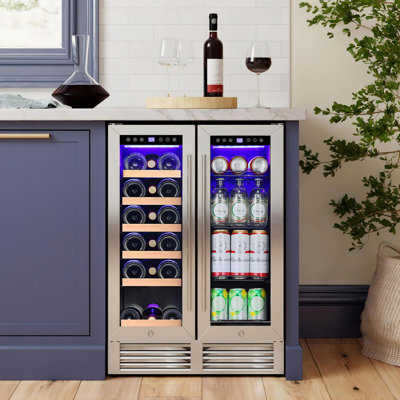
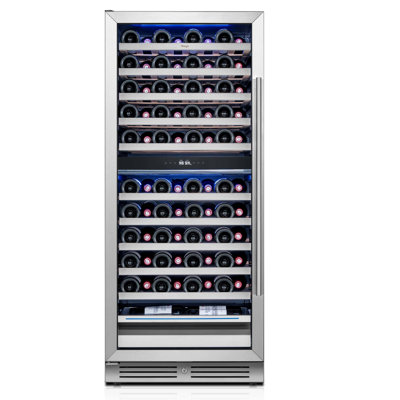
With dual-zone models, you typically see two separate cooling compartments. You might keep your Pinots and Cabs at 60°F in the upper zone, while storing crisp Chardonnay or Champagne at a cooler 50°F in the lower zone. This setup brings added versatility, especially if your collection spans a wide variety of wines.
Below is a sample temperature guide that can help you figure out how you’d use those zones:
Wine Type
Recommended Range (°F)
Red wines
55–65
White wines
45–55
Sparkling/Champagne
45–50
Rosé wines
50–55
Of course, these are general guidelines, so feel free to tweak for personal taste. But if you crave temperature precision, a dual-zone design might be your best bet.
Before you finalize any purchase, consider where your new fridge will sit. Wine fridges often come in freestanding or built-in (under-counter) configurations. Each style has its pros and cons depending on your available space and overall design preferences.
Freestanding vs. built-in
Freestanding
Freestanding units can be placed anywhere, as long as they have clearance for ventilation. They’re often more affordable, but they may take up more floor space. Some models are pretty sleek and can serve as a statement piece.
Built-in
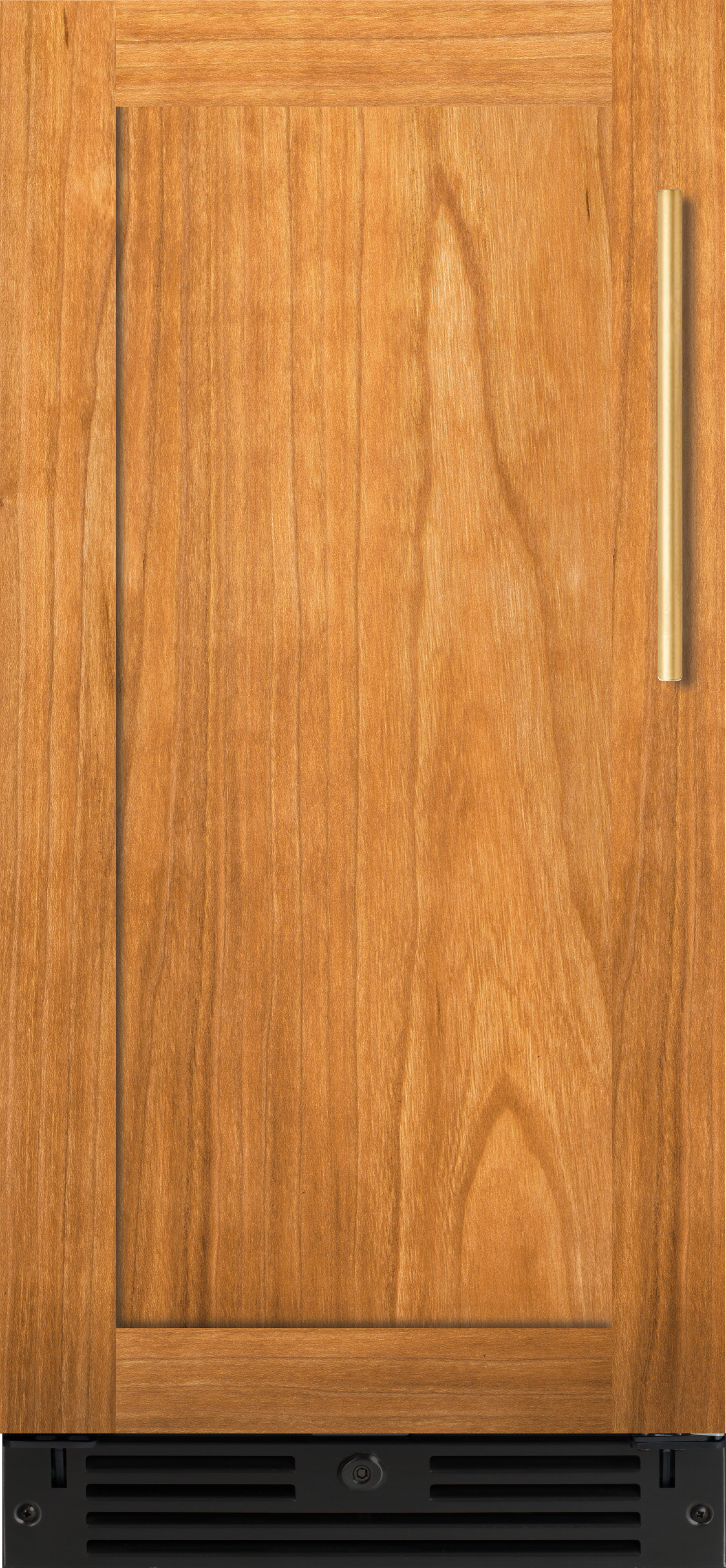
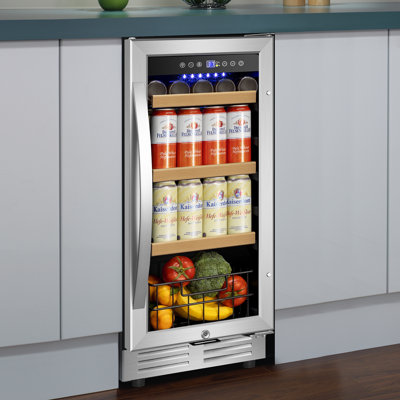
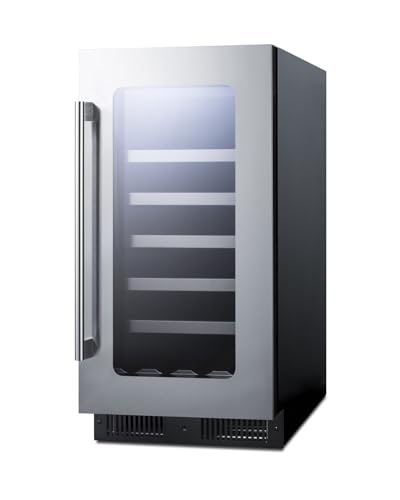
Built-in (or under-counter) fridges fit seamlessly into cabinetry or islands. They’re fantastic for kitchens, but they usually cost more, and you need to ensure the ventilation is planned correctly. Also, measure carefully to avoid a “nearly-fits-but-not-quite” scenario.
Where should you tuck it away?
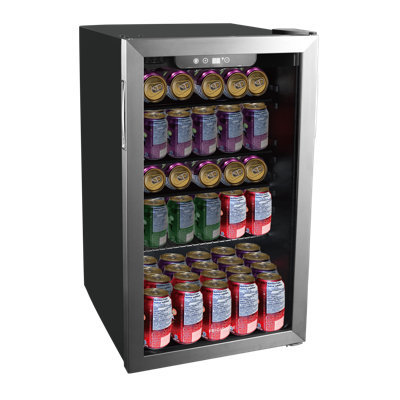
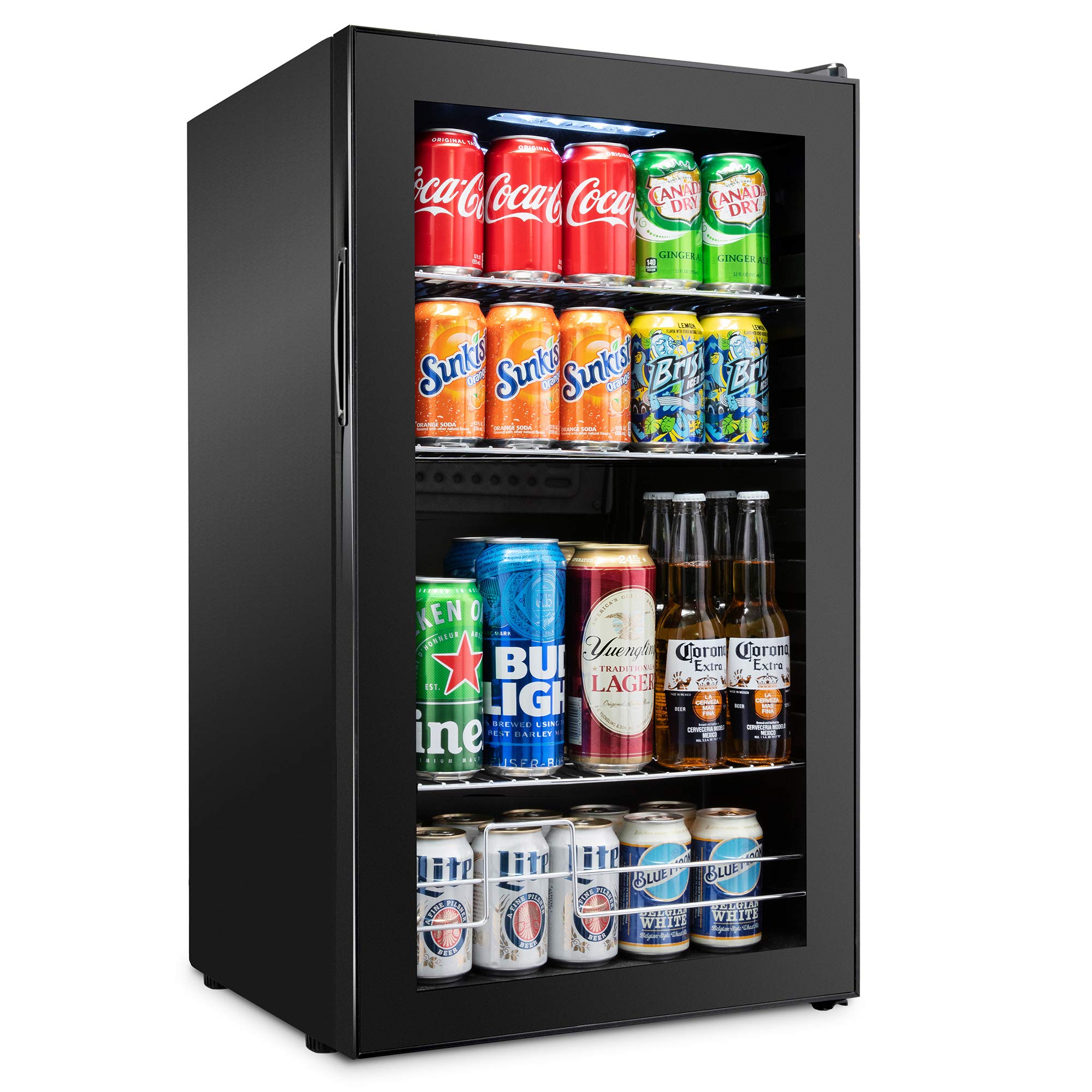
Consider foot traffic, lighting, and ease of access. If you like to entertain, you might place a wine fridge near a serving area, so guests can grab a bottle easily. For bigger celebrations, you might even pair it with a separate beverage cooler for non-wine drinks, such as the best beverage fridge for a small kitchen if space is tight.
Check build quality factors
Aside from capacity and appearance, pay attention to details like glass doors, UV protection, humidity controls, and overall build. These not-so-obvious features can make or break your long-term enjoyment.
Door type and UV protection
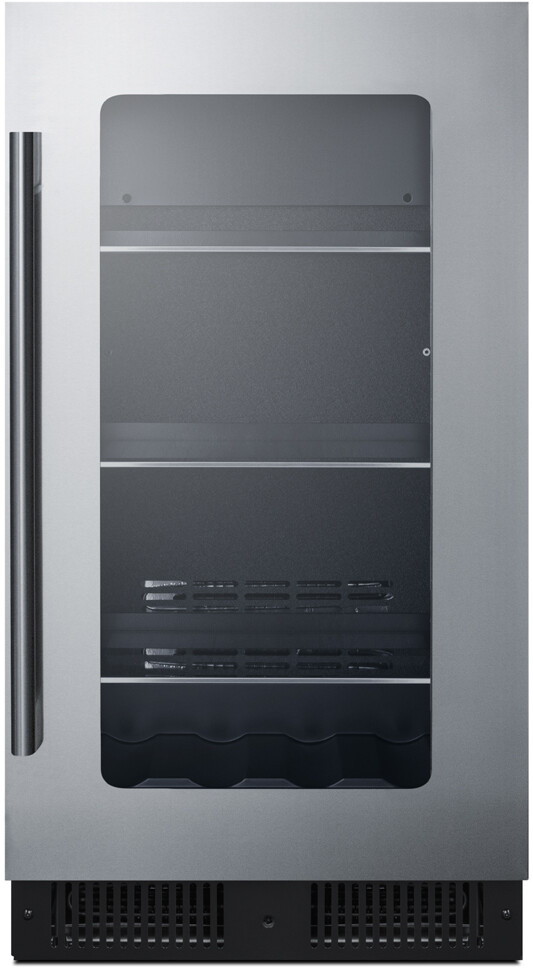
Many wine fridges have tinted or UV-resistant glass doors. This helps shield wine from harmful sunlight that may degrade its flavor or cause premature aging. You’ll want to be sure your door is sealed properly to avoid temperature swings. Some doors even feature door locks if you have little ones or just want an extra layer of security.
Shelves and interior lighting
Look for sturdy, adjustable shelves. Wooden shelves can help reduce vibration and often have smooth sliding tracks, which is great when you’re trying to gently remove older bottles. LED lights are ideal because they emit minimal heat and let you see your bottles without affecting the temperature.
Humidity control
Wine corks can dry out if humidity is too low, and that can lead to oxidization. Some advanced models allow you to tweak humidity settings. If your collection includes wines you plan to age over several years, keep an eye on humidity features. If you’re mostly enjoying bottles within a few months of purchase, standard humidity management is often sufficient.
Noise levels
Compressor-based units tend to make some humming sounds. If you plan to place a wine fridge in a quiet space, you might look for low-decibel compressors or alternative cooling technologies. For a bit of reading on noise control in small appliances, check out the improvements in modern micro fridges by reading about how soft whispers a 20 db micro refrigerator?.
Learn maintenance best practices
Once you settle on the perfect unit, you’ll want to keep it running smoothly. Maintenance isn’t complicated, but it’s good to adopt the right habits early. Here are a few tips.
Keep it clean
Periodically wipe down both the interior and exterior to remove dust and prevent odors from sticking. Never use harsh chemicals that might leave a residue behind. A simple solution of mild soap and water usually does the trick.
Manage temperature fluctuations
Avoid placing the fridge in direct sunlight or close to heat sources like ovens or radiators. The more stable the ambient temperature, the easier time your cooler will have maintaining its set range.
Check the seals and filters
Door seals can loosen over time, so examine them regularly for cracks or gaps. If your model includes a filter, follow the manufacturer’s guidelines for replacement, or consider whether a carbon filter insert might help. If you want to learn about a handy filter system for improved air quality, you could check out which carbon filter snaps into ceiling without tools?.
Keep track of humidity
Overly dry airflow can shrink corks, so if your fridge has a humidity tray (or uses water reservoirs), refill or check them as necessary. When humidity is stable, your wines remain safe and sound for future uncorking.
Choosing the right unit can feel overwhelming at first, especially with all the factors to juggle. But remember, you don’t have to break the bank or go for the largest capacity. Prioritize what truly matters to you—be it controlling vibrations, achieving dual-zone flexibility, or simply finding something that fits under your counter. If budget is a concern, take a peek at wine fridge best prices to see if there’s a deal that fits your spending plan.
Below is a quick-reference list that sums up the key points to consider before buying:
Number of bottles: Evaluate your typical or future collection size
Single vs. dual zone: Do you need separate temperature zones?
Placement style: Freestanding or built-in, based on your kitchen or entertaining area
Door type: Tinted, UV-resistant glass, or solid door for total darkness
Shelf configuration: Adjustable wooden or metal shelves
Noise levels: Look for decibel ratings that suit your environment
Humidity control: Especially important for longer-term storage
A quick recap of benefits
Protects wine flavor and preserves cork integrity
Keeps temperature stable, avoiding spoilage
Convenient for hosting gatherings and celebrations
Adds a touch of style to kitchens, dens, or patios
Maybe you’re not planning to store dozens of bottles. Maybe you just want something better than the fridge door. That’s okay. Even smaller, budget-friendly wine coolers can protect your reds and whites well. If you’re short on space, consider narrower designs or even a wine cabinet with fridge that integrates storage for openers, stemware, and accessories.
Quick ways to step up your wine game
Label your shelves — If your fridge has multiple racks, a quick label helps you remember which shelf is for reds, whites, or your favorite special-occasion bottles.
Rotate your stock — Drink older bottles first to avoid missing their peak flavor window.
Consider a wine journal — Jot down your impressions after opening a bottle. This makes it easier to figure out what style of wine fridge or temperature range you truly need.
Business or commercial use
Are you looking to impress clients or run a small business that serves wine? A well-chosen wine fridge not only elevates the ambiance but also helps you maintain consistent quality. In a commercial setting, reliability is vital. You want a machine with robust seals, quality compressors, and easy maintenance. If you dream of pairing your wines with other beverages, you might check out which beverage fridge runs dual independent cooling circuits? for more specialized options.
While temperature control is crucial, bear in mind that not all wines thrive in the same environment for long-term aging. Reds usually enjoy slightly warmer temperatures, while whites and rosés like things a bit cooler. Sparkling wines need even lower temperatures. If you store these types together in a single-zone fridge, aim for a middle range around 55°F. That way no single style is over-chilled or over-warmed.
Quick handling do’s and don’ts
Do keep an eye on humidity if you use natural corks
Don’t open and close the fridge door repeatedly within a short span (temperature spikes can harm bottle quality)
Do maintain good airflow around the vents or exhaust
Don’t store strong-smelling foods inside, as wine corks can absorb odors
Troubleshooting minor issues
Like any appliance, wine fridges might need a little TLC if something goes off track. If you notice odd noises, check to see if the unit is level on the floor. Many small vibrations can be solved with a slight adjustment of the appliance’s feet. For temperature inconsistencies, verify that the seals and vents are clean. You might also want to see if direct sunlight is hitting the door. Sometimes, a little shift in placement makes all the difference.
If you’re shopping online, compare features first. Don’t let a rock-bottom price tempt you into a fridge that won’t fit your corner or your bottle sizes. Jot down the must-have features: maybe that’s a dual temperature zone or wooden shelves or a certain dimension. Then check if the model has favorable reviews and a warranty that covers at least a year of operation. If you’re the in-person type, head to local appliance stores to see units firsthand. Opening and closing shelves can give you a better feel for build quality.
Pairing with your lifestyle
Your wine fridge can be a subtle extension of your personal style. Whether you love modern stainless steel or a more traditional wood trim finish, there’s a model for you. Also think about how you’ll use it daily. Will you be pulling wines just for dinner at home, or do you need to host bigger events? The answers can guide capacity and zone requirements. Bear in mind that if you end up expanding your collection, it’s often cheaper to invest in a slightly larger fridge upfront than to buy a second unit later.
Wondering if you should hold onto that small, older fridge or just go for a new model? Here are some clues that it might be time for an upgrade:
The unit struggles to maintain consistent temperature
You can’t fit your new variety of bottles
Shelves are stuck or sagging with weight
You want a more stylish glass door or better lighting
Your energy bills keep climbing due to an outdated compressor
Think about future needs
If you anticipate your wine collection growing, you might opt for a fridge with extra capacity. More adventurous wine drinkers often end up exploring new grapes, different regions, and unique varieties, which means those bottles can pile up. Planning ahead avoids the hassle of replacing or supplementing your fridge in just a year or two.
Also, consider whether your wine fridge will stay in the same spot long-term. If you might move soon, a freestanding, mid-sized model could be the best compromise between capacity and portability. If you’re renovating your kitchen, you might invest in a sleek built-in to match your counters and create an upscale look.
Ultimately, the best wine fridge is the one that suits your home, your budget, and your tastes. If you’re still feeling stuck, consider these last questions:
Do you mostly drink red, white, or a mix of both?
How many bottles do you keep at any given time?
Are you leaning toward a freestanding appliance or a built-in design?
What’s your noise tolerance threshold for the room it will occupy?
Do you like to age wines long-term or drink them within a year or two?
Answering these queries will give you a clearer picture. If you still need more detailed guidance or pricing insights, check out wine fridge best prices. You can also peek at large-capacity ideas over at wine cabinet with fridge.
Final thoughts
Owning a wine fridge is about more than just temperature control. It’s about creating a space dedicated to the enjoyment and celebration of wine. Whether you’re just dipping your toe into collecting or you’re already a seasoned aficionado, having the right wine fridge can elevate every pour you serve. From single-zone simplicity to dual-zone sophistication, each model offers a unique blend of style and function.
Next time you uncork a special bottle, you’ll appreciate how well it’s been preserved. And if you decide to expand your new setup or tackle other refrigeration upgrades, our site has tips on everything from picking the best beverage cooler for a small kitchen to understanding what should you do when you get a new refrigerator?. Cheers to finding the perfect environment for your beloved labels, and remember, the perfect sip starts with the perfect storage.
Frequently Asked Questions
Consistent temperature and reduced fluctuations. Slightly higher operating range than most standard fridges. Vibration control (some models have dampening tech to reduce shaking). Interior design that cradles bottles horizontally to keep corks moist. These subtle differences matter when you want your vino to stay at its finest. If you’re not sure whether a wine-only appliance is right for you, you can also take a look at what are the pros and cons of a wine fridge? for a quick overview.