Ideal humidity sits around 50–70 percent to keep corks from drying.
Unlike a standard fridge, it maintains a steady temperature—usually between 40°F and 65°F—while reducing vibrations that can disturb delicate sediment.
Limited capacity, less effective if room is > 75°F.
A 12-bottle cooler might fit under most counters, while a 50-bottle model needs dedicated floor space.
If you’ve ever tried pulling a white from the main kitchen fridge or guessing the perfect chill for your rosé, you know there’s an art and a science to storing wine. A wine fridge cooler gives you consistent temperature control, minimal vibration, and the right humidity to preserve your collection or have bottles ready to serve at a moment’s notice. Whether you’re a home cook pairing dinner, a kegerator owner branching into bottles (check out kegerators under 2000) or a busy parent stashing sparkling for weekend celebrations, a dedicated wine fridge cooler can be a game-changer.
In this guide, you’ll explore everything from basic models and cooling tech to sizing tips, organization hacks, maintenance pointers, and quick fixes for common hiccups. By the end, you’ll know exactly what to look for and how to make your wine fridge cooler work for your space and lifestyle.
Discover wine cooler basics
What is a wine fridge cooler?
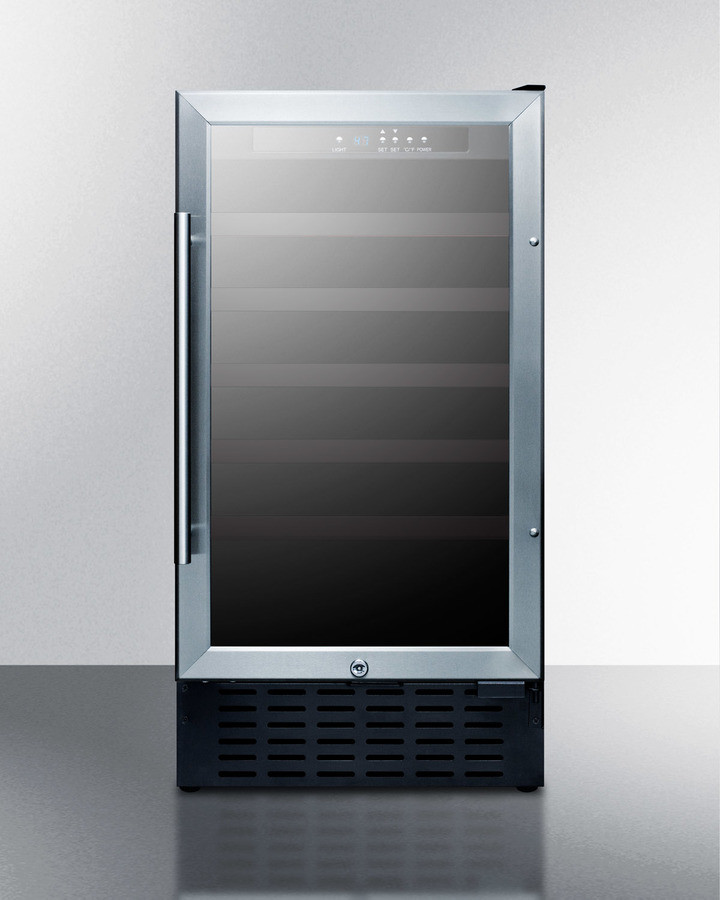
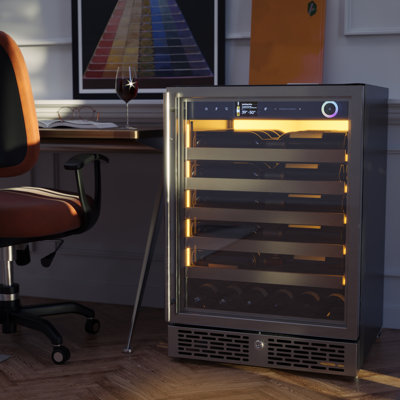
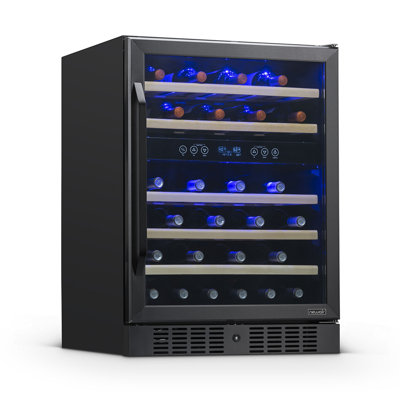
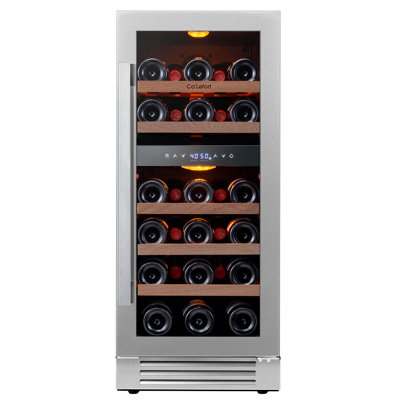
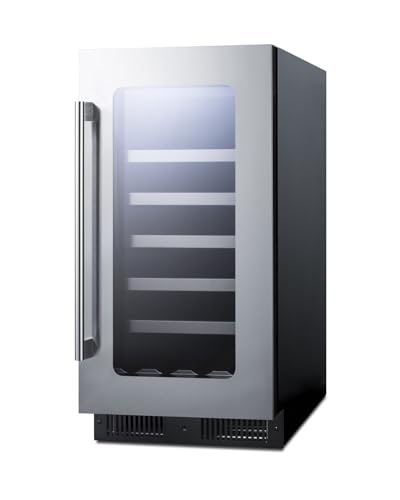
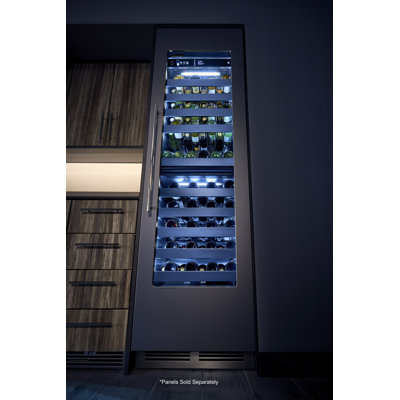
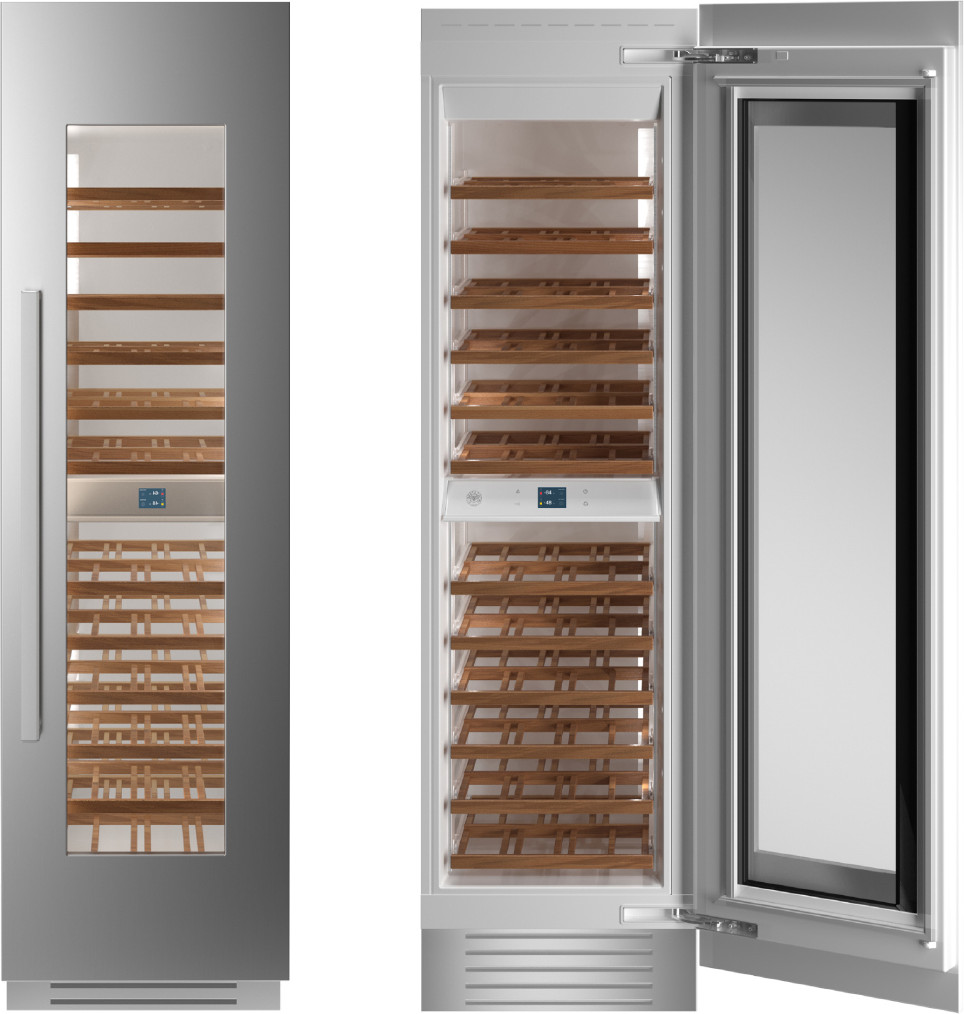
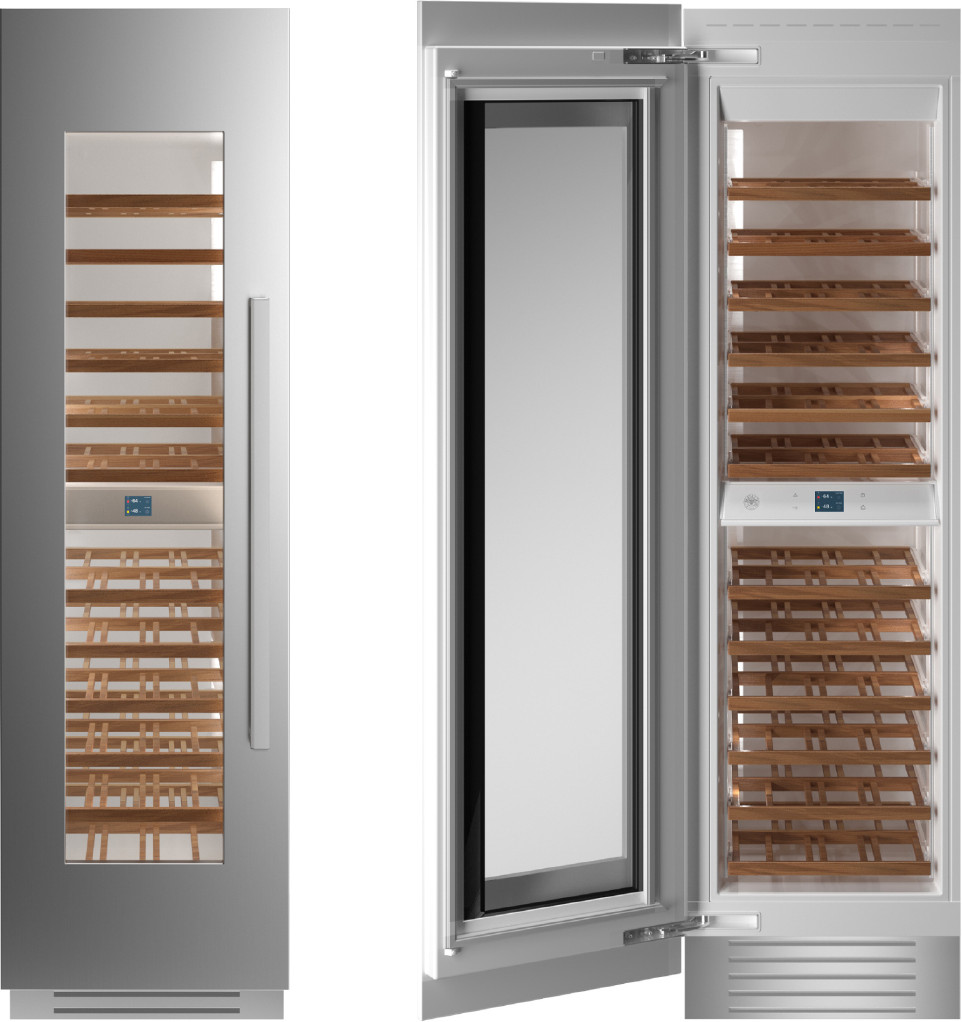
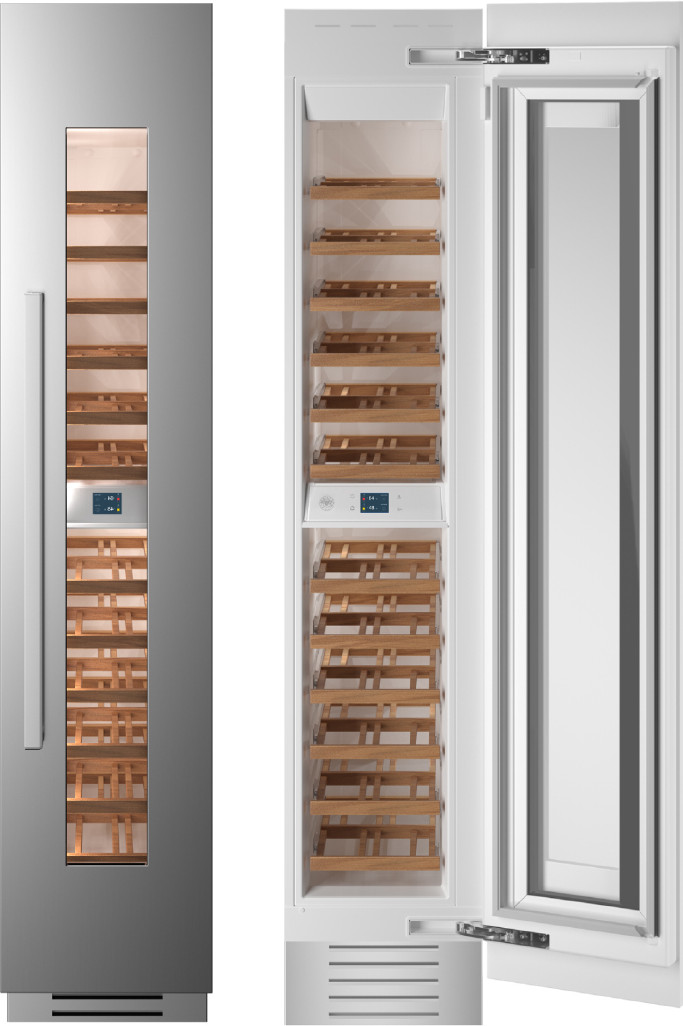
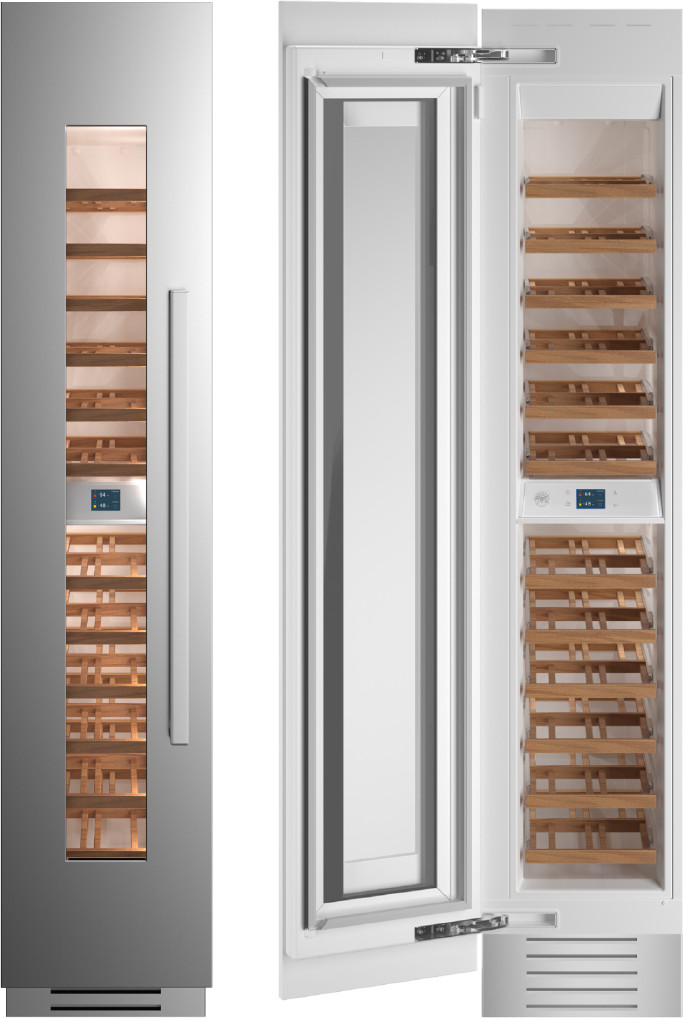
A wine fridge cooler is a compact refrigeration unit designed specifically for bottles. Unlike a standard fridge, it maintains a steady temperature—usually between 40°F and 65°F—while reducing vibrations that can disturb delicate sediment. Many units also feature UV-resistant glass doors and adjustable humidity levels to keep corks from drying out.
Freestanding vs built-in models
Freestanding wine coolers are plug-and-play: you can tuck them under a countertop, in an office nook, or even in your garage. Built-in models fit flush with cabinetry for a seamless look and often require professional installation. Ask yourself:
Do you need portability or a fixed installation?
How much under-counter clearance do you have?
Are you okay with a unit that vents from the back versus the front?
Wine fridge coolers rely on one of two main cooling methods, plus the option for multiple zones.
Technology
Pros
Cons
Compressor
Fast cooling, works in warm rooms
Louder, more vibration
Thermoelectric
Quiet operation, low vibration
Limited capacity, less effective if room is > 75°F
Dual zone systems
Store reds and whites at different temps
Higher cost, smaller per-zone capacity
Compressor cooling
Most high-capacity units use a compressor, similar to your main fridge. They cool quickly and hold consistent temps, even during hot summers. The trade-off is more motor noise and vibration, so look for models with vibration-dampening shelves.
Thermoelectric cooling
Smaller or mid-range wine coolers often use thermoelectric tech, which is virtually silent and gentle on bottles. These units depend on ambient room temperature—if your kitchen or garage gets too warm, you may see performance drop.
Dual zone systems
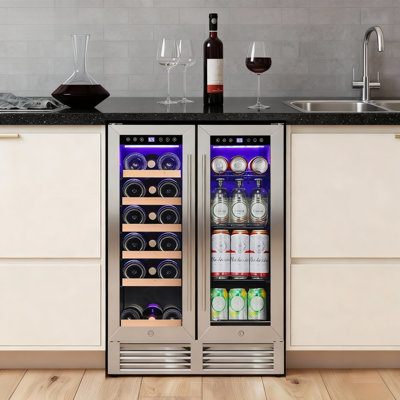
Dual zone coolers have two independently controlled compartments, perfect if you switch between reds and whites or want one shelf at serving temp and another at cellar temp. They cost more and usually hold fewer bottles per zone, but the flexibility can be worth it.
Wine fridge coolers are rated by number of standard 750 ml bottles—common sizes range from 12 to 50 bottles. Think about:
Your current collection plus room to grow
Whether you entertain often or just enjoy an occasional glass
How many gift bottles you tend to receive
Footprint and space
Check the unit’s height, width, depth, and whether it vents from the front or back. A 12-bottle cooler might fit under most counters, while a 50-bottle model needs dedicated floor space. Measure twice before ordering to avoid awkward gaps.
Set optimal temperature
Single zone vs dual zone
A single-zone cooler holds one uniform temperature, ideal if you drink mostly one style of wine. Dual zone lets you set separate temps—commonly 45–55 °F on top and 50–65 °F on bottom—so your pinot noir and sauvignon blanc both stay happy.
Ideal humidity sits around 50–70 percent to keep corks from drying. Some high-end coolers include a built-in humidity tray or moisture control setting; if not, you can add a small water pan to boost humidity levels.
Separate whites, reds, and bubbles on different shelves. This makes grabbing a bottle quicker and prevents you from accidentally chilling a merlot for that weekend roast.
Label and rotate stock
Use chalkboard labels or colored stickers on shelves to note vintage and varietal. Rotate older bottles to the front so you enjoy them at peak freshness.
Use racks and dividers
Flexible wire or wood racks let you mix full and half bottles, plus champagne flutes. Some coolers include slide-out drawers or removable dividers—you can customize shelf height if you also store tall beer sneakers or olive oil bottles.
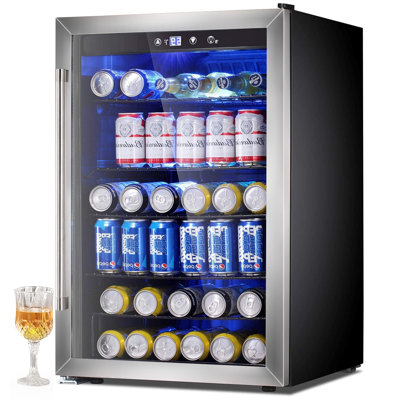
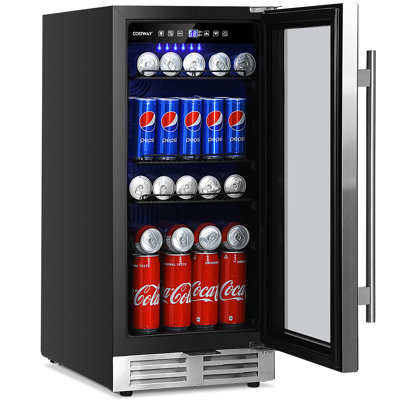
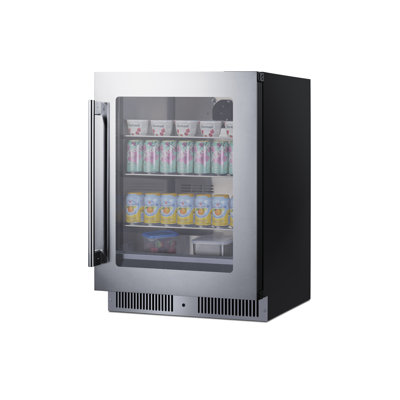
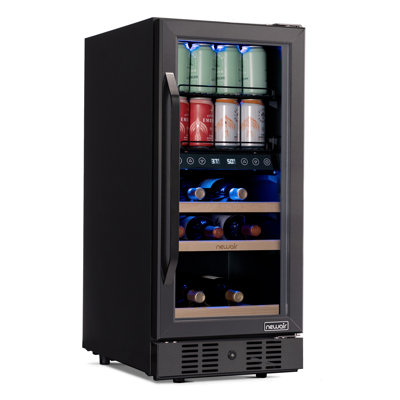
A wine fridge cooler isn’t just for wine. If you’re short on fridge space or love variety packs, toss in cans of craft beer or soda. For a dedicated beer station, consider an alcohol mini fridge or explore our guide to beer fridges under 2000.
Store baby food and snacks
Parents, meal-preppers, and vegetarians can use free shelf space for glass jars of homemade baby food, small produce, or overnight oats. A cooler’s gentle vibration and steady temps keep ingredients fresher than a fridge that gets opened every five minutes.
Preserve cheese and chocolate
Cheese lovers know temperature swings are a no-go. A low-vibration environment protects creamy textures, while dark chocolate stays glossy, not chalky.
Every six months, gently vacuum or brush the coils to remove dust and improve airflow. For step-by-step instructions, see how to clean deep freezer coils.
Wipe interior and shelves
Turn off the unit and remove all bottles. Use mild soap and warm water to clean shelves, walls, and door seals. Avoid harsh chemicals that can leave odors.
Check door seals
A worn gasket lets cool air leak out. Press a dollar bill between the seal and cabinet—if it slides freely, it’s time for a replacement seal.
Troubleshoot common issues
Temperature swings
If your wine fridge cooler reads hot one day and cold the next, check these:
Vent clearance: Ensure 2–3 inches of space around vents.
Ambient heat: Don’t place in direct sunlight or next to ovens.
Thermostat accuracy: Calibrate per your manual or use a fridge thermometer.
Excess moisture
Puddles or frost build-up usually means a clogged drip pan or blocked vents. Defrost manually if needed and clear the drain hole.
Unusual noises
A gentle hum is normal, but loud rattles or buzzes may point to loose shelves, a misaligned door, or a failing compressor motor. Tighten hardware first, then call service if the noise persists.
A wine fridge cooler is an investment in your collection and your hosting game. By choosing the right size, cooling method, and organizational setup—and keeping up with simple maintenance—you’ll enjoy perfectly chilled bottles without the guesswork. Ready to upgrade your storage? Buy your wine fridge cooler at Fridge.com and raise a glass to convenience, consistency, and that first perfectly chilled sip.
Frequently Asked Questions
A wine fridge cooler is a compact refrigeration unit designed specifically for bottles. Unlike a standard fridge, it maintains a steady temperature—usually between 40°F and 65°F—while reducing vibrations that can disturb delicate sediment. Many units also feature UV-resistant glass doors and adjustable humidity levels to keep corks from drying out.