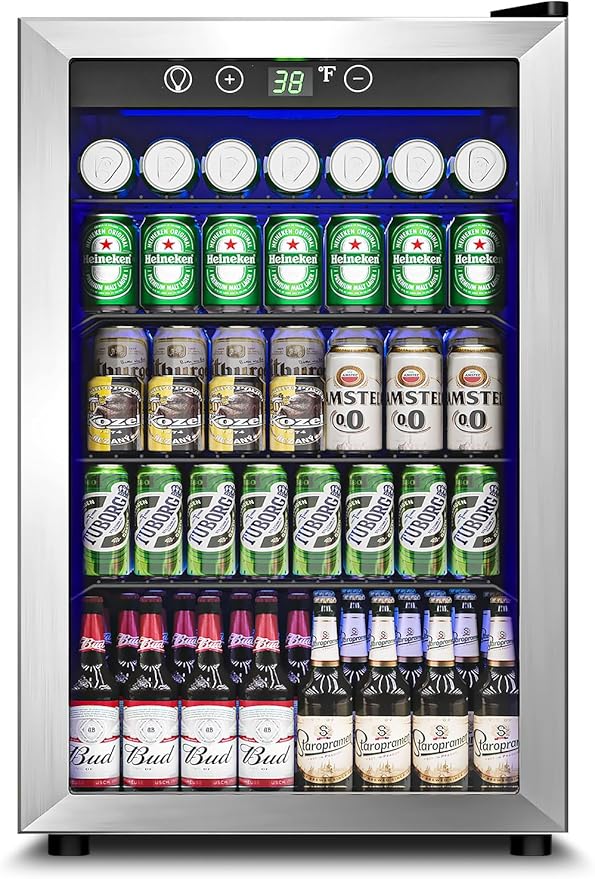
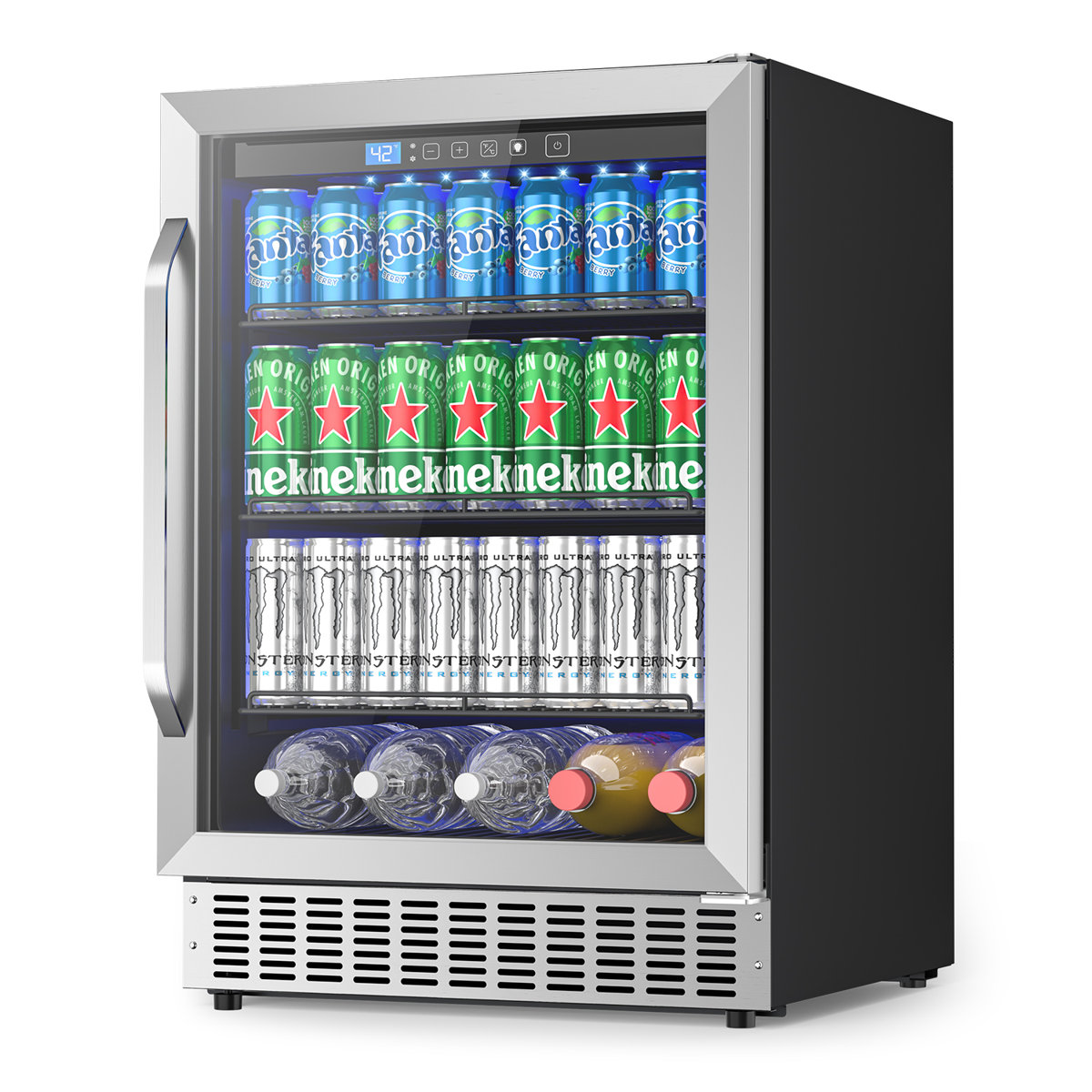
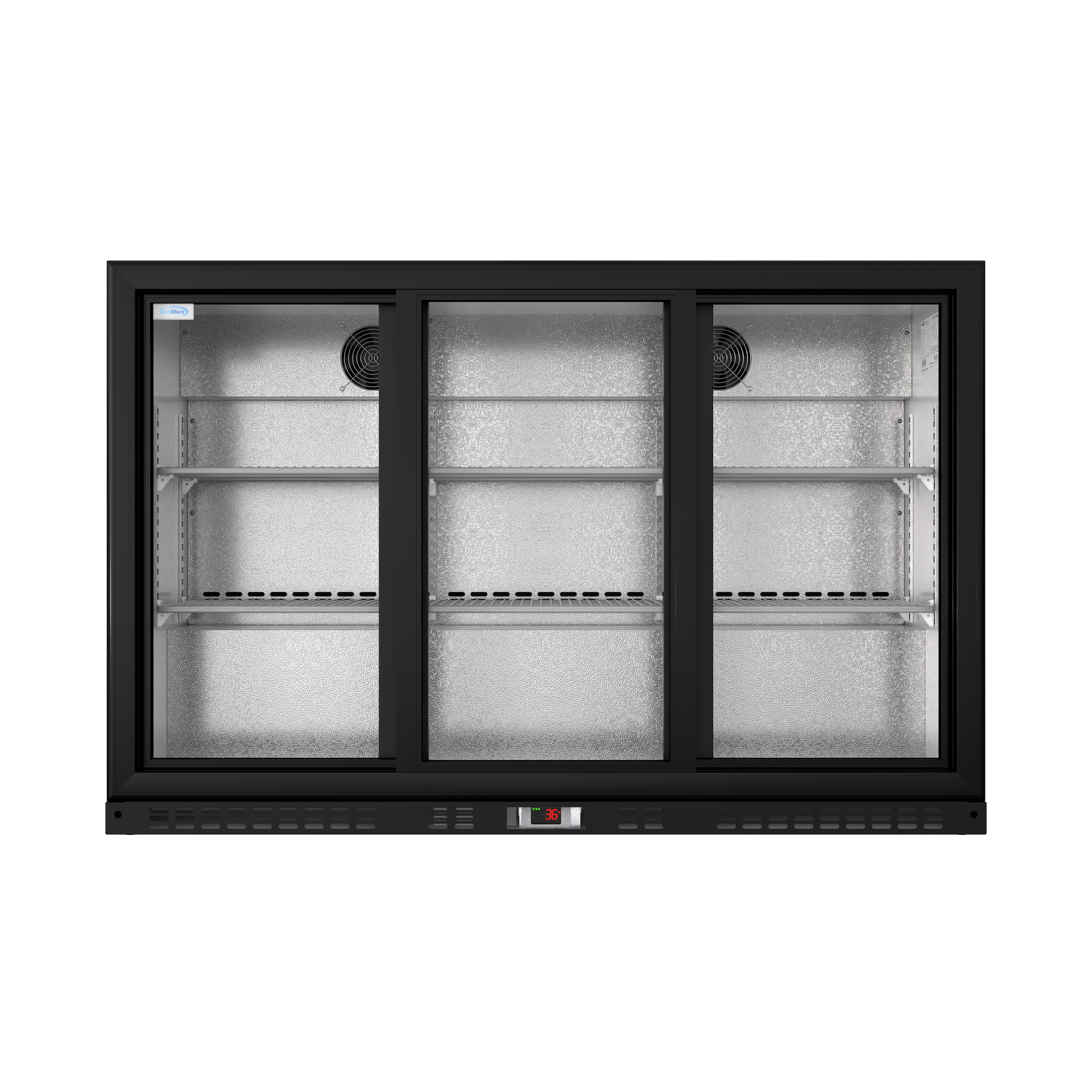
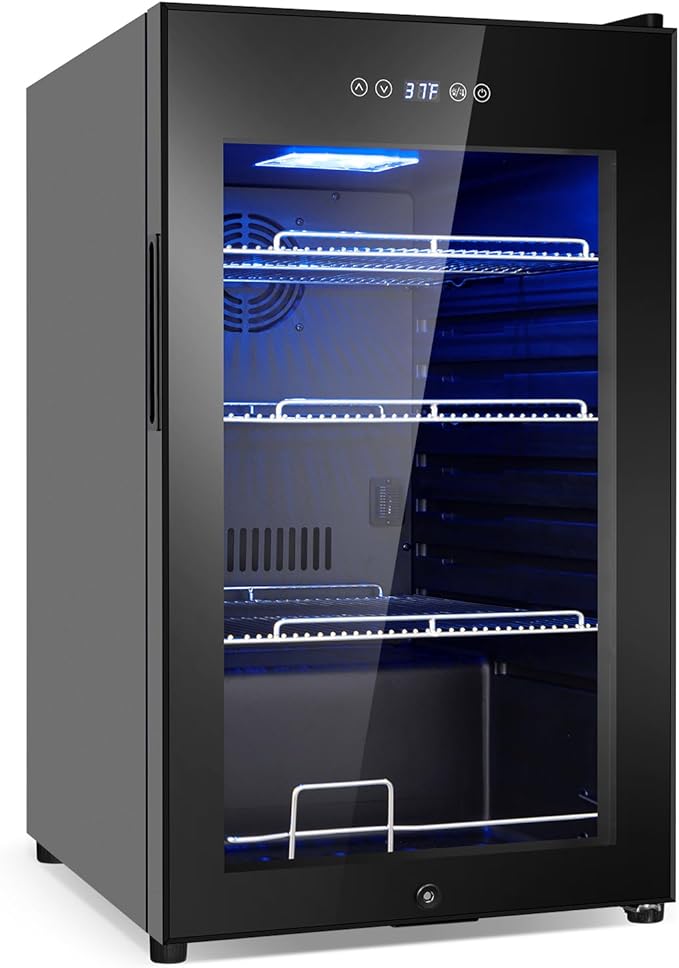
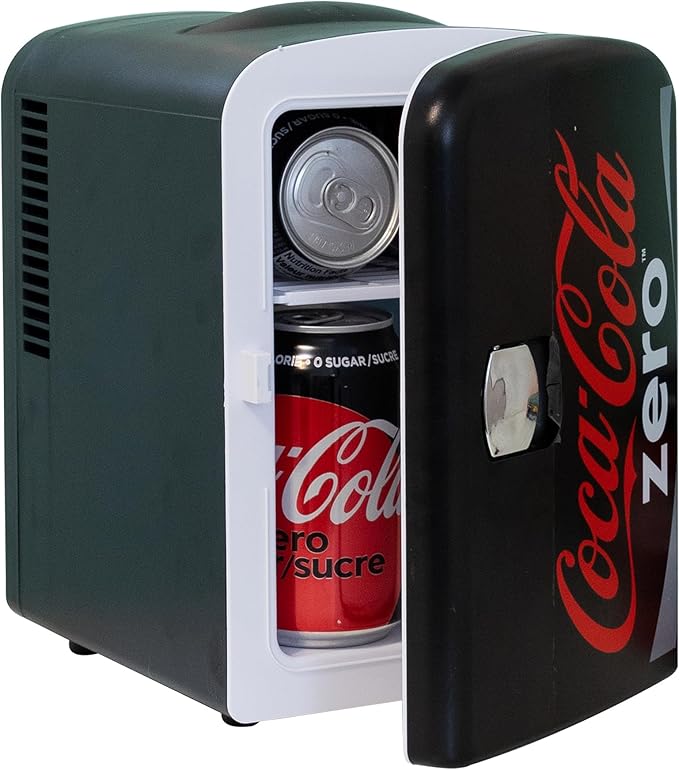
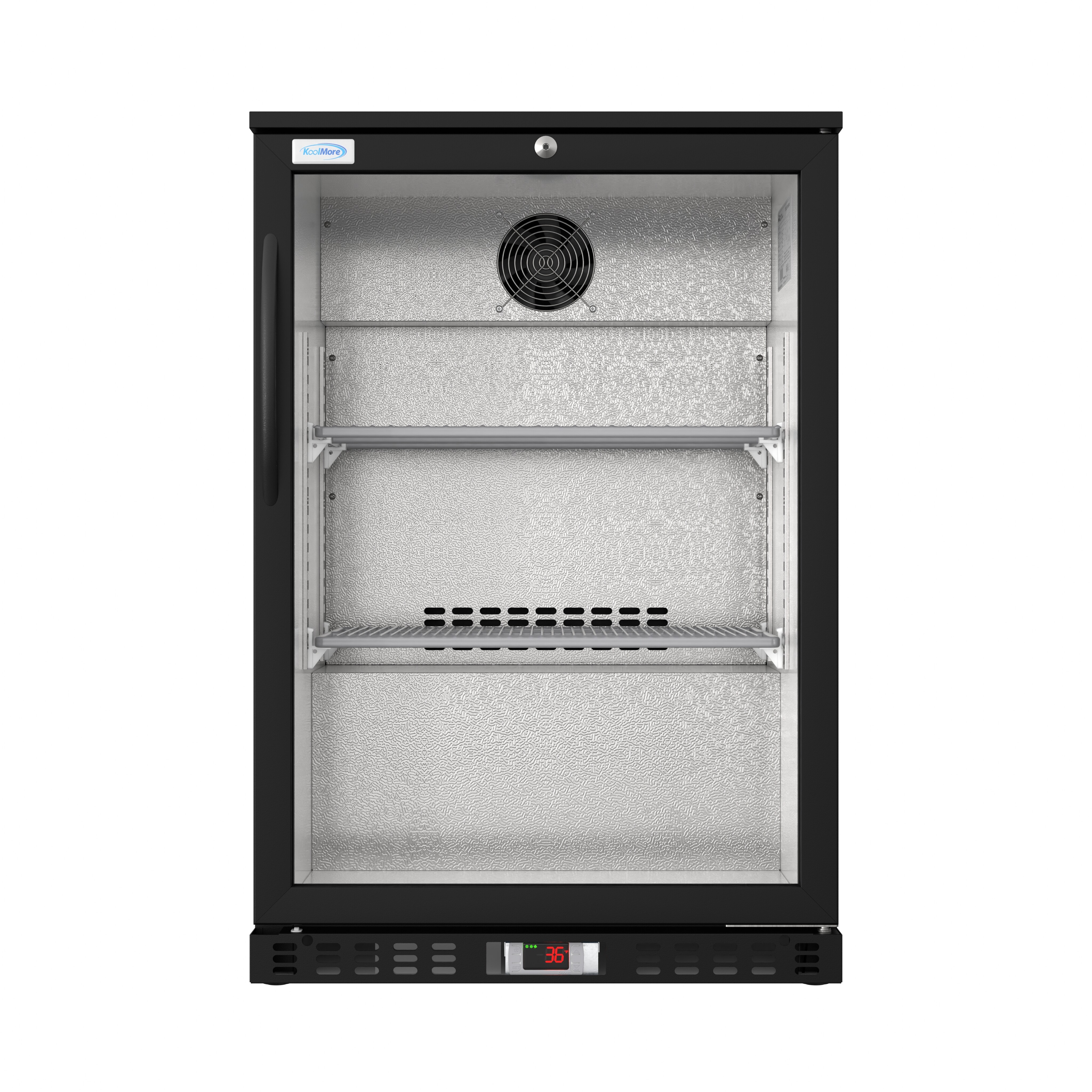
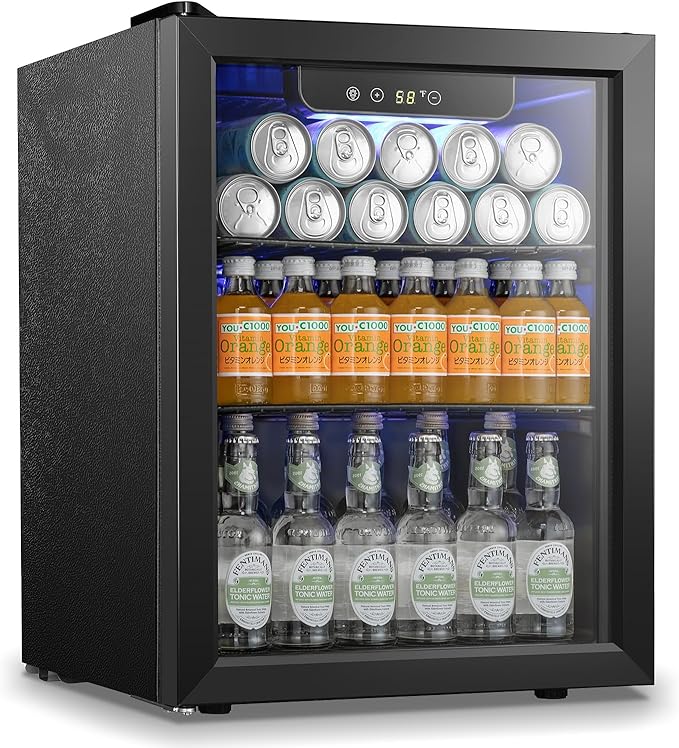
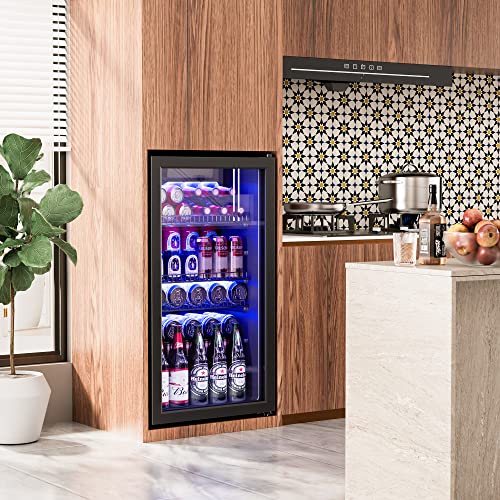
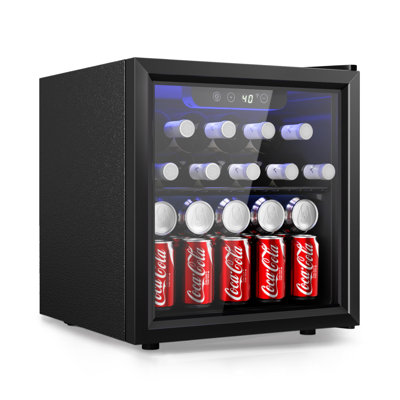
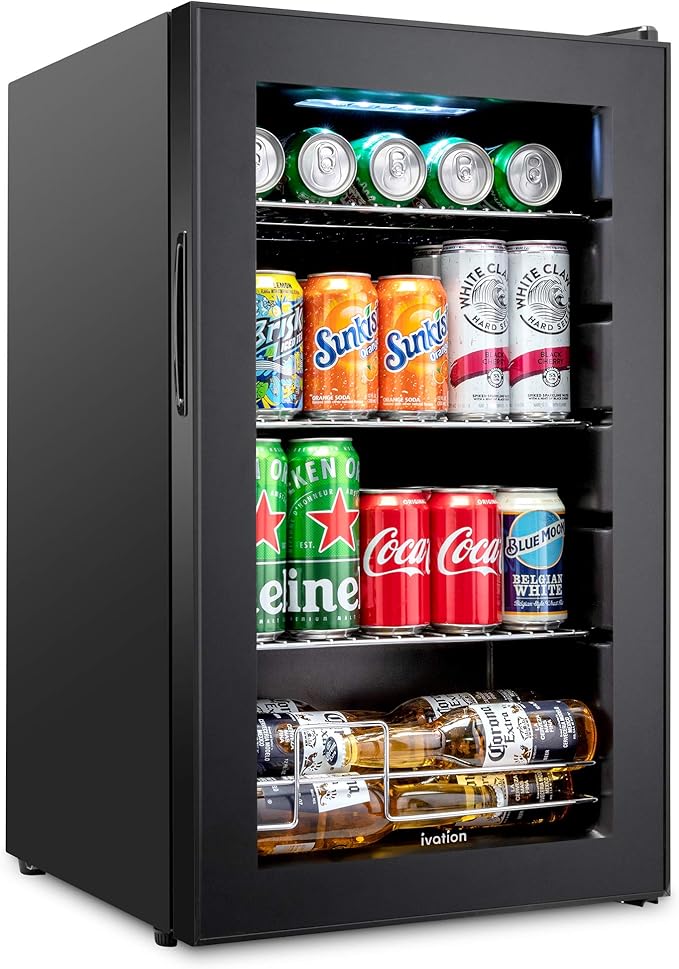
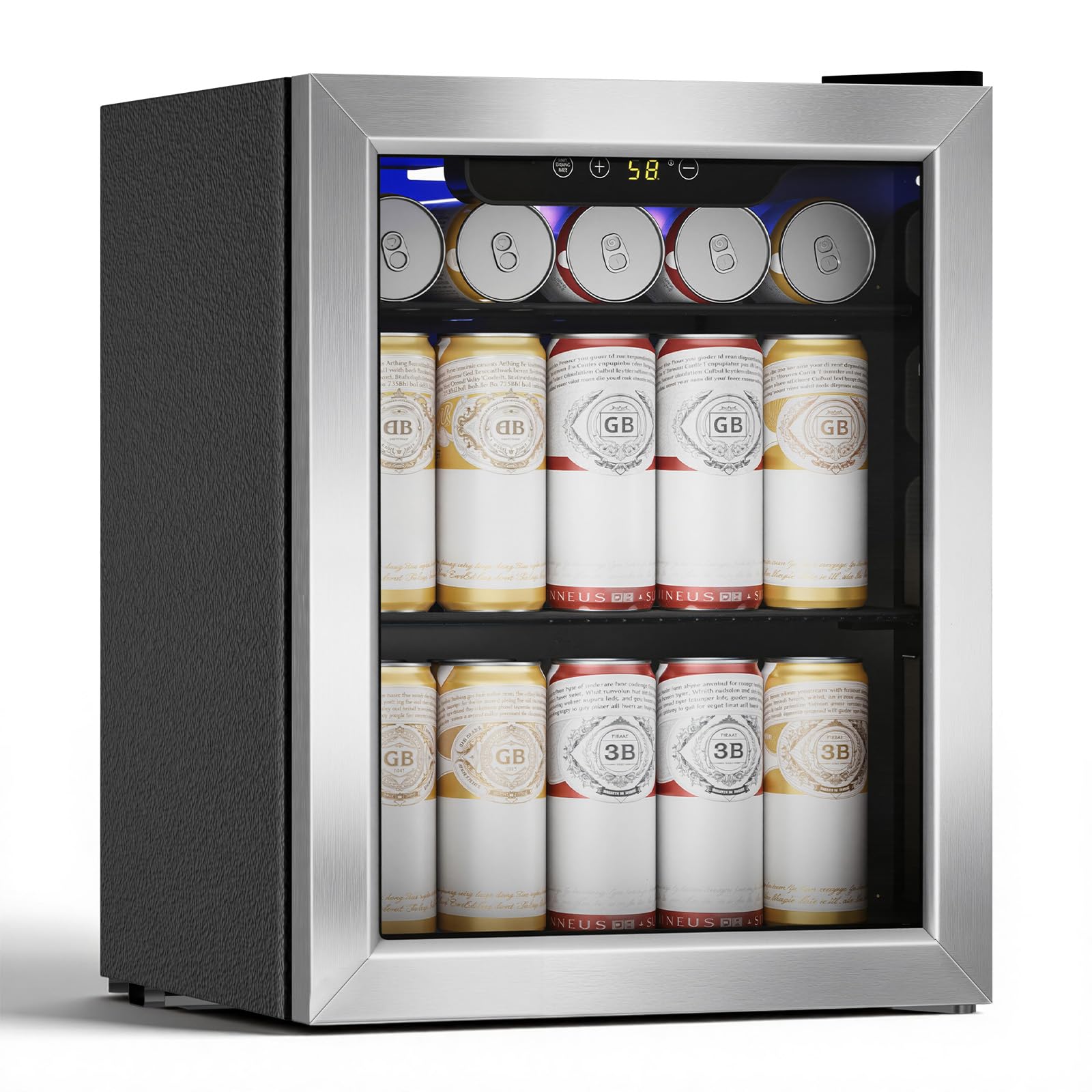
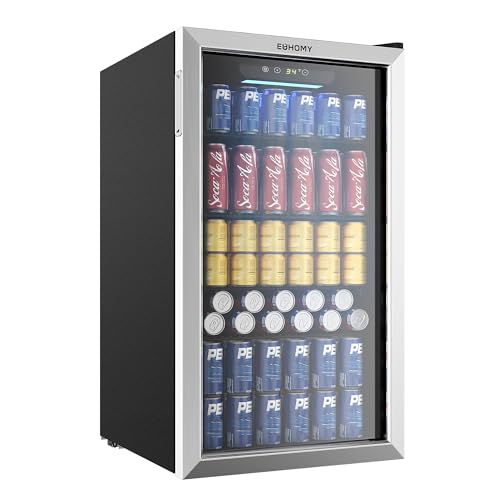
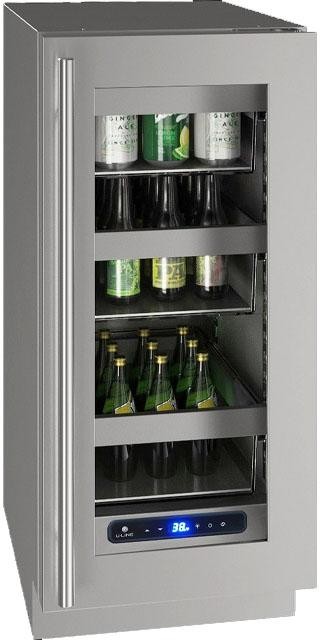
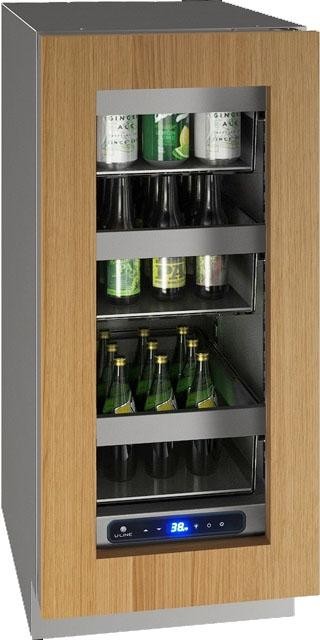
If you have only a few square feet to spare yet want a refreshing array of cold drinks on hand, you’re probably hunting for the best beverage fridge for a small kitchen. Maybe you’re picturing an under-the-counter unit that blends with your cabinets or a freestanding model that tucks into a corner. Either way, you’re looking for something that draws minimal power, holds all your favorites, and doesn’t disrupt your precious limited space. This guide will walk you through the most important points to consider before you make your purchase. By the end, you’ll feel confident picking a reliable beverage fridge that suits your style, budget, and daily needs.
But first, let’s address why a beverage fridge matters so much. Picture your main refrigerator stuffed with groceries, leftovers, and big condiment bottles. It’s frustrating when you reach for a chilled soda or a sparkling water only to find there’s zero space, or the can is lukewarm because someone shuffled groceries around again. That’s where a dedicated beverage fridge comes in handy. It keeps your drinks organized and ensures the perfect chill factor. Plus, it saves you from constant fridge rearranging. Let’s see how to pick your perfect unit.
Understand the need for a beverage fridge
When a kitchen is small, every square inch counts. For many people, a compact beverage fridge is more than a nice-to-have. It’s a way to free up room in your main refrigerator while still having immediate access to cans and bottles. If you often entertain guests, a separate beverage cooler lets you store sodas, wine, or even cold brew coffee at an ideal serving temperature without crowding out the rest of your weekly groceries.
Dedicated drink space: Placing all your beverages in a specialized fridge helps you quickly grab what you want.
Temperature consistency: Drinks often taste best at specific temperatures. Having customizable settings can ensure you get that ideal chill on your sparkling water or craft beer.
Space optimization: Especially when your main fridge is small, you’ll appreciate having a dedicated spot for beverages that would otherwise pile up on shelves.
Another consideration is convenience. If you choose a model that’s small enough to fit under the counter, you can slip it out of sight and free up your kitchen’s main walkway. Some compact options even slide into narrow gaps beside cabinets or pantries, letting you maximize your limited cooking area. If you’re curious about side-by-side dimensions or flush mount features, you might also explore details like which slim refrigerator mounts flush beside tall pantry? for additional inspiration on making space work in tight conditions.
Measure up your space
Whether you live in a cozy apartment or a farmhouse with a cramped kitchen layout, precise measuring is vital. Nothing is worse than bringing your new fridge home only to find the door hits your oven handle every time you open it.
Grab measuring tape: Measure the width, depth, and height of the spot you plan to place your beverage fridge. Consider surrounding cabinets, baseboards, or any potential obstructions.
Check for door clearance: Think about how the door will swing open. If your beverage fridge door can’t open fully, you’ll struggle to load and unload beverages.
Consider ventilation: Many compact models need some breathing room for proper airflow. Read the product specifications to see if you need extra space around the sides or back.
Keep in mind that a beverage fridge might also require a bit of clearance in the rear for power cords or ventilation panels. If your only option is a super narrow niche, look for a unit with front-facing vents. That design eliminates the need for large gaps behind the fridge. Before committing, note the type of fridge door hinge. Models featuring reversible hinges are more flexible if you must change the direction the door opens. You might also run across features like what reversible hinge stops at five preset positions? if you want a specific door open-angle.
A top priority with any beverage fridge is temperature control. If you drink mostly craft beers, you might want a range between 34–50°F, while wine lovers often prefer slightly warmer temps around 45–65°F. If you store a mix of beverages, a fridge with dual-zone cooling can handle both sets of needs. In that scenario, something like which beverage fridge runs dual independent cooling circuits? might be worth exploring.
Thermostat range: Look for fridges that let you set an exact temperature digit or at least provide a narrow range.
Consistent performance: Models with strong circulation fans can maintain consistent cooling in every corner, so your top shelf soda isn’t warmer than the bottom shelf.
Defrost mechanisms: Some beverage fridges offer auto-defrost or frost-free technology that saves you the trouble of manual defrosting. It’s a big plus if you live in a humid area.
A reliable cooling system also cuts down on your guesswork. Nobody wants a lukewarm beverage just because the fridge’s temperature setting is inaccurate. If you like wine or craft beer, paying attention to recommended serving temperatures ensures you get the best flavor profile. Store them at too-cold or too-warm settings, and you lose some taste.
Energy bills can spike quickly, especially if you have multiple appliances running around the clock. You’ll want to pick a beverage fridge that doesn’t devour electricity. Here are some considerations:
Energy Star rating: This well-known certification indicates that an appliance meets or exceeds certain efficiency standards.
Insulation quality: The better the insulation, the easier the fridge can maintain consistent internal temperatures without overworking the compressor.
LED lighting: Traditional bulbs generate heat, which forces your unit to compensate. LED bulbs stay cool and use less electricity.
In addition to lowering your electric bill, an energy-efficient fridge has another perk: it typically promotes components that run smoothly and last longer. Fewer compressor cycles can reduce wear and tear. If you’re curious about picking a fridge specifically designed to fit flush in small kitchens, you can check out a resource like best counter depth refrigerator guide to see how certain designs optimize space and energy use.
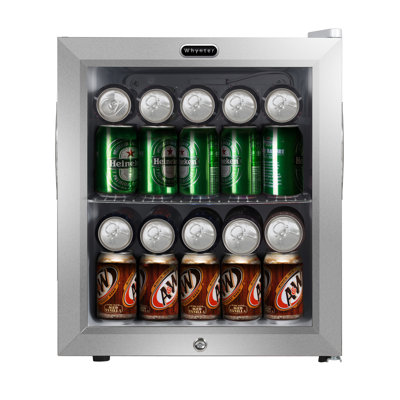
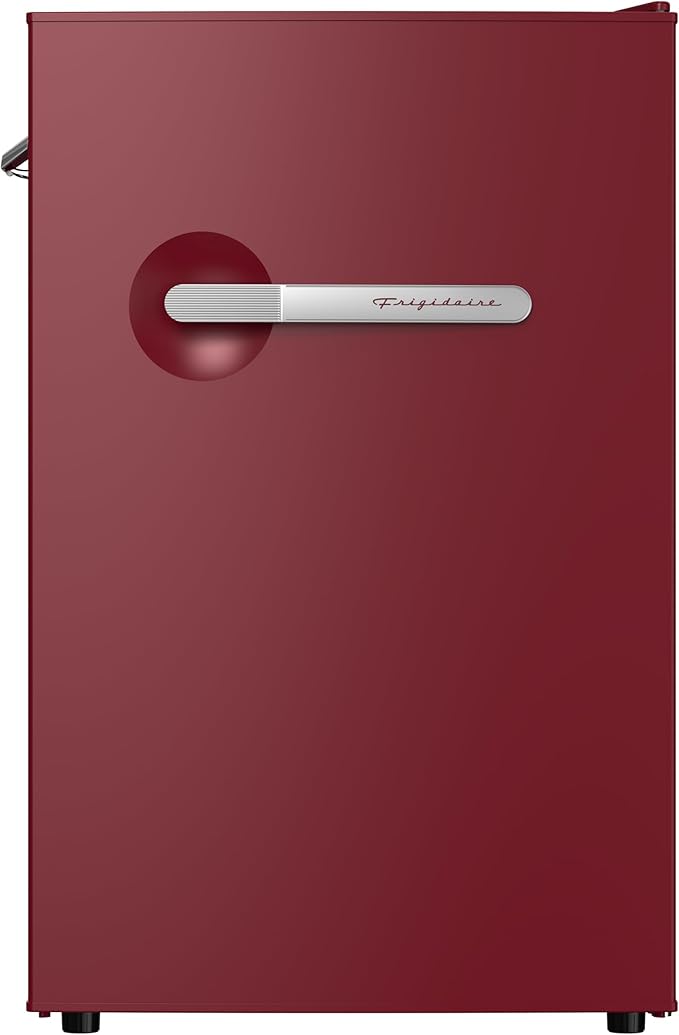
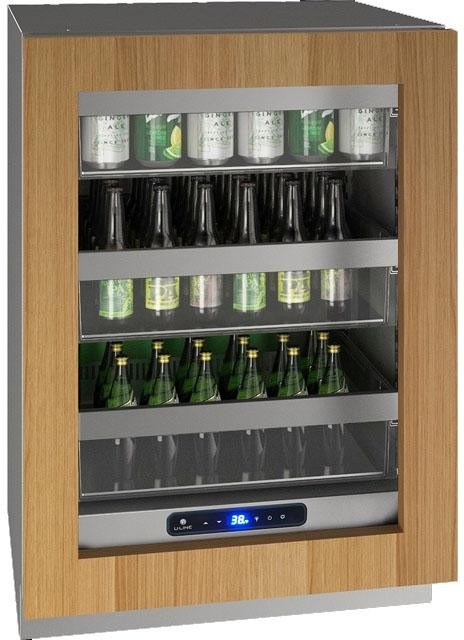
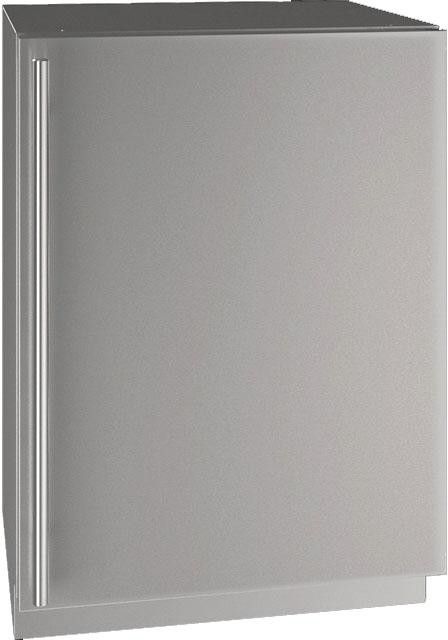
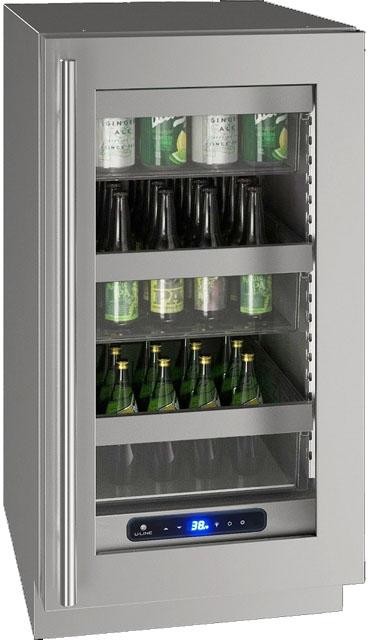
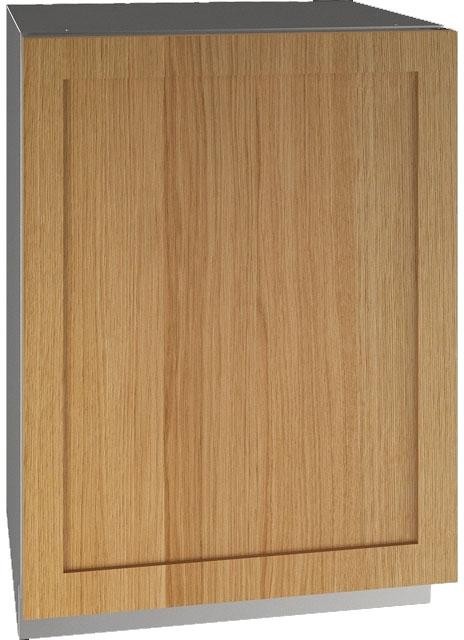
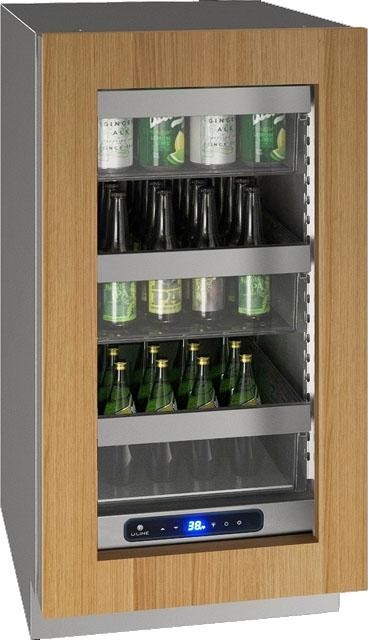
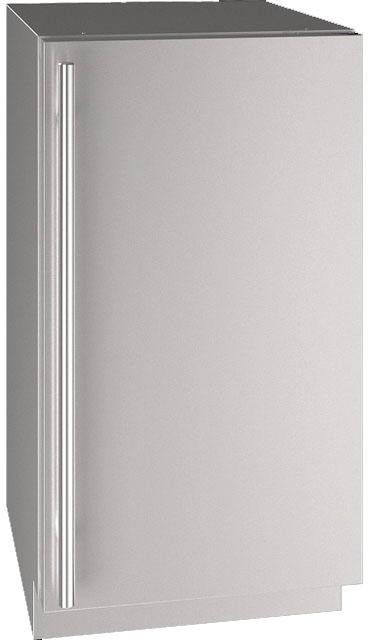
You might imagine a beverage fridge in sleek stainless steel or tinted glass, but options go far beyond that. In a compact kitchen, design matters as much as functionality. You want a unit that complements your cabinets or at least doesn’t clash with your decorative theme. Glass doors are popular if you love seeing your neatly organized cans and bottles, while solid doors (often stainless steel or black matte) hide the contents.
Glass door benefits: They let you quickly glance at stock levels, plus many have UV protection if you place the fridge near a window.
Solid door advantages: They’re often better at insulating because there’s no light infiltration through the glass. They’re also good if you prefer a uniform look in your kitchen.
Interior lighting: Soft LED lights can make everything easier to find and add a cool glow when you open the door.
Consider your personal style before settling on a model. If you’re looking for something with a bit of flair, you might even find beverage fridges with LED color options or curved glass designs. Just remember, any extra design flourish might raise the cost.
Mind the noise level
Does the hum of a fridge bother you at night? If it does, you’ll want to pay attention to the unit’s decibel rating. Compact fridges tend to rely on smaller, sometimes noisier compressors. That means your beverage fridge could create noticeable background buzz if you live in a studio apartment or if your kitchen is right next to your sleeping area.
Typical range: Many beverage fridges fall around 35–45 decibels, roughly the intensity of a quiet conversation.
Advanced insulation: Some premium models use insulation and specialized compressors to reduce noise, sometimes down to near whisper levels.
Vibration: Excessive vibration can jostle bottled beverages, especially wines that benefit from stable storage.
If you’re extra sensitive to sound or you plan to have the fridge in a multi-purpose area, look for a unit specifically advertised as low-noise. You can explore advanced features like how soft whispers a 20 db micro refrigerator? if you want near-silent operation. While many manufacturers list approximate noise levels, reading user reviews can also reveal real-world performance.
Installation doesn’t have to be complicated, but you should prepare for a few steps after you bring your fridge home:
Unboxing and resting: Once delivered, let your small beverage fridge rest upright for a few hours. This allows any oils in the compressor to settle.
Positioning: Move it to your chosen spot carefully. If you have to angle or lie the fridge on its side during transport, read guidelines like why do you have to wait 24 hours to plug in a mini fridge?. This step is crucial to avoid compressor damage.
Leveling: A fridge that’s not level can cause the door to swing awkwardly or the coolant to flow unevenly. Adjust the feet or leveling legs to make sure the unit is stable.
Power outlet: Most beverage fridges don’t require anything special, just a standard outlet. But ensure you have convenient access so you’re not forced to stretch cords in hazardous ways.
Typically, installing a compact beverage fridge is more straightforward than mounting a large built-in refrigerator, but it’s still best to follow the instruction manual. If you’re placing the unit under a counter or into any enclosed space, confirm there’s adequate ventilation. Check how the door gaskets seal, too. You want to avoid extra strain on the compressor from air leaks.
Like any appliance, your beverage fridge needs occasional cleaning and upkeep to maintain peak performance. Fortunately, the schedule isn’t strenuous. Here are the basics:
Regular wipe-down: Spills happen. Use a gentle cloth and mild detergent to keep the interior fresh. Sticky soda drips can attract mold or unpleasant smells.
Defrosting: If your fridge is not frost-free, you might see ice buildup on the back wall or near the cooling coil. Defrost according to the manufacturer’s guidelines, typically when the ice is more than a quarter-inch thick.
Door seal checks: A faulty or dirty gasket can let cool air escape. Wipe it clean and examine for cracks every few months.
Maintenance extends your appliance’s lifespan and ensures it keeps your drinks at the perfect temperature. Plus, it helps maintain efficiency. When dust accumulates on coils, the compressor works extra hard, which spikes your energy bills. A simple cleaning routine every few months saves money in the long run.
Select your best fit
Once you’ve measured your space, determined your temperature requirements, and thought about noise levels, you can explore various models. This selection process involves reading product reviews, clarifying warranties, and comparing price points. Here’s a quick way to map out your choices:
Feature
Basic Mini Fridge
Mid-Tier Beverage Cooler
Premium Dual-Zone Unit
Cooling Range
38–45°F
34–50°F
34–65°F (two compartments)
Typical Capacity
50–70 cans
70–100 cans (or tall bottles)
100–160 cans (or mix of wine & soda)
Noise Level
40–45 dB
35–40 dB
30–35 dB
Ideal For
Occasional use, dorms
Regular family consumption
Wine enthusiasts, variety seekers
Depending on your personal style and budget, you might do well with a simple mid-tier beverage cooler that covers most of your bases. If your beverage selection leans heavily on craft beers, soda, and occasional wine, that mid-range zone is usually enough. However, if you’re serious about precise temperature for different beverage types, paying extra for a dual-zone system might be worth it.
If you’re still searching for more tips on smaller beverage coolers, check out best beverage cooler for a small kitchen. You’ll find additional pointers on space-saving designs that fit snugly into your surroundings.
When it comes down to it, the best beverage fridge for a small kitchen is the one that seamlessly merges capacity, performance, and style with your available space. You’re investing in convenience, but you also want an appliance that’s both affordable and visually cohesive with the rest of your kitchen. As you finalize your choice, consider these parting thoughts:
Start with accurate measurements: Knowing your dimensions is half the battle.
Choose your cooling range: Dual-zone may be a bit more expensive, but it’s fantastic if you’re storing multiple beverage types.
Keep an eye on energy usage: Over time, a fridge that’s energy-friendly pays for itself.
Look for low-noise options: You’ll appreciate a quieter environment, especially in open-concept homes or small apartments.
Follow proper setup: A little patience in letting your fridge settle is key to a healthy, long-lasting compressor.
Ultimately, a beverage fridge frees your main refrigerator from overflow, keeps your drinks exactly how you like them, and adds a splash of convenience to your daily life. Once you’ve picked the perfect model, all that’s left is to stock it with your favorite beverages. Whether you’re a sparkling water enthusiast, a soda lover, or a casual wine drinker, you’ll enjoy having easy access to your go-to drinks without rummaging through everything else in the kitchen fridge.
So go ahead, choose the right unit for your home, measure, install, and keep it squeaky clean. You’ll be cracking open a cold one in no time, congratulating yourself on a smart purchase that brings both style and practicality into your small space. Cheers!
From Fridge.com research
Figures below come from data Fridge.com builds and maintains. Each links to the record behind it.
Fridge.com Energy Index, built on U.S. EPA and DOE ENERGY STAR records
Across 122 ENERGY STAR certified compact cooler models, median use is 134 kWh per year — 32% better than the federal standard.