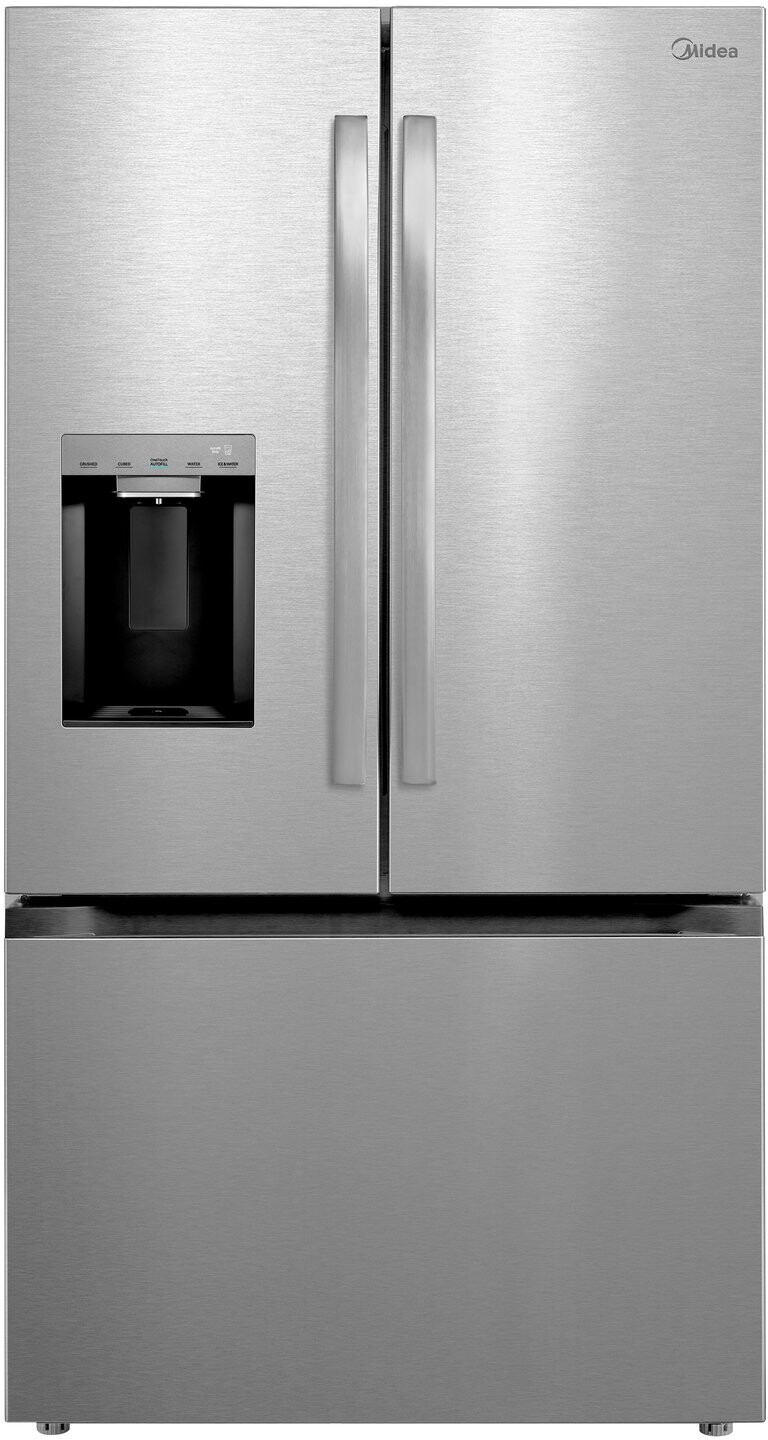
If you love wine, you likely want a convenient and stylish way to store your bottles. A wine cabinet with fridge can be your perfect solution. It keeps your favorite reds, whites, or sparkling varieties at the right temperature, making sure each sip is just as the winemaker intended. Plus, it can seamlessly fit into your home, whether you’re working with a spacious layout or a cozy condo.
Think of this special cabinet as a clever union of wine cellar and standard refrigerator. You get temperature control, humidity stability, and easy access—without needing a large basement or bulky standalone cooler. In this guide, you’ll discover the benefits of having a dedicated wine fridge, the features that matter, and plenty of practical tips on setup and maintenance.
Maybe you want to show off your prized vintages at your next dinner party. Or perhaps you just want to keep your everyday sippers fresh. Either way, you’re in the right place. Let’s explore how this integrated cabinet can elevate your wine storage game.
Check benefits for your home
Choosing a specialized storage solution for your bottles offers many perks. Below are some of the major benefits homeowners typically enjoy.
Precise temperature control
Wine thrives in specific temperature ranges. Reds are often happiest around 55–65°F, while crisp whites and bubbly fare better near 45–50°F. Having a fridge-cabinet combo ensures you can adjust settings to suit each type of wine.
Protection from light and vibrations
Light exposure can degrade a wine’s flavor, and vibrations can disrupt its aging potential. Many dedicated cabinets are built with UV-resistant glass and vibration-damping features to keep your bottles safe and tasteworthy.
Space-saving design
You don’t need to carve out huge square footage for a separate wine cellar. A wine cabinet that includes a fridge function tucks neatly into kitchens, dining rooms, or even home offices. It also consolidates your wine items in one location, so you aren’t juggling multiple coolers.
Enhanced entertaining
Whether you’re hosting a dinner party or celebrating a milestone, you can grab a chilled bottle within seconds. The cabinet’s display factor also adds a level of sophistication. Some models come with internal lighting to help you highlight special vintages.
Simplified organization
Storing your bottles in a dedicated fridge means they’re neatly arranged, easy to label, and within sight. You can set up distinct zones for reds, whites, or even other beverages like craft beer. For extra pointers, you can check out wine fridge recommendations to find models with customizable shelving.
Not all wine cabinets are created equal. Some offer multiple temperature zones, while others emphasize design or noise control. Below are a few top features to keep in mind when you’re picking the perfect storage solution.
Temperature control
You’ll notice single-zone and dual-zone systems.
Single-zone systems let you keep the entire interior at a fixed temperature.
Dual-zone systems allow different temperatures in separate compartments, which is handy if you regularly switch between reds and whites.
Low humidity can dry out corks, leading to oxygen sneaking into bottles, which spoils wine. Conversely, very high humidity fosters mold. Look for a cabinet that maintains humidity around 50–70%. You’ll often see interior moisture meters or built-in humidifiers.
Vibration control
Any movement can disturb sediment in wine, affecting its taste. Quality wine cabinets have compressors mounted with shock absorbers or fans to reduce jolts. Thermoelectric cooling systems also tend to vibrate less, but they’re often more suitable for smaller fridges.
Capacity and shelving
Shelves might be made from wire, metal, or wood. Wooden shelves often reduce bottle rattling, but wire shelves maximize air circulation. If you plan on stashing a variety of bottle shapes—like Champagne or dessert wines—double-check you can adjust or remove shelving. Also consider how many bottles you typically keep on hand. A 20-bottle capacity might suffice for casual drinkers, whereas serious collectors may need 50 or more.
A wine cabinet with fridge function can enhance your decor too. You have options in styles, materials, and configurations so you can find the one that looks right at home in your kitchen, dining area, or entertainment room.
Built-in vs. freestanding
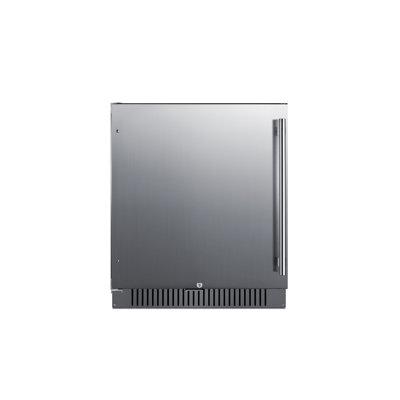
Built-in units integrate with cabinetry, creating a seamless appearance. They often require front-venting systems, so be sure to leave space in the front for air circulation.
Freestanding coolers are easier to move around or place in different parts of your home. They typically need a few inches of clearance on all sides to ensure proper ventilation.
Material and finish
Stainless steel remains popular thanks to its sleek look and durability. Cabinets designed for more rustic or traditional settings might feature wood paneling or trim. Some smaller models use tinted glass doors with UV shielding. Whichever style you choose, make sure it aligns with your existing decor.
If you have a compact area to work with, you might also consider specialized appliances like a best beverage cooler for a small kitchen that fits neatly into tight spaces.
Proper placement and setup can make or break your overall experience. The aim is seamless integration with little disruption to your daily activities.
Where to put it
Common locations include:
Kitchen or pantry: Keeps bottles within arm’s reach during meal prep.
Dining room: Ideal if you entertain often or host dinner parties.
Home bar: A natural match if you already have a designated beverage station.
Check for a spot that’s not exposed to direct sunlight, away from heat sources (like ovens or radiators), and has enough clearance for the door swing.
Ventilation considerations
Fridges release heat, so adequate airflow is essential. Built-in models vent from the front, while freestanding cabinets dissipate heat around the sides or back. Ensure you follow the manufacturer’s recommended spacing, or you risk overheating the cooling components.
Electrical requirements
Most wine cabinets use a standard 110–120 V outlet. Still, double-check the power ratings to avoid overloading a circuit. Keep cords tucked away to prevent tripping hazards. In some cases, you might even consider a dedicated circuit, especially for higher-capacity units. If you’re setting up a new refrigerator in general, you can also look at what should you do when you get a new refrigerator? for broader installation tips.
Maintain and clean regularly
A wine cabinet with fridge is generally low-maintenance, but it does need occasional upkeep to stay in top shape.
Routine cleaning
Unplug the unit before cleaning. Use a mild cleanser and soft cloth to wipe the interior and exterior. Avoid harsh chemicals or abrasives that could damage the finish. Some individuals find a mixture of warm water and a little vinegar helpful for removing odors.
Dealing with spills
Minor spills can happen when a bottle’s cork or cap isn’t sealed properly. If liquid drips onto shelves or liners, clean it up quickly to head off stains. Dry any damp spots with a soft towel to prevent mold from forming in the corners.
Condenser coil care
Over time, dust can accumulate on condenser coils, reducing efficiency. You can reference these tips on how do you clean the condenser coils on the back of a refrigerator? if you’re unsure how to manage it. Generally, a quick vacuum or brush every few months will keep airflow optimal.
Once your cabinet is set up and sparkling clean, it’s time for the fun part—filling it with your favorite wines. A little forethought goes a long way in keeping your collection neat, accessible, and well-preserved.
Understanding different wine types
Reds: Often best kept around 55–65°F. Full-bodied reds like Cabernet or Syrah might lean closer to 60–65°F.
Whites and rosés: Generally enjoy a slightly cooler 45–50°F range to maintain crispness.
Sparkling wines: Champagne, Prosecco, and other bubbly tastes refreshing at around 40–50°F.
Depending on how many zones you have, you can group wines by color or style. Don’t cram too many bottles in a single zone. Leave a little gap for air circulation, so the temperature stays even.
Labeling for easy access
Facing labels outward makes spotting your desired vintage quick and hassle-free. Consider using small tags or writing your own system on easy-to-remove stickers. Grouping wines by region or varietal is also a neat approach.
Serving temperature tips
If you only have a single-zone unit, remember that whites and sparkling can quickly warm up in the glass. Reds may need a brief rest on the countertop to open up if they’ve been stored on the slightly cooler side. As a rule of thumb, letting a red bottle sit at room temperature for 10–15 minutes after pulling it from the fridge can help flavors emerge more fully.
Occasional hiccups can arise, even if you faithfully follow the manual. Below are a few common problems you might encounter plus basic fixes to keep your wine cabinet with fridge running smoothly.
Temperature fluctuations
If you notice inconsistencies, first check the door seal. A loose or worn seal lets cool air escape. Next, ensure vents aren’t blocked. Overstuffing can disrupt airflow. If everything looks fine but the temperature remains off, the fridge might need professional servicing.
Unusual noises
Hums and quiet whirring are normal with compressor-driven units. Loud clanks or rattles, however, suggest something is loose. Make sure the cabinet is level, and check for items vibrating near or on top of the unit. If the compressor itself is knocking, contact a technician.
Door sealing problems
A faulty seal may appear cracked, or you might see gaps. Cleaning the gasket with warm soapy water sometimes helps the seal adhere better. If it’s truly deteriorated, look into replacing the gasket or door panel. For a deeper explanation of refrigerator door mechanics, have a glance at what magnet force keeps freezer door firmly closed?.
Entertain with your wine cabinet
One of the biggest joys of owning a fridge-cabinet combo is sharing your passion for great bottles with friends and family. Here’s how to make the most of it during social gatherings.
Pairing wine with food
You can have a few different wine varieties chilled and ready to go. Offer pairings with snacks or meals. A crisp Sauvignon Blanc works well with light salads, while a bold Cabernet Sauvignon pairs nicely with seared steaks. Keep wines at their recommended serving temperatures to highlight the best flavors.
Highlighting specialty bottles
Set up an internal light or small decorative lamp near the cabinet if it has a glass door. This gentle glow can frame your prized bottles like an art exhibit. Guests might be more inclined to sip a unique vintage if they notice it quietly shimmering behind the glass.
Maintenance before a gathering
Do a quick check to ensure the interior is spotless. Confirm the temperature and humidity levels are set correctly (especially if you have both reds and whites) so that you won’t fumble around last minute. If you’re serving other beverages, you might also benefit from reading what are the pros and cons of a wine fridge? to see how you can multitask your storage space.
A wine cabinet with fridge can transform how you collect, store, and enjoy your favorite bottles. By picking a cabinet that offers the right features—like temperature control, humidity management, and vibration prevention—you’ll give your wines the treatment they deserve. Placement, setup, and regular maintenance ensure everything runs smoothly and looks great in your home.
Now that you have the basics, you’re ready to select a model that complements your lifestyle. You can furnish your home with a stylish appliance that keeps your vintages in prime condition, helps you host friends effortlessly, and gives you easy access for a quick glass on any quiet evening. From big gatherings to casual nights in, a proper wine cabinet combo is a worthy investment for any lover of a fine pour.
If you’re still exploring options or just want additional tips, you can check out wine fridge best prices to see a variety of deals that might fit your budget. In the meantime, here’s wishing you many delightful sips and a beautifully organized wine collection. Cheers!
Free tool
Wine Refrigerator Calculator
Free interactive tool from Fridge.com — get a quick answer while you read.