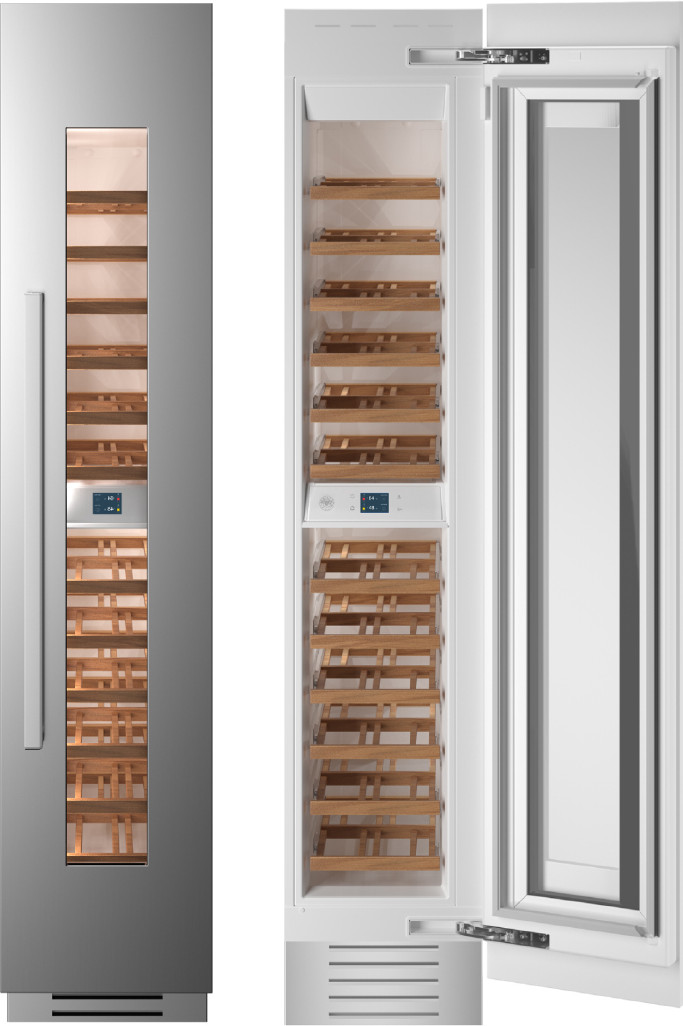
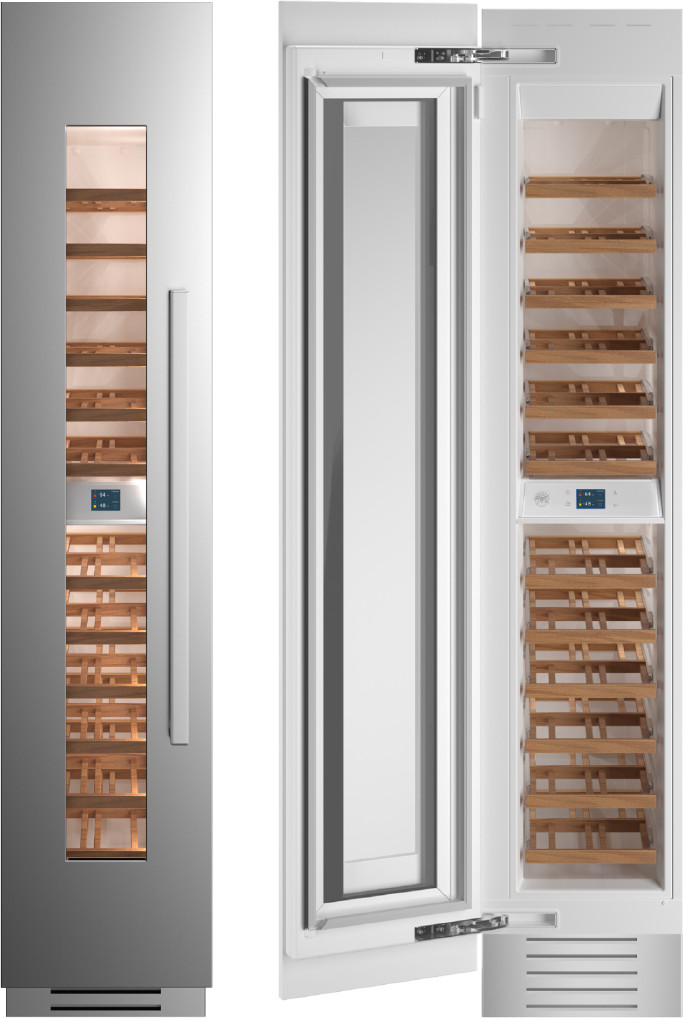
If you’re on the hunt for wine fridges under 1000, you know how tempting it is to sacrifice features or design to hit that price point. But here’s the good news: you don’t have to settle. In this guide to wine fridges under $1000, you’ll learn what makes a stellar cooler tick, how to pick the right style and capacity, and which models deliver the best bang for your budget. Whether you’re stocking up for dinner parties, protecting your investment bottles, or outfitting a home bar, you’ve come to the right place.
understanding wine fridges
what is a wine fridge?
A wine fridge, sometimes called a wine cooler or wine refrigerator, is designed to maintain optimal temperature and humidity for storing and aging wine. Unlike a conventional fridge, it runs at higher temperatures (usually between 40°F and 65°F), offers finer temperature controls, and often features vibration-reducing technology to prevent sediment disturbance.
why invest under $1000?
Spending up to $1000 on a wine fridge hits a sweet spot. You trade off premium bells and whistles—like full stainless interiors or ultra-quiet compressors—for solid performance, decent capacity, and attractive design. In this range you’ll find reliable temperature control, UV-protective doors, and energy-efficient operation, without dipping into professional or commercial pricing.
benefits for you
- Consistent storage: Precise thermostatic controls keep your reds and whites at ideal serving temps.
- Stylish display: Many models feature double-pane glass doors and LED lighting to show off your collection.
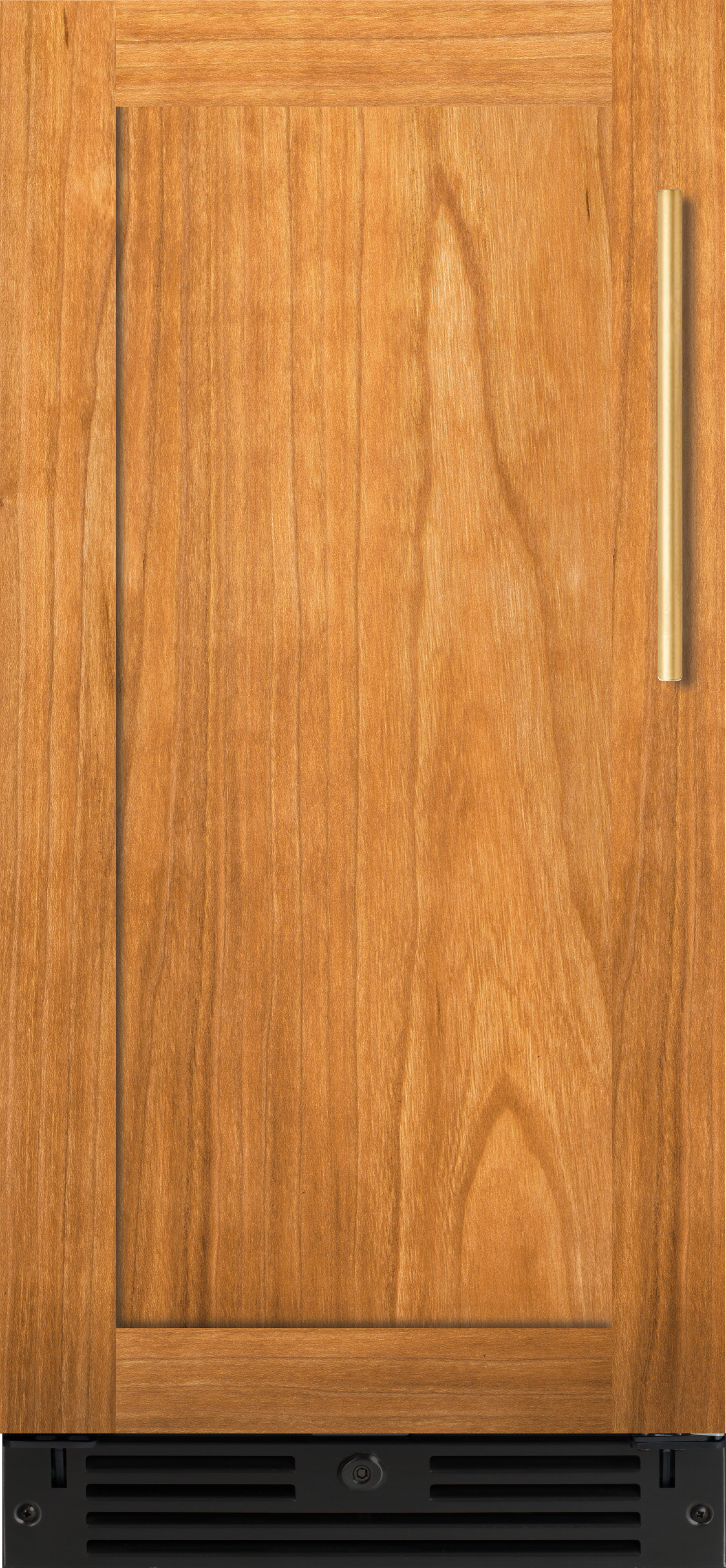
- Space efficiency: Slim, under-counter, or freestanding layouts fit kitchens, home bars, or entertainment rooms.
- Wine preservation: Proper humidity and minimal vibration protect corks, labels, and flavor profiles over time.
types of wine fridges
single zone coolers
Single zone wine fridges maintain one uniform temperature throughout. They’re perfect if you primarily serve one style—say all reds or all whites. You’ll save on cost and complexity, and capacity tends to be higher in a similar footprint compared to dual zone models.
dual zone coolers
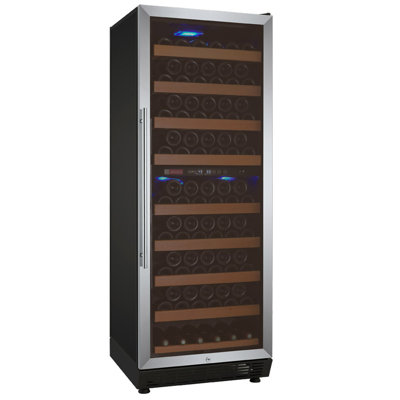
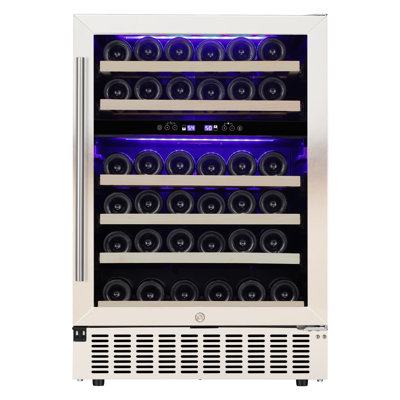
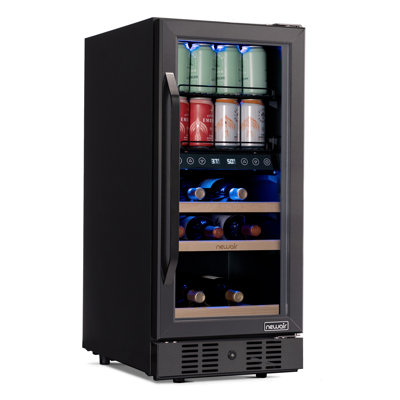
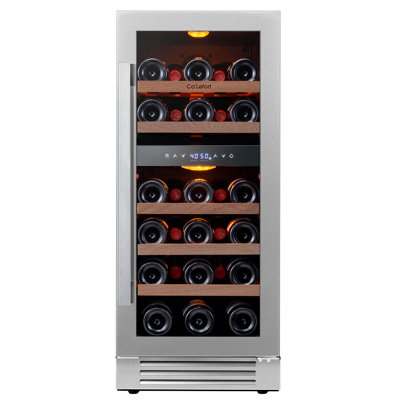
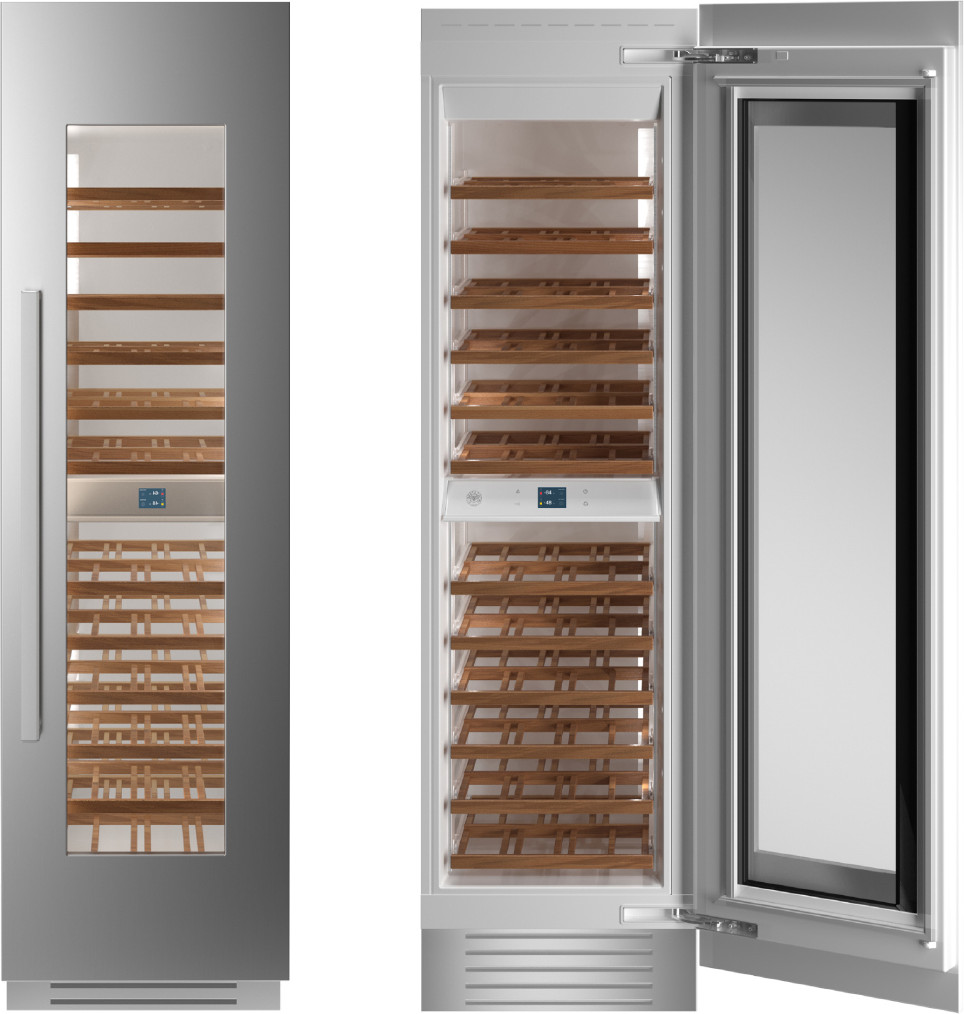
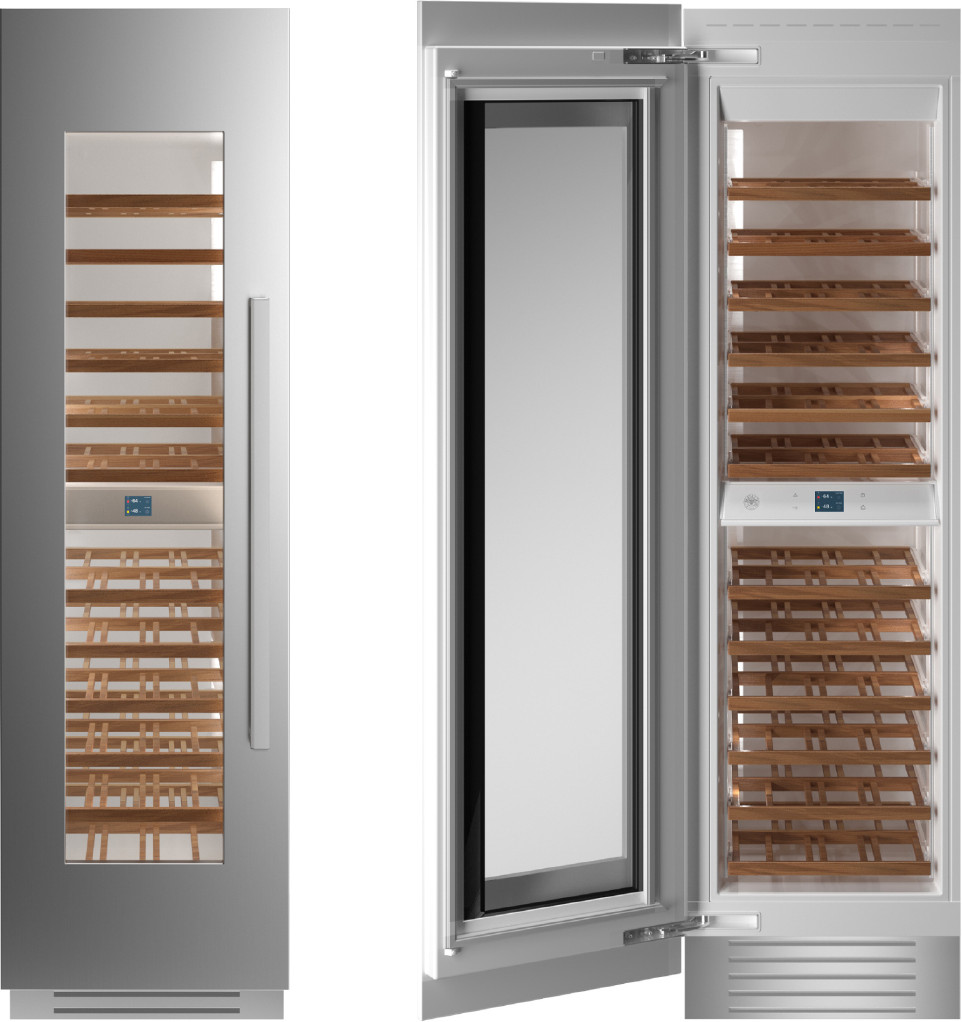
Dual zone wine fridges split the interior into two independently controlled sections, letting you store reds at around 55°F while chilling whites to 45°F. If you switch between varietals or like serving at precise temps, a dual zone model is a game changer. For more on temperature recovery and cooling speed, see which dual zone cooler recovers temperatures fastest after door open?.
thermo-electric models
Thermo-electric wine fridges use a Peltier cooling system instead of a compressor. They’re often quieter, more compact, and vibration-free, but less powerful in warm environments and limited in capacity. Consider them for small apartments or dorm rooms where noise is a big concern.
key features to evaluate
temperature range and control
Precision is non-negotiable. Look for digital thermostats with at least 1°F increments and a temperature window from 40°F to 65°F. Touch controls and external displays let you tweak settings without opening the door.
capacity and size
Wine fridge capacity is measured in standard 750 ml bottles. A 24-bottle cooler might actually hold more if you load half-bottles. Check interior dimensions and shelf design—some fridges let you remove or adjust shelves to accommodate larger formats like magnums.
energy efficiency
Since wine fridges run 24/7, energy consumption matters. Look for models with an Energy Star rating or annual kWh usage under 300 kWh. LED lighting and better insulation also help reduce power draw.
design and aesthetics
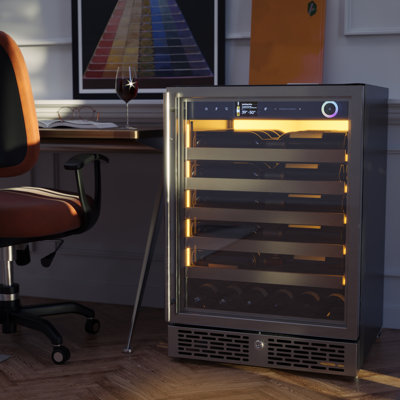
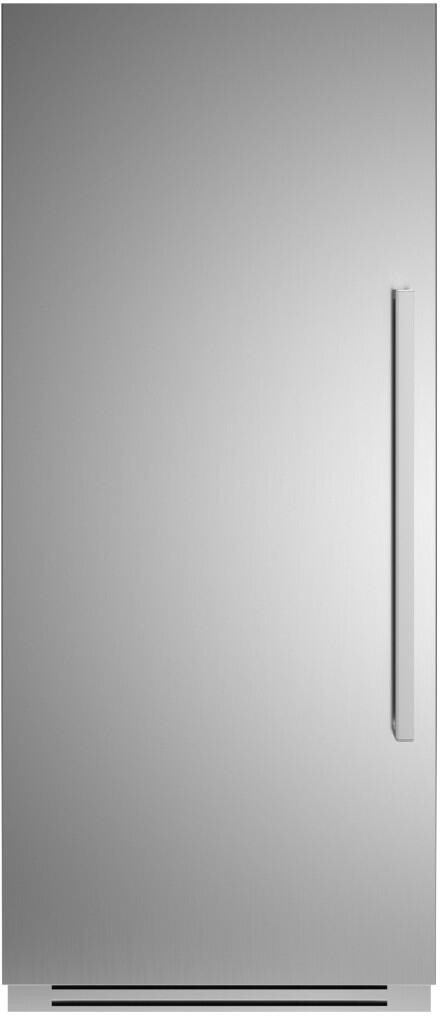
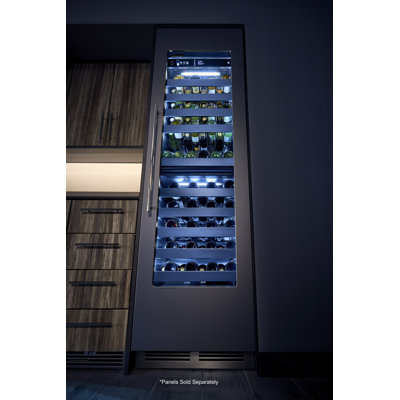
Want a built-in look under your counter or a freestanding statement piece? Stainless steel frames, tinted glass doors, and interior LED accent lights bring both form and function. If you’re hosting often, a glass-front fridge doubles as a display case.
noise level
Fridge noise is measured in decibels (dB). Anything under 40 dB is whisper-quiet. Thermo-electric models often land around 35 dB, while compressor units can creep toward 45 dB. If your wine cooler sits in an open kitchen or living area, err on the quieter side.
humidity control
Humidity levels between 50 percent and 70 percent prevent corks from drying out. Some higher-end fridges include built-in humidifiers or activated charcoal filters to maintain proper moisture. At a sub-$1000 price, you’ll mostly rely on sealed doors and ambient basement humidity.
door and seal
Look for UV-protected glass doors to block harmful light that can degrade wine. A tight gasket seal minimizes temperature fluctuations. Magnetic or silicone seals work best in this price bracket.
top picks under $1000
stainless steel door models
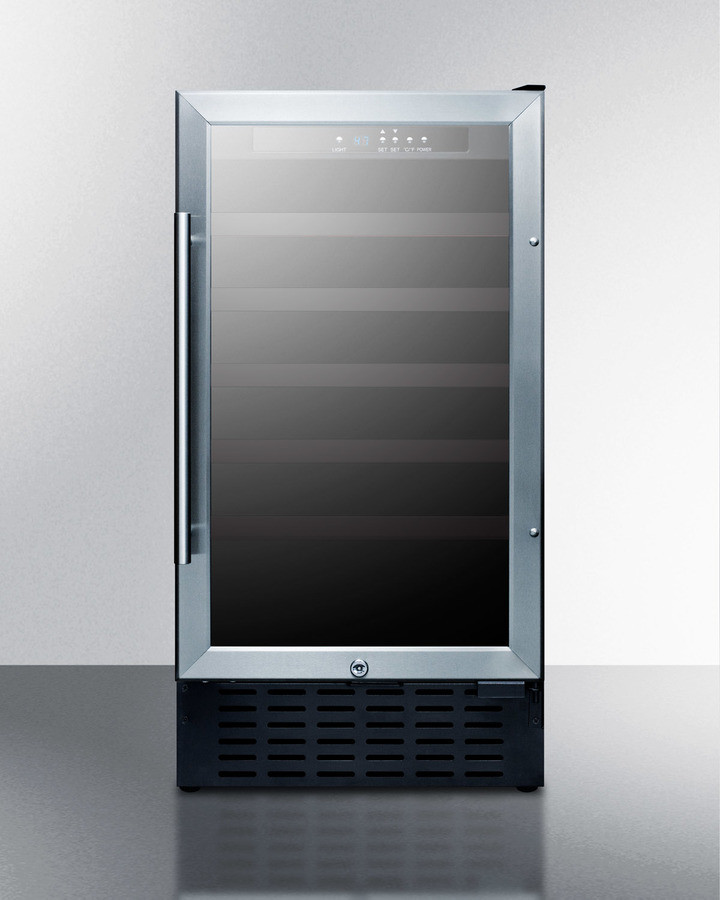
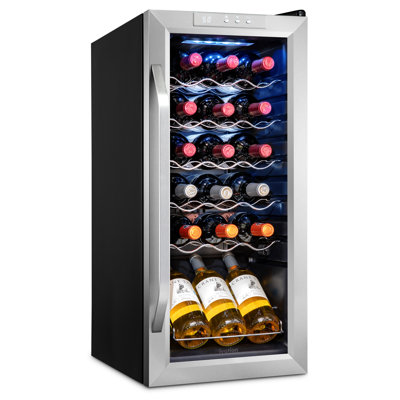
- Brand A 24-bottle compressor cooler: Sleek stainless door, digital temperature control, vibration reduction. Price ~$850.
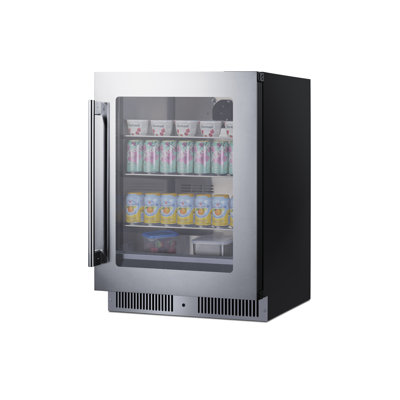

- Brand B dual zone 28-bottle: Two zones, internal LED, reversible door hinge. Price ~$950.
glass door display fridges
- Brand C 18-bottle thermo-electric: Quiet operation, tinted glass, adjustable shelves. Price ~$450.
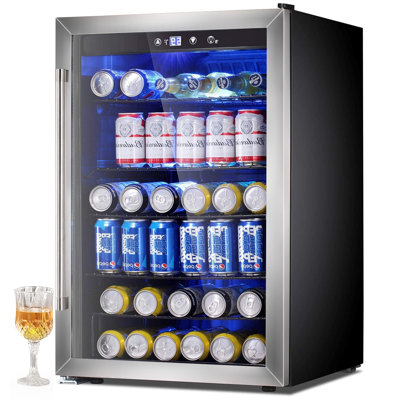
- Brand D 32-bottle compressor: Full-length glass door, interior blue LED, digital readout. Price ~$780.
built-in vs freestanding
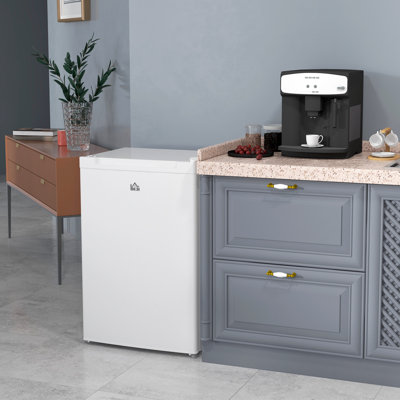
- Built-in wine fridges sit flush under counters and often have front ventilation. They require precise cutouts and level flooring.
- Freestanding units are more flexible: just plug in and go, and they can be placed anywhere with proper clearance.
For special deals and promos, check our wine fridge discounts page.
comparing top models
capacity comparison table
| Model | Type | Bottles | Zones | Price |
|---|---|---|---|---|
| Brand A 24-bottle | Compressor | 24 | 1 | $850 |
| Brand B 28-bottle | Compressor | 28 | 2 | $950 |
| Brand C 18-bottle | Thermo-electric | 18 | 1 | $450 |
| Brand D 32-bottle | Compressor | 32 | 1 | $780 |
feature comparison table
| Feature | Brand A | Brand B | Brand C | Brand D |
|---|---|---|---|---|
| Digital controls | Yes | Yes | Yes | Yes |
| UV-protected glass | Yes | Yes | Tinted | Yes |
| Vibration reduction | Yes | Yes | Yes | No |
| Energy Star rated | No | Yes | No | No |
| Interior lighting | White LED | Blue LED | White LED | Blue LED |
price and warranty
Most models under $1000 offer a 1- to 2-year limited warranty on parts and labor, plus an additional 3- to 5-year coverage on the compressor. Always register your unit to extend coverage where available.
installation and placement tips
freestanding installation guide
- Choose a level surface away from direct sunlight or heat sources.
- Leave at least 2 inches of clearance on the top and sides for ventilation.
- Plug into a dedicated outlet to prevent circuit overload.
built-in setup considerations
- Confirm a cutout space that matches both width and depth specs.
- Ensure front ventilation (loose grille vents) to allow hot air to escape.
- Seal any gaps around the unit to prevent heat ingress.
ventilation requirements
Proper airflow keeps your compressor from overworking. Avoid tight cabinets without vents. If your fridge sits in a cabinet, install a vent or louvered panel above or below the cutout.
maintaining your wine fridge
cleaning the interior
- Unplug the fridge and remove all bottles.
- Wipe shelves, walls, and door gasket with a soft cloth and mild detergent.
- Rinse with a clean damp cloth, then dry completely before restocking.
adjusting temperature settings
- Check the display weekly.
- If you notice frost buildup or temperature swings, recalibrate using the digital controls.
- Keep the fridge at a steady temp rather than making frequent big adjustments.
handling power outages
Wine fridges have insulation that can hold temperature for a few hours when off. If you expect extended outages, move high-value bottles to a cooler or wine tote.
enhancing your wine experience
wine fridge accessories
- Thermometer/hygrometer: Double-check your fridge’s accuracy.
- Wooden or wire shelves: Swap stock shelves for easier loading or better aesthetics.
- UV-blocking film: Add extra protection on glass doors.
pairing and storage ideas
- Use the lower half of a dual zone for reds and the upper for whites or rosés.
- Store reds at 55°F to 60°F for serving, whites and sparklers at 45°F to 50°F.
- Keep opened bottles upright if you plan to finish them within a week, or use an air-pump closure for longer storage.
frequently asked questions
can you store other beverages?
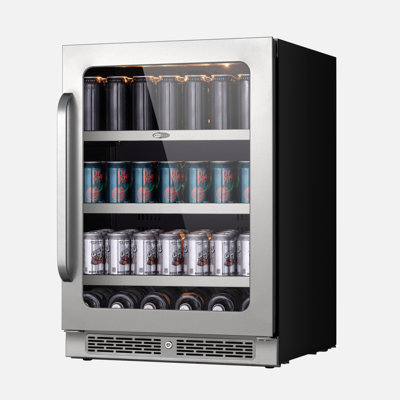
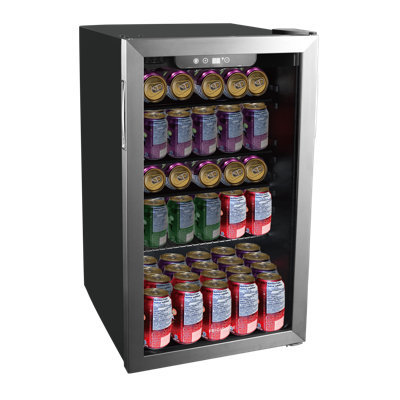
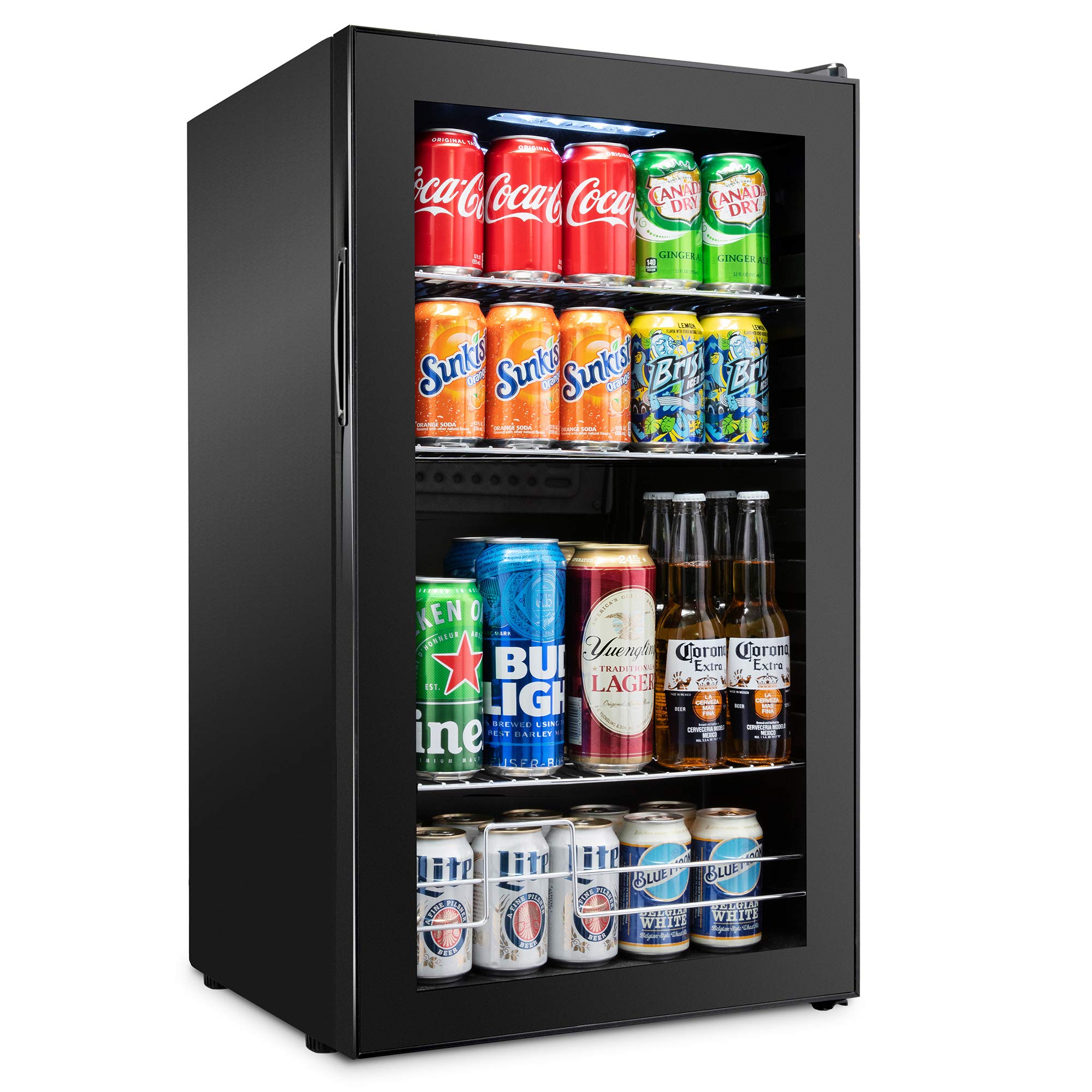
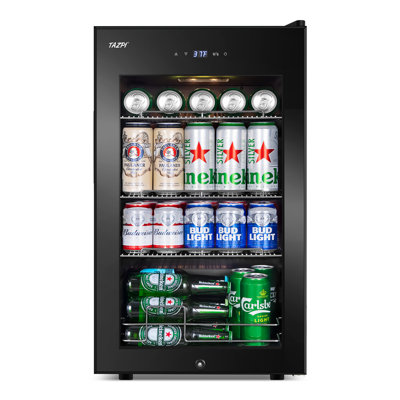
Absolutely. Wine fridges double as beverage coolers for craft beer, soda, or sparkling water. Just make sure the bottles fit and don’t block airflow.
how long do wine fridges last?
With proper care, a compressor wine fridge can run reliably for 8 to 12 years. Thermo-electric units tend to have a shorter lifespan, around 5 to 7 years.
are under-counter models reliable?
Yes, as long as they have front-venting. Units that pull air from the top or back can overheat if installed in a closed cabinet without proper ventilation.
final thoughts on wine fridges
Choosing the right wine fridge under $1000 comes down to balancing capacity, style, and performance. Single zone coolers offer simplicity and value, while dual zone units give you more flexibility for different wine types. Thermo-electric models excel in quiet operation but sacrifice cooling power. Evaluate temperature precision, shelving design, and energy efficiency alongside aesthetics to find the best fit for your space.
Remember that proper placement and regular maintenance will extend the life of your fridge and keep your bottles in peak condition. With the tips and comparisons in this guide, you’re equipped to pick a wine fridge that not only stays within your budget but elevates your hosting game and protects your wine investment. Here’s to many perfectly chilled bottles ahead. Cheers.