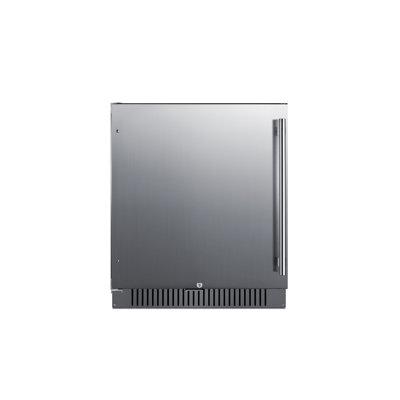
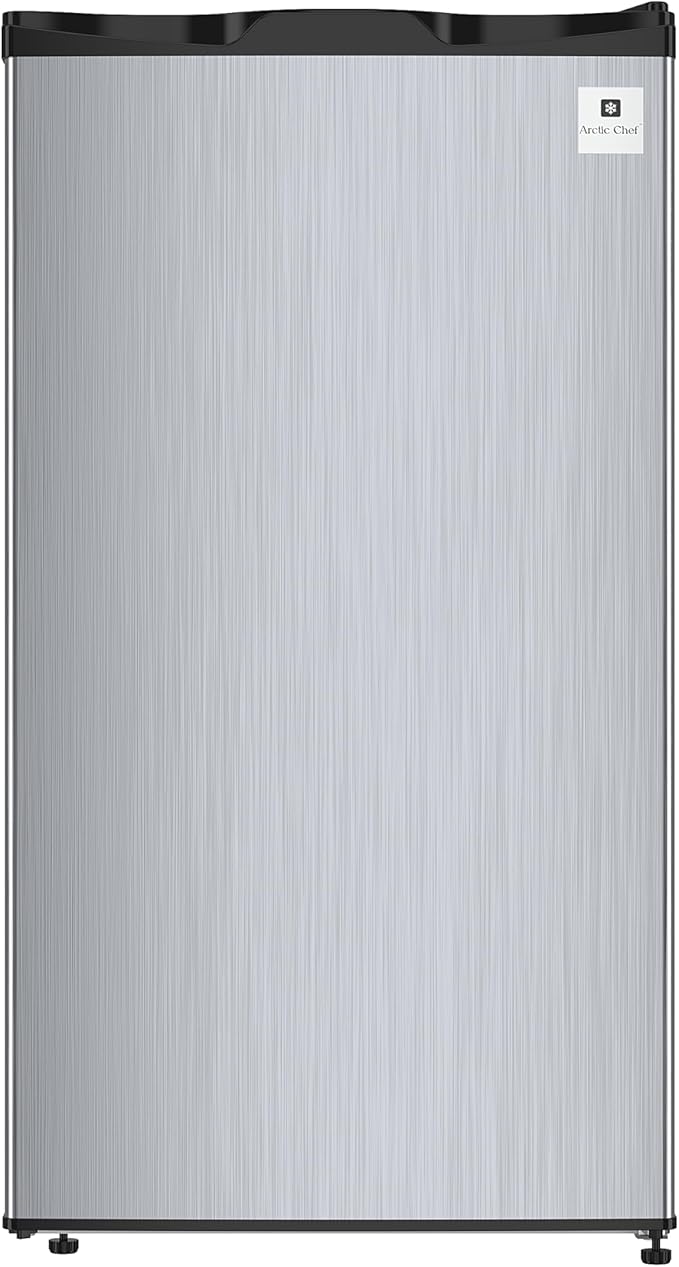
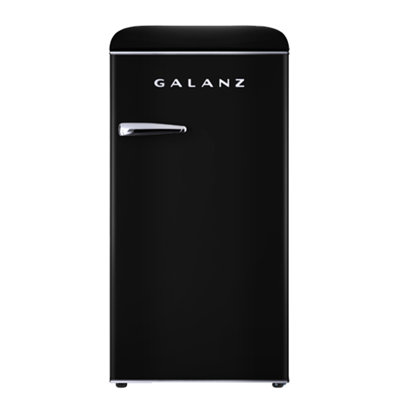
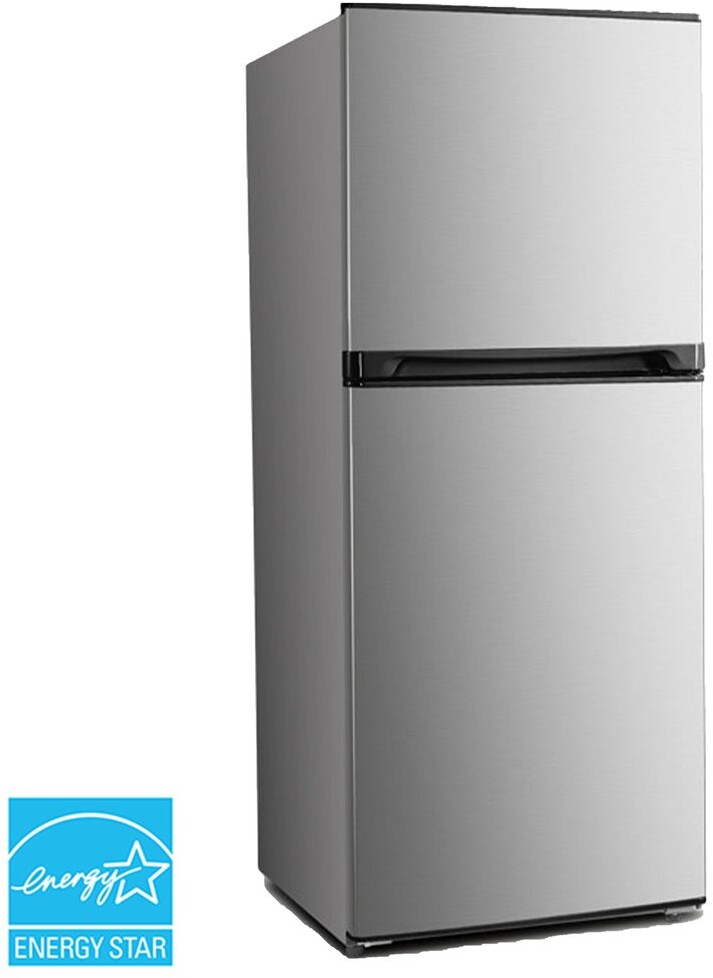
A fridge that operates at or around 20 dB is near the lower limit of what you can detect, meaning it should blend into the background without constant buzzing or humming.
Although 20 dB micro fridges are known to be quiet, there’s always an advantage to keeping the inside mechanics clean.
Let’s tackle some of the most common ones people ask about 20 dB micro fridges.
If you’re moving your fridge, it’s usually recommended to keep it upright to prevent any damage to the compressor or internal fluids.
If you’re searching for a fridge that won’t break the silence of your bedroom or home office, you’ve probably asked yourself some version of this question: how softly does a 20 dB micro refrigerator whisper? After all, noise can be a deal-breaker when you’re looking for an appliance that’s supposed to run quietly in the corner. In this article, you’ll learn what makes a 20 dB micro fridge special, how that noise level compares to everyday sounds, and tips for keeping it even quieter. We’ll also cover practical setup strategies, real-life placements, and answers to a few common questions so you can make an informed decision.
By the end, you’ll feel confident about whether a 20 dB micro refrigerator fits your needs—and how to ensure it stays whisper-soft for years to come.
Understand the decibel basics
To really appreciate how a 20 dB micro fridge can whisper so softly, it helps to know a bit about decibels (dB). A decibel is a unit that measures sound intensity. The higher the decibel number, the louder the noise.
Typical household noise ranges
To put things in perspective, here’s a simple table comparing common noise levels:
Item
Approx. Decibel Level
Rustling leaves
~20 dB
Whispered conversation
~30 dB
Quiet library ambiance
~40 dB
Normal conversation
~60 dB
Vacuum cleaner
~70 dB
Blender at full speed
~90 dB
A 20 dB sound is about as faint as rustling leaves on a calm day—definitely hush-hush territory. Meanwhile, everyday conversation hovers around 60 dB, which is already three times louder in terms of decibel levels.
Why decibel math gets confusing
It’s important to note that decibels use a logarithmic scale, which can be tricky. A 10 dB increase represents a sound that’s roughly twice as loud—so the jump from 20 dB to 30 dB might feel a lot bigger than you’d think. Because of this scaling, a minor difference in decibels can significantly change how you experience everyday noise at home.
Key takeaway
Knowing these measurements helps you understand why “how soft whispers a 20 dB micro refrigerator?” is such an exciting question. A fridge that operates at or around 20 dB is near the lower limit of what you can detect, meaning it should blend into the background without constant buzzing or humming.
Explore the 20 dB advantage
So, what’s the big deal with 20 dB? If you’ve lived with standard refrigerators, you might be accustomed to low humming, periodic clicks, or the occasional hum that kicks in every so often. Although some fridges are quieter than others, typical units can run anywhere from 35 dB to 50 dB. Twenty dB is substantially lower and promises near-silent operation.
Minimal disruption in shared spaces
Imagine placing a micro fridge in your office, dorm, or suite where you want maximum peace. The 20 dB advantage means you can keep your paperwork or online calls going without hearing that hum. In communal living spaces, your friends, family, or coworkers won’t be bothered by any loud cycles kicking in.
Improved sleep and focus
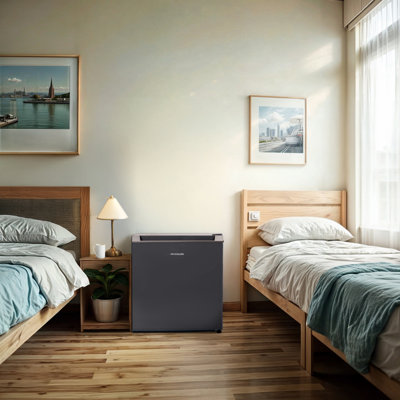
A 20 dB micro refrigerator is practically a dream in a bedroom. If you’ve ever wondered whether keeping a fridge in your sleeping area is a good idea, you might find it helpful to learn more about the potential impact in our post on is it harmful to keep a fridge in a bedroom?. For most people, the real challenge is noise: few things are more distracting than a sudden compressor buzz when you’re trying to sleep. With a 20 dB model, you’re unlikely to notice it at all.
Energy efficiency perks
Sometimes, quieter fridges come with advanced technology designed to make them run more efficiently. Although it’s not a universal rule, modern designs that reduce noise often involve better insulation and improved compressor systems, which can lower energy consumption. Over time, those design elements may contribute to more eco-friendly operation and lower electricity costs.
Now that you know why a 20 dB micro refrigerator stands out, let’s talk about how you can help it achieve peak quiet performance. Even the softest fridge can get noisy if it’s positioned poorly or faces certain environmental issues.
1. Place it on a level surface
One of the easiest ways to keep a fridge quiet is to ensure it’s wobble-free. When a refrigerator sits on uneven floors, the slight tilt can make the compressor vibrate against internal components. It’s like leaving your washing machine off-balance—it’ll keep rattling until it’s properly leveled.
Check your floor with a small bubble level.
Adjust the fridge’s feet if needed, making sure each corner fully touches the ground.
Prevent leaning. Even a gradual slope can introduce vibrations.
2. Allow for proper ventilation
Forgoing adequate airflow around the unit can cause the compressor to work harder, which might ramp up noise. Keep at least a couple of inches between the fridge’s back and the wall—follow the manufacturer’s guidelines for specific clearance directions.
Don’t push the fridge directly against walls or cabinets.
For built-in setups, reserve some breathing room for exhaust.
Consider removing nearby obstacles to promote better airflow.
3. Reduce external vibrations
In many cases, the micro-fridge is only one part of the noise equation. Surrounding items—like metal trays, glass jars, or loose shelves—can amplify vibrations. Placing a small anti-vibration mat under your fridge sometimes helps with this problem.
Check that internal shelves are firmly seated.
Store items so they won’t knock together when the fridge cycles on.
Use rubber mats or coasters under items that might slip.
4. Inspect coils and condenser
Although 20 dB micro fridges are known to be quiet, there’s always an advantage to keeping the inside mechanics clean. Dusty or clogged coils force your fridge to work harder, generating noise in the process. If you’re not sure how to do it, see our tips in how do you clean the condenser coils on the back of a refrigerator?.
Wondering if a 20 dB micro fridge is right for you? Here are practical scenarios in which a near-silent appliance does more than just reduce background noise—it can even be a lifestyle upgrade.
Bedroom beverage station
If you’re tired of late-night treks to the kitchen, a micro fridge stocked with water, tea, or small snacks can save you from stumbling around in the dark. Because it only hums around 20 dB, you might not even realize it’s there as you fall asleep. Quiet nighttime hydration is often a welcome amenity, especially in a guest room or master suite.
Dorm room or shared apartment
Students and young professionals often share space with roommates or neighbors who keep different hours. A micro fridge becomes a personal oasis for storing drinks, meal prep items, or quick bites without disturbing others. With a noise level far below typical fridges, everyone can carry on studying, working, or relaxing.
Home office mini-lunch station
Work-from-home setups have become increasingly common. If you prepare a mini lunch station near your desk, you can save time by keeping everything within arm’s reach. Even if you’re on crucial video calls, the 20 dB fridge hum will stay out of your ears and away from your microphone.
Small business or storefront
Quiet operation in a waiting room or gallery can help maintain a calm environment for customers. Think about eye clinics, spa retreats, or consultancies. A subtle micro fridge for refreshments might boost your business’s hospitality factor without cranking up unwanted noise.
Once you’ve purchased that 20 dB micro refrigerator, you’ll want to keep it running smoothly for as long as possible. Maintenance is relatively simple, but staying on top of a few best practices can preserve the ultra-quiet nature of your fridge.
Set an appropriate temperature
Overcooling can strain the compressor, producing unexpected noises. Check the recommended settings. If you only need moderate chilling, dial the thermostat to a middle or slightly higher temperature. That approach helps your fridge run less often, staying quieter and saving power.
Clean interior and seals
A neat interior helps airflow and prevents odors that might cause you to open and close the fridge more often, overworking the unit. Additionally, dirty or cracked seals around the door can force the compressor to run extra cycles. Wipe them down periodically with mild soap and water, then dry well.
Keep coils dust-free
Even minimal dust can affect performance over time. Gently vacuum the back of the fridge or use a soft brush to remove residue on coils. If your fridge has an accessible condenser, follow the manufacturer’s manual or refer to our guide on how do you clean the condenser coils on the back of a refrigerator?. This quick routine can be done twice a year.
Position it away from heat sources
Your micro fridge may remain quiet and efficient in most scenarios, but placing it right next to a radiator, stove, or large window with harsh sunlight can increase its workload. The extra heat around the fridge means it must compensate by running longer cycles. That typically raises your electric bill and might create more noise.
Compare with standard fridges
It’s one thing to know that 20 dB is about as quiet as leaves rustling outside your window. But how does that compare with typical kitchen refrigerators or even other mini fridges?
Feature
Typical Mini Fridge
20 dB Micro Fridge
Noise Level
~35 dB – 45 dB
~20 dB
Power Consumption
Medium
Low–Medium
Physical Size Options
Various
Smaller range
Best Use Case
Dorms, offices
Bedrooms, labs, ultra-quiet spaces
While a standard mini fridge might be decently quiet, it rarely competes with 20 dB. That difference in decibels can be the tipping point between noticing a constant humming presence vs. forgetting you have a fridge in the area altogether.
You’ve made it this far, which means you probably have a few specific questions swirling in your mind. Let’s tackle some of the most common ones people ask about 20 dB micro fridges.
Is a 20 dB fridge truly silent?
No fridge is 100% silent, but 20 dB is extremely low. Imagine being in a secluded spot outside, with leaves softly rustling in a gentle breeze. You might have to speck out the faint hum if you really focus, but it’s barely audible in everyday life.
Can I transport the fridge on its side?
If you’re moving your fridge, it’s usually recommended to keep it upright to prevent any damage to the compressor or internal fluids. Still, sometimes you have no choice but to tip it. If so, check out our article will i damage my fridge if i transport it on its side? for guidelines on how to do it more safely and reduce potential issues.
Do I need to wait before plugging it in?
There’s another question folks ask: do you have to wait 24 hours before plugging in a mini fridge? The answer depends on how the fridge was handled during transport. You might find helpful details in our post on why do you have to wait 24 hours to plug in a mini fridge?. Generally, allowing the internal fluids to settle helps avoid damage when you first power it on.
Does a 20 dB fridge offer enough storage?
Micro fridges target a smaller capacity range. They’re meant for minimal items: a few drinks, small snack containers, or a day or two’s worth of perishable groceries. If you need more storage for a specialized diet—like a paleo meal plan—check out the best compact refrigerator for paleo diet. It’s a great resource for people who need more space without giving up too much quiet.
Are there special placement guidelines?
Aside from keeping it level and giving it some breathing room, you don’t need special hookups unless you’re looking at unusual setups like off-road usage (in which case you might read about which off road fridge rides on oversized tread wheels?). For home usage, standard caution about moisture, heat sources, and vents applies.
Living with a whisper-quiet fridge sounds amazing, right? But even a 20 dB unit might give off an occasional hum if you ignore basic best practices. Here is a quick list to keep your experience hassle-free:
Maintain a steady power source: Fluctuating voltage can cause odd noises.
Stock it mindfully: Avoid cramming items so the airflow stays unobstructed.
Clean spills swiftly: Sticky messes can degrade the interior, and leftover residue might create odor or mild vibrations when the compressor runs.
Listen for changes in routine operation: Sudden unfamiliar sounds could indicate a mechanical or leveling problem.
Use it in creative ways
You might picture a micro fridge in a dorm or bedroom, but don’t overlook creative placements. Consider these fun options:
Personal coffee bar: Store milk, creamers, and cold brew fixings in a hush-quiet micro fridge near your coffee maker.
Art studio companion: Keep beverages and quick snacks on hand while you’re in the creative flow, plus minimal chance of distracting vibrations.
Backyard shed hideout: If you have a reading or craft nook away from the main house, a 20 dB micro fridge can provide cold drinks without jarring your solitude.
In-law suite: Visitors appreciate easy access to refreshments. If you have relatives or friends staying over, they won’t be bothered by midnight compressor noises.
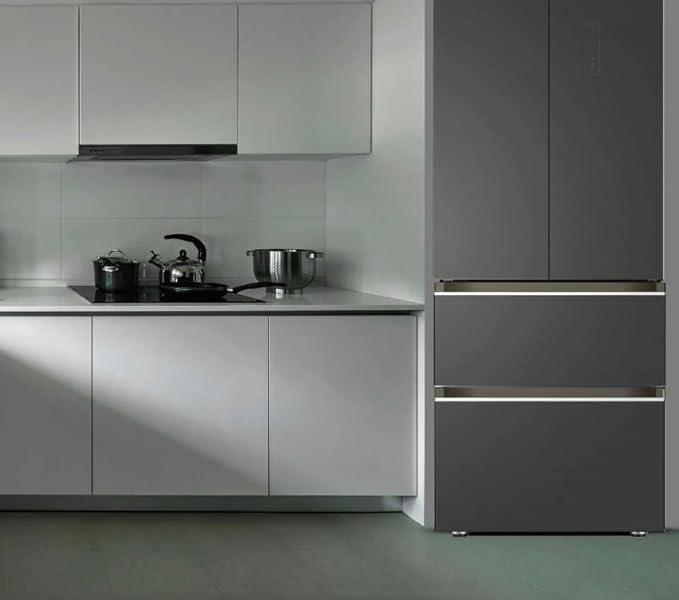
As wonderfully quiet as a 20 dB micro unit is, sometimes you need more capacity or specialized features like dual cooling systems. Maybe you want a fridge that’s flush beside cabinets, or you’re exploring the which slim refrigerator mounts flush beside tall pantry? idea. A larger full-size fridge often makes sense for big families or frequent entertainers who simply can’t fit everything into a micro model.
And if you’re juggling big grocery loads every week, consider checking out 12 – 20 cubic feet refrigerator sizes. They can offer the sweet spot between a large capacity and moderate noise levels.
Even at 20 dB, you might occasionally notice a soft whir or hum. Here’s a quick table to help you diagnose common minor noises:
Symptom
Possible Cause
Quick Fix
Soft rattling when compressor starts
Loose shelf or item vibrating
Rearrange items, secure shelves
Gurgling or bubbling sounds
Refrigerant fluid moving in coils
Normal operation, unless excessively loud
Click or pop noises
Temperature-controlled components
Often normal as fridge cycles on/off
Loud hum during heatwave
Compressor working overtime
Improve ventilation, lower room temp if possible
Usually, these noises are short-lived and part of normal operation. As long as they remain minimal, your fridge is likely functioning fine.
Consider a backup plan
If you live in an area prone to power outages or just want extra peace of mind, you might explore something like a battery backup for refrigerator. A micro fridge doesn’t pull too much power, so a compatible backup system can keep your drinks cool during sudden blackouts without a huge energy drain. That’s especially helpful if you’re storing medication or other essentials that must remain cold.
So, how softly can a 20 dB micro refrigerator whisper? Very softly—nearly undetectable for most people’s day-to-day hearing. Whether you’re seeking a fridge for your bedroom, office, or a quiet corner in your living space, a 20 dB micro unit offers peace-of-mind chilling without the typical hum.
A 20 dB noise level is comparable to rustling leaves.
Proper setup ensures that even a whisper-soft fridge stays quiet.
Regular maintenance helps maintain efficiency and low noise performance.
Creative placement can transform how you enjoy quick refreshments or store special items.
If you need extra capacity or advanced features, explore larger models or specialized designs.
Ultimately, the gentle operation of a 20 dB micro refrigerator can boost your comfort, reduce distractions, and make life just a bit simpler. Give it a try, and if you have any lingering questions, feel free to check our links or explore other resources on the site. Enjoy your refreshingly quiet new fridge!
Frequently Asked Questions
No fridge is 100% silent, but 20 dB is extremely low. Imagine being in a secluded spot outside, with leaves softly rustling in a gentle breeze. You might have to speck out the faint hum if you really focus, but it’s barely audible in everyday life.