If you’re keen on storing perishable items like dairy or cooked leftovers, double-check that you can maintain a safe food-storage temperature (typically below 40°F for refrigeration).
Wine lovers, for instance, can store bottles at about 55°F in one zone, while soda fans might want a cooler 38°F environment in the other.
The more precise the thermostat, the better you can dial in your ideal temps.
If you suddenly crank the temperature from 45°F down to 34°F, the fridge may overwork, raising your electric bill and wearing out the compressors.
Whether you’re setting up a cozy entertainment nook in your family home or stocking drinks for the office, you’ve probably wondered which beverage fridge runs dual independent cooling circuits. That question matters more than you might think. Beverage fridges are all about chilling everything from canned sodas to crisp white wine, often in the very same compartment. But controlling each type of drink at an ideal temperature can be tricky without the right technology. That’s exactly where dual independent cooling circuits step in to save the day.
A fridge with two separate cooling systems allows you to keep each zone at a precise setting. Wine lovers, for instance, can store bottles at about 55°F in one zone, while soda fans might want a cooler 38°F environment in the other. It’s like having separate mini fridges without doubling the floor space. Below, you’ll find guidance on why dual cooling matters, how to spot a truly effective model, and how to keep your fridge running smoothly for years. Ready to dive in? Let’s open the door on dual-cooling beverage fridges.
Understand dual cooling systems
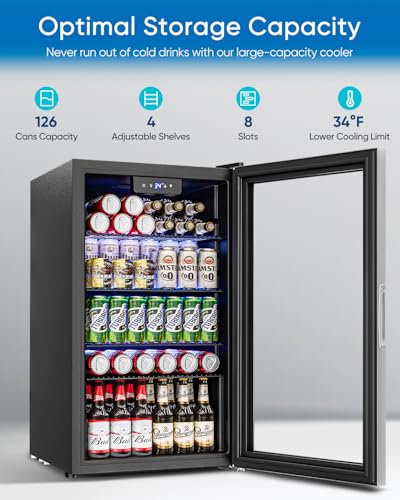
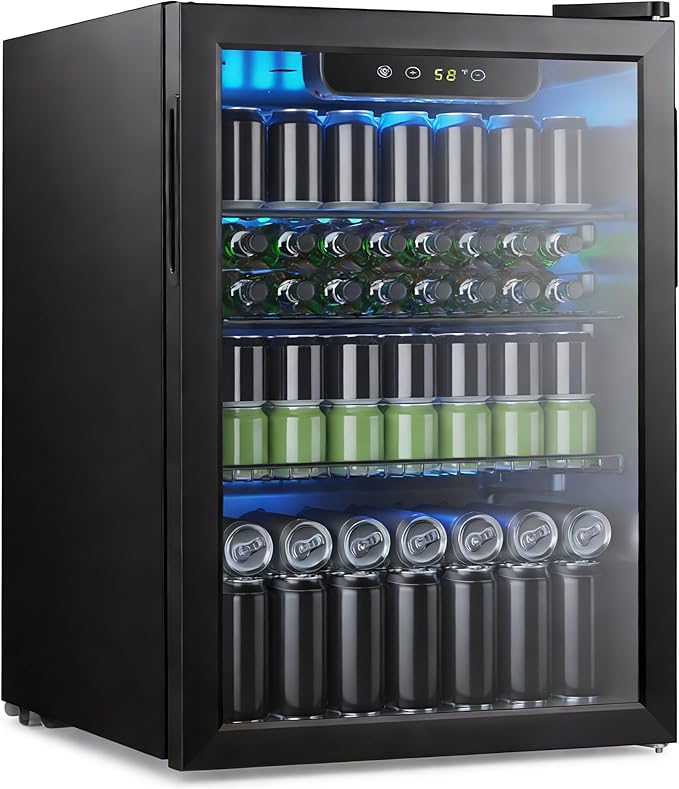
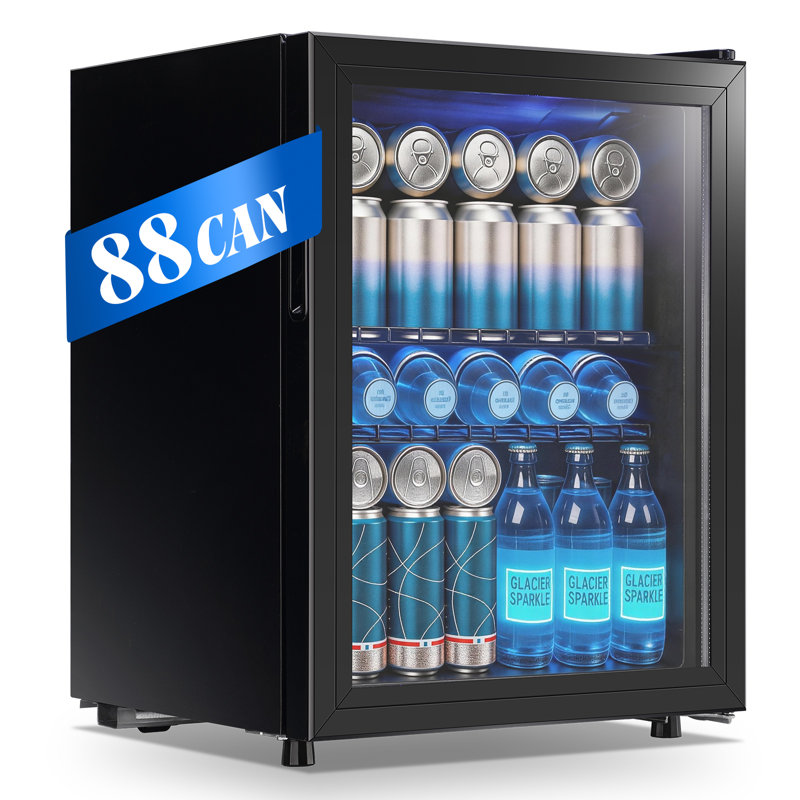
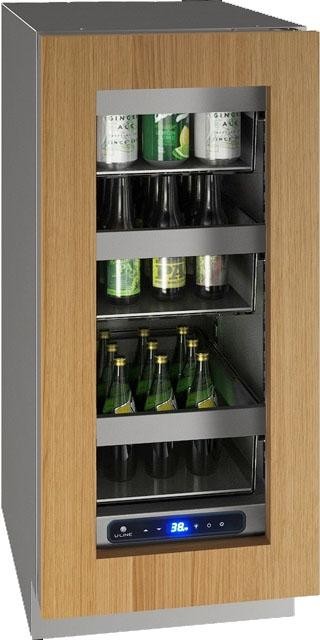
Let’s be honest, beverage fridges are no longer a simple “box that keeps your drinks chilled.” Today’s models often come with advanced features that help you maintain the quality and flavor of your cherished refreshments. At the heart of many premium options is the dual independent cooling design. This setup basically splits the fridge into two separate zones and gives each its own thermostat and cooling fan.
How dual circuits differ from a single system
A traditional single-zone beverage fridge uses one cooling circuit to manage temperature throughout the entire cabinet. That’s fine if you’re only storing one type of drink, say just beer or just soda. But if you’re trying to keep your wine from going too cold (and losing flavor nuances) while ensuring your bubbly water doesn’t end up too warm, a single setting can be limiting.
Dual independent circuits mean each zone gets its own dedicated airflow and temperature control. It’s not just about having two compartments. The real magic is in physically separating the cooling process so one section doesn’t crank up or sabotage the other. The result? Way more consistent and precise temperatures all around.
Who benefits from dual cooling
Wine enthusiasts who want to store reds and whites separately.
Families who need a flexible fridge to please everyone’s beverage preferences.
People who entertain often and serve a range of drinks at different temperatures.
Home chefs who occasionally chill specialty items like dairy or charcuterie.
If any of these scenarios apply to you, a dual-cooling fridge might be the perfect kitchen companion.
Recognize signs you need dual cooling
You might be thinking, “Okay, so it’s a fancy feature, but do I really need it?” Let’s walk through common indicators that a single-cooling beverage fridge is no longer up to the job.
Warm drinks or stagnant air
Are your sodas coming out noticeably warmer than you’d like, even when you dial down the thermostat? That’s often a sign of compromised airflow. A single-zone fridge can struggle to circulate air evenly, especially if items are stacked tightly against the vent. In contrast, dual circuits help each chamber maintain a stable, cool environment without you needing to shuffle items around.
Frequent temperature or climate changes
Another giveaway is when you open the door for a quick soda, and the fridge’s temperature plummets for everything inside. With independent cooling, factors impacting one zone don’t necessarily affect the other. So, if your top shelf houses red wine, you won’t risk sending it into an arctic freeze just because you grabbed a can from the lower shelf.
Energy-hungry or noisy operation
If your older beverage fridge cycles on and off a lot (causing that extra-loud hum) or sees big spikes in your utility bill, consider a more efficient design. Modern dual-circuit models often use better compressors and insulation. That translates to less power consumption and more consistent results, not to mention less racket in your kitchen.
Compare single-zone and dual-zone fridges
Before you decide on one type over the other, it helps to compare how single-zone fridges stack up against dual-zone beverage fridges. Here’s a quick table summarizing the main differences:
Feature
Single-Zone Fridge
Dual-Zone Fridge
Temperature Control
One thermostat for the entire compartment
Dedicated thermostat (and cooling system) per zone
Ideal For
Single flavor or beverage type
Multiple drinks (especially if temperature varies)
Costs
Generally lower initial investment
Higher initial cost, but potentially more versatile
Best Usage Scenario
Basic beverage chilling (like a dorm fridge)
Households or offices with varied drink preferences
While single-zone fridges do have their place, dual-cooling fridges can be game-changers when you want to keep different drinks at their “just right” temperature.
Features to look for in a dual-cooling beverage fridge
So, you’re sold on the concept of dual independent cooling circuits. Great. But not all dual-zone fridges are created equal. Here’s what to put on your checklist.
Smart thermostats and digital displays
The more precise the thermostat, the better you can dial in your ideal temps. Digital displays make it easy to confirm the current temperature at a glance. Some advanced models even offer smartphone connectivity, so you can tweak the temperature without getting off the couch. Handy for those moments when you just realized your white wine might be too warm before guests arrive.
Separate doors or double-pane glass
If you really want to prevent temperature crossing between zones, look for a fridge with separate doors for each compartment. That way, you only let warm air into one section at a time. Double-pane or triple-pane glass helps too. It maintains insulation and reduces condensation, especially important if you live in a humid climate.
Flexible shelf placement
A fridge might say it has two compartments, but if it forces you to cram tall bottles on one shelf and short cans on another, that can be frustrating. Adjustable shelving is a lifesaver. You can tilt or shift shelves around to accommodate big bottles, small snack trays, or anything else you might want to pop in there. To see an example of user-friendly flexibility, you might check out a guide like best beverage cooler for a small kitchen for ideas on optimal configurations.
Quiet operation
We often place beverage fridges in spots like living rooms, offices, or open-concept kitchens—places where noise stands out. Shrieking compressors probably aren’t on your wish list. Modern dual-zone units usually feature quieter, low-vibration designs. So, do keep an eye out for decibel ratings or references to decibel levels in the product specs. You can also learn more about silent fridge designs in resources like how soft whispers a 20 db micro refrigerator?.
Sturdy build quality
Durability is key, especially if you expect heavy daily use. Think about door hinges, shelf materials, and overall construction. Well-made beverage fridges often include details like stainless-steel door frames and easy-to-grip handles. You want something that can handle frequent opening and closing—especially if you’ll have thirsty teenagers or curious co-workers rummaging around.
Maintain your beverage fridge in top shape
Having a top-of-the-line dual-zone beverage fridge is awesome, but it’s not exactly a set-it-and-forget-it appliance. Proper care goes a long way, and the good news is, it’s easier than you think.
Regular inspection of condenser coils
Condenser coils help release heat from inside the fridge to the outside environment. Over time, these coils can get dusty or blocked, which reduces efficiency and raises your energy bills. Plan to clean them every three to six months, or follow the steps in how do you clean the condenser coils on the back of a refrigerator? for a simple rundown.
Optimal spacing and ventilation
Even if dual independent cooling circuits keep the inside environment balanced, your fridge still needs to breathe. Make sure you leave a few inches of clearance around the back and sides. This room for air circulation helps the unit run at its best. Crowding it in a corner or pressing it flush against the wall can trap heat, forcing the cooling systems to work harder (and louder).
Adjust temperature gradually
If you suddenly crank the temperature from 45°F down to 34°F, the fridge may overwork, raising your electric bill and wearing out the compressors. Instead, make small increments of a few degrees over time. This helps both the fridge and your drinks adjust. For day-to-day usage, keep the compartments within recommended ranges. For instance, sparkling beverages can do well around 38°F, while red wines generally prefer a zone above 50°F.
Periodic defrosting (if applicable)
Most beverage fridges today are frost-free, but some older or more budget-friendly versions can accumulate ice. If your model includes a defrost cycle, follow the instructions to prevent buildup. Ice can crowd the coils, blocking airflow and decreasing efficiency.
Dual independent cooling circuits are the star of the show, but they’re not the only highlight. Below are some extra features that elevate your fridge from nice to must-have.
Smart home integration
If your fridge can sync with apps or work with voice commands, you can get notifications when the door is left open. Some advanced beverage fridges might even track your inventory. If you’re big on convenience, this feature is a fun gadget to have. Just make sure the technology is user-friendly and doesn’t require complicated set-up.
CO2 or kegerator kits
Planning to serve beer on tap? Some beverage fridges come with specialized compartments for mini kegs and CO2 canisters. If you’d prefer that route, you might also be curious about a resource like best apartment kegerator, which explores how to serve fresh draft beer in tight spaces.
UV-protected glass
For long-term wine storage, UV rays can degrade the tannins and overall structure of your wine. UV-protected glass on the fridge door filters out harmful light, preserving flavors. It’s a minor detail, but if you’re serious about wine, consider it a must.
While dual independent cooling is fantastic, no single product is perfect for everyone. Here are a few considerations:
Price point: Dual-zone beverage fridges with high-quality compressors and advanced tech can cost more than standard single-zone models. If your budget is tight, you might weigh whether you really need dual circuits.
Space requirements: Some dual-cooling fridges are larger or require extra ventilation to fit properly. Double-check your available floor area and clearance needs.
Maintenance demands: With two cooling circuits, there’s a bit more to maintain. Be sure you understand the recommended cleaning and upkeep schedule for a dual-zone design.
When single-zone might suffice
Even if you want top-of-the-line features, it’s good to ask if anything else could fulfill your needs. A single-zone beverage fridge might be enough if you tend to drink only one type of beverage at roughly the same temperature. If you’re super into craft beer, for instance, and don’t typically store white wines or sodas, a single-zone might be perfectly fine. In short, know your usage patterns before investing.
Yes, you absolutely can, but proceed with caution. Beverage fridges often have a slightly different temperature range than standard models. If you’re keen on storing perishable items like dairy or cooked leftovers, double-check that you can maintain a safe food-storage temperature (typically below 40°F for refrigeration). Some folks even store produce or leftover pizza in their second zone. Just make sure the zone is truly cold enough to keep food fresh. Also, if you ever wonder which drawer holds pizza boxes perfectly flat, check out this reference.
Do dual-cooling circuits convert one zone into a freezer?
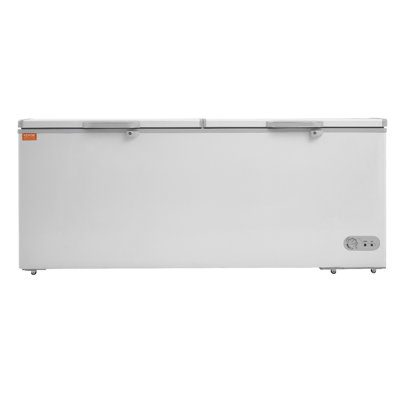
Generally, no. A genuine dual-cooling beverage fridge typically focuses on refrigeration temperatures in both zones, not freezing. That said, some models might dip one zone close to freezing. Just remember, it’s designed for beverages and light snacks, not to function as a full-blown freezer. If you need a real freezer, you might browse dedicated freezer solutions like kitchen appliances deep freezer.
How much does energy usage vary?
Dual-zone units can use slightly more energy than single-zone fridges, but modern designs are surprisingly efficient. Look for ENERGY STAR ratings or check the product’s annual kilowatt-hour usage to gauge how it’ll affect your bills. In the long run, the difference might be minimal, especially if you’re mindful of ventilation and practice good maintenance.
What about noise levels?
Every fridge makes some noise, but advanced dual-zone models often feature quieter, variable-speed compressors. If you’re sensitive to humming, look for decibel ratings that hover in a low or moderate range. Placing the fridge on a mat or rug can help reduce vibrations, though always ensure you’re not blocking the bottom vents.
Is a dual-cooling beverage fridge better for wine storage than a dedicated wine fridge?
If your primary concern is proper wine aging or long-term storage, a dedicated wine fridge still might be your best bet. However, if your lifestyle calls for a more versatile approach—chilling soda, beer, water, and wine all side by side—a dual-cooling beverage fridge gives you the flexibility you need. For deeper insight into wine-specific storage, feel free to check out resources like wine fridge recommendations or what are the pros and cons of a wine fridge?.
Key takeaways
Identify your drink needs: If you love variety, a dual-cooling fridge might be your best friend.
Understand the technology: Dual independent cooling circuits give each zone true temperature control, preventing flavor compromises.
Compare features: Look for digital controls, quality insulation, adjustable shelving, and quiet operation.
Plan maintenance: Clean condenser coils, confirm ventilation space, and consider labeling or grouping items.
Balance budget and convenience: You’ll pay more up front, but the flexibility may be worth it if you store diverse drinks.
Finally, if you're still on the fence about which beverage fridge runs dual independent cooling circuits, remember that your choice should align with your lifestyle. Think about how you entertain, what beverages you go through the fastest, and how precise you want those temperatures to be. You may find it’s well worth investing in a dual-circuit design that keeps your sodas bubbly, your craft beers fresh, and your wines at peak taste—all in one handy unit.
Try checking out dual-cooling models in person if you can, or browse reliable online reviews. In the meantime, enjoy your perfectly chilled drinks, and when your friends ask why everything tastes so crisp, you can let them in on your new kitchen secret. Cheers to that!
Frequently Asked Questions
Yes, you absolutely can, but proceed with caution. Beverage fridges often have a slightly different temperature range than standard models. If you’re keen on storing perishable items like dairy or cooked leftovers, double-check that you can maintain a safe food-storage temperature (typically below 40°F for refrigeration). Some folks even store produce or leftover pizza in their second zone. Just make sure the zone is truly cold enough to keep food fresh. Also, if you ever wonder which drawer holds pizza boxes perfectly flat, check out this reference.