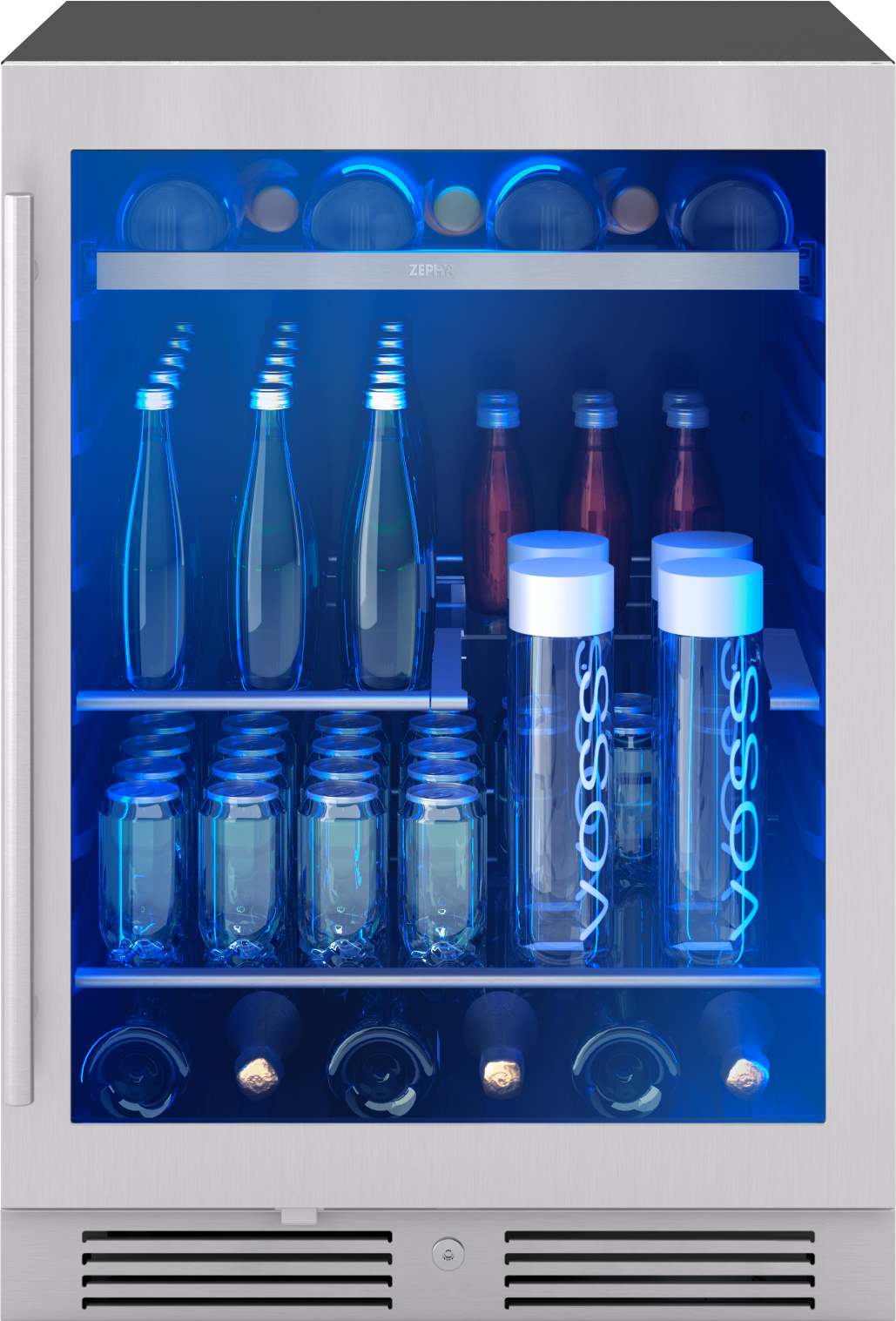
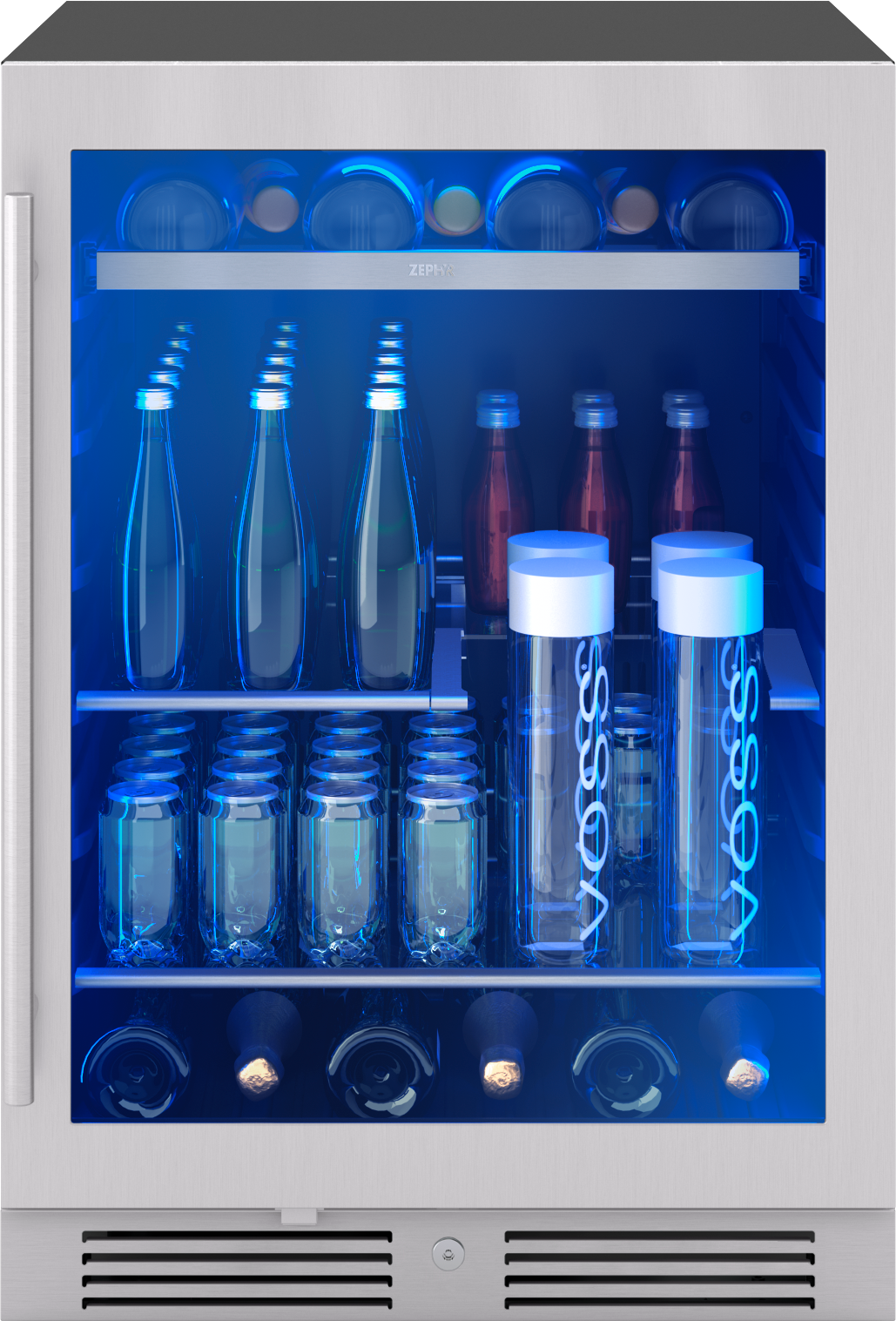
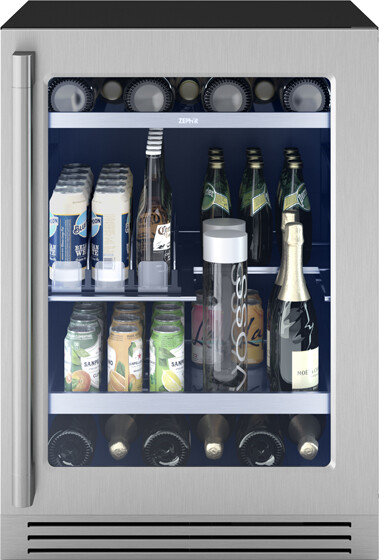
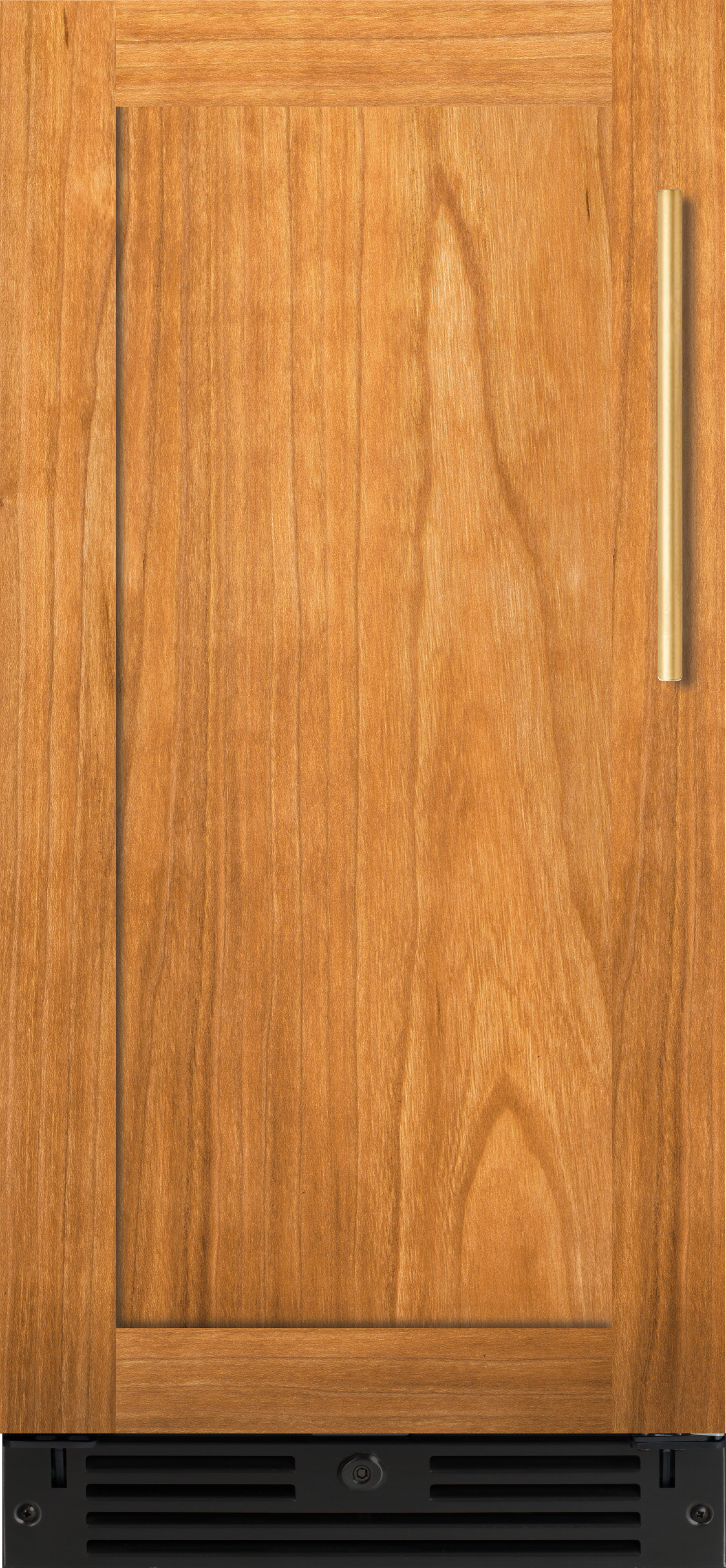
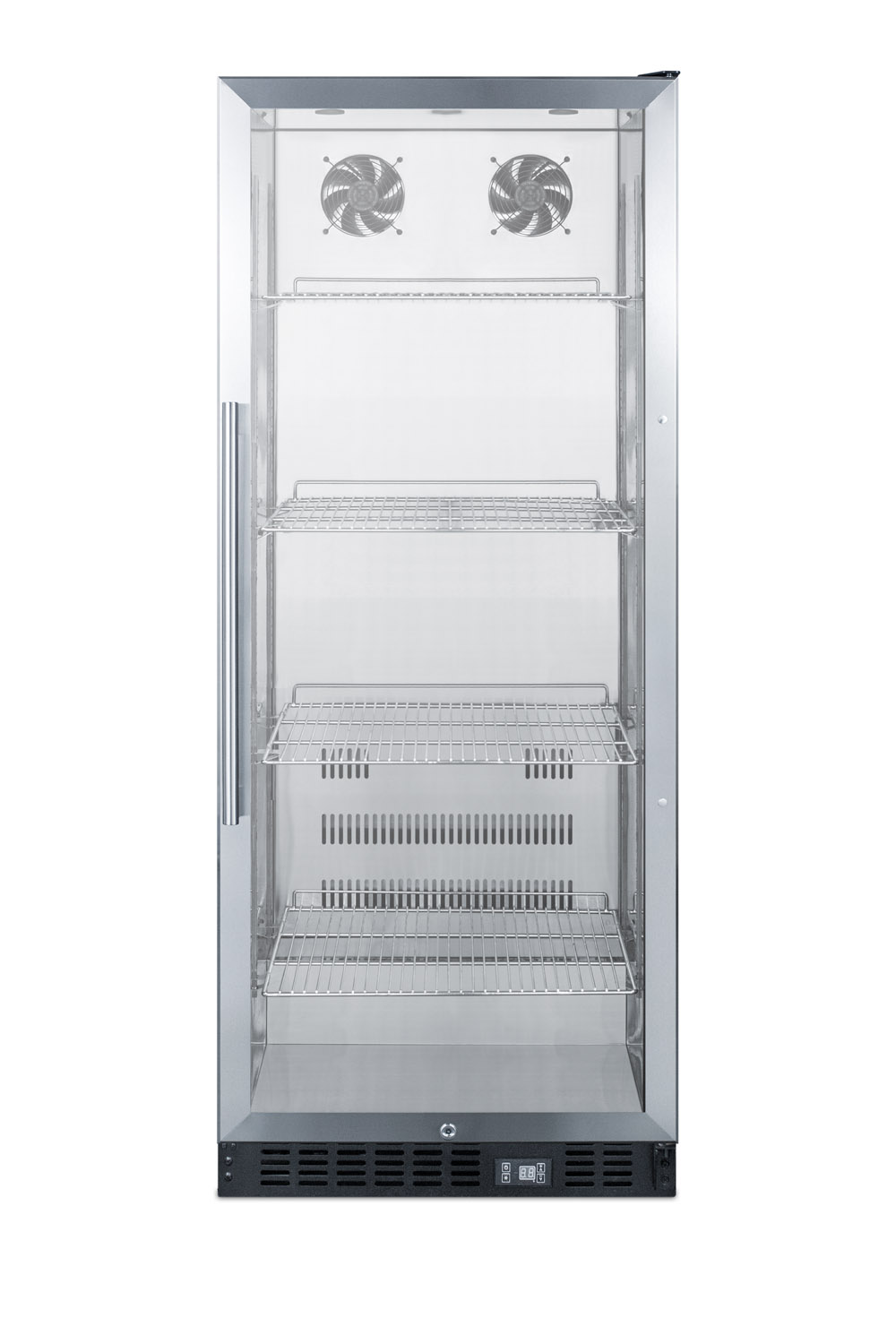
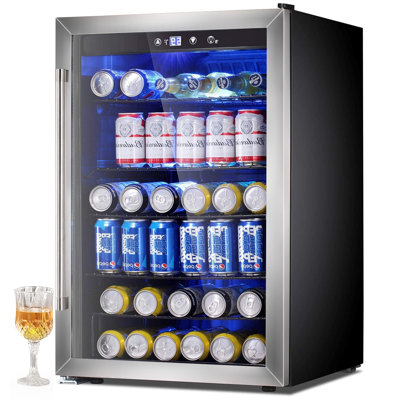
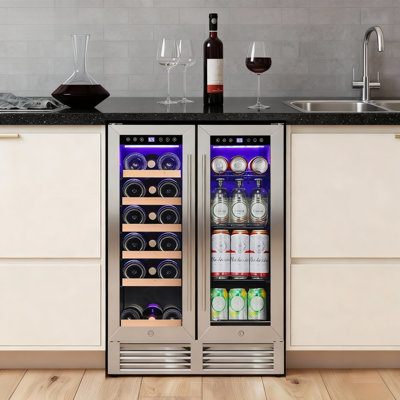
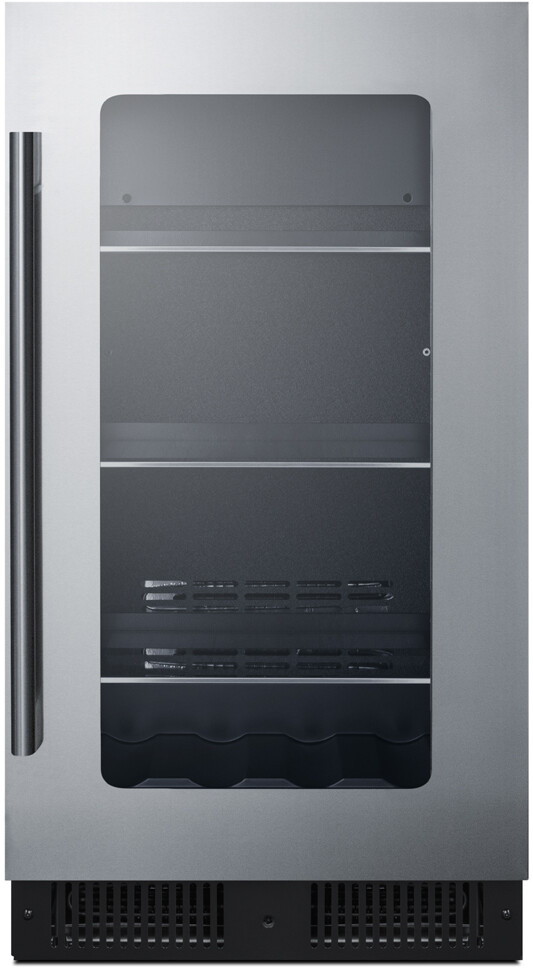
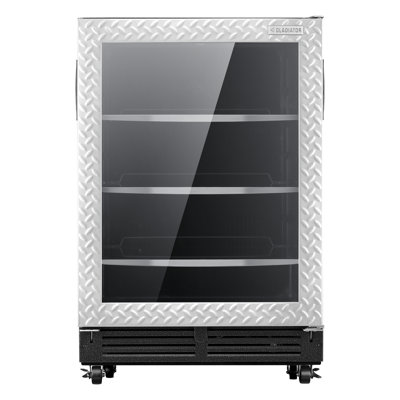
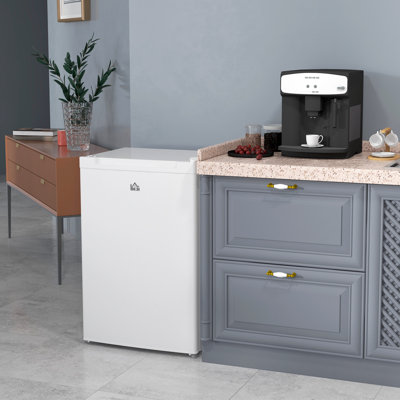
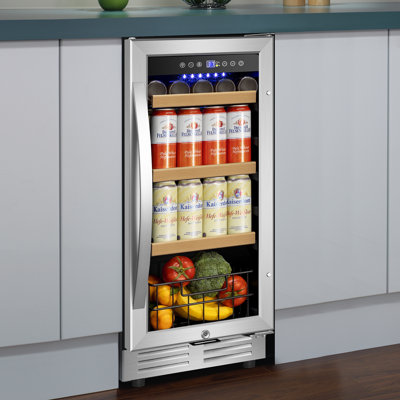
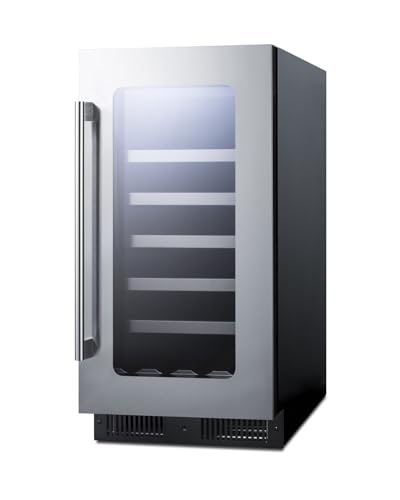
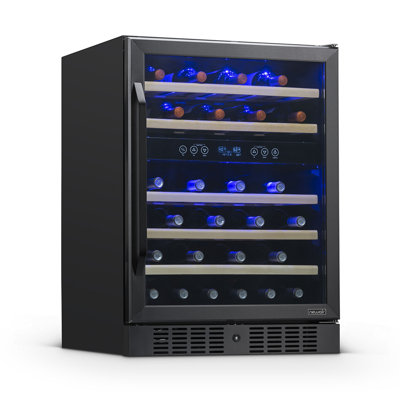
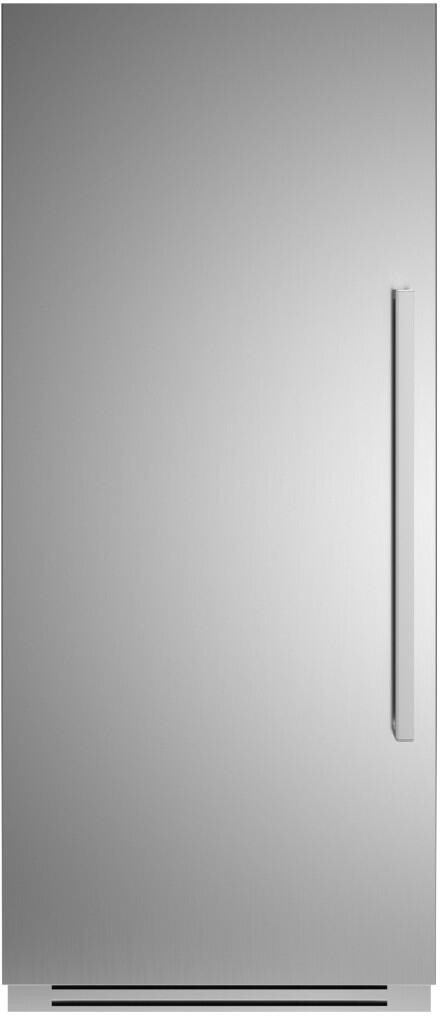
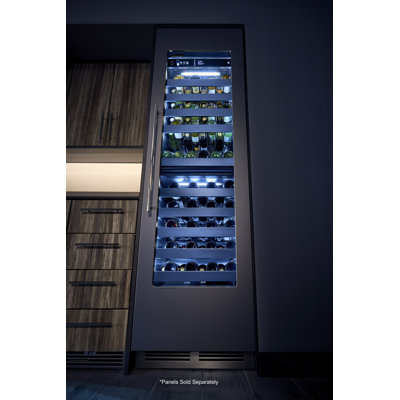
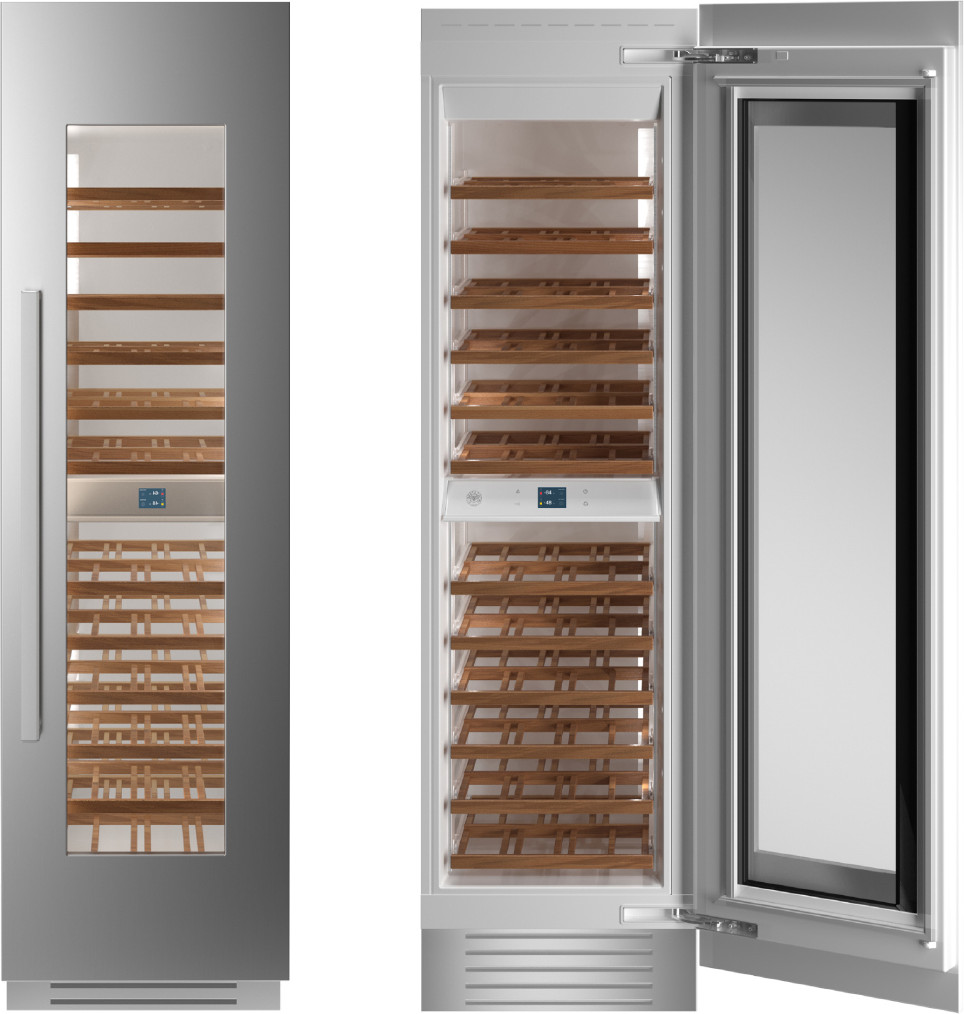
Unlike a standard kitchen fridge, which is usually set around 37°F (3°C), a wine fridge preserves your bottles at a gentler coolness.
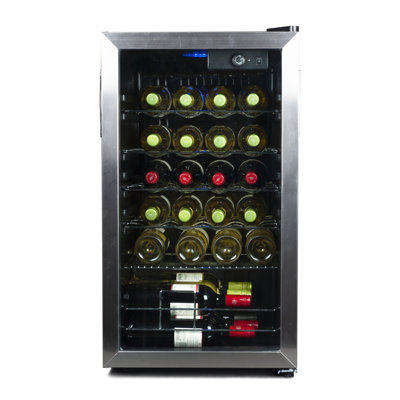
If you haven’t seen one up close, a wine fridge (often called a wine cooler) is a compact or mid-sized unit that stores bottles at around 45°F to 65°F (7°C to 18°C).
They’re typically lightweight, fit under counters, and are ideal if you’re tight on space.
Initial price range
Entry-level wine fridges might start around $150 to $200 for small capacities.
Are you trying to figure out what are the pros and cons of a wine fridge? Maybe you love hosting dinner parties, or you simply want a dedicated space to keep your favorite bottles in prime condition. A wine fridge is a specialized appliance designed to maintain steady temperatures and humidity levels, giving your vino the best environment to flourish. But before you decide, let’s explore the trade-offs together. Below, you’ll find the big perks, the potential downsides, and helpful tips to guide your choice.
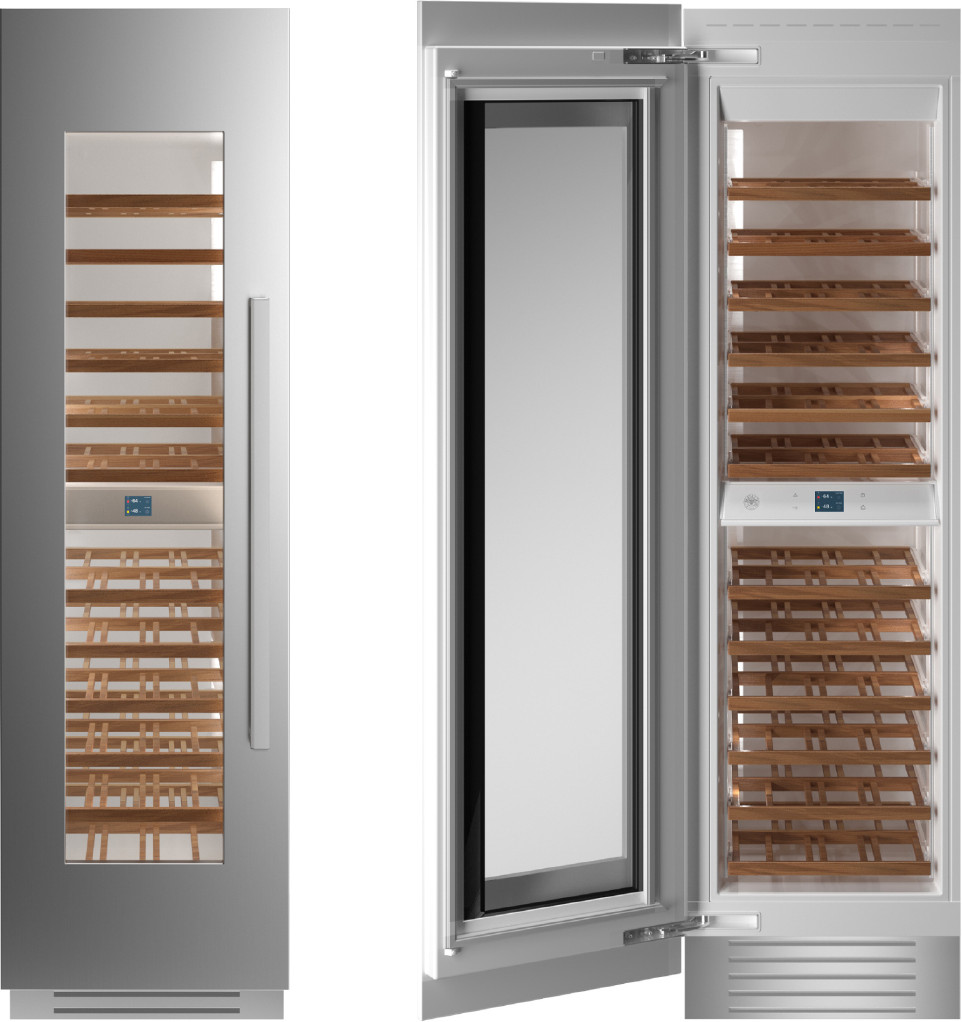
If you haven’t seen one up close, a wine fridge (often called a wine cooler) is a compact or mid-sized unit that stores bottles at around 45°F to 65°F (7°C to 18°C). Some models have temperature zones, so you could keep whites chilled at one level and reds at another. Unlike a standard kitchen fridge, which is usually set around 37°F (3°C), a wine fridge preserves your bottles at a gentler coolness. That helps flavors evolve more naturally over time.
Wine fridges also maintain a higher humidity level than regular refrigerators. Why does that matter? Well, dry air can shrivel or crack corks, letting oxygen creep into your wine. When that happens, your beloved bottles risk oxidation or spoilage. A wine fridge mitigates this with humidity control, so you can store your wine thoughtfully.
Let’s start with the biggest upsides of investing in a wine fridge. If you regularly buy or collect wine, you’ll likely benefit from more control and convenience, along with a few other perks.
Protects wine quality
A consistent temperature is key. By safeguarding your bottles from wide temp swings, you help maintain aromas and flavors. This is especially helpful if you store more expensive labels that need gentle care.
Saves kitchen fridge space
You no longer have to jam wine bottles in the door racks or awkwardly angle them between leftovers. Your standard fridge remains available for your usual groceries.
Impresses and entertains
If you enjoy hosting, a wine fridge stands out when you offer your guests a perfectly cooled bottle. It’s a small luxury that can instantly elevate a gathering.
Multiple configurations
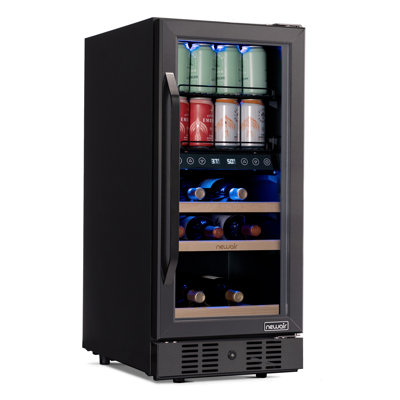
Many wine fridge models feature adjustable racks or dual zones. You can keep white wines in one zone and reds in another, each at the ideal serving temperature.
Easy to place anywhere
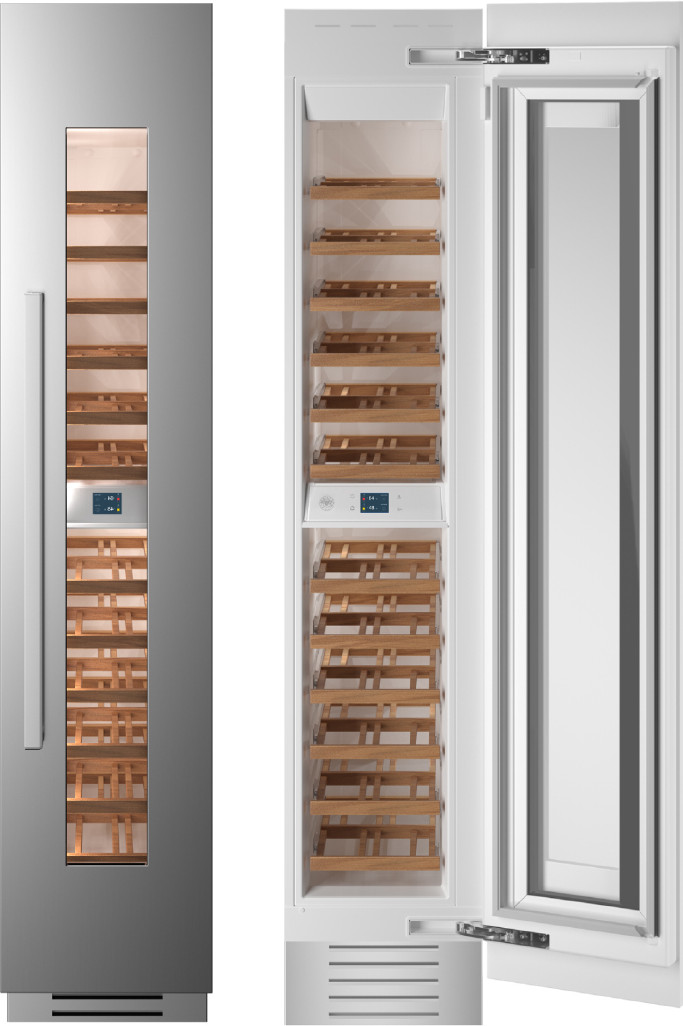
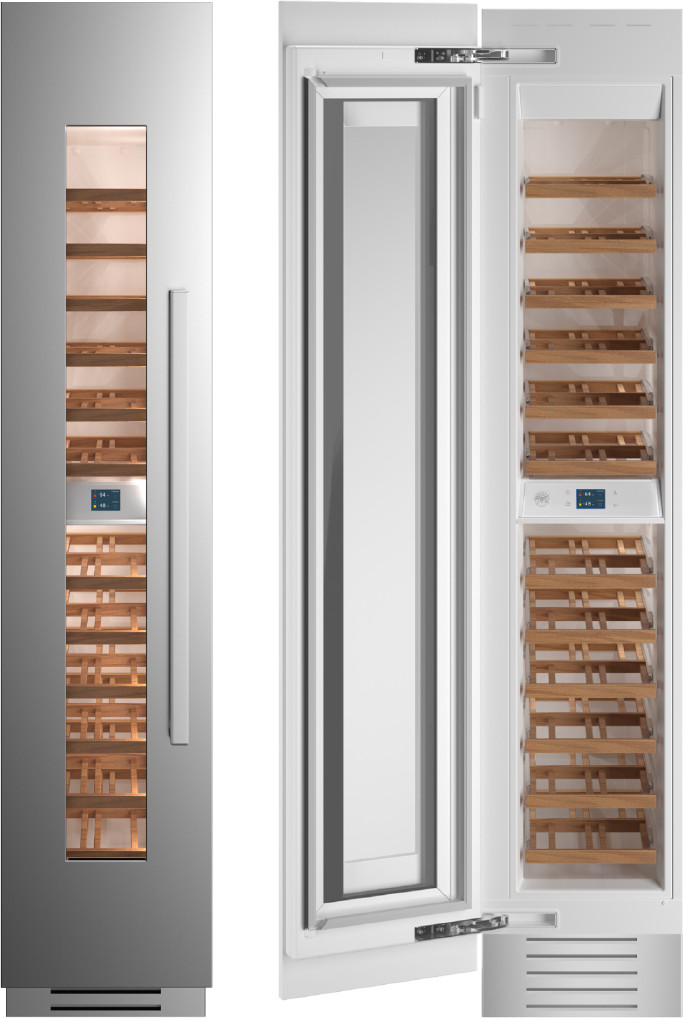
Compared to a large kitchen fridge, wine fridges come in multiple sizes, from skinny built-ins to mini free-standing units. You can tuck one into a narrow kitchen nook or dedicate a corner of your lounge.
On the flip side, a wine fridge can pose a few challenges. Here are the most common concerns you’ll want to consider.
Additional appliance cost
A wine fridge is an extra purchase, and higher-end models can get pricey. Plus, they consume electricity (though not typically as much as a full-sized refrigerator).
Limited versatility
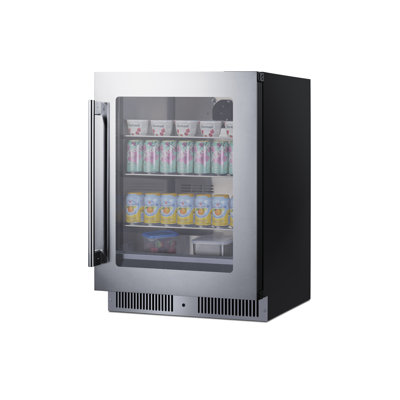
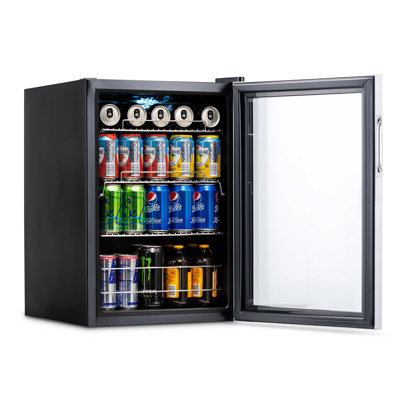
Unlike a standard fridge, a wine fridge is mainly for wine. In a pinch, you could store bottled drinks or a few beers, but that’s not really its intended design. If you need flexible storage for everyday foods, you might prefer a best beverage cooler for a small kitchen or simply your regular fridge.
Ongoing maintenance
You’ll need to keep it clean and occasionally defrost it (if it’s a compressor model). Dust or grime on the ventilation can reduce efficiency, so you’ll want to do basic upkeep.
Requires floor space
Even a compact wine fridge takes up precious square footage. If you have limited room, you may need to do some rearranging to accommodate it.
Temperature fluctuations
Cheaper or poorly insulated wine fridges can let outside heat creep in, creating temperature swings inside. Additionally, if the unit sits in direct sunlight or a very warm room, it might have trouble maintaining a steady temperature.
Dig into size and capacity
When you hunt for a wine fridge, capacity is crucial. Think about how many bottles you want to store and whether you expect that number to grow:
Compact models: Often hold 6 to 20 bottles. They’re typically lightweight, fit under counters, and are ideal if you’re tight on space.
Mid-range units: Store around 20 to 50 bottles. A popular size for those with an expanding collection.
Large fridges: Can hold 50 bottles or more, sometimes even up to 200. These are heavier and often become a centerpiece in your dining or entertainment area.
To really gauge your needs, ask yourself how much wine you usually keep at home. Occasional wine drinkers might only need a small unit for a dozen bottles. Serious collectors or frequent entertainers might want a bigger, more specialized model, such as those that include temperature splits for different varietals.
Consider the fear of outgrowing
It’s easy to underestimate how your collection might expand once you’ve got a dedicated fridge. Some people start with a 12-bottle unit and quickly realize they needed double the capacity. If you expect to get deeper into wine in the coming years, you might go one size up to avoid regret.
Wine fridges on the market usually come with one of two main cooling technologies: thermoelectric or compressor. Both have advantages and disadvantages, so it’s helpful to know the basics:
Feature
Thermoelectric
Compressor
Noise level
Generally quieter
Louder, vibrations possible
Efficiency
Less energy use at moderate temps
More energy-efficient in hot climates
Temperature range
Best in stable environments
Handles wider temperature fluctuations
Size availability
Often in smaller units
Found in small and large units
With thermoelectric fridges, there are fewer vibrations, which can be better for wine that’s sensitive to agitation. However, these units struggle in very warm environments or rooms without air-conditioning. Compressor-based models cool more effectively in various conditions, but they can rattle lightly when the motor kicks on.
You’ll want to think about the financial aspect from both the purchase and maintenance sides. A few factors to keep in mind include:
Initial price range
Entry-level wine fridges might start around $150 to $200 for small capacities. Higher-end, larger models can climb into the thousands. If you’re searching for an affordable deal, check out wine fridge best prices on different models and compare carefully.
Energy efficiency
Look for an Energy Star label or read product specs to gauge power consumption. A more efficient fridge can pay off in lower monthly bills over the long haul.
Repairs and replacements
While wine fridges don’t break down as often as some other appliances, occasional parts might need replacement, like a fan or thermostat. Buying from a reputable brand with warranty coverage can save you hassle.
Room environment
If your home’s environment is consistently warm, you may end up spending extra on a model with better insulation or on energy costs to keep the internal temperature stable. Placing the fridge in a relatively cool, shady area can help.
If you’re unsure whether a wine fridge is a worthy investment, think about your collection’s value. If you regularly splurge on top-tier bottles, preserving their quality with a dedicated appliance might outweigh the initial cost.
Just like any other kitchen appliance, your wine fridge deserves a little TLC. Proper maintenance prolongs its lifespan and helps keep temperatures consistent. Here’s how to handle the main tasks:
Clean the interior regularly
About once every three months, remove all bottles and wipe down shelves and walls with a mild cleaner. That prevents mold or odors from building up.
Watch the seals
Make sure the door seal (the gasket) remains snug. If you notice cracks or gaps, you could have cool air escaping. Replacing a worn gasket is usually straightforward.
Check ventilation
Most wine fridges rely on airflow for efficient operation. Check that the ventilation area, typically near the back or at the bottom, is free of dust. If you’re dealing with standard refrigerator maintenance, you might also be interested in how to clean the condenser coils on the back of a refrigerator, since similar principles apply to wine fridges with compressor systems.
Position your fridge well
Leave enough space behind and around it, as recommended by the manufacturer. Overcrowding can cause overheating, making the fridge less efficient.
Stay on top of humidity control
Some wine fridges let you adjust or monitor humidity. If your corks dry out too often, add a small container of water inside. Alternatively, if it’s too humid, keep the door sealed as much as possible and run a quick wipe-down to reduce moisture.
Common questions answered
You might have extra questions about daily life with a wine fridge. Here are a few typical ones that come up:
Can a wine fridge do more than store wine?
Yes, but with limitations. You can chill water or soda, though the temperature may be a bit higher than typical beverage fridges. If you’re looking for something that’s more versatile, a dedicated kitchen fridge might be better. However, if you want to store wines, ciders, and certain craft beers with similar temperature needs, a wine fridge can still work well.
Where should I place my wine fridge?
Most folks stash it in a kitchen corner, dining room, or lounge, but avoid direct sunlight. Strong sunlight not only warms the fridge faster, but UV rays can also degrade wine over time. For a stylish and multi-functional solution, you might explore a wine cabinet with fridge, which pairs functional storage with an attractive design.
Does a wine fridge raise my electricity bill a lot?
It can, but many modern models are energy-efficient. The real impact depends on the size of your fridge, how often you open it, and whether it’s placed in a challenging environment (like a very warm garage). Look for units that cut power usage to a minimum, and remember to keep the door sealed as much as possible.
Do I need dual zones?
A dual-zone wine fridge features two separate compartments, each with an independent temperature range. If you frequently host parties and serve both reds and whites that need different serving temperatures, dual zones can be a huge plus. Alternatively, if you mostly enjoy one style of wine, a single-zone fridge might suffice.
Can I store open bottles?
You can store partly consumed bottles in a wine fridge for a short time, but it’s not a perfect solution. Once opened, wine oxidizes quickly unless you use special sealing methods. A vacuum sealer or inert gas spray can extend the life of an open bottle, but it’ll never be as fresh as one that’s fully sealed.
Ultimately, deciding whether a wine fridge is worth the investment depends on your lifestyle, home space, and collection size. If you’re serious about enjoying wine at its best, the pros could far outweigh any drawbacks. You’ll get targeted temperature management and easy access to your bottles in a stylish unit fit for entertaining or relaxing nights in.
Here’s a quick summary table of the main points:
Factor
Pros
Cons
Wine Quality
Ideal storage temp and humidity
Overkill if you only drink wine occasionally
Convenience
Frees up kitchen fridge space, easy to serve guests
Requires extra floor or counter space
Versatility
Dual-zone models for multiple wine types
More specialized than a standard fridge
Cost
Range from budget to premium, can be a worthy investment
Additional monthly energy consumption, potential repairs
Maintenance
Simple cleaning, gasket checks keep it efficient
Neglect can lead to spikes in temperature or odors
If you constantly discover new wines, entertain friends, or simply treasure the pleasure of a properly stored vintage, chances are you’ll love having a wine fridge at your disposal. But if you only enjoy a glass now and then, or you’re not particular about temperature, it might be simpler to stick with your usual refrigerator or watch for a more budget-friendly alternative.
For those leaning toward purchase, you can delve into wine fridge recommendations to see which models might suit your needs. If you’re still unsure, browsing wine fridge best prices could help you spot an option that balances cost and features. Either way, weigh the pros and cons based on how much you’ll truly use this specialized fridge, and you’ll make the right call for you and your wine collection.
Cheers to a well-rounded decision, and here’s hoping your next glass tastes better than ever!
Frequently Asked Questions
Yes, but with limitations. You can chill water or soda, though the temperature may be a bit higher than typical beverage fridges. If you’re looking for something that’s more versatile, a dedicated kitchen fridge might be better. However, if you want to store wines, ciders, and certain craft beers with similar temperature needs, a wine fridge can still work well.