Buying a new refrigerator how to get the very best one on your budget can feel like navigating a maze of specs, features and price tags. With so many styles—from built-in french doors to compact mini fridges—you might wonder where to even begin. You’re not alone. Whether you’re a home cook stocking meal-prep staples, a parent storing baby food, a kegerator owner chilling craft beer or a commercial chef relying on precise temperature zones, the right fridge makes a world of difference.
In this guide you’ll get friendly, straightforward advice on how to assess your needs, compare models, set your budget and plan installation so your new refrigerator fits your space and lifestyle perfectly. No jargon, no pressure—just practical tips to help you walk into the store or click “buy” online with confidence.
Assess your refrigerator needs
Before you dive into specs, think about how and where you’ll use this fridge. Your daily routine and storage habits matter as much as cubic feet.
Common use cases
- Home cooks and meal-preppers storing pre-made lunches and dinners
- Large families needing roomy crispers and freezer drawers
- Office or cafeteria settings serving coffee creamers and snacks
- Dorm rooms or studio apartments with limited space
- RV trips or camper setups looking for compact, reliable cooling
- Beverage enthusiasts choosing between a beer fridge or reach-in refrigerator for craft brews
- Wine collectors seeking precise humidity control in wine refrigerators
- Specialty needs like dry aging meat in a dedicated dry age meat fridge
If you move your fridge occasionally—say from garage to kitchen—check out camper refrigerator options or dual-purpose models. The point is, mapping out your main use case narrows the field from hundreds of SKUs to a handful that match your lifestyle.
Set your budget range
Knowing your price ceiling helps you avoid sticker shock and intense decision fatigue. Fridge prices generally fall into three tiers:
- Entry-level (under $600): Basic top-freezer and compact units, minimal features
- Mid-tier ($600–$1,500): Side-by-side, bottom-freezer and basic french doors with LED lighting, adjustable shelves and ice makers
- Premium (above $1,500): Built-in or counter-depth models with smart controls, dual-zone drawers and custom finishes
Keep in mind long-term energy costs. A more efficient model may cost more upfront but save you hundreds on electricity over its lifespan. Factor in delivery fees, installation add-ons (like water line hookups) and potential removal of your old fridge. If deals are your thing, bookmark sale pages for order counter depth refrigerators: coupons and purchase french door refrigerators: deals.
Learn refrigerator types
Understanding the basic architectures will help you dial in on the ideal format for your kitchen or workspace.
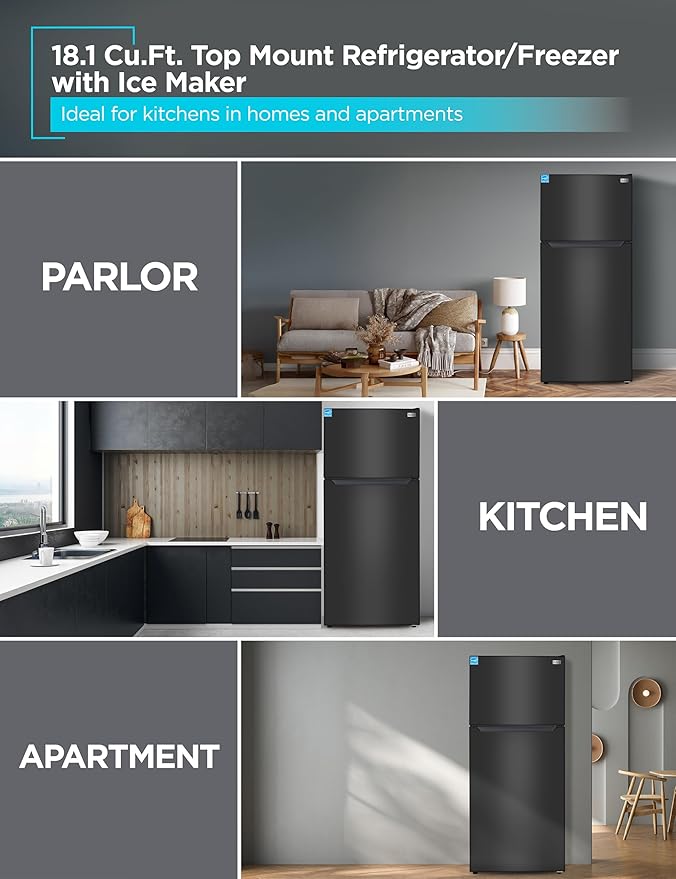
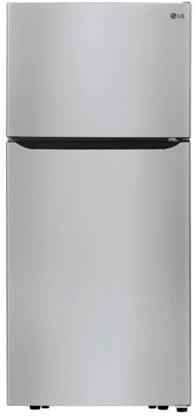
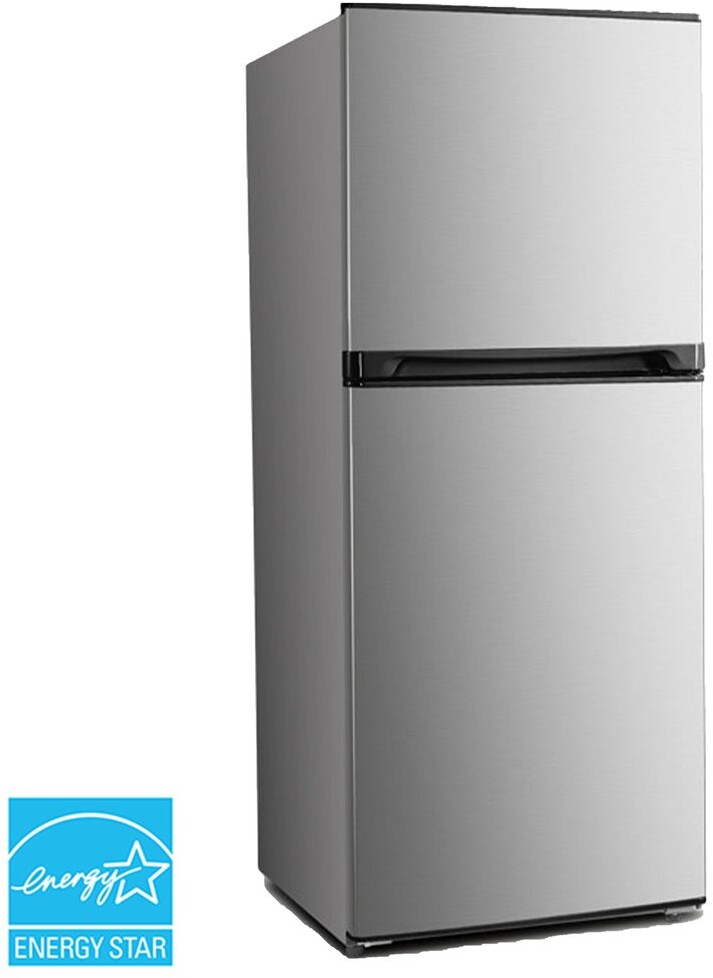
Top freezer models
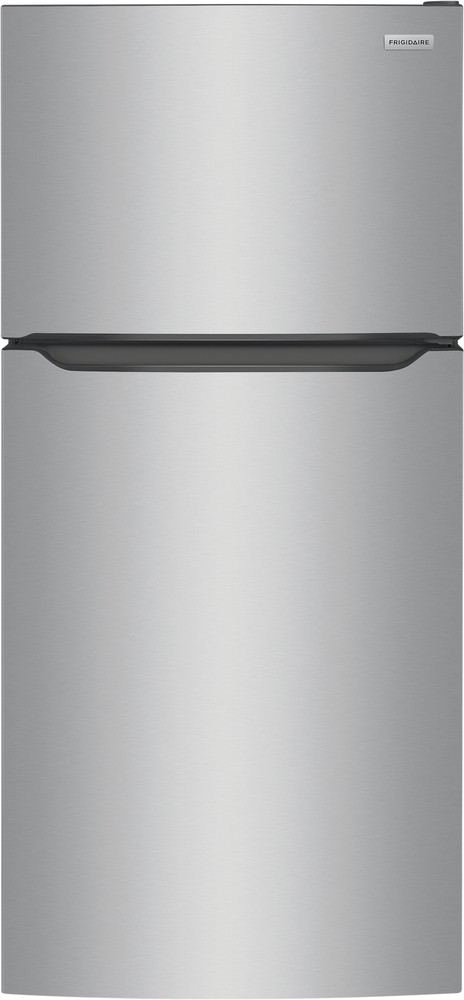
Classic and cost-effective, top-freezer fridges offer straightforward storage. You bend down for fresh food compartments but get plenty of freezer real estate at an affordable price.
Bottom freezer models
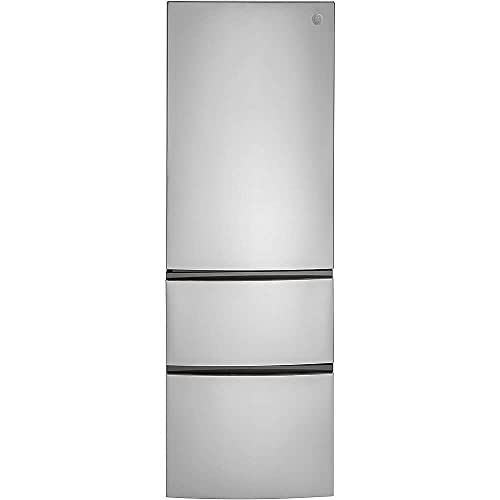
Flipping that design, bottom-freezer fridges position the fridge section at eye level. You’ll find larger pull-out freezer drawers, making it easier to organize frozen goods.
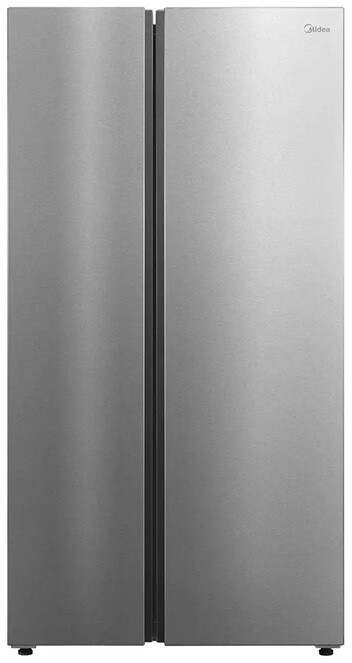
Side by side models
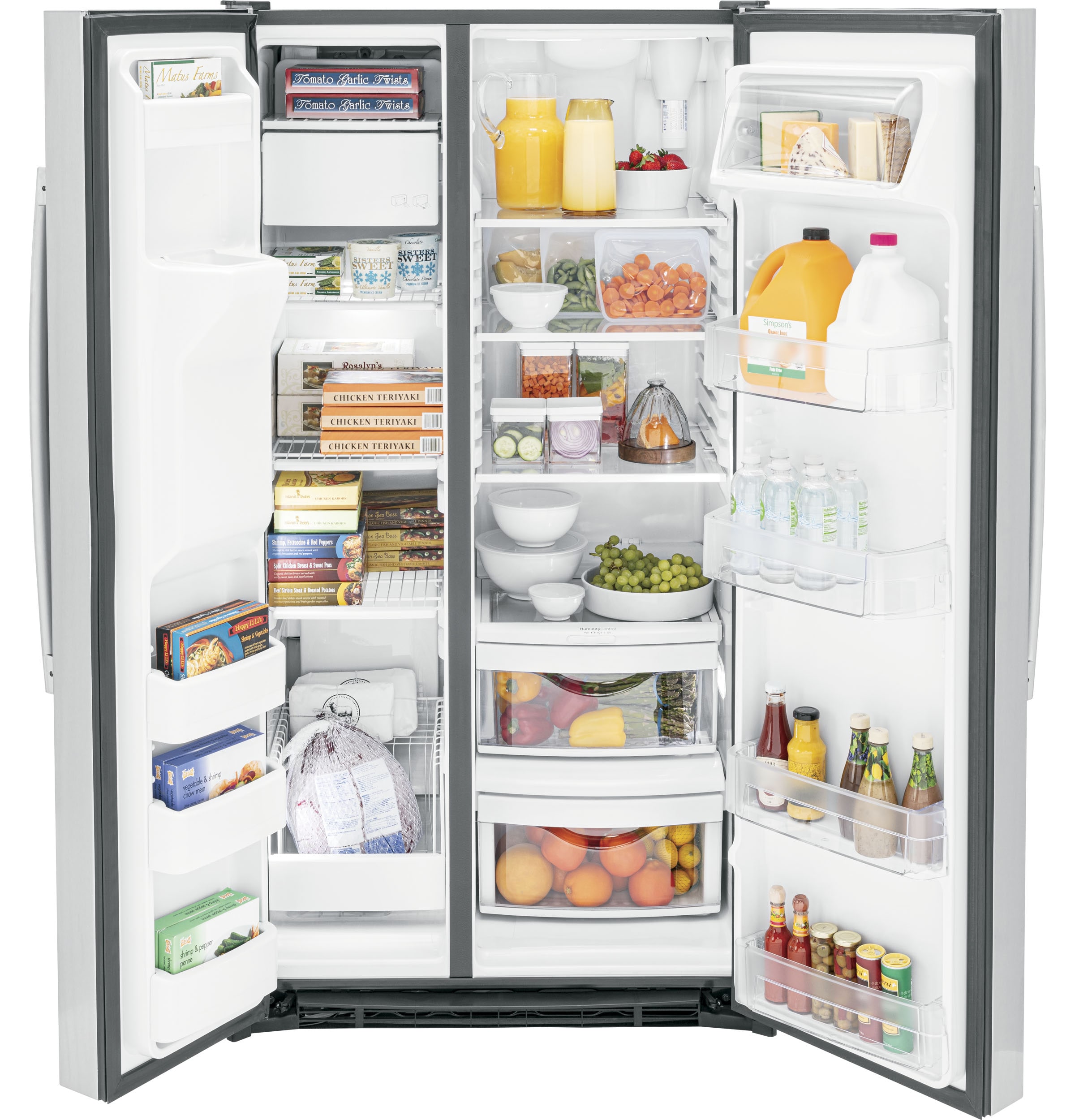
With fridge on one side and freezer on the other, side-by-side units give equal vertical space. Door bins and narrow shelves work well for condiments but may feel cramped for large platters.
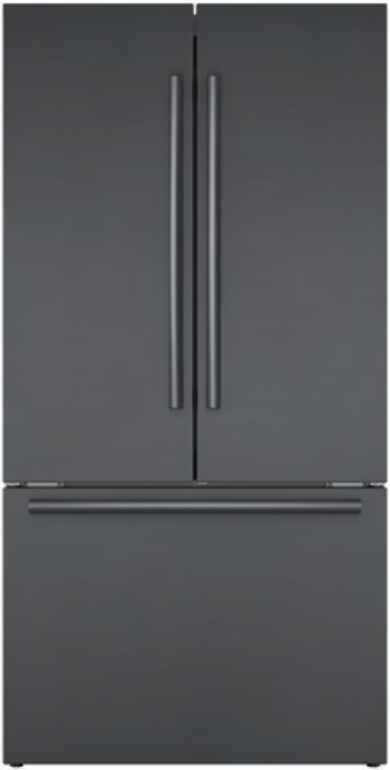
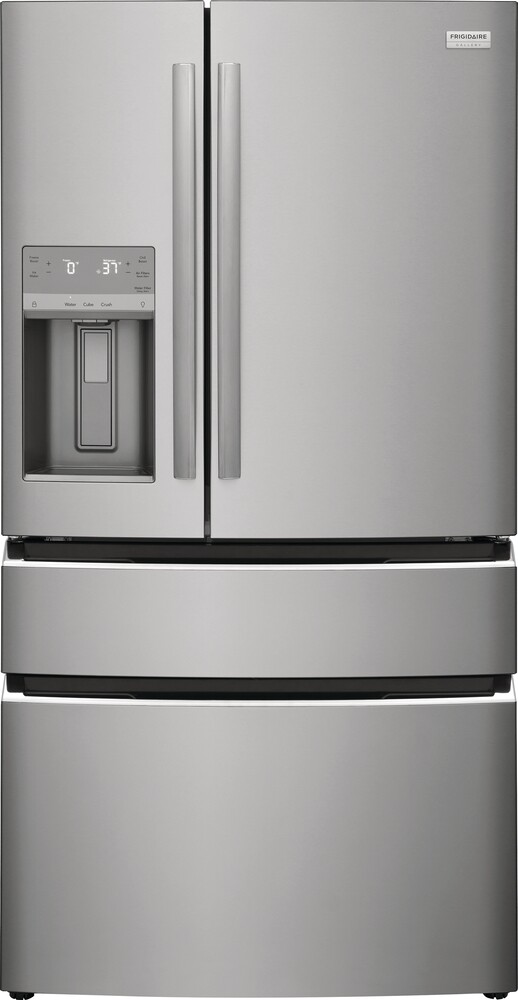
French door models
Wide doors open to reveal a spacious fresh-food compartment, with a freezer drawer below. If you’re eyeing a cabinet depth french door refrigerator, this layout balances capacity and style.
Built-in and counter depth
Built-in units sit flush with cabinetry for a seamless look. Counter-depth models also save floor space but often have smaller interiors compared with standard depths.
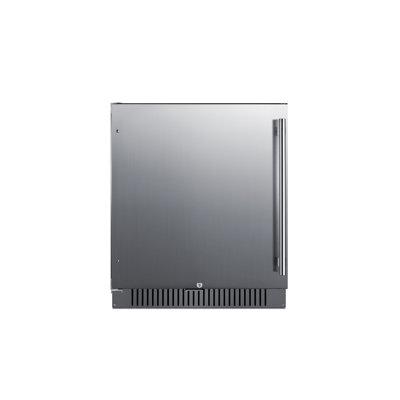
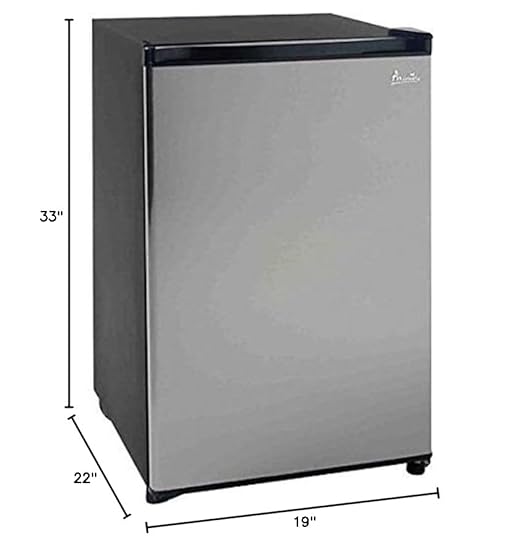
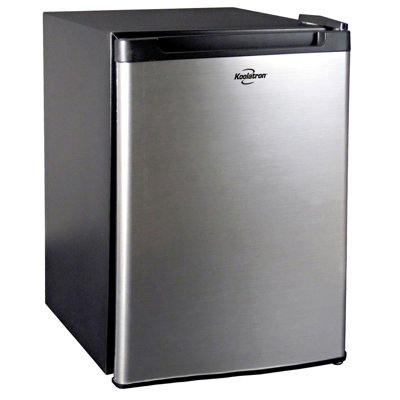
Compact and mini fridges
Ideal for dorms, offices or bar areas, mini fridges transport easily and tuck under counters. Just double-check temperature consistency if you plan to store perishables long term.
Explore must-have features
Features can make or break your daily fridge experience. Here are the top add-ons to consider:
- Adjustable shelving and door bins for flexible storage
- Humidity-controlled crisper drawers to keep produce fresh
- Water and ice dispensers, including turbo-ice systems—learn how turbo ice forms first cubes
- Smart connectivity for remote temperature control and alerts
- Built-in air filters—find out which coconut carbon pad removes lingering fish odor
- Air-curtain technology to reduce cold spillage when doors open—see air curtain options
- Door alarms, child locks and vacation modes for extra peace of mind
- LED lighting for even brightness without heat
- Convertible drawers that act as freezer or fridge—learn which drawer refrigerator operates three independent zones precisely
Make a must-have list and a nice-to-have list. Must-have features are nonnegotiable, while nice-to-have extras can wait for a future upgrade.
Compare door configurations
Choosing the right door style ties into both aesthetics and function. Here’s a quick comparison:
| Configuration | Pros | Cons |
|---|---|---|
| Top freezer | Budget friendly, classic design | Must bend for fresh food, narrower freezer bins |
| Bottom freezer | Easy fridge access, large pull-out drawer | Bending to reach freezer items |
| Side by side | Equal vertical space, slim door swing | Narrow shelves, less overall cubic feet for frozen food |
| French door | Wide shelves, flexible freezer drawer | Premium pricing, clearance needed for wide doors |
| Four door/Three door | Multiple zones, extra flexibility | High cost, steeper learning curve for features |
If you need three fully independent temperature zones, check out which drawer refrigerator operates three independent zones precisely.
Evaluate capacity and layout
Size matters, but bigger isn’t always better if it doesn’t fit your routine or space.
Key considerations:
- Total capacity: 18–24 cubic feet suits most families, while studios may lean toward 10–14 cu ft
- Shelf adjustability: Removable or adjustable shelves handle tall items like party platters and juice containers
- Door bin depth: Deep bins store bottles and jars; shallow bins keep condiments upright
- Drawer configurations: Some crisper drawers are full width, others split for meat or deli
- Freezer layout: Baskets, drawers or compartments for easy organization
To get a real feel for capacity, bring a few cartons of milk or freezer meals to the appliance showroom and imagine placing them on the shelves and in bins.
Consider energy efficiency
Reducing your fridge’s power draw pays off month after month. Look for:
- Energy Star certification, which means at least 9 percent less energy use than federal standards
- Estimated annual energy consumption in kWh, displayed on the energy guide label
- Eco modes or vacation settings that lower power when you’re away for days or weeks
- LED lighting, which uses less energy and runs cooler than incandescent bulbs
A more efficient model may cost a bit more upfront but often recoups that difference through lower electricity bills over its lifespan.
Measure your installation space
Even the perfect fridge won’t fit if you skip this step.
- Measure the height, width and depth of the spot, including a few inches of clearance for ventilation
- Check door swing and handle clearance—will it conflict with nearby walls or cabinets?
- Measure entryways and hallways to confirm your fridge will slide through without surprises—see will a refrigerator fit through a 32 inch door?
- If you need to slide the unit across finished floors, protect surfaces and use furniture sliders—learn how to slide your fridge without scratching the floor
- Verify the floor can handle the weight, especially for built-in or counter-depth models
Double-check your measurements before ordering to avoid delivery headaches and return fees.
Plan for delivery and setup
Preparing ahead makes installation smooth.
- Clear a pathway from your delivery truck to the fridge location
- Remove doors or handles if the delivery team requests extra clearance
- Have an assistant or professional movers help with the heavy lifting
- Keep packaging materials until the fridge runs at temperature, in case of damage claims
- If you have an ice maker, confirm a water line hookup is nearby and meets local plumbing codes
- Wait at least 4 hours after plugging in before loading food, allowing coolant to settle
A little prep spares you stress when “delivery day” arrives.
Research brands and reviews
Brand reputation and real-world feedback can steer you toward reliability and lasting performance.
Popular brands to explore:
- Whirlpool: Known for value and solid warranties
- LG: Innovative features and smart home integration
- Samsung: Sleek designs with advanced tech like Family Hub
- GE and GE Profile: Broad service network and flexible layouts
- Frigidaire: Budget-friendly models with straightforward operation
- KitchenAid: Premium finishes and professional styling
Read user reviews on retailer sites and consult impartial sources such as Consumer Reports. Watch for patterns on noise levels, durability and service responsiveness. Compare warranty coverage and what it includes, from parts to labor.
Find the best deals
Timing and a little research can save you hundreds.
- Major holiday sales—Presidents Day, Memorial Day and Labor Day—often feature steep discounts on appliances
- Back-to-school season can bring deals on compact and mini fridges
- End-of-year clearance in November and December to make room for next year’s models
- Check online coupon and rebate offers for Energy Star units
- Bookmark shop built in refrigerators: sale for built-in deals
- Compare pricing across big-box stores, local appliance dealers and online marketplaces
- Negotiate removal fees for your old unit at the point of sale
Stay flexible on colors and finish options if you want to score the deepest discounts.
Maintain your new fridge
A little upkeep keeps your investment running smoothly and efficiently.
- Clean inside and out every 3 months—see our guide on how to clean the fridge inside and out
- Remove freezer ice buildup before it impacts performance—learn how to remove ice from the freezer quickly
- Vacuum or dust condenser coils every 6 months to help the compressor run cooler
- Replace water filters as recommended, usually every 6 months
- Swap in fresh carbon pads to banish odors, such as the recommended coconut carbon pad
- Check door gaskets for tight seals, cleaning around the edges to prevent leaks
- Monitor temperature zones periodically with a fridge thermometer
Regular maintenance extends the life of your refrigerator and keeps your food fresher, longer.
You’ve got the framework now for confident fridge shopping. By assessing needs, comparing options, measuring carefully and planning delivery, you’ll be ready to pick a model that feels made for your space and routine. Happy cooling, and here’s to many well-chilled meals ahead.