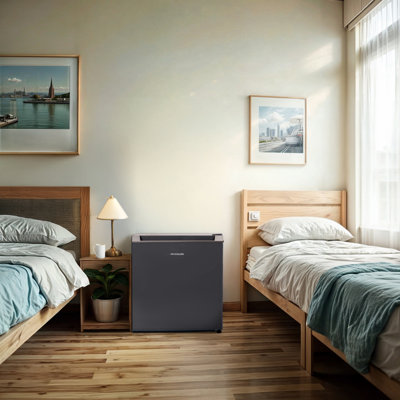
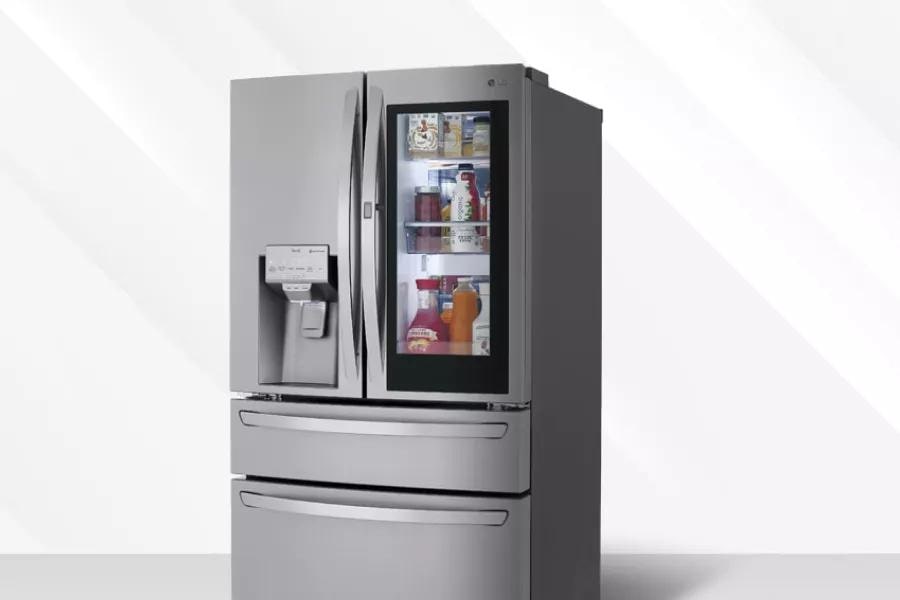
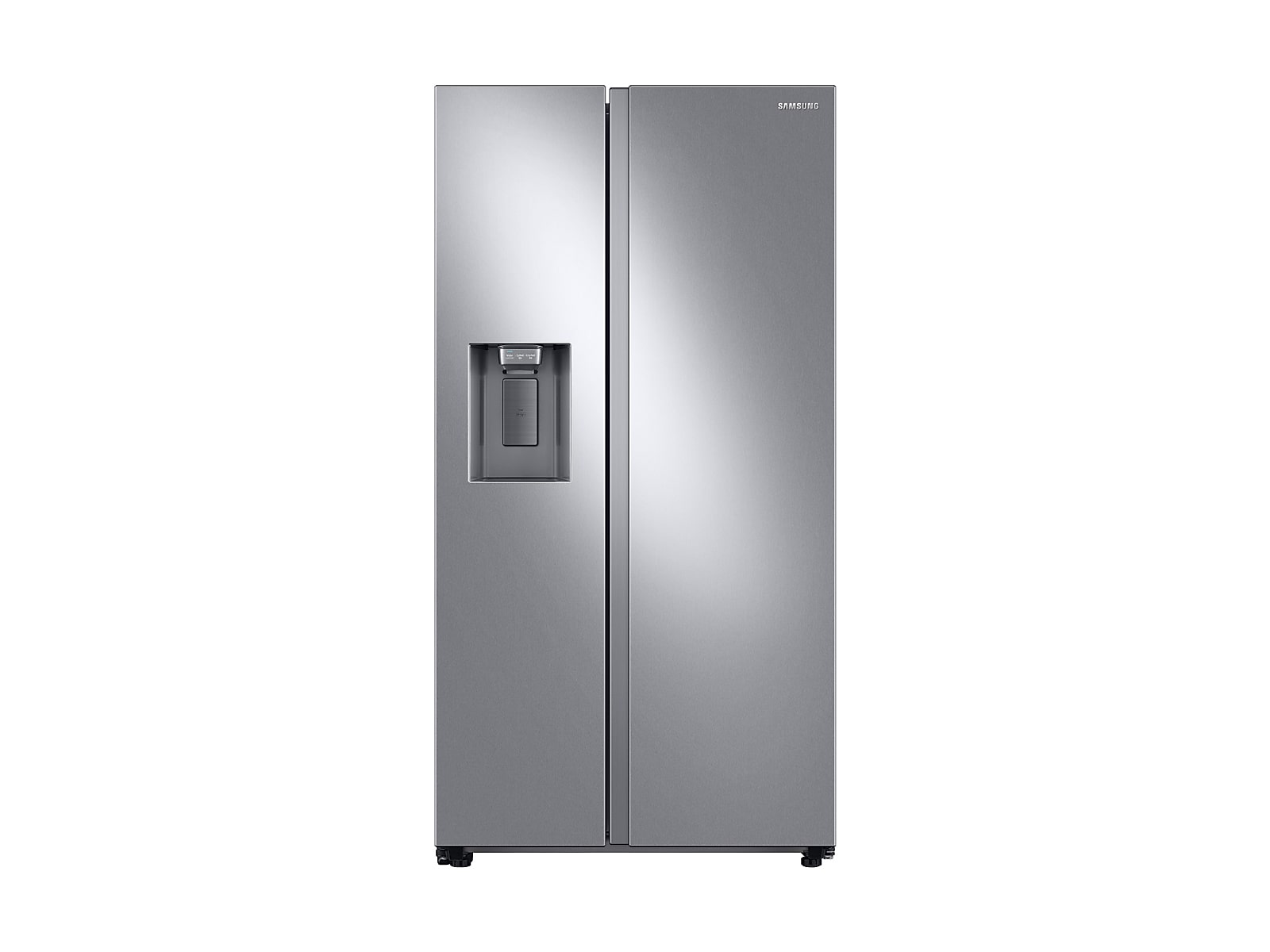
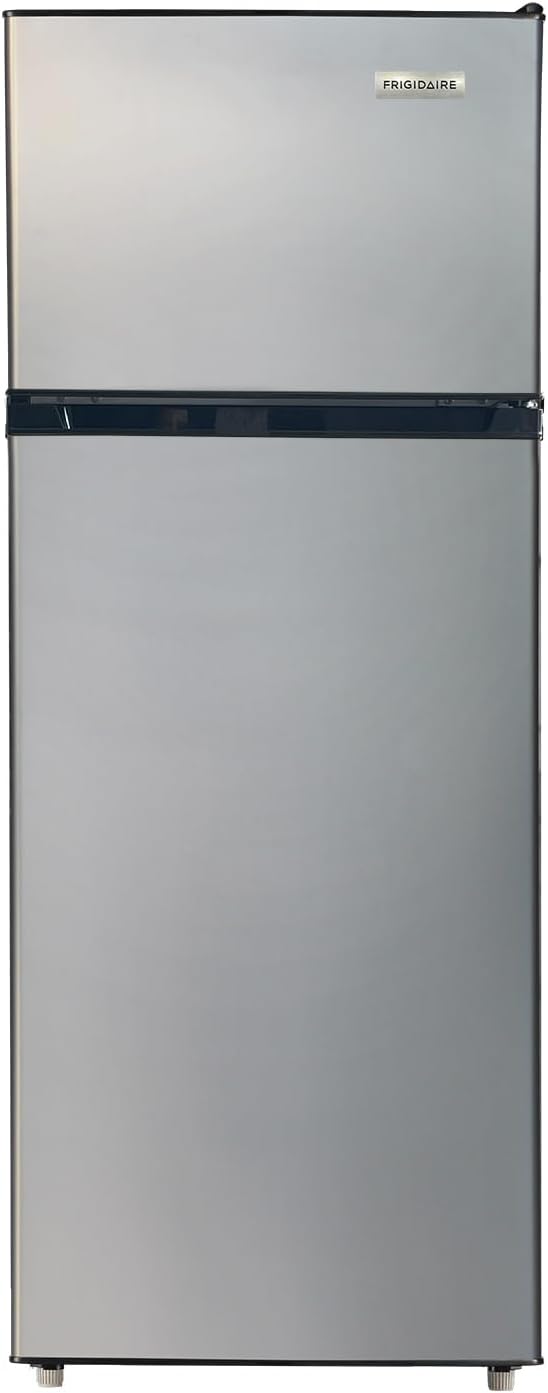
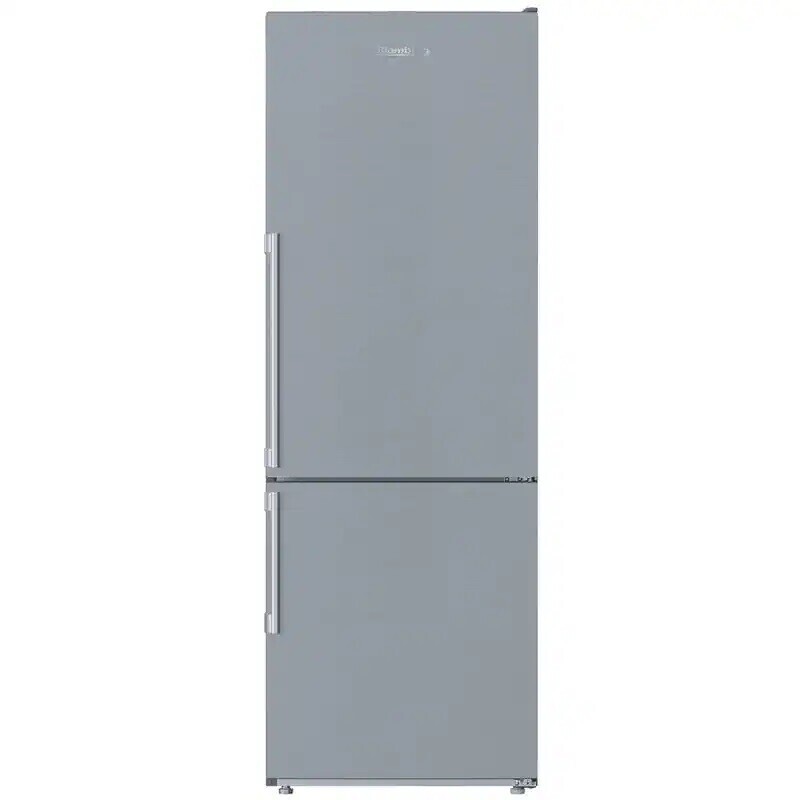
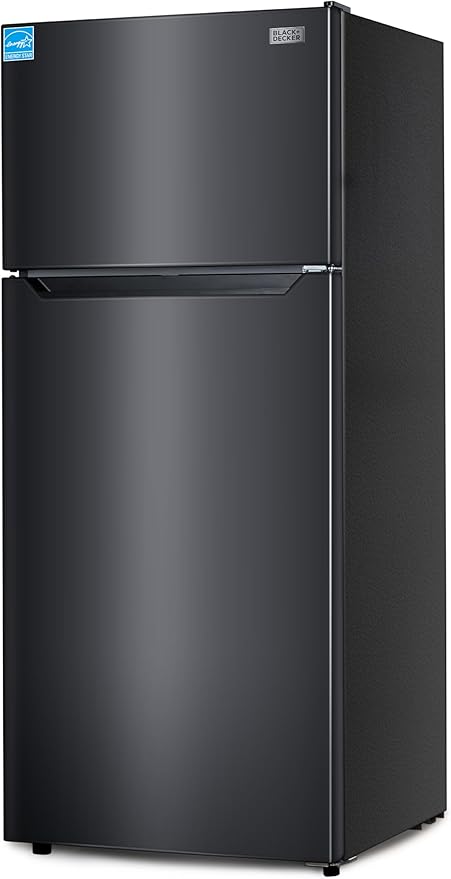
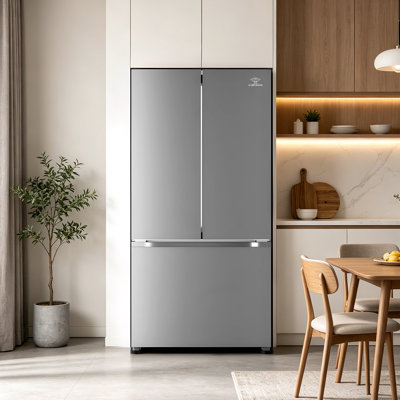
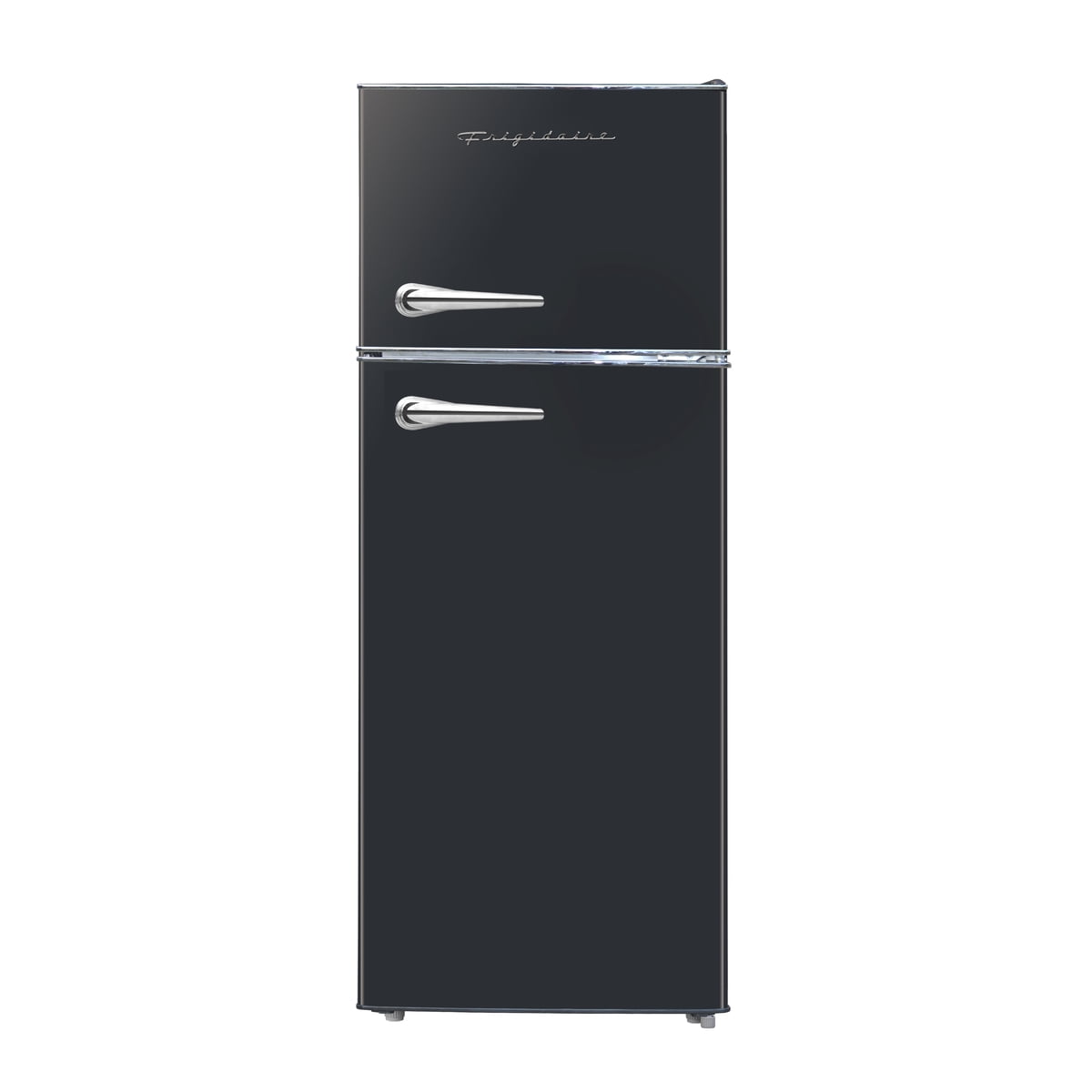
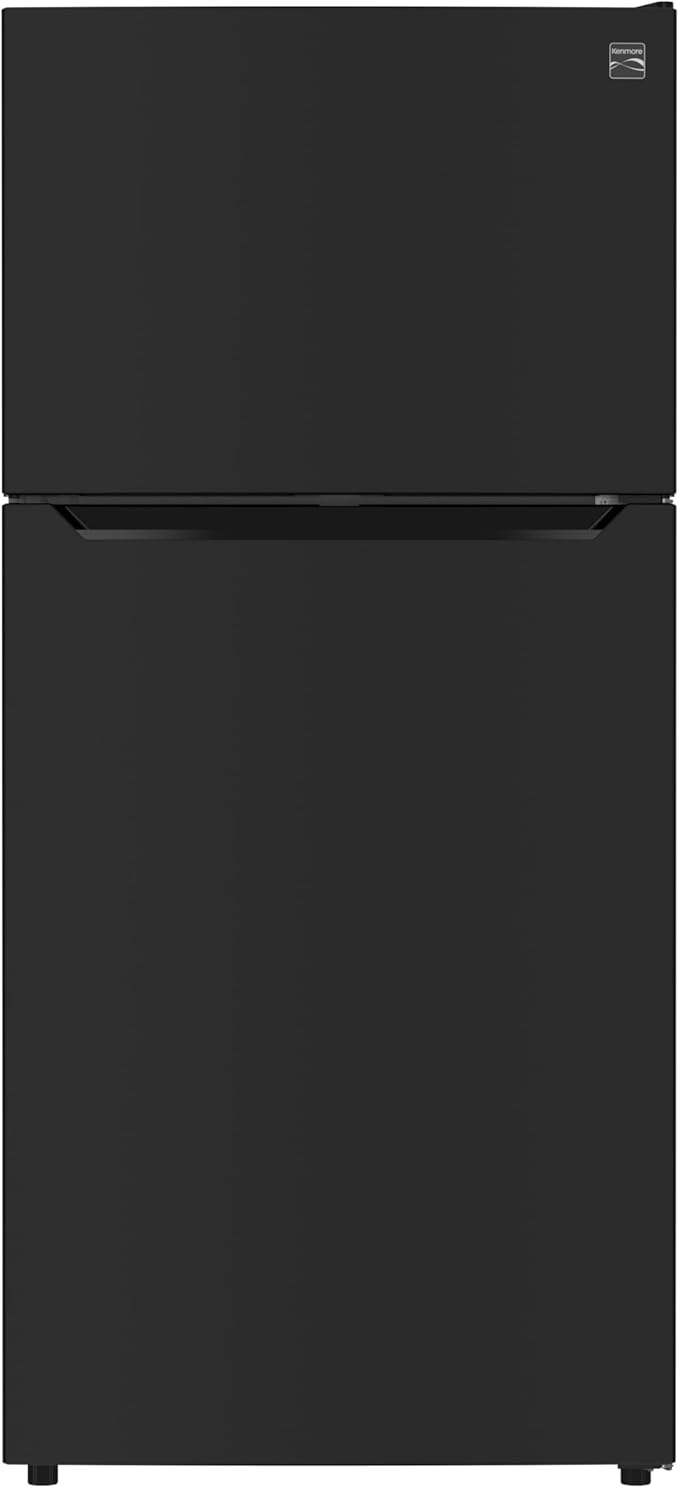
Introductions can make all the difference when you’re deciding between a cabinet depth refrigerator vs. regular models. You might be asking yourself which style fits your kitchen best, how much interior space you’ll need, or even what the long-term benefits are. This comparison will help you decide, step by step, which fridge option suits your everyday life at home, in a commercial setting, or even in your office break room.
Below, you’ll see how these two fridge types differ in sizing, capacity, design appeal, energy efficiency, and more. By the end, you’ll be prepared to choose the perfect refrigerator for your cooking habits, meal-prepping aspirations, or business needs. Whether you’re a parent storing baby food, a chef seeking seamless workflow, or someone simply hoping to maximize floor space, there’s a right choice waiting for you.
Discover the key differences
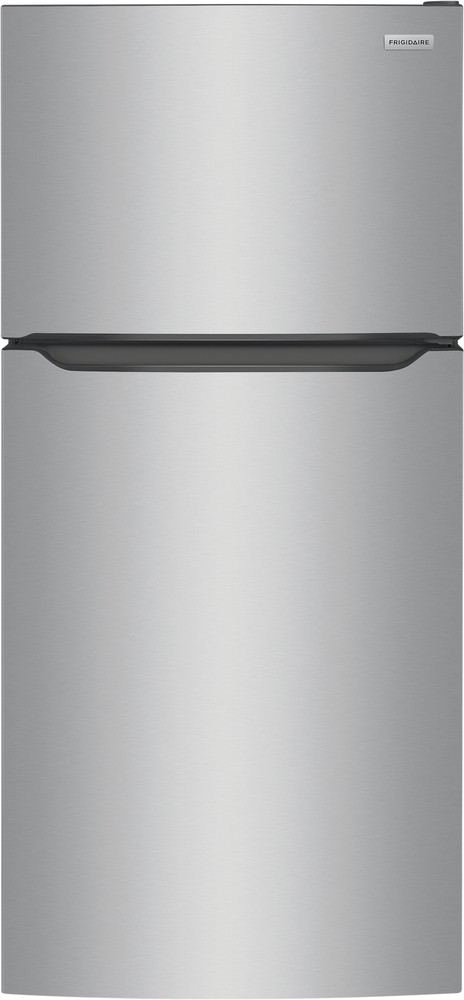
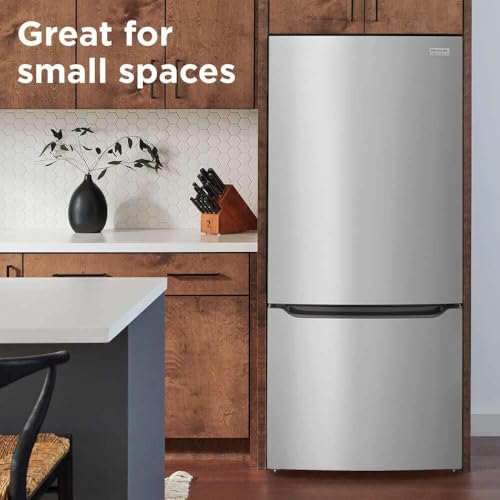
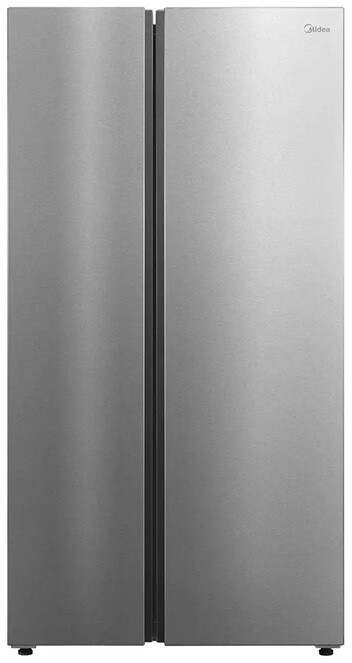
Cabinet depth refrigerators, sometimes called “counter depth,” sit flush with your cabinetry. Meanwhile, regular refrigerators (often referred to as “standard depth”) protrude more and typically offer larger interior dimensions. Before you dive deeper into each style’s features, it’s good to understand the main points that set them apart.
How depth influences layout
When you shop for a new fridge, you’ll notice manufacturers reference “depth” frequently. Depth is the measurement from the front of the doors to the back of the unit. Cabinet depth refrigerators measure around the same depth as standard kitchen counters, which is roughly 24 to 30 inches. In contrast, regular refrigerators can extend farther from the wall, often around 30 inches or more, not including the refrigerator doors and handles.
Cabinet depth: Aligns with counters and cabinets, creating a “built-in” feel
Regular: Sticks out into the kitchen more, offering typically larger interiors
Balancing aesthetics and capacity
A big reason you may want a cabinet depth style is its smooth, integrated look. Some homeowners or renters with smaller kitchens appreciate how it keeps walkways free and doesn’t appear to crowd the space. A regular fridge, though, can provide more shelves, compartments, and door storage. If you have a large family or host frequent gatherings, that extra capacity may outweigh appearance concerns.
Explore cabinet depth features
Cabinet depth refrigerators are prized for their seamless integration with kitchen cabinetry. They can make any space—whether it’s a studio apartment or a commercial cafeteria—look polished and inviting while maintaining a more compact silhouette. Here’s a deeper look at what makes them appealing to a wide range of users.
Enhanced design appeal
Because they sit more or less flush with counters, cabinet depth units create a sleek line across your kitchen. The doors don’t jut out as far, which can help create an airy feel. This design is especially helpful if you have a narrow galley kitchen or if you want to show off decorative tile, lighting, or backsplashes behind the fridge area.
Minimizes bumps and bruises: Narrow depth can reduce accidental collisions with fridge corners
Supports cohesive style: Blends with cabinets to avoid a bulky, mismatched look
Storage you can still count on
Though cabinet depth models are typically shallower, you’ll still find plenty of storage. Manufacturers design these fridges with creative compartments, slide-out shelves, and specialized bins to fit taller or oddly shaped items. Some come with adjustable door storage for large containers or juice cartons.
Flexible shelving systems for tall bottles
Often includes humidity-controlled crisper drawers for produce
Door racks that can house condiment bottles or beverage cans
Ideal for limited floor space
If your kitchen is compact, a cabinet depth refrigerator can free up traffic lanes and reduce the risk of door-blocking. These fridges let you open the doors without obstructing aisle flow or hitting a kitchen island. You’ll likely have to organize your groceries carefully, but the space you save on the outside might be worth it.
Cabinet depth in small homes
Studio apartments can benefit from a cleaner, more modern look
Home cooks who rely on smaller weekly grocery runs don’t necessarily need huge interior storage
Compact footprints also work well in office break rooms or game rooms
For very tight floor plans or specialty kitchen layouts, you might also explore a 24 wide refrigerator. It’s another great option for those who want a narrow unit that aligns more precisely with the dimensions of the existing cabinetry.
Slight cost differences
Typically, a cabinet depth model can come with a higher price tag. Quality construction and additional design elements often account for this increased cost. However, over time, you might find that the design payoff and the efficient use of space justify the investment.
Expect to pay a bit more upfront for a sleeker look
Some brands offer sales or promotions at certain times of the year
Watch for discounts if you’re budget-conscious yet still want stylish function
Regular refrigerators are a classic presence in many kitchens, ranging from small top-freezer models to robust French-door designs. Their greater interior space can be a game-changer if you consistently store bulk groceries, meal prep large batches, or have multiple family members rummaging through the fridge each day.
Bigger interior capacity
One of the main benefits of a regular, standard-depth refrigerator is the larger interior. The extra depth translates into greater shelf area, deeper door bins, and often more dedicated compartments. Whether you’re storing large platters for a party or you simply like to keep an abundance of snacks and drinks on hand, a standard-depth model offers more flexibility.
Ideal for big families, shared households, or frequent entertainers
Typically comes with spacious door compartments for milk jugs, juice containers, and condiments
Can handle oversized pizza boxes or large baking trays with ease
Extended model variety
When you walk into an appliance store, you’ll likely see more variety in regular-depth fridges compared to cabinet depth. That means you can choose from an array of finishes, styles, and features. If you’re wanting to customize your home’s look or match an existing suite of appliances, these options can be helpful. If you prefer a simple, traditional unit, a basic refrigerator might be all you really need.
Greater diversity of price points
Many units can be fitted with ice makers, water dispensers, or Wi-Fi-enabled features
Flexible arrangement for interior drawers and shelves
More forgiveness during installation
Unlike cabinet depth models, which typically require careful measurement and alignment with existing cabinets, a regular fridge can sometimes be more forgiving in terms of install. If you have adequate space around your kitchen, you may not feel pressure to measure with absolute precision. That said, you should always confirm you have enough clearance for the doors to open fully, especially if you have a kitchen island or a corner near the fridge space.
Check for enough clearance surrounding the doors
Aim for a bit of extra distance between the fridge and the back wall
Some standard models might still need water or ice connections
Possible downsides in cozy spaces
Standard-depth fridges may be overwhelming in very compact kitchens. If you have a small apartment, an older home with a tight layout, or a narrow cooking corridor, a standard fridge might stick out too far, causing you to bump into it more often.
Larger footprint can crowd high-traffic areas
Not always the best choice if you have multiple cooks in a cramped space
As you weigh cabinet depth refrigerator vs. regular options, it helps to have a succinct overview of the advantages and drawbacks of each. Below is a table summarizing key points to keep in mind:
Feature
Cabinet Depth
Regular
Aesthetics and Fit
Seamless, flush with cabinetry
Protrudes beyond counters
Storage Capacity
Typically less interior volume
Often greater interior space
Variety of Models
Fewer choices, but still covers popular styles
More abundant styles, sizes, and finishes
Ideal Kitchen Type
Compact spaces or modern, streamlined layouts
Larger kitchens, households needing big capacity
Installation Effort
Requires careful measurement and alignment
More forgiving but takes up more kitchen space
Potential for Customization
Usually limited, but can have panel-ready versions
Extensive customization, from finishes to features
Choosing one over the other often depends on how much you value aesthetics, whether you need maximum storage, and how you plan to use your refrigerator in daily life.
Your kitchen layout plays a huge part in selecting the right fridge. Even if you’re leaning one way or the other, confirm that your space is set up to accommodate whichever model you pick. If you need extra help, consulting with a kitchen designer or an appliance salesperson can provide you with professional measurements.
Measure carefully
Grab your tape measure and note the width, height, and depth of your available space. Don’t forget to account for baseboards, molding, or door frames if your fridge will be in a tight corner. You also want to ensure enough space for your fridge doors to swing open wide.
Width: Measure between cabinets or walls
Height: From floor to existing cabinetry (if any) above the fridge
Depth: From the wall to the front edge of your counter or island
Plan around daily traffic
Think about how people move through your kitchen. If family members or coworkers regularly maneuver around the fridge area, a cabinet depth refrigerator might be the better choice. It allows for easier walkways and can prevent congestion during busy mornings or meal prep sessions.
Position your fridge so the doors don’t block a main entryway
Keep a clear path from fridge to countertops, especially when transferring heavy items
Ensure kids, family members, or employees can open doors fully without collisions
Don’t forget other appliances
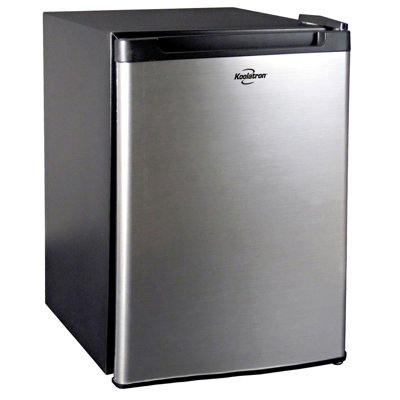
Your refrigerator isn’t the only piece of equipment that affects foot traffic. Dishwashers, ovens, microwaves, or freezers can also take up space. If you’re short on square footage and still want ample chilled storage, a cabinet depth fridge plus a standalone mini fridge or what fits in a mini fridge? guide might help you puzzle together the best arrangement.
Maintenance and efficiency tips
No matter which style you select, routine maintenance can extend the life of your refrigerator and keep it running efficiently. Clean coils, sealed doors, and organized interiors help prevent energy waste and keep your groceries fresh.
Clean and organize regularly
Wipe down shelves and bins every few weeks to remove spills or debris
Check and clean door seals to ensure they remain airtight
Vacuum the condenser coils at least twice a year to boost efficiency
If you’re rearranging shelves or bins, remember to store your most frequently used items where you can reach them easily. If you ever wonder how you can keep your fridge neat, you might check tips such as emf rule organize fridge. Being systematic is an easy way to reduce waste and keep tabs on expiration dates.
Monitor appliance performance
Whether your fridge is cabinet depth or regular, pay attention to its temperature consistency. Fluctuations could indicate a mechanical issue or improper door sealing. Many fridges come with built-in alarms that alert you if a door is left ajar or if the temperature creeps too high.
Consider adding a digital thermometer to verify internal temps
Listen for unusual noises like loud humming or rattling
Schedule service checks if you notice persistent problems
Look for energy-saving features
Energy Star-certified models or those with inverter compressors can make a real difference in electricity consumption. Choosing an energy-efficient model not only saves you money in the long run but also benefits the environment.
Look for LED lighting inside your fridge
Compare the annual kilowatt-hour usage
Verify that insulation and door seal materials meet modern efficiency standards
For deeper tips on energy ratings and efficiency, you might explore energy ratings for deep freezers. Though the information focuses on freezers, energy principles remain similar for refrigerators too.
When it comes to cabinet depth refrigerator vs. regular styles, there’s no universal right or wrong—it’s all about matching your lifestyle and space. If you place huge value on design harmony and prefer a more flush, built-in look, a cabinet depth model can transform your kitchen into a streamlined space. If you rely on abundant storage for events, large families, or bulk-shopping, a standard-depth fridge might be the smarter pick.
Think about your cooking habits
Do you meal prep every Sunday and fill your fridge with casserole dishes and fresh produce? You might appreciate the extra volume in a regular fridge. If you tend to shop frequently for fresh ingredients and keep smaller amounts of food on hand, cabinet depth might fit your usage pattern perfectly.
Anticipate future needs
Perhaps you’re planning to expand your family or start hosting more parties in the next few years. If so, a fridge with greater capacity might be the best bet. However, if you prefer the idea of a sleek and organized kitchen, you might be happier with the lower-profile option long-term—even if it offers slightly less storage.
Check if your fridge choice has modular or interchangeable parts
Make sure you can add features later if you choose (like an ice dispenser or smart controls)
If your home frequently hosts gatherings and you enjoy providing chilled drinks, a secondary unit like a beverage fridge or a wine cooler can handle your entertaining needs. Cabinet depth fridges pair well with smaller beverage coolers or even a specialized fridge for craft beer. In case you want to explore an additional specialized unit, have a look at why should i choose a beer fridge?.
Conclusion
Choosing between a cabinet depth refrigerator and a regular fridge is a matter of weighing design, capacity, and convenience. Cabinet depth models shine in smaller kitchens or for those who love a clean, flush look. Regular refrigerators typically excel for households or commercial spaces needing higher storage volume. Both can come in a range of styles, price points, and finishes, so you can select something that fits your personality and budget.
Armed with knowledge about measurement, layout considerations, and maintenance tips, you’re ready to make a confident decision. Take the time to visualize your busy mornings, your weekend meal-prep rituals, and the simple, everyday task of grabbing a quick snack. All of these moments become easier and more enjoyable when you have the right fridge in place. Whichever model you pick, a well-maintained and thoughtfully organized refrigerator will keep your food fresh, your kitchen looking inviting, and your life running smoothly. Enjoy your perfectly chosen fridge!
From Fridge.com research
Figures below come from data Fridge.com builds and maintains. Each links to the record behind it.
Fridge.com Energy Index, built on U.S. EPA and DOE ENERGY STAR records
Across 5,455 ENERGY STAR certified refrigerators and freezers from 263 brands, median use is 360 kWh per year.