By the end, you’ll understand the science behind rapid ice formation, factors that speed it up or slow it down, and tips to get the most reliable performance from your turbo ice maker.
By lowering water temperature from, say, 70°F to 35°F first, you cut down the actual freezing time in the reservoir.
Faster compressors and fans drop the temperature in those pockets to 32°F and below within minutes.
If your model has multiple speed modes, “rapid freeze” usually uses more power but yields cubes quickest.
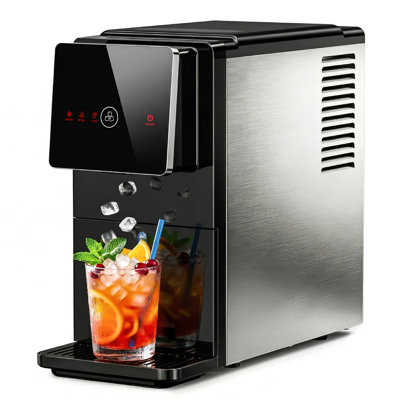
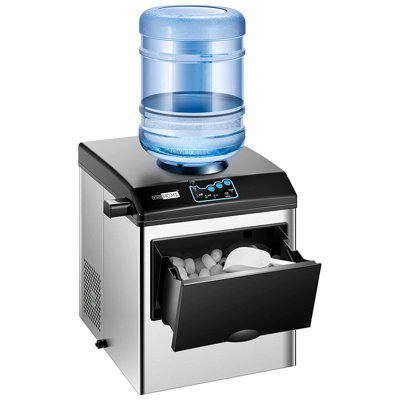
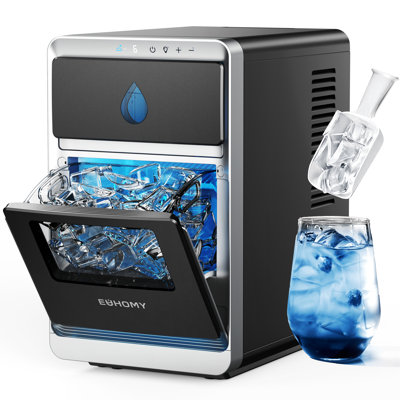
If you’ve ever wondered how quick turbo ice forms first cubes, you’re in the right place. Whether you’re hosting a backyard barbecue, stocking up for craft-beer chilling, or simply need ice on demand for baby bottles, a quick-freeze ice maker can feel like magic. In this guide, you’ll learn exactly what’s happening inside your unit from the moment you pour in water until that first perfect cube drops into your tray.
We’ll keep things casual and friendly—you don’t need a degree in thermodynamics to follow along. By the end, you’ll understand the science behind rapid ice formation, factors that speed it up or slow it down, and tips to get the most reliable performance from your turbo ice maker. Let’s dive in and demystify the whole process.
Explore turbo ice basics
What is quick turbo ice
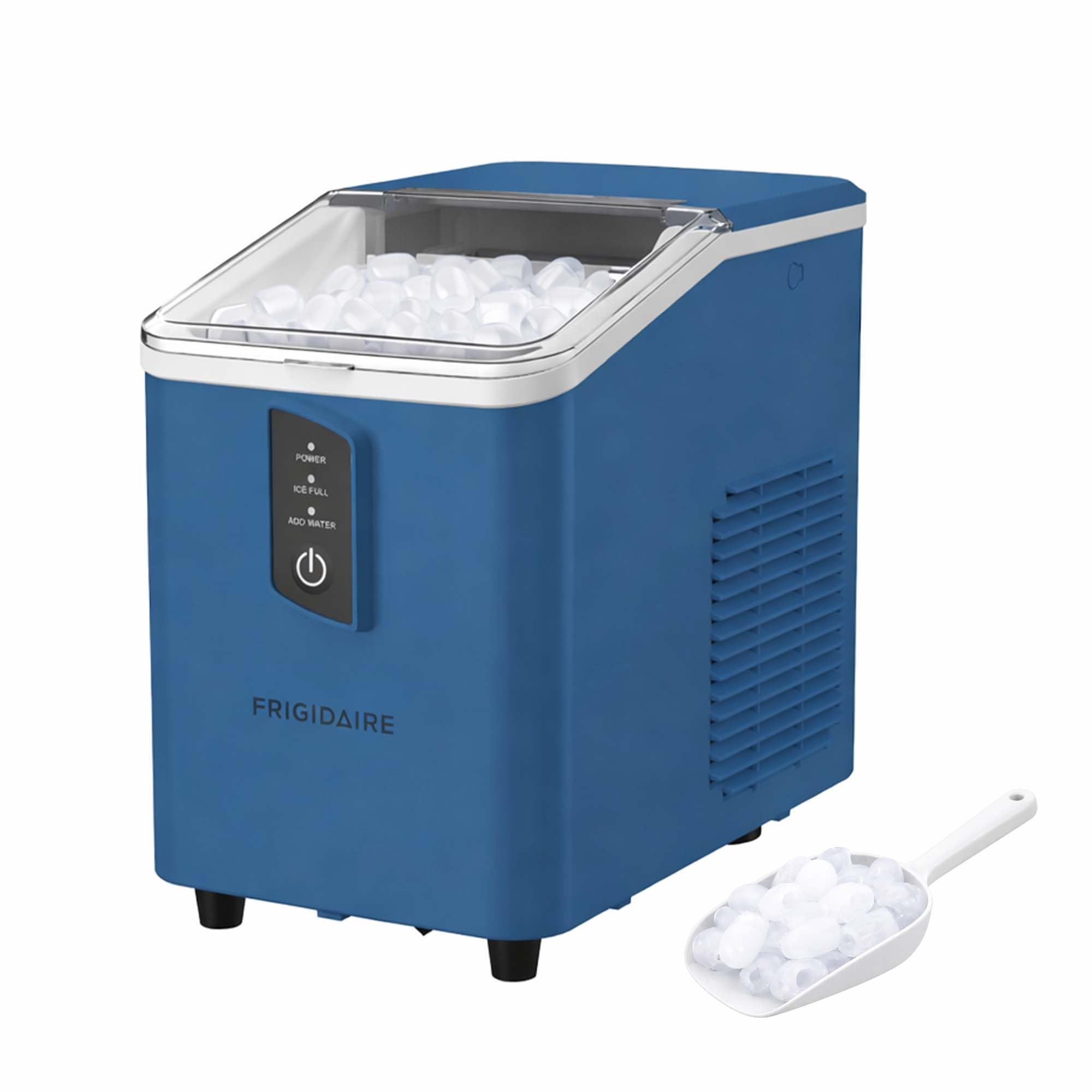
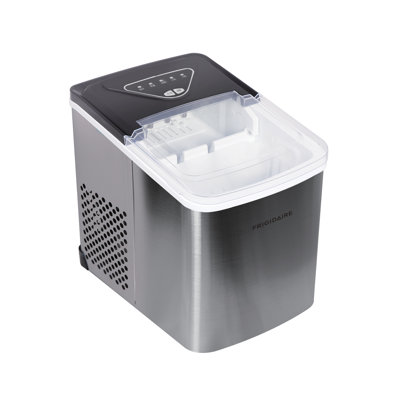
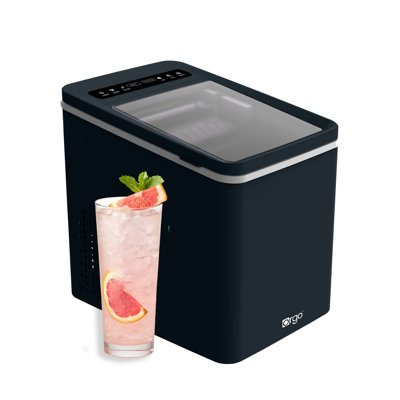
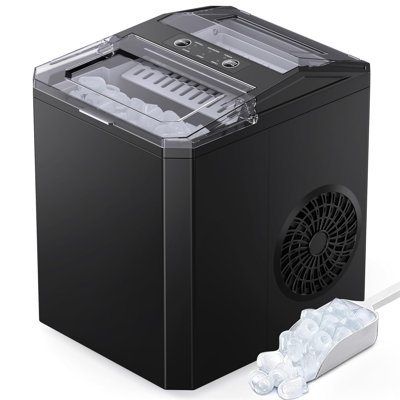
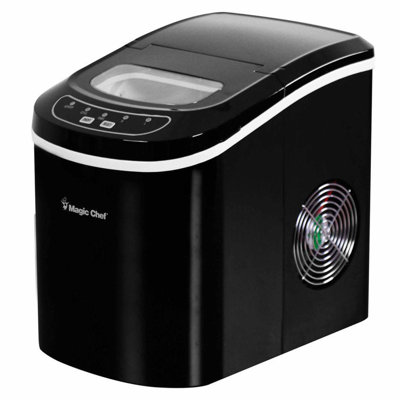
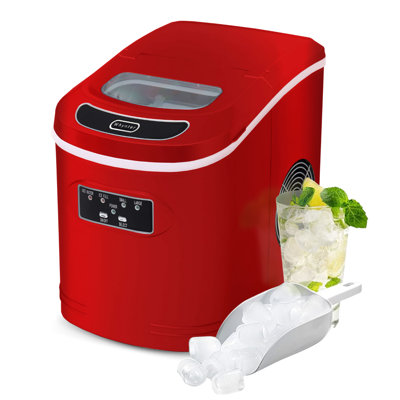
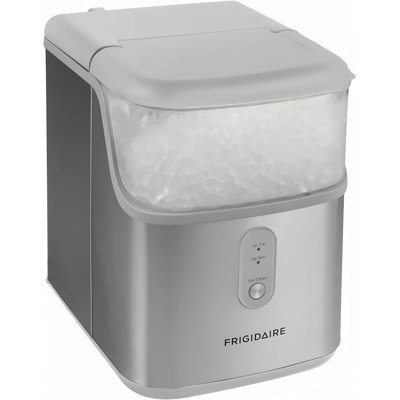
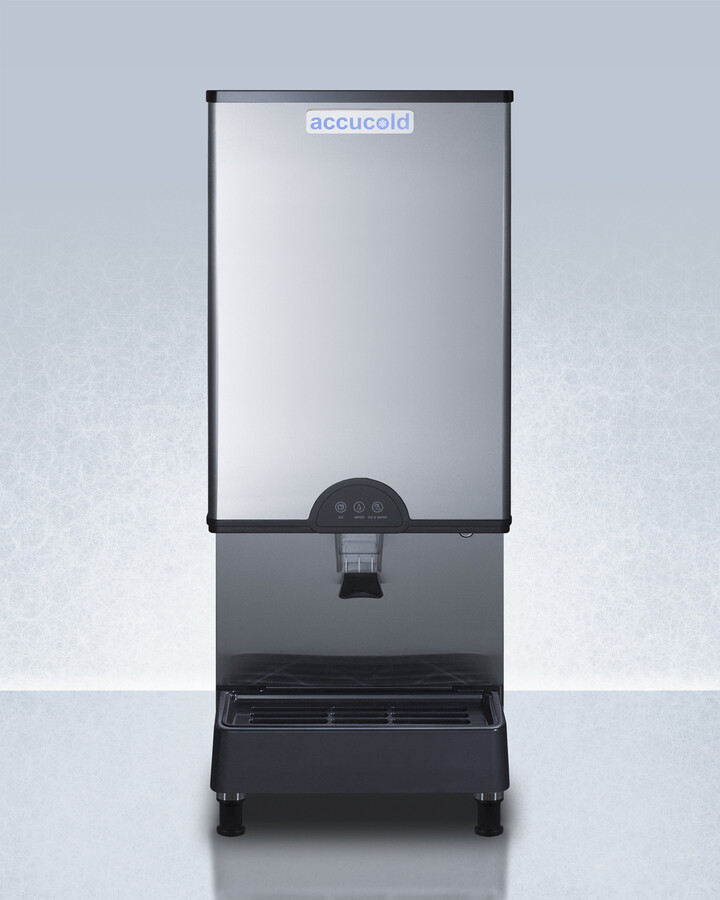
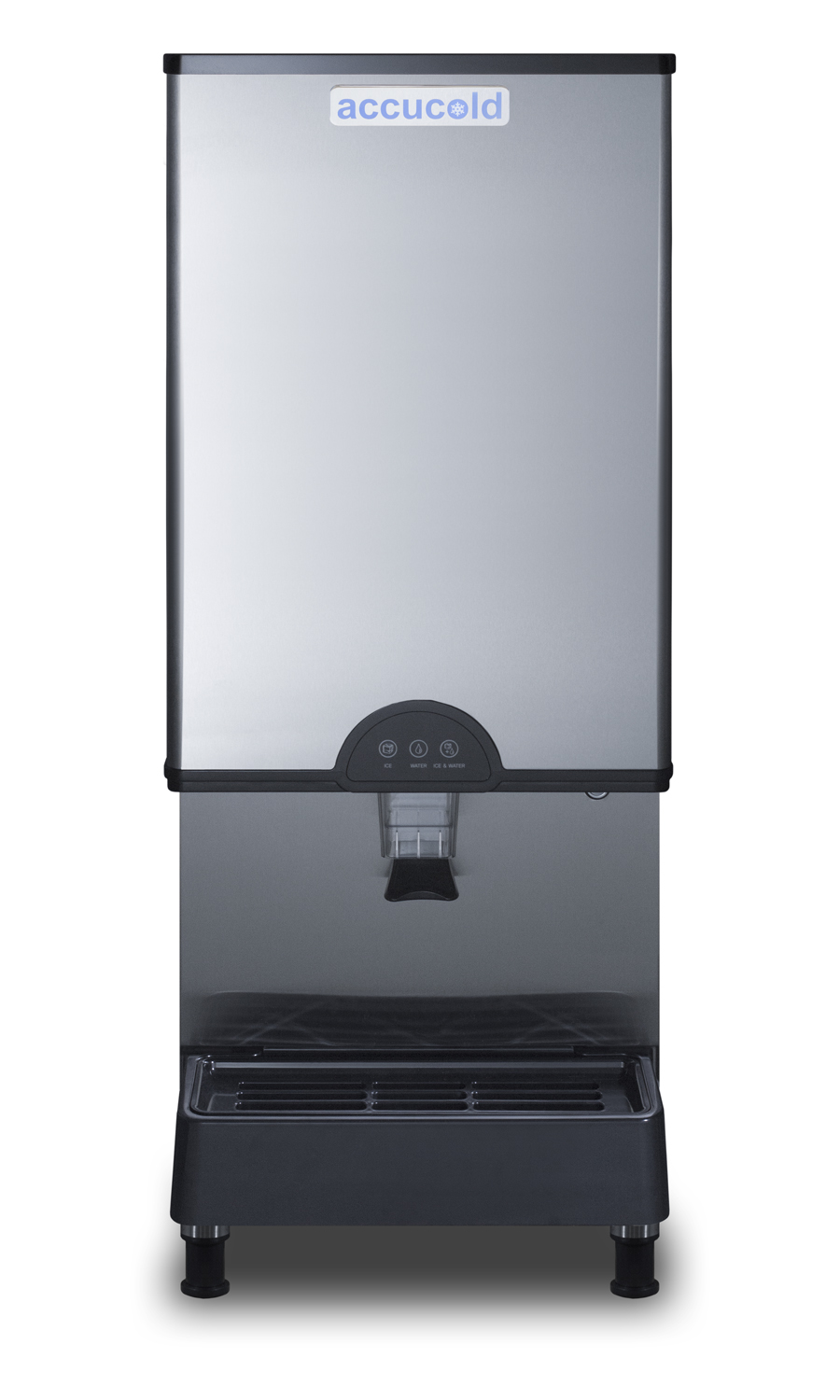
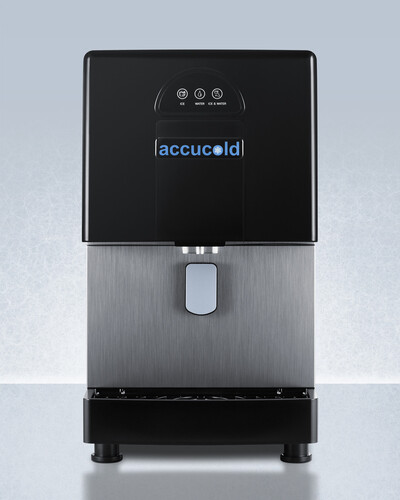
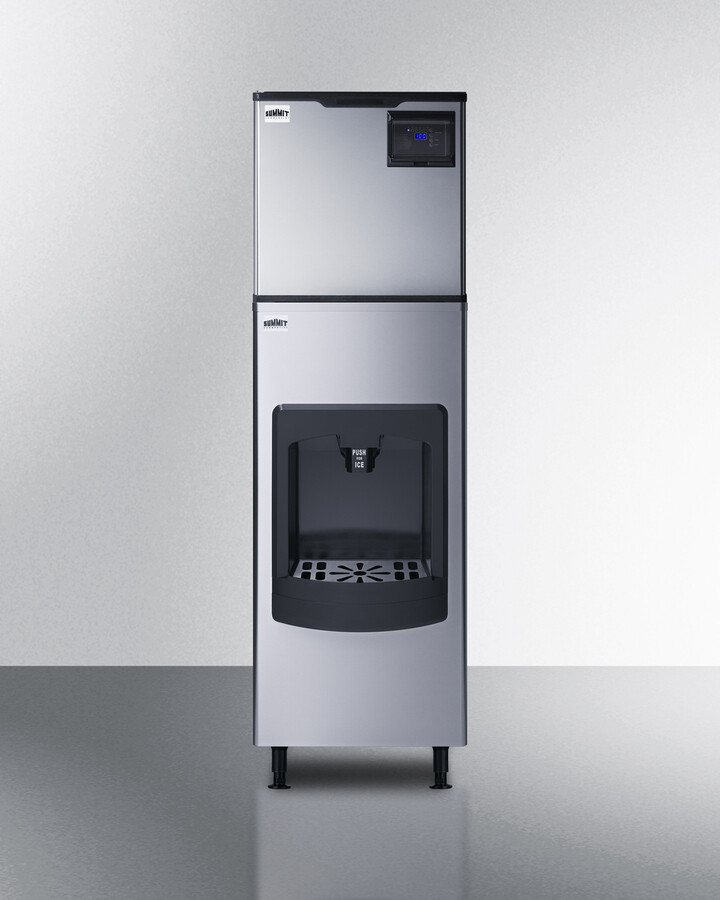
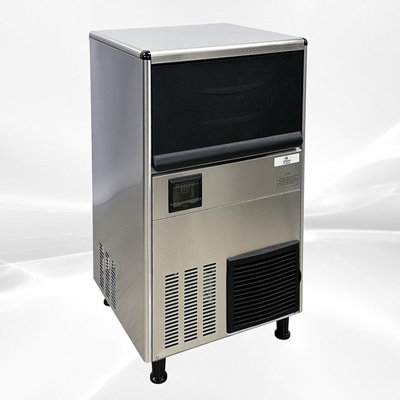
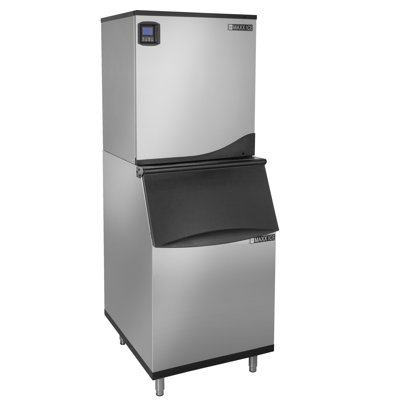
Quick turbo ice refers to a class of countertop or built-in ice makers designed to produce ice cubes much faster than a standard freezer. Instead of waiting hours for water to freeze solid, you can get cubes in as little as 6 to 15 minutes, depending on the model. It’s ideal when you have last-minute guests, want crushed ice for cocktails, or need cold storage for ingredients in a busy kitchen.
These machines use enhanced cooling technology—sometimes called blast freezing or rapid-chill—alongside well-insulated internal chambers. That insulation traps cold air around the water reservoirs so that heat is removed more efficiently. Many models also feature specialized fans that distribute freezing air evenly, ensuring each tray pocket reaches freezing temperature nearly simultaneously.
How turbo differs from regular
At first glance, a quick turbo ice maker might look like a standard ice compartment, but under the hood it’s a whole different system:
Fast-action compressor: A more powerful, high-speed compressor kicks on immediately to drop temperatures quickly.
Directed airflow: Internal fans push cold air directly across the water trays rather than chilling the entire cabinet.
Optimized tray design: Trays often have thinner walls or built-in heating elements to release cubes faster, cutting down harvest time.
Insulation focus: Walls and doors are extra insulated to minimize temperature fluctuations when you open the lid.
By combining these features, turbo ice makers accelerate ice nucleation and growth so that your first cubes emerge in minutes rather than hours.
Examine cooling mechanics
Compressor and fan role
Your turbo ice maker’s compressor and fan work hand in hand to remove heat as fast as possible.
Compressor function
The compressor pressurizes refrigerant gas, turning it into a hot, high-pressure liquid. This fluid then flows through coils around the machine’s exterior, dumping heat into the room. A more powerful turbo compressor runs at higher speeds, forcing more refrigerant through those coils every second.
Fan distribution
Once the refrigerant cools and expanded back into a low-pressure gas, it moves through an evaporator inside the ice chamber. A built-in fan circulates that super-cold air directly across the water reservoir. This targeted blast of chill creates a steep temperature gradient, driving water molecules to crystallize quickly.
Refrigerant cycle explained
Here’s a quick look at the full cycle:
Compression: Refrigerant gas is pressurized into a liquid.
Condensation: Hot liquid gives off heat and cools in external coils.
Expansion: High-pressure liquid expands via an expansion valve into the evaporator.
Evaporation: Low-pressure liquid absorbs heat inside the ice chamber, turning back into gas and creating cold.
Recirculation: The gas returns to the compressor to repeat the cycle.
Because turbo ice makers use larger evaporator surfaces and stronger airflow, each phase happens faster, shaving minutes off cube formation time.
Break down formation process
Stage 1: pre-chilling water
Before ice even starts forming, many turbo models pre-chill incoming water. A built-in plate or coil chills the water just above freezing, reducing the thermal shock when it hits the tray. By lowering water temperature from, say, 70°F to 35°F first, you cut down the actual freezing time in the reservoir.
Stage 2: rapid freezing
Once water is pre-chilled, it fills the ice tray pockets. Faster compressors and fans drop the temperature in those pockets to 32°F and below within minutes. Tiny ice crystals nucleate at multiple points concurrently, thanks to the uniform cold blast—this is why turbo units can form ice faster than slower, uneven freezing in a regular freezer.
Stage 3: cube solidification
As crystals grow, they lock together and expel any mineral impurities, resulting in clearer cubes. The tray’s design often has slightly tapered pockets, so as soon as the cubes are solid, a brief warm-air pulse or slight tray flex helps release them into the collection bin. Some models have built-in heating strips under the tray that activate for a few seconds to loosen cubes instantly.
Hotter water takes longer to cool, so start with cold or filtered water.
Minerals in hard water can slow freezing and make crystals cloudy. A basic water filter can improve both speed and clarity.
Ambient conditions
Higher room temperatures force the compressor to work harder. Try to keep the ice maker out of direct sunlight and away from stoves or ovens.
Good ventilation around the unit helps it shed heat more efficiently.
Machine settings
Many turbo ice makers let you choose cube size. Smaller cubes freeze faster—perfect if you need ice in a hurry.
If your model has multiple speed modes, “rapid freeze” usually uses more power but yields cubes quickest.
Compare with standard freezers
If you’re used to tapping your freezer door every hour waiting for cubes, you’ll notice a big difference with turbo ice. Here’s a quick side-by-side:
Feature
Turbo ice maker
Standard freezer
First cube time
6–15 minutes
2–4 hours
Daily ice output
20–40 lbs
8–12 lbs
Noise level
45–55 dB
38–45 dB
Cube clarity
Star-point clear
Often cloudy
While your freezer may handle bulk items, a dedicated turbo unit wins on speed and reliability if you regularly need fresh cubes on demand. For smaller spaces or multi-zone setups, see our comparison of compare undercounter freezer options.
Offer usage tips
Place containers correctly
If your model uses removable trays, ensure they sit level. A slight tilt can cause uneven cube sizes or longer freeze times on one side. Slide trays in gently—if you need to move the machine, check our guide on how can i slide my fridge without scratching the floor?.
Maintain proper airflow
Keep at least 3 inches of clearance around the back and sides so the compressor can vent heat effectively. Blocked vents force the unit to run longer, delaying cube formation.
Clean regularly
Mineral buildup or mold can affect both speed and taste. Plan to clean the water reservoir and ice tray at least once a month. A vinegar-water rinse usually does the trick—more on deep cleans below.
For parties, set your turbo ice on “continuous” mode an hour before guests arrive. You’ll have a steady stream of cubes for drinks, coolers, and even scooping crushed ice for blended cocktails.
Meal prepping and storage
Frozen cubes aren’t just for beverages. Use them to flash-chill soups, sauces, or stocks when you’re meal-prepping. Just toss a few cubes into a hot pot to bring it down to safe storage temperature fast.
Commercial applications
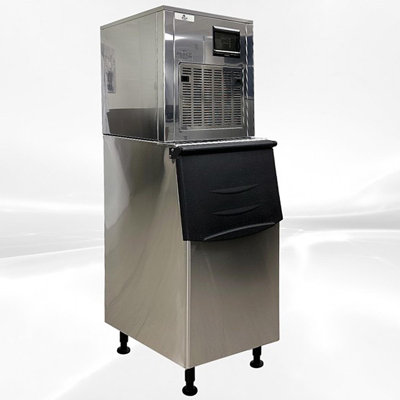
In a small café, food truck, or office break room, quick ice delivery keeps service smooth. Bars and cafeterias benefit most—no more guessing how many trays you need. If you’re outfitting a large kitchen, consider pairing your turbo ice maker with a purchase deep freezers: best prices deal to handle bulk storage.
Troubleshoot common issues
Cube formation delays
Check the water inlet for blockages.
Verify the room temperature isn’t above 90°F.
Run a full cleaning cycle—scale can insulate trays.
Soft or cloudy cubes
If cubes aren’t solid or look milky:
Use filtered or distilled water.
Clean mineral deposits regularly.
Make sure the pre-chill system is functioning—refer to your model’s manual.
Many units display error codes for low water, high temperature, or fan failures. Consult your manual for code definitions and reset procedures. If a code persists, professional servicing may be required.
Keep your unit optimal
Regular cleaning
Aim to clean the ice tray, reservoir, and water lines monthly. A mild vinegar solution helps dissolve scale without harsh chemicals. After cleaning, run a production cycle and discard the first batch of cubes.
Hard water areas may need quarterly descaling. Use a manufacturer-approved descaler or a citric acid solution. Follow the exact concentration and soak time in your manual to avoid damaging seals.
Professional service
If you notice odd noises, persistent leaks, or freezing cycles that never end, schedule a technician visit. Regular annual checkups extend the life of both compressor and refrigeration lines.
Quick turbo ice forms first cubes in as little as 6–15 minutes by combining a powerful compressor, directed airflow, and optimized tray design.
Pre-chilling water, maintaining ambient conditions, and using the right settings all shave precious minutes off freeze time.
Compared to a standard freezer, turbo ice makers deliver rapid output and crystal-clear cubes, ideal for home bars, commercial kitchens, and meal prepping.
Proper placement, ventilation, and routine cleaning keep your unit running at peak performance.
Troubleshoot soft cubes, delays, or error codes quickly with simple checks on water quality, temperature, and scale buildup.
Armed with these tips, you’ll never be caught waiting for ice again. Whether you’re entertaining friends, running a café, or just making smoothies before work, your quick turbo ice maker is ready to deliver perfect cubes on demand. Enjoy the chill!