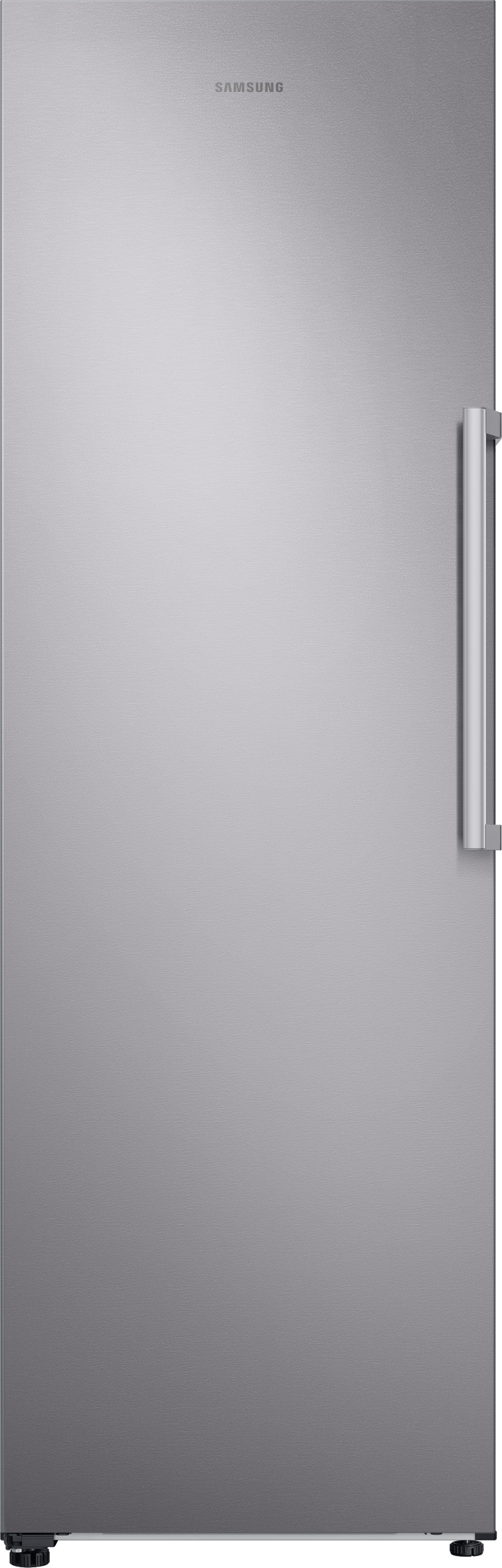
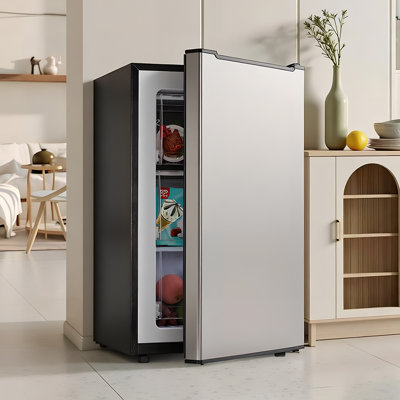
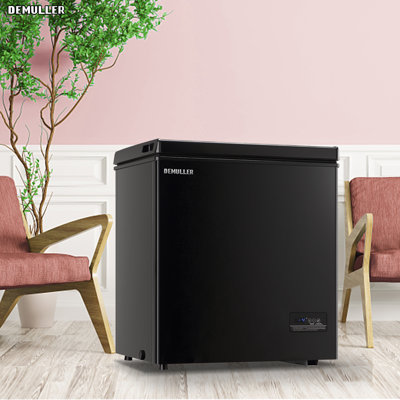
Ever opened your walk-in fridge or garage freezer only to feel a blast of cold air escape—and maybe even see frost forming on the floor? If you’re asking yourself what air curtain reduces cold spillage at open door? you’re not alone. Whether you run a busy commercial kitchen, host backyard barbecues from an outdoor fridge, or manage strong foot traffic in your cafeteria, keeping that cold air inside is key to energy savings, consistent temperatures, and lower utility bills. In this guide you’ll learn why cold spillage happens, how air curtains work, and which features really matter when you’re choosing the right unit for your doors.
Why cold spillage matters
When cold air pours out every time a door opens, your fridge or freezer’s compressor kicks in more often to maintain set temperatures. That can lead to:
- Higher energy costs as compressors cycle more frequently
- Uneven temperatures that may affect food safety and quality
- Increased wear on your equipment, shortening its lifespan
- Drafts that make staff or guests uncomfortable
In a busy restaurant kitchen or a family home where the fridge door is a revolving door, you want a solution that tames that cold air without getting in anyone’s way. That’s where an air curtain comes in.
How air curtains work
An air curtain is a device that blows a continuous stream of air across an open doorway, creating an invisible barrier between two spaces. Instead of a physical door, you have a sheet of fast-moving air that:
- Blocks cold air from escaping
- Prevents warm or humid air from entering
- Reduces insect and dust infiltration
Essentially, the air curtain mixes with the exiting cold air and redirects it back into the fridge or freezer, cutting down on spillage. Most units mount above the door and blow downward at high velocity, but you can also find side-mounted models for specialty setups.
Types of air curtains
Here’s a quick breakdown of common air curtain categories to help you narrow your search:
Key features to reduce cold spillage
When you compare models, focus on these specs and design elements—they’ll make the biggest difference in performance.
Air velocity and flow pattern
- Higher maximum airflow (measured in cubic feet per minute, or CFM) generally blocks more cold air, but too much velocity can feel like a draft to people walking through
- Adjustable airflow lets you fine-tune the barrier based on traffic volume—ideal if your open door hours vary
Temperature management
- Heated air curtains add warmth to the airflow, preventing condensation on the threshold and improving comfort when entering a freezer or cool room
- Thermostatic controls allow the unit to kick on only when temperatures drop below a set point, saving energy during warmer days
Nozzle or airfoil design
- Specialized nozzles or airfoils shape the air stream into a coherent barrier, preventing turbulence that reduces effectiveness
- Look for models with nozzles designed specifically for cold-room applications—these often feature insulated housings to avoid icing
Choosing the right air curtain
To find the best answer to what air curtain reduces cold spillage at open door? you’ll need to match the unit to your door dimensions, traffic patterns, and energy goals.
Match door width and height
- Air curtains are rated by door width; choose a model that covers the full opening or consider two units for wider doors
- Check performance charts for maximum effective door height—bigger rooms may require more powerful blowers
Consider traffic frequency
- If your door opens every few seconds (e.g., restaurant pass-through), invest in a heavy-duty or commercial-grade unit with high CFM
- For occasional use in a home garage or office cafeteria, a mid-range ambient unit with adjustable speed may suffice
Evaluate energy efficiency
- Compare power consumption (watts) against airflow (CFM) to calculate efficiency—higher CFM per watt is better
- Look for models with EC motors or variable-speed drives that adjust based on need
Installation and positioning tips
Even the best air curtain won’t perform if it’s not mounted correctly. Follow these guidelines to optimize performance.
Mounting height and angle
- Install the unit as close to the door frame as possible, typically within 6 inches of the header
- Aim the airflow straight down or at a slight outward angle of 5 to 10 degrees to create a stable barrier
Seal surrounding gaps
- Ensure no open gaps around the door frame where cold air can bypass the curtain
- Add weather stripping or brush seals to the sides if needed
Allow clearance
- Airflow patterns can break up if there’s an overhang or protrusion above the curtain; maintain manufacturer-specified clearances
- Keep obstructions like shelves or ductwork at least 6 inches away from the intake
Maintenance for optimal performance
Routine upkeep not only keeps your air curtain operating at peak efficiency, it also extends the life of the unit and prevents cold spillage from creeping back.
Clean or replace filters
- Dust and debris clog filters and reduce airflow; check them monthly in high-traffic environments
- Follow manufacturer guidelines for washing or swapping out filters
Inspect fan and motor
- Listen for unusual noise or vibration that could signal worn bearings or misaligned fans
- Lubricate moving parts as recommended in the user manual
Check for icing
- Heated units can develop ice buildup on the nozzle if condensate freezes; inspect weekly in subfreezing conditions
- If ice forms, power down the unit and use a soft brush to remove buildup, then verify the heating element is functioning
Control systems and sensors
- Calibrate temperature or motion sensors yearly to ensure the curtain engages at the correct times
- Test remote controls or wall switches to confirm you can adjust speed or mode without hassle
Troubleshooting common issues
Even with proper installation and maintenance, you might run into a few bumps. Here’s how to diagnose and fix them quickly.
Issue: Cold drafts under the curtain
Cause: Insufficient airflow or incorrect nozzle angle
Fix: Increase blower speed, re-angle the unit downward, or seal gaps at the base
Issue: Excessive noise or rattling
Cause: Loose mounting hardware or unbalanced fan
Fix: Tighten mounting screws, check fan balance, lubricate motor bearings
Issue: Frost or condensation on the door frame
Cause: Lack of heating in the air curtain or faulty thermostat
Fix: Switch to a heated model, repair or replace the thermostat, or boost airflow
Issue: High energy bills despite using an air curtain
Cause: Oversized unit or continuous operation when not needed
Fix: Install variable-speed control, use motion sensors, or downgrade to a more efficient model
Real-world example
Imagine Sarah, who runs a small deli with an open display fridge at the front counter. Customers constantly open the door to grab their favorite sandwiches, and Sarah noticed her fridge cycling nonstop. After installing a compact heated air curtain with variable-speed control matched to her counter width, she saw:
- A 20 percent reduction in compressor runtime
- More stable product temperatures, boosting salad bar freshness
- Fewer complaints about cold drafts from customers
By choosing the right model and following proper installation steps, Sarah addressed the exact issue of what air curtain reduces cold spillage at open door? with measurable savings and improved comfort.
Additional fridge and freezer tips
While air curtains are one piece of the puzzle, you can further optimize your cooling setup with these resources:
Final thoughts
Cold spillage at an open door isn’t just an annoyance, it’s a drain on both cold air and your budget. By understanding what air curtain reduces cold spillage at open door? and choosing a unit that matches your door size, traffic volume, and energy goals, you’ll keep more of that precious cool air exactly where it belongs. With proper installation, routine maintenance, and a few simple tweaks, you can enjoy lower utility bills, longer equipment life, and a more comfortable environment for everyone passing through.