If your fridge is over 300 pounds or your doorway has multiple angles, experienced appliance movers come with specialized dollies, straps, and experience to handle the job safely.
If you’ve ever stared at your refrigerator box in the hallway, you’re probably wondering, will a refrigerator fit through a 32 inch door?
Even a quarter-inch matters when you’re talking about a tight 32 inch passage.
If you’re down to a fraction over 32 inches, consider removing part of the trim temporarily.
If you’ve ever stared at your refrigerator box in the hallway, you’re probably wondering, will a refrigerator fit through a 32 inch door? It’s a classic moving-day headache—your shiny new appliance looks perfect in the catalog, but will it clear that doorway without getting stuck or scuffing walls? In this guide, you’ll walk through every step—from measuring your door and fridge to clever tilting tricks—so you can rest assured your refrigerator slides in smoothly.
Whether you’re a home cook squeezing a side-by-side into a cozy kitchen, a family upgrading to a larger capacity model, or a chef fitting a commercial fridge through a restaurant doorway, these tips apply. You’ll learn how to calculate clearance, remove obstacles, protect floors, explore alternate paths, and even decide when it’s time to call professional movers. With a little planning (and a tape measure), you’ll avoid bruised walls, scratched floors, and a seriously bruised ego.
Assess door dimensions
Measure door width precisely
Grab your tape measure and record the clear opening from the stop jamb on one side to the stop jamb on the other. Don’t estimate—measure twice. Even a quarter-inch matters when you’re talking about a tight 32 inch passage.
Note frame molding thickness
Door frames often include molding that can eat into the opening. Measure the inside edge of the molding on both sides so you know the true width. If you’re down to a fraction over 32 inches, consider removing part of the trim temporarily.
Check door swing space
Open the door fully and confirm it doesn’t hit walls or cabinets on either side. You need enough room for the door to stay open while you maneuver the fridge. If furniture or appliances block the swing, plan to move them out of the way first.
Measure refrigerator size
Height, width, depth metrics
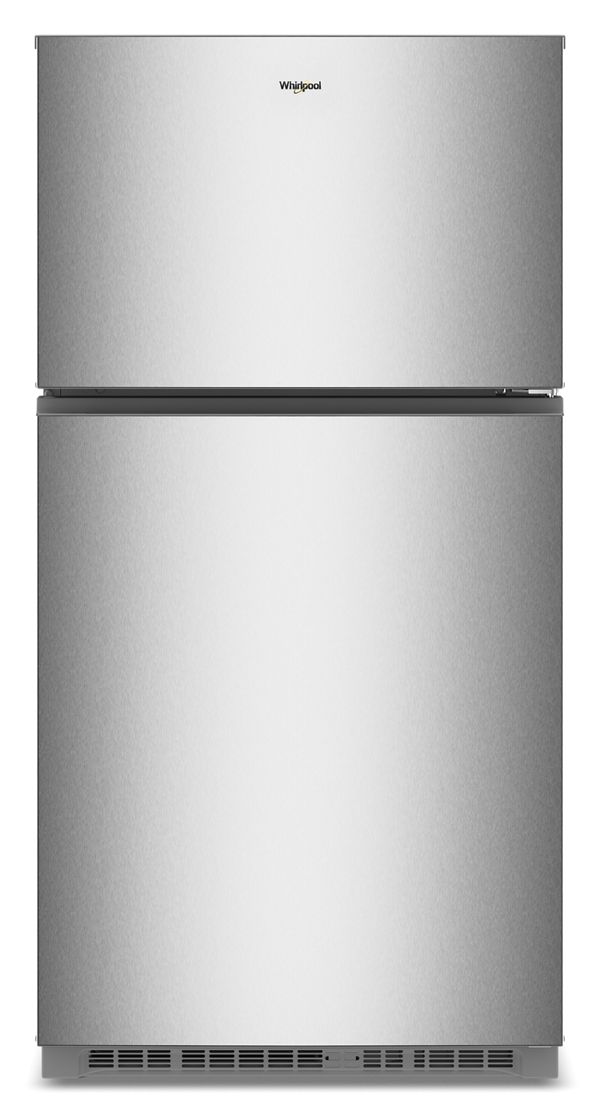
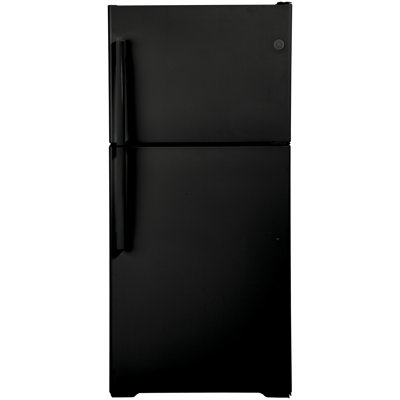
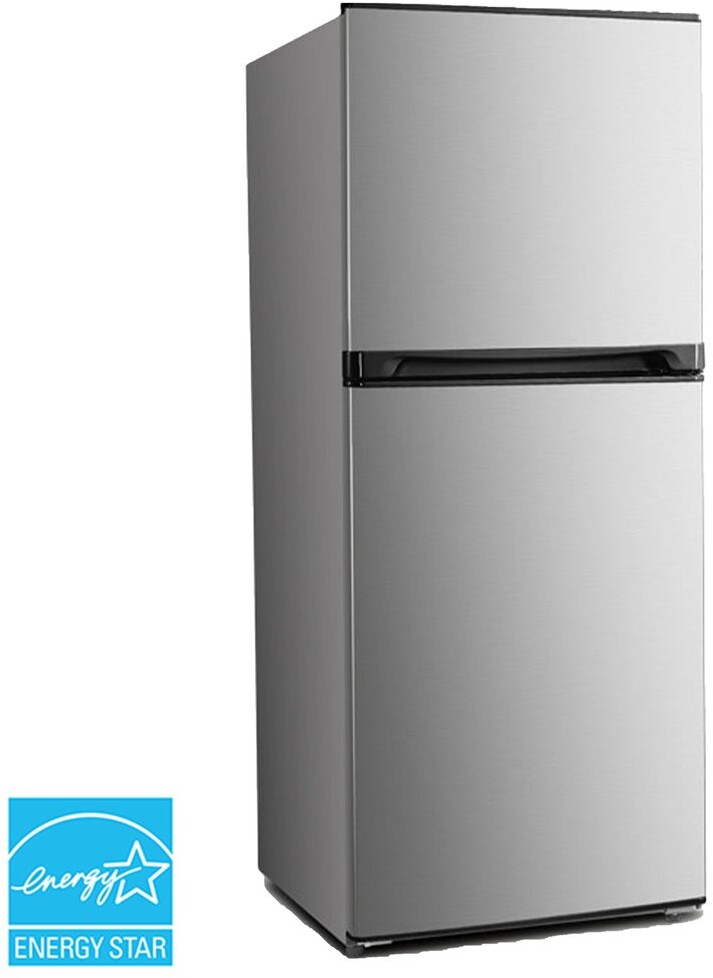
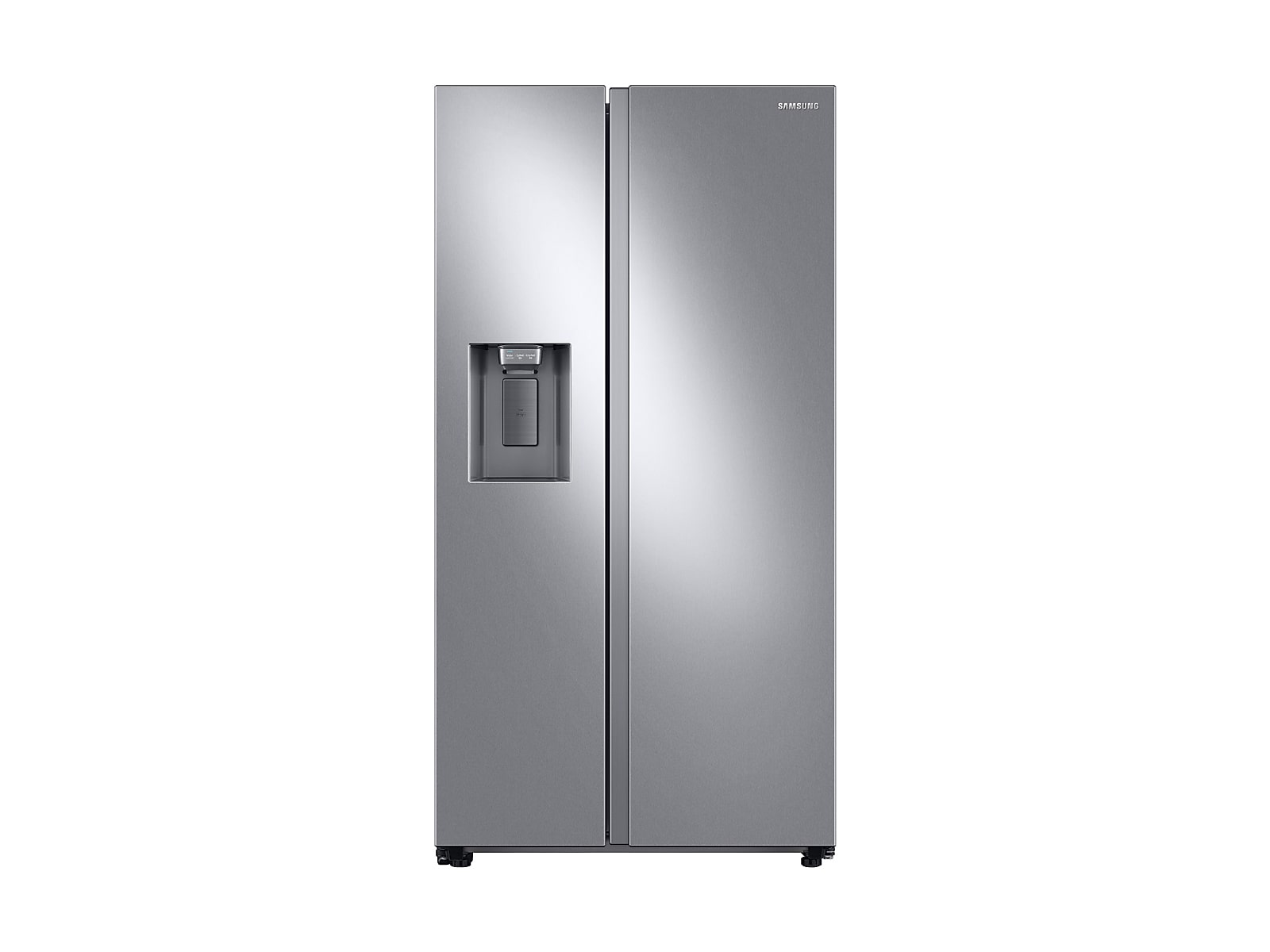
Before purchase or delivery, check the fridge’s external dimensions—height, width, and depth—as listed on the spec sheet. Don’t forget to include handle protrusions in your width measurement.
Account for handles and hinges
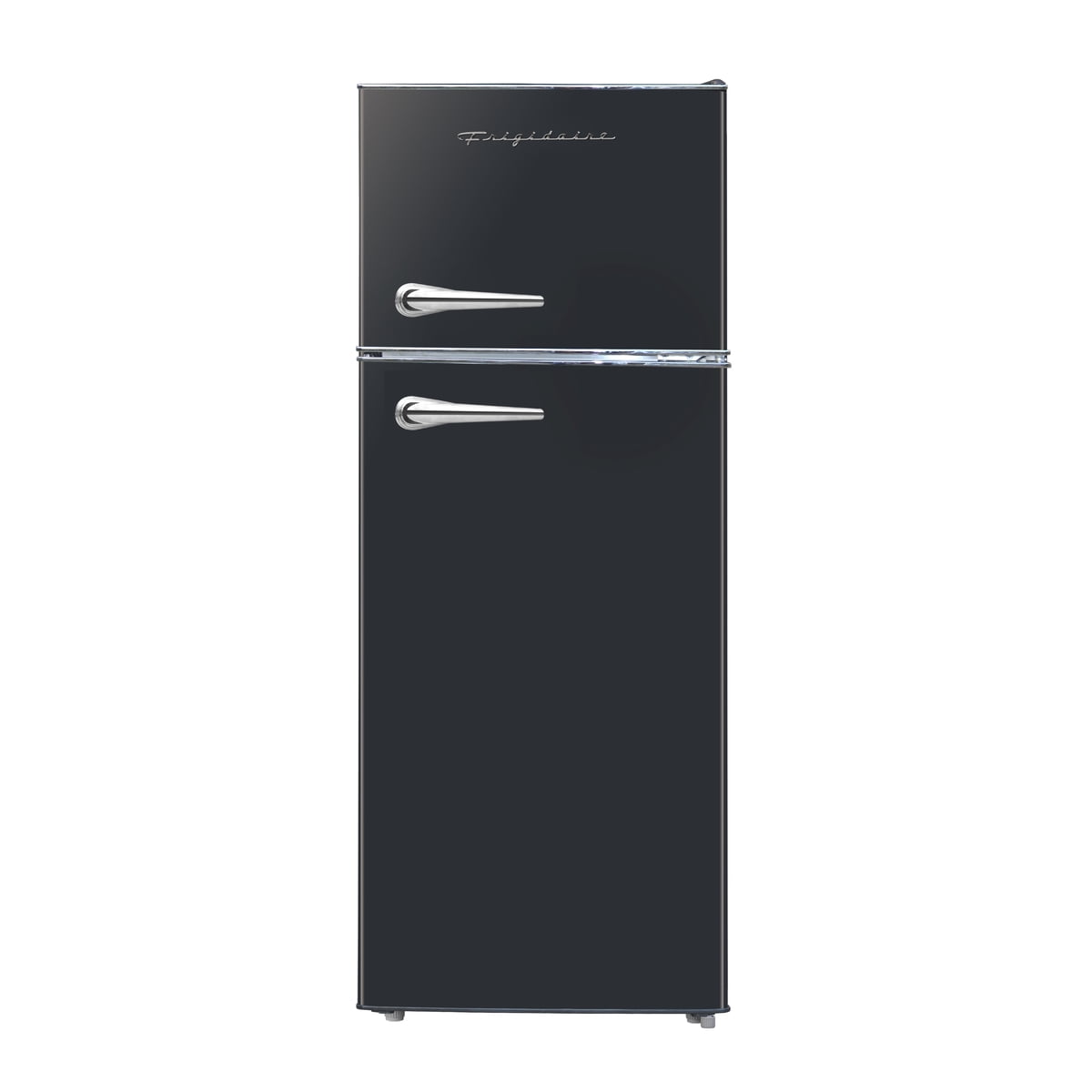
Many fridges have chunky handles or hinge covers that add an extra inch or two. Measure from the furthest point on one handle to the furthest on the opposite side if you’re turning the unit sideways.
Include packaging dimensions
Your delivery team will bring the fridge in packaging or with skid rails still attached. That packaging can add up to an extra inch around all sides. If you haven’t unboxed it yet, use the carton dimensions to confirm real-world size.
When shopping for the right model, you might also check buying a new refrigerator how to get the very best one, which covers slim profiles and depth-optimized designs.
You generally want at least 1 inch of wiggle room on each side to tilt and pivot the fridge. For a 32 inch door, aim for a fridge no wider than 30 inches—or remove doors and handles to squeeze it through.
Top-to-bottom clearance
Check your doorway height too. A fridge listed at 70 inches tall might hit a 72 inch door header once you tilt it in. Measure header height from floor to the lowest obstruction, like a lintel or cabinet overhang.
Diagonal clearance
Sometimes turning the fridge in at a slight angle helps. Use the Pythagorean theorem if you’re mathematically inclined: diagonal = square root of (height² + width²). Compare that diagonal to your door height to see if a tilt move will work.
Map your route from delivery truck or parking spot to the entry point. Note tight hallways, carpet transitions, and steps that could slow you down or force an awkward turn.
Evaluate turning radius
If you need to make a 90-degree turn just inside the door, measure the hall width at the pivot point. Your fridge’s depth must be less than the hallway width plus door opening to avoid getting stuck mid-turn.
Pre-move dry run
Walk the path carrying a box or using a piece of cardboard cut to your fridge’s footprint. This preview can reveal hidden snags like a low beam or door jamb that might catch the fridge corner.
On many models you can safely remove the fridge door or freezer door to reduce width. Check your owner’s manual, gather the right sockets or wrenches, and label hinges so you can reassemble easily.
Remove interior shelves
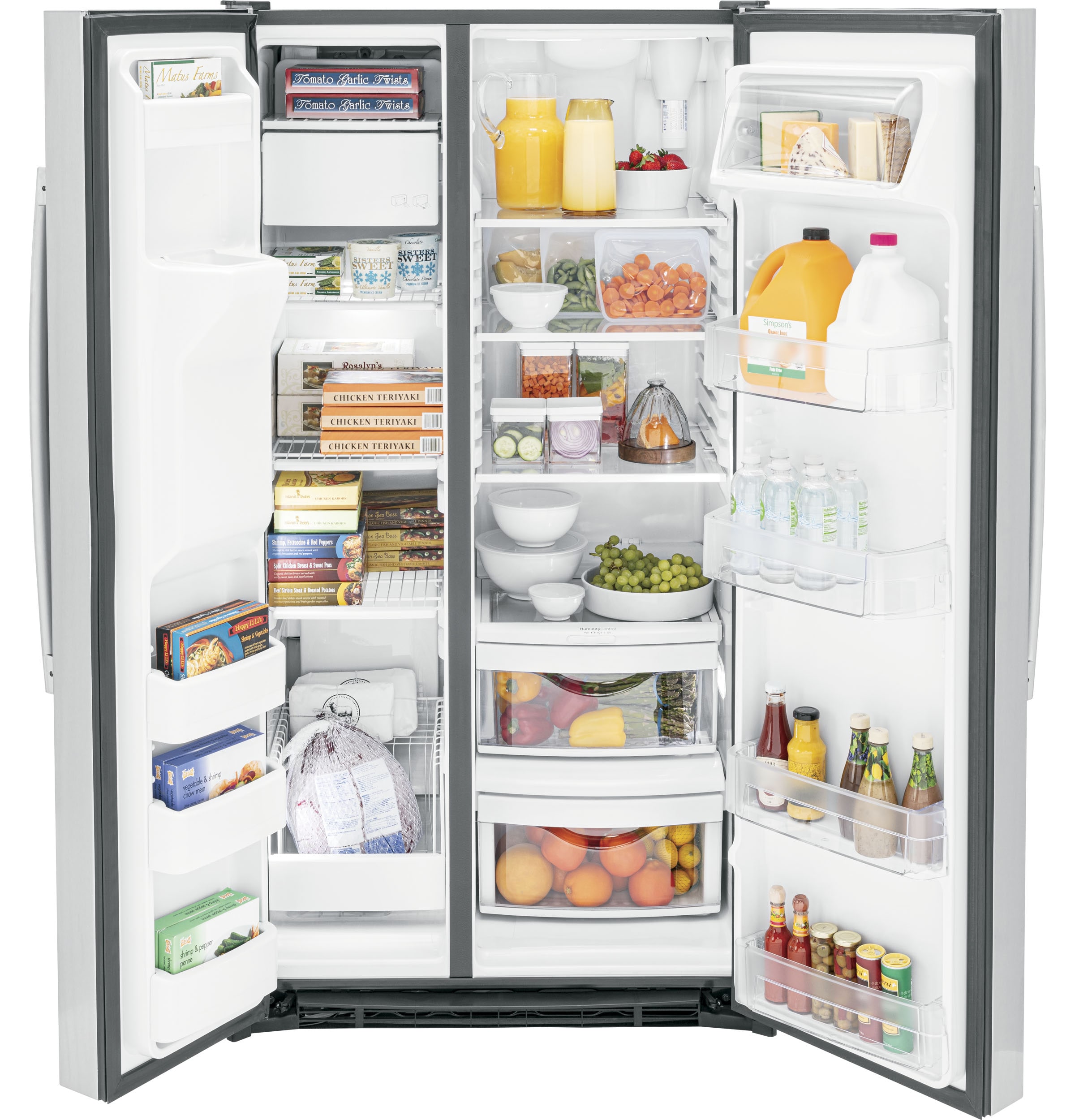
Lighten the load and prevent shelves from shifting by taking out all loose parts before the move. Wrap them in blankets or bubble wrap and secure them in a box.
Take off door trim
If your door frame molding still narrows the opening, carefully pry off the trim with a flat bar. Keep the nails and trim in a labeled bag so you can reinstall later without fuss.
Tilt your fridge back no more than 45 degrees to protect the compressor oil. Greater tilt angles can lead to compressor issues down the line. Also, always tilt away from hinges so you don’t stress the frame.
Protect fridge finish
Place moving blankets or thick towels under corners before tilting to avoid scratching. Secure blankets with plastic wrap or duct tape, leaving adhesive off painted surfaces.
Angle entry
Start by inserting one top corner of the fridge into the door, then pivot the bottom through. This diagonal approach often requires less clearance than trying to push the entire width in head-on.
Place furniture sliders under each corner of the fridge, especially on hardwood or tile. If you’re worried about scratches, check out how can i slide my fridge without scratching the floor? for extra tips.
Place drop cloths or cardboard
Lay down a thick cardboard path or canvas drop cloth to protect floors and ease sliding friction. Secure edges with painter’s tape so you don’t trip over loose flaps.
Lift versus push
When crossing thresholds, brief lifting reduces drag. Coordinate with helpers: two people lift one end, hold it steady, then slide the cleared end over the edge before lowering.
Lift the fridge just enough to clear any threshold, then push forward in short bursts. Constant pushing can wear you out and increase chances of losing control.
Seek extra set of hands
A second or third person can steady the fridge from behind, guide it through the opening, and help tilt or pivot without putting undue strain on yourself.
Maintain steady communication
Call out actions like “Tilt back a little” or “Push forward slowly” so everyone moves in sync. A mis-timed pull or push can jam the fridge or ding the wall.
Explore alternate routes
Check windows and garage doors
If your front entrance proves too snug, see if a wider back door, patio slider, or garage door offers more clearance. You might slide the fridge in horizontally, then pivot it back upright.
Consider cabinet-depth models
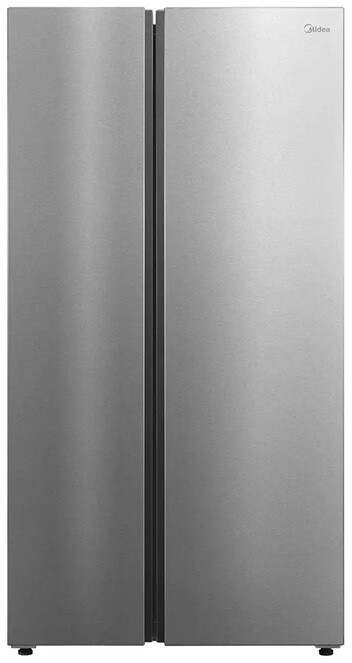
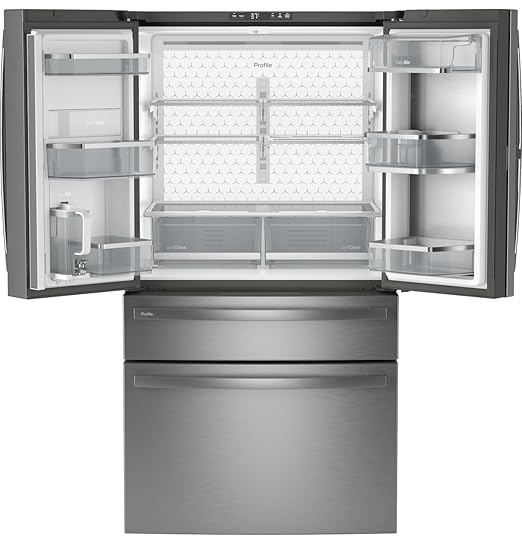
If you’re still planning your purchase and doorway width is non-negotiable, look at shallower units. A cabinet depth French door refrigerator saves space without compromising storage.
Use appliance lifts
For tricky entries, some movers bring an appliance lift that tilts and slides units in one motion. It’s a rental cost, but it can mean the difference between a smooth install and a dented doorway.
If your fridge is over 300 pounds or your doorway has multiple angles, experienced appliance movers come with specialized dollies, straps, and experience to handle the job safely.
Insurance and liability
Ask movers to carry insurance covering dents, scratches, or injury. For high-value commercial-grade refrigerators, you’ll want full coverage in case of accidental damage during transit or installation.
Frequent fit FAQs
Will my fridge door fit?
If your fridge is wider than your doorway by more than an inch, you’ll need to remove doors or handles, and tilt it in at an angle. Always measure both fridge and doorway before the move.
What if door is narrower?
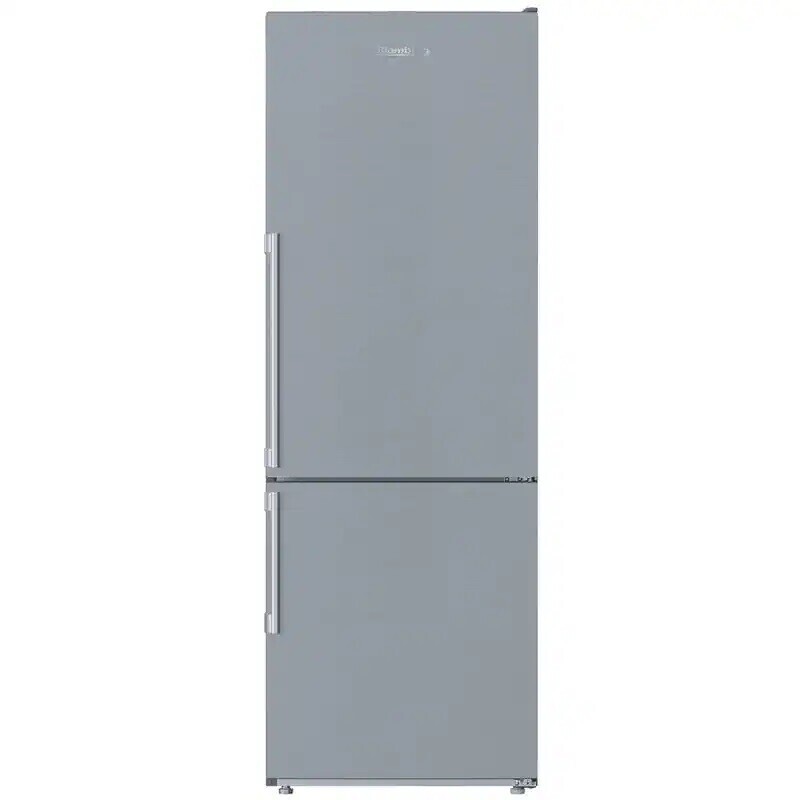
When a standard 32 inch door won’t budge, explore alternate entries, trim the doorway temporarily, or opt for a more compact model like a counter-depth or slim fridge.
Can I modify the doorway?
Yes, you can remove trim, shave off a bit of jamb, or even widen the rough opening. Consult a pro if you’re not comfortable with carpentry—you’ll need to ensure structural integrity.
By following these steps—accurate measuring, smart disassembly, protective padding, and careful tilting—you’ll answer your own question, will a refrigerator fit through a 32 inch door? with a confident yes. A little prep work, the right tools, and teamwork go a long way toward a bump-free delivery. Now go on, grab that tape measure, clear the path, and enjoy your new fridge without the moving-day jitters.
Frequently Asked Questions
If your fridge is wider than your doorway by more than an inch, you’ll need to remove doors or handles, and tilt it in at an angle. Always measure both fridge and doorway before the move.