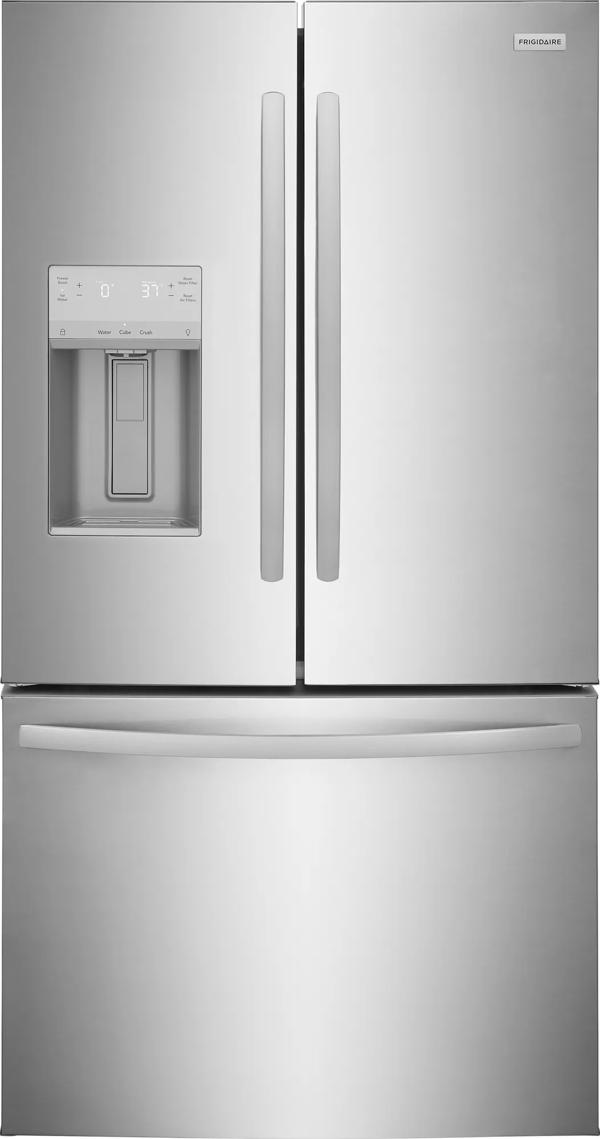
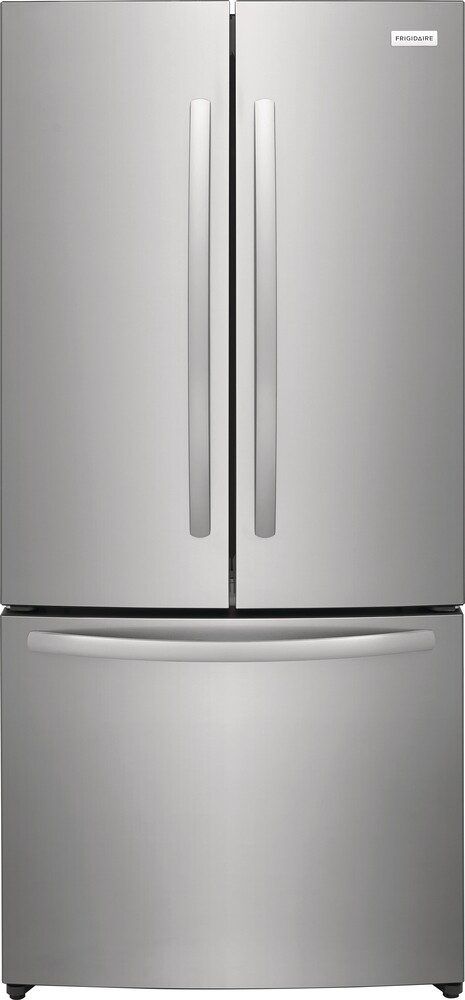
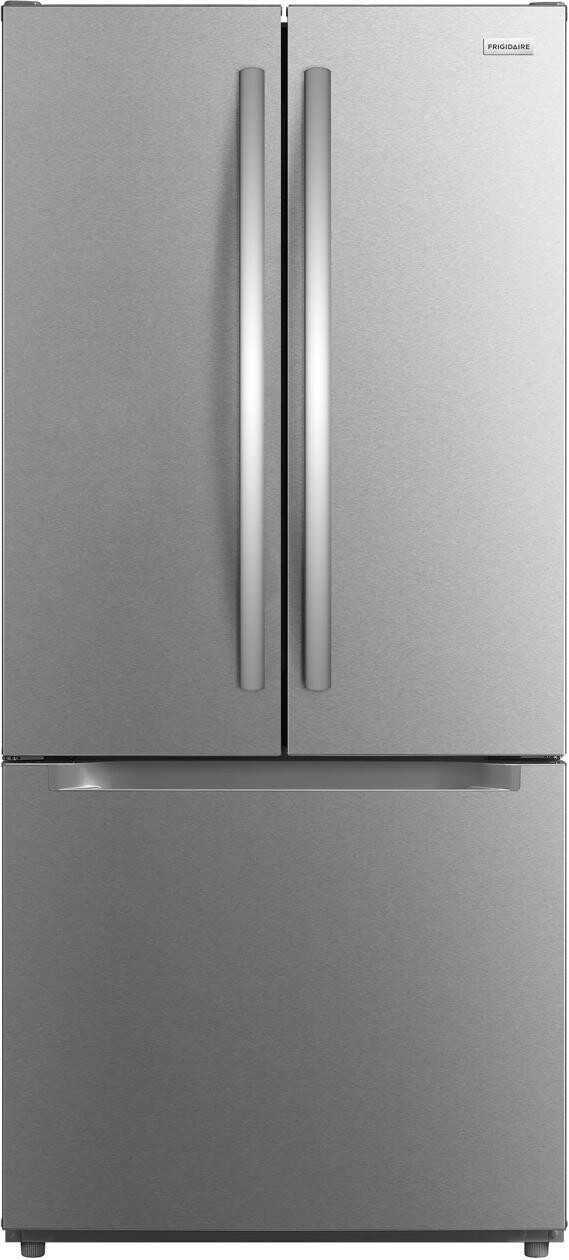
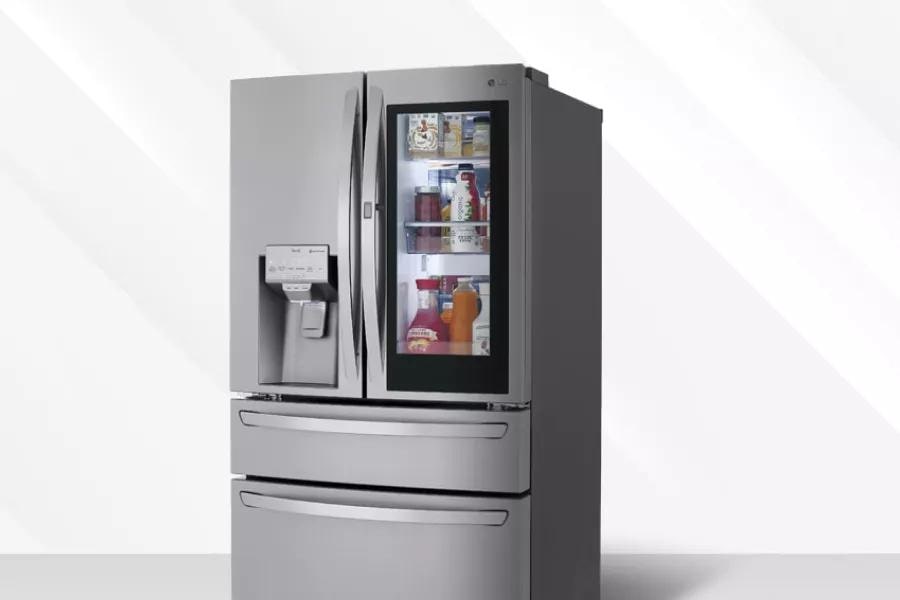
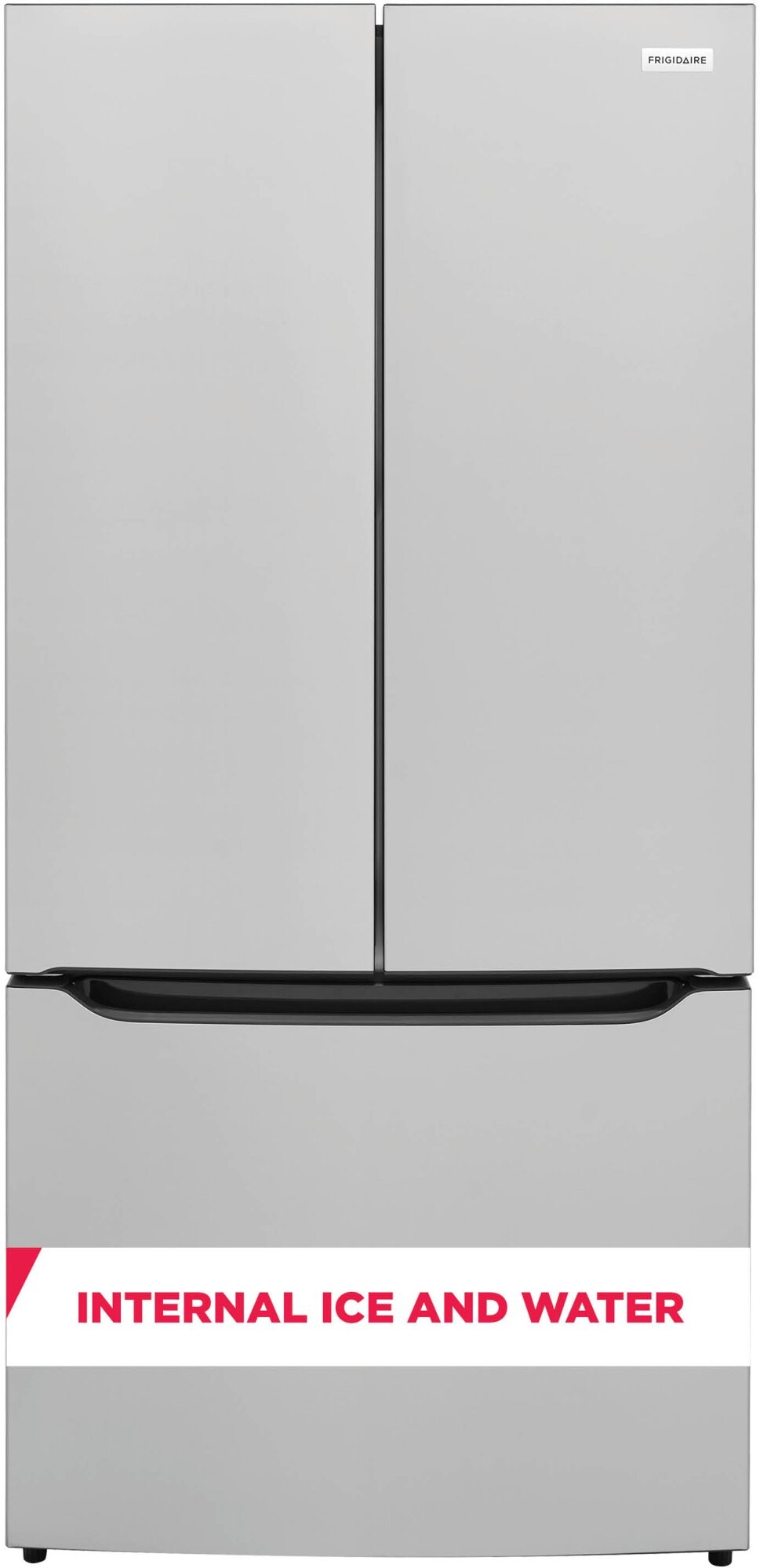
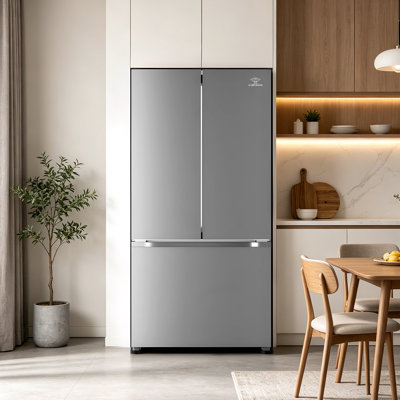
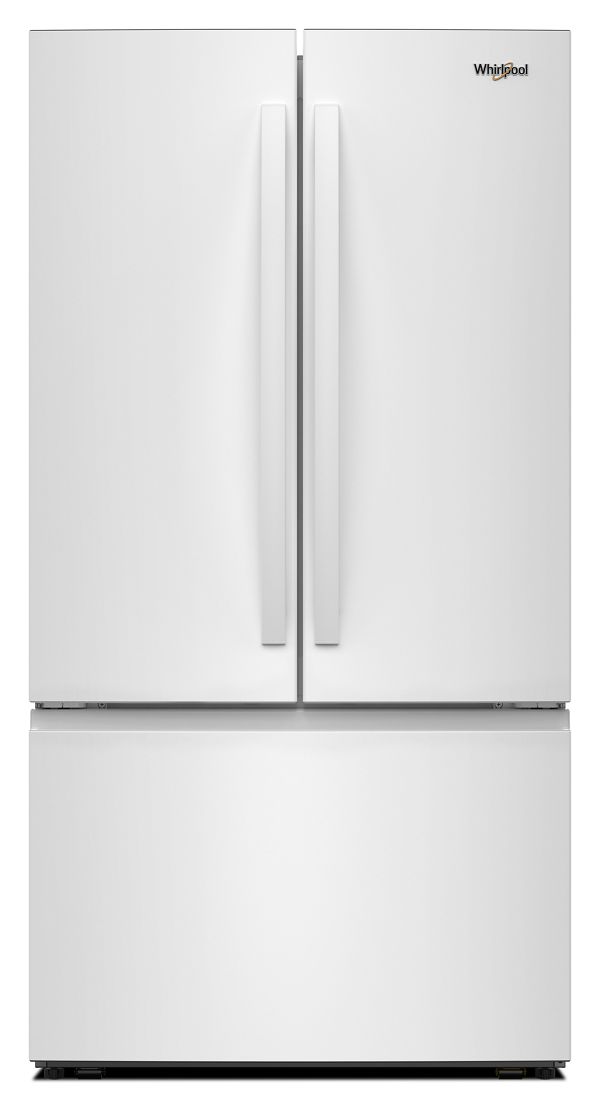
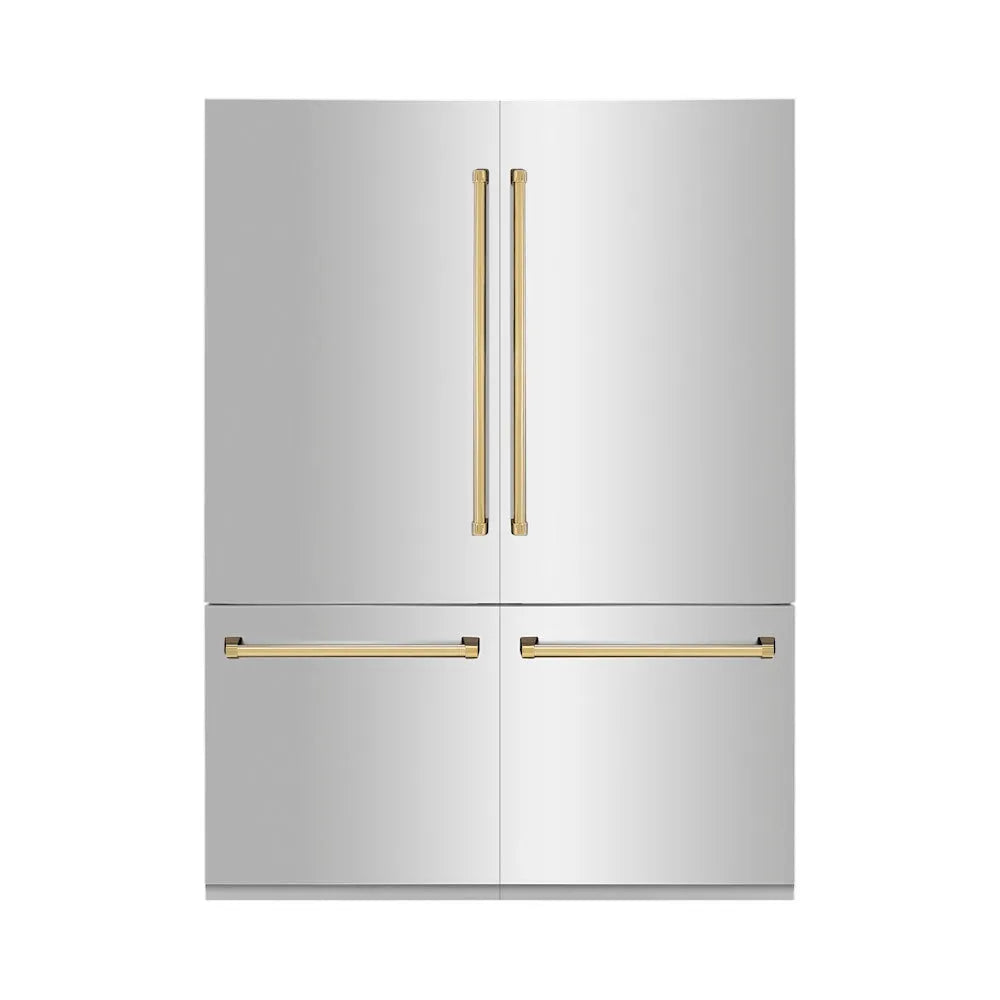
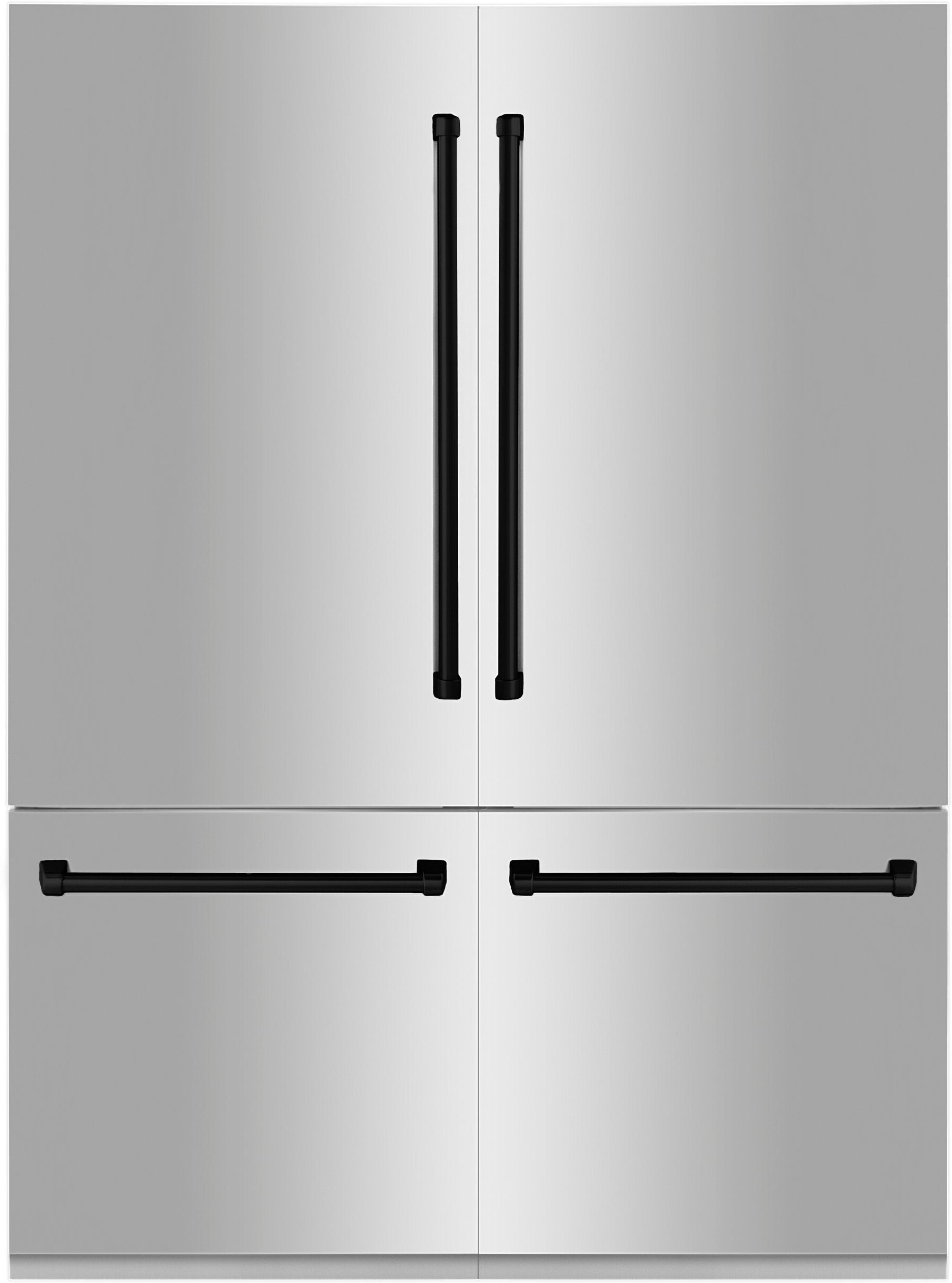
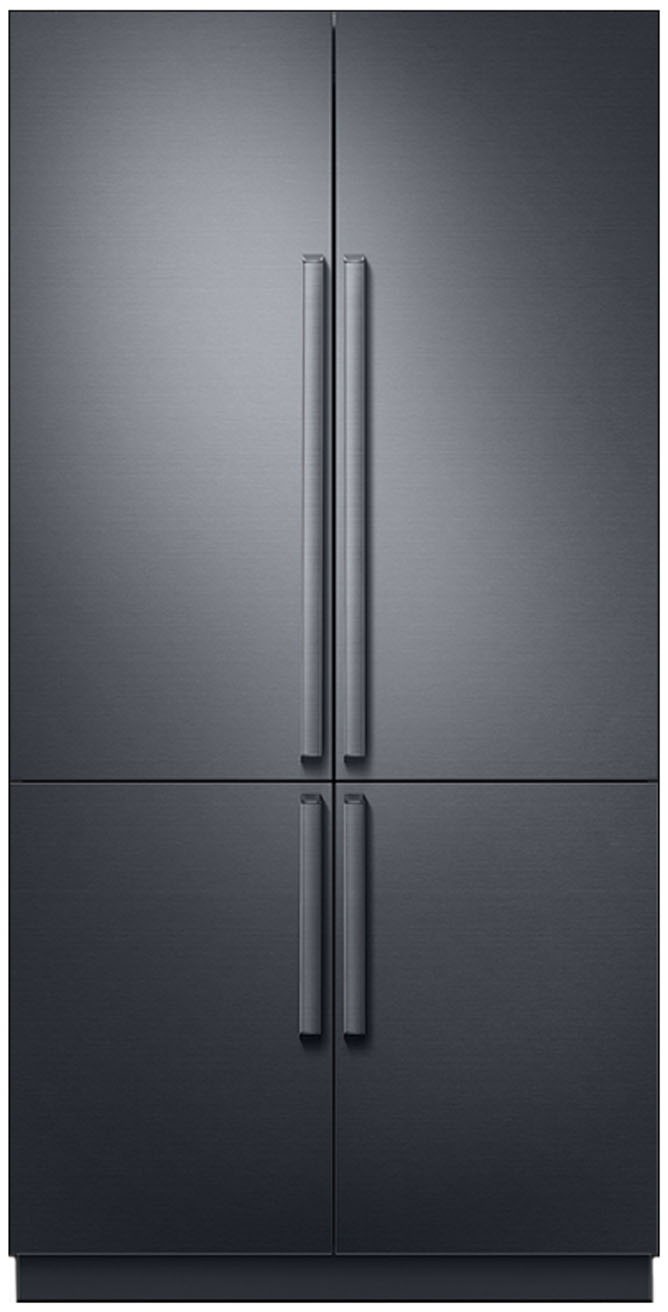
If you’re in the market for a cabinet depth french door refrigerator, you’ve come to the right place. A cabinet depth french door refrigerator brings that built-in, streamlined look to your kitchen without sacrificing the generous storage and flexible organization you need. Whether you’re meal-prepping for a busy week, hosting friends for a weekend barbecue, or fitting a fridge into a dorm room or RV, this style ticks all the boxes.
In this guide, you’ll learn what sets cabinet-depth models apart, why the french door layout is so popular, how to measure and install your new fridge, and which features matter most for your lifestyle. Let’s dive in.
Understanding cabinet depth
Cabinet depth refers to refrigerators designed to sit flush with your kitchen cabinetry or counters. Unlike traditional full-depth fridges that can protrude several inches, cabinet-depth units typically measure 24 to 27 inches from front to back (excluding doors). You get a built-in appearance without the custom cabinet cost.
Standard vs cabinet depth
- Standard full-depth refrigerators: 30–36 inches deep, often extend past countertops
- Cabinet-depth refrigerators: 24–27 inches deep, align neatly with cabinet faces
- Counter-depth refrigerators: about 24 inches deep, similar concept but sometimes slightly shallower
Full-depth vs counter-depth
While full-depth models maximize internal volume, they can disrupt traffic flow and look bulky. Counter-depth and cabinet-depth units give you a refined aesthetic. Cabinet-depth fridges can be custom-panel ready, making them a go-to for designers and homeowners craving an integrated look.
Cabinet-depth comparison table
| Type | Depth (excluding doors) | Appearance |
|---|---|---|
| Full-depth | 30–36 inches | Extends beyond cabinets |
| Counter-depth | ~24 inches | Flush with counter |
| Cabinet-depth | 24–27 inches | Flush with custom cabinetry |
Exploring french door style
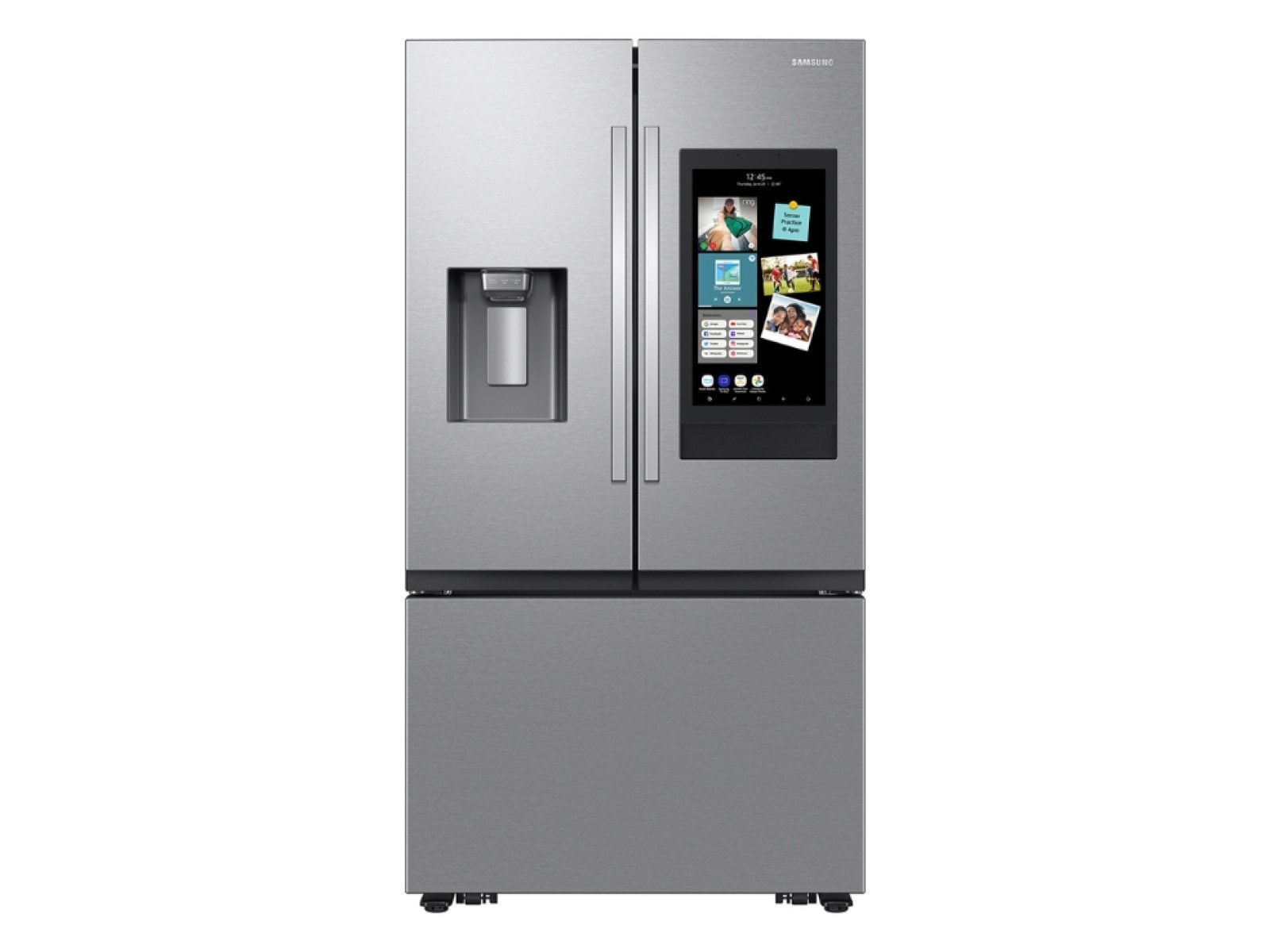
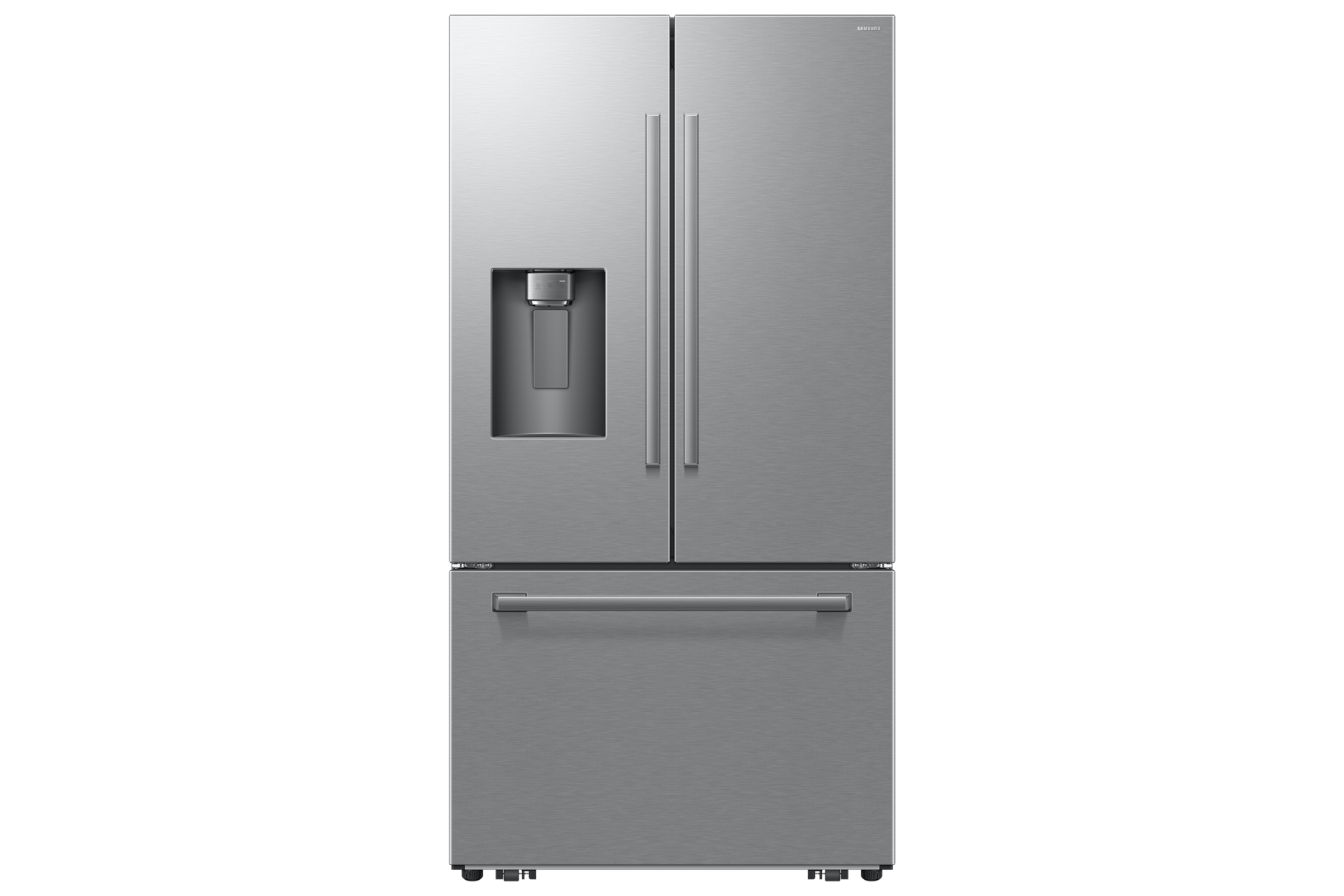
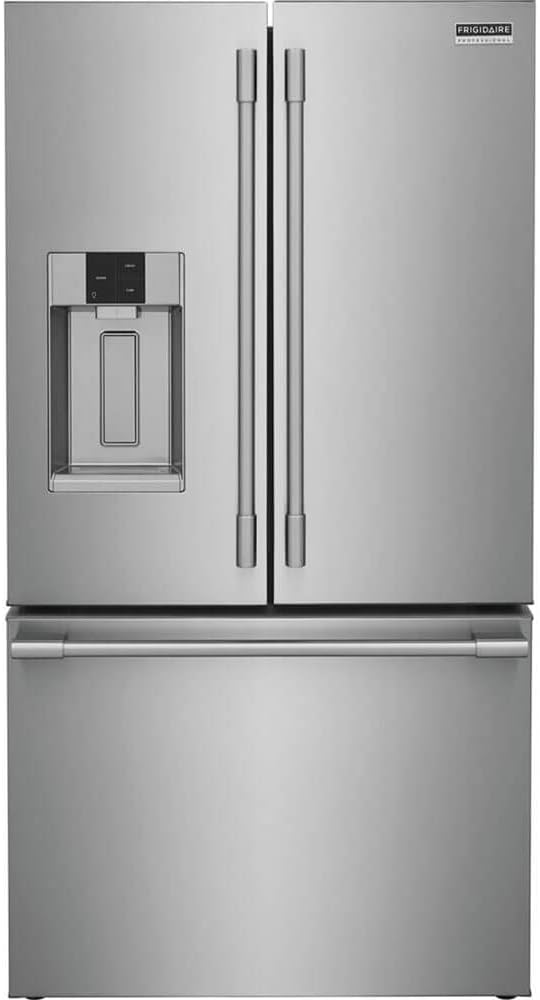
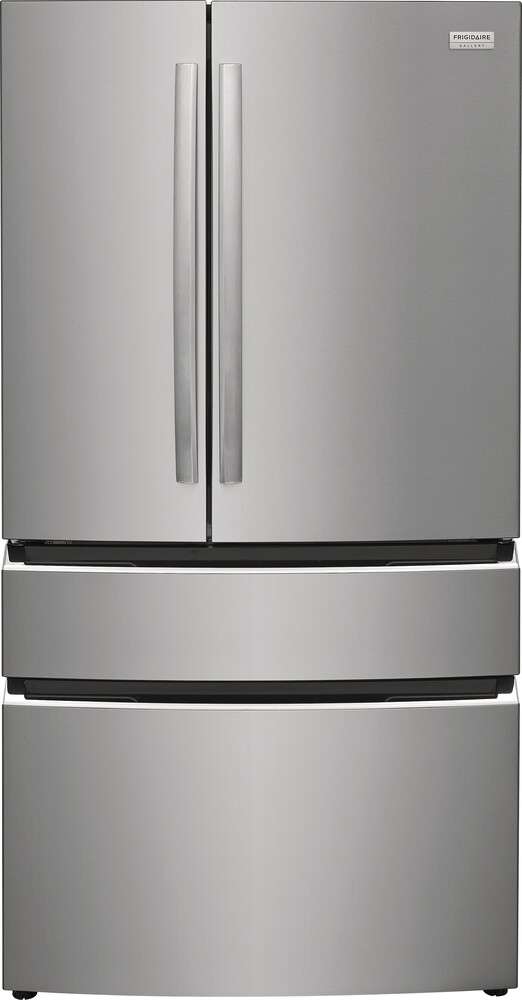
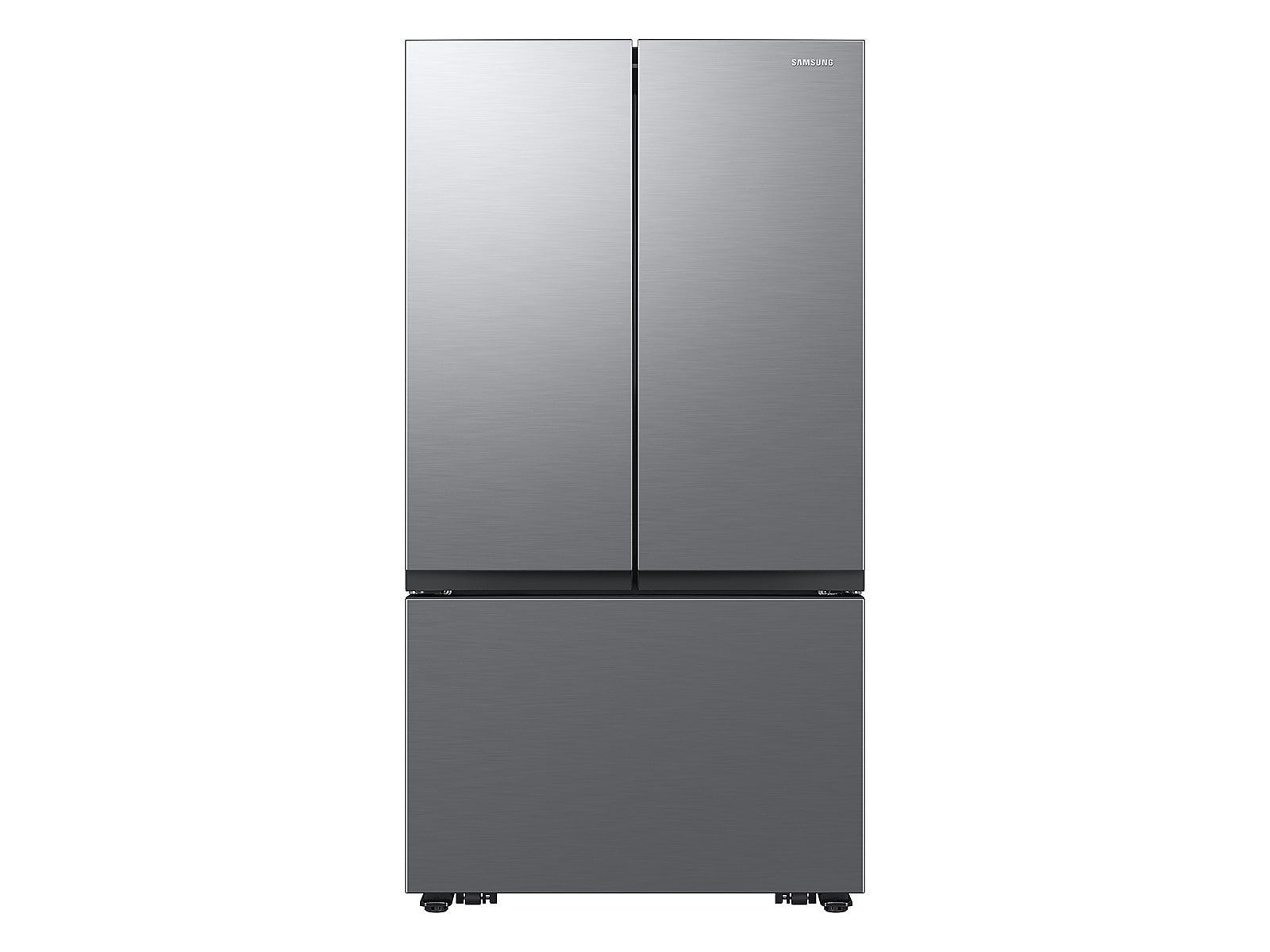
The french door layout features two side-by-side fridge doors above a pull-out freezer drawer. You get wide, uninterrupted shelving in fridge mode, plus easy access to fresh items. The bottom freezer drawer is perfect for organizing frozen foods in baskets or sliding bins.
Flexible storage options
- Wide full-width shelves adapt to large platters or sheet pans
- Adjustable door bins for tall bottles, condiments, and sauces
- Slide-out freezer drawer lets you see everything at a glance
Temperature control features
Many models offer dual-cooling systems, humidity-controlled crispers, and convertible drawers that switch between fridge and freezer. You can fine-tune settings for vegetables, deli meats, or beverages, so everything stays at its ideal temperature.
Assessing your kitchen space
Before falling in love with a model, you need to verify it will actually fit. Cabinet-depth fridges are slimmer, but you still have to account for clearance, door swing, and ventilation.
Measuring opening dimensions
- Measure the height from floor to ceiling and add an extra half-inch for leveling feet.
- Measure the width of the cabinet opening and hallway or doorway leading to the kitchen. Will it fit through a narrow hallway or bottleneck? If you’re unsure, check will a refrigerator fit through a 32 inch door?.


Allowing proper clearance
- Leave at least 1⁄2 inch on each side and top for air circulation
- Consider door swing radius—some models offer reversible doors or hinge kits
- Remove cabinet doors or trim if needed to slide the fridge into place
Choosing capacity and layout
Cabinet-depth fridges generally range from 18 to 22 cubic feet of total capacity—slightly less than a full-depth unit but plenty for most households. Think about how you use your fridge day-to-day and choose shelf and bin setups that match.
Shelf and bin configurations
- Spill-proof glass shelves catch leaks and adjust to different heights
- Full-extension slide-out shelves let you see items at the back
- Door bins vary in height—ideal for gallon jugs, wine bottles, or small jars
Adjustable and specialized drawers
- Humidity-controlled crispers keep produce fresh up to 2x longer
- Deli drawers maintain a lower temperature for meats and cheeses
- Convertible drawers toggle between fridge and freezer with the touch of a button
Considering energy efficiency
Running an Energy Star certified cabinet-depth french door refrigerator can save you up to 10% on your annual energy bill compared to non-certified models. Look for additional features that boost efficiency and performance.
Energy Star ratings
Certified models undergo rigorous testing to meet efficiency standards. Compare the estimated yearly kWh usage on EnergyGuide labels when shopping.
Cooling technology features
- Inverter compressors adjust cooling power to demand, reducing temperature swings
- Multi-zone cooling isolates fridge and freezer compartments for tighter temperature control
- Door alarms notify you if a door has been left ajar, preventing wasted energy
Maintaining your refrigerator
A little upkeep goes a long way toward prolonging the life of your fridge and preserving food quality.
Cleaning and organizing
- Wipe down interior walls and shelves monthly with mild soap and water
- Remove loose crumbs and expired items weekly to reduce odor and pests
- For a deep clean, consult how do you clean your fridge? - and why is it important
Filter and gasket care
- Replace water and air filters per manufacturer guidelines—usually every six months
- Inspect door gaskets for cracks or debris; clean them with a damp cloth to maintain a tight seal
Installing and moving safely
Moving a fridge can feel like navigating a puzzle. Plan ahead to protect your floors and avoid damage.
DIY moving tips
- Slide the fridge on moving blankets or floor runners, not directly on hardwood
- Use furniture straps or a dolly to distribute weight
- For more tips on protecting your floors, see how can i slide my fridge without scratching the floor?
Protecting your floors
Use cardboard or plywood under the fridge during final positioning to avoid dents or scratches.
Leveling the unit
Adjust the front leveling feet until the fridge sits slightly tilted backward—this ensures doors close automatically.
Professional installation advice
- Hire a pro if your fridge requires a new water line or electrical upgrade
- Confirm proper ventilation and clearance per the manufacturer’s instructions
- Secure the fridge with anti-tip brackets in earthquake zones or rental properties
Selecting your use case
One of the best things about a cabinet-depth french door refrigerator is its versatility. No matter how you use it, there’s a configuration that fits.
Family and entertaining
Large shelves and wide door bins hold platters, party trays, and gallon containers of juice or milk. Humidity-controlled crispers keep produce fresh for family meals.
Small spaces and on-the-go
If you’re furnishing a studio apartment, dorm room, or RV, a slim cabinet-depth unit frees up floor space and prevents hallway bottlenecks. For RV trips, explore camper refrigerator options that combine cabinet depth with travel-friendly features.
Commercial and craft use
In offices, cafeterias, or home bars, you might need precise temperature zones for ingredients or beverages. Dual-zone refrigerators let you store craft beer and soda at ideal temperatures—see dual zone refrigerator for details.
Finding the best deal
Cabinet-depth french door refrigerators range from around $1,500 for basic models to over $4,000 for premium, panel-ready units. Timing your purchase can yield significant savings.
Seasonal sales and discounts
- Black Friday and Cyber Monday often feature 20–30% off
- Presidents Day and Labor Day also bring rebates on major appliances
- Sign up for store newsletters to receive exclusive coupons and early alerts
Where to shop
- Check big-box retailers and home improvement stores for floor model deals
- Shop online marketplaces for free shipping and in-home installation bundles
- For current offers, visit purchase french door refrigerators: deals
Final buying considerations
By now you’ve explored dimensions, features, and pricing. Before you hit “buy,” make sure you’ve covered all the bases.
Key questions to ask
- Will it fit through my kitchen doorway and into the intended spot?
- Do I need panel ready doors or stainless steel panels?
- What storage configurations matter most for my grocery habits?
- How important is energy efficiency versus upfront cost?
Decision checklist
- Measured opening width, height, and depth including clearance
- Reviewed capacity needs for your household or application
- Compared energy usage and operating features
- Checked installation requirements and potential added costs
- Found the best timing and retailer for your budget
With these steps in mind, you’re ready to choose the perfect cabinet-depth french door refrigerator for your kitchen or space. Enjoy that built-in look, keep your groceries organized, and relish more counter room—all while serving up fresh meals, family favorites, or chill drinks with style.