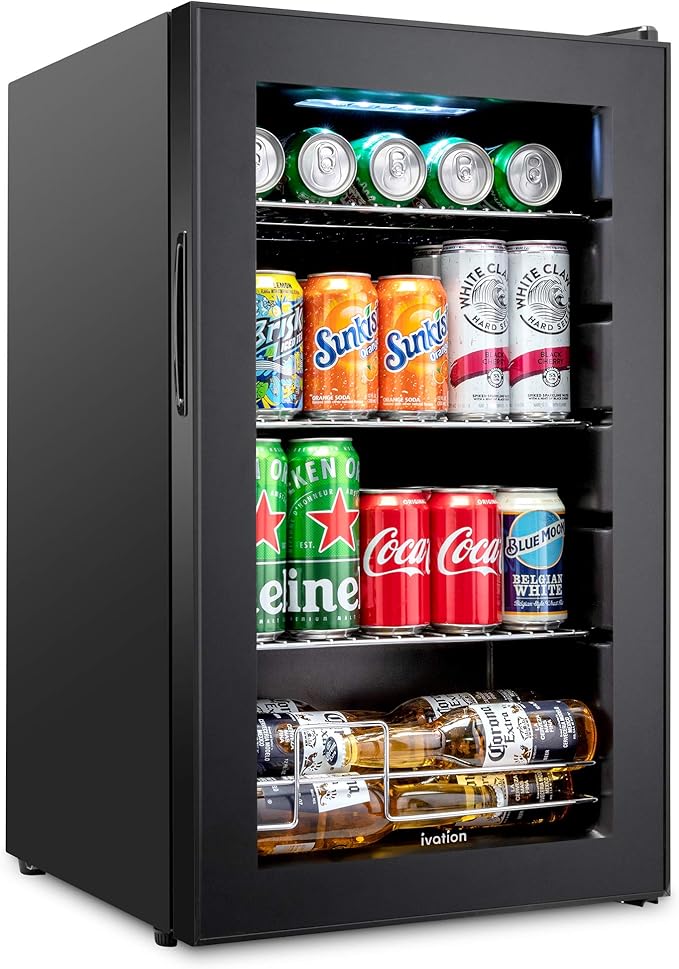
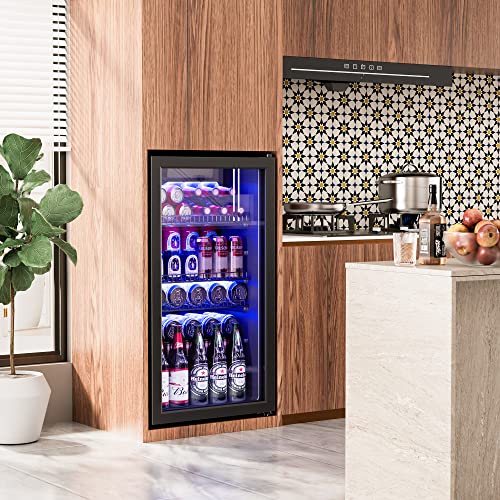
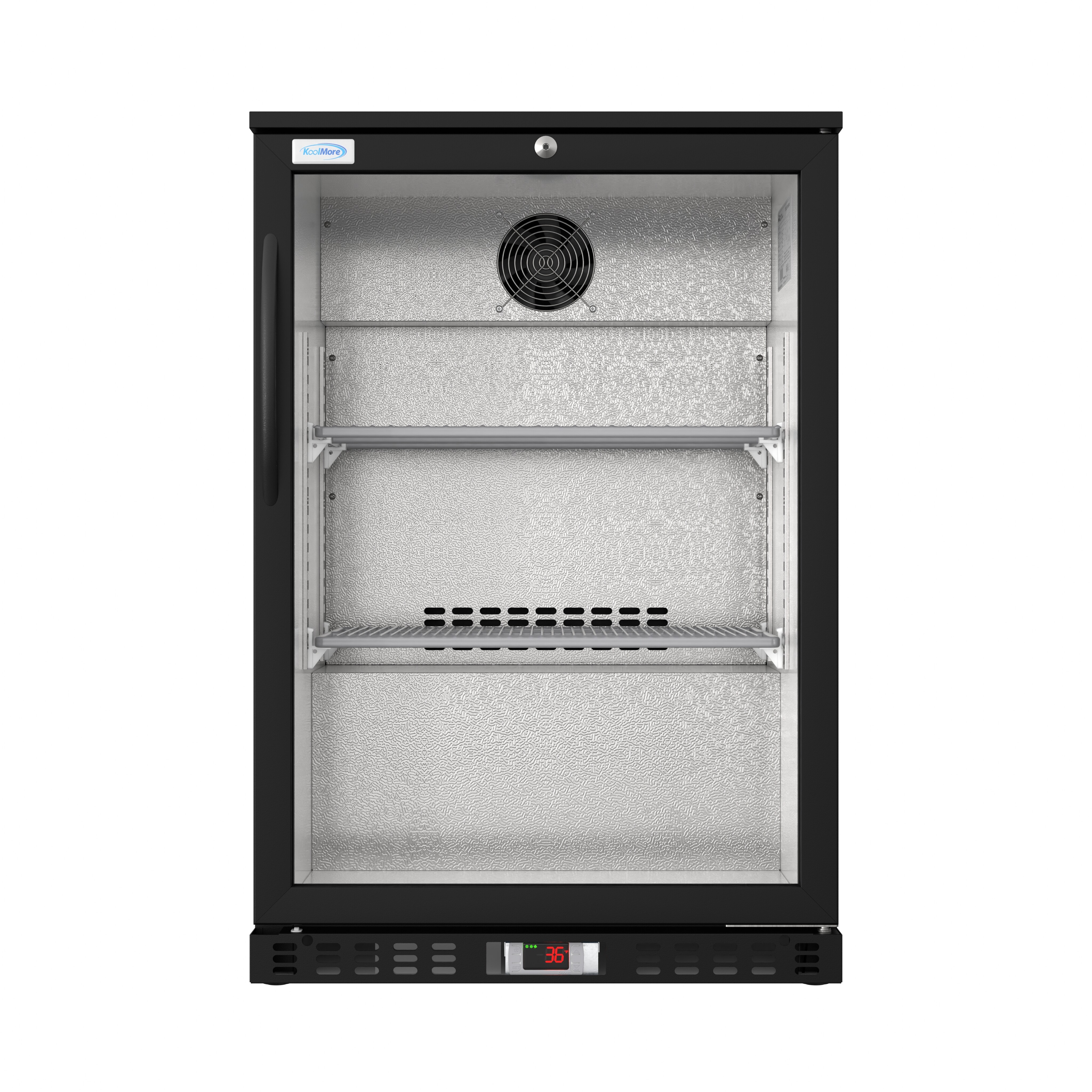
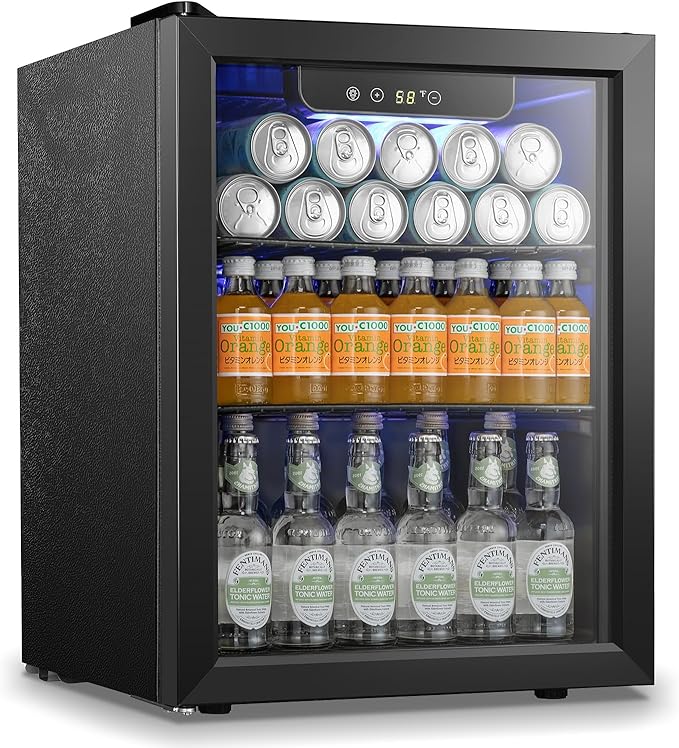
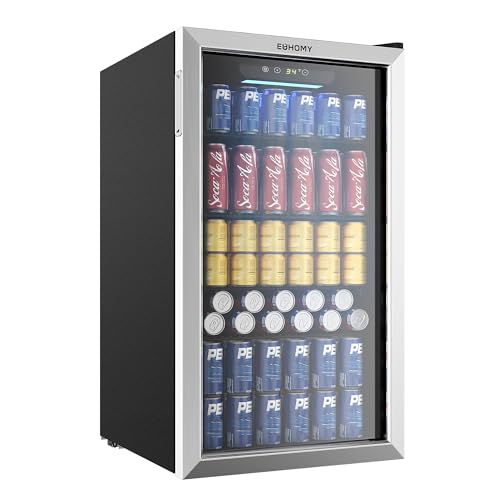
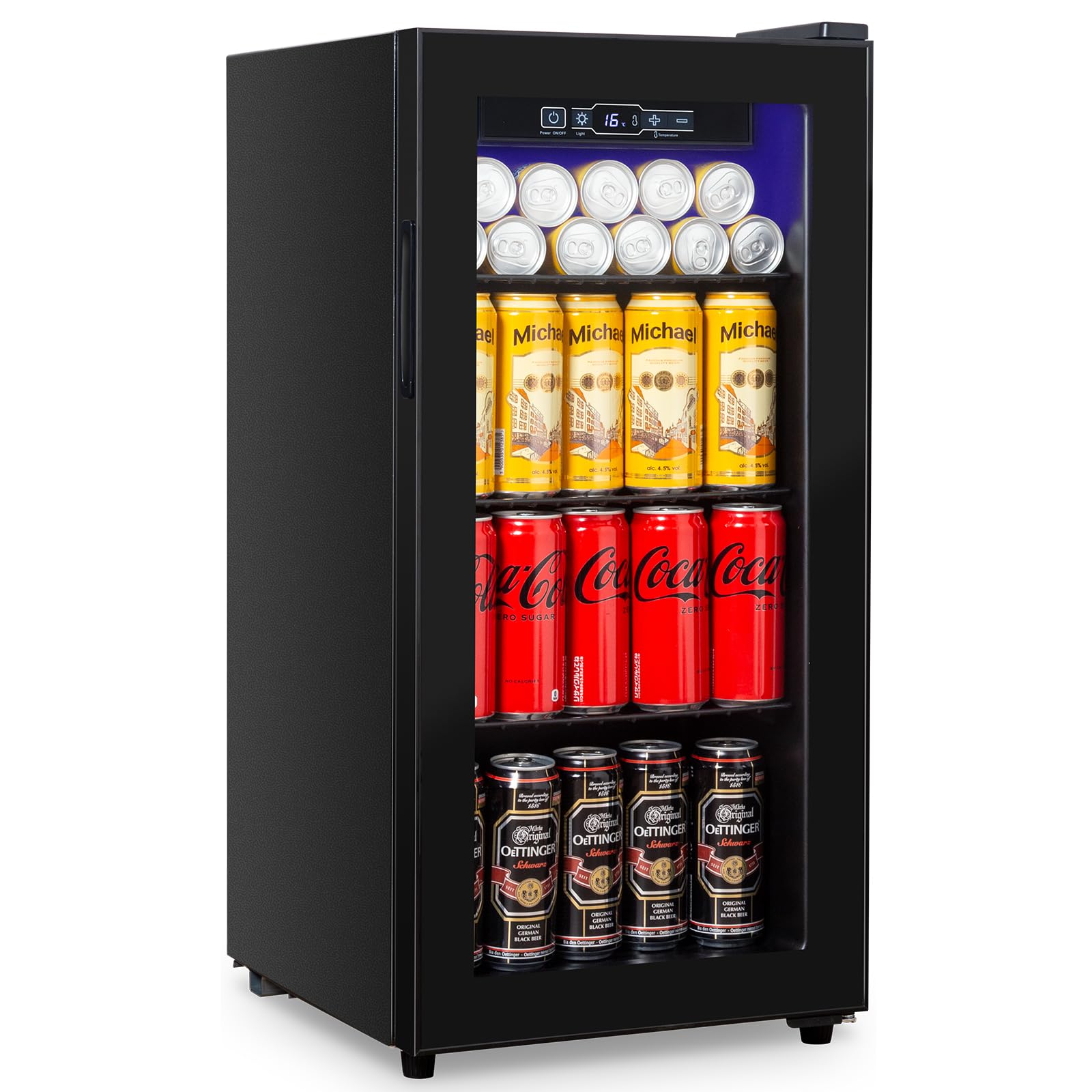
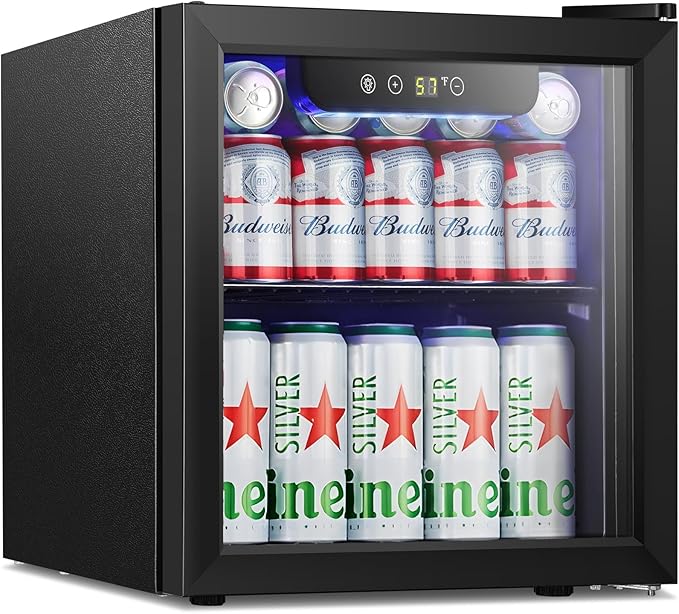
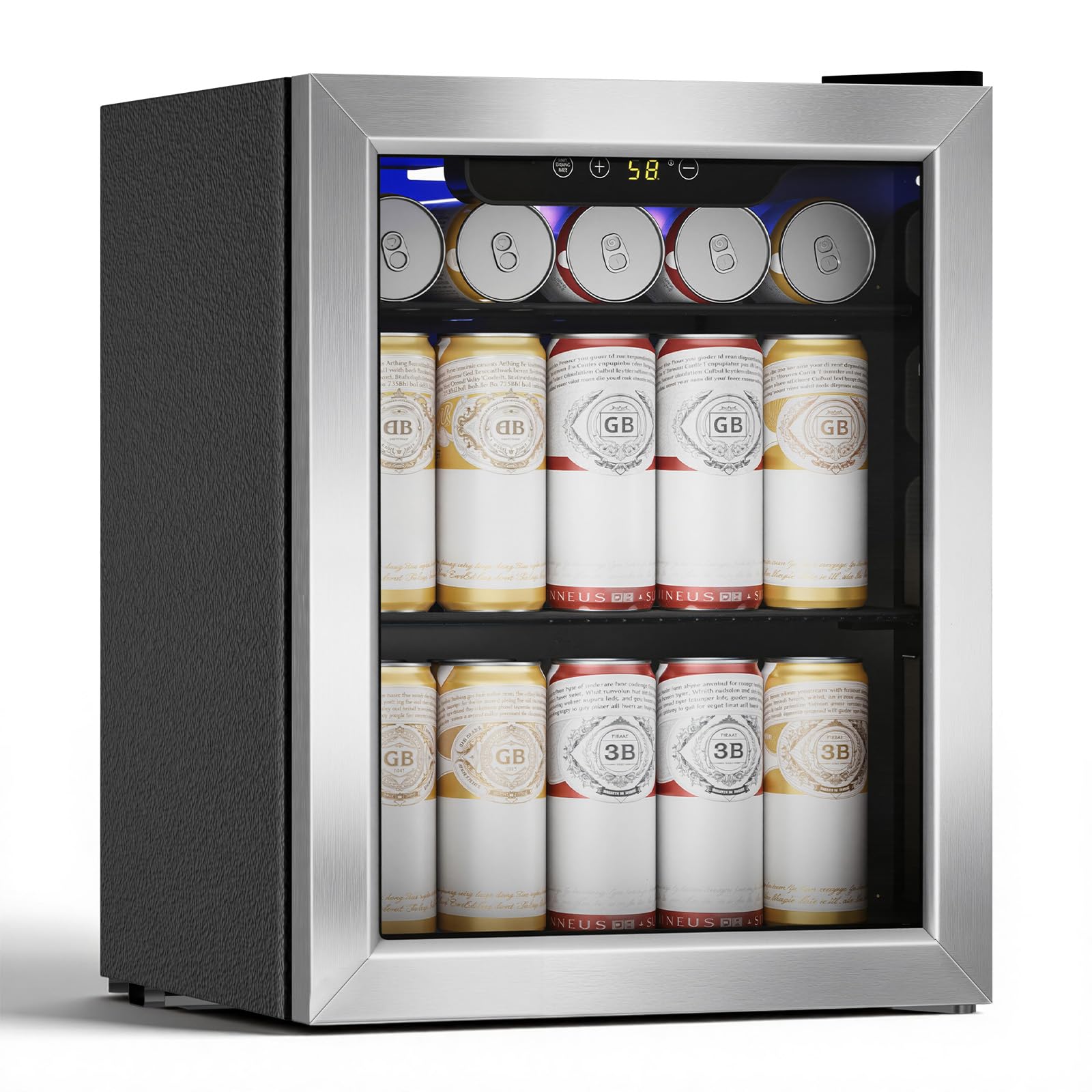
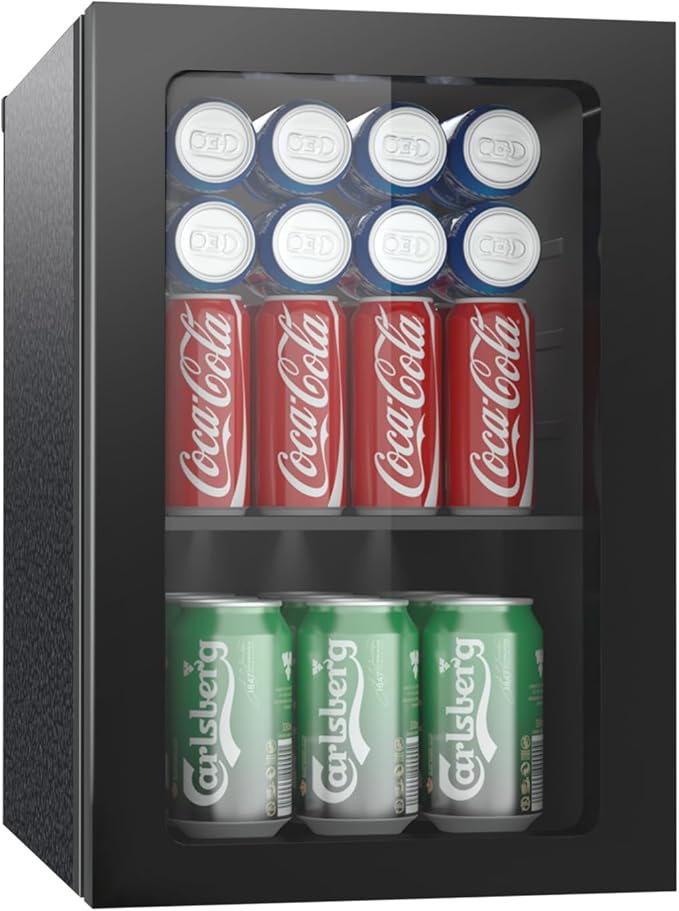
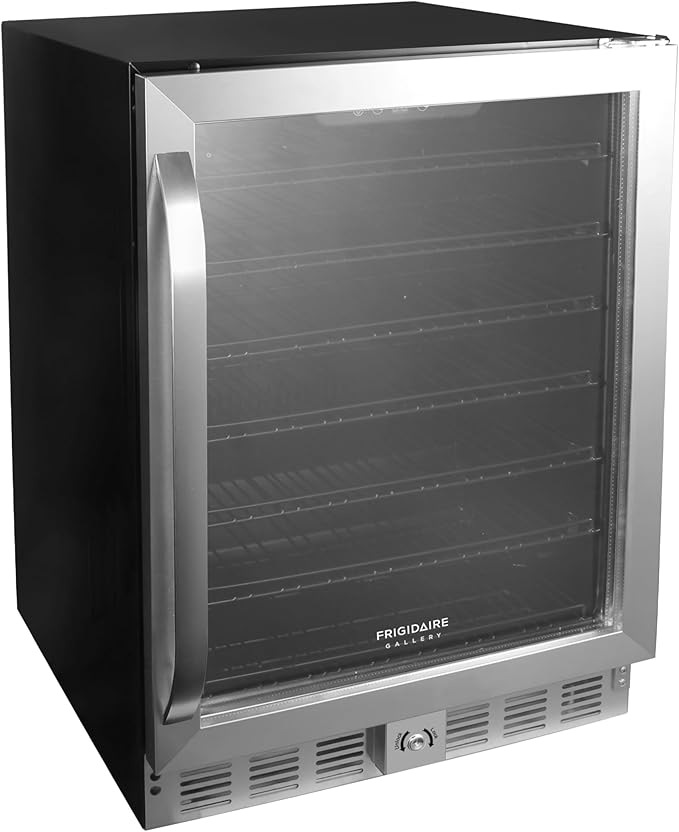
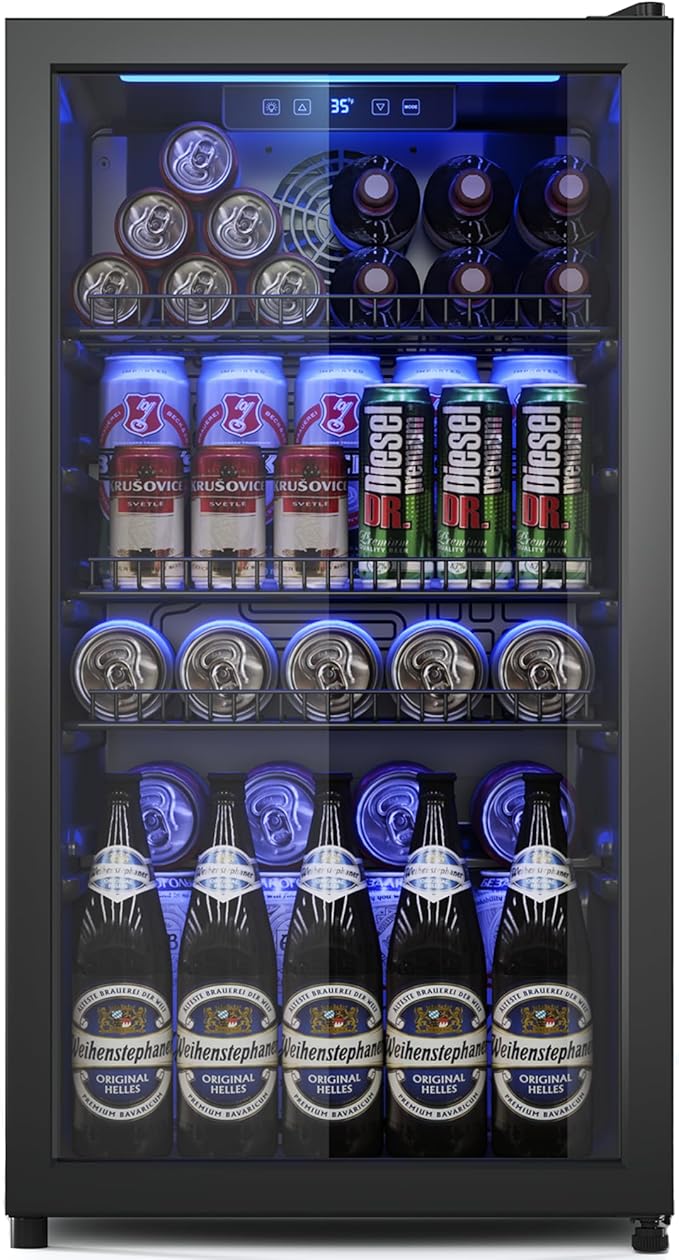
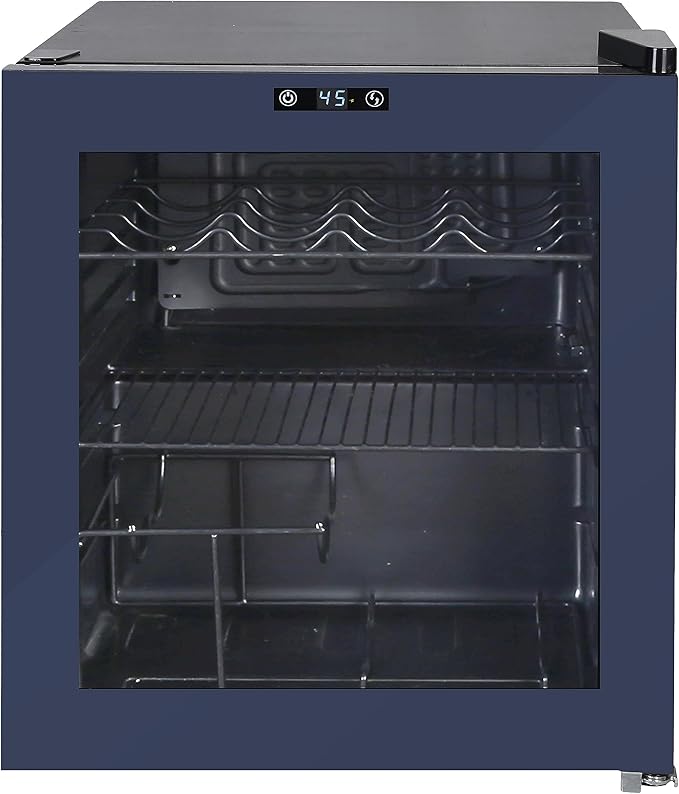
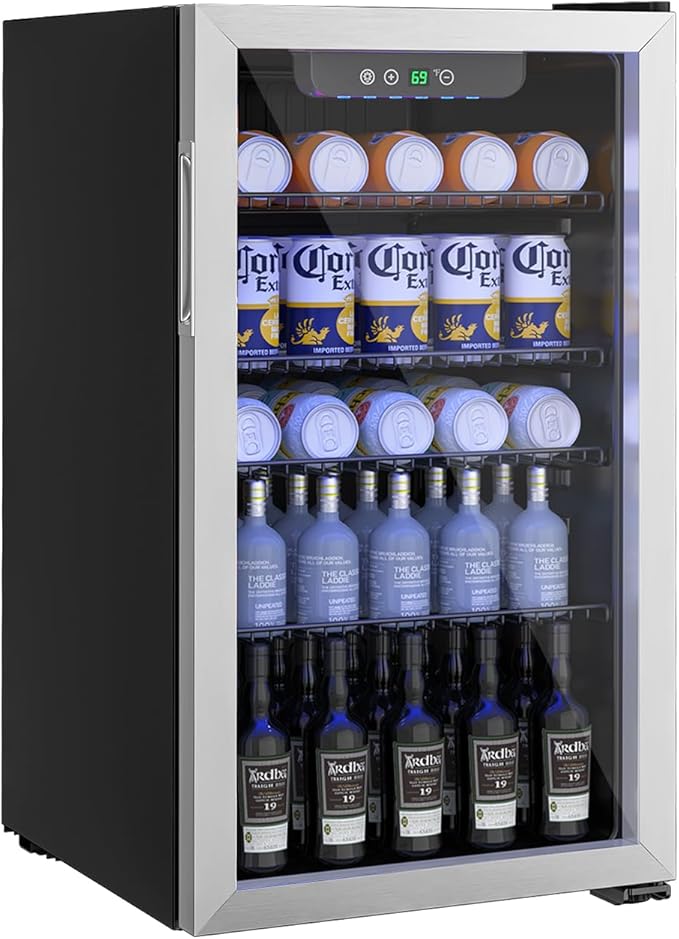
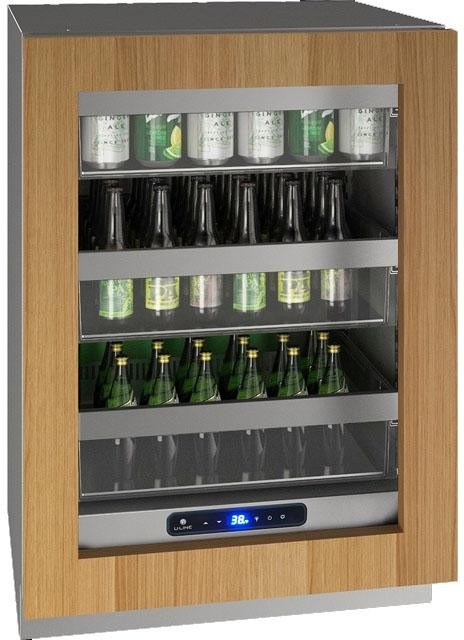
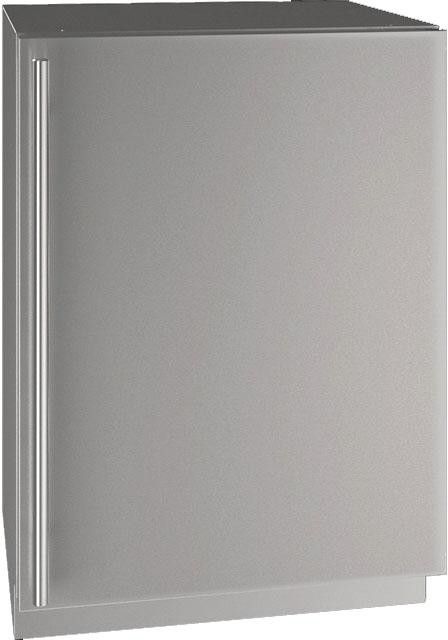
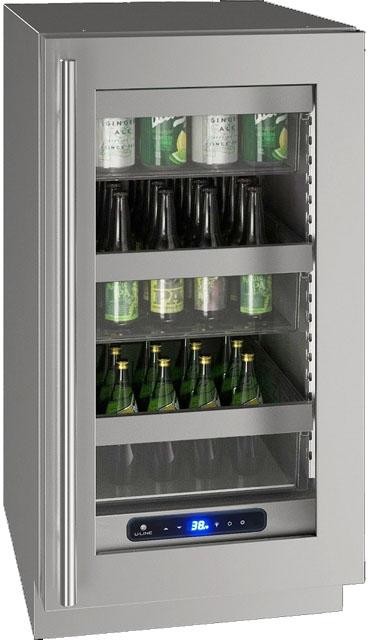
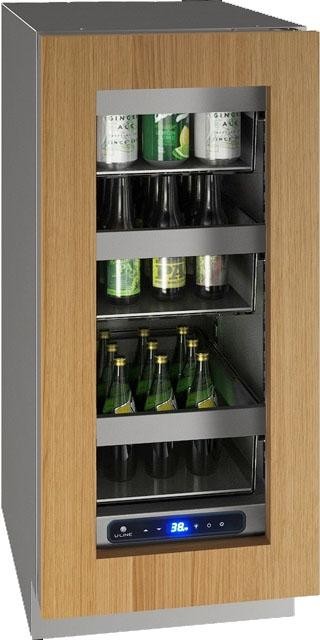
Choosing the right beverage fridge dimensions can feel like a puzzle you’re determined to solve. Whether you’re tucking a compact unit into your studio apartment or outfitting a commercial kitchen, knowing your ideal dimensions up front will save you headaches later. In this guide, you’ll learn everything about beverage fridge dimensions, from standard widths and depths to ventilation needs and door swings. By the end, you’ll feel confident picking a fridge that fits your space, stores your favorite drinks, and keeps things cool without surprise hiccups.
understand beverage fridge dimensions
Before you compare models, let’s clarify what “beverage fridge dimensions” actually cover. You’ll typically see three measurements:
Width: the left-to-right span, often 18 to 36 inches
Height: the floor-to-top distance, ranging from 20 to 80 inches
Depth: front-to-back size, usually 20 to 30 inches
what are beverage fridge dimensions
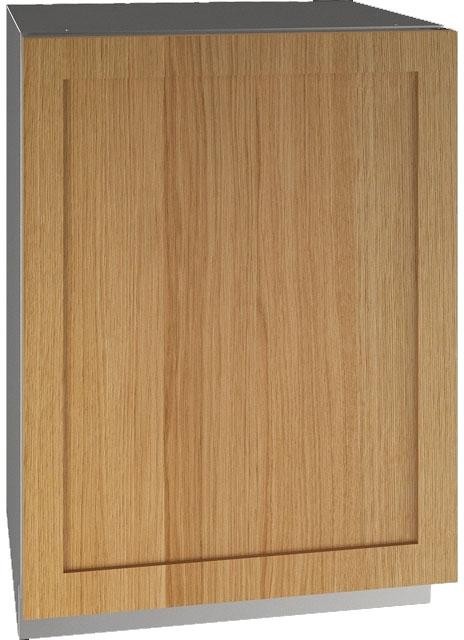
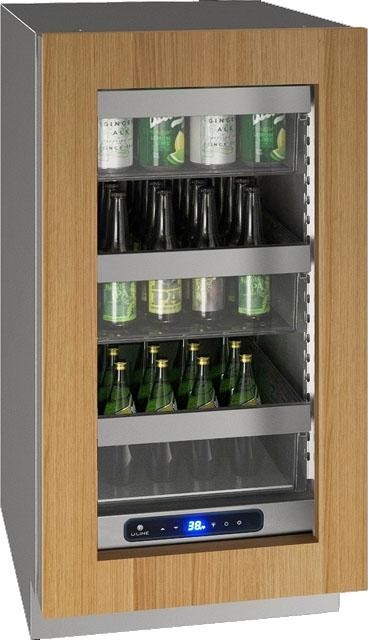
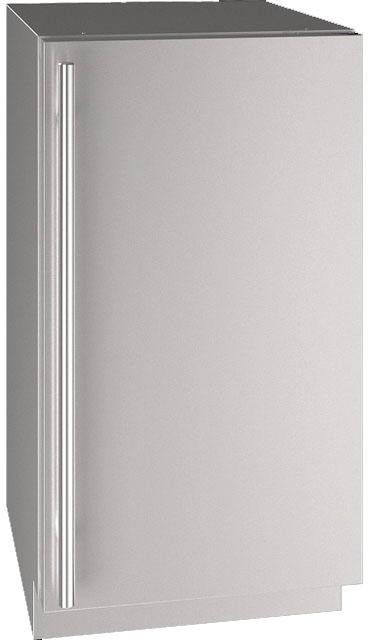
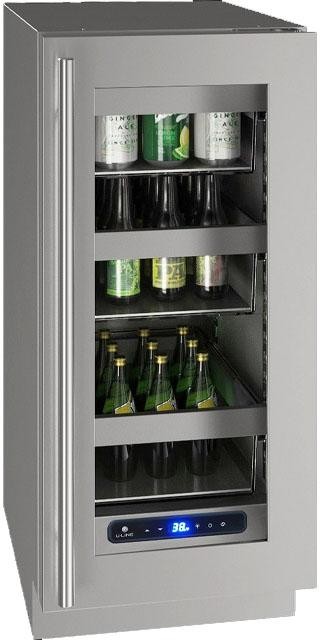
Dimensions tell you whether a fridge slides under your countertop or dominates the corner of your garage. Undercounter units tend to be 24 inches high and 18 to 24 inches wide, while full-size models start around 30 inches wide and can exceed 72 inches in height.
why dimensions matter for you
You might be a home cook craving extra cold storage, a craft beer enthusiast stacking kegerators, or a parent storing baby food. Too big and your fridge won’t clear your door opening. Too small and you’ll waste valuable inventory space. Understanding exact measurements ensures your next beverage center integrates seamlessly into your routine.
compare common fridge sizes
When you shop, you’ll run into three main categories. Here’s how they stack up:
Type
Width (in)
Height (in)
Depth (in)
Typical capacity
Undercounter
18–24
32–34
22–24
3–5 cu ft
Freestanding bar fridge
24–36
30–34
22–30
4–8 cu ft
Built-in wine cooler
15–24
32–34
22–24
2–4 cu ft or 12–46 bottles
undercounter and bar fridges
Undercounter fridges tuck neatly beneath counters, perfect for mobile bars or a wine refrigerators coolers setup. Bar fridges often add height and capacity, making them ideal for entertaining zones.
freestanding models
Freestanding beverage centers give you flexibility to place your fridge anywhere with a power outlet. Keep in mind you’ll need extra clearance behind for airflow.
built-in wine coolers
If you’re into wine cellaring, built-in wine coolers offer precise temperature zones. They look sleek flush against cabinetry but demand front-venting clearance instead of rear space.
Getting exact wall-to-wall measurements is step one. Here’s a quick checklist:
Use a level tape measure for width, height, and depth
Note any obstructions like door frames, trim, or island overhangs
Mark where the fridge cord and vent openings will sit
account for door swing
Most fridges require 90° to 120° of door swing. If your fridge door bumps into an island or wall, you’ll struggle to unload cans. Measure the swing radius from the hinge and clear all obstacles.
leave ventilation clearance
Even front-vent models need 1 to 2 inches of clearance on the sides and top. For rear-vent fridges, plan on 2 to 4 inches behind. Proper ventilation prevents overheating and keeps compressors running smoothly.
calculate storage capacity
Beyond external dimensions, internal volume matters. You’ll see capacity expressed in cubic feet, but two fridges with the same cu ft can feel very different inside based on shelf layout.
internal volume vs external size
Always check the actual usable space—subtract areas taken up by compressors, cooling coils, and hinge mechanisms. A 5 cu ft fridge might only give you 4.5 cu ft of usable area.
cubic feet explained
1 cubic foot equals about 7.5 gallons. So a 4 cu ft fridge holds roughly 30 gallons of content. If you’re stocking 12-ounce cans, that works out to about 120 cans at maximum density.
matching capacity to your needs
Think about how you’ll load the fridge. Are you stacking 750 ml wine bottles, 16 oz craft beer cans, or meal-prep containers? Measure your most common items and compare them to shelf dimensions. Adjustable or slide-out shelves give you more flexibility.
Your countertop, island, or bar area influences which fridge you pick.
built-in cabinets
Built-in models mount flush with cabinets for a polished look. They need front ventilation grilles and precise cutouts. If you’re not sure about the install, check out tips on how to freeze raw dog food diets for busy pet owners
—the principles for cutout preparation are similar.
freestanding counters
Freestanding units sit wherever you have a flat surface. They can float in the room but eat into floor space. Plan cord placement so it doesn’t block walkways.
Door clearance is often overlooked until delivery day. Here’s how to plan:
hinge type impact
Standard hinges require space for the door to swing. Some models offer reversible or sliding doors that save room. If you have a tight corner, look into a unit that slides or has right-hand hinge options.
swing radius planning
Use painter’s tape to simulate door swing on the floor and walls. Label the swing arc to ensure nothing blocks the path—no bar stools, no outlets, nothing.
Cooling performance hinges on airflow. Neglect this and your fridge could overheat, shorten its lifespan, or even trip breakers.
rear-vent vs front-vent
Rear-venting fridges exhaust heat from the back, demanding clearance behind. Front-venting models channel heat through a grille in the toe kick area. Choose based on available space.
maintaining airflow
Never block the vent by shoving boxes or pushing your fridge flush against the wall. Clean dust and debris off the condenser coils annually. A quick vacuum behind the unit can prevent dust build-up and maintain peak efficiency.
factor special use cases
Different scenarios call for different dimensions and configurations.
RV and compact spaces
If you’re planning an RV trip, look at what size fridge freezer for an rv. RV-friendly units are usually under 24 inches wide and have vibration-resistant mounting brackets.
commercial kitchens
Chefs and caterers need larger doors and faster temperature recovery. Commercial beverage fridges often exceed 48 inches wide and 72 inches high. Make sure your hinges and flooring can support the load.
entertaining and party planning
For your next party, you might stack kegs or chilling bins. Consider a fridge with deep shelves or a slide-out pan that accommodates large pitchers. If you want to swap bottles quickly, check out which beverage rack stores tall cans upright securely?.
By now, you’ve measured, compared, and planned. Here’s how to seal the deal:
balancing size and style
Think beyond dimensions—finish, handle design, and lighting can elevate your bar or kitchen aesthetic. Stainless steel is popular, but black or integrated panels blend into custom cabinetry.
budgeting your purchase
Set a budget that accounts for installation and possible modifications. Built-in fridges often require professional installation, adding to the cost. Freestanding units tend to be plug-and-play and more wallet-friendly.
next steps
Once you’ve chosen your ideal dimensions and model, confirm delivery logistics. Measure your entryways, hallways, and elevator clearances. Keep the user manual handy for initial setup and thermostat calibration.
With these tips, you’re ready to pick a beverage fridge that fits perfectly, stores everything you need, and keeps drinks cold for any occasion. Cheers to stress-free sizing and a fridge that works for your lifestyle.
Free tool
Beverage Cooler Size Calculator
Free interactive tool from Fridge.com — get a quick answer while you read.