Whether you’re dreaming of a dedicated room below stairs or carving out a climate-controlled corner in your apartment, a wine cellar is more than just storage. It’s a space that helps your bottles age gracefully, preserve their aromas and protect your collection from shock, heat and light. In this guide you’ll learn the fundamentals of wine cellar design, how to dial in ideal conditions and which storage options suit your space and budget.
Understand wine cellar basics
Define a wine cellar
A wine cellar is any dedicated area—whether a full basement vault or a countertop cooler—designed to hold bottles at stable conditions for short-term enjoyment or long-term aging. Unlike a standard fridge, a wine cellar controls temperature, humidity and vibration, all factors that influence how wine develops. You can build a formal cellar with stone walls and racking or convert an unused closet with a purpose-built wine cooler. The key is creating an environment that minimizes fluctuations.
Explore why it matters
When wine sits in a fluctuating space you risk accelerated aging or spoilage. Heat speeds up chemical reactions, altering flavor and scent. Low humidity dries corks and lets air in, causing oxidation. Vibration agitates sediment and disturbs delicate aging processes. By contrast, a well-set wine cellar preserves freshness, balances tannins and lets secondary flavors blossom. Whether you collect inexpensive everyday bottles or invest in rare vintages, the right storage pays dividends in taste and value.

Consider temperature and humidity
Temperature control essentials
Temperature is the single most important factor in wine storage. Ideally you want a steady range between 50°F and 59°F. At these levels red and white wines age harmoniously—neither too slow nor too fast. Sudden swings of even 10°F can stress corks and expand liquid, creating seepage. To manage temperature:
- Use an accurate thermometer or digital probe.
- Choose a unit with a built-in thermostat or external controller.
- Insulate walls and doors—glass alone won’t cut it.
- Avoid placing the cellar near heat sources like ovens, water heaters or exterior walls exposed to sun.
Humidity and cork health
Cork needs moisture to stay supple. If relative humidity dips below about 60% you risk cork shrinkage, letting oxygen sneak in. Above 75% mold can form on labels and wood. Aim for 65–70% humidity. To maintain it:
- Install a hygrometer for regular checks.
- Use a built-in cellar humidifier or place shallow water pans inside.
- Seal cracks and improve insulation to prevent dry air infiltration.

- Consider water-resistant finishes on concrete or stone walls.
Choose storage options
Picking the right storage furniture or appliance comes down to capacity, temperature zones and aesthetics. Here’s a quick comparison:
| Storage type | Capacity range | Temperature zones | Typical cost |
|---|---|---|---|
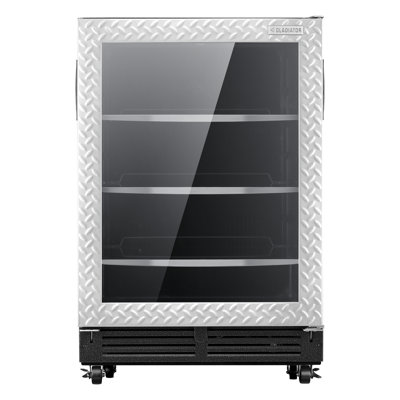
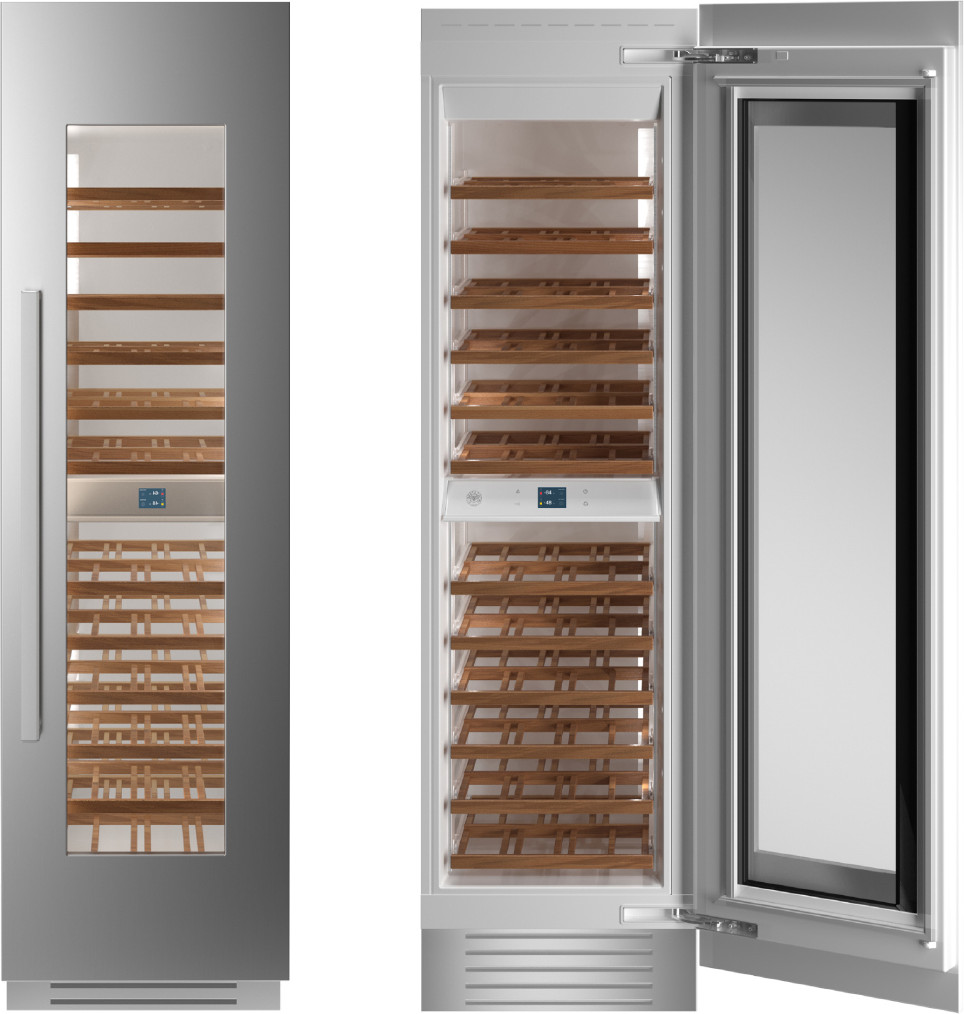
| Built-in wine cooler | 20–100 bottles | 1 or 2 zones | $800–$3,500 |
| Custom cellar racks | 50–2,000+ bottles | Depends on room | $1,000–$10,000 |
| Portable wine refrigerator | 6–50 bottles | Single zone | $200–$1,200 |
Built-in wine coolers
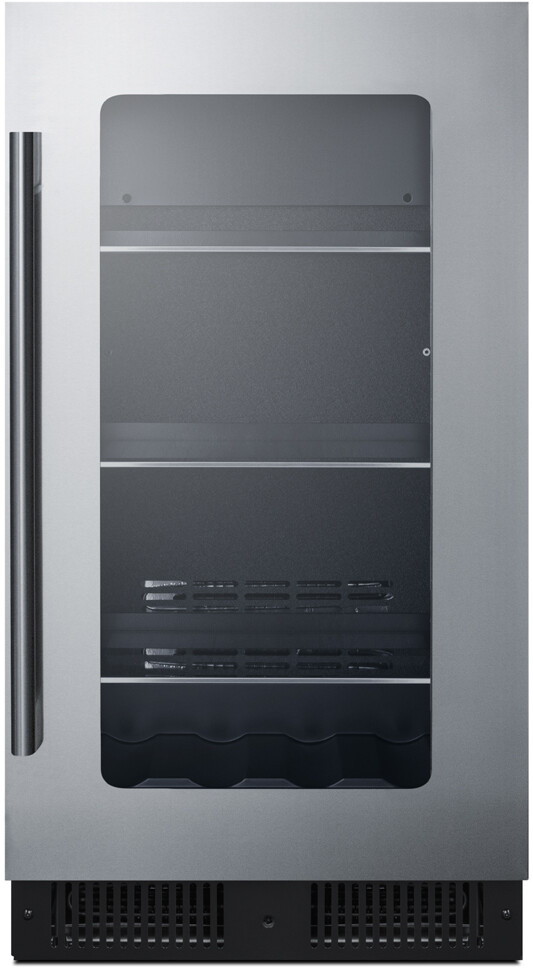
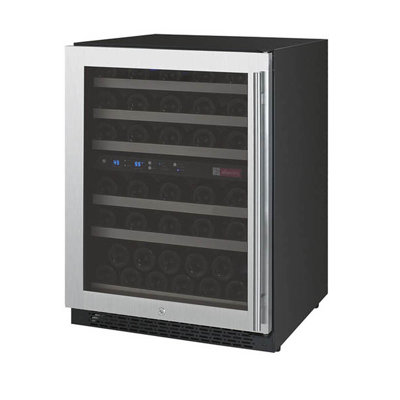
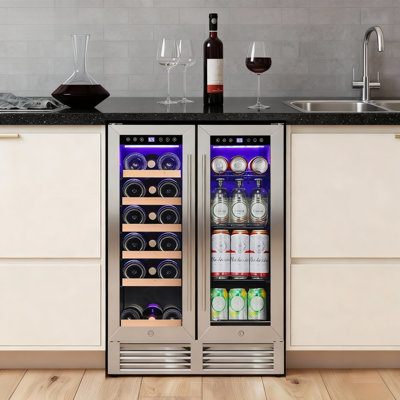
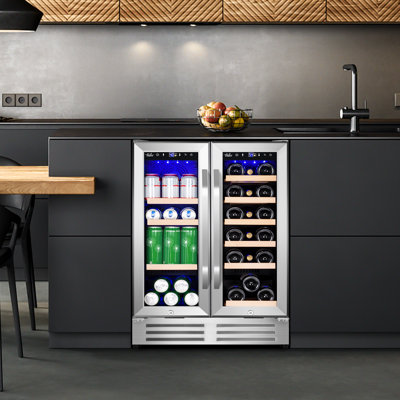
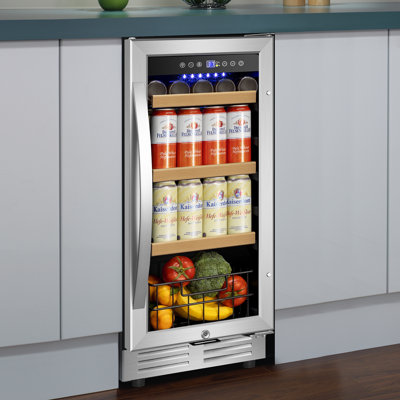
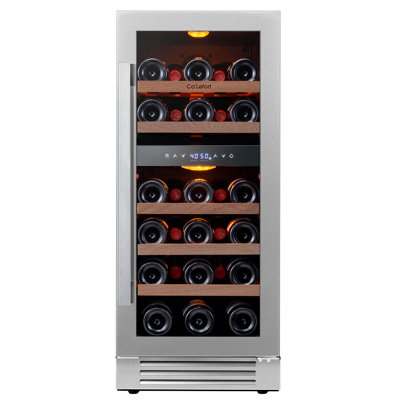
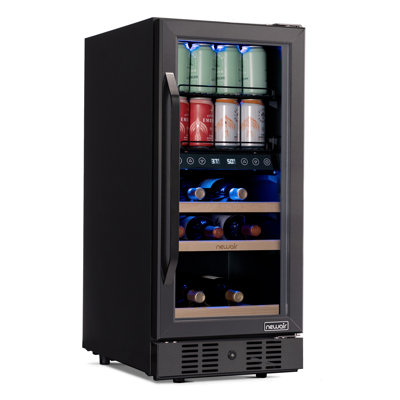
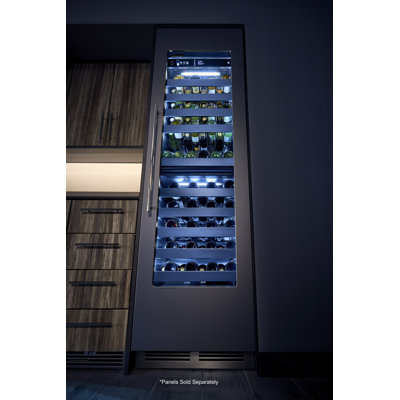
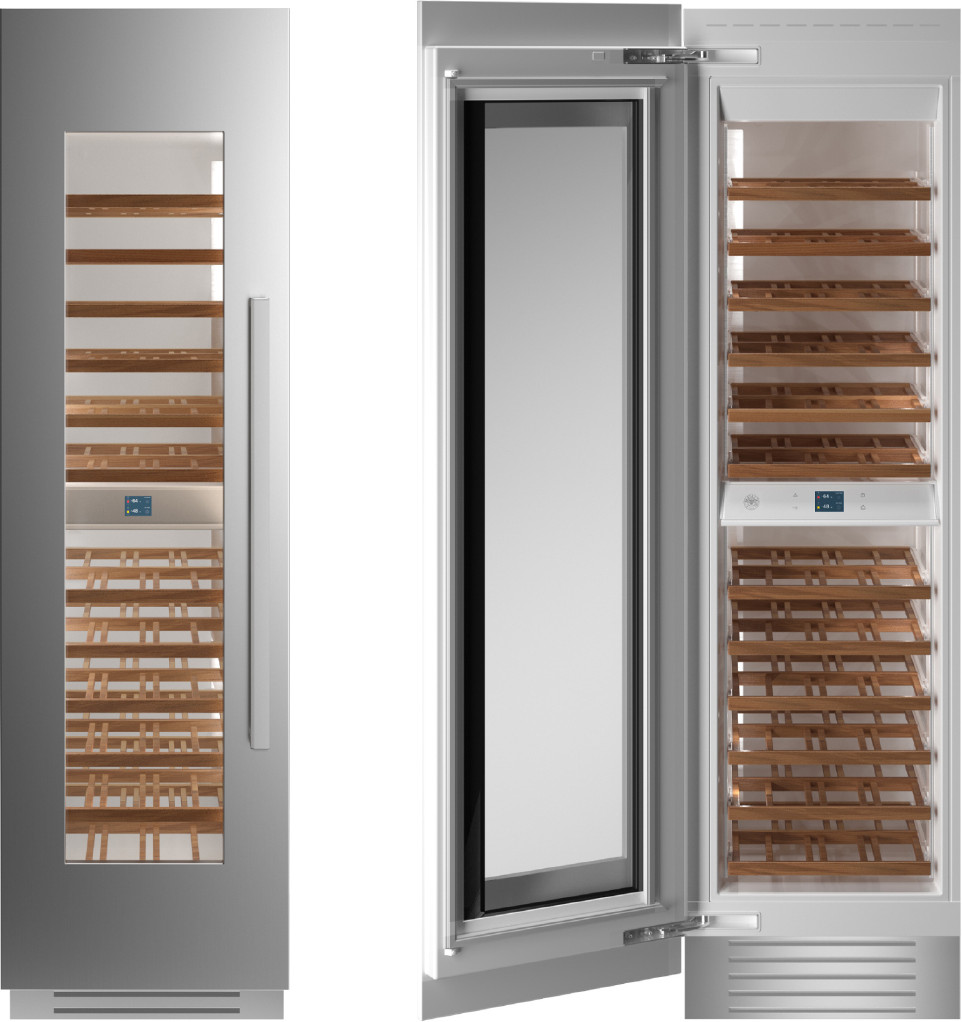
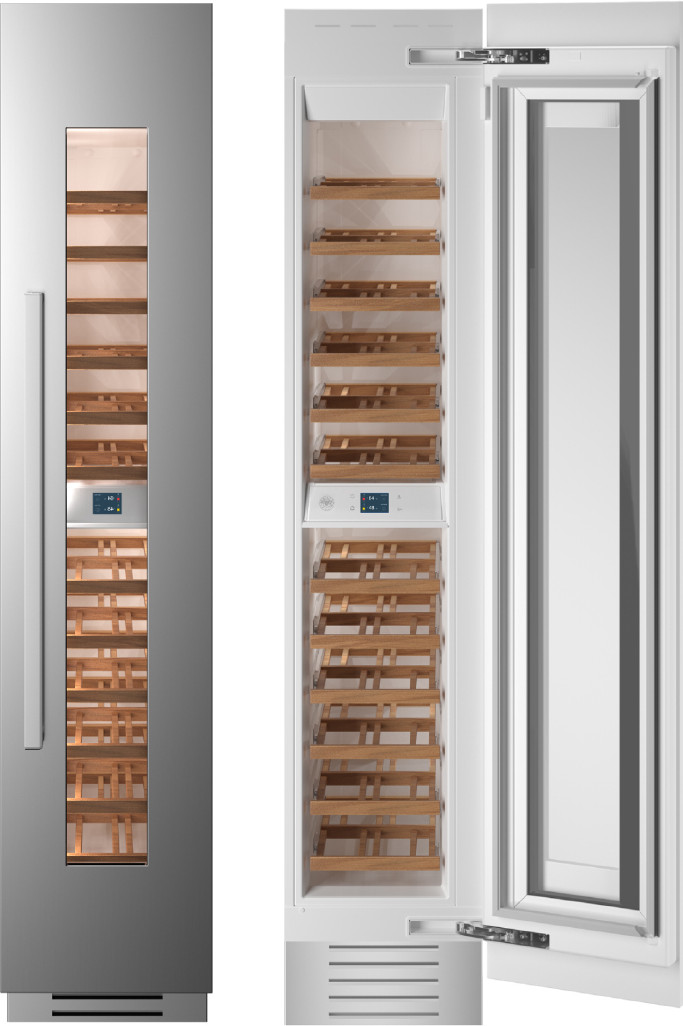
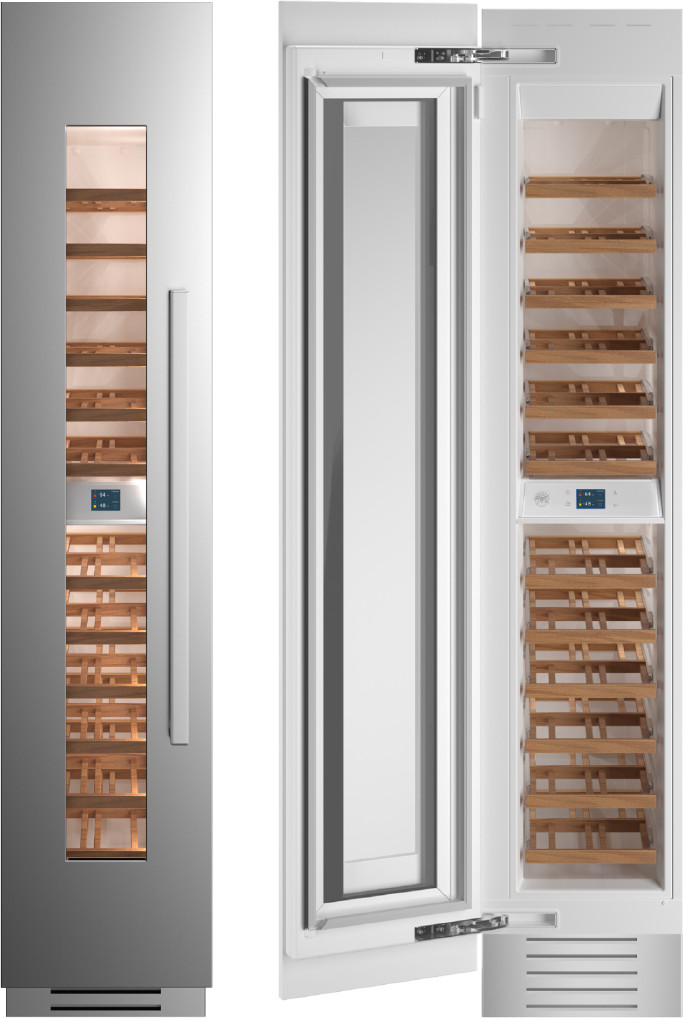
These units fit under counters or in cabinetry for a seamless look. They often offer dual-zone cooling so you can set whites and reds separately. Look for features like active cooling (compressor-based) rather than simple thermoelectric, especially in warmer climates.
Custom cellar racks
If you have the room and the budget, custom racking turns a walk-in or converted closet into a showcase. You can mix wine bar displays, diamond-bin storage and individual bottle rails. For larger formats or dessert wines, consider a rack designed to cradle tall bottles, like what you’ll find with which wine rack cradles tall dessert wine bottles safely?.
Portable wine refrigerators
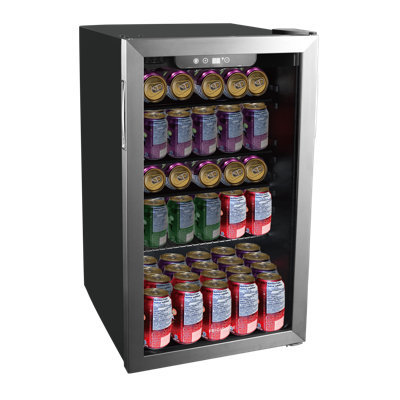
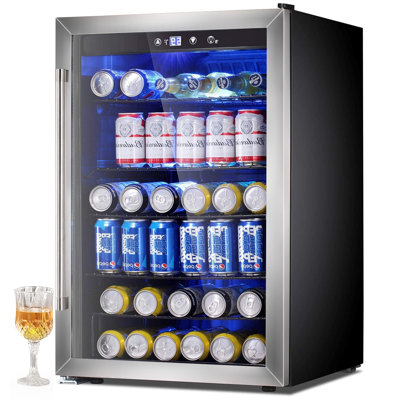
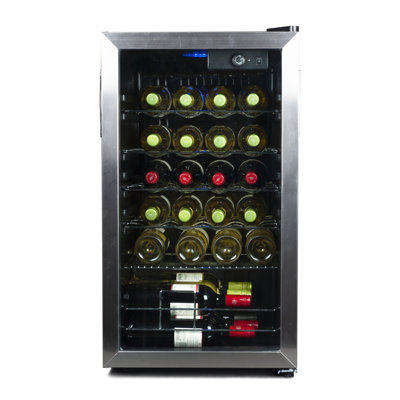
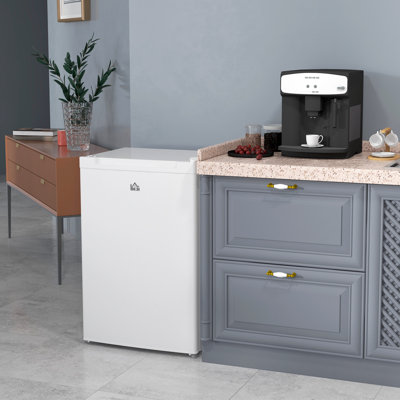
Short on space or budget? A countertop or freestanding fridge works surprisingly well for entry-level storage. Capacity tops out around 50 bottles and you’ll have a single temperature zone. These are ideal for dorm rooms, small apartments or an RV trip when you want a handful of special bottles on hand.
Maintain ideal conditions
Prevent bottle vibration
Even minor shelf tremors can disturb sediment and disturb aging. To minimize vibration:
- Place compressors outside the main storage area when possible.
- Secure racks and anchors to walls and floors.
- Use vibration-dampening accessories—take a look at which rack anchor prevents bottle vibration during slide? for anchor ideas.
- Choose soft-close systems—some options like which soft-close rack cushions bottles quietly? keep movement smooth.
Shield from light exposure
UV rays break down wine compounds, leading to “light strike” off-flavors. Your cellar door or window needs UV-blocking glass. You can even adapt doors meant for craft beer protection—see which uv shield door protects craft beer labels?—the same tech keeps your reds and whites safe.
Clean and sanitize surfaces
Dust, mold and spills not only look bad, they harbor bacteria that can affect corks and labels. Plan a quarterly cleanup:
- Empty the shelves or racks.
- Wipe down surfaces with a mild detergent.
- Rinse and dry completely.
- For stubborn stains, use a food-safe cleaner following how to clean the refrigerator cleaning lessons.
- Replace any sealant or weatherstripping that shows wear.
Plan your cellar design
Size and capacity planning
Start by listing your current collection and your buying goals for the next 5–10 years. Do you want to age Bordeaux for decades or keep an ever-rotating selection of lighter whites and rosés? If you average drinking 100 bottles per year and want a two-year buffer, plan for at least 200 bottles of space plus extra room for special finds.
Location and layout tips
Basements and interior closets are prime candidates because they stay cool naturally. If you’re tight on foundation space, look at temperature-controlled cabinets on exterior walls with extra insulation. Keep traffic flow in mind—position frequently accessed bottles near the entrance and reserve deep-cellar racks for long-term storage.


Style and aesthetics choices
Your wine cellar can be a functional feature or a dramatic focal point. Popular finishes include:
- Rustic wood: warm and classic, pairs well with brick or stone.
- Modern glass and metal: sleek, makes a statement in open-plan kitchens.
- Flush built-ins: blends seamlessly with cabinetry for a subtle look.
Add accent lighting under shelves or wine displays to highlight labels without generating heat. Incorporate a tasting nook or bar area if space allows, complete with a small prep counter and glassware storage.
Final thoughts
Building the perfect wine cellar is part science, part art. By understanding how temperature, humidity and light affect your bottles, you set yourself up for years of delicious enjoyment. Choose storage solutions that match your space, budget and style. Keep an eye on vibration and cleanliness to protect each vintage. With thoughtful planning and simple maintenance, you’ll have a cellar that not only preserves your wine but becomes a beloved part of your home or venue.
Start by sketching out your space and estimating bottle capacity, then compare the refrigeration and racking options that work best. Whether you go full custom or choose a portable cooler, your wine cellar will reward you with tastier pours and the confidence that each bottle is in perfect condition when you’re ready to pop the cork.