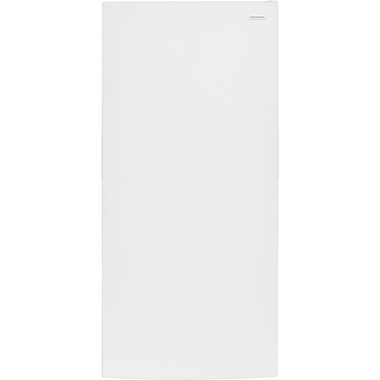
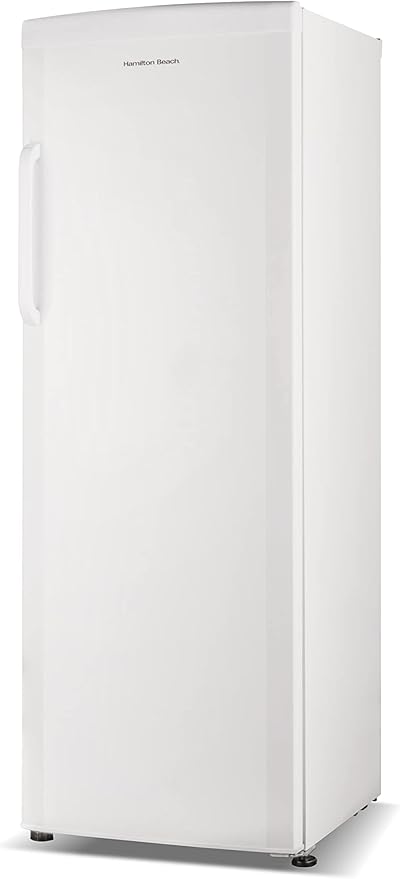
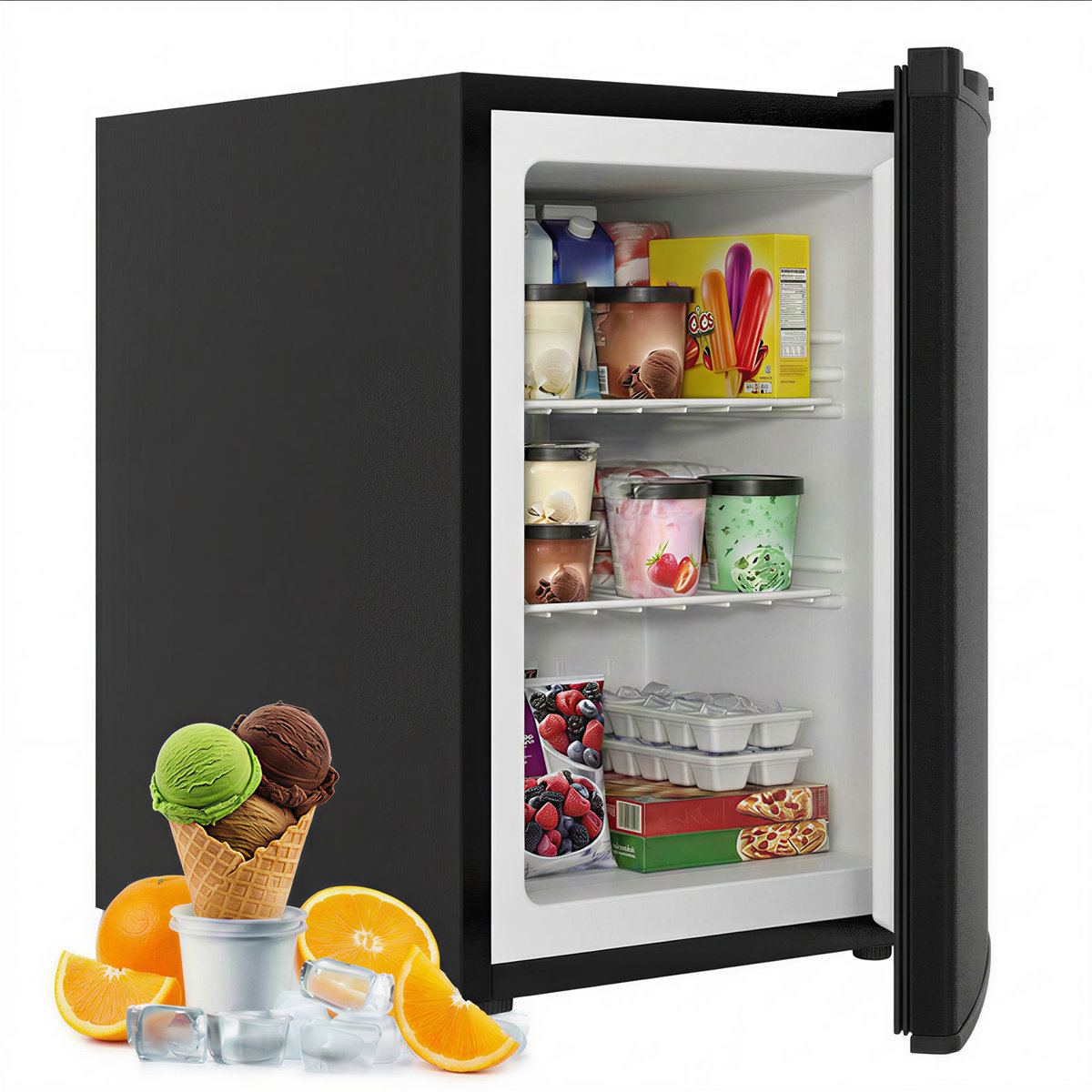
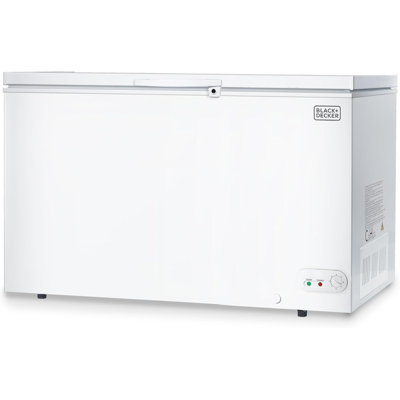
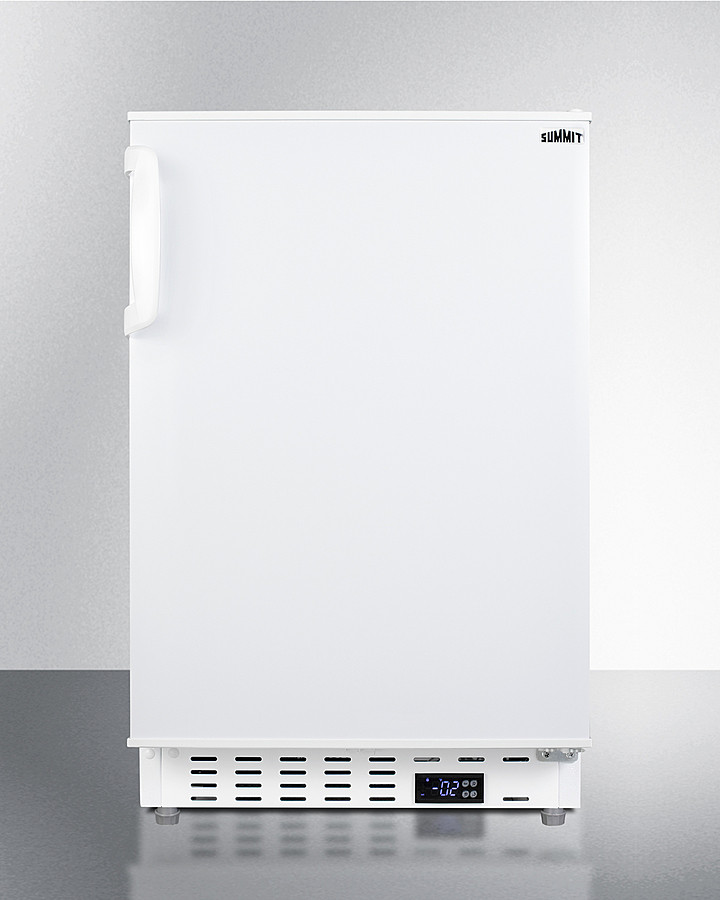
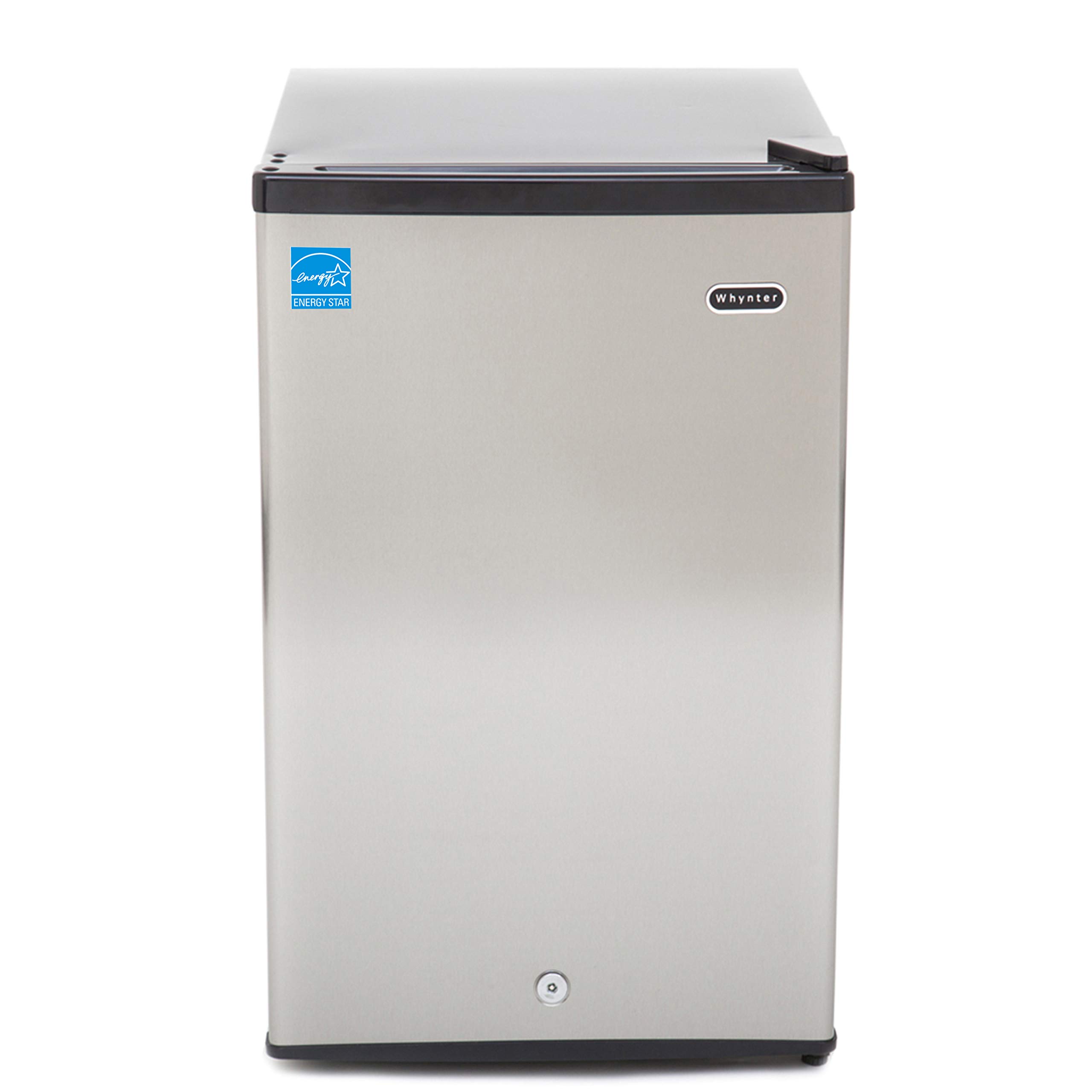
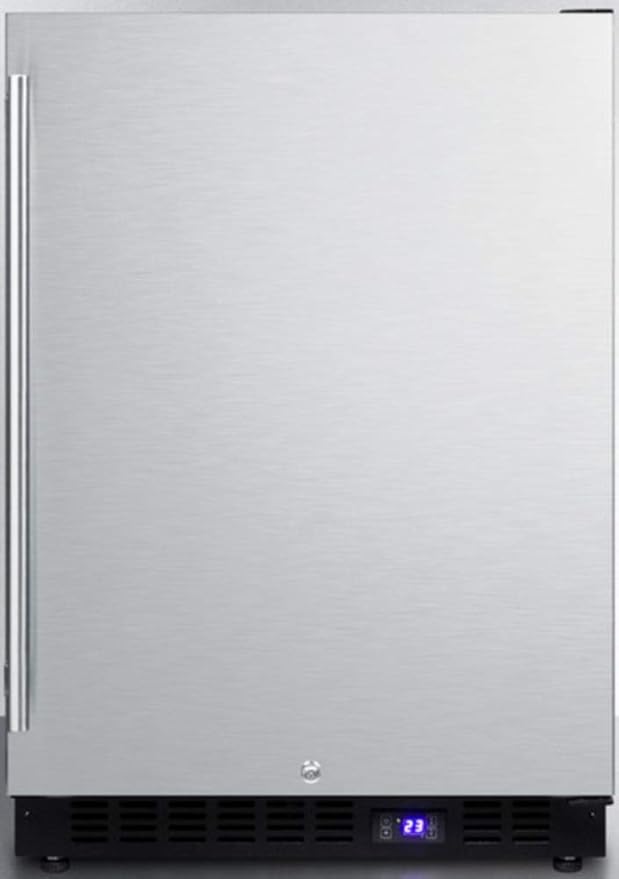
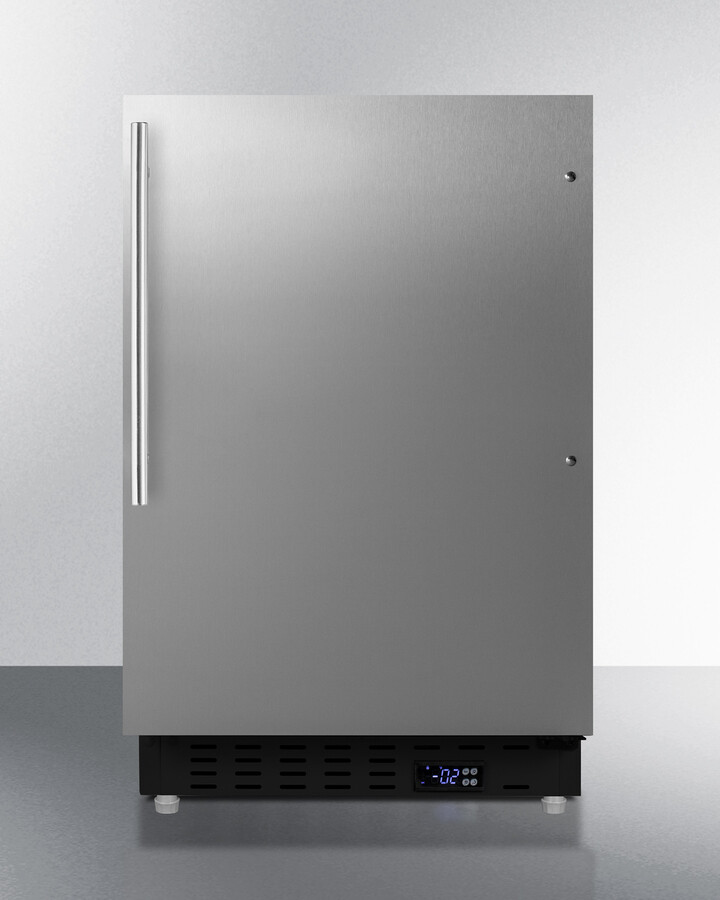
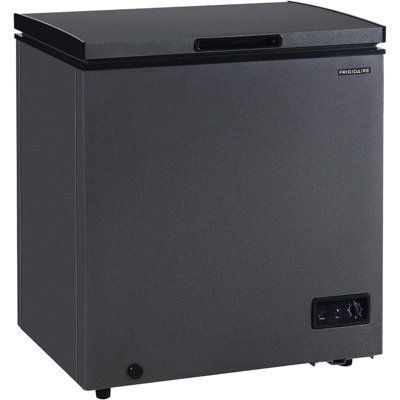
12–14 cubic feet: Ideal for singles or couples who eat out often.
Generally, an average family fridge runs between 18 to 26 cubic feet.
You typically want at least 36 inches of open space so the door can swing wide.
It’s not uncommon in a Cape Cod home to discover you’ve got only 30 inches of space between counters, or that your fridge door might bang into a cabinet if it extends too far.
If you’re wondering what size fridge freezer for a Cape Cod home is best, you’re definitely not alone. This charming architectural style, known for its cozy rooms and pitched roofs, can make you puzzle over kitchen layouts. After all, Cape Cod homes might not offer the sprawling spaces found in modern suburban builds. But don’t worry. You can still bring home a fridge freezer that suits your space, meets your cooking needs, and fits your sense of style. Let’s explore how you can size and select a fridge freezer for a Cape Cod abode, step by step. By the end, you’ll know exactly what to look for when shopping around or measuring your current setup.
Understand Cape Cod kitchens
Cape Cod houses date back to colonial times. Their signature features are simple, rectangular footprints, steep roofs, dormer windows, and limited square footage in the kitchen. That kitchen often sits off to one side, sometimes in a nook, and can feel tucked into the overall design. While it might sound cozy and magical (and it usually is!), it also means the space for appliances might be tighter than you’d like. You may spot smaller walkways, low overhead cabinets, or minimal clearance around the cooking area.
How the style impacts appliance placement
It helps to consider how your fridge freezer will actually fit in. In some Cape Cod layouts, you’ll find:
Narrow doorways or archways leading into the kitchen.
Older cabinetry that opens directly into the walkway, limiting door-swing clearance.
Sloped walls if the kitchen is near a dormer or under a roof pitch.
Because of these layout quirks, you’ll need to measure carefully. It’s not uncommon in a Cape Cod home to discover you’ve got only 30 inches of space between counters, or that your fridge door might bang into a cabinet if it extends too far.
Appreciating the bright, airy look
Cape Cod homes also feature a ton of natural light (when windows are placed thoughtfully) and a warm sense of intimacy. So you might want an appliance that doesn’t overwhelm the room. Sometimes, a slimmer or counter-depth model is the go-to choice to keep the space from feeling cramped. If you’re after a quick overview of these options, you might check out the best counter depth refrigerator guide for ideas.
Estimate the right fridge size
When you think “size,” you’re likely picturing your fridge’s height, width, and depth. But you also want to gauge interior capacity, usually measured in cubic feet. Even though you might spot fridges designed for big families, not all are necessary (or even possible) in a Cape Cod kitchen.
Common sizes to consider
How big is big enough? Generally, an average family fridge runs between 18 to 26 cubic feet. Narrower models might dip closer to 12 cubic feet, while large family-sized ones can hit 30 cubic feet or more. For a Cape Cod home, it’s typical to find that 16–20 cubic feet is a sweet spot. If you live alone, you might do well in the 12–14 cubic foot range.
12–14 cubic feet: Ideal for singles or couples who eat out often.
15–20 cubic feet: Great middle ground for small families or those with moderate cooking habits.
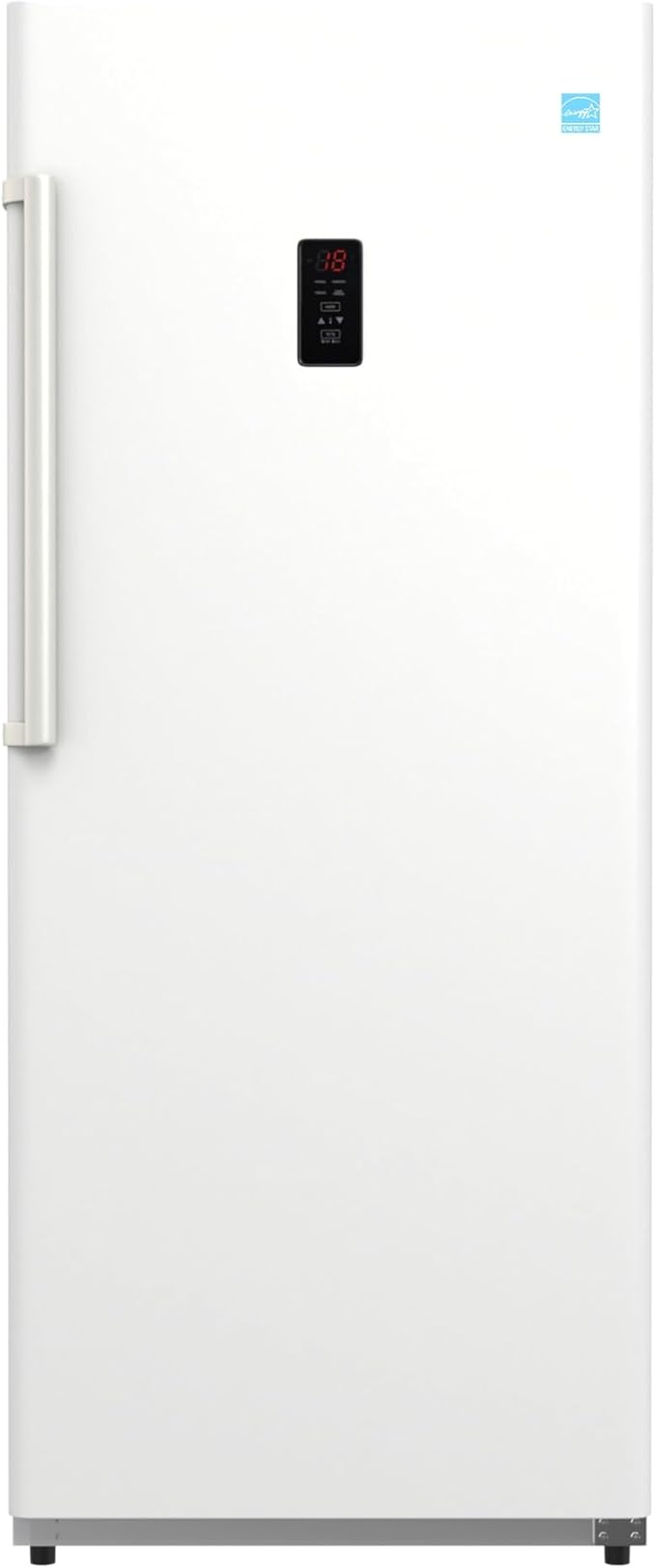
20–26+ cubic feet: Suits larger families or enthusiastic home cooks who need extra freezer and fridge storage.
If you’re looking for something in the mid-range for a smaller space, you could check out a 12 – 20 cubic feet refrigerator to see what that size truly feels like.
Matching capacity to daily habits
Your fridge is more than a box that keeps things cold. It’s part of your cooking workflow. If you like to batch-cook on Sundays and freeze meals for the week, you’ll want a larger freezer section. If you often host guests for weekend get-togethers, you might need more fridge storage for beverages and fresh produce. Or, if you have a separate freezer in the basement (such as a kitchen appliances deep freezer), you could go for a smaller integrated freezer and a bigger fridge area. Think carefully about these everyday routines before finalizing any purchase.
Consider your household needs
Cape Cod kitchens can be cozy, so the best fridge freezer size depends on how many people you feed and how you like to cook. If you’re typically whipping up homemade meals for a family of four, your needs will differ from someone who mostly refrigerates takeout.
Family size and lifestyle
Single or couple: You can usually opt for something narrower without sacrificing must-have features.
Small family (up to four people): You’ll want around 18–20 cubic feet of total space, but think about the fridge-to-freezer ratio.
Larger family or multi-generational: Might need around 20+ cubic feet, provided your kitchen can handle it.
Refrigerator-to-freezer ratio
Do you freeze a lot, or do you mostly keep fresh items on hand? Top-freezer designs give you easier access to frozen goods, but might feel outdated to some homeowners. Side-by-side models have narrower fridge sections, which can be awkward for wide dishes but convenient for tall items. Meanwhile, bottom-freezer or French-door designs place fresh foods at eye level, with the freezer below. By analyzing your grocery habits, you can decide whether you need a large freezer (like a two-drawer bottom freezer) or if a moderate one will do.
Additional cooking or entertaining
If you love entertaining, maybe you pair your main fridge with a smaller beverage station. A best beverage cooler for a small kitchen could keep sodas, beer, or wine chilled, freeing up room in the main compartment. That strategy is often great for Cape Cod homes, where you might stow an extra mini fridge under the counter or in a corner to compensate for limited fridge capacity.
You might measure your available kitchen space and think, “Sure, I can fit a 36-inch-wide fridge right here.” But it’s wise to consider every angle, literally. Doors, handlebars, and ventilation clearance all matter.
Door-swing clearance
One of the biggest pain points in tight kitchens is the door swing. Picture this: You place your new fridge, only to realize the door handle clanks into the adjacent countertop or blocks a hallway. In a Cape Cod kitchen, these little quirks pop up frequently, so measure thoroughly:
Width of the space (from wall to cabinet).
Depth you can comfortably accommodate (note that you might prefer a flush mount to save walkway space).
Clearance in front of the fridge. You typically want at least 36 inches of open space so the door can swing wide.
A French-door fridge can be wide, but each door is narrower, meaning less clearance per side. A side-by-side splits the compartments vertically. A single-door top-freezer or bottom-freezer model might require more clearance in front but can be narrower overall. Figure out which layout best dances with your counters, your walls, and your daily traffic flow.
Ventilation and positioning
Refrigerators also need to “breathe,” so check recommended spacing behind and above the unit. If you push it flush against the wall, you risk poor ventilation, which can strain the motor. Generally, you’ll want at least an inch or two at the back or sides, though specific models vary. If your Cape Cod kitchen includes low-hanging cabinets, measure the vertical space from floor to cabinet bottom to ensure your chosen fridge fits comfortably.
Choose style and configuration
Selecting the right fridge freezer isn’t just about size, it’s also about style. Does a contemporary stainless-steel finish clash with your classic Cape Cod interior? Maybe you prefer a sleek white or even a vintage-inspired finish to keep the look cohesive.
Popular configurations
Top-freezer: Traditional and often budget-friendly. The fridge portion is large, with the freezer above.
Bottom-freezer: Modern approach with easier access to fresh food. Freezer drawers come in single or double tiers.
French-door: Often more upscale, combining a spacious fridge up top and a pull-out freezer below. Some versions have multiple compartments.
Side-by-side: Freezer on the left, fridge on the right. Narrow doors are helpful in tight spaces, though each compartment can feel slim.
Color and finish considerations
Cape Cod homes often feature neutral or pastel tones. Stainless steel is popular, but a neutral white or even a custom panel can blend seamlessly with cabinetry. If you want a vintage vibe, you could look for retro-inspired designs that mimic old-school iceboxes but pack modern performance. One consideration, though: full stainless can show fingerprints. If you frequently have kids or guests rummaging around, a smudge-resistant finish might spare you hours of constant cleaning.
Practical extras
Additionally, consider if you want an ice maker or water dispenser. These features are handy but can add complexity and eat up space. If your Cape Cod kitchen is especially small, you might opt for a model without bulky in-door dispensers, focusing on maximum interior storage instead.
Explore additional features
Once you’ve narrowed down sizes and styles, you might look at extra features that can elevate your fridge freezer experience. Of course, any added feature should align with your space constraints. The last thing you want is a fancy fridge that doesn’t even fit through your front door.
Temperature zones and smart technology
Some laptops have replaced actual notepads, and similarly, some new fridges come loaded with tech. From digital touchscreens to adjustable humidity drawers, high-end refrigerators can truly do a lot. But do you really need them?
Adjustable humidity vents keep produce fresh longer.
Multi-zone temperature control is great if you store different items side by side.
Smart connectivity can let you check the interior from your phone, but it often raises the price.
In a smaller Cape Cod kitchen, you may want to keep it simple. On the other hand, if technology excites you, you might investigate special door-in-door features or advanced crisper tech, like what crisper tech blocks berry mold effectively?.
Quiet operation
Cape Cod homes can be quaint and compact, meaning your living room might be just a few steps away from the kitchen. A noisy fridge can disrupt the cozy feel. Look for models with quiet compressors, sometimes labeled around 40 decibels or lower. If you’re extra sensitive to noise, you may even explore smaller, quieter units like countertop or micro refrigerators, such as how soft whispers a 20 db micro refrigerator?.
Energy efficiency
Energy Star ratings can be important if you’re hoping to keep utility bills in check. Newer designs often use less energy than older models, and that’s a nice perk. Also keep in mind that installing an energy-efficient fridge can help with the overall environmental footprint of your home, which is an ongoing concern for many families.
Even after you find the perfect fridge freezer that fits your Cape Cod kitchen, you might still crave a little extra breathing room. The good news is that with a bit of organizing magic, you can make every shelf and drawer count.
Organizing the interior
Group similar items together in bins to prevent rummaging.
Label drawers for produce, dairy, or deli meats.
Store frequently used items at eye level, stash occasional treats on lower shelves.
This approach keeps you from wrestling with random containers every time you need to cook. If your fridge has adjustable shelves, play with them until you find a layout that feels intuitive. You’d be surprised how much space you save simply by rearranging a shelf or two.
Using door space wisely
Fridge doors often fit condiments best, since the temperature there can fluctuate when you open or close the unit. Place tall items like bottles or cartons on the bottom door shelf. Smaller jars and sauces can sit above them. If you have deep door compartments, shelf dividers might help avoid that dreaded avalanche of condiments every time you open the fridge.
Pairing with extra cooling solutions
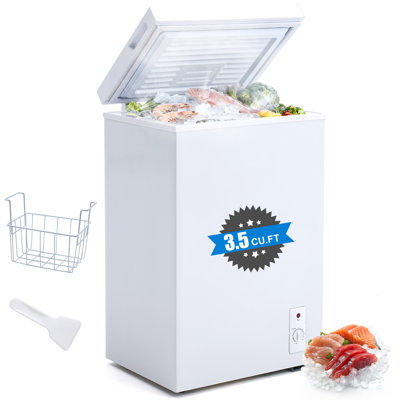
A Cape Cod home might benefit from dividing your cold storage. Maybe keep frozen bulk items in a chest freezer in the basement, or invest in a compact second fridge if you entertain a lot. For instance, you might want a dedicated fridge for beverages, like a best beverage fridge for a small kitchen that tucks neatly under a counter. This approach balances your primary fridge’s capacity and spares you the headache of trying to fit everything in one spot.
Wrap up your choice
So how do you settle on what size fridge freezer best fits your Cape Cod home? Start with a precise measurement of your kitchen’s width, depth, and height. Factor in door swing because your fridge door needs room to function. Then think about your household size and cooking habits. If you frequently meal prep or host gatherings, slightly larger capacity might be worth the extra few inches of kitchen real estate. If you’re more of a casual cook or have a separate freezer, a compact model could do the trick.
One final note: try not to fixate on the extremes. A massive fridge might overshadow your cozy kitchen, while a too-tiny unit can turn daily tasks into a puzzle of Tetris-like food shifting. Instead, aim for a balanced option that meets your lifestyle, respects your layout, and reflects your personal style. While it’s tempting to choose the biggest fridge possible, subtlety is often the name of the game in a classic Cape Cod setting.
If you’d like an idea of capacity sweet spots, check out a mid-range fridge, like a 12 – 20 cubic feet refrigerator. But definitely double-check the measurements first. And remember, if you ever upgrade your unit, you might consider what you’ll do with the old one. If it’s still functional, you can learn how to determine the value of a used fridge before handing it off.
The key is to make your Cape Cod kitchen comfortable and functional. By paying attention to size, style, and your personal cooking routine, you’ll end up with a fridge freezer that truly fits. And once it’s all set, don’t forget to swing open that door and enjoy the easy, breezy feeling of a well-chosen appliance—like tossing your keys on just the right hook! Got questions or extra tips? Drop them below and share your own fridge-sizing saga. Chances are, someone else in a Cape Cod home is going through the exact same thing.
From Fridge.com research
Figures below come from data Fridge.com builds and maintains. Each links to the record behind it.
Fridge.com Energy Index, built on U.S. EPA and DOE ENERGY STAR records
Across 5,455 ENERGY STAR certified refrigerators and freezers from 263 brands, median use is 360 kWh per year.