Keep it consistent: Maintain a steady temperature of around 0°F (-18°C).
If the idea of hooking up a brand-new deep freezer makes you curious about best practices, consider looking at what should you do when you get a new refrigerator?.
If you’re on a tight budget and looking for something affordable, you might explore chest freezers under 500 for a quick overview of cost-effective options.
For smaller families or couples: A freezer between 5 and 9 cubic feet is generally enough to store a decent supply of meats, frozen vegetables, and some prepared meals.
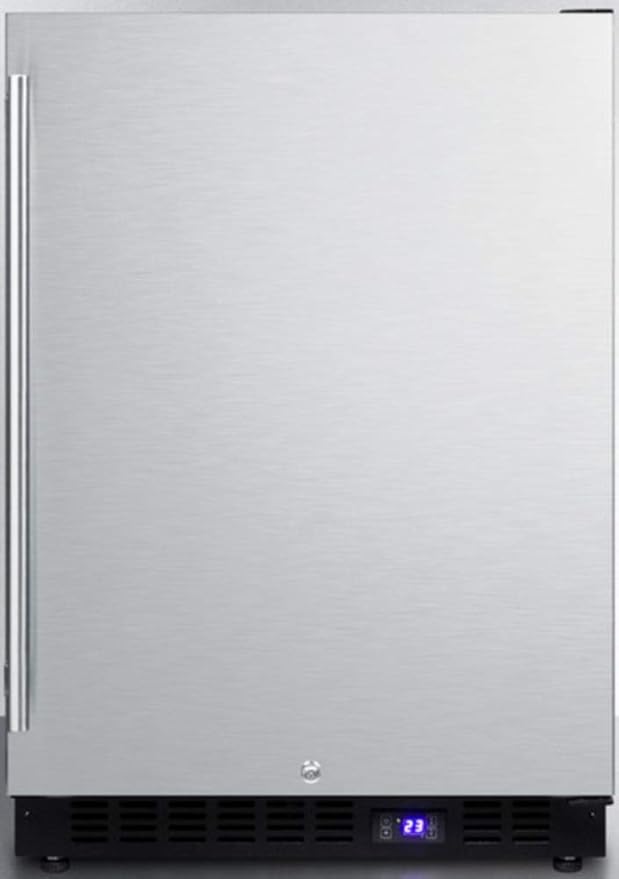
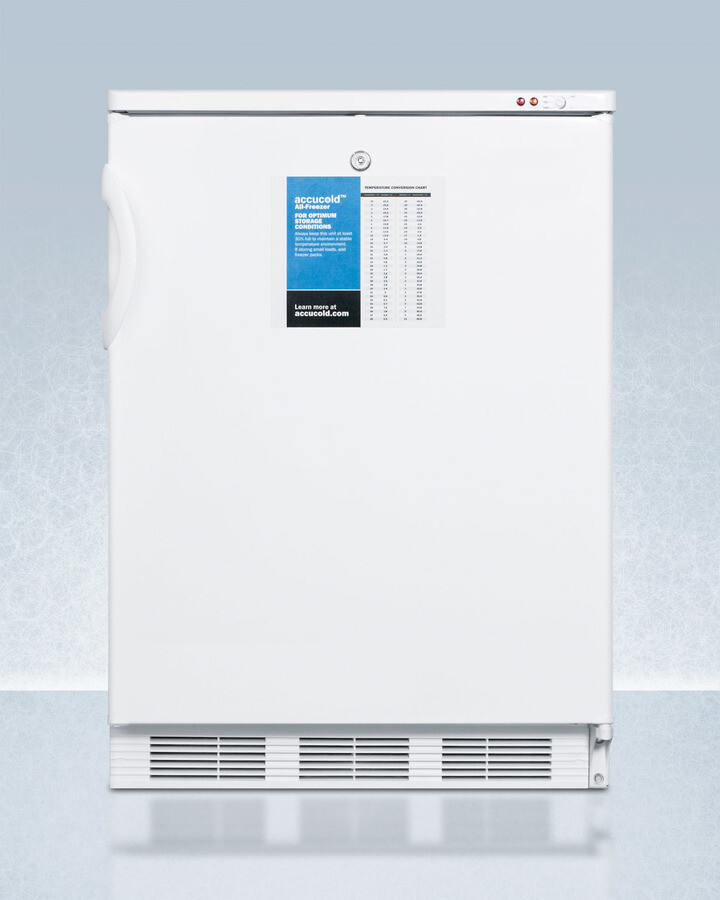
If you’ve ever felt cramped by limited freezer storage in your kitchen, you might be ready to explore the benefits of a kitchen appliances deep freezer. Whether you have a big family that devours batches of homemade meals or you just like the convenience of bulk shopping, a deep freezer can be a real game-changer. Below, we’ll walk through everything you need to know, from picking the right size to keeping it organized, so you can enjoy all the perks of a well-stocked freezer without the usual hassles.
Understand the benefits
A stand-alone deep freezer isn’t just a bigger box for frozen pizza and ice cubes. It opens the door to storing bulk goods, preparing meals in advance, and reducing food waste. Instead of constantly worrying about how you’ll squeeze another bag of vegetables into that overstuffed top-freezer compartment, you’ll have room to spare.
You also save money in the long run. Buying in bulk often means snagging items on sale, preserving fresh finds from your local farmers’ market, or taking advantage of seasonal deals without fear of running out of space. Plus, because you’re freezing in larger volumes, you’ll likely cut down on trips to the grocery store. Talk about a win for your schedule and budget, right?
Compare different freezer types
When shopping for a deep freezer, you’ll find two primary categories: chest freezers and upright freezers. Each has its own set of strengths, so it’s helpful to understand which one might fit your space, lifestyle, and storage goals.
Chest freezers
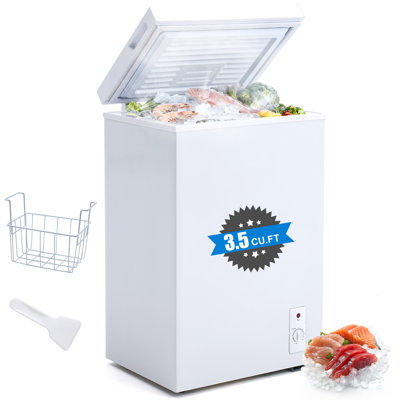
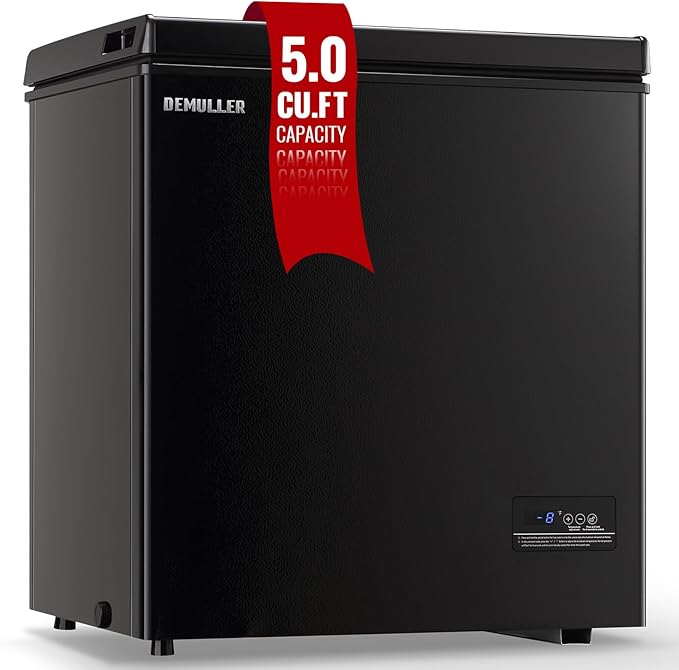
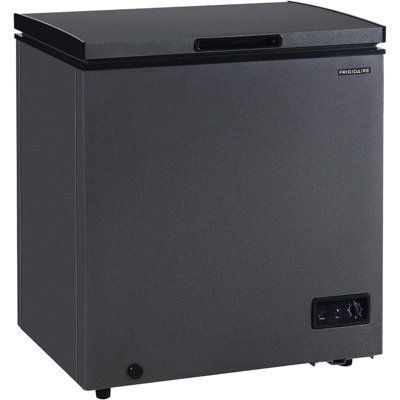
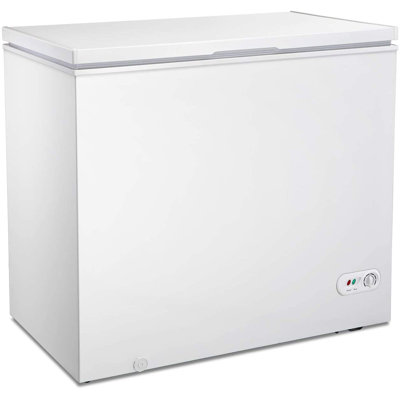
Chest freezers have a wide, horizontal design that you open from the top. Because cold air stays near the bottom, these freezers can be more energy-efficient. They sometimes cost less than uprights, and they offer generous storage space without many shelves getting in the way. That said, you’ll need to bend a bit more to reach the items at the bottom. Organizing can be trickier, but a few simple baskets or sliding organizers can keep everything neat.
If you’re on a tight budget and looking for something affordable, you might explore chest freezers under 500 for a quick overview of cost-effective options.
Upright freezers
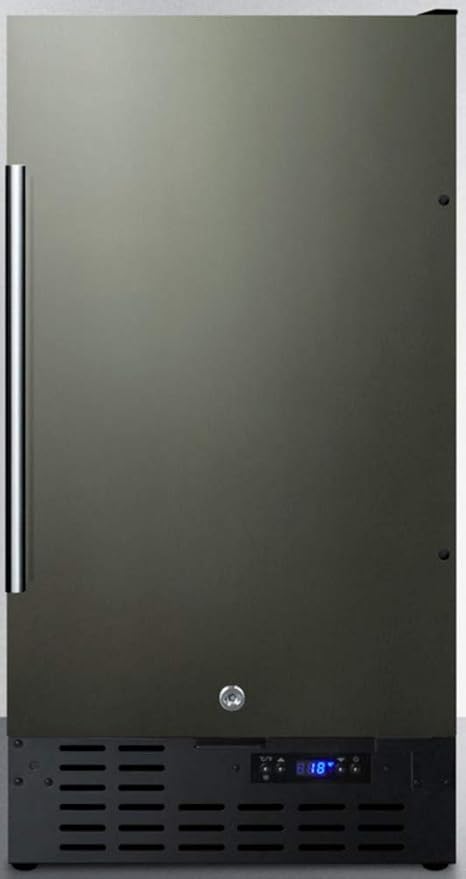
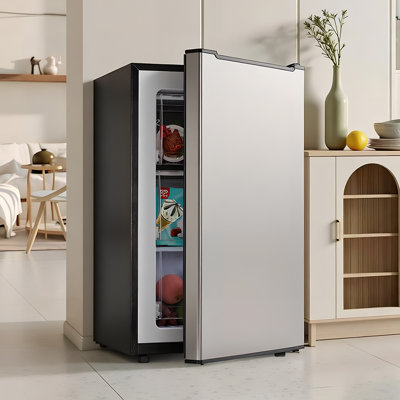
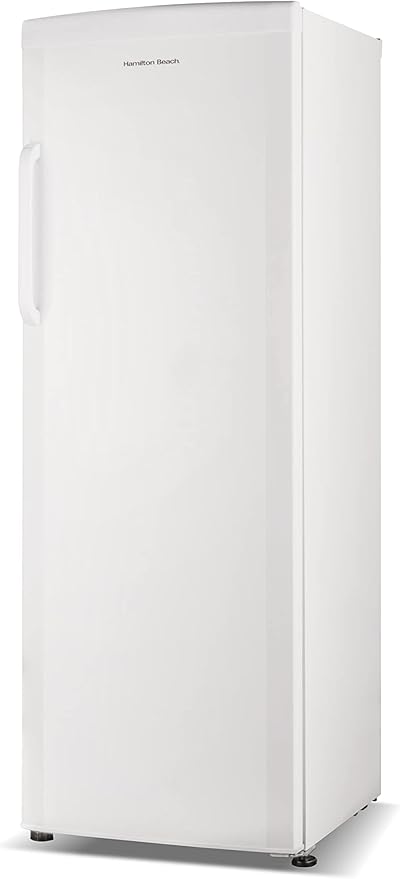
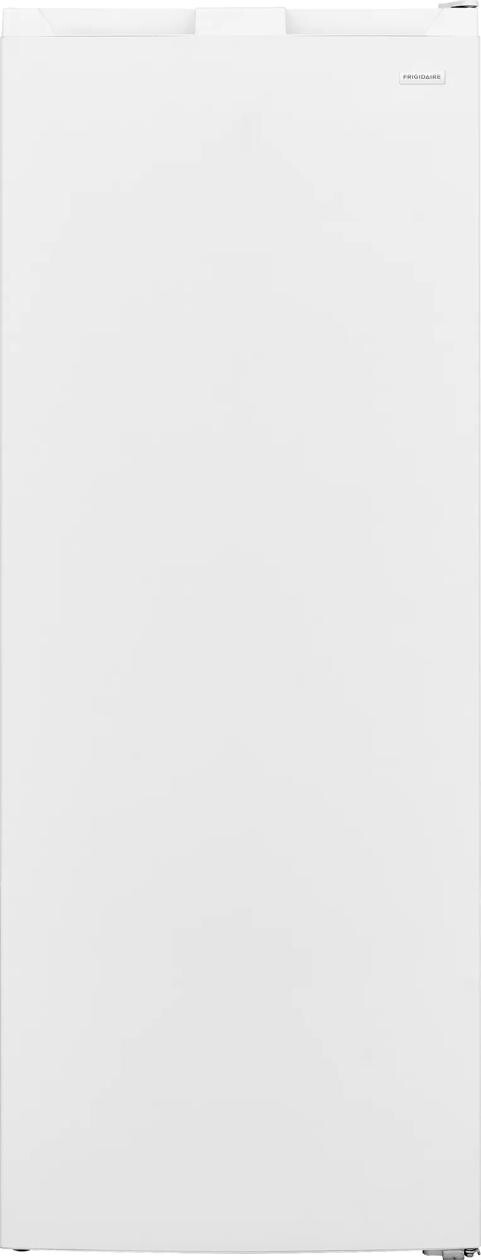
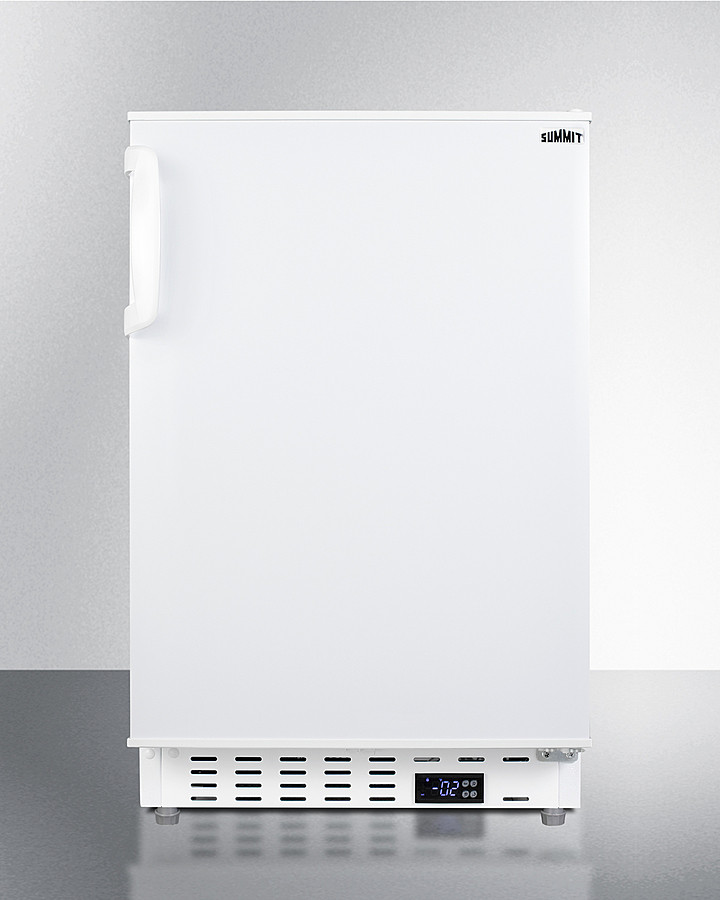
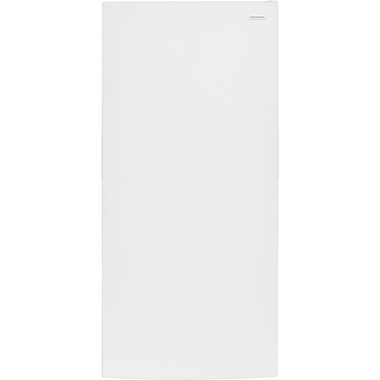
Upright freezers look more like a traditional refrigerator. You open them from the side, and items are typically arranged on shelves or in door racks. This design makes your food easier to see and access, which can be handy if you’re constantly grabbing ingredients. Some upright models also boast a smaller overall footprint, letting you tuck it into a corner. However, uprights may cost a bit more, and you might end up with slightly less capacity compared to a chest freezer that has the same exterior dimensions.
Capacity matters. You don’t want a deep freezer that’s so small, you can’t keep a decent stock of meals and ingredients, but at the same time, you don’t want a massive appliance that eats up your entire laundry room.
For smaller families or couples: A freezer between 5 and 9 cubic feet is generally enough to store a decent supply of meats, frozen vegetables, and some prepared meals.
For larger households or serious meal-preppers: Look for 10 cubic feet or more. If you run a small food-related side hustle or you love entertaining, a 15- to 20-cubic-foot model can handle substantial volume.
For real pros or those with big storage goals: Some high-capacity freezers exceed 20 cubic feet. They’re perfect if you regularly buy half a cow from your local farm or love to keep a hefty inventory of homemade soup and casseroles.
Before you pick a size, always grab a measuring tape. Check your available floor space (and height for upright models) to see if the freezer you like will realistically fit. Keep in mind that you’ll need enough clearance to open the door fully.
Deep freezers are more versatile than you might think when it comes to placement. While some folks pop them in the garage or the basement, you can integrate a deep freezer into your kitchen area if you have the room. Here are a few tips:
Garage or basement: Great for people who don’t mind going downstairs or outside to grab frozen foods. Be mindful of temperature fluctuations, though. Some freezers are better at handling unheated spaces.
Kitchen or pantry: If you have an oversized kitchen, placing a stand-alone freezer where it’s most convenient can be a lifesaver. Make sure there’s a grounded outlet and proper ventilation. Nearby wall space is key, so you can open the door or lid without obstruction.
Laundry or mudroom: Another popular choice if you can’t spare space in the kitchen. Just ensure you have enough room around it for airflow and door clearance.
Thinking of a flush look that slides alongside other appliances? Maybe check out which slim refrigerator mounts flush beside tall pantry? for some design inspiration, though you may come across references that help you visualize how a freezer might fit as well.
Look for essential features
Once you figure out your capacity and placement, it’s time to look for the features that matter most. Not every deep freezer comes with bells and whistles, but a few extras can make your life simpler.
Temperature controls and alarms
Some models have an external digital temperature control so you can monitor and adjust with ease. Alarms that alert you if the temperature rises can prevent your food from spoiling if the door isn’t fully closed or if there’s a power outage. Bonus points if the freezer has a safety lock, which is especially useful in households with curious kids.
Defrosting options
Deep freezers either have manual defrost or automatic defrost (frost-free) functionality.
Manual defrost freezers: Tend to be more energy-efficient, but you have to empty and defrost them a couple of times a year to keep ice buildup under control.
Automatic defrost freezers: Cost more but spare you from manual draining and scraping. They do, however, use slightly more energy.
Storage baskets and dividers
Organizers, baskets, and dividers can be a real sanity-saver. These keep smaller items like frozen veggies, breads, or individual meat portions from sinking into the depths. Labeling each basket is also a neat trick if you don’t want to spend time rummaging around for that bag of frozen peas.
Organize for maximum convenience
Once your new kitchen appliance is in place, you’ll want to keep it tidy. A deep freezer can become a jumbled mess if you’re just tossing items in there. Here’s a strategy to keep it under control:
Group similar foods: Store meats in one basket, veggies in another, and prepared meals in a third. This way, you can grab exactly what you need without digging.
Label everything: Use freezer-safe labels or a permanent marker directly on freezer bags. Note the contents and date so you can track freshness.
First in, first out (FIFO): Rotate older items to the front or top of the freezer, and place new groceries behind or underneath. This approach helps to reduce the chance of old food getting forgotten.
Ever wonder how to store certain baked goods? You might enjoy a handy tip from how to store pita bread in the freezer properly. It covers storage techniques that can be applied to other breads as well.
Regular maintenance plays a big role in how efficient your deep freezer remains and how fresh your food stays. You’ll find that tasks like defrosting (for manual defrost freezers) and cleaning up spills can preserve the life of your appliance.
Wipe surfaces: Every couple of months, empty the freezer and wipe down walls with a mild cleaning solution. Getting rid of sticky spills or frosting buildup helps prevent odors.
Inspect seals: Make a quick check of the door or lid gasket. If you feel cool air leaking, the seal might need replacing. A faulty seal drives up your energy costs and risks introducing warm air.
Keep it consistent: Maintain a steady temperature of around 0°F (-18°C). This is ideal for preserving food quality over the long haul.
If the idea of hooking up a brand-new deep freezer makes you curious about best practices, consider looking at what should you do when you get a new refrigerator?. Although it’s geared toward fridges, many tips apply to freezers too.
Your electric bill will thank you if you pay attention to energy ratings and power usage. Most freezers will have an Energy Star rating if they meet certain efficiency guidelines. Because a deep freezer runs around the clock, even small differences in power consumption add up over time.
When shopping, check the annual estimated energy cost label. Sometimes a more expensive model with a better energy rating will save you money in the long run. You can also do simple things like keeping it in a cooler part of your home. Avoid placing the unit in direct sunlight or next to a heat source, like a radiator or your oven.
Establish a budget
Prices for deep freezers vary widely, and what you pay often depends on the brand, size, and special features. On average, a basic chest freezer might be a few hundred dollars, while a large upright freezer with advanced features could be over a thousand.
Here are some tips to stay on budget:
Shop sales or scratch-and-dent deals: If you aren’t particular about minor cosmetic imperfections, you can often find substantial discounts.
Consider used appliances carefully: If you trust the seller and the freezer is in good shape, a secondhand model can be a bargain. For more insights, you could check out how to determine the value of a used fridge. It’s about fridges, but many cost-evaluation tips apply to freezers.
Look for rebates: Some utility companies offer incentives on energy-efficient appliances. Keep an eye out for seasonal deals or holiday sales.
Keeping food safe starts with maintaining a consistent temperature, but it also means being mindful of how you pack and label items. No one wants to toss out food because it’s freezer-burned or mislabeled. Here are some pointers:
Cool foods before freezing: If you’re freezing cooked dishes, let them cool slightly so they don’t raise the freezer’s internal temperature.
Vacuum-seal or remove air: Trapped air leads to freezer burn. Using freezer-grade bags and pushing out excess air can prevent those dreaded frost spots.
Freeze things flat: Casseroles or soupy dishes are easier to store when you freeze them in a shallow, flat container. They’ll also thaw faster.
Use it for meal planning
A well-stocked deep freezer can transform how you handle meal planning. You’ll start to see opportunities to cook once, eat twice, or thrice. Imagine making a big pot of chili on Sunday, portioning half into freezer containers, and saving it for a busy night next week.
Bulk cooking: If you meal-prep, do it in large batches. You can freeze extra soups, casseroles, or baked pasta dishes.
Smoothie bags: If you love a quick morning smoothie, you can pre-package fruit, greens, and protein powder in freezer bags. Just toss and blend.
Baking essentials: You can store things like butter or flour for an extended period. Label carefully with the date so you know when to restock.
Got a special diet you’re following, such as 16/8 fasting or paleo? A deep freezer is invaluable. Load up on approved foods when they’re on sale. If you’re curious about specialized appliances, there’s even a best freezer for 16/8 fasting diet guide that might spark ideas for how you can keep nutritious, diet-friendly items right at your fingertips.
Consider dividing your freezer into sections dedicated to different dietary needs or lifestyles. For example, set aside one basket for your everyday family meals and another for items that align with a specific diet. Clear labeling is key.
Keep it fresh with regular rotation
It’s easy to forget what you tucked away behind the frozen pizzas. Setting up a rotation system ensures you use your oldest items first, so food doesn’t sit in a frosty corner for months.
Make a freezer inventory: Create a simple spreadsheet or use a whiteboard magnet on your freezer door. Whenever you add or remove something, update the list. It may sound fussy, but it saves you from rummaging through everything when it’s time to thaw dinner.
Freeze in portions: Freezing large slabs of meat might be great for a big family meal, but sometimes splitting them into smaller batches makes sense if you’re cooking for just you or two people.
Look for weird noises: A humming sound is normal, but loud knocking or clicking might indicate an issue that needs attention.
Troubleshoot common issues
Sometimes, you might find frost building up too fast or notice that items aren’t freezing evenly. Here are a few quick fixes:
Excessive frost: Check that the door or lid isn’t propped open slightly, and ensure your freezer’s gasket is in good condition.
Inconsistent temperature: Make sure the temperature settings haven’t shifted. If you have an older manual dial, it might have been nudged out of place.
Pooling water: If you spot water near or under the freezer, check the drain plug (in manual defrost models) or the defrost mechanism (in automatic defrost models). Also confirm there’s no leak in your water source if your freezer has an ice-maker attachment.
If you’re ever worried about how freezer placement might affect your home’s environment, you could even glance at is it harmful to keep a fridge in a bedroom?. Some takeaways about noise and heat generation might apply to deep freezers in tighter spaces, too.
A deep freezer can come in handy for more than just storing daily meals. Hosting a party? You can prep trays of appetizers, store them in large freezer bags, and pop them out when guests arrive. Or maybe you enjoy chilling specialty drinks. If so, you might love having extra freezer space for ice molds or frozen cocktail mixes.
Leftovers from big festivities also find a second life in a deep freezer. Cooked meats, sauces, and sides will keep for months. Just remember to label everything so you don’t end up with an unidentifiable frozen blob in the corner.
Wrap up your deep freezer journey
A kitchen appliance like a deep freezer takes the stress out of meal storage and planning. By choosing the right capacity, organizing your food properly, and giving the appliance a little maintenance love, you’ll have a reliable cold-storage companion for years to come. Picture how satisfying it will be to open the lid, see a neatly arranged spread of ready-to-cook meals, and know you’re saving money in the process.
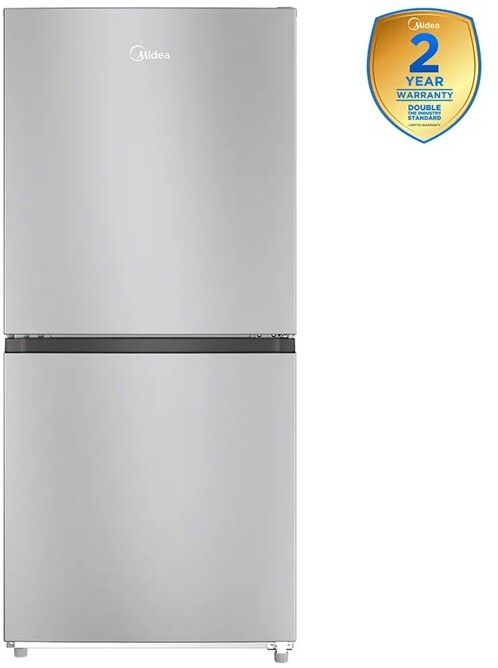
If you want to weigh additional configurations or find the perfect match for your specific routine, remember that there are resources out there for comparing freezers and fridges side by side. You can even look at differences like the 2 door refrigerator vs. freestanding drawer freezer, which might help you figure out if you’d prefer a single-door top-down layout or a style that’s a little more segmented.
When you’re finally ready to bring home your new deep freezer, just make sure you’ve planned out where it will live and how you’ll keep your favorite foods easily accessible. A little preparation goes a long way toward making sure this is one kitchen upgrade you’ll never regret. Once it’s all set up, go ahead and fill it with whatever your heart desires, from homemade ice cream to pre-cooked casseroles. You’ll love having it all within arm’s reach whenever culinary inspiration strikes. Happy freezing!
From Fridge.com research
Figures below come from data Fridge.com builds and maintains. Each links to the record behind it.
Fridge.com Energy Index, built on U.S. EPA and DOE ENERGY STAR records
Across 5,455 ENERGY STAR certified refrigerators and freezers from 263 brands, median use is 360 kWh per year.