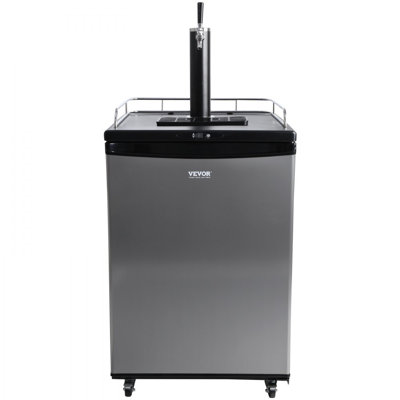
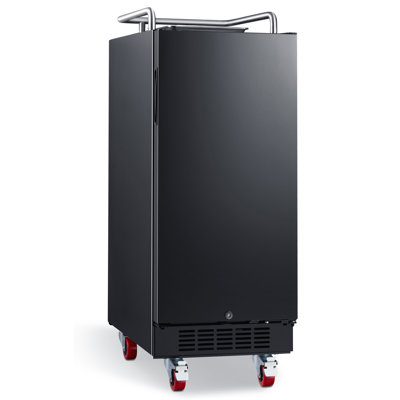
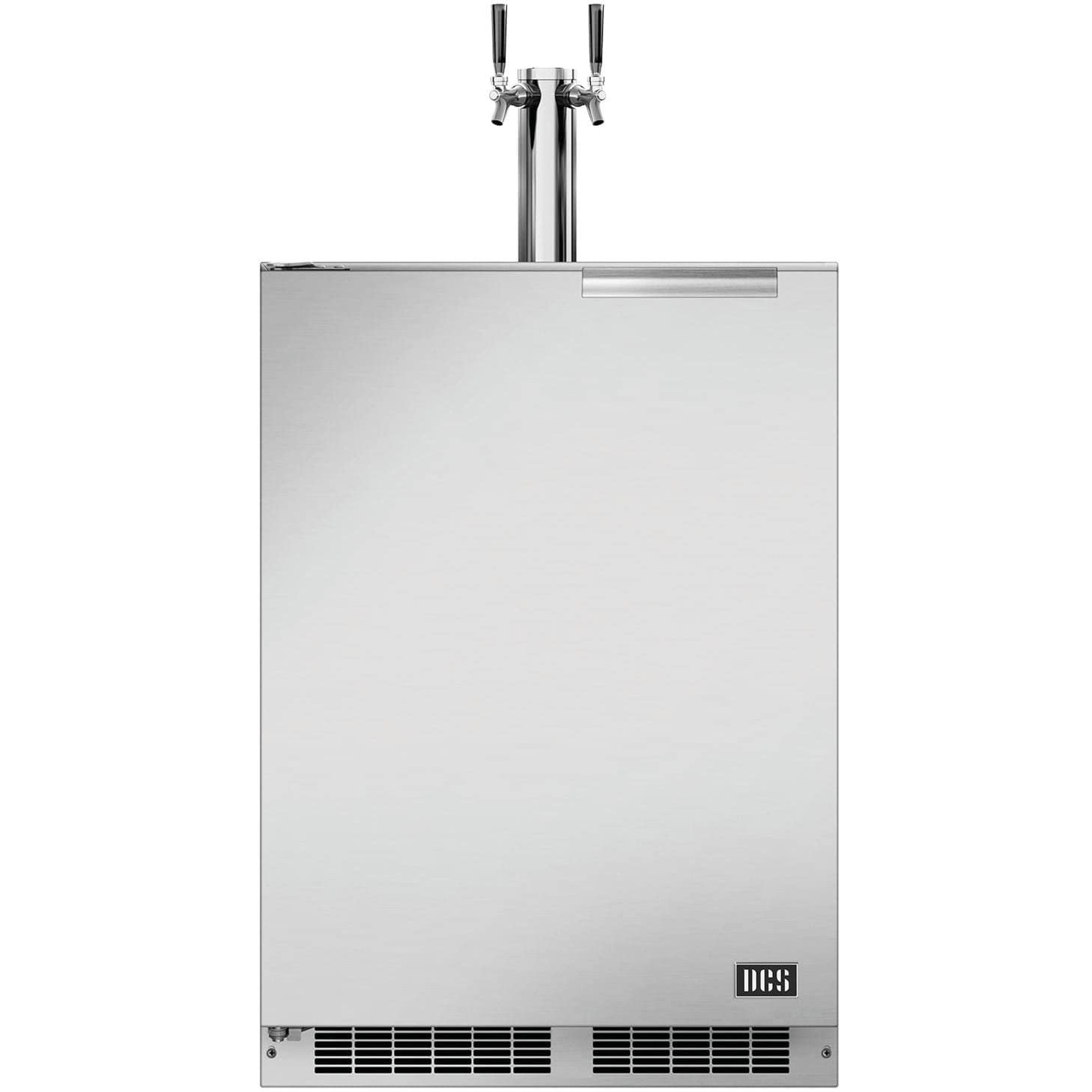
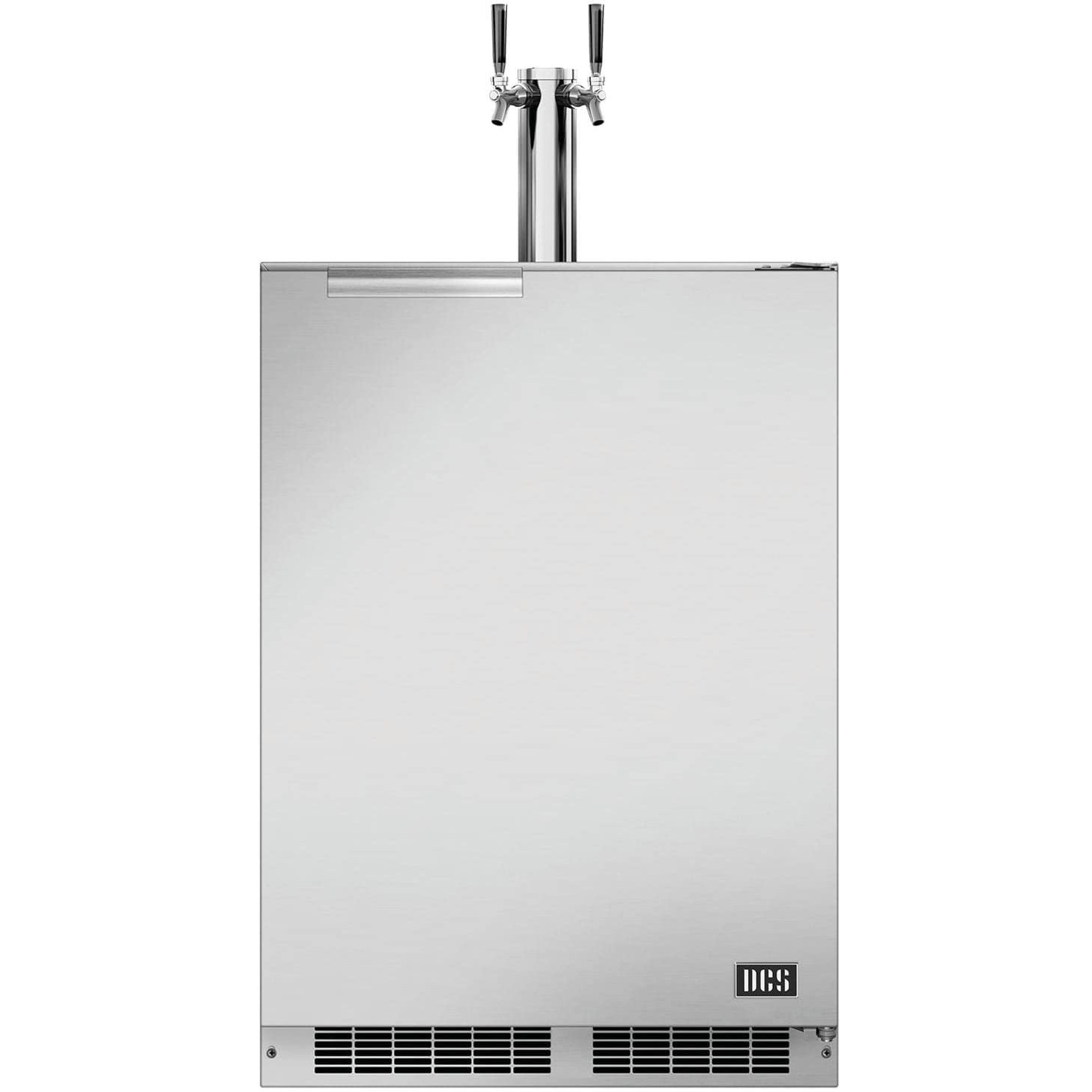
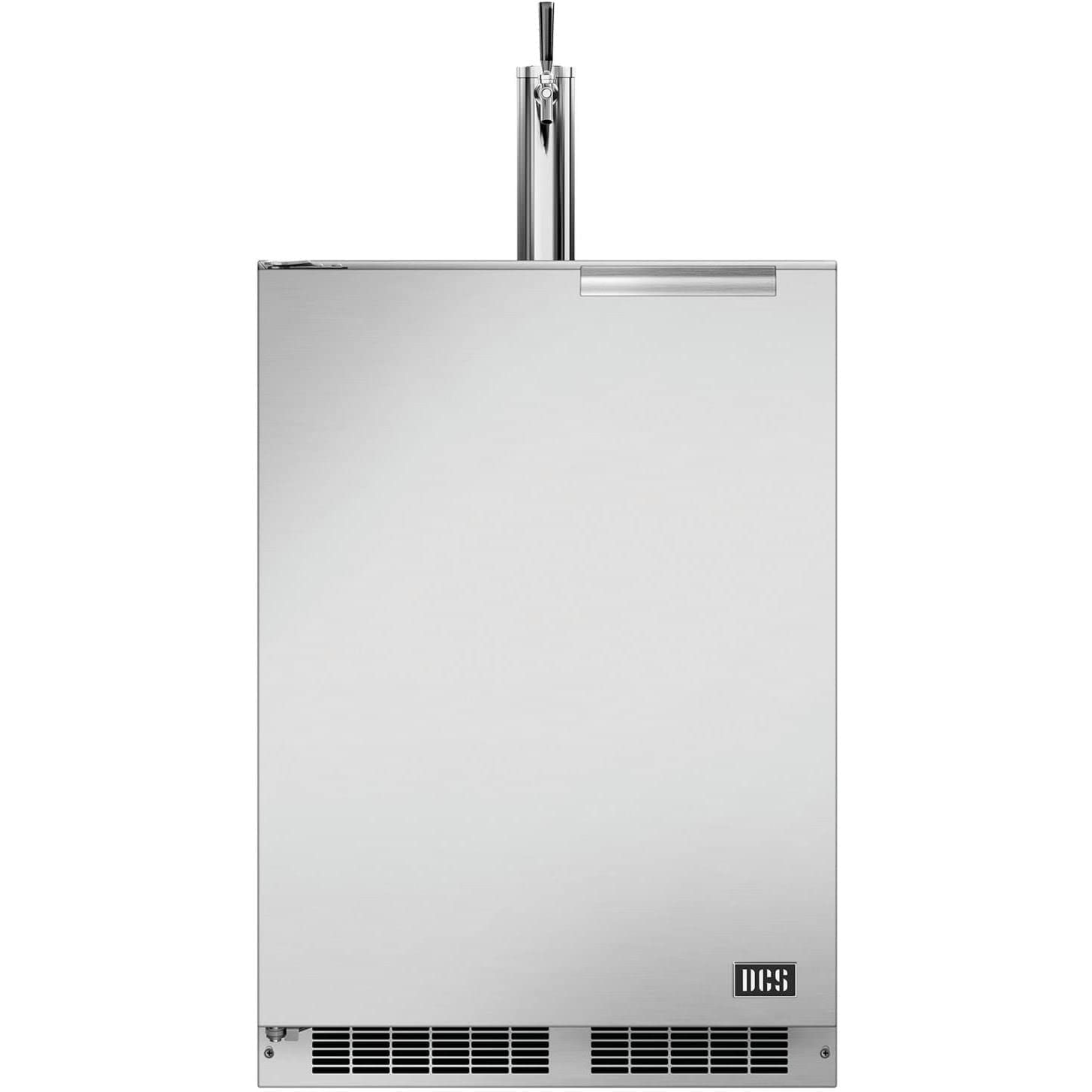
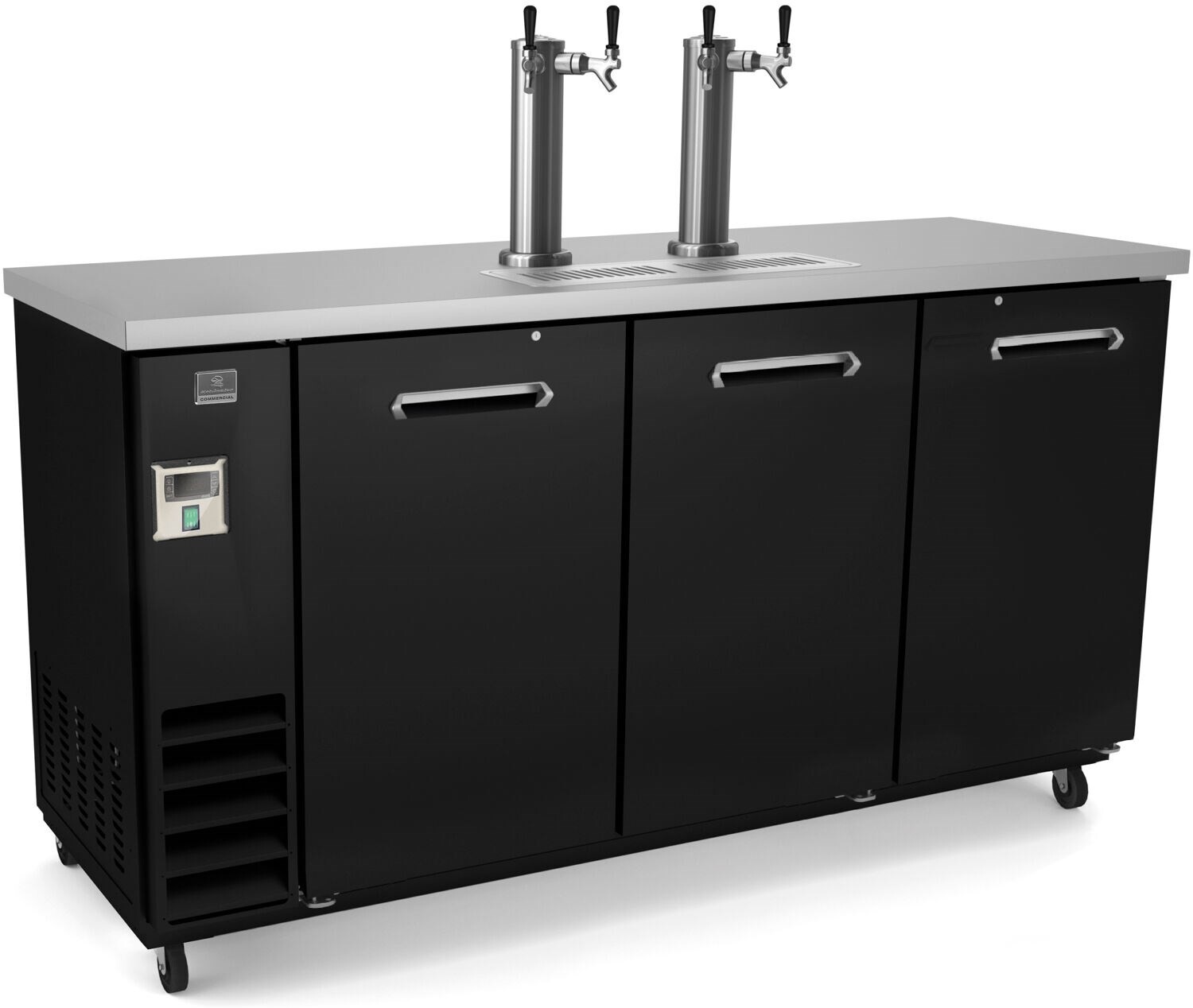
Just like your standard fridge, a kegerator’s thermostat should run consistently, ensuring internal temps hover around 36–40°F (2–4°C) for most lagers.
Varies, usually built to handle bottles and cans, not always kegs.
A sixth barrel can last several weeks if you consume moderately, but plan to finish most kegs within about 90 days for optimal taste.
This setup comes with two main perks: first, you get the taste of draft beer in the comfort of your home, and second, you’ll often save money compared to buying multiple six-packs.
If you love the taste of fresh draft beer but worry you can’t make it work in a smaller home, you’re in the right place. Finding the best apartment kegerator is simpler than you might think. With a compact but capable setup, you can enjoy a chilled pour without crowding your limited space. Let’s explore how to choose and maintain a stellar kegerator that fits your lifestyle and keeps your favorite brew on tap.
Explore the apartment kegerator advantage
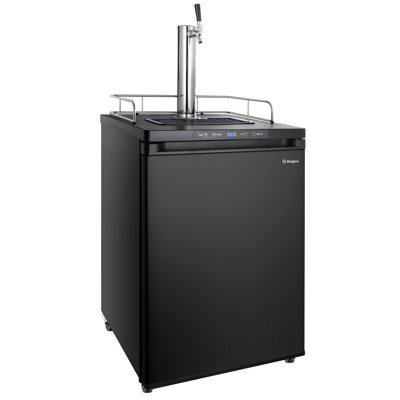
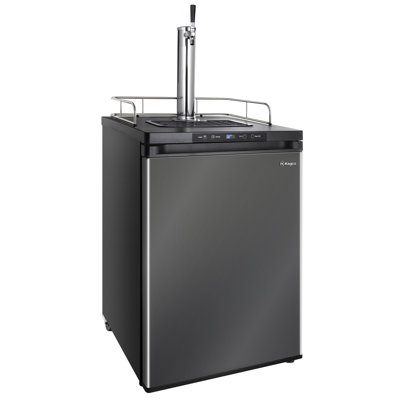
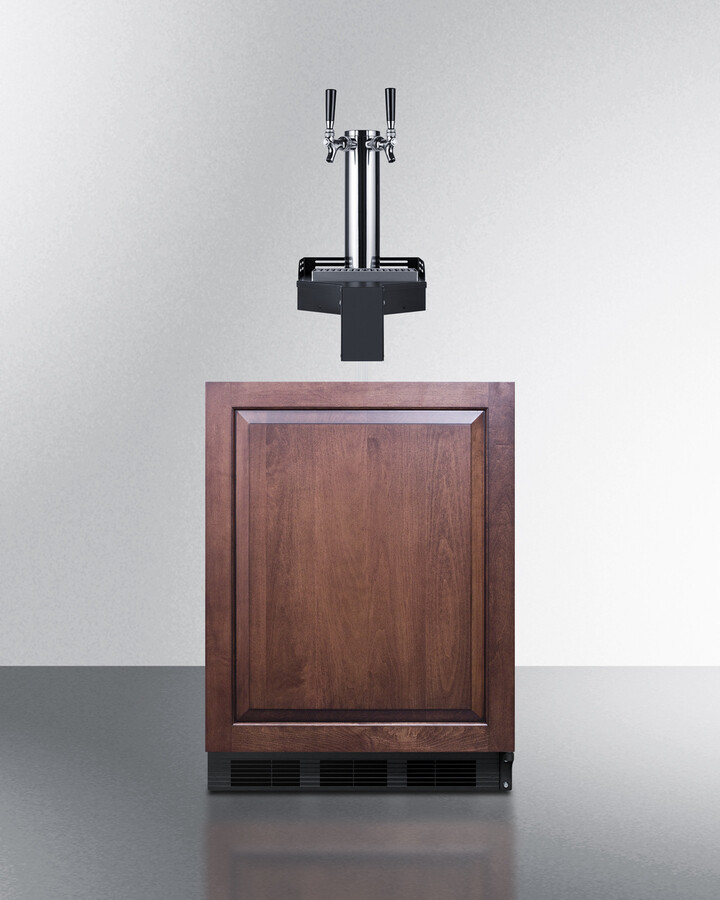
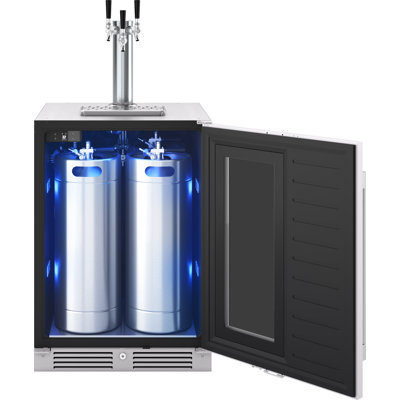
A kegerator isn’t just a fancy toy for beer enthusiasts. It’s essentially a specialized refrigerator that stores and dispenses your brew from a chilled keg. This setup comes with two main perks: first, you get the taste of draft beer in the comfort of your home, and second, you’ll often save money compared to buying multiple six-packs. Here are some additional ways a kegerator benefits your apartment living:
Fresher beer: Draft sets keep beer sealed and chilled, preserving taste and carbonation.
Lower waste: You won’t deal with endless bottles or cans in your recycling bin.
Party magnet: Friends love hanging out where fresh beer flows with a simple tap.
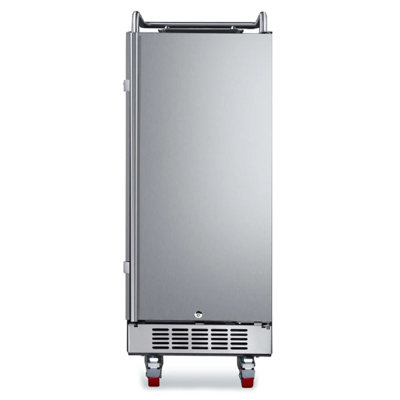
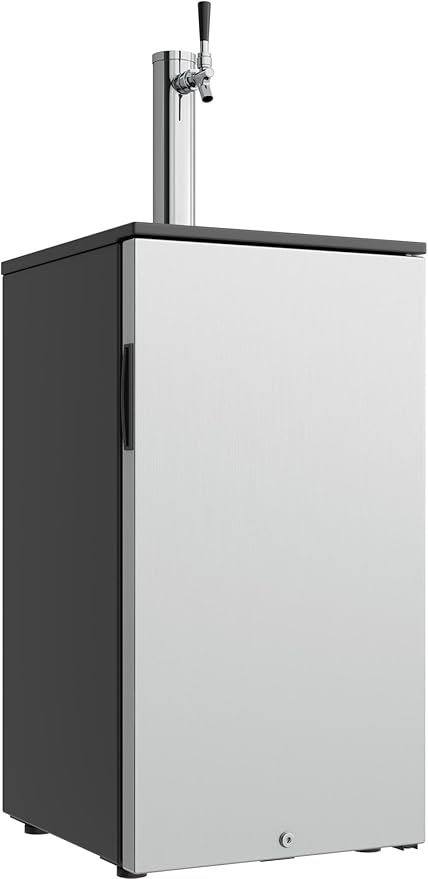
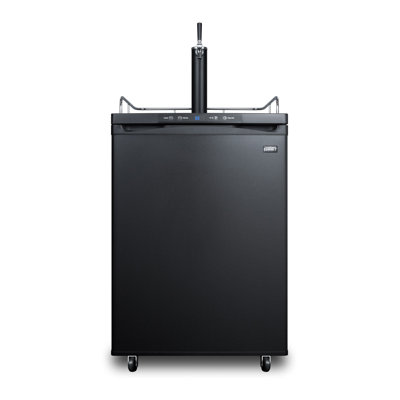
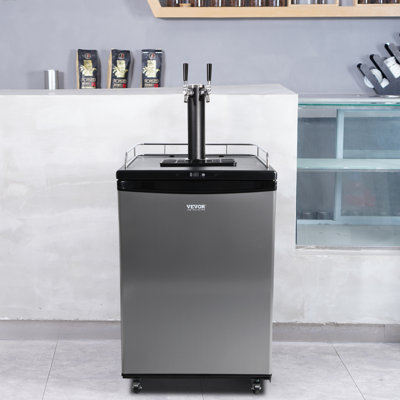
The biggest challenge? Size. Standard kegerators might be bulky, but manufacturers now offer versions tailored to smaller abodes. These models stand slimmer, generate less noise, and can usually tuck into a corner or under a counter.
Why draft tastes better
It isn’t just marketing hype. Draft beer is stored under pressure, so it typically retains freshness longer than bottled varieties. Some aficionados claim you can taste subtle differences in hoppiness or maltiness because draft beer doesn’t endure the same potential light exposure or heat variance that bottled beer does during transport. If you’re looking to sample craft brews at their finest, a small-space kegerator can replicate that barroom quality—no long lines or sticky floors included.
Consider key kegerator features
Once you’ve decided a kegerator sounds right for your apartment, you’ll want to look at a few core features. These matter when comparing brands and models, so keep them in mind before picking your favorite.
Temperature control
Proper temperature plays a huge role in flavor. Just like your standard fridge, a kegerator’s thermostat should run consistently, ensuring internal temps hover around 36–40°F (2–4°C) for most lagers. Some craft beers might need slightly different settings. Make sure you can tweak the controller by a few degrees to suit your favorite brew.
CO2 system
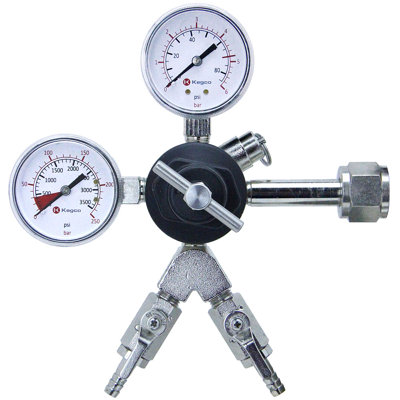
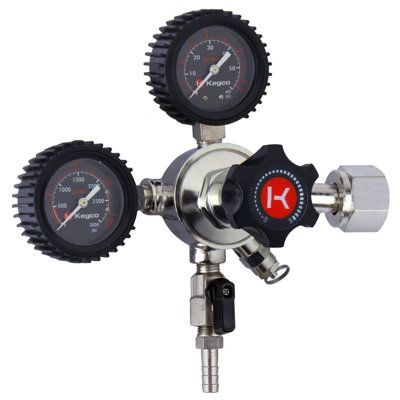
For consistent pours and fresh taste, you’ll rely on a CO2 tank that dispenses beer from the keg. Tanks vary in size, but a five-pound tank usually works for small apartments. That said, you might wonder, “do I really need CO2?” If you’re curious, check out this discussion: will a kegerator work without co2?.
Tap handle and draft tower
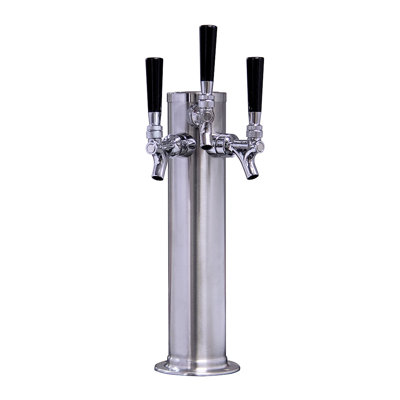
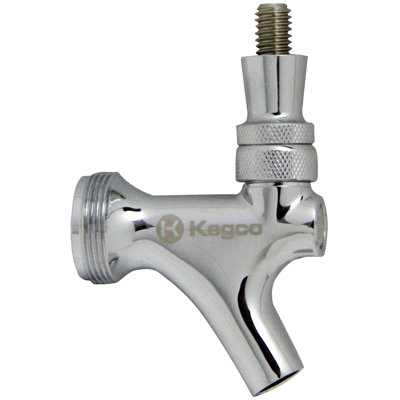
Design can range from simple chrome spouts to decorative tap handles. Function-wise, a stable, well-sealed draft tower ensures minimal foam, consistent pressure, and less spillage. The tower should be properly insulated so your beer stays cool all the way to the glass.
Drip tray
Accidents happen, and a drip tray is there to catch overflows or the few final drips after you shut off the tap. It might not seem like a big deal, but you’ll appreciate a removable drip tray when cleanup time comes around.
Space is your top concern in an apartment. Before you find yourself lugging home a giant unit that doesn’t fit, take these steps:
Measure the spot: Note width, height, and depth where you hope to place your kegerator.
Factor door clearance: You’ll need to open the kegerator door to swap kegs or adjust the CO2 tank, so allow extra space.
Keep ventilation in mind: Kegerators emit heat from their coils. They usually need a few inches of clearance behind and above to ensure proper airflow.
Double-check electrical access: Make sure you have a dedicated outlet within reach. Extension cords can be a hazard if placed under carpets or near wet areas.
Keg size 101
Many apartment-friendly kegerators fit a quarter or sixth barrel keg (sometimes called a “pony” or “torpedo” keg). Full-size half barrels are often too tall or wide for tight kitchens. The smaller barrels hold enough beer for a decent gathering without devoting your whole fridge to them.
You might wonder whether a kegerator is overkill. Could you just grab a mini fridge and DIY a tap system, or rely on a beverage fridge for your drinks? The quick comparison below might help you decide:
Feature
Kegerator
Mini Fridge
Beverage Fridge
Primary Purpose
Draft beer dispensing from a keg
General cold storage for beverages or groceries
Chilling cans, bottles, and sometimes wine
Dispensing Mechanism
Tap tower with CO2 tank
No built-in dispensing unless modified
No tap, strictly storage
Space Efficiency
Compact models available, but still needs room for tower
Smaller footprints, but less specialized for kegs
Varies, usually built to handle bottles and cans, not always kegs
Maintenance
Routine beer line cleaning is crucial
Simple wipe-down, no lines or CO2
Occasional defrost or cleaning of interior shelves
Ideal Use Case
Beer lovers who want draft quality at home
Multi-purpose cooling of all groceries and beverages
Chilling a variety of drinks, though not set up for draft beer
If you’d rather stick to storing bottles or cans and not bother installing a tap, a beverage fridge might suffice. In that case, you could check out the best beverage cooler for a small kitchen. But if you dream of fresh draft beer and that pub-like experience in your apartment, a kegerator is your best bet.
Maintain your kegerator long-term
Owning a kegerator isn’t just about the party vibe. It also means you’ll be responsible for a bit of maintenance. The good news? It’s not complicated once you know the basics.
Clean lines regularly
Beer lines can develop buildup that affects taste and sanitation. Aim to clean lines at least once per month, especially if you’re switching beer types or notice off flavors. Use a specialized cleaning kit or run a mild cleaning solution through the lines, then rinse thoroughly with water.
Monitor CO2 tank levels
Keep an eye on how quickly you burn through CO2. On average, a five-pound tank might last through several kegs, but it depends on how often you pour and how precisely you manage pressure. Refill or swap tanks before you completely run out to avoid a sudden “no pour” situation in the middle of a social gathering.
Check temperature consistency
Kegerators can fluctuate in temperature if they’re placed near heat sources or in direct sunlight. Use an appliance thermometer to confirm the internal temperature stays where you want it. If you notice big swings in the reading, adjust the thermostat or relocate the unit to a cooler area.
Tackle foam issues
Excess foam can be a sign of a dirty line, incorrect temperature, or improper CO2 pressure. Double-check that your lines are chilled, your keg isn’t warmed by ambient air, and your PSI settings align with the beer style. Small tweaks often solve foam woes.
Choose the right model for your needs
There’s no one-size-fits-all kegerator, especially when square footage is at a premium. Here’s what you’ll want to keep in mind when comparing brands or scanning online listings.
Dimensions
Some models are “counter-height,” meaning you can slip them beneath a kitchen counter or bar top. Others stand taller. Check the specs. A shorter kegerator might be easier to tuck away, but it could limit you to smaller keg sizes.
Noise level
Much like a mini fridge, a kegerator will make humming or buzzing sounds. If your living space is an open studio, you’ll notice these background noises more. Look for a quiet, energy-efficient compressor if that’s a concern. Some manufacturers specify decibel levels for their appliances so you can gauge how loud they’ll be in your home.
Mobility
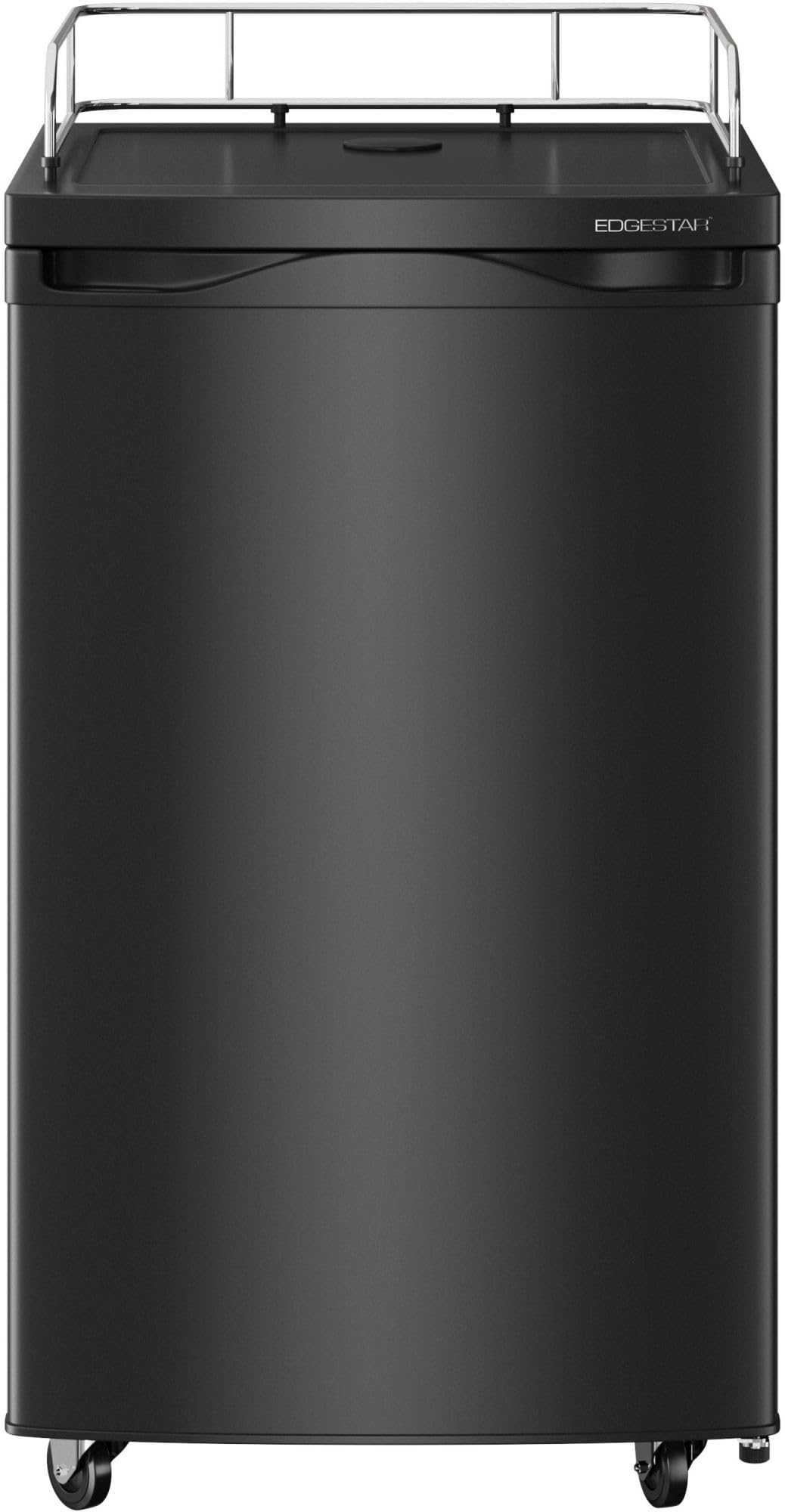
Certain kegerators feature rolling casters, making it easier to move them around. This might be nice if you want to reposition it for parties or tuck it away when it’s not in use. Wheels also help when you need to pull the unit out for deep cleaning.
Brand reputation and warranty
Reputable brands typically include at least a one-year warranty, sometimes more. This covers part defects or cooling system failures that aren’t caused by misuse. You can also compare extended warranty options if you want extra peace of mind. Check user reviews for durability. It’s a pain if your kegerator breaks right before a holiday celebration.
Price range
Costs vary widely based on capacity, brand, and materials. In general, small kegerators designed for apartments start around a few hundred dollars and can climb to well over a thousand if you want top-of-the-line features. Determine your must-haves, then balance them with your budget.
Once you’ve snagged an apartment-friendly kegerator, it’s time to perfect your pour. Simple tips can help you serve a crisp, foam-free pint every time.
Chill the glass: A cold glass wards off extra foam and keeps your beer cooler longer.
Tilt the glass: Start pouring at a 45-degree angle, then straighten the glass as it fills.
Regulate pressure: Keep an eye on your CO2 gauge. Too high or too low can cause foamy or flat beer.
Flush old beer before the first pour of the day: If beer sits in the line overnight, run a splash out before filling a glass. That ensures your first taste is fresh.
Frequently asked questions
Can you store anything other than beer in a kegerator?
Yes, you can. Some folks use their kegerators for kombucha, cold brew coffee, or even sparkling water. As long as the system is compatible with the beverage and the required pressure, it’s possible. Just remember to clean and sanitize thoroughly when switching from one beverage to the next.
How often do I need to change the keg?
That depends on how quickly you drink beer or host gatherings. A sixth barrel can last several weeks if you consume moderately, but plan to finish most kegs within about 90 days for optimal taste.
Will the unit draw a lot of electricity?
Many modern, smaller kegerators operate with compressors similar to mini fridges. They aren’t known for huge power consumption, but it’s wise to check the energy rating on a model before buying. Unplugging it regularly is not recommended because temperature fluctuation can spoil your beer.
Is adding a kegerator worth the cost for a tight space?
If you love draft beer, enjoy entertaining, and have a corner or under-counter area to spare, it can absolutely be worth it. The flavor alone might convince you, plus you’ll cut down on can or bottle clutter. If you’re still short on space, though, you might explore other small-scale solutions like best condo kegerators for alternative setups.
Cost, warranties, and brand considerations
When balancing your budget, approach a possible purchase with these questions:
Is the brand reputable, with reliable customer service?
Does the listed warranty cover typical repairs and parts replacements?
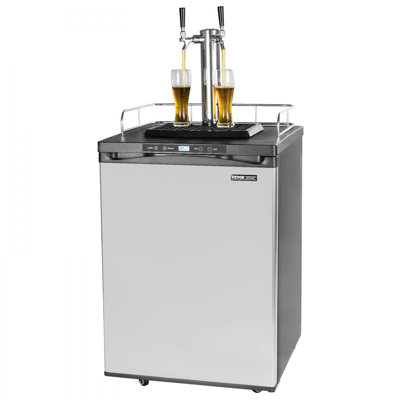
Are there any special features, like digital temperature displays or dual taps, that justify a higher price tag?
Also, be on the lookout for seasonal sales. Sometimes, big holiday events or end-of-summer promotions see kegerator prices drop considerably.
A well-chosen apartment kegerator can revolutionize how you enjoy beer at home. You’ll get the taste of fresh pints, cut down on disposable containers, and earn a reputation as the friend with the coolest home bar setup. By focusing on dimensions, temperature control, and long-term maintenance, you’ll land a model that’s both practical and party-perfect.
Remember to measure carefully, consider how many taps you need, and maintain your kegerator to extend its lifespan. Soon enough, you’ll become a draft beer pro in your own living room. So here’s to raising a glass—right under your very own roof. Enjoy your pour, and may every sip taste like a celebration.
Frequently Asked Questions
Yes, you can. Some folks use their kegerators for kombucha, cold brew coffee, or even sparkling water. As long as the system is compatible with the beverage and the required pressure, it’s possible. Just remember to clean and sanitize thoroughly when switching from one beverage to the next.