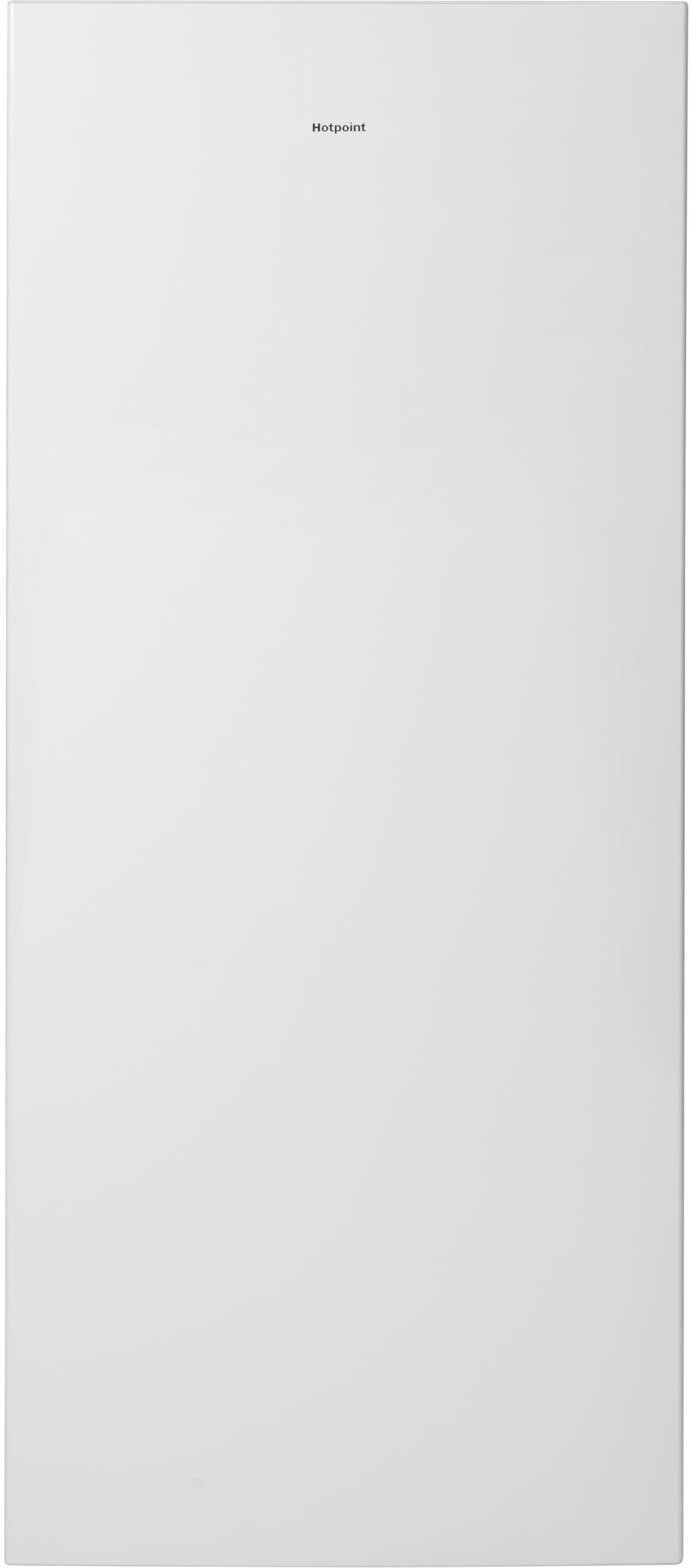
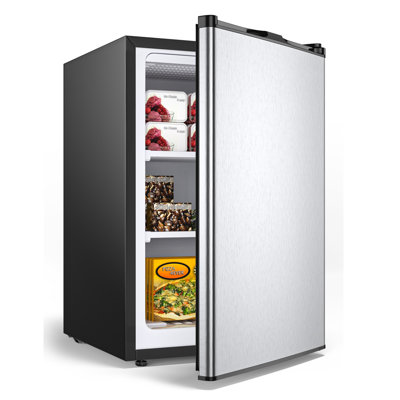
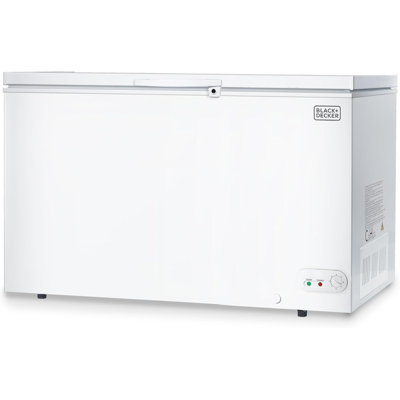
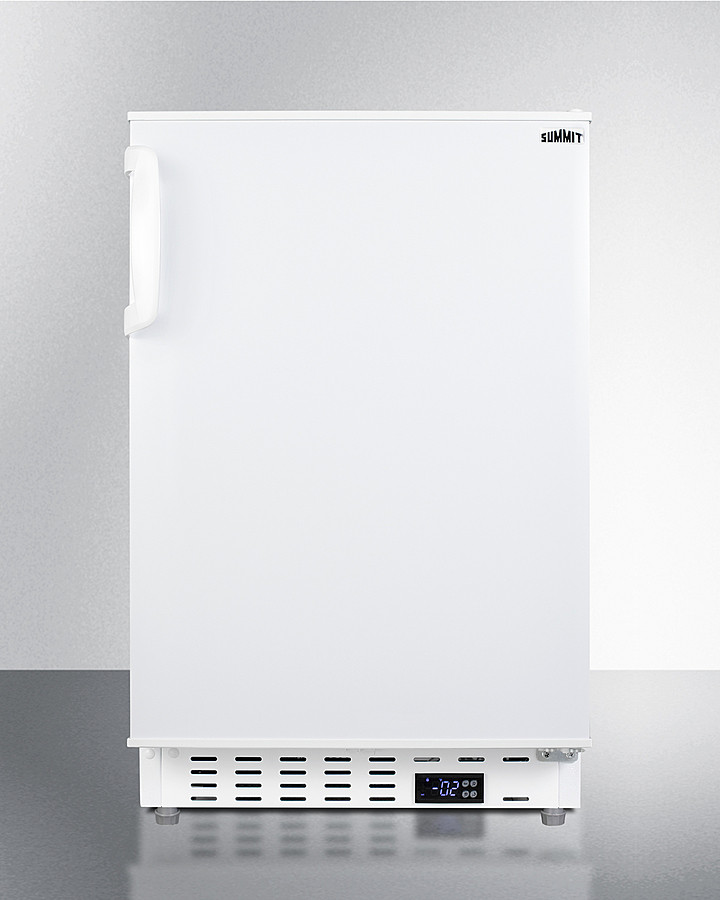
You might be eyeing that old chest freezer in your garage, wondering how to determine the value of a used freezer and what it’s really worth on the secondhand market. Whether you’re selling to fund a shiny new appliance or just curious about your freezer’s resale value, pinning down a fair price takes some detective work. You’ll weigh factors like age, condition, brand reputation and market trends to arrive at a realistic figure.
In this guide, you’ll walk through each step of evaluating your used freezer, from inspecting its condition and features to researching comparable listings and accounting for depreciation. By the end, you’ll feel confident naming your price—no guesswork required.
Assess freezer condition
Start by giving your freezer a thorough once-over. Buyers care more about functionality than looks, but both play a role in perceived value.
Visual inspection
Exterior wear and damage
Check for dents, scratches or rust spots on the cabinet. Significant cosmetic flaws can knock off 10–20% of the value.
Door seal and gaskets
Examine the rubber gasket around the door frame. Cracks or gaps lead to cold air leaks and higher energy bills. If they’re worn, factor in the cost of replacement.
Operational testing
Temperature stability
Run the freezer empty for a few hours with a thermometer inside. Does it hold the set temperature? Fluctuations can signal a failing thermostat or compressor.
Noise and vibration
Listen for loud rattles, grinding or clunking. Excessive noise often points to worn fans or motor issues, which may require professional repair.
Interior condition
Shelves and bins
Make sure wire racks, plastic bins and drawers slide smoothly and aren’t cracked or warped. Replacements for these parts can cost $20–50 each.
Odor and stains
Lingering smells or freezer burn stains may worry buyers. A deep cleaning with baking soda and warm water goes a long way in restoring appeal.
Evaluate model and features
Every freezer type and feature set influences its market price. Identify what makes your unit stand out.
Freezer type
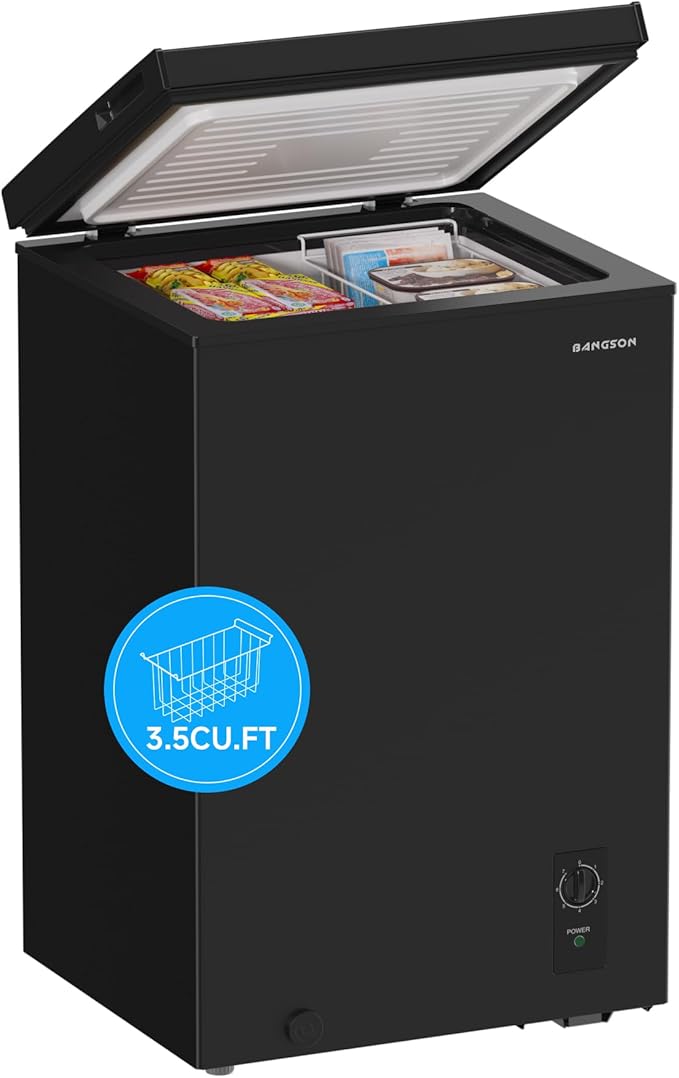
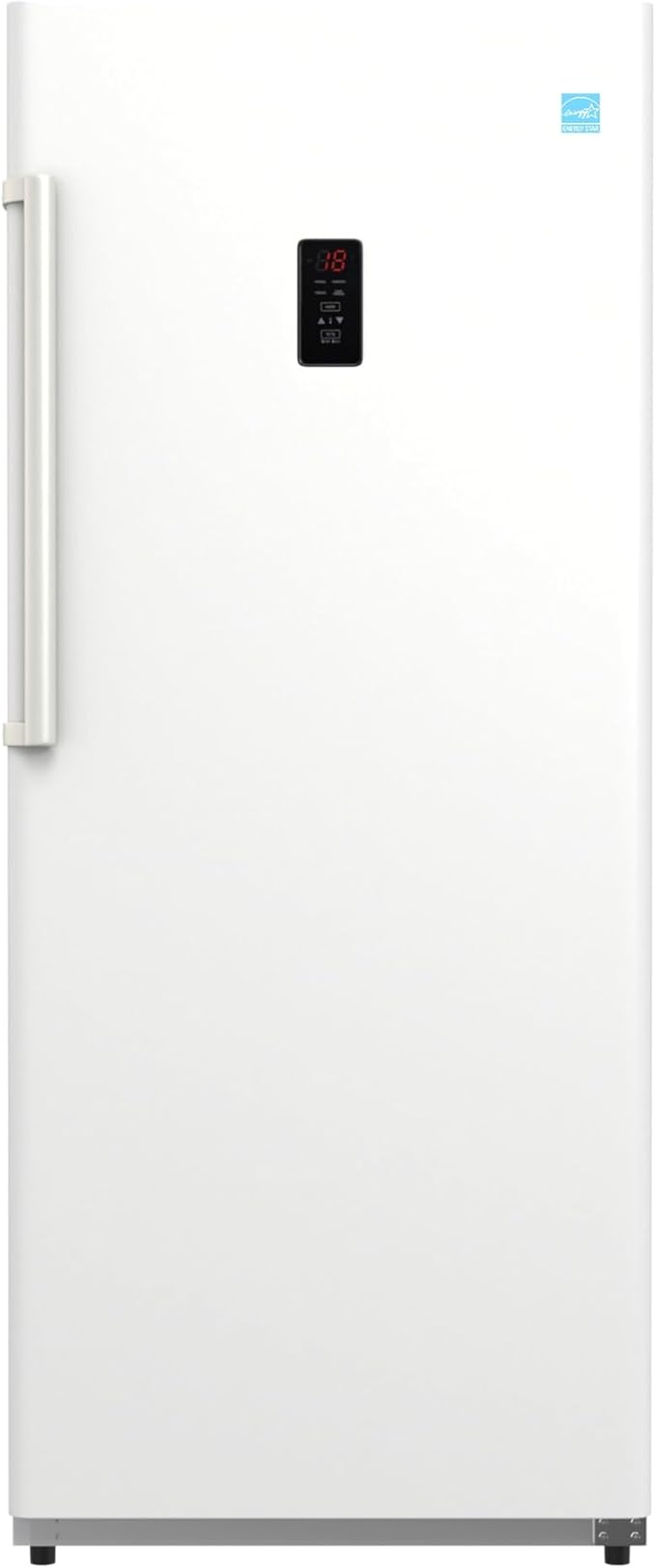
Chest vs upright
Chest freezers tend to hold temperature more efficiently but take up more floor space. Upright freezers offer better organization with shelves and door bins. Depending on buyer preference, type can sway value by 5–15%.
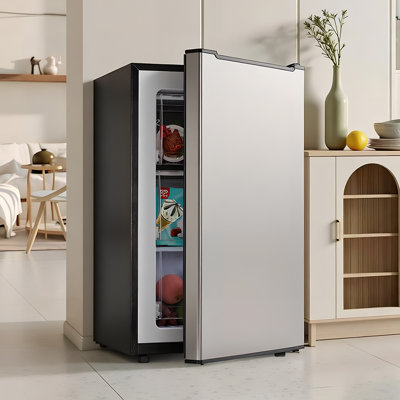
Undercounter models
Smaller units designed to fit beneath counters are popular in bars and studios. If you have one, compare prices in your area via compare undercounter freezer.
Storage capacity
Measure the interior volume in cubic feet. Common ranges include:
Capacity (cu ft)
Typical price adjustment
Under 5
-10% to -20%
5 to 10
Base market value
Over 10
+10% to +25%
Larger freezers command higher prices but also attract fewer buyers.
Energy efficiency and features
Energy Star rating
Units with an Energy Star badge can fetch a premium since they promise lower electricity bills.
Defrost type
Manual defrost freezers often cost less upfront and use less energy, but automatic defrost models appeal to buyers who value convenience.
Specialty add-ons
Built-in ice makers, temperature alarms or adjustable shelves boost perceived value. If you have a chest freezer with coupon offers, check exclusive chest freezers: coupons to see how new models compare.
Research current market prices
Once you know what you’ve got, see what similar used freezers are selling for in your area and online.
Check online listings
Classified sites
Browse Craigslist, Facebook Marketplace and OfferUp. Filter by your city and freezer type, then note asking prices, condition and included accessories.
Auction platforms
eBay can give you data on sold listings rather than just asking prices. Look for “sold” or “completed” filters to get real transaction values.
Compare local sales
Attend garage sales or visit thrift stores and appliance recyclers to see what they charge for used units. Are they marking up older freezers by 50%? Does that align with your expectations?
Explore dealer buy-back rates
Some appliance dealers offer trade-in credit toward a new purchase. Even if you’re not trading in, seeing their credit offer gives you a baseline. For upright models, check current deals via shop upright freezers: deals.
Freezers, like cars, lose value over time. Understanding typical depreciation helps set realistic expectations.
Standard depreciation rates
Year 1: 30–40% drop from new price
Year 2–4: Additional 10–15% per year
Year 5 and beyond: Slower decline, often leveling at 20–30% of original cost
For example, a $500 chest freezer might be worth $300 after one year, $225 after three years and $150 after five.
Impact of usage intensity
Heavy commercial or outdoor use can accelerate wear. If your freezer spent summers in a hot garage or hours in a busy kitchen, deduct an extra 5–10% to account for added stress on components.
Adjust for maintenance costs
Recent repairs and upcoming fixes influence buyer willingness to pay top dollar.
Recent repairs
List any professional maintenance you’ve had done, such as:
Compressor replacement
New thermostat installation
Gasket repair
Defrost heater service
Provide receipts to boost buyer confidence and justify a higher asking price.
Future fixes
If you know the evaporator coils need cleaning or the freezer could use fresh insulation, estimate those costs and subtract from your base value. A simple gasket change might be $40, while compressor work could run $200 or more.
Factor in location logistics
Where you sell and how you deliver affects the price you can command.
Transportation costs
Will the buyer pick up the freezer or will you deliver? If you offer delivery, build in fuel and labor costs—typically $50–75 for local drop-offs.
Regional demand
In colder climates, chest freezers stay in high demand for winter meal prep. In cities where space is tight, compact undercounter freezers might fetch a premium. Adjust your price by 5–10% based on local popularity.
Storage availability
If you need to vacate your garage or basement quickly, you might price the freezer a bit lower to expedite the sale. A faster turnover often justifies a modest discount.
Providing organized paperwork makes buyers feel secure and can bump up your price.
Service history
Show a record of maintenance logs and service invoices. Buyers appreciate knowing the unit was well cared for.
User manuals and receipts
Including the original manual and purchase receipt verifies age and features. It also helps the next owner learn proper operation and care.
Energy bills
If you’ve tracked monthly energy usage, share averaged figures. Demonstrating low operating costs can justify a higher asking price.
Plan negotiation strategy
You’ll likely field offers below your target price. Having a strategy helps you stay firm while closing the deal.
Set a price floor
Decide the lowest number you’ll accept before negotiations begin. Mentally anchoring helps you resist lowball offers.
Use comparable data
When a buyer counters, reference similar listings or trade-in credits you found during your market research. Hard data makes your case stronger.
Offer small concessions
If you need to sweeten the deal, consider throwing in delivery or a handful of freezer racks rather than cutting the price. Buyers love extras that don’t cost you much.
Be ready to walk
If a buyer’s offer falls well below your floor, don’t feel pressured to accept. Sometimes declining and waiting a few extra days nets a better offer.
Determine your asking price
Bring everything together to set a fair, competitive price that reflects your freezer’s real value.
Start with the base value found in online and local listings
Adjust for age and depreciation rates
Add or subtract for condition, repairs and energy efficiency
Factor in delivery or location costs if you’re covering them
Round to a reasonable number (e.g., $275 instead of $279) for buyer appeal
Your final price might sit 10–20% below the cost of a comparable new model, giving buyers a clear incentive to buy secondhand.
Figuring out how to determine the value of a used freezer doesn’t have to be overwhelming. By inspecting condition, researching the market, accounting for depreciation and transparently sharing documentation, you’ll arrive at an asking price that feels fair for both you and the buyer. Keep your negotiation strategy flexible, and don’t forget that a well-priced freezer can sell quickly—freeing up space and cash for your next appliance upgrade. Good luck, and happy selling!
From Fridge.com research
Figures below come from data Fridge.com builds and maintains. Each links to the record behind it.
Fridge.com Energy Index, built on U.S. EPA and DOE ENERGY STAR records
Across 5,455 ENERGY STAR certified refrigerators and freezers from 263 brands, median use is 360 kWh per year.