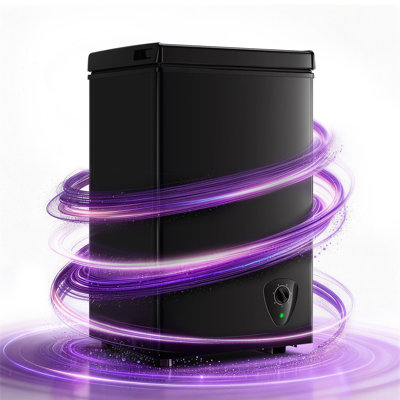
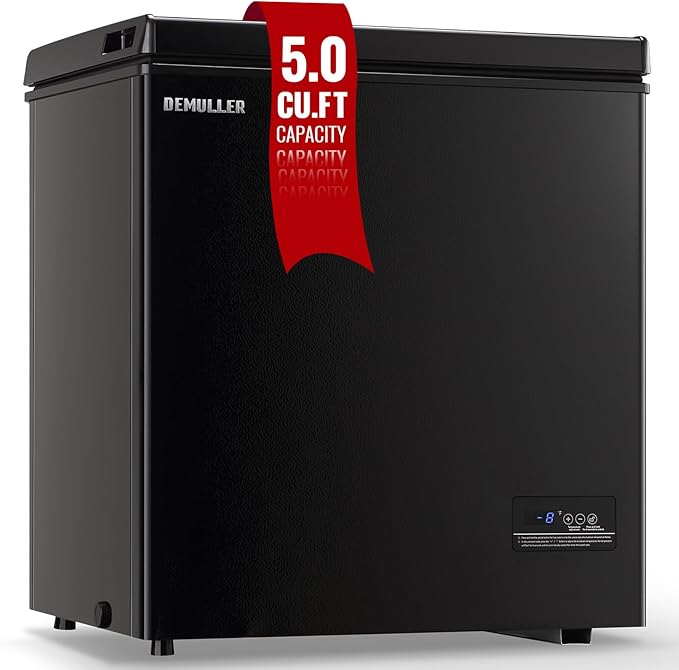
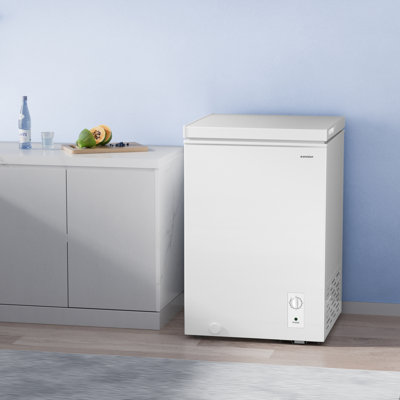
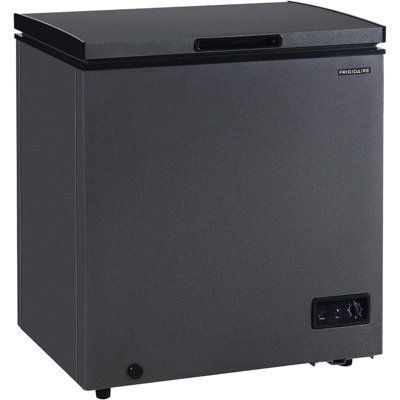
If the freezer has an adjustable thermostat, set it to the recommended level (often around 0°F).
Automatic defrost (more common in upright freezers) is a premium feature that usually boosts the price above $500.
If you find a chest freezer under $500 that has automatic defrost, it’s almost certainly a special deal or clearance.
By the end, you’ll feel confident selecting a spacious and efficient freezer that can handle your leftovers, stockpile of veggies, or even business inventory, all without topping $500.
If you’re on the hunt for chest freezers under 500 and want a solid place to store bulk groceries, homemade meals, or even large party batches, you’re not alone. Many families, small businesses, and home cooks crave extra freezer capacity without breaking the bank. A chest freezer can be the key to stress-free meal prep and convenient storage because it offers a dedicated zone for frozen foods. That means you won’t have to wrestle with the ice cream avalanche every time you open your main refrigerator.
You might be wondering how to sort through the options and find a reliable model that fits your budget. In this post, we’ll walk you through the basics of chest freezers, explore must-have features, and share pointed tips on setup and care. By the end, you’ll feel confident selecting a spacious and efficient freezer that can handle your leftovers, stockpile of veggies, or even business inventory, all without topping $500.
Understand chest freezers under 500
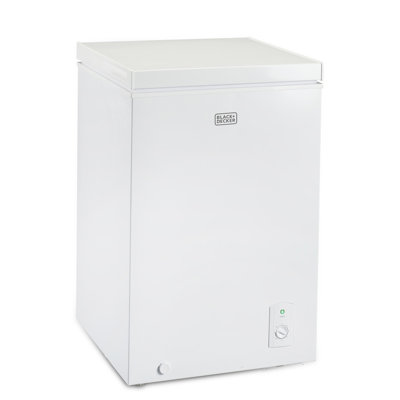
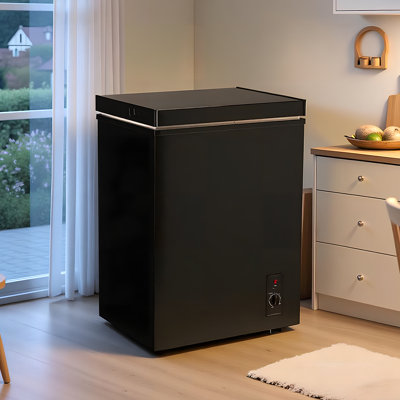
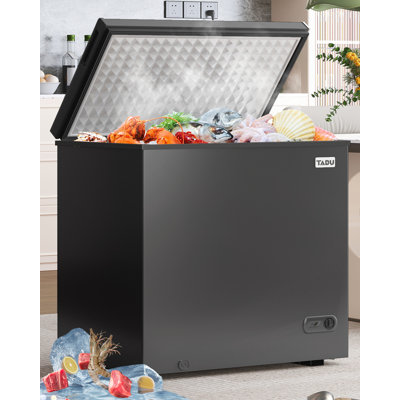
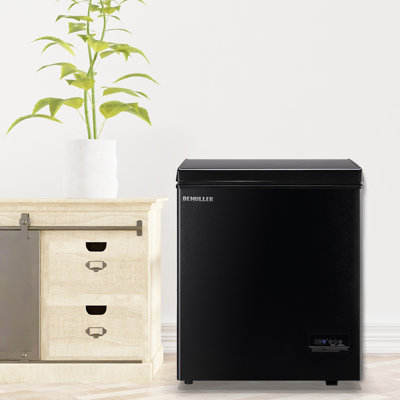
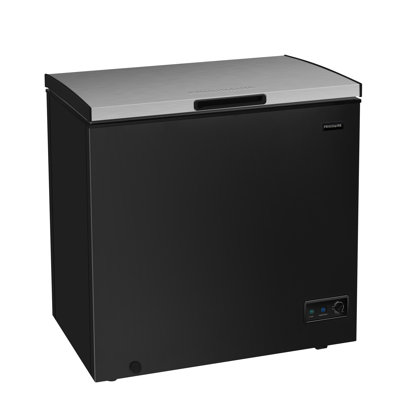
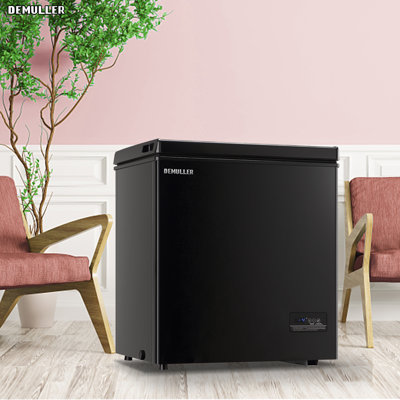
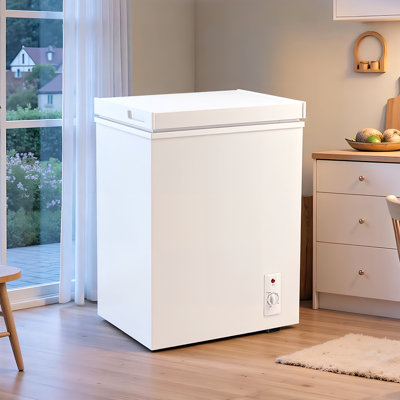
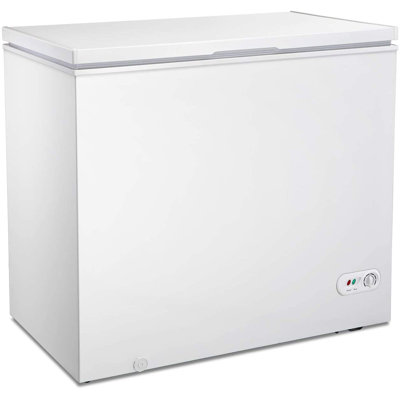
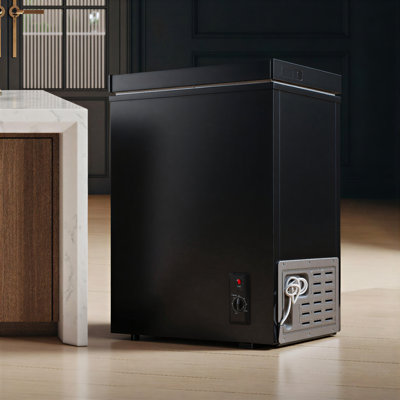
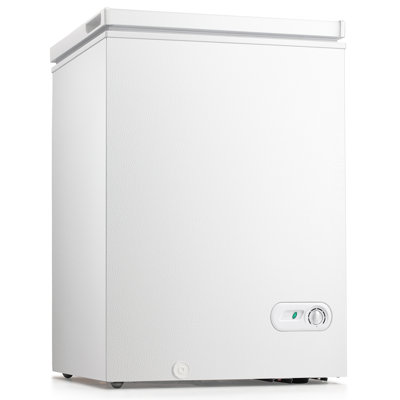
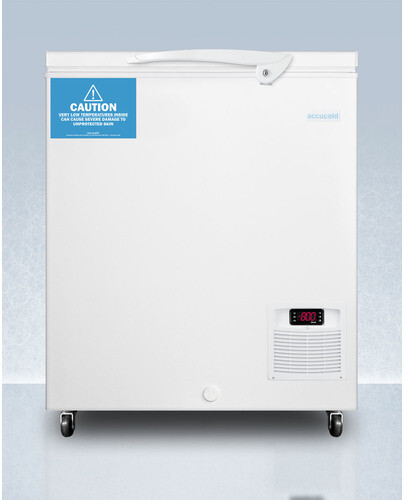
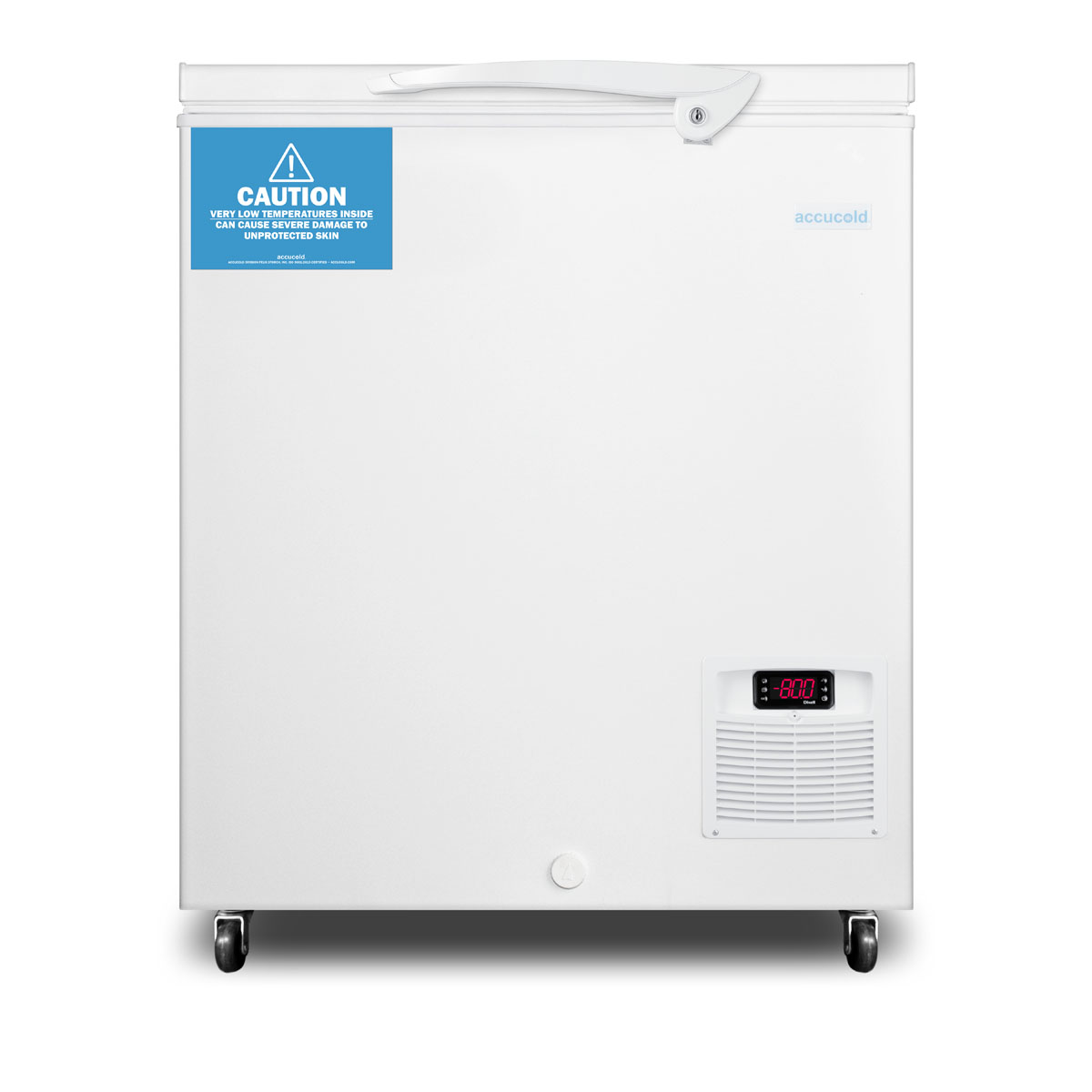
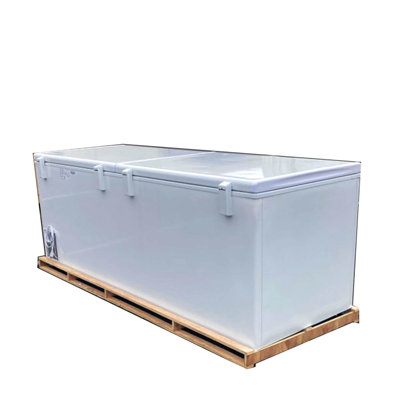
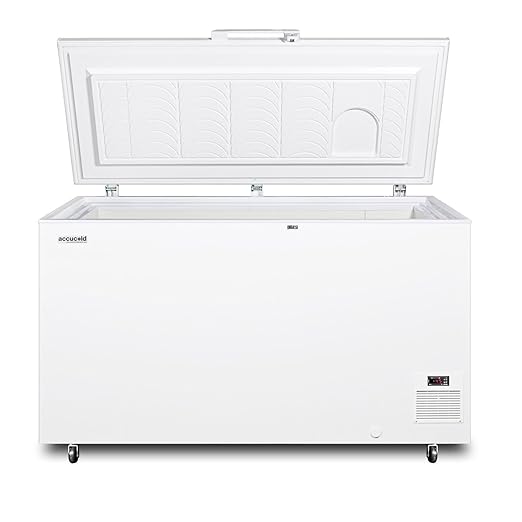
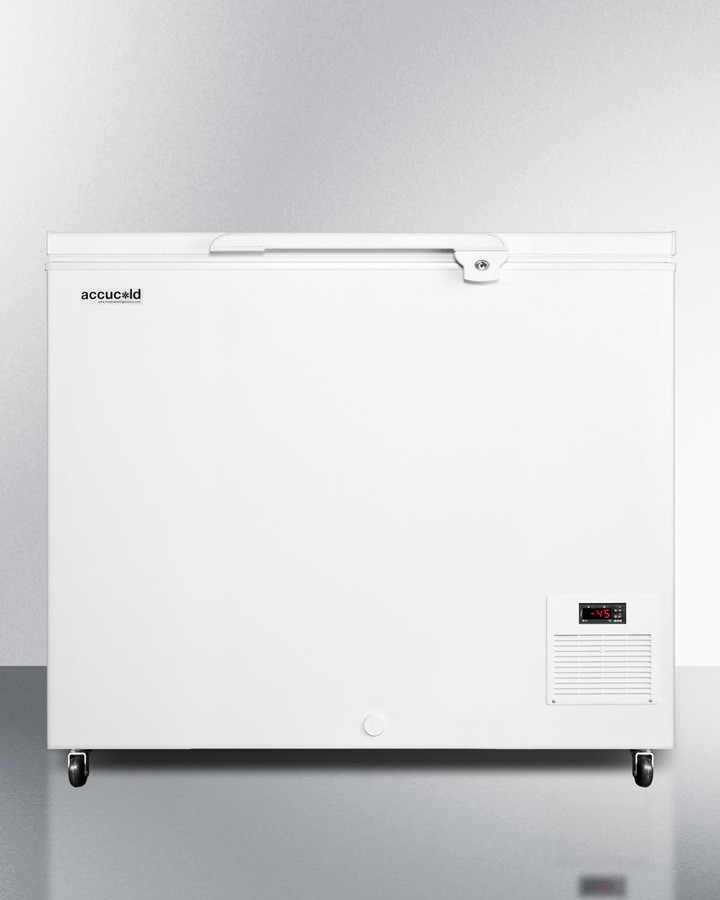
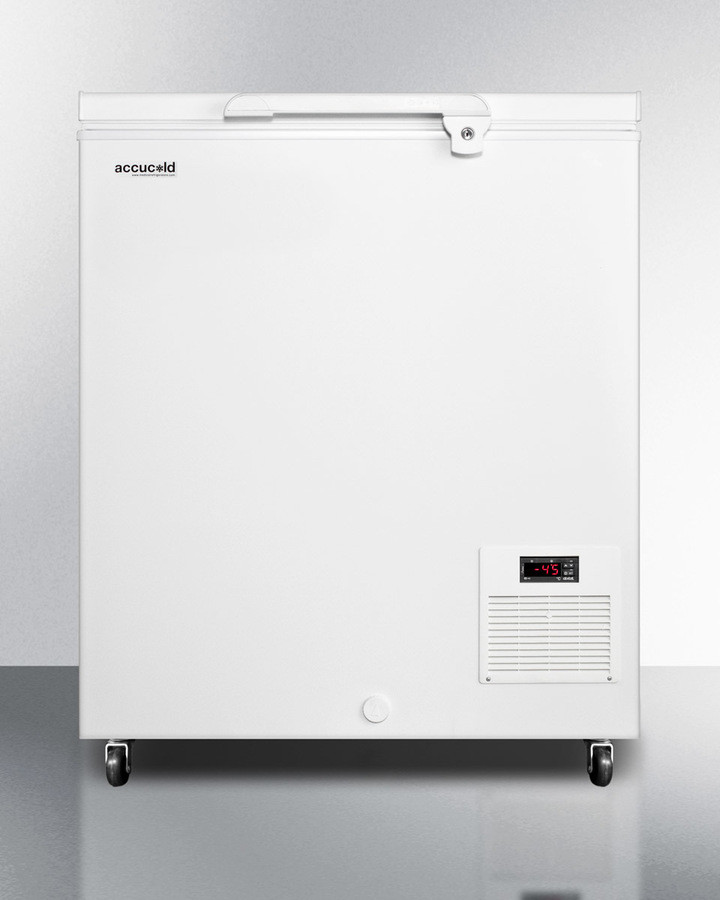
Chest freezers, simply put, are wide and deep storage units that open from the top. Unlike upright freezers (which open like a standard fridge door), chest freezers offer a large open cavity, so they tend to hold more items in a single compartment. Many homeowners choose a chest freezer if they store big items like turkeys or roasts, or if they prefer to do large grocery hauls less frequently.
You’ll often find chest freezers grouped by cubic feet. A small chest freezer might measure around 3.5 to 5 cubic feet, while bigger models may go beyond 15 cubic feet. If you live in an apartment or have a tight corner in your garage, you can aim for a compact design. On the other hand, if you routinely host big get-togethers or want to store a large volume of frozen goods, you may opt for a mid-range capacity.
One of the main reasons people shop specifically for chest freezers under $500 is cost efficiency. Stocking up on groceries during sales can save you money in the long run, but that strategy only works if you have a reliable space to stash your food. Chest freezers help keep items consistently cold and typically maintain temperature even during short power outages (due to their design and insulation quality). That said, not all chest freezers come with the same features.
Before you jump in, consider noise levels, energy usage, and location. Chest freezers come in different shapes and forms, so ask yourself a few quick questions: Do you have a stable, level spot with enough clearance for the lid to open fully? Is there a standard wall outlet nearby, or do you need an extension cord? Will you place it in your main living space or in a garage that experiences temperature swings? Having answers to these considerations makes your search far smoother.
Weigh key buying criteria
When you’re ready to invest in a chest freezer, narrowing down your choices by specific factors helps you stay within budget and avoid features that don’t matter to you. Below are the main criteria you’ll want to evaluate.
Capacity and size
First and foremost, choose a chest freezer size that suits both your living space and your food storage habits. If you only need to keep a small batch of frozen groceries or meal preps, a 3.5 or 5 cubic foot model often does the trick. If you plan to store side-of-beef quantities or prepare ahead for large family gatherings, aim for something closer to 7–10 cubic feet.
Measure your available floor area carefully. Add a bit of extra space for ventilation around the sides and back.
Check your doorways to ensure the freezer can pass through.
Estimate how often you buy bulk items like frozen pizzas, big packs of chicken breasts, or tub-sized ice creams.
Energy efficiency
Chest freezers can vary widely in energy use. Many modern models come with an Energy Star rating, which indicates that they adhere to certain efficiency guidelines. While some freezers under $500 might lack higher-end energy-saving technology, you’ll still notice differences in cooling performance and daily power usage. Consider that over the course of the freezer’s life, energy costs can add up.
Look for freezers with good insulation, which can lower the load on the compressor.
If you live in a hot climate or plan to keep it in a garage, an energy-efficient design is especially important.
Temperature range and controls
Some chest freezers provide adjustable thermostats you can set and forget, while others allow you to dial in specific temperatures. If you store items that need especially low temperatures (like game meat or certain desserts), double-check that the freezer can handle those settings.
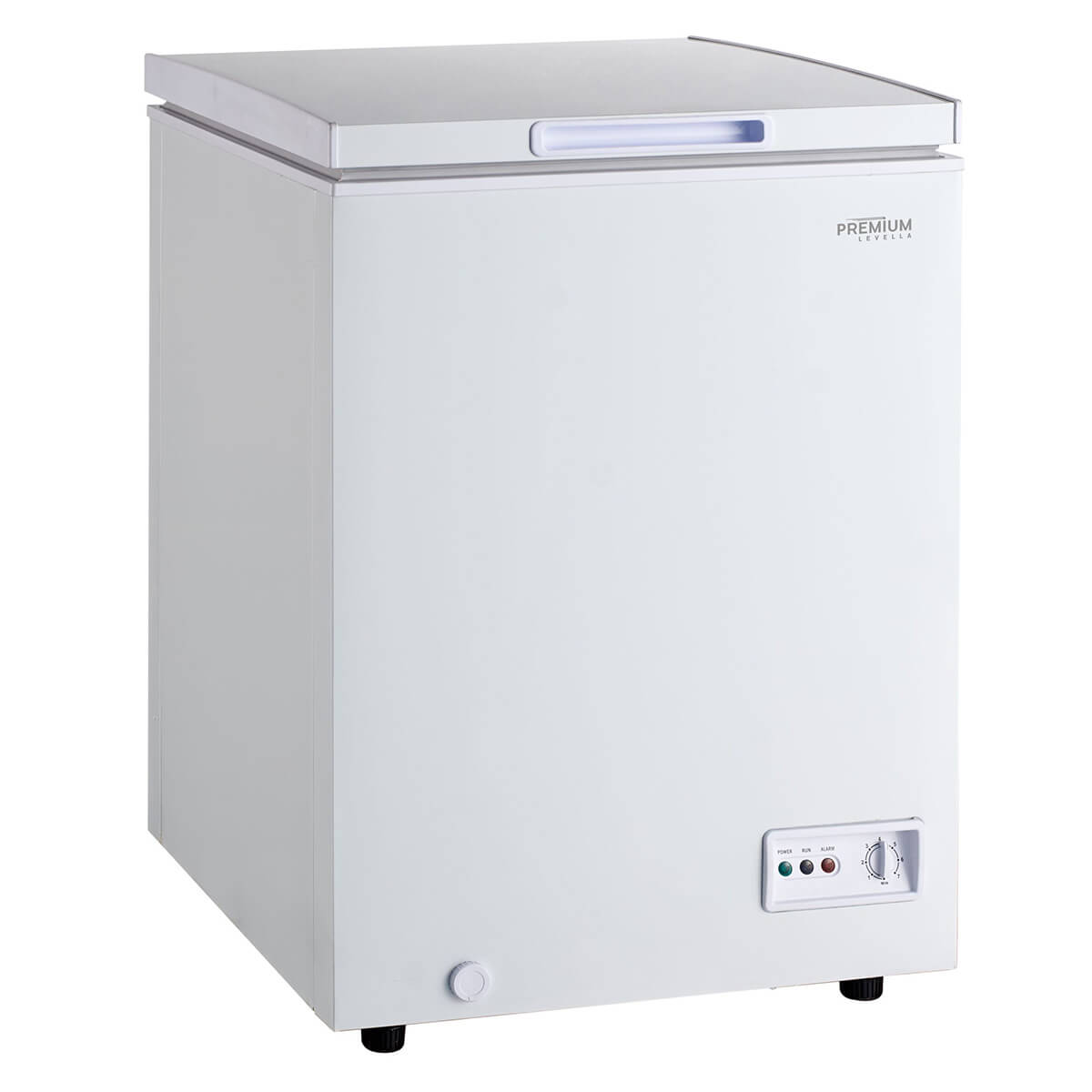
A temperature indicator light on the exterior can be handy, so you’ll know at a glance if the freezer is powered on.
Some models even have quick-freeze functions, which help drop the temperature rapidly after a big grocery haul.
Defrost method
Chest freezers typically require manual defrosting. That means turning it off, unloading your items, and letting the ice melt before cleaning it out. Manual defrost is common for lower-cost models, but it’s not too complicated if you do it a few times a year.
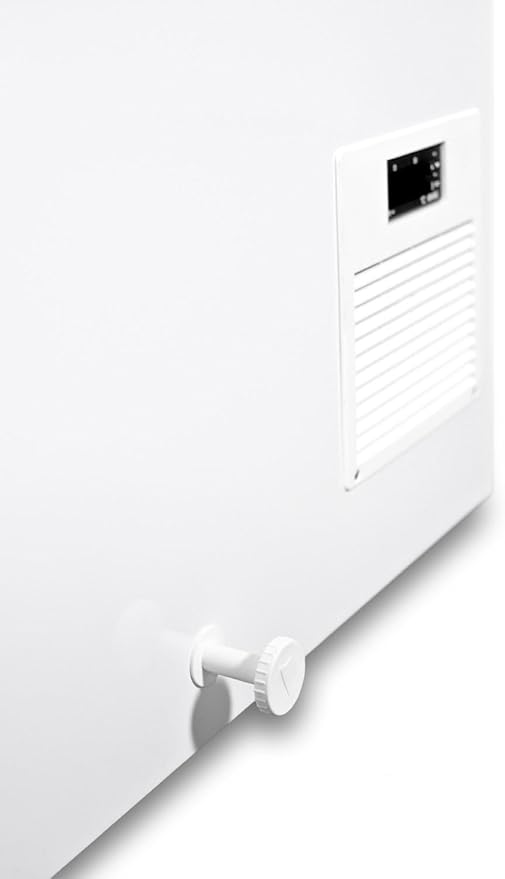
Models with drain plugs let you direct melted water into a pan or out onto the ground, making the process simpler.
Automatic defrost (more common in upright freezers) is a premium feature that usually boosts the price above $500.
Noise level
If you plan to keep your chest freezer in living spaces, noise might matter. Most chest freezers operate quietly, but some produce a noticeable hum when the compressor cycles on. Check for user reviews if you’re extra sensitive to sound.
Additional features
Sometimes chest freezers under $500 still come with small perks, like removable baskets or sliding compartments that help you organize foods. These extras can be game-changers if you want to avoid rummaging through piles of items.
Interior lighting makes it easier to identify items in low-light areas like garages or basements.
A lock and key may be useful if you want to secure the freezer (especially in shared spaces).
Once you have a handle on basic criteria, it’s easier to fine-tune your search for just the right unit. Let’s look closer at a few popular features you might notice while browsing.
Manual vs automatic defrost
If you find a chest freezer under $500 that has automatic defrost, it’s almost certainly a special deal or clearance. Most budget-friendly models use manual defrost, meaning you’ll need to schedule occasional thawing sessions. This manual process:
Preserves energy efficiency, since auto-defrost systems typically require more power.
Requires you to plan around defrost days, though it’s generally only needed every six months or so.
Is usually simpler with the help of a built-in drain.
Organizational baskets
Chest freezers essentially open up into a big tub, so baskets or dividers can keep items sorted. If you’re freezing small things like leftover meals or single-serving items, a basket is perfect for quick grab-and-go. Some freezers come with removable wire baskets that rest on the rim, leaving space below for bulkier items.
Try labeling baskets by food type, like “veggies” or “pre-cooked meals.”
Consider stacking bins if your freezer’s interior dimensions allow it.
Temperature alarms or indicator lights
Some freezers feature a small indicator light on the front panel, which helps you see at a glance if the unit is on or off. More advanced models might have an audible alarm if the interior temperature rises too high. This is especially useful if your freezer is tucked in a garage or basement where you don’t check it daily.
If you’re storing expensive cuts of meat or large batches of prepared meals, an alarm can save you from a meltdown (literally).
Counterbalanced lid
A good lid that stays open on its own makes retrieval easier. This isn’t standard in all chest freezers under $500, but many do have built-in hinges designed to keep the lid upright once opened. If you’re going to be rifling through your freezer often, this feature prevents the lid from crashing down on your arms.
While brand preferences can vary, you’ll typically see a few known brands offering affordable chest freezers in the 5 to 7 cubic foot range. Below is a quick mock comparison table to give you an idea of what you might encounter (prices are approximate and may shift depending on sales or region).
Model
Capacity (cu ft)
Approx. Price
Notable Features
BrandOne 5QF
5.0
$399–$429
Removable wire basket, power light
BrandTwo 7CF
7.0
$450–$480
Interior light, easy-access drain
BrandThree 5CF
5.0
$420–$450
Counterbalanced lid, low noise
BrandOne 5QF is a compact model that fits in tight spaces and often has a drain plus at least one removable basket. If you’re short on room but still need more freezer space, this might be a good pick.
BrandTwo 7CF offers a bit more capacity, edging right up to the $500 mark. The interior light is a bonus if you keep your freezer in a darker area.
BrandThree 5CF might be the quietest of the bunch, which is handy if it’s stationed near your main living area. A counterbalanced lid could save you the hassle of propping it open.
These examples are just placeholders, but they reflect the variety you might see. Some folks even wait for holiday sales or store promotions to snag a bigger unit at a lower cost.
After you’ve taken the plunge on a new chest freezer, you’ll want to install it correctly to ensure top performance. Placement, preparation, and ongoing care all matter.
Choose the right spot
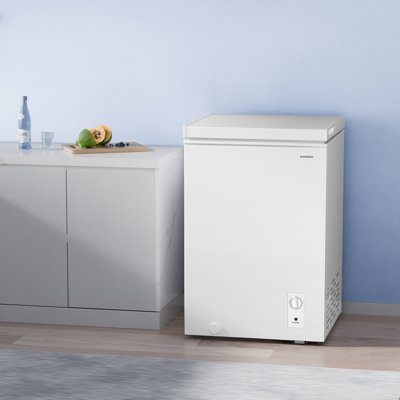
You’ll need a stable surface that can handle the freezer’s weight, plus a few inches of clearance on each side for proper airflow. Avoid areas with direct sunlight or excessive moisture. If you’re using a garage, remember that extreme temperatures can affect the freezer’s efficiency.
Keep the freezer away from ovens, heaters, or hot appliances.
Ensure the cord can reach an outlet without a trip hazard.
Let the freezer sit upright
If your freezer was transported on its side, most manufacturers recommend letting it sit upright and unplugged for at least a few hours so the refrigerant can settle. (You can read more about this process in will i damage my fridge if i transport it on its side?). This step helps prevent compressor damage.
Plug it in and pre-chill
Once you have it in the right spot, plug it in and let it run for a few hours, typically four or so, to reach the ideal freezing temperature before adding any food.
If the freezer has an adjustable thermostat, set it to the recommended level (often around 0°F).
Some freezers might have a power indicator light, letting you know it’s all set.
Organize your items
Using baskets or clear bins from day one makes your life easier. You can categorize food types so you’re not rummaging around every time you want to grab a quick frozen side dish.
Place frequently used foods on top.
Reserve lower areas for long-term storage like big cuts of meat.
Routine cleaning and maintenance
Wipe the interior with a mild, soapy solution every few months to keep odors away.
Keep an eye on frost buildup. Defrost as recommended by the manufacturer, or whenever the frost layer reaches about a quarter inch thick.
Stay aware of power outages
If the power goes out, keep the lid closed to maintain the cold temperature inside. A full freezer stays cold longer than a partially filled one, so if you have room, consider stocking it with ice packs or extra water jugs.
Frequently asked questions
You might still have a few burning questions about finding or maintaining a chest freezer under $500. Let’s tackle the most common concerns.
1. Can I keep my chest freezer in an unheated garage?
Yes, you typically can, but read the freezer’s manual to ensure it’s rated for lower temperatures. In extremely cold environments, some freezers struggle to maintain their internal temperature if the ambient temperature drops below a certain threshold. Also, high heat in summer can force the freezer to work harder (increasing your electricity bill).
2. How often do I need to defrost my chest freezer?
This depends on how quickly ice builds up. Most people find they can go six months between defrost sessions. If you notice half an inch or more of frost on the walls, it’s time to defrost. Doing so helps the freezer run efficiently and makes more room for food.
3. Is a chest freezer better than an upright model?
Neither is categorically “better,” but they have different upsides. Chest freezers are usually more energy efficient, maintain cold longer during power outages, and provide ample space for large or oddly shaped items. Upright freezers, by contrast, offer better organization and easier access. If your priority is maximizing capacity at a lower purchase price, chest freezers under 500 are typically your go-to.
4. What if I need to store a year’s worth of food?
If you want to store large amounts of meat, produce, or baked goods for an entire year, you might need more than one chest freezer or a single unit with a higher capacity. However, finding a quality model above 10 cubic feet for under $500 can be a challenge, so you may have to watch for sales or consider a slightly higher budget.
5. Which features can I safely live without to save money?
If your goal is simply extra space to stash groceries, you can skip non-essentials like interior lights, digital temperature controls, or alarms. A straightforward, manual-defrost freezer that holds a steady temperature typically suffices for day-to-day use.
6. How do I ensure food stays fresh in the long term?
Use airtight containers, vacuum-sealed bags, or freezer-safe wrapped packages to ward off freezer burn. Label and date items, then rotate older items to the front so you’ll use them first.
7. Is manual defrost really a hassle?
It can be a bit tedious the day you have to do it, but it’s not complicated. Plan your defrost sessions when the freezer contents are low. Move your items into coolers or another freezer, unplug the unit, let the ice melt, drain off the water, wipe it dry, and then restart it. The entire process can be done in an afternoon. Some folks report that manual defrost freezers tend to keep foods fresher because they maintain lower humidity levels.
Many people choose a chest freezer for dietary reasons, from families who meal-prep on weekends to individuals following a specific eating pattern. For instance, if you’re on a time-restricted eating plan like the 16/8 fasting diet, you might freeze prepared meals in portion-sized containers. If that’s of interest, you could also check out best freezer for 16/8 fasting diet to see if there’s a dedicated model that fits your routine.
Likewise, if you’re into hosting barbecues or dinner parties, an affordable chest freezer can keep large cuts of meat or entrée trays ready until the big day. You can also preserve leftover dishes so nothing goes to waste. Over time, your freezer becomes a hub for any big-cooking event. And if you’re a business owner with a small storefront or café, an under-$500 chest freezer might handle seasonal bulk inventory without straining your finances.
Beyond the usual suspects (meats, veggies, and prepared foods), your chest freezer can stash all kinds of items. Some folks keep extra bags of ice, homemade broths, or baked goods. Others store items like freezer-friendly produce from a local farmer’s market. You could even freeze bread or cookie dough to bake fresh whenever you want.
If you keep other perishable goods, like leftover soups or stews, consider placing them in freezer-safe containers with a bit of space at the top for expansion. That prevents cracked containers or messy spills. For more tips on storing specific foods (like bread or beans), you can explore how to store pita bread in the freezer properly or can baked beans be frozen? to get specialized advice.
Save money with smart usage
One of the biggest benefits of owning a chest freezer is the potential to cut grocery costs. Think of the times your local store has a buy-one-get-one-free deal on meats or your favorite brand of frozen vegetables. Having dedicated freezer space lets you stock up and enjoy those discounts for months. Here are a few tips to make the most of your freezer’s capacity:
Plan meals around freezer inventory. If you see you have a surplus of diced peppers or chicken thighs, plan the week’s menu to use those ingredients so they don’t linger too long.
Avoid overstuffing. While packing a freezer tight helps maintain cold temperatures, you still want to leave enough space for air circulation.
Date and rotate. Keep older items near the top or in front. Move newer purchases toward the back. This system saves you from discovering mysterious freezer-burned items that have been there for far too long.
Depending on where you live, you might see temperature extremes. If you live in a very cold climate, some chest freezers under $500 may not be designed for sub-freezing ambient temperatures. Always check the manual or product specifications regarding minimum and maximum operating temperatures. In some cases, a “garage-ready” label indicates the freezer can handle a wider range of conditions.
During hot summers, your freezer’s compressor might run longer to keep the interior chilly. Keep the area ventilated and dust off the condenser coils occasionally (if they’re externally accessible). If you need guidance on maintaining coils, we’ve got an article called how do you clean the condenser coils on the back of a refrigerator? that might help. Many of the same principles apply to freezers.
Every so often, you might notice odd things like frost accumulating faster than usual or a strange humming noise. Here’s how to handle these hiccups:
Rapid frost buildup
Check that the lid seals properly. Sometimes a worn or cracked gasket lets in warm air, causing condensation and extra frost. Replacing the gasket can often fix this. Also, ensure you’re not leaving the lid open longer than necessary.
Unusual noises
A quiet hum is normal. But if you hear rattling, vibrations, or loud buzzing, make sure the freezer is level on the ground. Vibration noises can come from unsteady footing. If it persists, consult the manual or contact customer support.
Poor cooling
If the temperature seems higher than it should be, verify that nothing is blocking airflow around the unit. Also, check the thermostat setting. Overpacked freezers can obstruct internal circulation, so your items might not freeze evenly.
Evaluate warranties and return policies
Before you buy, glance at the warranty terms. Even budget models often come with a one-year warranty on parts and labor, with some manufacturers offering additional coverage on the compressor. If you have the option to extend your warranty for a small extra fee, think about whether it’s worth the peace of mind. While chest freezers under $500 aren’t huge investments, repairs can still be frustrating if something goes wrong early on.
Also, keep your receipt and product registration details handy in case you need to contact customer service. Some retailers allow returns or exchanges within a certain timeframe if you notice any performance issues right away.
A quality chest freezer doesn’t have to cost an arm and a leg. By focusing on chest freezers under 500, you can tap into extra storage for bulk groceries, large meal preps, and leftover treats without straining your budget. Remember to select the capacity that fits your space, watch for energy-smart designs, and be prepared to do occasional manual defrosting. In exchange, you’ll get a reliable, spacious, and practical solution for your freezing needs.
Take a moment to visualize what you plan to store, measure your space carefully, and compare a handful of models. Once you’ve picked the ideal unit, set it up with proper clearance, keep it organized with baskets, and maintain it with periodic cleaning. You’ll soon appreciate how effortless meal planning becomes when you can stash extra food without resorting to daily grocery runs. Whether you’re feeding a big family, experimenting with new recipes, or just looking to save a few bucks on bulk purchases, a budget-friendly chest freezer can be a true game-changer.
If you’re still on the fence or want more tips on freezer care, feel free to check out related guides on our site. We’re always happy to share a few extra pointers to help you get the most out of your kitchen appliances. Enjoy the freedom (and peace of mind) that comes with having surplus goodies safely tucked away in your new chest freezer!
From Fridge.com research
Figures below come from data Fridge.com builds and maintains. Each links to the record behind it.
Fridge.com Energy Index, built on U.S. EPA and DOE ENERGY STAR records
Across 5,455 ENERGY STAR certified refrigerators and freezers from 263 brands, median use is 360 kWh per year.