If you’ve ever found yourself with leftover baked beans after a family gathering or a cozy weeknight dinner, you might be wondering: can baked beans be frozen? The short answer is yes, they can. However, getting the best taste and texture from frozen baked beans involves a few easy steps. By knowing how to prepare, store, thaw, and reheat them properly, you can cut back on food waste and have a ready-to-go side dish at a moment’s notice. In this guide, you’ll learn why freezing works, how to package your baked beans for success, and how to bring them back to life without losing flavor. Let’s dive right in, so your next batch of leftovers can be just as delicious the second time around.
Explore why freezing works
Freezing might feel like a magic trick, but there’s some simple science behind it. When you freeze cooked foods—baked beans included—you’re slowing down the activity of enzymes and bacteria that cause spoilage. This keeps your meal safer for a longer period compared to regular refrigeration. Most of us don’t have bottomless fridge space, so tucking those baked beans away in the freezer can be a perfect solution if you’re not planning to eat them in the next few days.
Benefits of freezing
Helps prevent waste: Freezing lets you keep extras that would otherwise be tossed.
Saves you time: Having pre-cooked beans in your freezer means one less side dish to make from scratch during a busy week.
Maintains nutrients: The freezing process locks in vitamins and minerals fairly effectively, especially if you handle the beans correctly.
Budget-friendly: Buying in bulk or cooking a large batch often costs less per serving. Freezing the surplus ensures you’re not losing money on food that goes bad.
Potential texture changes
While baked beans survive freezing quite well, it’s important to know there can be slight texture shifts:
The sauce may thicken: Thawing may reveal a thicker, paste-like consistency. A splash of water or broth usually solves this.
Beans can get marginally softer: Kidney, navy, or other beans in your recipe might turn a bit mushier. Gently reheating rather than boiling them helps avoid further texture breakdown.
However, these changes are usually small, and the flavor typically remains excellent. If you’re big on texture, consider taking notes on how certain bean varieties hold up in the freezer and adjusting your recipe or cooking method next time.
Prepare beans for freezing
Before boxing up your baked beans for storage, you’ll want to get them in prime condition. Taking a few simple precautions up front makes all the difference when you thaw and serve them later. It’s also a good idea to plan out how much freezer space you have available. If you need more capacity, you might check out your kitchen appliances deep freezer if you have one, since the extra space often accommodates large containers with ease.
Cool them down
Never pack hot or even warm food directly into the freezer. Doing so:
Raises the overall temperature inside your freezer.
Risks uneven cooling, which can encourage bacterial growth.
Instead, let your baked beans sit at room temperature for about 20–30 minutes until they calm down from their steamy, freshly-cooked state. If you need a shortcut, place your pot in an ice-water bath in the sink, stirring occasionally. This step speeds up the cooling process, helping your beans reach a safe temperature more quickly.
Portion for convenience
Think about how you’ll use the beans later. Will you want an individual serving for lunch, or a larger portion for family dinner?
Single-serve: Freeze smaller amounts in pint containers so you can pull out exactly what you need.
Crowd-serve: For a family-style dinner or a gathering, use bigger containers so you can heat up a large portion all at once.
This approach prevents waste, reduces the time it takes to thaw, and streamlines meal prep.
Freeze baked beans effectively
Once your beans are fully cooled and portioned, you’re ready for the main event. Freezing them the right way preserves both flavor and texture for as long as possible. Below is a basic outline to guide you.
Step-by-step freezing
Transfer to freezer-safe containers or bags.
Leave about an inch of headspace at the top. Beans and sauce can expand in the freezer, so this gap keeps lids from popping off.
Press out extra air if you’re using plastic freezer bags. Flatten the bags to make efficient use of space in your freezer.
Seal the container tightly. Make sure no beans or sauce are trapped in the sealing area.
Mark the container with the date. This is crucial for tracking how long your beans have been frozen.
Labeling containers
It’s easy to forget what’s hidden away among freezer items. A simple marker detailing the contents and freeze date pays off weeks or months later, when you’re trying to identify that mysterious container. Aim to include:
The name “Baked Beans” (or a label if you personalized the recipe).
The date of freezing.
Any special notes (like “extra spicy,” “vegetarian,” or “pork-based”).
A permanent marker works well on plastic lids or freezer bags. For a more reusable approach, consider dissolvable labels that easily wash off in warm water, letting you repurpose containers with minimal hassle.
The containers or bags you choose can make or break your freezing success. Thin plastic sandwich bags, for instance, may result in freezer burn over longer storage periods. On the other hand, high-quality freezer bags or containers do an excellent job of sealing out air.
Top container picks
Plastic freezer bags (zip-top): These are budget-friendly, flexible, and work well for smaller freezers. Just remove as much air as you can.
Freezer-safe plastic containers: Sturdier than bags, they stack conveniently, but they do take up a bit more space.
Glass with airtight lids: A good choice if you avoid plastics, though it requires caution to prevent breakage.
Vacuum-sealed bags: Remove virtually all air for optimal freshness, but you’ll need special equipment.
Avoid freezer burn
Freezer burn happens when food is exposed to air over extended periods. It often shows up as white or grayish spots, leaving a dry or rubbery texture. To help prevent it:
Use the smallest container that still fits your beans with at least half an inch of space at the top.
Double-bag if you suspect any tears or thin spots in the packaging.
Keep temperature fluctuations in your freezer to a minimum. Frequent opening and closing of the freezer door can lead to partial thawing and refreezing, which encourages freezer burn.
Defrost and reheat properly
When you’re ready to enjoy your frozen baked beans, proper thawing and reheating matter just as much as the original freeze. Taking these steps ensures you preserve their taste and guard against bacteria.
Safe thawing methods
Refrigerator thawing: Move your frozen container or bag into the fridge 24 hours before cooking. This slow, consistent method helps maintain quality.
Cold water soak: If you’re short on time, place the sealed container in a bowl of cold water and change the water every 30 minutes. This method is faster, but you’ll need to watch the beans to prevent them from warming to unsafe temperatures.
Microwave defrost: A quick fix if you’re in a hurry. Just make sure your container is microwave-safe. Use the “defrost” setting and stir periodically to distribute the heat.
Reheating tips
Baked beans are quite forgiving, but a few easy tips keep them from drying out or scorching:
Stovetop approach: Scoot your thawed beans into a saucepan on low-to-medium heat. Stir frequently, adding a splash of water or broth if needed.
Microwave method: Microwave in intervals of 30–60 seconds, stirring in between until they reach an even temperature. A microwave-safe cover or damp paper towel keeps moisture locked in.
Oven warmup: For large batches, place beans in a covered baking dish and warm at about 350°F (177°C) for 10–15 minutes. Check occasionally to ensure you don’t over-cook them.
If you notice the sauce is too thick, stir in a small amount of liquid—like water or tomato sauce—to bring it back to the original consistency. Always reheat beans to an internal temperature of at least 165°F (74°C) to keep them food-safe.
Avoid common freezing mistakes
Even with the best intentions, small missteps can reduce the quality of your frozen baked beans. Here are some typical pitfalls to steer clear of:
Overfilling containers: Beans expand when frozen. Overstuffed containers can pop open or leak, leading to messy cleanup and freezer burn.
Freezing beans that sat out too long: If baked beans remain at room temperature for more than two hours, bacteria may have multiplied. Always freeze as soon as possible for optimal freshness and safety.
Skipping the label: You think you’ll remember what’s in each container, but after a month or two, it’s surprisingly easy to confuse beans with chili or mashed squash.
Neglecting to seal tightly: A loose seal leaves room for air, opening the door to freezer burn. Scrutinize the edges of your container or bag before placing it in your freezer.
Ignoring portion sizes: Freezing one massive block of beans can make it tough to defrost only what you need. Small, clearly marked servings let you grab just enough for a meal.
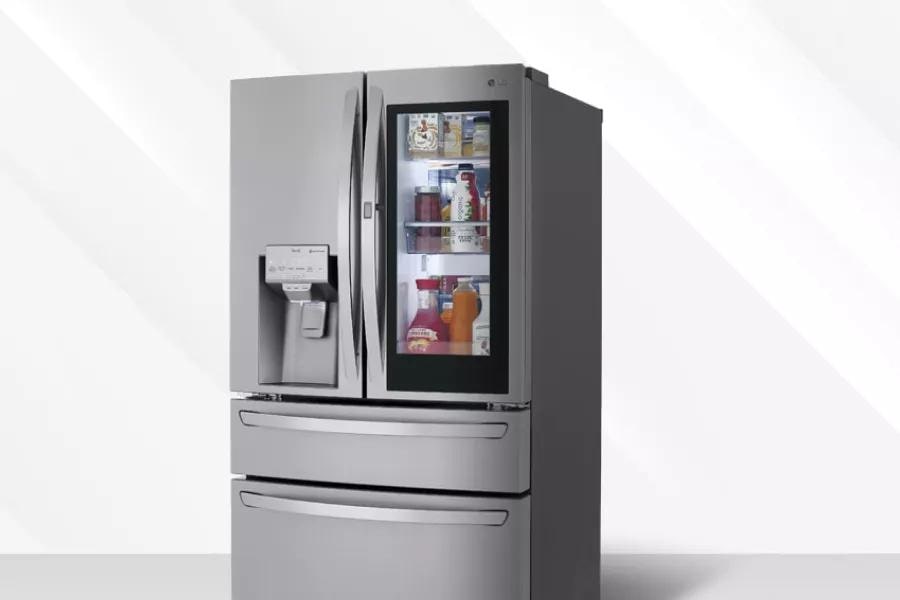
If your fridge or freezer tends to get cluttered, consider reorganizing or upgrading to a model that suits your lifestyle. If you’re not sure where to start, exploring something like a kitchen fridge with better storage compartments can keep things tidy and reduce the chance of losing track of your precious leftovers.
You might still be on the fence about freezing baked beans for a variety of reasons. Let’s tackle a few frequently asked questions to help clear up any lingering concerns.
Can you freeze store-bought beans?
Absolutely. If you pick up a can of baked beans from the supermarket, you can freeze any leftovers after you open and heat them. Make sure you transfer the beans into a suitable container. Never freeze them directly in the tin can. Also, ensure they haven’t been left out for too long before you cool and freeze them.
Homemade vs. commercially canned
Homemade baked beans often contain fresh ingredients like onions, bacon, or a blend of spices. Commercial variants tend to stick to simpler flavor profiles and preservatives. Both versions freeze incredibly well:
Homemade: You have total control over flavor, but pay attention to the consistency of your sauce. Thicken it if necessary, so it survives freezing without turning watery.
Commercial: Typically consistent in taste, so you know what to expect. Just remember to place any leftover portion from the can into a freezer-friendly container.
Does freezing affect taste and nutrition?
Overall, freezing doesn’t significantly reduce the nutritional value of baked beans. Most vitamins and minerals remain locked in, and the sauce typically holds its flavor nicely. Any minor taste differences are often due to changes in texture or sauce condensation. If you notice a slight difference, try perking up your beans with small additions like a dash of barbecue sauce, Worcestershire sauce, or a sprinkle of your favorite seasoning.
Recap and next steps
Freezing baked beans offers a practical way to store a delicious side dish without losing flavor. You can maximize their quality by:
Cooling them before you freeze.
Using airtight containers or freezer bags with proper labeling.
Thawing in the fridge or via another safe method.
Gently reheating to preserve taste and texture.
Below is a quick comparison for your reference:
Storage Method
Duration
Tips
Fridge
3–4 days
Use airtight containers, eat promptly
Freezer
Up to 3 months
Pack in freezer-safe containers or bags
Before you go, consider freezing not just extra baked beans but other items you might normally toss. If you’re curious about more freezer-friendly foods, you could check out how to store pita bread in the freezer properly for ideas on storing other staples. This approach helps you save money, reduce food scraps, and ensure that you have flavorful, ready-to-eat dishes on hand whenever you need them.
You’ve got all the know-how to make your leftover beans last well beyond the weekend. Next time someone asks, “Can baked beans be frozen?” you can answer with a confident “Yes” and share these tips. Happy freezing, and enjoy your beans whenever you please!
Frequently Asked Questions
Absolutely. If you pick up a can of baked beans from the supermarket, you can freeze any leftovers after you open and heat them. Make sure you transfer the beans into a suitable container. Never freeze them directly in the tin can. Also, ensure they haven’t been left out for too long before you cool and freeze them.