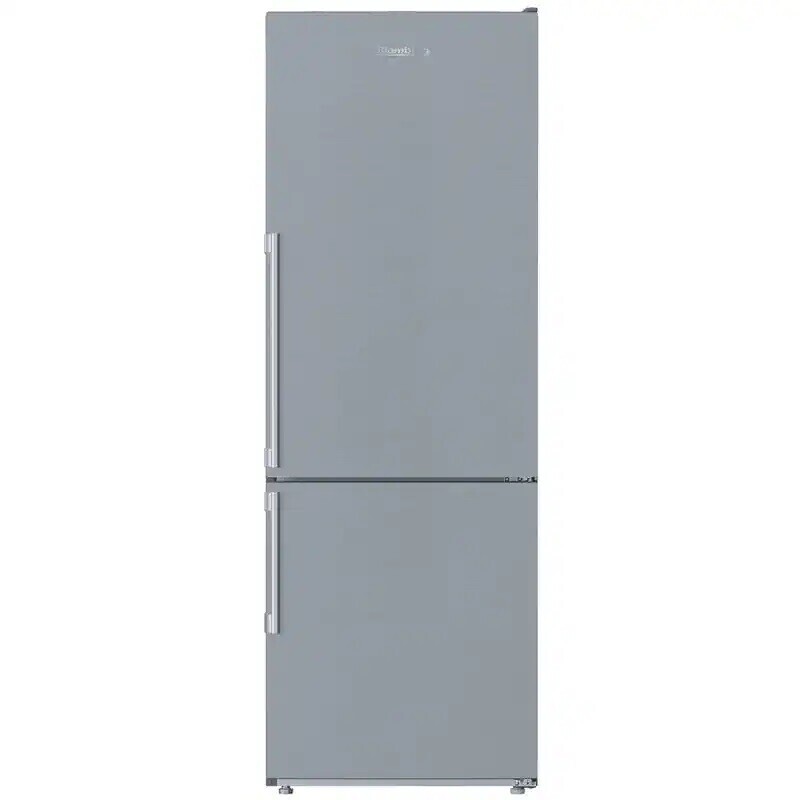
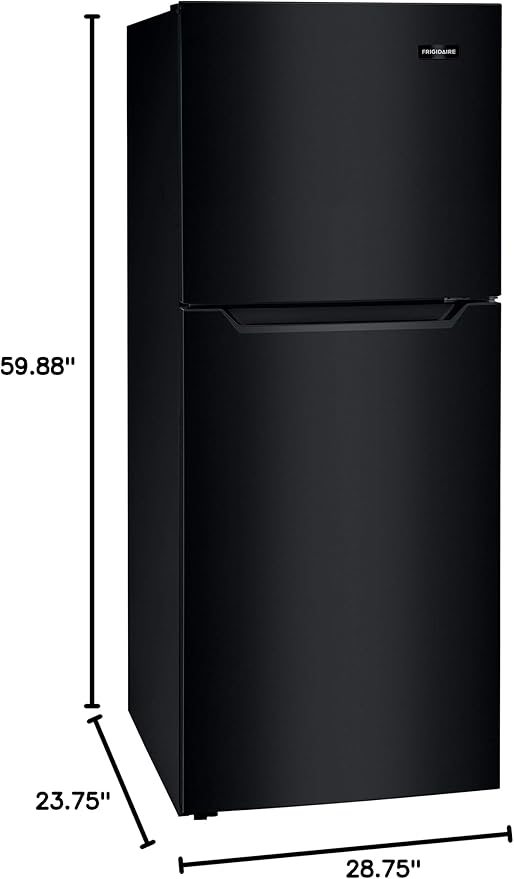
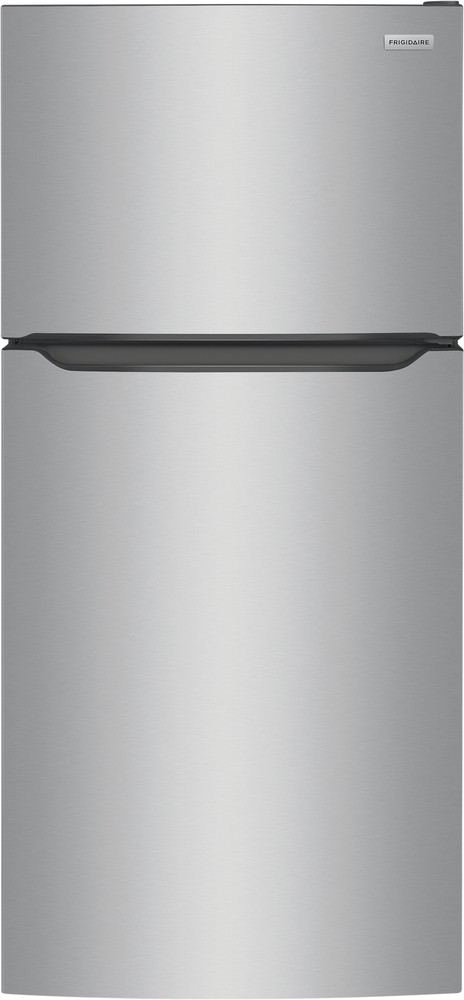
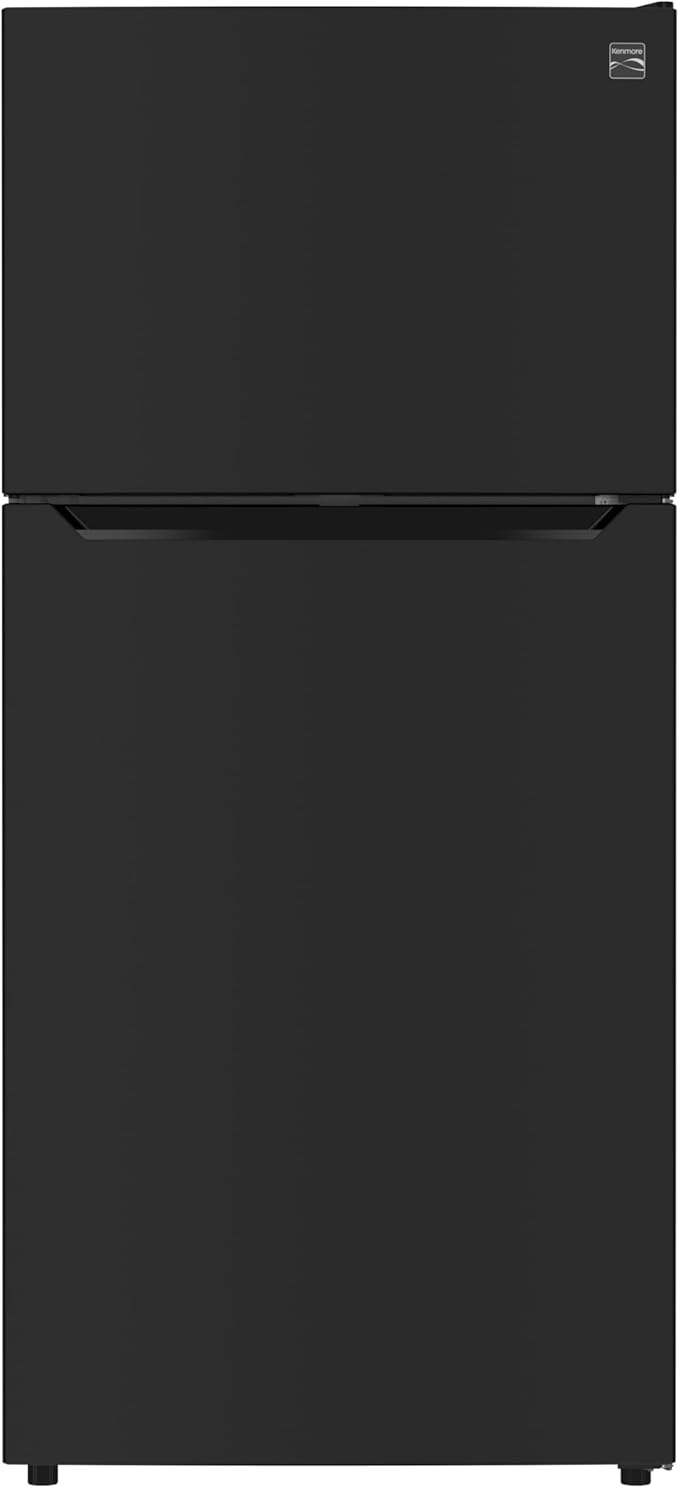
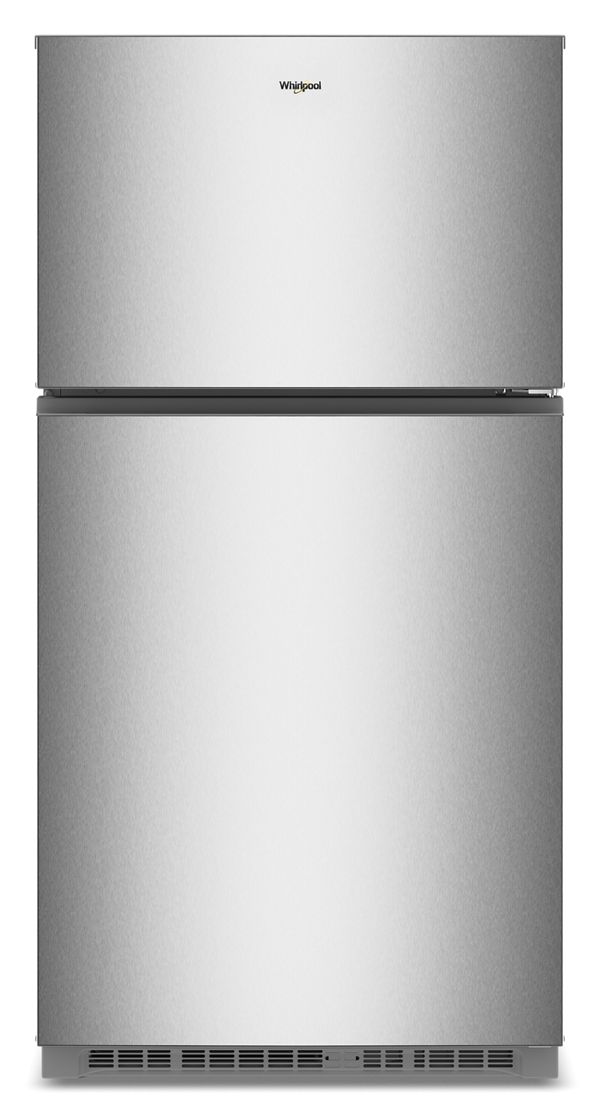
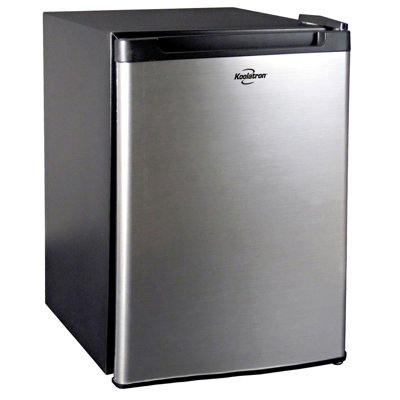
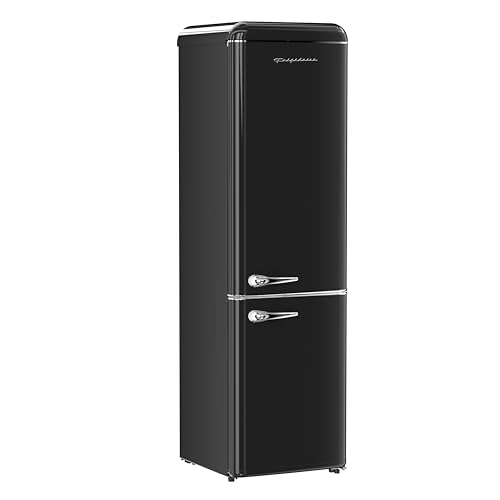
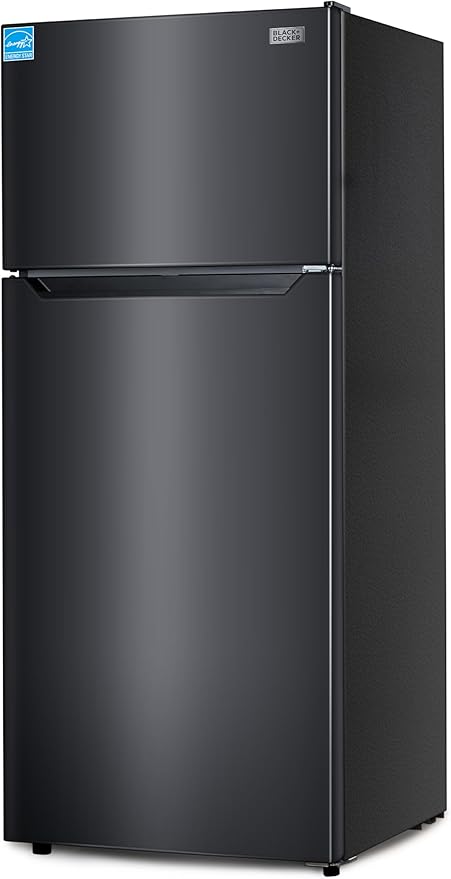
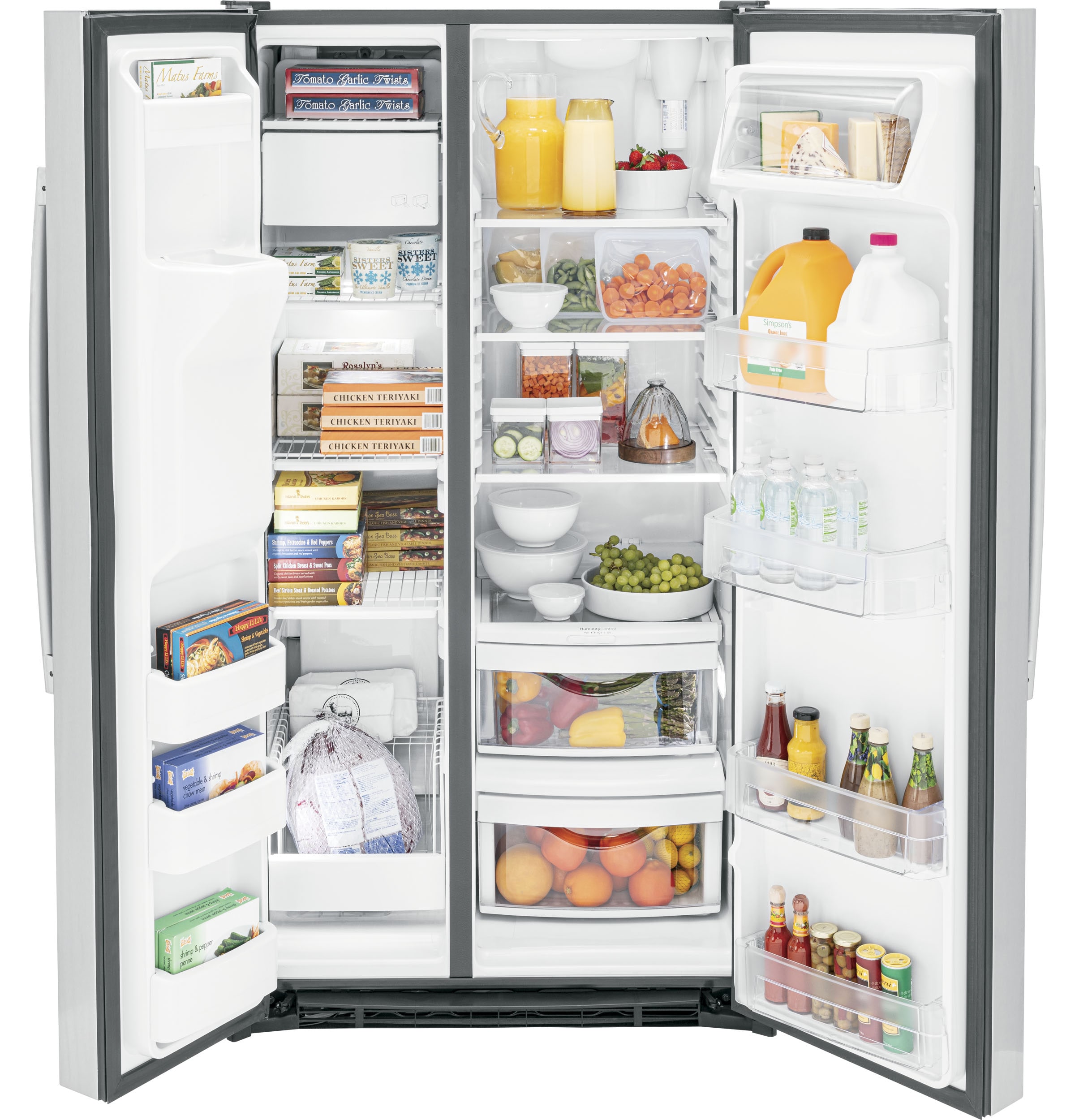
If you’re hunting for a fridge that adapts to all your storage needs, a dual zone refrigerator could be your game changer. From keeping craft beer chilled to preserving delicate produce, dual zone fridges give you two independently controlled compartments in one sleek unit. Whether you’re a home cook juggling meal prep, a parent storing baby food, a kegerator owner, or someone outfitting a garage bar, this style of refrigerator can bring flexibility and precision to your kitchen. Let’s dive into how dual zone refrigerators work, why they matter, and how to choose and maintain the perfect model for your life.
Dual zone refrigerator basics
At its core, a dual zone refrigerator blends two separate cooling environments into one appliance. You get a fridge compartment for everyday groceries and a freezer or specialized cooling zone for meats, beverages, or frozen goods. Some models even let you switch the lower zone from fridge to freezer mode, giving you extra freezer capacity when you need it. The temperature range usually spans from around 32°F up to 60°F for produce, and down to 0°F or below for frozen items.
Key features to look for include:
Independent temperature controls so you can dial in precise settings
Separate air circulation systems to prevent cross-flavor contamination
Multiple compressor or fan systems for consistent cooling in each zone
Adjustable shelving and drawers that maximize both zones
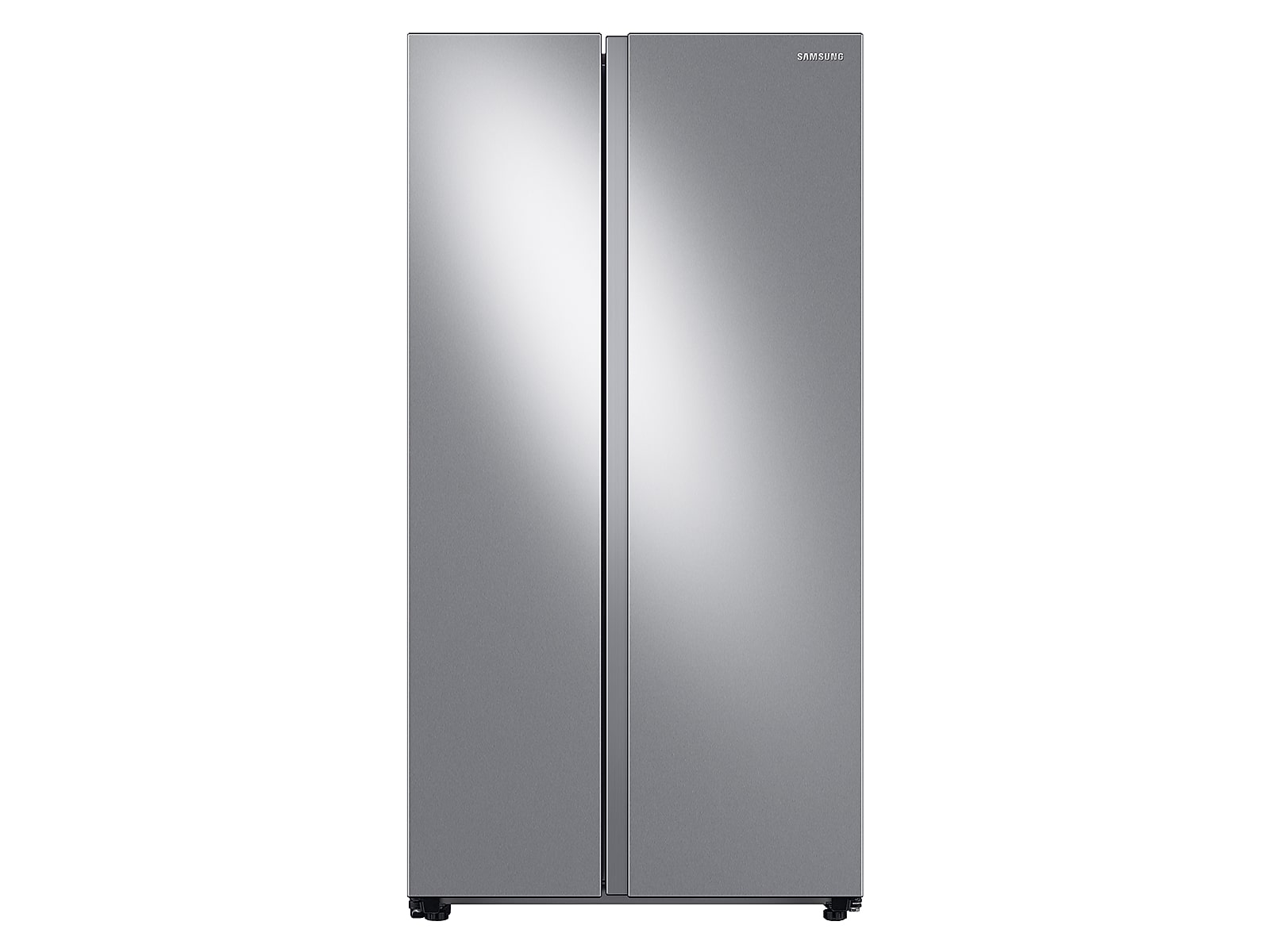
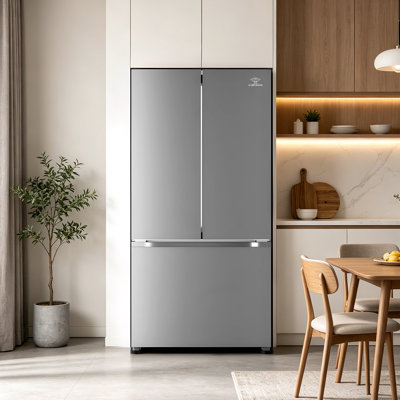
You’ll find dual zone refrigerators in a variety of sizes, styles, and finishes. From undercounter units perfect for a wet bar or home office, to built-in french door models that blend seamlessly with kitchen cabinetry, there’s a configuration for every space. If you’re curious about built-in options, check out shop built in refrigerators: sale for current offers.
How dual zone works
Understanding the mechanics behind a dual zone refrigerator helps you choose the right model and troubleshoot later. Here’s the breakdown:
Compressor and cooling
Most dual zone fridges use two compressors or a dual-evaporator system. Each compressor cools its own zone, so when you adjust one compartment, the other stays unaffected. That separation is crucial if you’re storing wine in one zone at 55°F and leafy greens in the other at 38°F.
Independent temperature controls
You’ll usually see digital displays or knobs on the exterior or inside the fridge. These let you set each zone to an exact temperature. Advanced models even offer smartphone apps so you can tweak settings on the fly. This level of control is a huge plus for chefs, home cooks, and anyone who needs different temps for craft beer, meats, or delicate produce.
Airflow and humidity management
Some units include humidity drawers and air channels that optimize moisture levels. High-humidity zones keep veggies crisp, while low-humidity zones are ideal for cheeses, cured meats, or beverages. If you’re curious about aging a steak to perfection, a dry age meat fridge might be a great companion to your dual zone setup.
A dual zone refrigerator offers more than just two temperatures under one roof. Here’s why you’ll appreciate it:
Better food preservation
By setting the ideal climate for each food category, you slow down spoilage. Leafy greens stay fresh longer in a high-humidity setting, while frozen desserts maintain texture in a dedicated freezer zone. If you’re meal-prepping for a family, this means fewer wasted ingredients and more delicious leftovers.
Versatile beverage storage
Love craft beer, wine, or kombucha on tap? With a dedicated beverage zone, you can hit the perfect pour every time. No more guessing whether your beer is too cold to taste the hops. For a deep dive into beverage fridges vs. larger reach-in units, see beer fridge vs. reach in refrigerator or explore our picks for wine refrigerators.
Ideal for diverse needs
Whether you’re a parent stashing baby food, a dorm-room dweller with limited space, or a caterer juggling party platters, dual zone fridges adapt. Flip the lower compartment to freezer mode for extra ice cream storage before a barbecue, or switch it back to fridge mode to chill hors d’oeuvres. It’s like having two appliances in one footprint.
Energy savings
Running two small compressors can be more efficient than powering a full-size fridge and a separate freezer. When you only need extra freezer space occasionally, you keep energy use down by turning off the second zone or using eco modes.
Picking the perfect dual zone refrigerator involves more than style. Here’s what you need to weigh:
Capacity and size considerations
Measure your available space carefully, including width, depth, and height. Don’t forget clearance for doors and ventilation. If you’re planning to tuck a unit into an RV or small kitchen, consider compact options like a camper refrigerator. For countertop units in a dorm or studio apartment, look for undercounter or mini models.
Energy efficiency ratings
Look for ENERGY STAR certification to save on utility bills. Models with energy-saving features like vacation mode, auto-defrost, and LED lighting can trim power use further.
Additional features
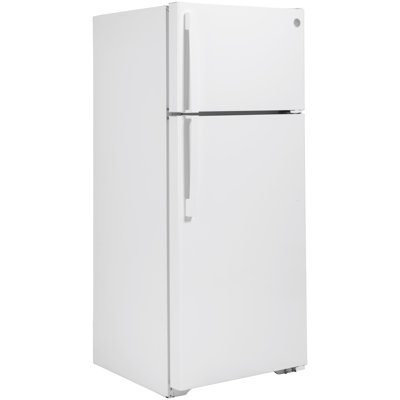
Door design: french door, side-by-side, or single door with a drawer below
Finish: stainless steel, black stainless, or panel-ready options
Smart capabilities: Wi-Fi connectivity, app control, and diagnostic alerts
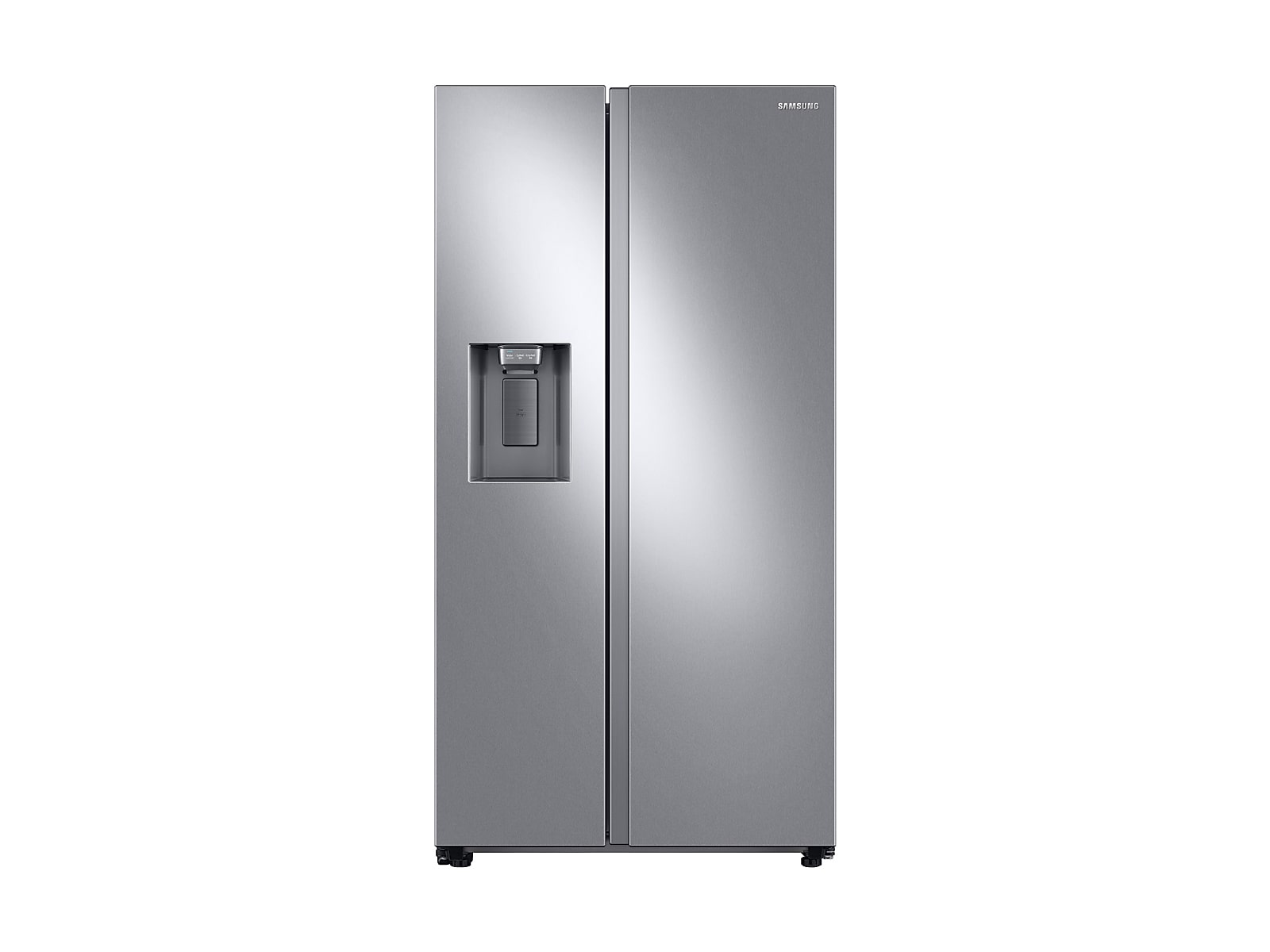
Water and ice dispensers: consider if you need crushed ice or filtered water
Deals often pop up on high-end units. Check purchase french door refrigerators: deals to compare current offers.
Once you’ve picked the model, installation is key to performance and longevity. Follow these steps:
Measure and prepare space
Verify door swing clearance and walkway width. If you’re concerned about squeezing it through tight spots, read will a refrigerator fit through a 32 inch door? for tips. Keep at least one inch of space on each side for airflow.
Door swing and fit
Decide if you need reversible doors or a right-hand hinge. Reversible doors give you placement flexibility but may have additional parts to install.
Electrical and ventilation needs
Dual zone units often require a dedicated 120V outlet. Ensure you have a grounded circuit nearby. Leave a few inches of space at the back and top for proper ventilation and heat dissipation. If your fridge seems warm on the outside or you’re unsure about its health, see how do you know if your fridge is dying?
for diagnostic tips.
Level and secure
Use a bubble level to get the unit plumb. Proper leveling reduces noise, ensures doors close evenly, and helps drainage during defrost cycles.
Setting up temperature zones
Once installed, dialing in temperatures is straightforward. Here’s how to get the most from each zone:
Recommended settings
Top zone (fridge): 37°F to 40°F for general produce, dairy, and leftovers
Bottom zone (fridge mode): 42°F to 50°F for beverages and condiments
Bottom zone (freezer mode): 0°F for frozen foods
Many chefs and home brewers find 55°F ideal for aging cheese or chilling certain wines. Use digital controls to fine-tune these settings, and allow 24 hours for the unit to stabilize after any adjustment.
Customizing for specific foods
Use high-humidity drawers for greens, berries, and herbs
Store meats on the coldest shelf near the back wall
Keep snacks and drinks in easily accessible bins or door racks
If you love prepping a week’s worth of meals, setting your dual zone for meal-prep containers at around 36°F helps maintain freshness without freezing.
Organizing your fridge right can turn dual zone benefits up a notch. Try these tips:
Organizing compartments
Group items by type: dairy on one shelf, deli meats on another, drinks in the lower zone. Transparent bins and labeled containers keep small items from getting lost behind larger produce.
Accessory drawers and bins
Adjustable door bins are great for bottles, condiments, and jars. Look for models with removable dividers so you can switch between tall bottles and shorter items easily.
Tips for meal prepping
Batch-cook proteins and store in labeled containers in the lower zone
Keep snacks like cut veggies in clear bins at eye level for quick grabs
Use stackable trays for packable lunches, then rotate older items to the front
A little upkeep goes a long way toward peak performance. Here’s your maintenance checklist:
Cleaning interior and exterior
Wipe down shelves, bins, and doors every month using mild soap and warm water. For a deep clean, follow our guide on how to clean the fridge inside and out.
Checking seals and gaskets
Door seals can collect crumbs and lose their seal over time. Clean them gently with a soft cloth and soapy water, then test for leaks by sliding a dollar bill halfway in and closing the door. If it slides out easily, it’s time to replace the gasket.
Replacing air filters
Some models include air filters to reduce odors. Consult your owner’s manual for replacement schedules, usually every six months.
Defrost and drain
Even self-defrost units can build up frost around vents. If you see ice accumulation, go through a manual defrost cycle and clear the drain hole. For rapid defrost tips in your freezer, see how to remove ice from the freezer quickly.
Troubleshooting common issues
Even the best appliances hit snags. Here’s how to diagnose frequent dual zone problems:
Uneven cooling
Cause: Blocked vents, overpacked shelves, or faulty fans
Fix: Clear airflow paths, rearrange items, and inspect fan operation
Excessive frost
Cause: Damaged door gaskets or frequent door openings
Fix: Check and replace seals if needed, keep doors closed during high-humidity periods
Noise and vibrations
Cause: Unlevel installation or items touching the compressor
Fix: Ensure unit is level, move loose items away from the back panel
If issues persist, consult professional service or the manufacturer’s troubleshooting guide.
Yes, if you need flexible temperature control for different foods or drinks. It can cut down waste, boost flavor, and simplify meal prep.
Can you convert zones?
Many models let you switch the lower zone between fridge and freezer modes. Check your user manual for exact procedure, but generally it involves holding the temperature buttons for a few seconds.
How long for pre-cooling?
Expect up to 24 hours for a new dual zone refrigerator to reach stable temperatures. If you’re swapping from an old fridge, let it run empty overnight before loading it up.
Does it cost more to run?
Dual compressors can use slightly more energy, but ENERGY STAR models and eco modes help offset that. Compare models by their annual kWh rating to find an efficient option.
With this guide in hand, you’re ready to pick, install, and enjoy your dual zone refrigerator. From fresh produce to frozen treats, you’ll have the right climate for every item. If you run into questions, revisit these tips or explore related articles to keep your fridge running smoothly. Happy chilling and freezing!
Frequently Asked Questions
Yes, if you need flexible temperature control for different foods or drinks. It can cut down waste, boost flavor, and simplify meal prep.