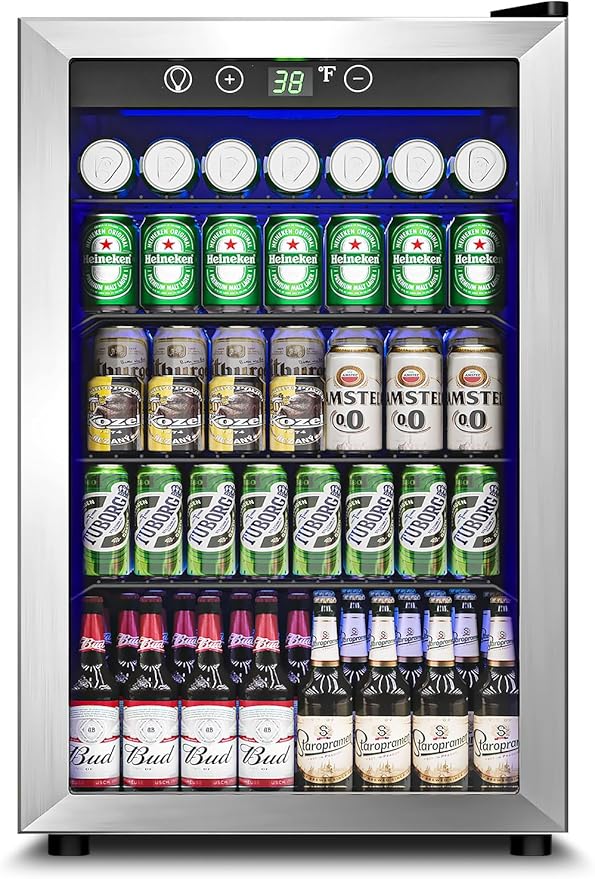
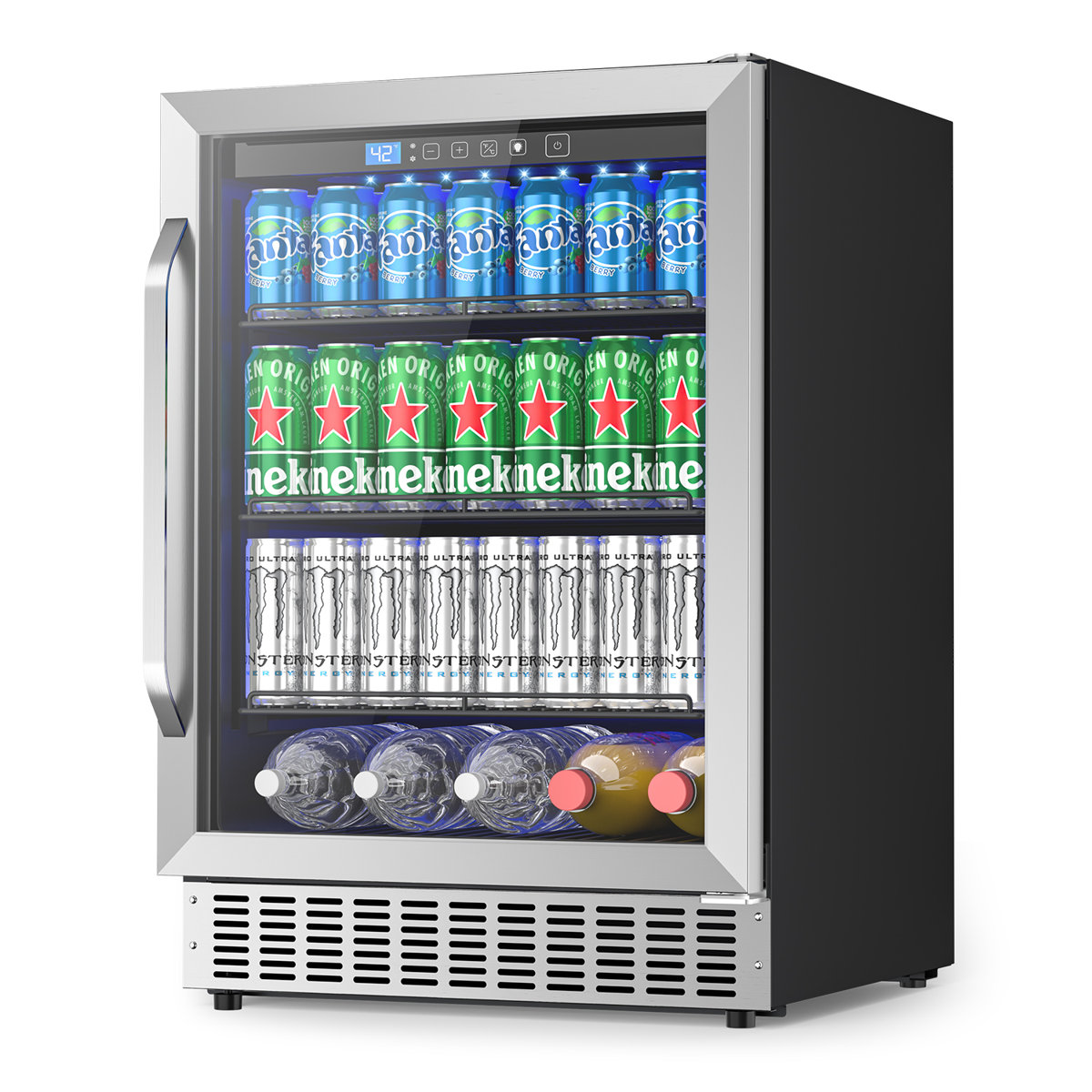
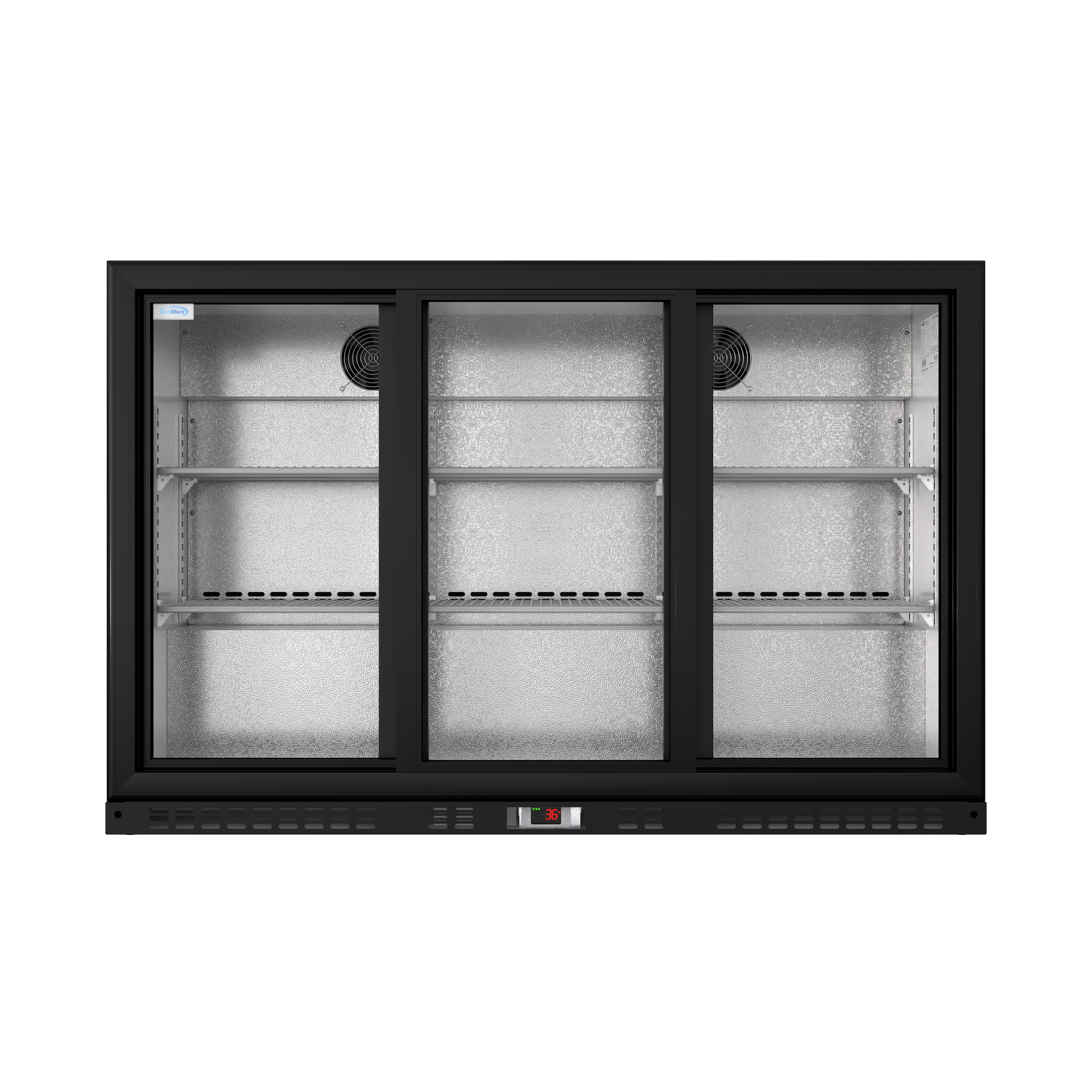
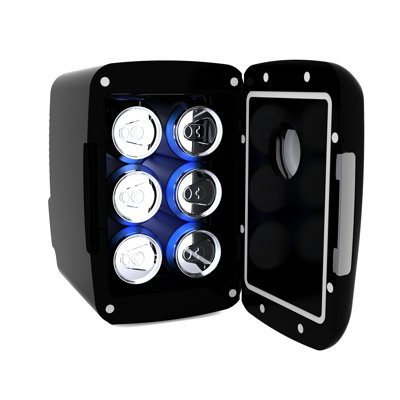
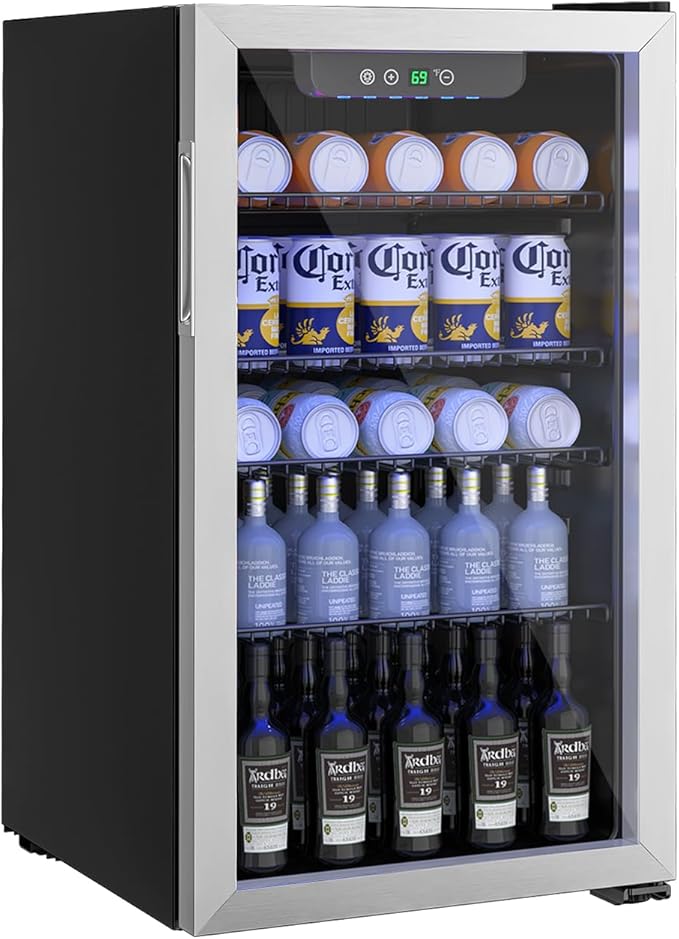
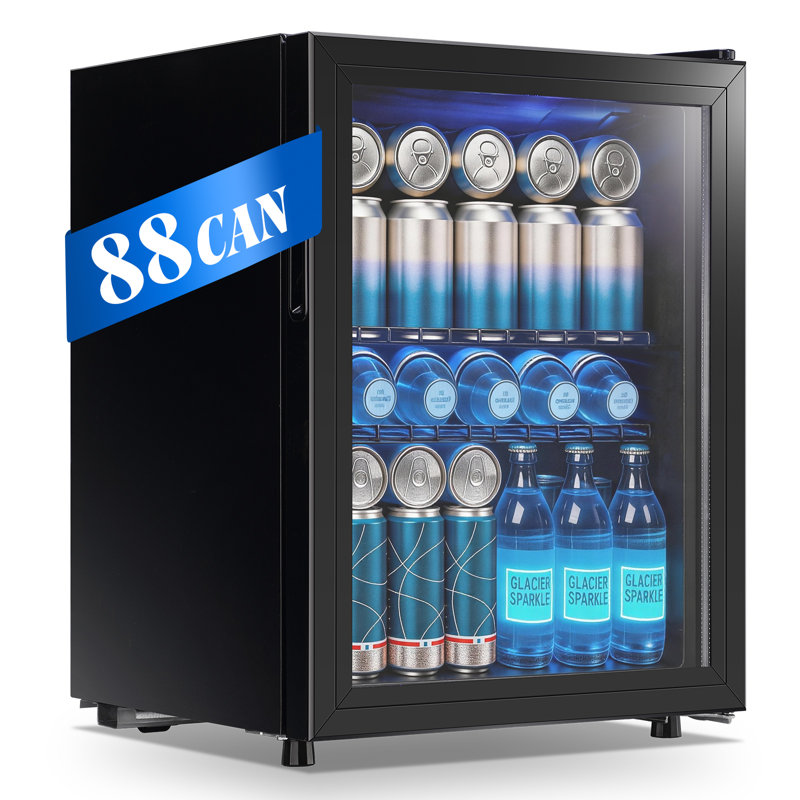
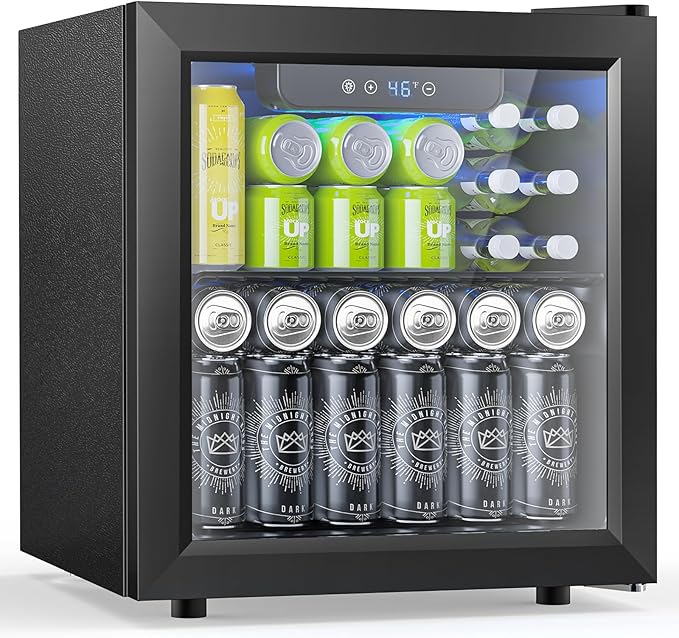
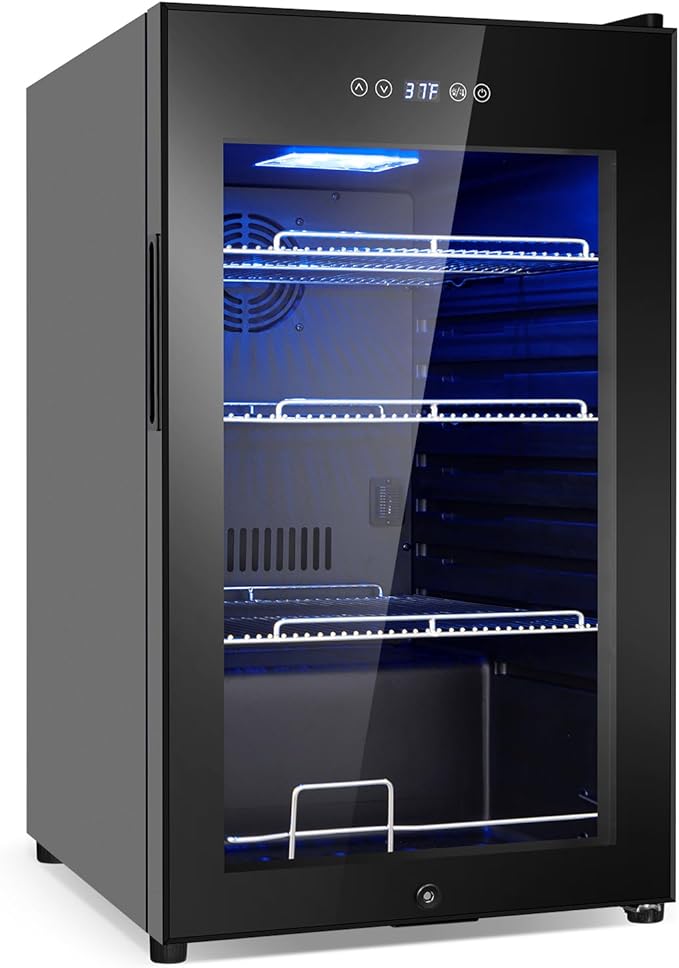
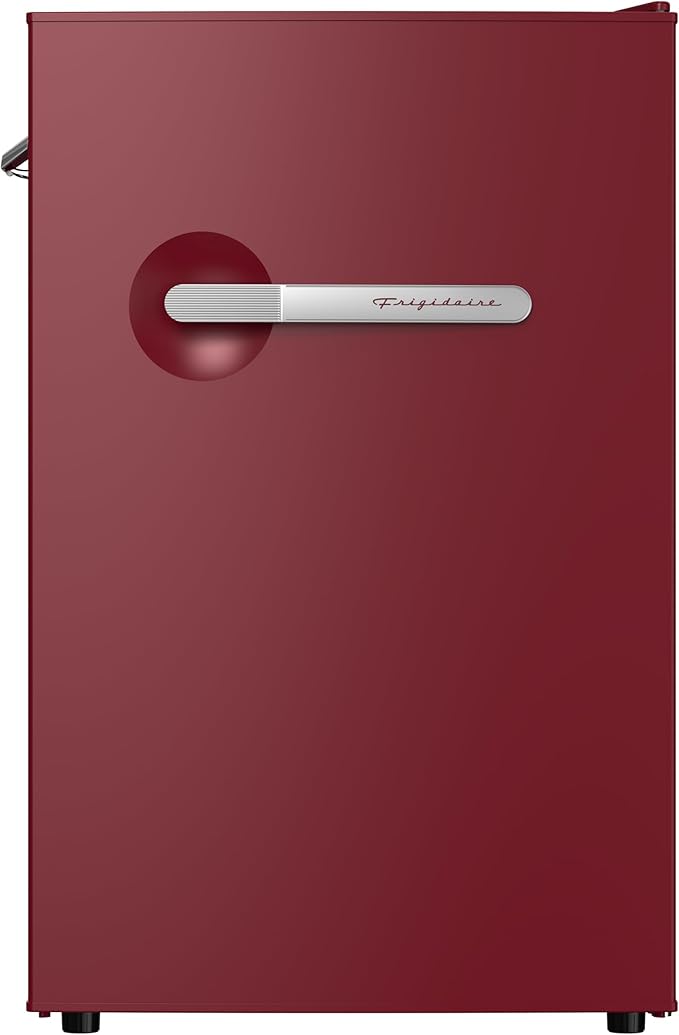
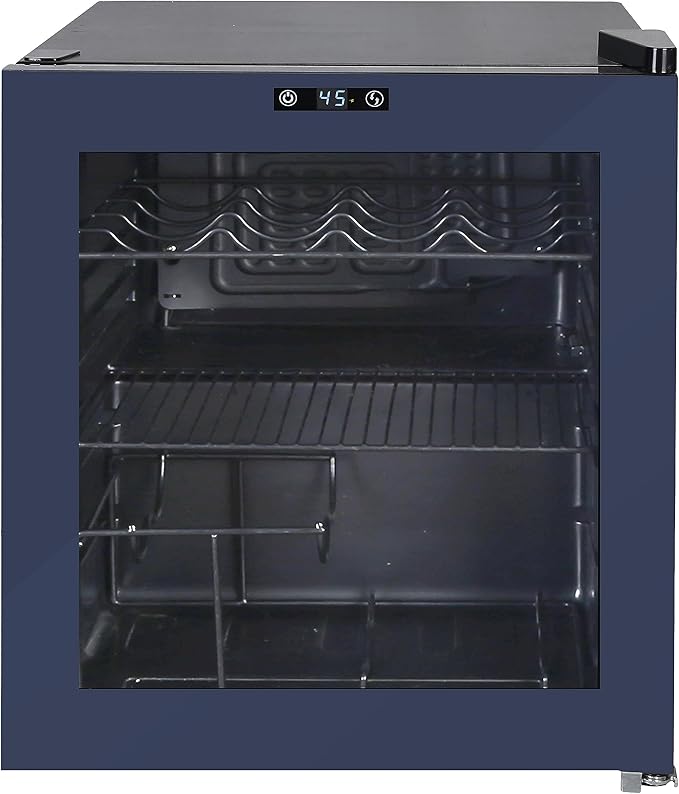
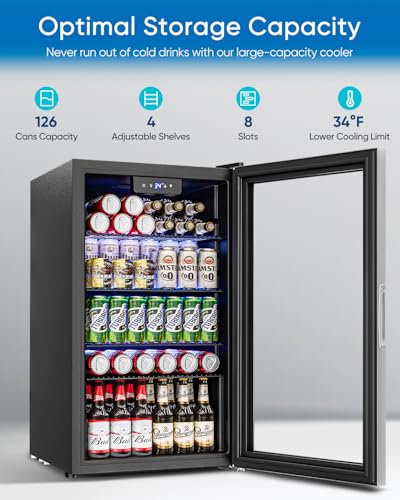
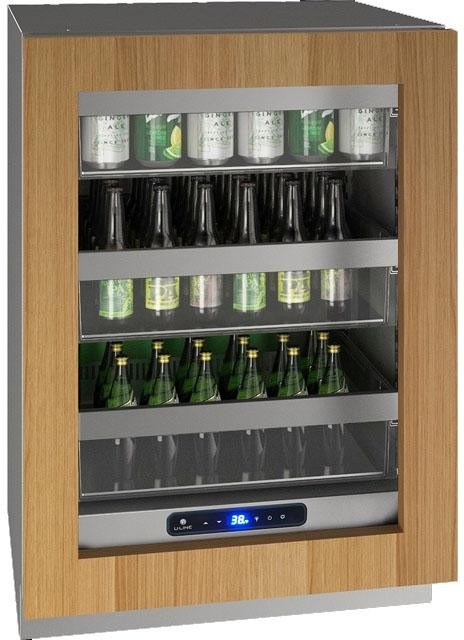
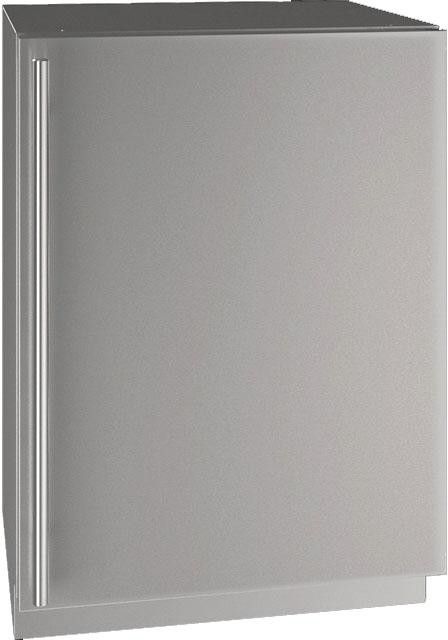
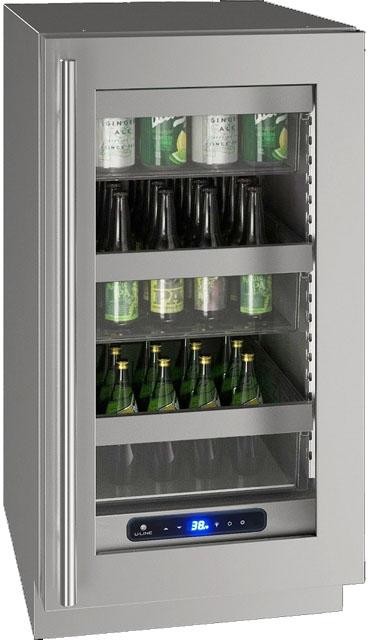
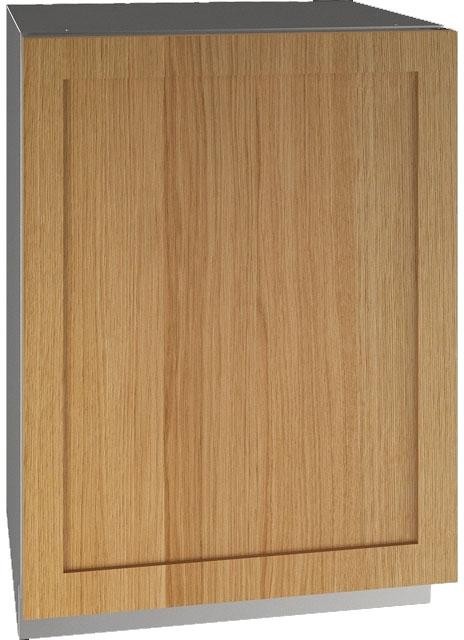
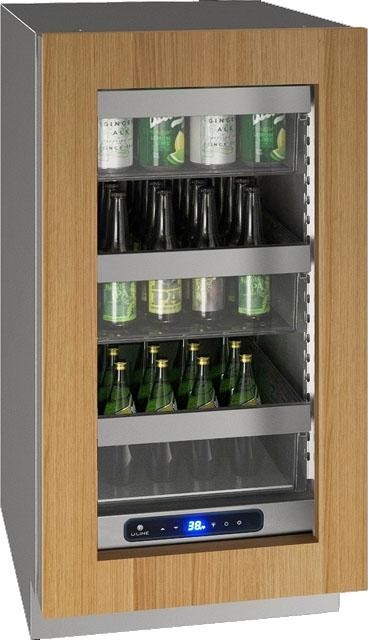
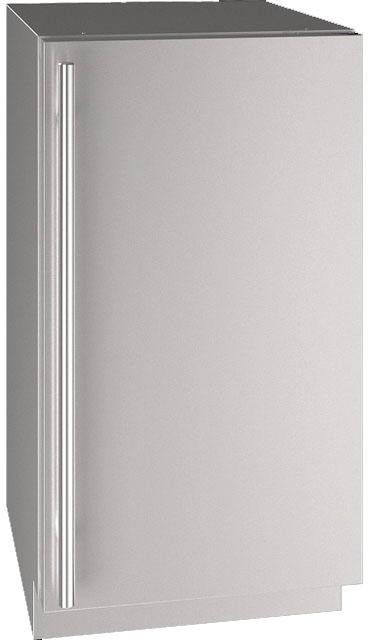
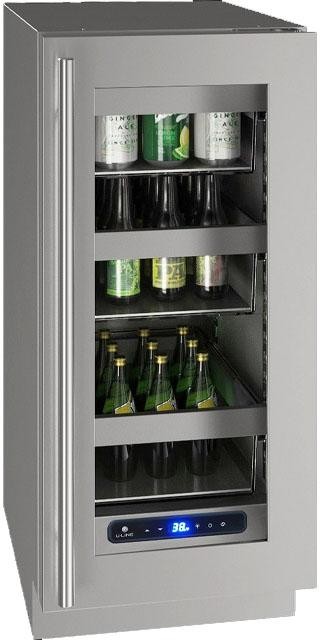
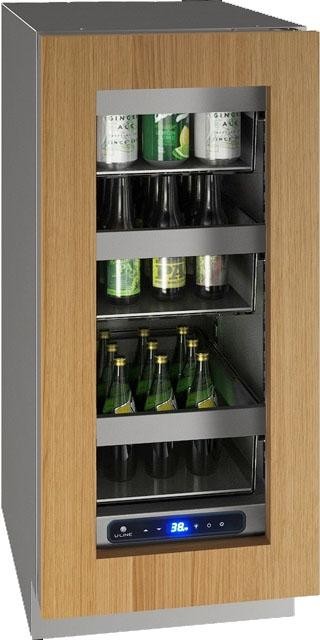
Beverage fridges typically range from compact under-counter models to larger, free-standing options with multiple racks.
These are typically smaller in capacity but can be ideal if you serve fewer drink options or have a separate station for your beverage service.
Below, you will find tips on selecting a top-quality beverage fridge, from capacity to energy efficiency.
By the end, you should feel confident about choosing a fridge that streamlines your workflow, helps your staff serve drinks quickly, and preserves your beverages in prime condition.
You want the best beverage fridge for a restaurant kitchen that can keep up with your daily demands and ensure every drink stays chilled, organized, and ready to serve. Restaurant kitchens run at a hectic pace, so having a fridge that both performs smoothly and fits neatly into your layout makes a world of difference. Below, you will find tips on selecting a top-quality beverage fridge, from capacity to energy efficiency. By the end, you should feel confident about choosing a fridge that streamlines your workflow, helps your staff serve drinks quickly, and preserves your beverages in prime condition.
Recognize the importance of a beverage fridge
A beverage fridge is more than just a convenient storage unit. In a restaurant environment, every second counts, and every inch of space should be used smartly. Having a fridge specifically for beverages helps you store sodas, bottled water, beers, and specialty drinks in an orderly manner. This ensures everyone on your team can quickly grab what they need without rummaging through food storage areas.
Beverage fridges also help keep drinks at an optimal temperature for both taste and safety. Whether you serve sparkling water to diners or rely on canned drinks to supplement your menu, consistent cooling is essential. When your customers sip an ice-cold soda on a hot day, it can enhance their overall dining experience. Beyond that, many beverage fridges boast stylish designs that can fit neatly behind a counter, next to a bar, or within a dedicated beverage station. This balance of function and flair is key for a busy restaurant kitchen.
Benefits of a dedicated beverage fridge
Better organization: Intentionally separate drinks from food items.
Enhanced efficiency: Staff can grab drinks quickly.
Taste and freshness: Liquids stay at ideal serving temperatures.
More storage space: Dedicated racks and adjustable shelves for various bottle or can sizes.
When choosing the best beverage fridge for a restaurant kitchen, you want to think in terms of capacity first. Successful capacity planning ensures you have enough room to keep pace with peak demand (lunch breaks, dinner rush, or special events) without cramming too many items inside. Beverage fridges typically range from compact under-counter models to larger, free-standing options with multiple racks.
Plan your storage needs
Before deciding on the size, do a quick inventory of the drinks you plan to serve. If you carry a high volume of sodas, juices, or beer, a larger model can help you avoid restocking constantly. However, if you keep a tight menu or have limited space, a more compact fridge might suit you better. Remember:
Count how many cans, bottles, or cartons you sell in a typical day.
Factor in seasonal spikes, like holiday crowds or summer rushes.
Consider if you’ll expand your beverage menu in the near future.
Adjustable shelves and layout
Organization is the next factor in balancing capacity. Adjustable or removable shelves make it easier to accommodate a variety of bottle and can sizes. For instance, you could dedicate a separate shelf for tall bottles or arrange smaller cans in neat rows for quick visibility. If you regularly serve specialty beverages (like craft beers or large juice jugs), find a fridge that provides enough vertical space. By customizing shelf height, you can ensure that everything fits snugly and remains easily accessible when the kitchen gets busy.
In a professional kitchen environment, you can’t afford to compromise on temperature consistency. Frequent door openings and high ambient heat from cooking appliances can pose real challenges for a beverage fridge. Look for a fridge specifically designed to handle the rigors of a commercial setting.
Temperature range
Some beverages, such as beer or white wine, taste best at specific ranges. Meanwhile, soft drinks generally tolerate a wider span of cold temperatures. As you compare models, confirm their minimum temperature and the ideal operating range. You’ll also want to see how quickly the unit recovers after a door has been opened or left ajar.
Efficient cooling technology
Certain beverage fridges use powerful compressors and robust insulation to maintain steady temperatures. You may also encounter fridges featuring forced-air cooling, which circulates cold air evenly throughout the interior. This technology helps guard against hot spots, ensuring every bottle or can remains equally chilled. Keep your eyes open for features such as:
Double-paned or triple-paned glass doors to minimize heat exchange.
In-door fans or interior fans that circulate air.
Digital temperature displays to track performance at a glance.
Choose energy efficiency
Running a restaurant means juggling numerous energy-consuming appliances at once. Opting for a beverage fridge that is energy efficient can help you trim overhead costs. Generally, fridges with ENERGY STAR labels are designed to perform well without using excessive power. Reduced power usage translates directly into lower electricity bills across the years.
Cost savings in the long run
Although energy-efficient models might carry a slightly higher price tag upfront, they often pay off through minimized electricity costs. Because the fridge is constantly running in a restaurant, any steps you take to reduce power draw can lead to noticeable savings.
Environmentally conscious choices
Being mindful of energy efficiency is also an environmental consideration. Many modern beverage fridge models feature eco-friendly refrigerants. By choosing one of these, you reduce your carbon footprint while continuing to serve cold drinks. Plus, in today’s market, sustainability can be a selling point for customers who appreciate businesses that care about the planet.
Compare different fridge designs
The physical layout of your restaurant kitchen may demand a specific design. Beverage fridges come in various shapes, sizes, and configurations, each bringing unique advantages.
Under-counter fridges
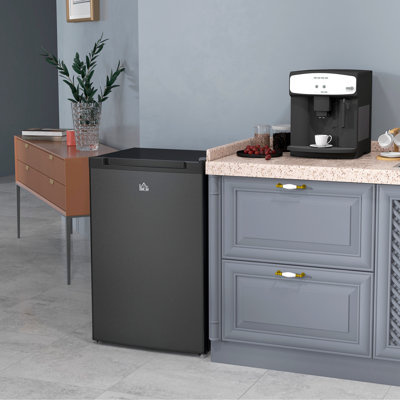
Under-counter beverage fridges slot beneath prep counters or bars, saving you valuable floor space. These are typically smaller in capacity but can be ideal if you serve fewer drink options or have a separate station for your beverage service. With an under-counter model, staff can easily reach down and grab a chilled drink without moving away from their workstations.
Quick perks of under-counter models
Space-saving: Utilize underused areas below counters.
Discreet look: Blends into cabinetry or bar setups.
Easy accessibility: Bottles and cans are at hand level.
Reach-in or upright fridges
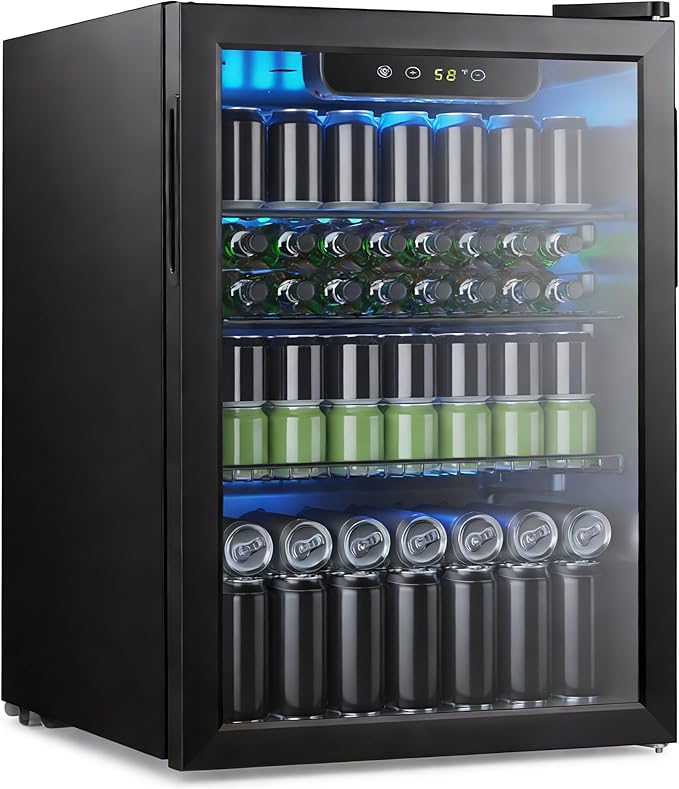
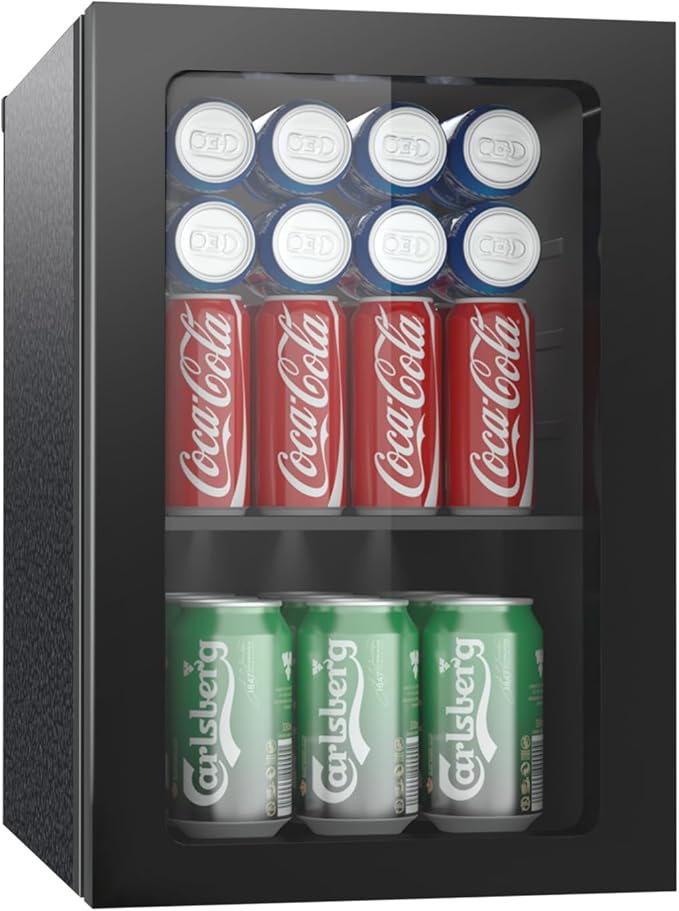
A reach-in design accommodates more drinks overall. These upright beverage fridges often have glass doors that let your staff quickly scan drink levels. If you expect high demand, an upright fridge provides ample capacity. Many upright units have adjustable wire shelves and a higher volume rating than under-counter styles.
Why choose upright models
More interior space to handle peak service times.
Transparent doors for easy product visibility.
Multiple temperature zones in some models.
Sliding-door fridges
In tight restaurant kitchens, swinging doors can be a liability. Sliding-door beverage fridges minimize the disruption in busy corridors. If you have narrow aisles or pass-throughs where staff frequently cross paths, a sliding-door option can cut down on collisions and potential spills.
Ideal scenarios for sliding doors
Narrow kitchen layouts where door clearance is limited.
Shared beverage stations where multiple employees need access.
Situations where open doors might block walkways.
Dual-zone fridges
If you stock both craft beers that need a certain coldness and wines that require a slightly warmer chill, consider a dual-zone beverage fridge. These units have separate compartments with individual temperature controls. Although they might be more expensive, having dual-zone flexibility means your beverages always taste as intended.
Advantages of dual-zone setups
Keep different drinks at their perfect temperatures.
Prevent flavor compromise by separating items.
Cater to a diverse beverage menu without multiple fridges.
Keep your fridge clean and maintained
A beverage fridge in a bustling environment will gather dirt, dust, and spills faster than a typical home appliance. Regular cleaning not only keeps your fridge looking fresh but also contributes to food safety and better appliance health.
Simple maintenance schedule
Wipe down surfaces daily to remove any splash or spill that occurs during service.
Do a deeper clean weekly. Unplug the fridge, remove all beverages, then clean interior panels using warm soapy water.
Vacuum around coils and vents monthly to ensure smooth airflow.
Check door seals routinely and replace if you notice cracking or lose that airtight grip.
Follow manufacturer guidelines
While these tips offer a general framework, the specifics can vary widely between different refrigerator makes. Always check your owner’s manual for recommended cleaning products or instructions. Some models might have extra steps to care for finish materials or certain fan components.
A well-organized fridge helps your staff work quickly and keeps products from going out of stock without notice. By creating intuitive zones for each beverage category, you can streamline your stocking and serving processes.
Categorize drinks logically
Group sodas, beers, and specialty drinks separately for faster retrieval.
Place your most popular beverages at eye level, so staff sees them first.
Rotate older stock to the front, ensuring first-in, first-out usage.
Maximize airflow
Even the coolest fridge struggles if air can’t move freely between cans and bottles. Avoid loading shelves too heavily so cold air circulates properly. If you notice one particular shelf tends to run slightly warmer, consider rearranging items or adjusting the shelf spacing.
Labeling system
Keep a small labeling system so you (and anyone on your team) know exactly which beverages go where. When new shipment boxes arrive, an organized fridge makes it effortless to fill the right shelf without confusion. In a high-pressure restaurant environment, small time-savers like this add up.
Explore accessories and extras
Some beverage fridge models support handy add-ons that enhance efficiency or simply add a touch of convenience. While not always necessary, these extras can improve user experience, especially in a restaurant setting where every detail contributes to seamless operations.
Door alarms
For busy kitchens, it’s easy to leave a fridge door partially open, especially when staff must dart away to handle a sudden request. Door alarms beep if the door is ajar for too long, preventing temperature fluctuations and saving your drinks from warming up.
Internal lighting upgrades
Many beverage fridges come with LED lighting, but you can explore optional lighting upgrades that offer better visibility. In the rush of service, staff may appreciate extra illumination to quickly identify the correct bottle or can.
Security locks
If your restaurant serves alcohol, a security lock can keep inventory secure when you close for the night. Some locks are keyed, while others use digital keypads. This is particularly useful if you keep top-shelf beverages in your fridge or need to limit who can access certain drinks.
A beverage fridge doesn’t have to be an eyesore in your kitchen. Modern units are both functional and stylish. If your restaurant’s design extends to the kitchen or bar area, you might want your beverage fridge to complement that aesthetic.
Match the finish
Popular finishes include stainless steel, black, or even colored panels. Stainless steel is often a staple of commercial kitchens for its durability and easy cleaning, but black can look sleek if you have a contemporary bar. If you’re curious about how to alter the appearance of a fridge, consider reading can i change the color of a new refrigerator?. You might find helpful tips on achieving just the right look.
Consider brand consistency
If you already have brand-themed signage or color palettes throughout your space, make sure the fridge doesn’t clash. You can find beverage fridge designs that integrate subtle branding, LED-lit signage, or a tempered glass door that showcases labels front and center. This cohesive look helps reinforce your brand even within the kitchen or bar area.
Start with capacity: Assess how many beverages you truly need to store.
Prioritize temperature: Consistent cooling is vital in a fast-paced kitchen.
Go energy efficient: Lower those electricity bills by choosing a power-friendly model.
Stick to a cleaning schedule: Keep everything hygienic and running optimally.
Customize your arrangement: Plan shelf spaces for different beverages.
Explore helpful features: Sliding doors, door alarms, dual zones, or specialized lighting.
Match kitchen style: Consider finishes and branding for a cohesive look.
Why consider a separate beer fridge
If you specialize in craft brews or need especially precise chilling for your beer selection, you might integrate a robust, designated beer fridge. This is particularly beneficial if you offer a varied beer menu and need multiple cooling zones or specific temperatures. If you want to learn more about harnessing a dedicated beer fridge for your restaurant (or even for a home setting), take a look at why should i choose a beer fridge?. You’ll find insights that might steer you toward an even better beverage solution.
Finding the best beverage fridge for a restaurant kitchen requires balancing function, efficiency, and style. By identifying your storage needs, aiming for consistent cooling, and keeping an eye on energy usage, you can streamline your drink service and elevate the dining experience. Whether you run a bustling high-end eatery or a cozy family restaurant, the right beverage fridge helps your team stay organized and reduces the daily stress of restocking. With a bit of planning and routine maintenance, you’ll have a reliable partner that supports your success—and satisfies thirsty customers day in and day out.
Once you’ve made your choice, remember to arrange your beverages thoughtfully and maintain cleanliness to get the most out of your fridge. After all, delivering chilled drinks on demand can help shape a memorable dining experience. As you refine your beverage menu, consider your fridge layout, explore advanced features, and keep service efficient. Every detail, big or small, contributes to making your restaurant the place your customers will want to return to again and again.
From Fridge.com research
Figures below come from data Fridge.com builds and maintains. Each links to the record behind it.
Fridge.com Energy Index, built on U.S. EPA and DOE ENERGY STAR records
Across 122 ENERGY STAR certified compact cooler models, median use is 134 kWh per year — 32% better than the federal standard.