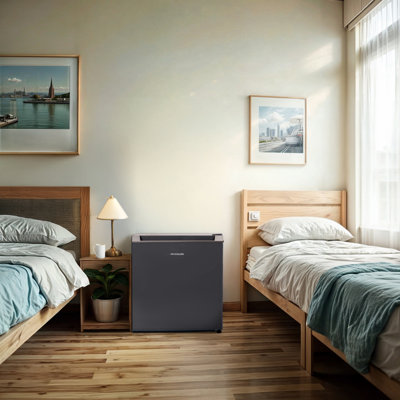
When you first hear “3.3 cubic feet refrigerator,” you might picture a tiny fridge tucked under a counter or in a dorm corner. In reality, that modest capacity packs more punch than you’d expect. With about 93 liters of storage, you can stash snacks, beverages, and even a handful of fresh groceries without feeling cramped. If you’ve been eyeing a compact solution for your office nook, studio apartment, or garage bar, this fridge size could be just what you need.
What is cubic feet?
Cubic feet measure the internal volume of your fridge—basically the total space you can fill. One cubic foot equals 7.48 gallons, so a 3.3 cu ft fridge offers roughly 24.7 gallons of chill space. Unlike square footage in rooms, cubic feet gives you the full three-dimensional picture from floor to ceiling and side to side.
Typical dimensions and capacity
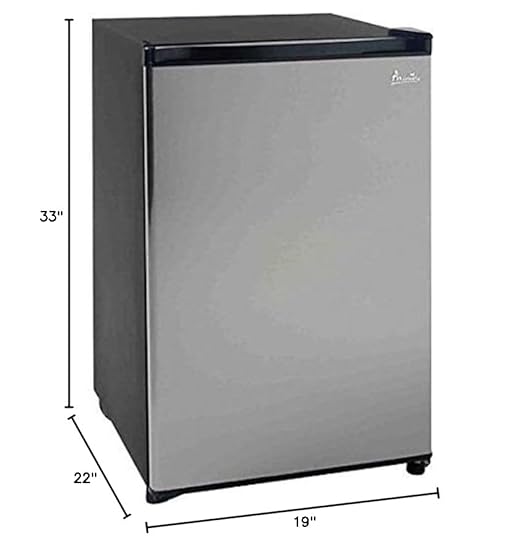
While dimensions vary by model, most 3.3 cu ft refrigerators fall around:
Height: 32–34 inches
Width: 18–20 inches
Depth: 17–19 inches
Inside, you’ll often find:
2–3 adjustable glass or wire shelves
A small freezer compartment (2–3 liters)
Door bins for condiments and bottles
This layout fits about six 12-oz soda cans on a single shelf, plus the door bins can hold tall bottles or juice cartons. If you’re meal prepping for two or keeping craft beers cold, it’s surprisingly versatile.
Mini fridge vs compact fridge
You’ll see both terms used interchangeably, but here’s the quick take:
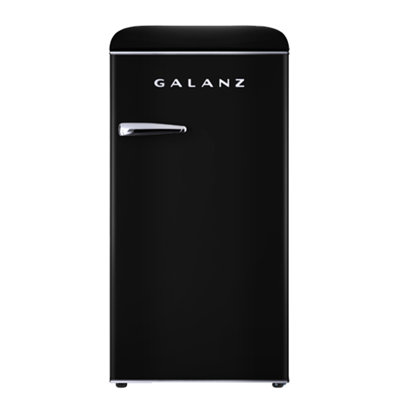
Mini fridge: Generally under 3.5 cu ft, often with a freezer section
Compact fridge: Can range up to 4.5 cu ft, sometimes without a freezer
Since your target is a 3.3 cu ft model, you’re right on the mini-to-compact boundary—enough room for basics but still slim enough to fit tight spots.
Before you click “add to cart,” take a moment to map out where your new fridge will live. A quick site survey saves you from awkward returns.
Measuring your area
Grab a tape measure and note the height, width, and depth of your intended spot. If it’s under a counter or shelf, subtract about an inch on each side for easy slide-in. Overestimating clearance can lead to frustration—doors might not swing fully open or you might rip your new fridge’s sides when nudging it into place.
Checking clearance and ventilation
Fridges need airflow to work efficiently. Aim for at least 1–2 inches of space on the back and sides, plus 1 inch on top. Poor ventilation can cause your compressor to overheat, hike up your energy bill, or even shorten the appliance’s lifespan.
Considering placement options
Think through these scenarios:
Under-counter installation
Against a wall in your apartment
In a dorm suite, where space is tight
Beside the desk in your office
If you’re eyeing a narrow gap, check out our guide on 28 inch wide refrigerator for comparable slim models.
Exploring fridge features
Not all 3.3 cu ft refrigerators are created equal. Here are the must-know features that impact your daily life.
Temperature control
Look for a thermostat dial or digital control that offers fine-tuning. Some fridges only have “cold” and “colder” settings, which might leave your veggies a bit limp or your drinks too icy. A precise dial helps you strike the right balance between freshness and energy use.
Freezer compartment
A tiny freezer is handy for ice packs or emergency frozen meals. But most mini fridges use manual defrost, meaning ice can build up. If you’d rather skip the frost fight, read up on the problem with frost free freezers and weigh the pros and cons.
Adjustable shelving
Glass shelves handle spills better and make cleanup a breeze, while wire shelves promote airflow. Check whether the model lets you move shelves to accommodate tall bottles or stack meal-prep containers.
Door design
Some fridges have reversible doors so you can switch the hinge side based on your space. Others offer built-in door bins sized for cans, jars, or 2-liter bottles. Door flexibility can make or break your snack-grab routine.
Your fridge’s cooling system determines noise level, energy draw, and durability. Let’s break down the two main options.
Compressor vs thermoelectric
Compressor refrigerators use a refrigerant gas and pump. They cool quickly and handle warm environments well, but they can be louder.
Thermoelectric models use a Peltier module and have no moving parts except a fan. They’re whisper-quiet but struggle when room temps climb above 75°F, and they won’t get your freezer compartment bone-cold.
Energy efficiency ratings
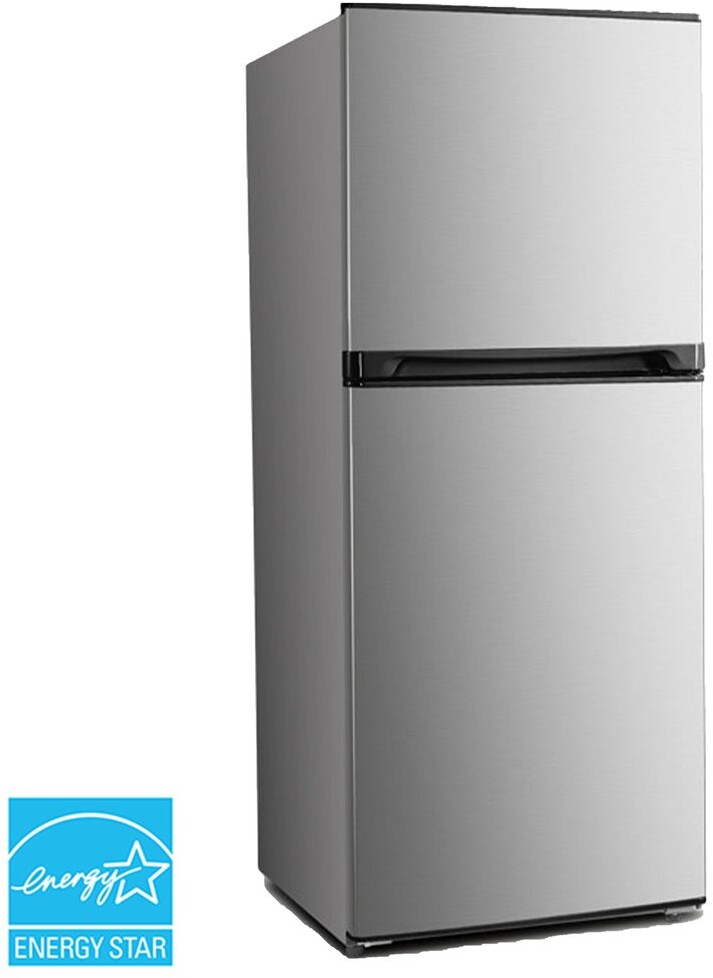
An Energy Star label is your friend. It indicates the fridge uses at least 10% less energy than federal standards. Over a year, that might save you $10–$20 on your electric bill—not huge, but it all adds up when you’re running a second fridge.
Noise levels
If your mini fridge will live beside your bed or office cubicle, keep noise under 40 dB. Compressor models usually hit 38–42 dB; thermoelectric units hover around 25–30 dB. Check user reviews for real-world feedback.
A little TLC extends the life of your 3.3 cu ft fridge and keeps it running smoothly.
Cleaning and defrosting
Manual defrost fridges need periodic ice removal. A quick defrost cycle every 3–4 months prevents buildup. For step-by-step tips, see how to defrost a freezer.
Preventing odors
Wipe spills immediately with mild soap and water
Place an open box of baking soda on a shelf to absorb smells
Store strong-scent foods in sealed containers
Troubleshooting basics
When your mini fridge hiccups, here’s a quick guide:
Symptom
Possible cause
Fix
Fridge not cooling enough
Dirty condenser coils
Vacuum coils and clear ventilation paths
Excessive noise
Loose compressor mount
Tighten screws or add anti-vibration pads
Frost buildup
Damaged door seal
Inspect gasket and replace if cracked
Using your mini fridge
One of the best parts of a 3.3 cu ft refrigerator is its versatility. Here’s how you can make the most of it.
Dorm rooms and offices
Perfect for late-night study sessions, energy drinks, and sandwich supplies. Its slim footprint frees up floor space. If you need a sturdier under-desk option, our feature on 28 inch wide refrigerator has similar picks.
Kitchens and garages
Counter-top or garage-mounted, a compact fridge handles overflow produce and party backups. In a hot garage, choose a compressor model with strong cooling. If you’re unsure about temperature swings, read “will my fridge freezer work in the garage?” for insights.
RVs and outdoor use
Heading on a weekend road trip? A compact compressor fridge adapts to 12V or 120V power. For deeper dives into portable cooling, check out camping fridge freezer.
Specialized uses
Beverage station: Stock beer, soda, or wine in the bottom while dry snacks live on top. For inspiration, explore our roundup of best beverage fridge for an outdoor kitchen.
Craft beer cooler: Keep your droppers, IPAs, and stouts at cellar-like temps. Looking for a budget-friendly option? See beer fridges under 2000.
Baby food and formula: Dedicated space for purees and breast milk helps you stay organized—just keep track of your dates, since “how long is breast milk good in the fridge?” can vary.
You’ve weighed capacity, measured your space, and picked a cooling system. Now let’s wrap up with some final buying tips.
Setting a budget
3.3 cu ft fridges range from $90 entry-level to $300 for high-end, energy-star models with digital controls. Decide how much you’ll use it and choose accordingly.
Checking warranties
Standard warranties run one year on parts and labor. Look for extended coverage on the compressor if you plan to run your fridge 24/7 in a hot space.
Where to buy
Ready to grab your compact powerhouse? Head over to Fridge.com for a curated selection of 3.3 cubic feet refrigerators that fit every style and budget. Your next cold one is just a click away.
With the right 3.3 cubic feet refrigerator, you’ll never wonder where to stash your snacks again. Measure carefully, choose smart features, and maintain it with simple habits. Whether you’re in a dorm, an office, your garage, or on the road, this mini fridge delivers big convenience in a small package.
Frequently Asked Questions
Cubic feet measure the internal volume of your fridge—basically the total space you can fill. One cubic foot equals 7.48 gallons, so a 3.3 cu ft fridge offers roughly 24.7 gallons of chill space. Unlike square footage in rooms, cubic feet gives you the full three-dimensional picture from floor to ceiling and side to side.