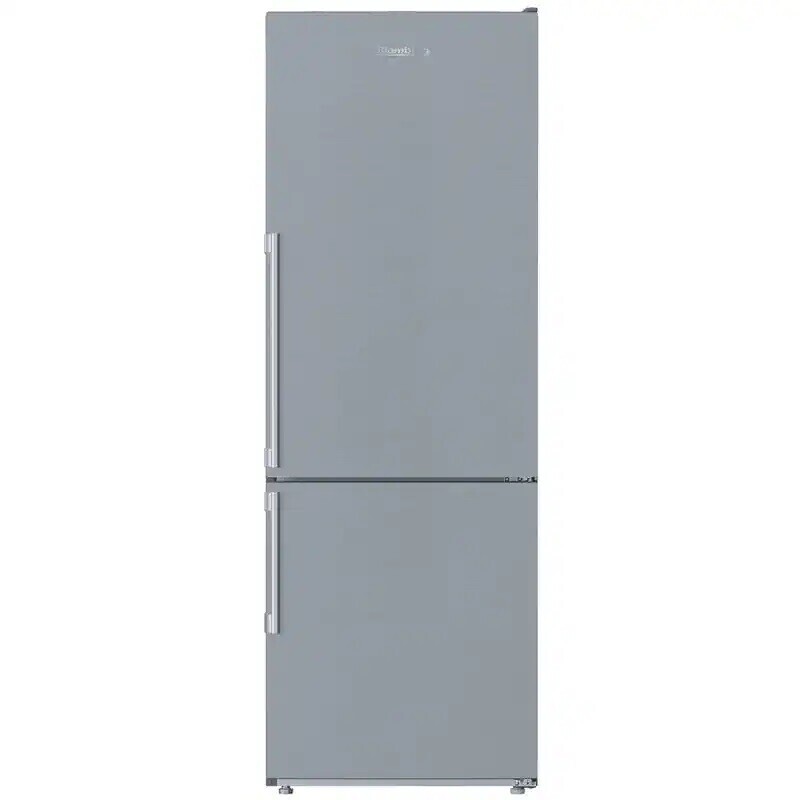
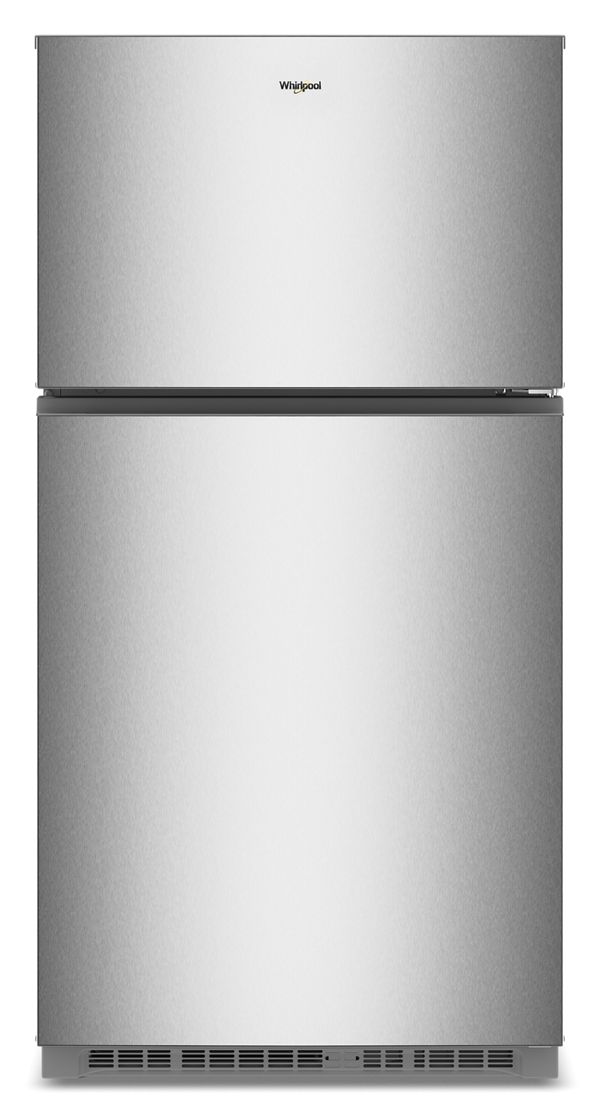
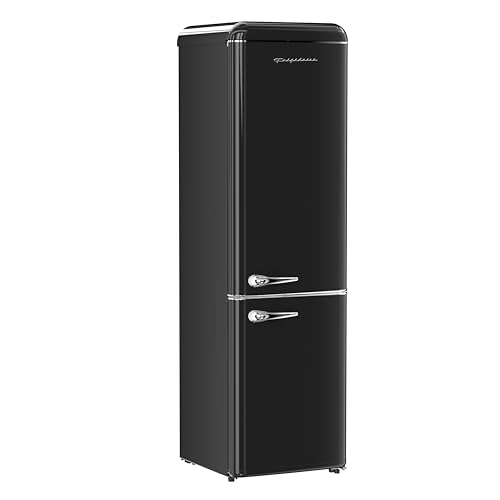
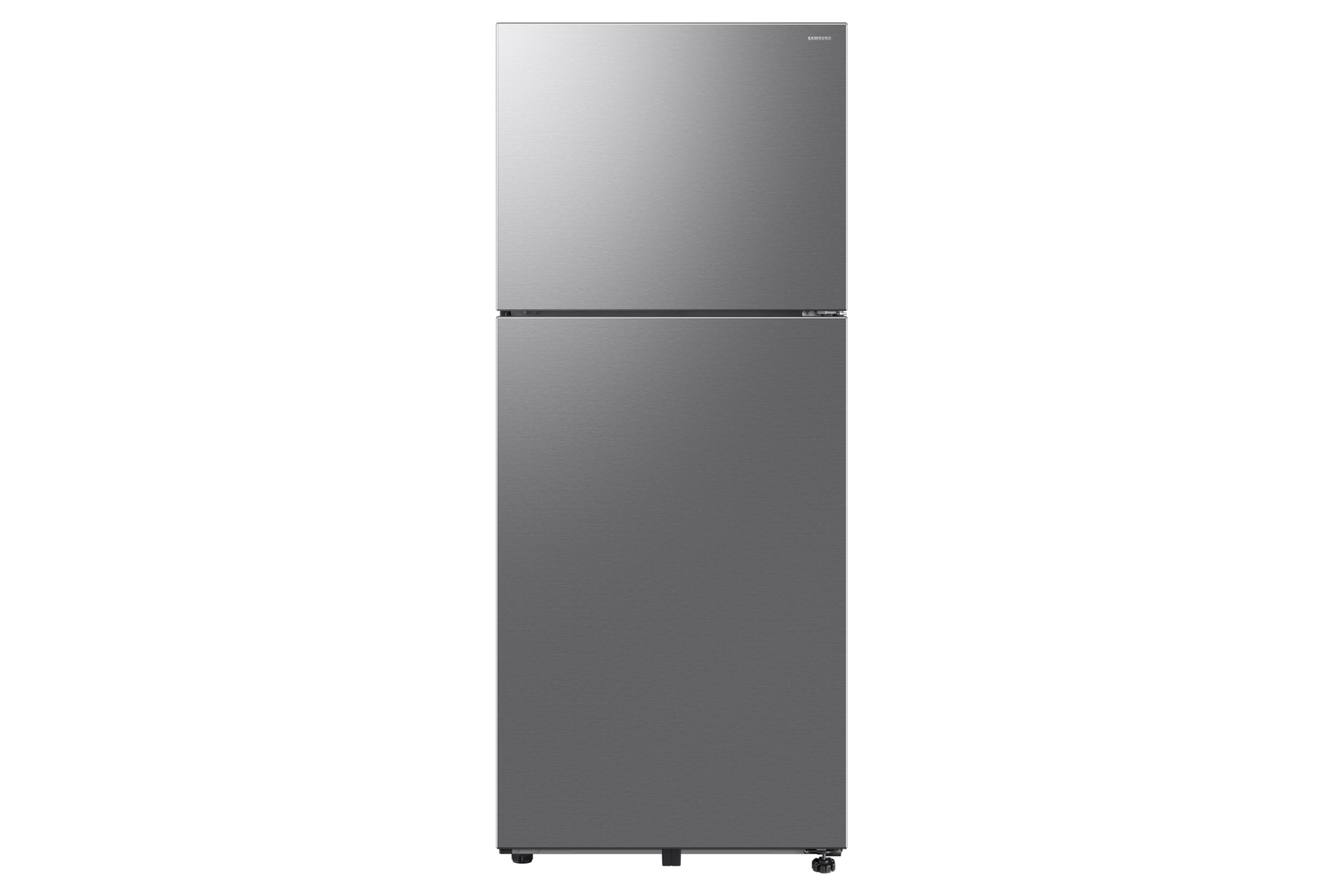
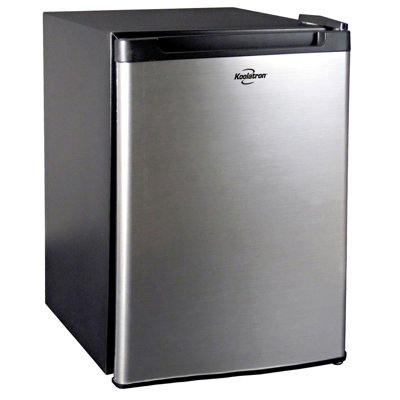
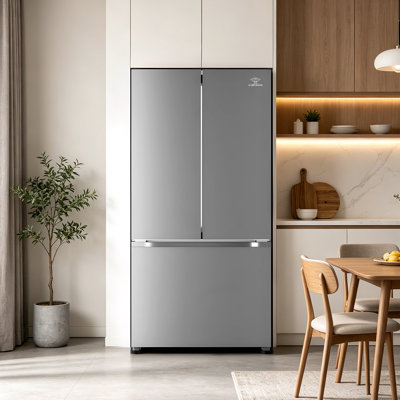
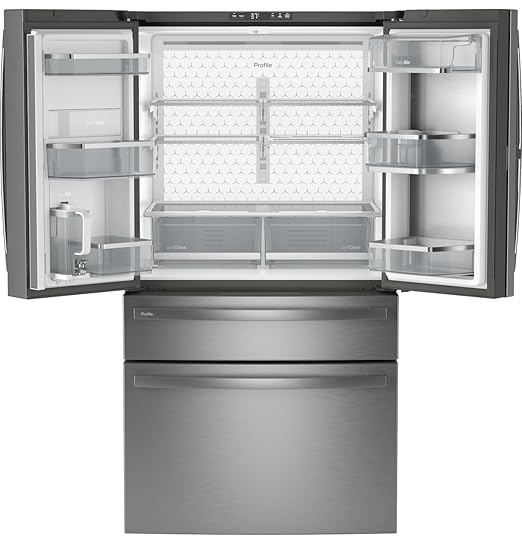
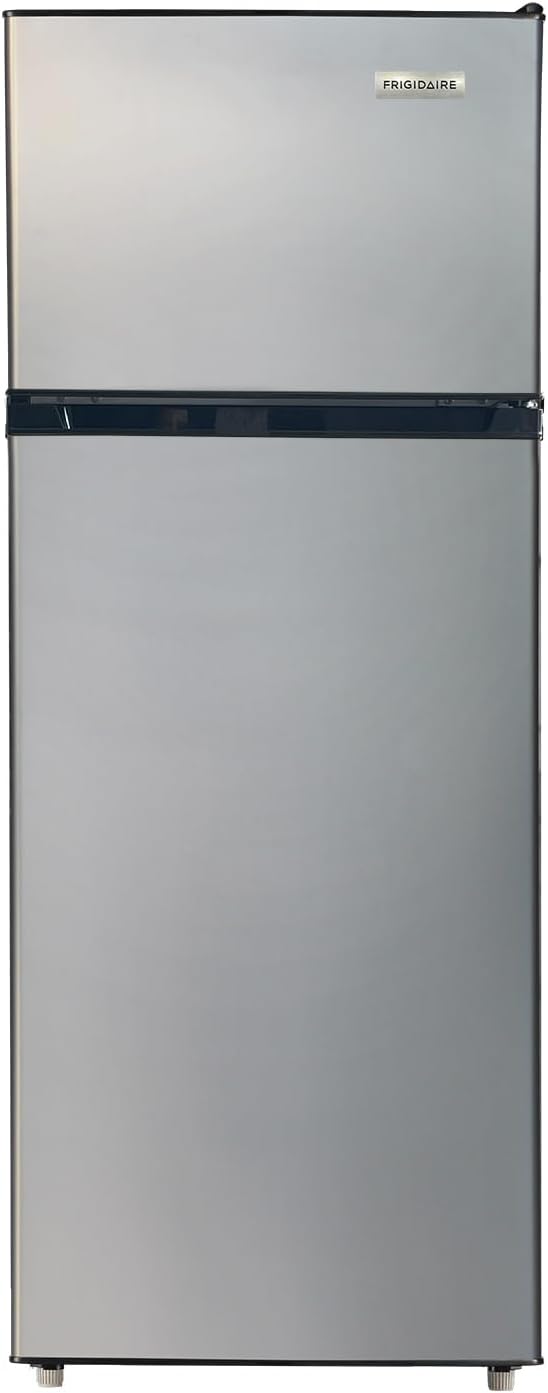
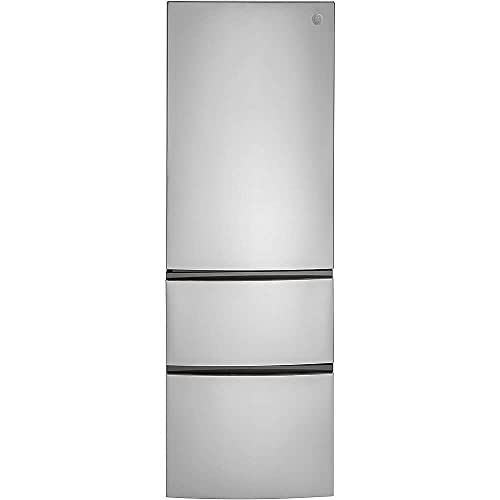
You’ve just discovered the perfect space-saving solution: a 3.3 cu ft fridge. Whether you’re outfitting a dorm room, studio apartment, home office, or garage, this compact refrigerator packs enough chill power to keep your favorite snacks, beverages, and meal-prep essentials fresh without hogging valuable real estate. In this guide you’ll learn why a 3.3 cu ft fridge deserves a prime spot in your space, how to choose the ideal model for your needs, and tips to organize and maintain it so it works flawlessly for years to come.
Compact fridge benefits
Slim, efficient, and surprisingly roomy, a 3.3 cu ft fridge comes with perks that larger units sometimes can’t match. If you’ve been circling the big-box stores wondering whether you really need that cavernous fridge, read on.
Space saving
Tight on square footage? You don’t need to sacrifice cool storage just because you live in a small space. A 3.3 cu ft fridge slips neatly under counters, tucks into corners, and even rides shotgun in an RV. Its slender footprint means you can still fit a microwave on top or stash it in a closet when guests arrive. In studio apartments and dorms this fridge becomes your personal chill zone without crowding out your living area.
Energy efficiency
Less interior volume often translates to lower energy consumption. Many 3.3 cu ft fridges boast Energy Star ratings, so you’re not just saving space but also shaving dollars off your monthly electric bill. Because they cycle less frequently to maintain temperature, these compact units typically use 30–50% less power than full-size refrigerators, making them a greener choice for eco-minded users.
Versatile placement
From commercial kitchens to craft-beer cellars, a 3.3 cu ft fridge fits in more places than you might think. Set one up in your basement bar, garage workshop, home office, or even on a covered porch. Chefs, families, and party hosts love having an extra fridge near the action: no more mid-prep dashes to the main kitchen. And if you’re looking for a specialized beverage station, check out our wine cooler/beverage refrigerator for sale options that complement your main fridge.
Calculate your fridge capacity
Before you pick a model, get clear on what “3.3 cubic feet” really means—and whether it matches your daily needs.
Understanding cubic feet
Cubic feet measures the total interior volume—length × width × height—expressed in feet. A 3.3 cu ft fridge typically offers around 94 liters of storage. That might sound small compared to a 20 cu ft kitchen fridge, but when organized wisely, you can stash roughly:
100 beverage cans
A week’s worth of meal-prep containers
Fresh produce and dairy for two people
A stack of frozen meals in the mini-freezer compartment
What fits inside
Visualize your essentials: milk cartons, yogurt, fruit, eggs, condiments, and a handful of prepped meals. Most 3.3 cu ft models include a small freezer section (0.3–0.5 cu ft) plus adjustable shelving in the fridge compartment. Think of it as your personal beverage and snack station or a secondary fridge for overflow when entertaining friends or family.
Not all 3.3 cu ft fridges are created equal. Focus on key features to find one that fits your style and usage.
Door configuration
Most compact fridges come with single-door designs, but some have a separate freezer door or reversible swing hinges. If your space is tight on the right or left side, reversible doors ensure you’re not bumping into walls or counters every time you open up.
Temperature controls
Digital thermostats let you dial in precise temperatures, while manual knobs tend to be more budget-friendly. If you store delicate items like fresh herbs or craft cheese, choose a model with adjustable settings and a clear readout so you can avoid surprise spoilage.
Noise levels
In a bedroom, office, or studio, a humming fridge can be a nuisance. Look for units that advertise “quiet operation” or decibel levels under 40 dB. Reviews often mention whether the compressor kicks on conspicuously or hums along unobtrusively.
Additional features
Consider bonus features like interior LED lighting, door bins for cans, vegetable crispers, and spill-proof glass shelves. Some fridges include a removable freezer ice tray or a door-mounted egg rack. While not critical, these extras can streamline daily use.
A little planning goes a long way in making the most of every cubic inch.
Use adjustable shelves
Because you only have 3.3 cubic feet to work with, flexible shelf heights are a game changer. Remove a shelf to accommodate tall bottles, or split the space to stack meal-prep containers. Magnetic clips or under-shelf baskets can add extra layers for snacks or packet sauces.
Group items by type
Corral your beverages on one shelf and dairy on another, with produce in the vegetable bin. When you open the door, you’ll know exactly where to look, reducing the time the fridge stays open and helping maintain consistent temperatures.
Use fridge-friendly containers
Clear bins, stackable containers, and labeled jars maximize visibility and prevent items from disappearing in the back corner. You can even repurpose drawer dividers to keep cheese packets upright or hold snack bars.
A little upkeep keeps your fridge running smoothly and prevents hiccups like frost buildup or funky odors.
Clean regularly
Every month, empty the fridge and wipe down shelves, bins, and the interior with a mild soap solution. Remove any crumbs or spills before they turn into food science experiments. This also gives you a chance to toss expired items and reset your organization system.
Check door seals
A compromised gasket lets cold air leak out and warm air sneak in, driving up energy use and causing frost. Run a dollar bill around the door edge—if you can easily slide it out, it’s time to clean or replace the gasket.
Monitor temperature
Aim for 37–40 °F in the fridge compartment and 0 °F in the freezer. A small fridge thermometer helps you verify the factory settings are accurate. If you notice fluctuations, adjust the thermostat slightly or reposition the fridge away from heat sources.
Defrost when needed
Unless your model has an auto-defrost feature, frost can accumulate and reduce usable volume. When ice builds up to about a quarter inch, unplug the unit, remove everything, and let it melt. Wipe the interior dry before plugging it back in and restocking.
Compare portable fridge options
You’ve settled on capacity needs, now explore how a 3.3 cu ft fridge stacks up against other small units.
Under-counter fridges
Built-in under counters for wet bars and kitchen islands, these units blend seamlessly with cabinetry. They often feature stainless steel faces and integrated handles, giving you a polished look without compromising on space.
Mini fridge vs. compact fridge
“Mini fridge” sometimes refers to ultra-small 1.7–2.5 cu ft units. While cheaper, they lack the capacity to hold gallon jugs or full meals. A 3.3 cu ft fridge bridges the gap: small enough for tight spots, roomy enough for real-life living.
Specialty fridges
If you need dedicated beer storage, consider our best beer fridge for valentines day roundup. Kegerator owners, craft brewers, and soda enthusiasts might opt for models with adjustable shelves fully removable door racks designed to hold bottles and cans perfectly upright.
Ready to bring home your 3.3 cu ft fridge? Here’s why Fridge.com is the place to shop.
Browse top picks
We curate the latest and greatest compact refrigerators from trusted brands. You’ll find models with different colors, door styles, and feature sets so you can match your décor and lifestyle.
Discounts and deals
Check our site often for seasonal promotions, clearance sales, and coupon codes that bring select fridges within budget. Whether you’re shopping for dorm essentials in August or holiday-season upgrades in December, you’ll find competitive pricing.
Shipping and warranty
Most 3.3 cu ft fridges ship free to your doorstep, and many come with at least a one-year manufacturer’s warranty. If you run into an issue, our customer service team is here to handle returns or connect you with certified repair technicians.
Next steps for buyers
You’ve learned why a 3.3 cu ft fridge is a versatile, space-saving solution. Now it’s time to:
Measure your intended space, accounting for clearance around the unit
Prioritize must-have features like digital controls or reversible doors
Organize your shopping list—think beverage storage, meal-prep needs, and snacks
Compare models and read user reviews for real-world insights
Place your order at Fridge.com and prepare for delivery
With the right model in place, you’ll enjoy chilled convenience wherever you need it most. Here’s to perfectly portioned fridge space, zero crammed shelves, and a lifetime of fresher food and sippable treats—right at your fingertips.
From Fridge.com research
Figures below come from data Fridge.com builds and maintains. Each links to the record behind it.
Fridge.com Energy Index, built on U.S. EPA and DOE ENERGY STAR records
Across 5,455 ENERGY STAR certified refrigerators and freezers from 263 brands, median use is 360 kWh per year.