If you love the idea of never having to manually scrape ice off your freezer walls, you’re probably sold on frost-free models. But the problem with frost free freezers is they can leave your frozen foods dry, bump up your energy bills, and demand more maintenance than you might expect. In this article, you’ll learn how frost free freezer technology works, discover common drawbacks, and compare them with manual-defrost alternatives. By the end, you’ll have a clear sense of whether a frost free freezer fits your kitchen, garage, RV or commercial setup.
Frost free freezers—also called auto-defrost freezers—use a timed heating cycle and forced-air circulation to prevent ice buildup. Instead of letting frost accumulate, a small electric heating element warms the evaporator coils at regular intervals. A fan then circulates dry air throughout the cabinet, melting any ice that’s formed on the coils and draining the water out through a small channel.
Defrost cycle mechanics
A thermostat or timer triggers the defrost heater, usually once every 8 to 12 hours.
The heater runs for a few minutes, melting frost on the cooling coils.
Melted water drips into a pan beneath the compressor where it evaporates.
A fan circulates air to equalize temperature after defrost.
This cycle keeps your freezer walls clear, so you never have to chip away ice by hand. You’ll also avoid the lost storage space that thick frost layers can create.
Airflow and temperature control
Continuous airflow maintains a consistent temperature, which helps protect delicate items like ice cream. But that same circulation also introduces warmer, drier air any time the door is open. Over time, that can sap moisture from frozen foods and contribute to freezer burn.
Frost free freezers deliver hands-off convenience, but they introduce a few trade-offs you might not notice until weeks into your meal-prep routine.
Higher energy consumption
Because of the periodic heating cycle and constant fan operation, frost free models use more electricity than manual-defrost units. Depending on your utility rates, you might see 10 – 20 percent higher energy bills. Over a ten-year lifespan, that adds up.
Dry air and freezer burn
Forced-air circulation pulls moisture from your frozen goods.
Exposed surfaces develop frost crystals faster when moisture migrates.
Over time you’ll notice off-tasting, shriveled vegetables, meats and snacks.
Protecting your food takes extra packaging effort and more frequent rotation.
Mechanical complexity
More moving parts (fans, timers, heaters) mean more points of failure.
Repairs on frost free systems tend to be pricier than on simple manual units.
If the defrost heater or timer breaks, you’ll end up with both frost buildup and a non-working auto-defrost feature.
Noise and vibration
Fans running 24/7 can introduce a low hum or occasional click that’s louder than a passive, manual-defrost freezer. In a studio apartment or office kitchen, that noise may be noticeable.
If you’ve wrestled with freezer burn or spiked energy bills, a manual-defrost freezer might be worth considering. Here’s a quick side-by-side look:
Feature
Frost-free freezer
Manual-defrost freezer
Frost buildup
None
Regular ice layers
Maintenance
Tech upkeep
Periodic manual defrost
Food moisture retention
Lower
Better
Purchase and repair cost
Higher
Lower
Manual-defrost models keep humidity levels up so your food retains moisture and flavor. The trade-off is having to shut the unit off and chip away ice a few times a year. If you can handle a 30-minute defrost session every 3–6 months, you’ll save on utility bills and preserve food quality.
If you decide a frost free freezer fits your lifestyle, a little upkeep goes a long way toward minimizing its downsides.
Clean evaporator coils
Dirty coils force your compressor to work harder, increasing energy consumption. Aim to clean them twice a year. You can follow our step-by-step guide on how to clean deep freezer coils for tools, safety tips and best practices.
Check and seal door gaskets
A worn-out gasket lets warm air leak in, triggering extra defrost cycles. Inspect the rubber seal around your door for cracks or gaps. Clean it monthly with mild soap and water, then press a single sheet of paper against the closed door—if it slides out easily, it’s time to replace the gasket.
Clear air vents and drain channels
Remove food items blocking vents.
Make sure the defrost drain isn’t clogged with debris.
If water pools on the bottom, use a turkey baster or pipe cleaner to clear the drain hole.
Keeping airflow unobstructed means fewer on-cycle defrosts and more stable temperatures.
Defrost when needed
In rare cases, the auto-defrost feature may underperform. If you spot thin frost layers on walls or coils, plan a manual intervention. Check out our full walkthrough on how to defrost a freezer to get back to frost-free performance.
Prevent freezer burn
Freezer burn happens when moisture sublimates—that is, turns directly from ice to vapor—on food surfaces. Frost free freezers accelerate this process, so you’ll need a few extra tactics to lock in moisture.
Use high-quality storage bags
Opt for heavy-duty, airtight options like gallon food storage freezer bags. Press out as much air as possible before sealing. For long-term storage, consider vacuum-sealed pouches to shut out moisture and odors completely.
Wrap and label items
Double-wrap irregular shapes (fish fillets, soups in wide containers).
Use freezer paper or heavy foil as a first layer, then a plastic bag.
Label packages with the date and contents to rotate items efficiently.
Clear identification means you’re less likely to leave something in the back until it’s rock hard.
Organize and declutter
A tidy freezer makes it easy to see what you have and reach in without leaving the door open too long. Every few months, pull everything out, toss expired items and wipe down shelves. For a proven system, follow our tips on how to declutter a freezer.
Portion and batch-cook
Divide large quantities into meal-ready portions before freezing. Smaller packages freeze faster and thaw more evenly, reducing the chances of ice crystals forming on food surfaces.
Choose the right freezer
When you’re weighing frost free versus manual defrost, start by mapping out your daily and weekly routines.
Assess your usage patterns
Are you a batch-meal prepper or do you shop fresh every few days?
Do you store delicate items like sorbets, homemade broths or vacuum-packed meats?
Is your freezer in a climate-controlled space or in an unheated garage or RV?
High-humidity or uninsulated locations amplify frost free drawbacks.
Factor in total cost of ownership
Consider both the sticker price and projected energy costs. A frost free unit may cost more upfront, but if you hate defrosting it yourself, the convenience could be worth the extra dollars. On the other hand, manual-defrost units often qualify for lower energy-star rates if efficiency is your top priority.
Evaluate capacity and form factor
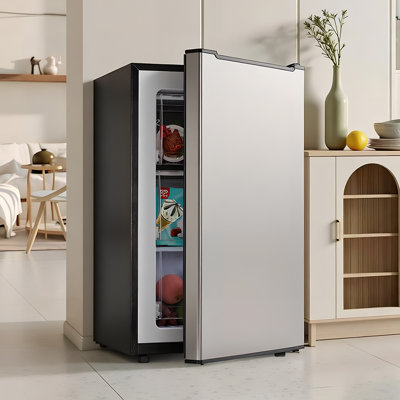
Upright freezers offer better organization but can lose more cold air when opened.
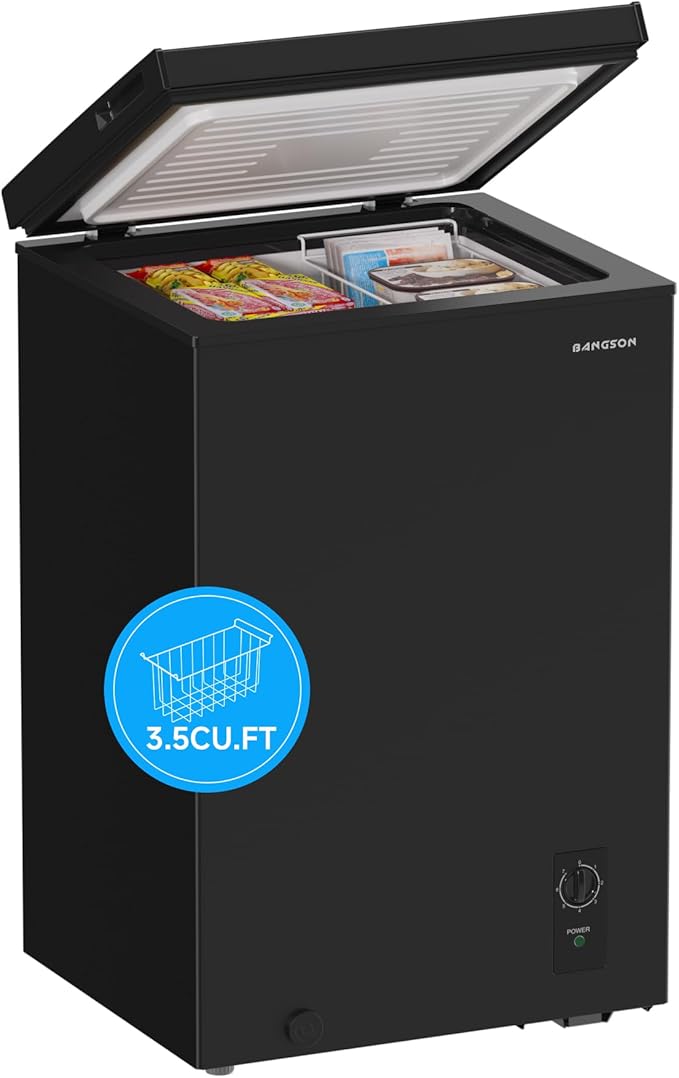
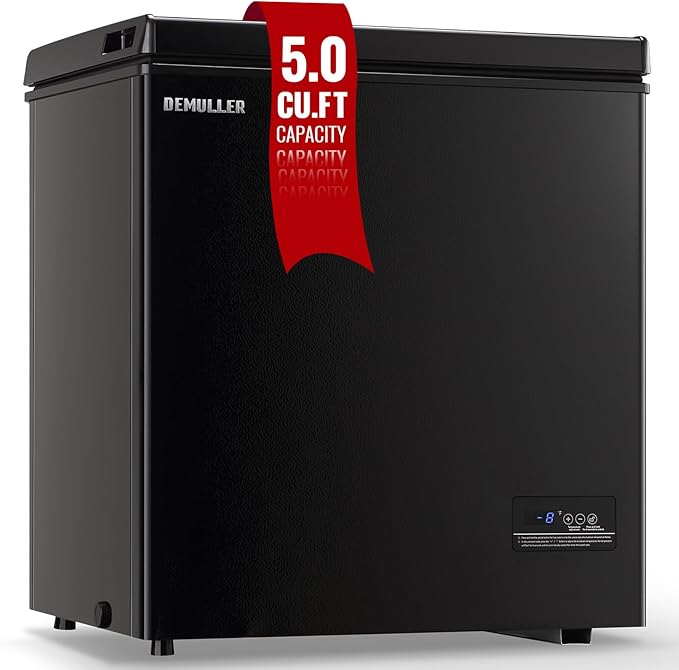
Chest freezers tend to hold temperature longer and use manual defrost, but they need more floor space.
If you need a heavy-duty storage option, you might also explore our best deep freezer for balanced macronutrient diet recommendations.
Check warranties and service
Look for models with extended coverage on defrost components—heaters, timers and fans. A two- to five-year warranty can save you hundreds if parts fail.
Frost free freezers deliver undeniable ease by eliminating ice buildup. Yet the problem with frost free freezers shows up in higher energy bills, extra maintenance and the risk of freezer burn. If you:
Value zero-ice convenience and don’t mind a bit of extra upkeep, a frost free model will serve you well.
Prioritize food quality, low running costs and simpler repairs, a manual-defrost freezer may be a smarter pick.
Whatever you choose, a few best practices go a long way: clean coils regularly, seal foods tightly, and organize your stock to minimize door-open time. With the right setup and maintenance routine, you can enjoy frozen goods just the way you like them.
From Fridge.com research
Figures below come from data Fridge.com builds and maintains. Each links to the record behind it.
Fridge.com Energy Index, built on U.S. EPA and DOE ENERGY STAR records
Across 5,455 ENERGY STAR certified refrigerators and freezers from 263 brands, median use is 360 kWh per year.