Manufacturers recommend ¼ to 1 inch of clearance on each side and at least 1 inch above for air circulation.
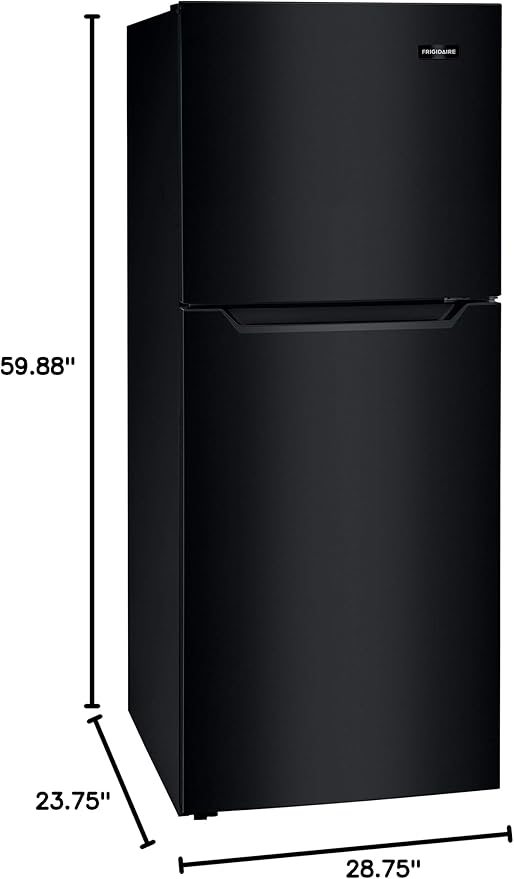
A 28 inch wide refrigerator typically measures about 27.5 to 28 inches from side to side, making it a “slim” or “narrow” option compared with standard 30-inch or larger models.
Most 28 inch wide refrigerators deliver enough room for weeknight meals, meal-prep containers, produce bins, and drink shelves.
Thinking about adding a 28 inch wide refrigerator to your home or workspace? A 28 inch wide refrigerator hits that sweet spot between compact design and ample storage capacity. Whether you’re outfitting a small apartment, an RV trip, a garage bar, or a busy family kitchen, this size offers versatility without overwhelming your floor plan. In this guide you’ll learn what makes a 28 inch wide refrigerator special, how to choose the right style and features, and tips for installation, maintenance, and efficient use.
By the end, you’ll feel confident picking a model that fits your layout, stocking it for breakfast, lunches, dinners, or craft-beer storage, and keeping it running smoothly for years.
28 inch fridge overview
Defining 28 inch wide refrigerator
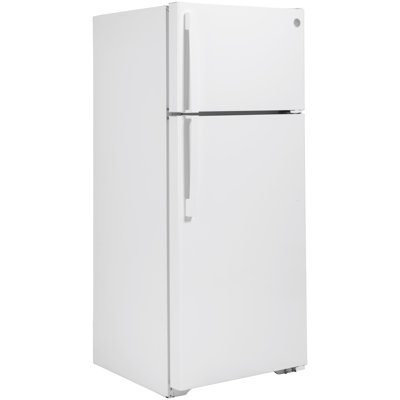
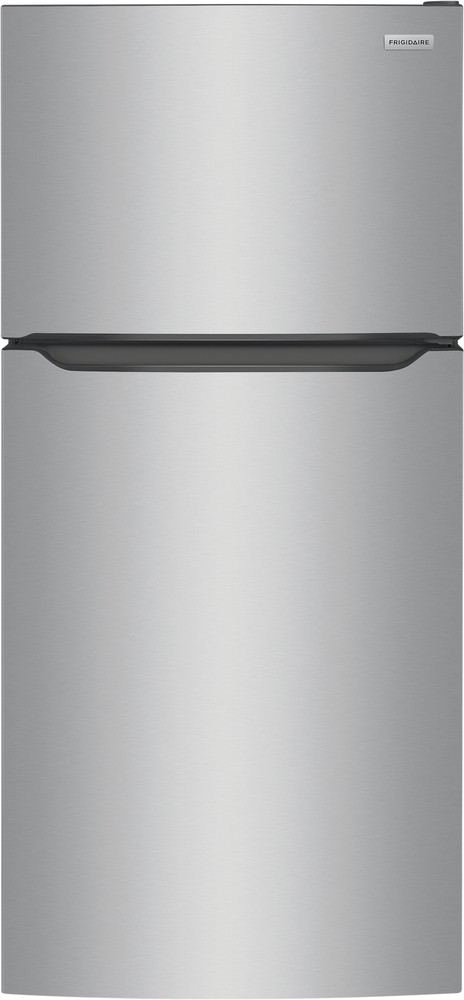
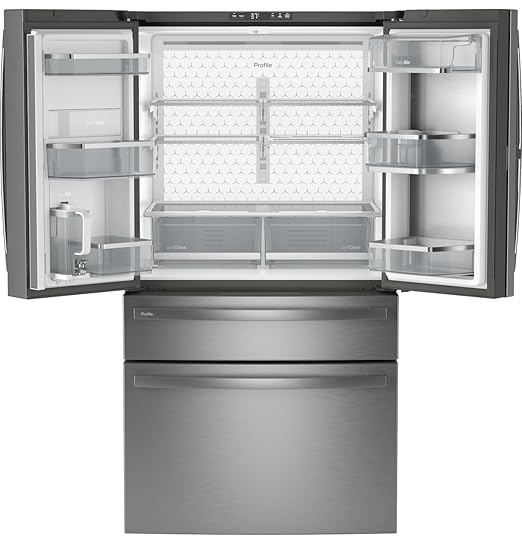
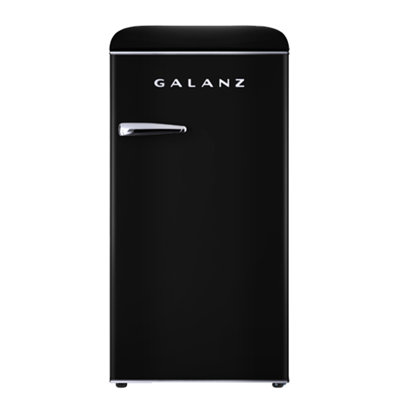
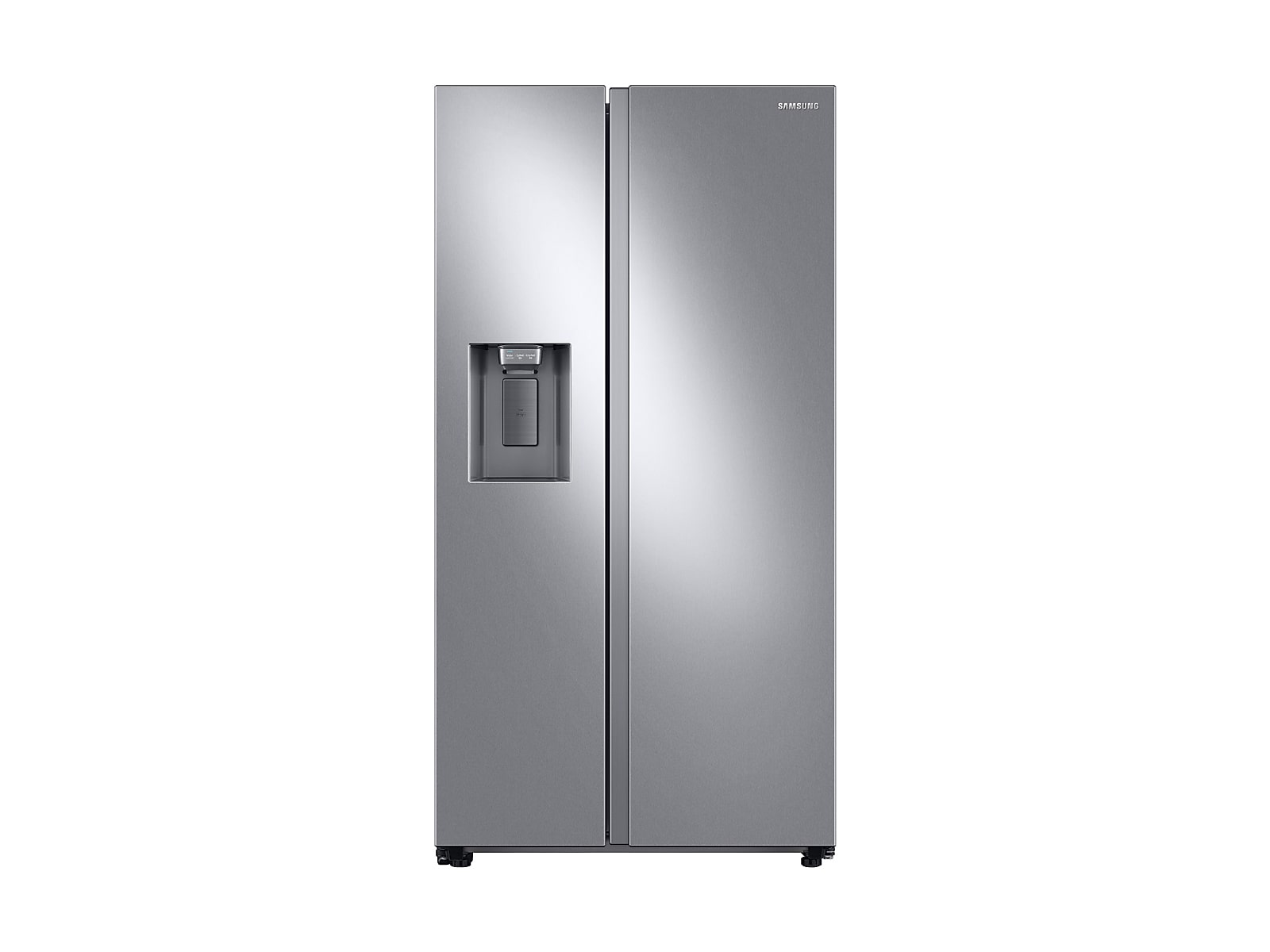
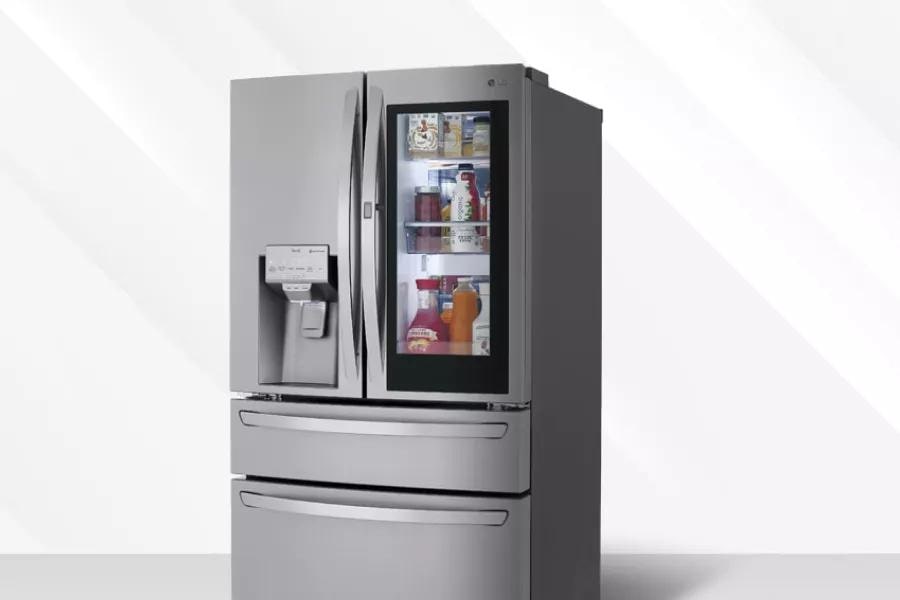
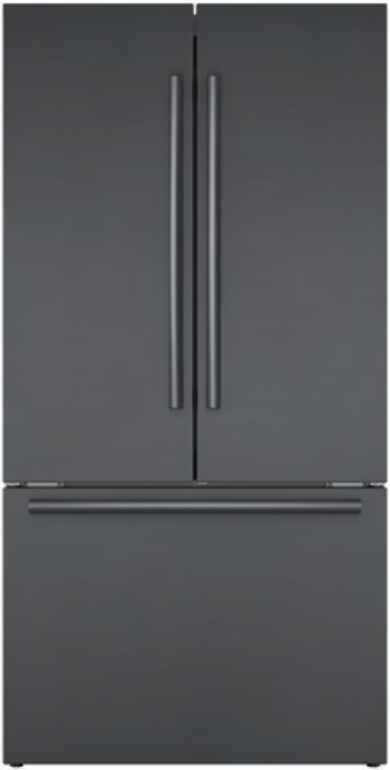
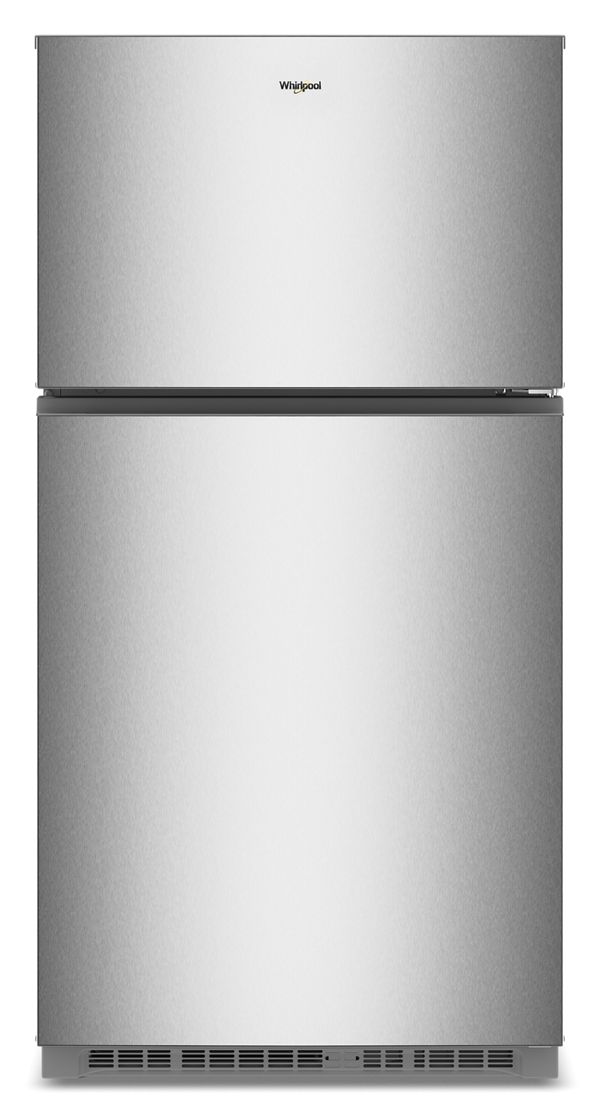
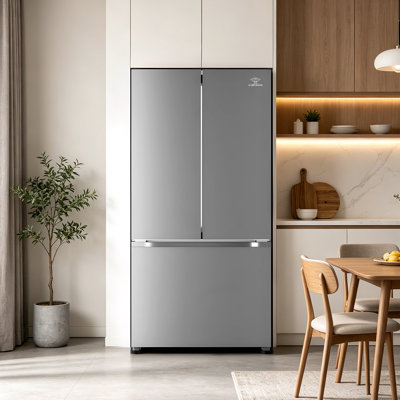
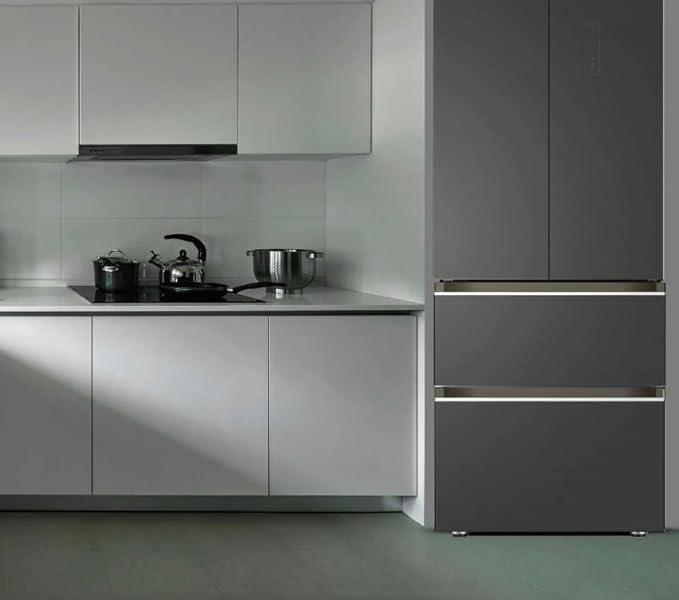
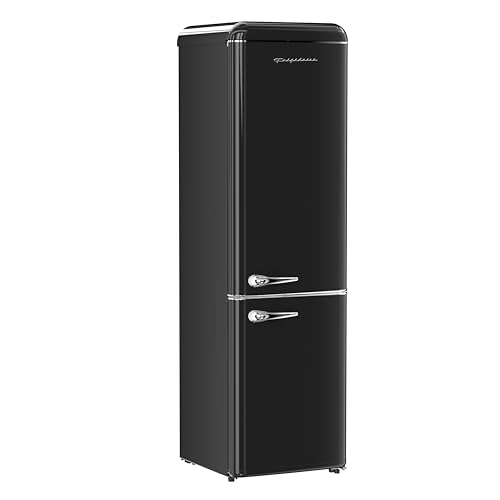
A 28 inch wide refrigerator typically measures about 27.5 to 28 inches from side to side, making it a “slim” or “narrow” option compared with standard 30-inch or larger models. Despite the reduced width, many 28-inch fridges offer 18 to 20 cubic feet of total capacity split between refrigerator and freezer compartments. You’ll see top freezer, bottom freezer, French door, and side-by-side configurations all available in this footprint.
Capacity and dimensions
Most 28 inch wide refrigerators deliver enough room for weeknight meals, meal-prep containers, produce bins, and drink shelves. Here’s a quick snapshot:
Total capacity: 18–20 cubic feet
Refrigerator space: 12–14 cubic feet
Freezer space: 4–6 cubic feet
Depth and height vary by style, so always check manufacturer specs. Counter-depth variants keep the front flush with cabinets but may offer slightly less interior space.
Suitable use cases
You might choose a 28 inch wide refrigerator if you’re:
Cooking in a small kitchen, studio apartment, or RV
Setting up an office, garage, or outdoor kitchenette
Entertaining friends and need extra cold storage
Storing craft beer, kegerator supplies, or wine collections
Meal-prepping for a family, hosting breakfasts through dinners
Balancing vegetarian ingredients, baby food, or specialty diets
If you need more freezer space, consider pairing a 28-inch fridge with a compact freezer or deep freezer in the garage.
Measure your opening from wall to wall, floor to ceiling, and floor to top of counter or hood. A 28 inch wide refrigerator needs at least 28.5 inches of door clearance. Factor in flooring thickness and a level surface.
Clearance and ventilation
Manufacturers recommend ¼ to 1 inch of clearance on each side and at least 1 inch above for air circulation. Tight spots can cause the compressor to overheat. If you’re installing in a cabinet alcove, review those specs carefully.
Door swing considerations
Think about how doors will open. Will they bump into cabinets or walls? If space is tight, a side-by-side or French door model may reduce needed swing. For built-in placement, see what fits in a built in refrigerator? for tips on flush installation.
Compare essential features
Storage configuration types
Different layouts affect what you can stow:
Adjustable shelves: move to fit tall bottles or platters
Crisper drawers: humidity-controlled for produce or deli
Door bins: covered and open bins for dairy or condiments
Freezer baskets vs drawers: ease of access vs visibility
Sketch out your typical load-in items and choose a config that suits.
Cooling systems
Modern fridges use one of two main cooling approaches:
Single-evaporator: shared refrigeration coil for both compartments, can cause odor transfer
Dual-evaporator: separate coils for fridge and freezer, better humidity control and odor isolation
Dual-evaporator systems often carry a premium but deliver fresher food longer.
Energy efficiency ratings
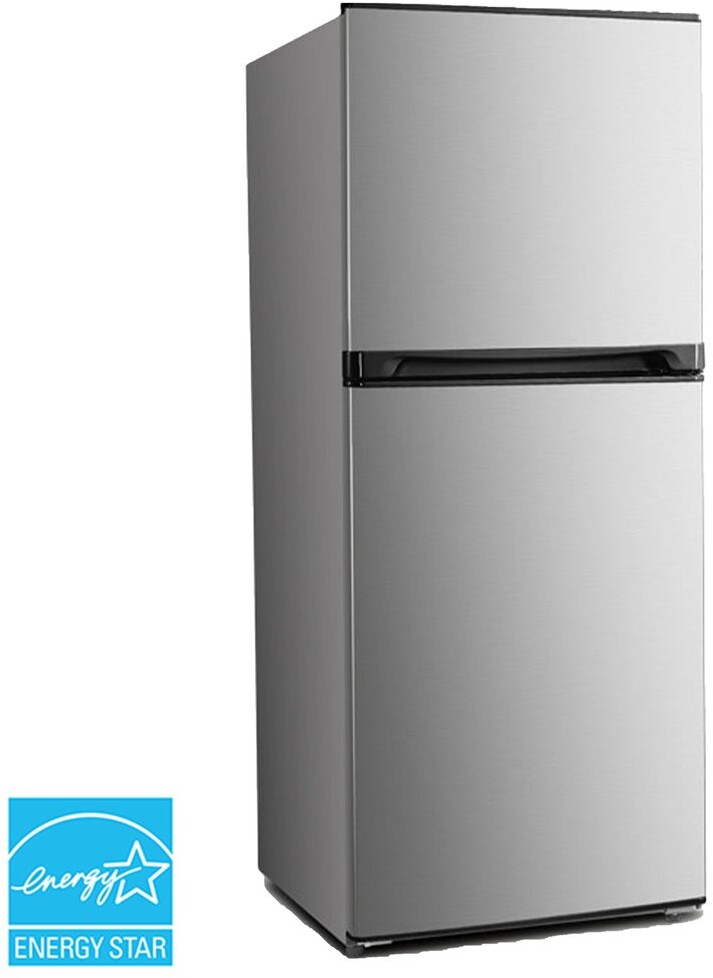
Look for the ENERGY STAR® label. A 28 inch wide refrigerator with good insulation, efficient compressors, and LED lighting can lower your electricity bill by 10–15%. Check the annual energy consumption (in kWh) so you can compare models side by side.
Noise and performance
If your fridge sits near living areas or home offices, noise matters. Quieter compressors and larger fans run at lower RPMs. Scan user reviews for decibel ratings. Anything under 40 decibels is generally unobtrusive.
Keeping your fridge spick-and-span preserves efficiency and food safety. Every one to two months:
Remove all items and toss expired food
Wipe down interior walls, shelves, and bins with mild soap and water
Sanitize high-touch areas like handles
How to defrost a freezer
If your model isn’t frost-free, follow our walkthrough on how to defrost a freezer. Briefly, you’ll unplug, let ice melt on towels, then wipe away water.
How to declutter a refrigerator
Every season, take a few minutes on our how to declutter a refrigerator guide. Sort by food type, rotate items forward, and label leftovers to keep your fridge organized and reduce waste.
Coil and filter care
Dirty coils force compressors to work harder. Twice a year:
Vacuum the back or beneath the fridge
Wipe coils with a coil-cleaning brush
Replace water and air filters per manufacturer instructions
Lower shelves: raw proteins on a tray to catch drips
Use clear bins for prepped meals or small packets.
Optimizing door compartments
Door bins tend to fluctuate in temperature, so reserve them for condiments, juices, and soft drinks rather than milk or eggs.
Specialty drawers and inserts
Many fridges include deli drawers, meat crispers, or adjustable humidity bins. Add stackable containers or shelf risers to eke out extra cubic feet and keep everything visible.
Basic 28 inch models start under $800. If you want ice makers, water dispensers, smart features, or dual-compressor setups, expect to pay $1,200–$2,000. Decide which features you’ll use daily versus occasional luxuries.
Warranty and support
Check for at least a one-year parts and labor warranty. Extended warranties or service plans can give peace of mind, especially if you’re installing in a commercial kitchen or office setting. If you need a dedicated office unit, explore our buy your office refrigerator today options.
Complete your purchase
Buying locations and retailers
You can shop major appliance stores, big-box retailers, or online appliance specialists. Remember to confirm delivery zones and installation fees.Compare current prices and specifications on Fridge.com, then buy from the retailer you choose; delivery, installation and warranty terms are the retailer’s.
Delivery and installation tips
Schedule delivery after other big items to avoid door damage
Keep original packaging until installation is complete
Measure doorways and hallways for clearance
If you’re installing in a tight space, consider professional installers who handle leveling and hook-ups.
Financing options and deals
Many retailers offer 0% financing or deferred payment plans. Watch for holiday sales—Presidents Day, Memorial Day, or year-end clearance events can save 10–20%. Sign up for retailer newsletters to snag coupons on exclusive bottom freezer models or retro fridges.
In spring and fall, give your fridge a quick tune-up:
Clean condenser coils
Check door seals for gaps
Defrost manually if frost builds up
Energy saving habits
Keep the fridge 35–38°F and freezer at 0–5°F
Avoid overpacking to allow air circulation
Open doors only when needed and close promptly
Longevity and care
Rotate stock so older items get used first
Avoid placing hot food directly inside
Level the fridge so doors seal correctly
A little attention goes a long way toward a reliable, efficient 28 inch wide refrigerator that serves you for years.
Whether you’re a home cook meal-prepping for the week, a parent storing baby food, a craft beer enthusiast, or outfitting a dorm room or outdoor kitchen, a 28 inch wide refrigerator balances space and performance. Follow these guidelines, pick the right style, and keep it maintained—and you’ll enjoy fresh, cold foods at your fingertips every day.
From Fridge.com research
Figures below come from data Fridge.com builds and maintains. Each links to the record behind it.
Fridge.com Energy Index, built on U.S. EPA and DOE ENERGY STAR records
Across 5,455 ENERGY STAR certified refrigerators and freezers from 263 brands, median use is 360 kWh per year.