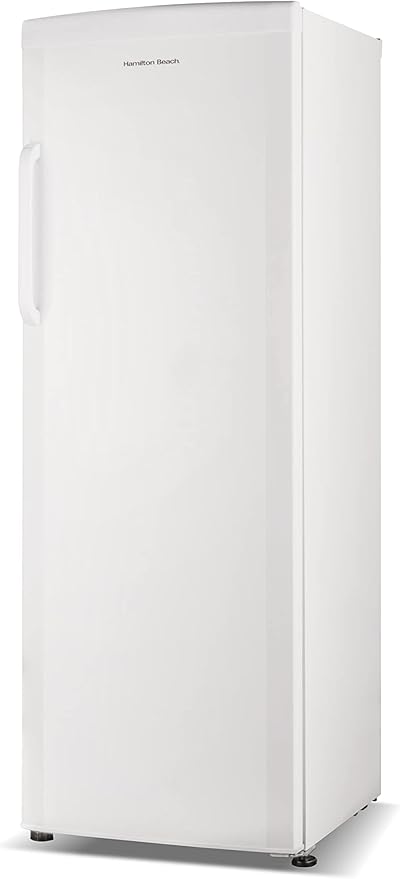
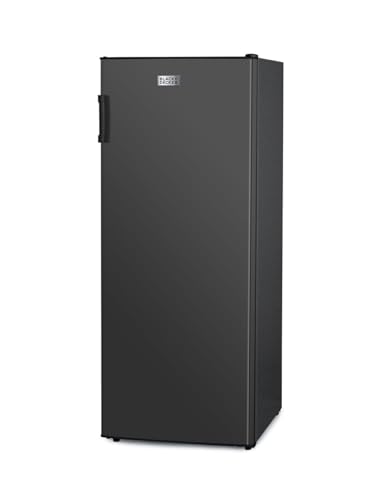
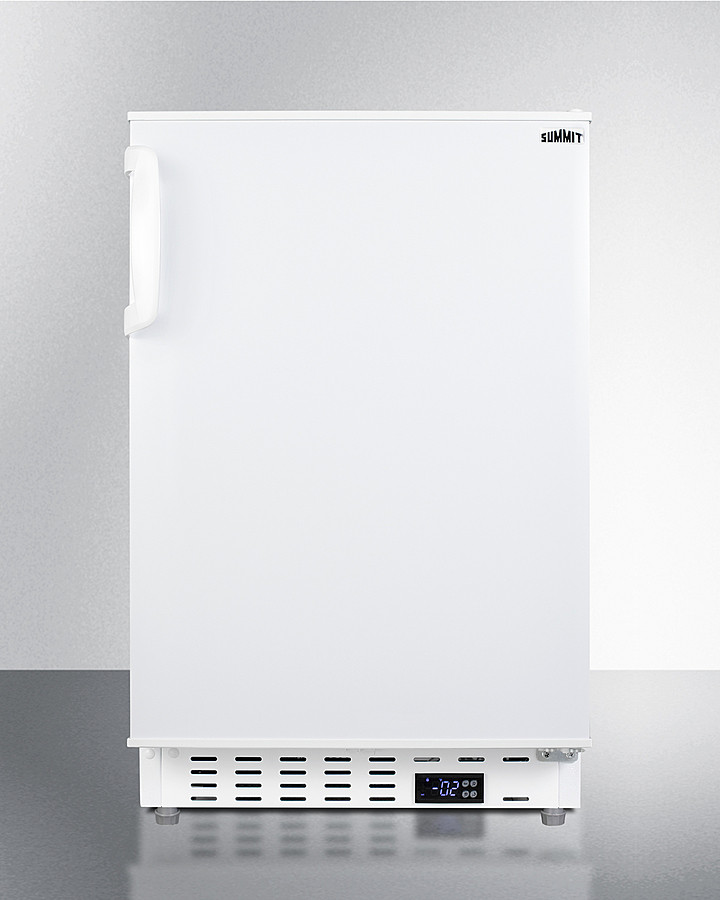
Alright, here's the scoop on defrosting your freezer—yeah, it might seem like a Herculean task, but it's much easier than wrestling with a polar bear. Plus, it's key for making sure my freezer doesn't gobble up energy like a hungry monster and my food stays fresh and happy. Let's dive into why this is crucial, how to spot when it’s time for a de-icing party, and safety tips to keep fingers and toes safe.
Why Defrosting Your Freezer Is Important
Defrosting the freezer is like giving it a spa day—it helps get rid of that pesky ice blanket, which otherwise makes my appliance work extra hard for no good reason. Ice buildup means less room for TV dinners and ice cream pints, and more power usage, which translates to those dreaded utility bills. Keeping it ice-free helps with energy efficiency and extends the freezer’s chill life.
Benefits of Defrosting
Explanation
Improved Efficiency
Bye-bye, ice! Hello, better air flow.
Increased Storage
More space for all my frozen treasures.
Enhanced Food Preservation
Keeps everything cold without breaking a sweat.
Signs That Your Freezer Needs Defrosting
Knowing when to roll up my sleeves and defrost can save me from turning my freezer into an ice cave. Here's what to watch out for:
Sign
Description
Excessive Ice Buildup
Frost or ice taking over the walls like snow in winter.
Reduced Storage Capacity
Playing tetris with groceries 'cause ice hogs space.
Longer Freezing Time
Food gives a sluggish "meh" when it should freeze quick.
Unusual Sounds
Freezer sounds like it's juggling maracas—never a good sign.
Safety Precautions Before Starting
Before lunging at that ice, here's how I make sure not to turn my kitchen into a water park:
Unplug the Freezer: Yanking the plug out is my first step—electric shocks aren't on my to-do list.
Find a Place for My Food: Use another working freezer or suitable cold storage, and monitor food temperature. Do not rely on improvisation or touch to establish food safety.
Get Towels & Containers: Towels are handy for catching that melt parade, and containers for pooling water.
Wear Gloves & Comfy Clothes: Rocking gloves keeps hands from freezing off—trust me, it makes a difference.
With these tips in mind, defrosting happens without a hitch. And if my fridge gives trouble, interesting reads like how long is chicken good for in the fridge? have got me covered.
Getting the hang of freezer TLC means it's easy breezy keeping everything fresh and chilled—just how I like it!
Getting your freezer ready to show off its new frost-free look takes a bit of planning, but trust me, it’s worth it. Here's my routine for a hassle-free defrost experience—cause nobody wants a hassle, right?
Gather the Necessary Supplies
Before I dive in, I make sure I've got all my gear together. Here's my trusty list of essentials:
Supply
Why I Use It
Towels
For soaking up water and keeping the floor happy
A couple of buckets
Catch that water drip-drop from the freezer
Manufacturer-permitted nonmetal tool, if applicable
Use only as the manual permits after frost softens; never chip or force ice
Owner’s manual
Check permitted defrost methods; do not improvise with heat
Trash bags
Goodbye old food, hello tidy freezer
Having these supplies on hand is like having a superpower—it makes the process a breeze. And oh, I also keep any freezer goodies nearby, just in case I need to peek at them while I'm at it.
Preparing the Space for Defrosting
Once I'm armed with my supplies, I set the stage around the freezer. I clear off any nearby surfaces for all the treasures coming out of the deep freeze. Let’s do this step-by-step:
Empty the Freezer: Move food to another working freezer or suitable cold storage and monitor food temperature.
Look for Old Food: As I’m digging through, I toss anything that’s seen better days. Good time for a cull.
Clear the Floor Space: Need to make sure there’s space for the melting ice to end up, so no slip-n-slide action happens.
With everything in place, I’m ready to roll. Defrosting becomes a walk in the park, minus the frostbite. Who knew defrosting could be this easy, right?
Step-by-Step Defrosting Guide
I’ve got to tell you, defrosting my freezer feels like the kind of task I'd avoid if I could, but simplifying the process makes it way easier. Here's my go-to approach—tips and tricks included.
Emptying the Freezer
Move food into another working freezer or suitable monitored cold storage before defrosting. Ordinary bags and containers do not keep food safely cold by themselves. The links below concern refrigerated storage, not permission to leave food out during defrosting.
Food Item
Duration in Fridge
Cooked Chicken
How long is chicken good for in the fridge?
Cooked Rice
How long is cooked rice good for in the refrigerator?
Cooked Beef
How long does cooked beef roast last in the fridge?
Butter
How long will butter keep in the fridge?
Bread
How long does bread last in the refrigerator?
Once everything’s out, I inspect the food. Anything that has seen better days? Out it goes.
Defrosting Methods: Manual Vs. Frost-Free
Your appliance design determines the defrost method. Follow the exact model manual; manual-defrost and automatic-defrost designs are not interchangeable operating choices.
Manual Defrosting: For the unplug-and-wait model, I just pull the plug and let nature take its course. Towels are a lifesaver for catching escaping water when the ice starts to disappear.
Frost-Free Models: My frost-free buddy takes care of all the icy drama by itself, keeping everything running smoothly with a defrost cycle. Less hassle for me, which is a win!
The appliance design determines whether it uses manual or automatic defrost. Follow the owner’s manual; unusual ice buildup in an automatic-defrost freezer may require troubleshooting or service. For more deets, check out how to defrost a freezer.
Speeding Up the Defrosting Process
Got no time to waste? Here’s how I add a little turbo to the defrosting hustle:
Water-assisted methods: Use warm water only if your exact model manual expressly permits it, following its container and surface-protection directions. Do not use boiling water or improvise a heating method.
Natural Air Circulation: Let room air circulate naturally with the freezer switched off and open as directed by its manual. Keep electrical appliances away from meltwater; do not use them to accelerate defrosting.
Removing Loose Frost: Let frost soften. Use a plastic or wooden tool only if the manual permits it; never chip, pry or force ice, and never use sharp tools.
These little tricks have shaved down defrosting time, helping me get my freezer back to being my food's favorite hangout spot in no time.
Keeping my freezer spick-and-span is key to making sure it runs just right and stays hygienic. After I defrost, I tackle that pesky ice buildup, give the interior a good scrubbing, and think about how I can keep it from freezing over again.
Removing Ice Buildup
That frost inside can make your freezer huff and puff a bit too much. If it starts looking like the North Pole when you open the door, it’s time for some action. I find that the best time to handle it is when defrosting. Let frost soften first. Use a plastic or wooden spatula only if the owner’s manual permits it, and never chip or force stubborn ice. Do not use a hair dryer, heater, knife or other sharp tool.
Frost Level
My Weapon of Choice
Bit of Frost
Warm towel
Fair Amount
Let frost soften; use a nonmetal tool only if the manual permits
Wall of Ice
Allow frost to melt using the owner’s manual; never use a hair dryer or heater
Don't forget to have a container handy to catch all that melted mess.
Cleaning the Freezer Interior
Once the ice is history, I dive into cleaning the inside with some warm water mixed with mild detergent. This spruces it up and kicks any cheeky odors or germs to the curb. A soft cloth or sponge does the job nicely, letting me scrub every corner, shelf, and bin.
My Cleaning Arsenal
What It's Good For
Warm water
Cleans it all up
Mild detergent
Fights the grime
Soft cloth/sponges
Makes sure I'm gentle
Afterward, I rinse away the soap with clean water and dry everything off with a fresh towel. This keeps dampness—and future frost—from creeping back in.
Preventative Maintenance Tips
To keep my future self from having to defrost too often, here are some tricks up my sleeve:
Stay Neat and Tidy: A neatly arranged freezer keeps air moving just right. I avoid cramming stuff in there, which helps keep temperatures even.
Quick Like a Ninja: I try not to dawdle too long with the door open. A fast search means less warm air sneaks in, saving energy.
Temperature Vigilante: I keep my eye on the temp, making sure it’s a cool 0°F (-18°C) or below. I check handy guides for things like how long chicken stays fresh and how long cooked beef roast lasts.
Seal Deal: A dodgy door seal can invite in warm air, so I check it often to make sure it’s sealing tight.
By sticking to these cleaning and maintenance habits, I keep my freezer running like a champ and it remains my trusty kitchen sidekick.
After tackling the frosty build-up and turning my freezer into an Arctic wonderland, it's time to put everything back in its cozy home. This keeps things running like a dream and gets the most out of my cooling cave.
Drying and Reassembling the Freezer
With the ice age behind me, I give the inside of the freezer a good wipe-down with a clean cloth. This helps keep pesky frost monsters from coming back too soon. I make sure to give some extra love to the corners and seals where moisture loves to hang out.
Once it's all dried up, I put shelves and bins back where they belong. Making sure they're snug prevents avalanches and keeps the chill flowing just right.
Turning the Freezer Back On
After drying and reassembling the freezer, follow the model’s restart instructions. Verify 0°F (-18°C) or below with an appliance thermometer before returning frozen food; elapsed time or a cold feeling does not verify temperature.
Step
Action
1
Plug it back in
2
Set to 0°F (-18°C)
3
Follow the model’s restart instructions and verify 0°F with an appliance thermometer before returning frozen food
Organizing Your Freezer After Defrosting
Once an appliance thermometer verifies 0°F (-18°C) or below, return safely stored food. Keeping similar items together is a game-changer for finding grub in a snap. Here's my game plan:
Bins are Best: Clear bins are my secret weapon for keeping veggies, meats, and meals sorted.
Labels Save Lives: Labeling shelves and bins is like having a map to a treasure trove.
Storage Check: Use labels to rotate food, but assess safety from storage history. A date label alone does not establish safety.
By getting my freezer sorted, I always know what's chilling in there. Plus, it stops me from buying too much and chucking food unnecessarily. If you’re curious about how long your fridge can keep sushi fresh, be sure to check Fridge.com piece on how long sushi will last in my fridge?.
Restarting and organizing my freezer makes it purr like a kitten and keeps it going strong, so I can relax knowing everything's in top shape.
Free tool
Food Storage Calculator
Free interactive tool from Fridge.com — get a quick answer while you read.