Most manufacturers recommend around ½ in of clearance above for proper airflow, plus about 1 in behind the unit to accommodate coils, wiring, and water lines.
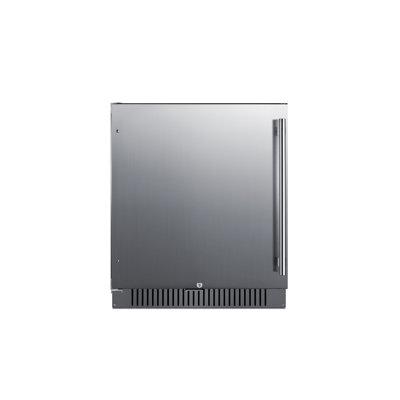
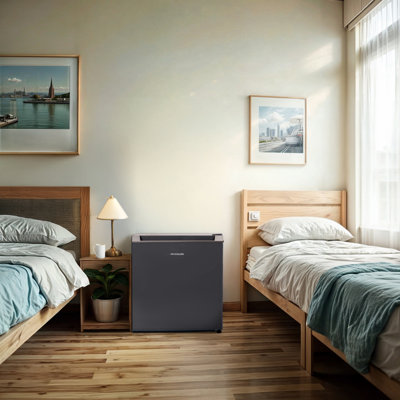
24 in and under: ideal for tight niches, mini kitchens, and undercounter installations.
Most residential fridges run on a standard 120 V outlet with a dedicated circuit.
If you’re shopping for a 30 – 35.8 in wide refrigerator, you’re probably balancing limited space with the need for organized fresh food, crisp vegetables, and frozen favorites.
If you’re shopping for a 30 – 35.8 in wide refrigerator, you’re probably balancing limited space with the need for organized fresh food, crisp vegetables, and frozen favorites. Whether you’re upgrading a home kitchen, stocking a commercial break room, or fitting an RV galley, this width range hits the sweet spot between compact footprint and usable capacity. In this guide, you’ll learn how to measure your opening, compare popular fridge styles, size up storage, check installation requirements, and keep your new unit running smoothly. Let’s get started.
Understand refrigerator widths
Why width matters
Choosing the right refrigerator width ensures a proper fit in your kitchen or workspace, prevents installation headaches, and maximizes your storage without crowding walkways. A too-narrow model might leave unused gaps, while a too-wide unit won’t slide through your doorway or fit into a cabinet cutout. With a 30 – 35.8 in wide refrigerator, you’re targeting a popular category that works well for families, dorm rooms, studio apartments, outdoor bars, and even small commercial kitchens.
Standard width categories
Refrigerators typically come in several standard widths:
24 in and under: ideal for tight niches, mini kitchens, and undercounter installations
28 in: a slim profile with moderate capacity—you can explore our 28 inch wide refrigerator guide for details
30 – 35.8 in: a balance of space savings and storage, our focus here
36 in and above: full-size units, common in larger kitchens and built-in designs
30 – 35.8 inch range
In this mid-range width, you’ll find models starting at 30 in that offer around 18–20 cubic feet of total capacity, up to roughly 35.8 in units approaching 24 cubic feet. That capacity typically translates to enough room for weekly grocery runs, large platters for entertaining, meal-prep containers, and kegerator setups for craft beer fans.
Comparing other sizes
If your space is tighter than 30 in or you only need a compact undercounter fridge, check out the 28 inch wide refrigerator lineup. On the flip side, if you have a full 36 in opening and want maximum capacity, our resource on will a 36 refrigerator fit in a 36 opening? can help you decide whether to bump up a size.
First, measure the width of the rough opening or the space between cabinets. Use a reliable tape measure and record the narrowest point, as walls and trim can vary. If you’re installing a built-in refrigerator, confirm the exact cutout dimensions and compare them to manufacturer specs.
Account for clearance
Refrigerators need breathing room for ventilation and door swing. Aim for:
¹⁄₈ in gap on each side for freestanding models
¹⁄₂ in above the cabinet cutout
1 in at the back for air circulation and hoses
Sides
Allow at least ¹⁄₈ in on each side so the fridge doesn’t pinch against cabinetry or walls when it vibrates.
Top and back
Most manufacturers recommend around ½ in of clearance above for proper airflow, plus about 1 in behind the unit to accommodate coils, wiring, and water lines.
Door swing
Check the door swing radius once you add handles and shelves. You may need extra space in front or to the side so doors can open fully without hitting an island or wall.
Compare fridge types
When shopping in the 30 – 35.8 in width bracket, you’ll find several popular styles. Here’s a quick comparison:
Fridge type
Typical capacity
Pros
Cons
Top freezer
14–18 cu ft
Affordable, energy efficient
Smaller fresh-food section
Bottom freezer
16–20 cu ft
Fresh food at eye level
Freezer drawer can limit bulk
Side-by-side
18–22 cu ft
Narrow doors, good organization
Slim shelves, less width
French door
20–25 cu ft
Wide shelves, flexible storage
Higher price point
Counter depth
18–24 cu ft
Flush look, sleek design
Reduced depth cuts capacity
Top freezer refrigerators
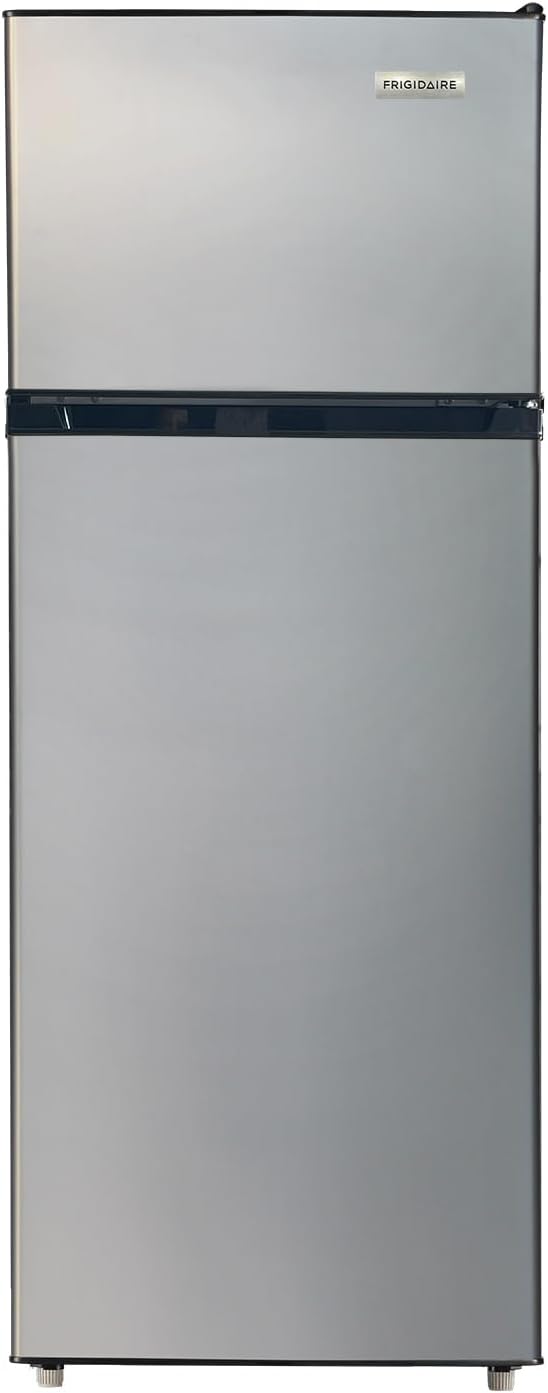
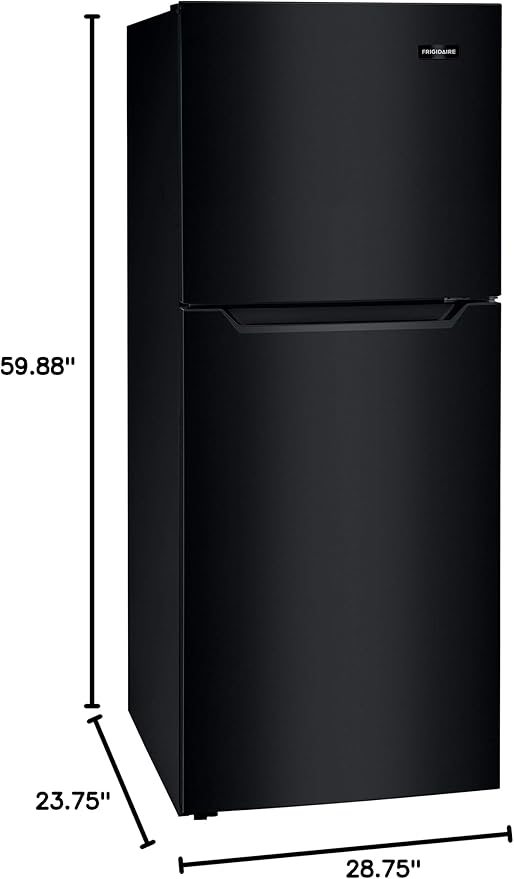
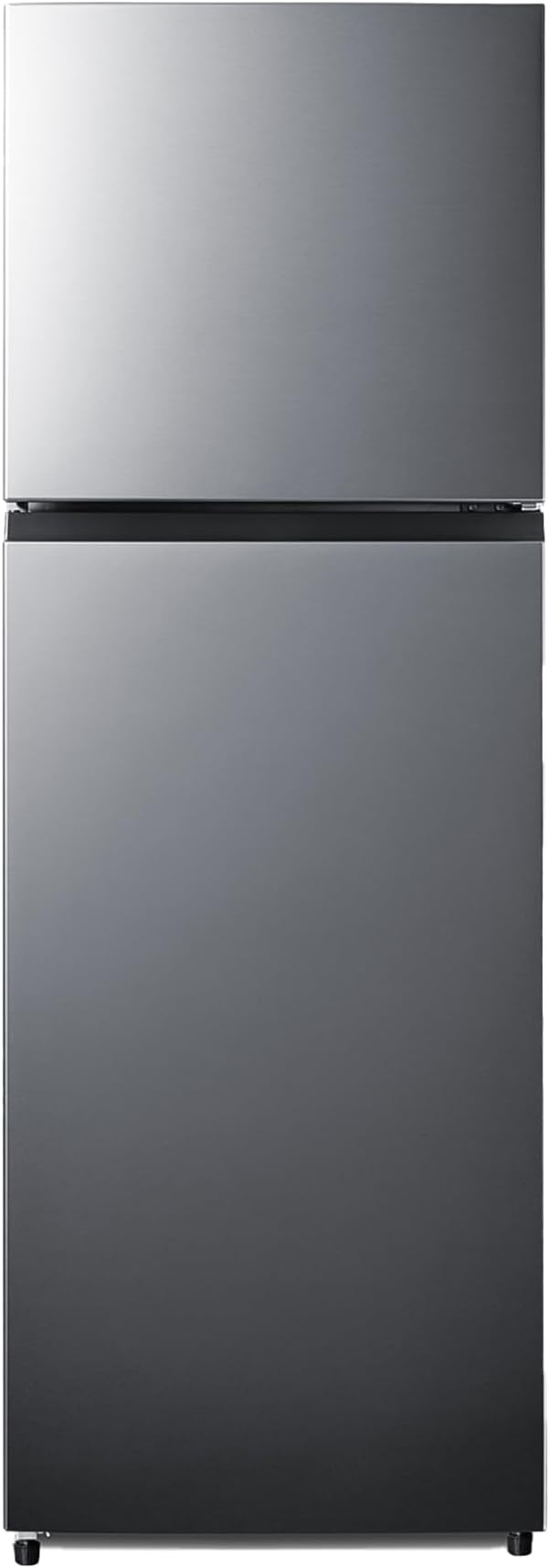
These traditional models are often the most budget-friendly. You get a compact freezer on top and a moderately sized fridge below—great for garages, office kitchens, or second-unit needs.
Bottom freezer refrigerators
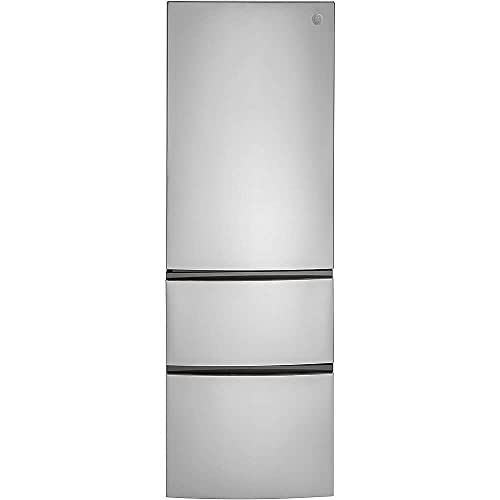
Flip the layout for easy access to fresh food at eye level. The pull-out freezer drawer holds frozen meals and ice packs neatly, making these a favorite for families.
Side-by-side refrigerators
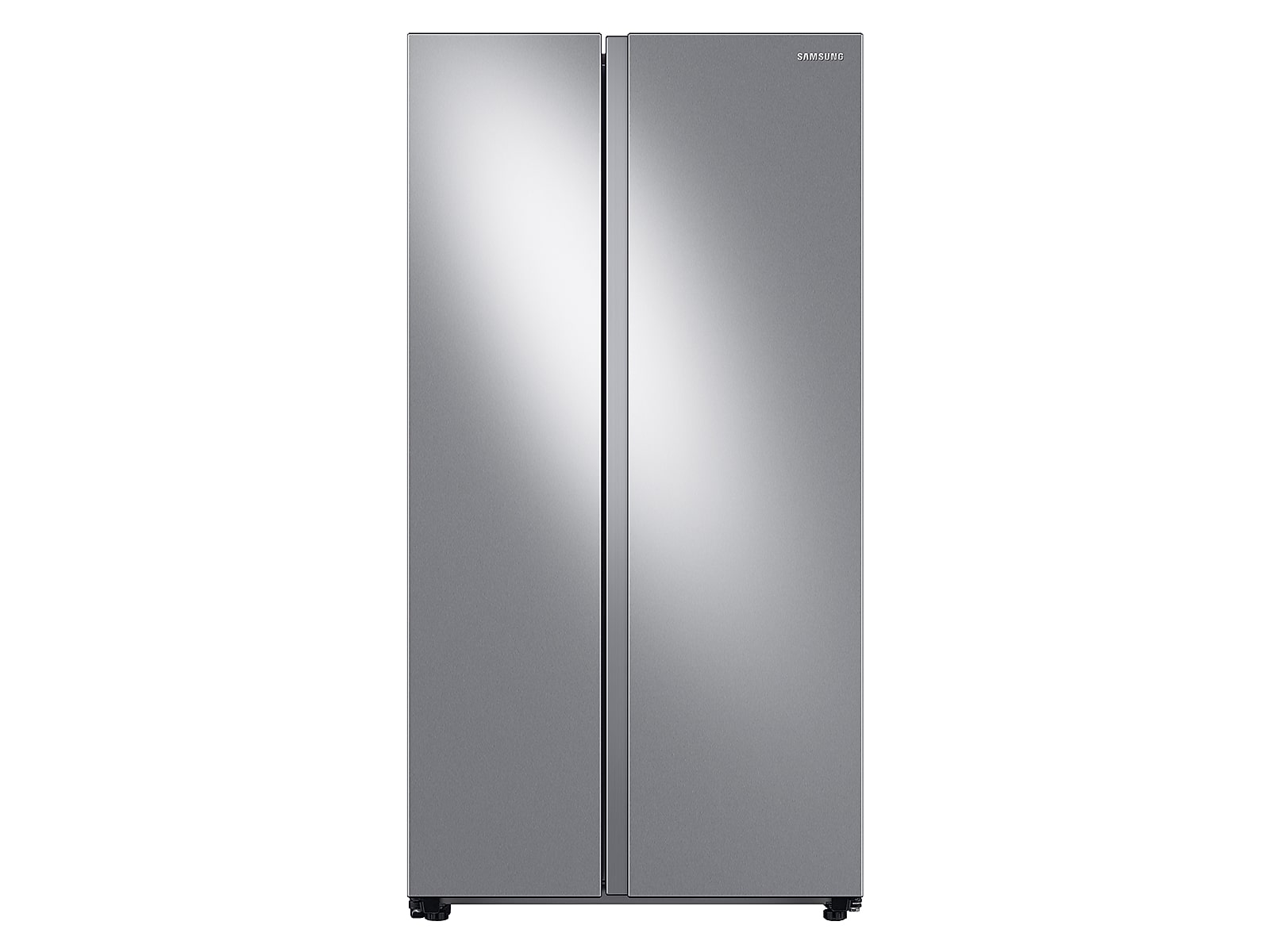
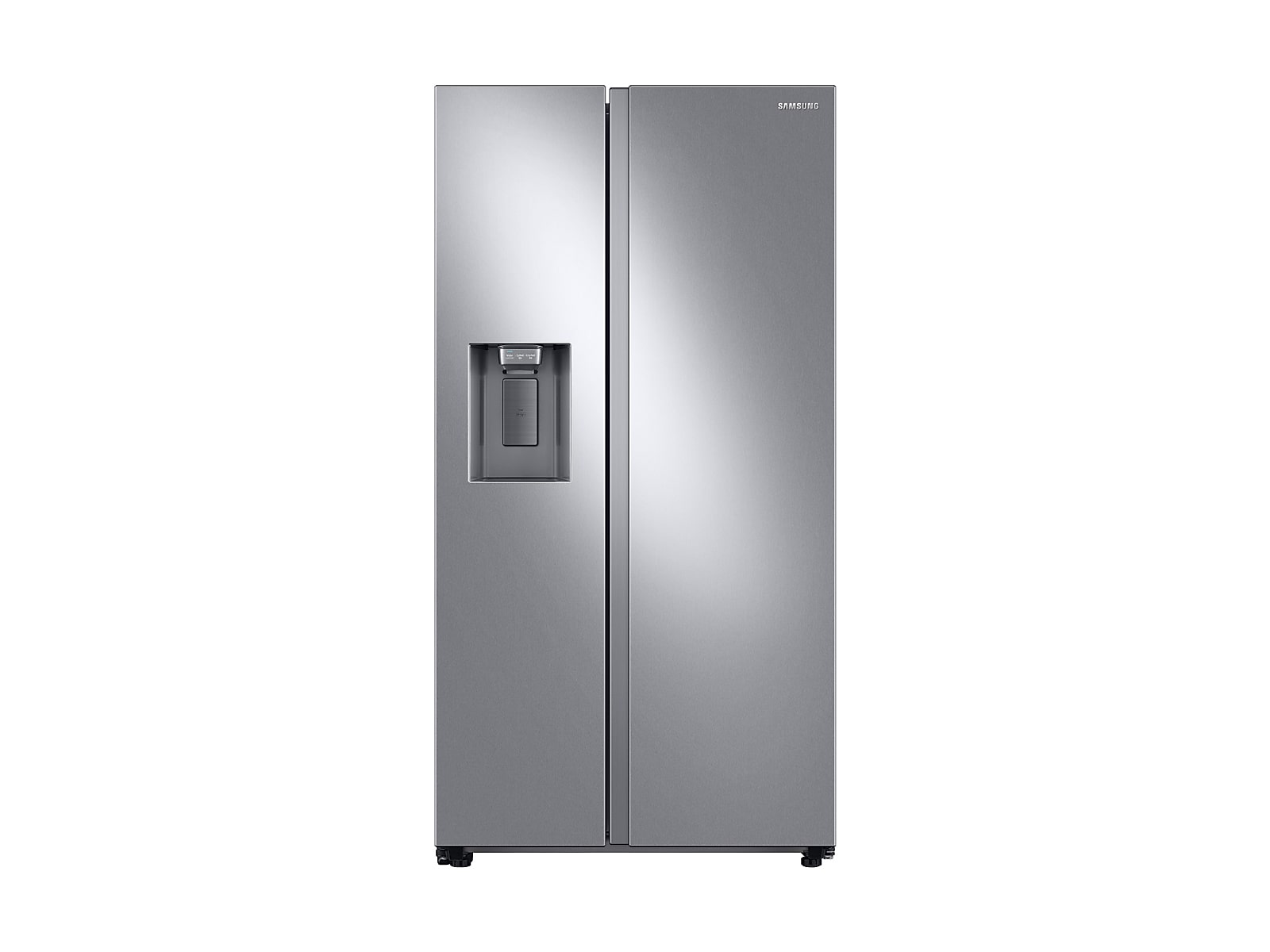
With vertical freezer and fridge compartments, side-by-sides fit well in narrow kitchens. You can reach into the freezer without bending, but shelves are often narrower.
French door refrigerators
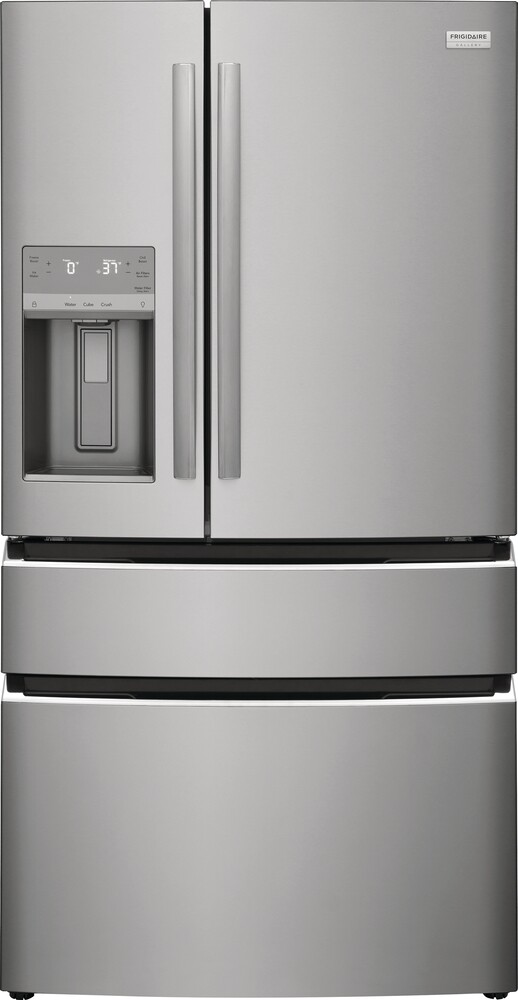
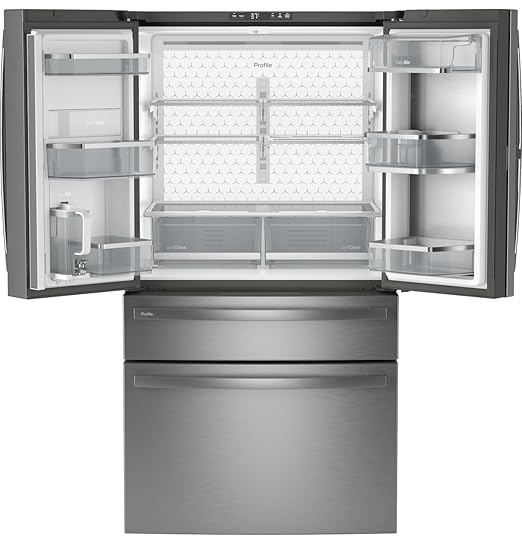
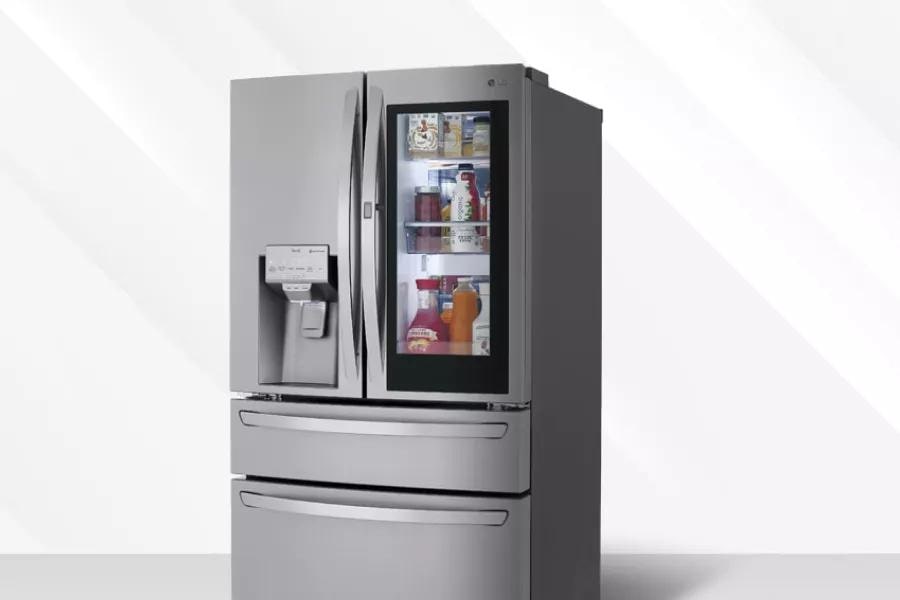
Combine a double-door top fridge with a bottom freezer drawer. In a 30 – 35.8 in footprint, you’ll still get wide shelves and crispers, plus energy savings when you open only one top door.
Built-ins slide into framed openings and can be customized with panel-ready doors. If you’re planning an integrated installation, see what fits in a built in refrigerator? for guidance on capacity and clearance.
Look for adjustable glass shelves, humidity-controlled crisper drawers, deli drawers, and versatile door bins. These features help you organize produce, bottles, and meal-prep containers without wasting vertical space.
Freezer compartments
Decide whether you want sliding drawers, fixed shelves, or door bins in the freezer. Drawers often make it easier to see and access frozen pizzas, ice cream tubs, and bulk-packed meats.
Specialty features
Door-in-door access for quick snacks
Built-in ice makers or water dispensers
Smart controls with temperature zones
Quick-freeze or vacation modes
Prioritize the features you’ll actually use—extra bells and whistles can raise the price without adding everyday value.
Before you commit to a model, simulate the door swing in your kitchen. Full-swing doors need about 60 in of clearance in front; 90-degree stops may reduce that, but you still need enough room to slide shelves and drawers open. If you’re unsure how your opening compares to a 36 in cutout, refer to will a 36 refrigerator fit in a 36 opening?.
Electrical and ventilation
Most residential fridges run on a standard 120 V outlet with a dedicated circuit. Hard-wired commercial units may require different power specs. Always follow the manufacturer’s clearance guidelines for vents to avoid overheating.
Leveling and floor support
Check that your floor is level and strong enough to handle a fridge weighing 200–350 lb. Use leveling legs or shims to ensure the doors seal properly and the unit doesn’t rock when you open drawers.
Maintain your refrigerator
Clean coils regularly
Dirty condenser coils force your compressor to work harder, wasting energy and shortening the fridge’s lifespan. Every six months, vacuum or brush the coils—learn easy techniques in our how to clean deep freezer coils guide.
Defrost freezer when needed
Even frost-free freezers can build up ice around vents and drawers. If you notice thick ice layers or reduced freezer space, follow our step-by-step tutorial on how to defrost a freezer. Regular defrosting keeps airflow consistent and prevents temperature fluctuations.
Organize interior for airflow
Avoid blocking vents with tall items. Keep heavier foods on lower shelves and lighter items up top. Label and date meal-prep containers to minimize how long items sit in your fridge or freezer.
Fridge.com offers a curated selection of 30 – 35.8 in wide refrigerators across top brands. You can filter by style, capacity, energy rating, and price so you zero in on models that fit your needs—whether you’re feeding a family of four, stocking a campus café, or keeping craft beer cold in your garage bar.
Financing and delivery
Flexible financing options help you budget big-ticket appliances. Fridge.com partners with reliable carriers to handle delivery and curbside drop-off. Need inside delivery or haul-away of your old unit? You can add those almost anywhere checkout is available.
Installation support
Unsure about clearances or hookups? Contact Fridge.com customer service for pre-purchase guidance. They’ll help you confirm measurements, suggest the right installation kit, and schedule pro installation in select markets. For a straightforward office setup, you can also explore buy your office refrigerator today.
Ready to find your perfect 30 – 35.8 in wide refrigerator? Compare 30 to 35.8-inch wide refrigerators on Fridge.com, then buy from the retailer you choose; delivery and support are the retailer’s. With the right measurements, style, and maintenance plan, you’ll have a reliable fridge that fits your space and lifestyle for years to come.