Multiply that by 3.5 and you get the total space you can use for frozen goods.
For example, at 250 kWh/year and $0.13/kWh, you’d spend about $32.50 a year or around $2.70 per month.
Verify room temperature isn’t outside the operating range (usually 0°F to 110°F).
A 3.5 cubic freezer hits the sweet spot between capacity and footprint, making it ideal for chefs, families, students, pet owners, and outdoor enthusiasts alike.
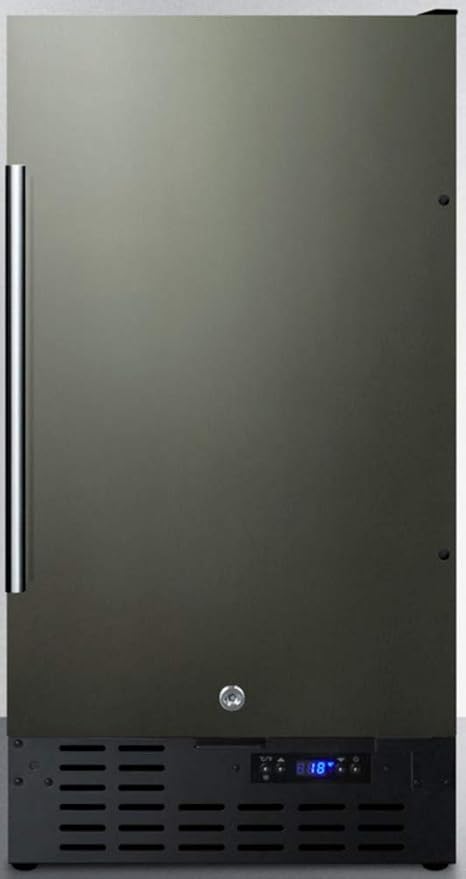
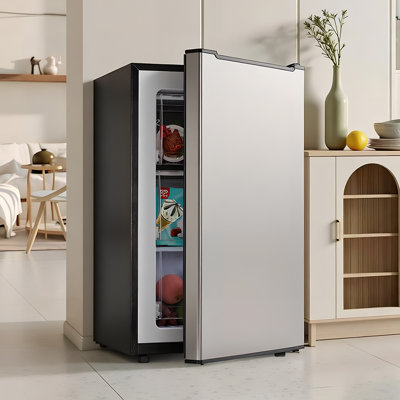
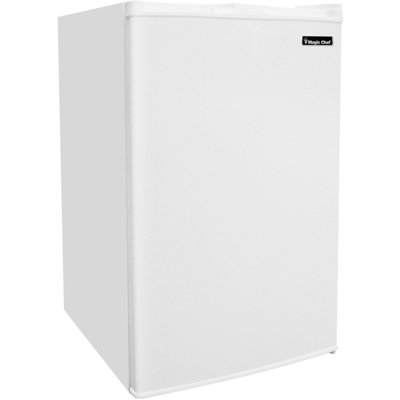
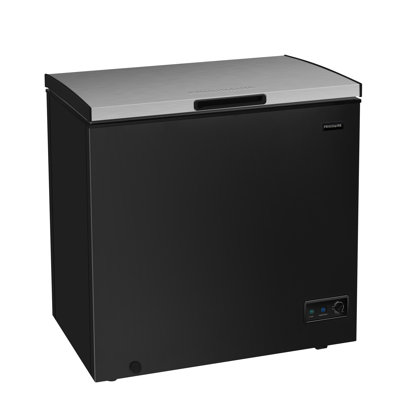
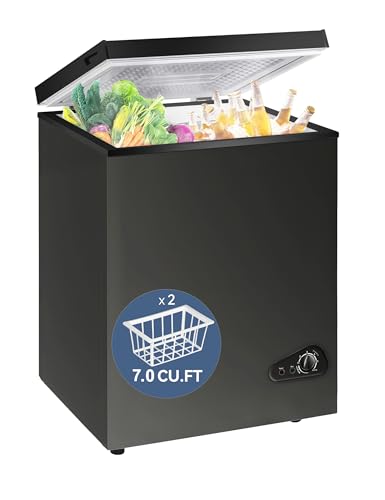
You’ve probably run out of freezer space more times than you care to admit, and that’s where a 3.5 cubic freezer comes in handy. With roughly 3.5 cubic feet of capacity, this compact powerhouse fits into tight nooks—garage corners, dorm rooms, tiny apartments—and still holds enough to stock up on family-size frozen meals, craft beer ice, or bulk produce. Whether you’re meal-prepping for the week, entertaining friends, or outfitting a commercial kitchen’s overflow, a 3.5 cubic freezer delivers targeted cold storage without overwhelming your floor plan.
In this guide you’ll learn how to size up your needs, pick the right style, factor in energy use and placement, keep performance consistent, troubleshoot hiccups, and see how a 3.5 cubic freezer stacks up against other options. By the end you’ll feel confident choosing and caring for your new freezer, and you’ll even know where to buy—hint, buy. Let’s dig in.
Understanding 3.5 cubic freezer
Define your freezer size
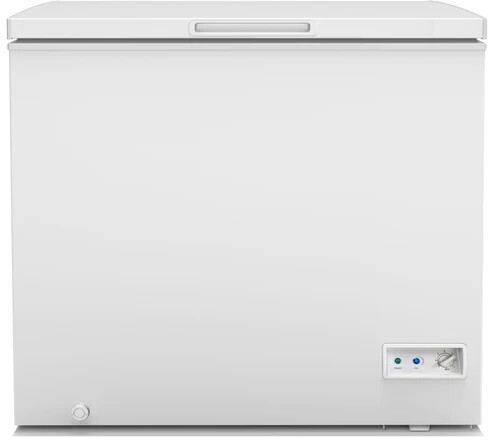
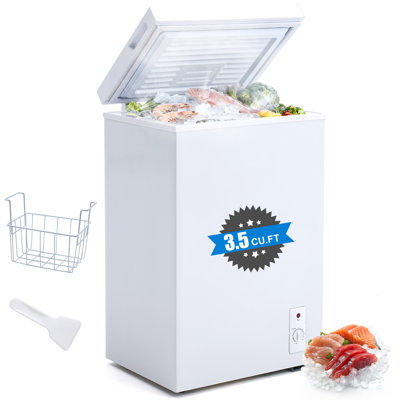
When you see “3.5 cubic freezer,” that 3.5 refers to cubic feet of internal volume. To visualize one cubic foot, imagine a box one foot on each side. Multiply that by 3.5 and you get the total space you can use for frozen goods. In practical terms this capacity holds roughly 70 to 80 standard-sized frozen meals, a dozen ice cube trays with room to spare, or a mix of bulk veggies, meats, and ice packs.
Explore typical uses
A 3.5 cubic freezer is perfect when full-size chest or upright models are overkill.
Before you shop, measure the spot where your freezer will live. Allow a few inches on each side and at the back for proper airflow. Don’t forget door swing and clearance for loading bins. A 3.5 cubic freezer typically needs about 24–30 inches width, 20–25 inches depth, and 32–36 inches height, depending on model.
Inventory planning
Think through what you’ll store and how frequently you’ll access items. A simple inventory list can help:
Bulk meats: ground beef, chicken breasts, fish fillets
Prepared meals: soups, lasagnas, casseroles
Vegetables and fruits: peas, berries, spinach
Ice trays and gel packs for drinks
Specialty items: pet food, ice cream, frozen yogurt
Tag and date each container to avoid forgotten leftovers. For inspiration on what fits in a compact freezer, see what fits in a small chest freezer?.
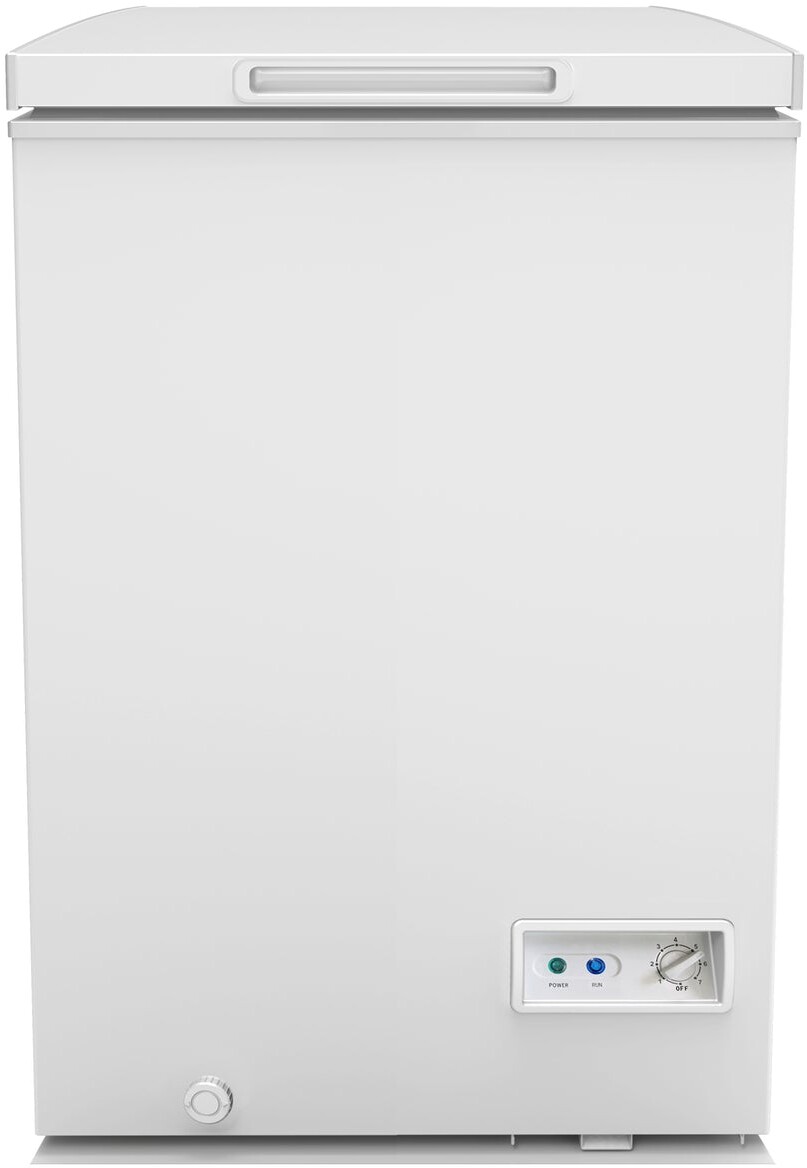
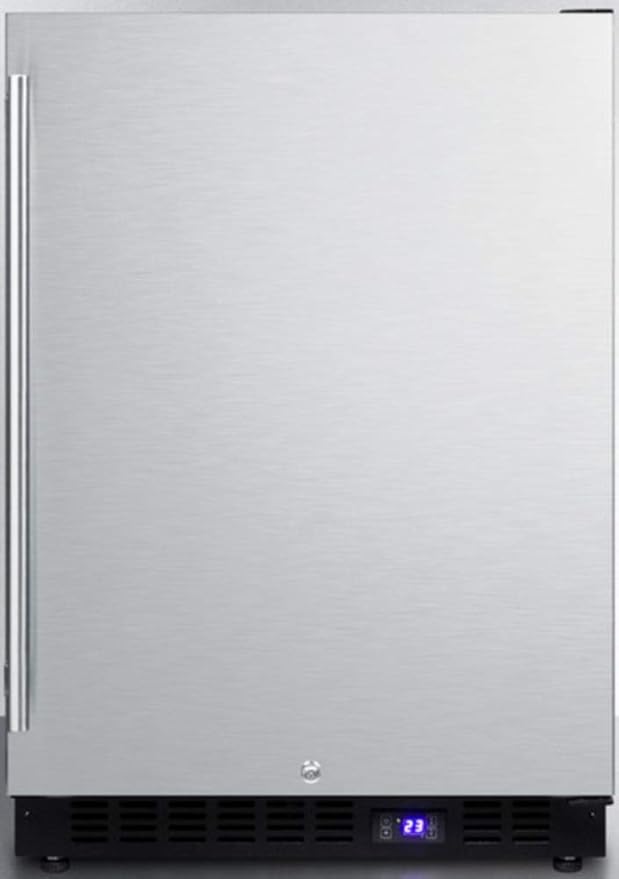
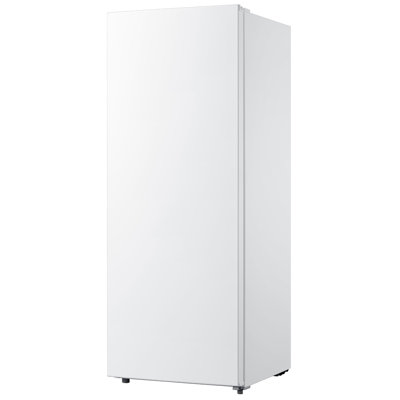
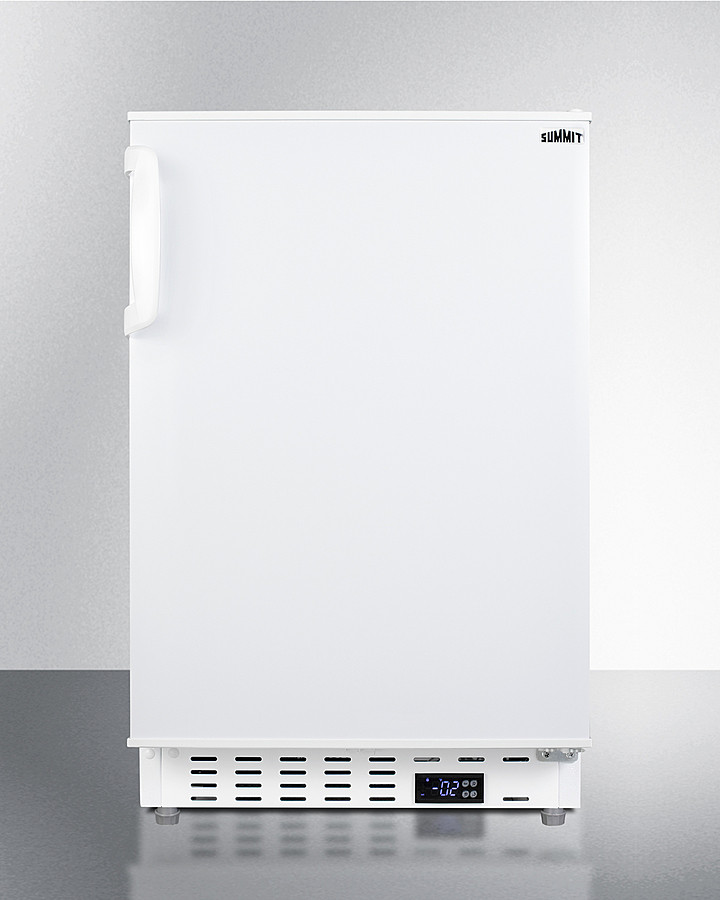
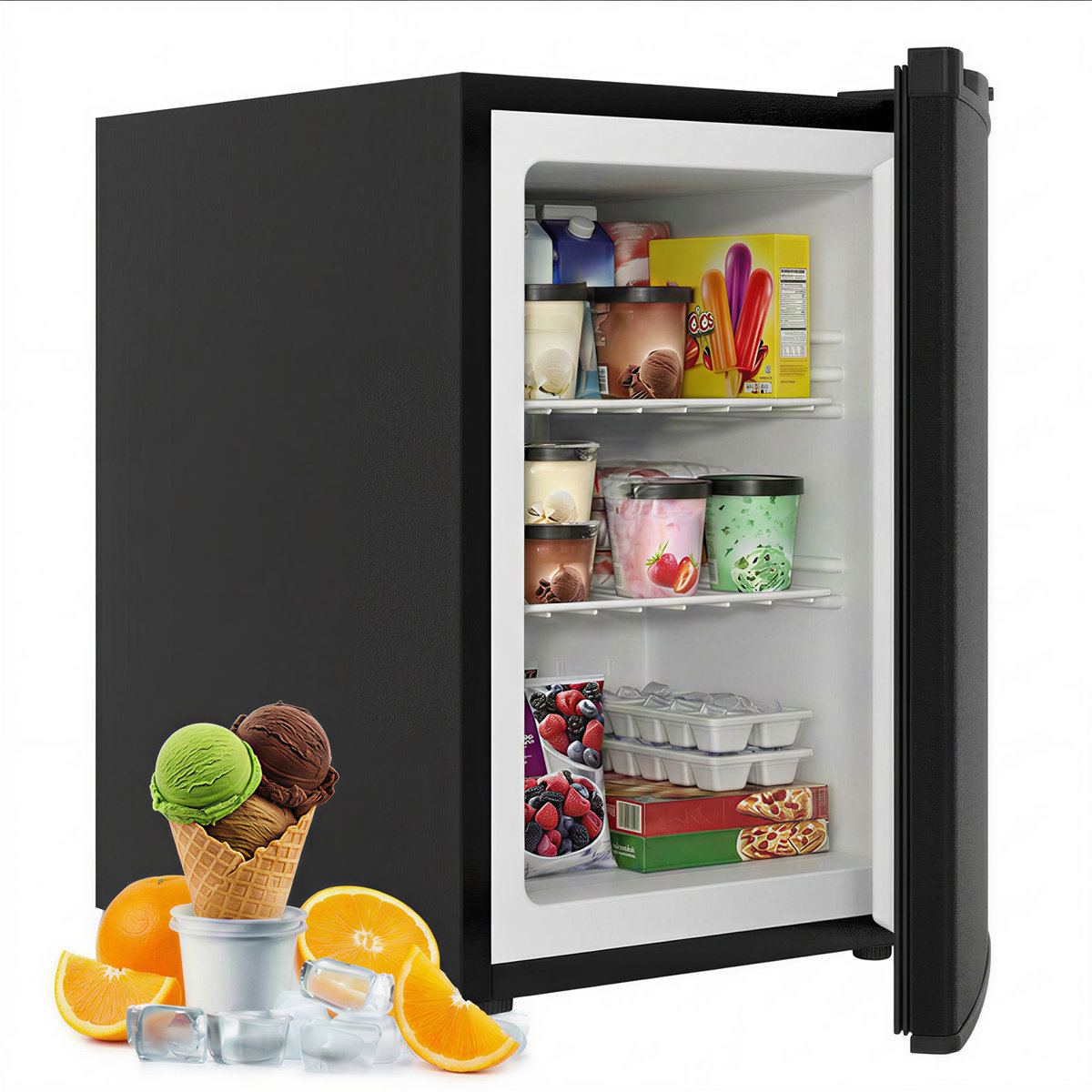
A chest model generally offers more usable space per cubic foot, and it’s better at holding temperature during power outages. Upright freezers provide easier access with shelves and door compartments. A 3.5 cubic freezer is most often a chest style, but some upright units exist. If you’re comparing pros and cons, check what are the pros and cons of a deep freezer? for a detailed look.
Defrost options
Manual-defrost freezers tend to be more energy efficient and have thicker insulation, but you’ll need to chip away frost build-up periodically. Frost-free models handle defrost cycles automatically, which means no manual labor, but they can be noisier and slightly less cold-efficient. Decide whether the trade-off is worth it based on your maintenance preferences.
Consider energy efficiency
Compare energy ratings
Look for the Energy Star label to ensure your 3.5 cubic freezer meets efficiency standards. Some models list annual energy consumption in kilowatt-hours (kWh); the lower the kWh, the less you’ll pay on your electricity bill. Check manufacturer specs—freezers in this size range often use between 200 kWh to 350 kWh per year.
Calculate operating costs
Here’s a quick way to estimate:
Find the freezer’s annual kWh usage (from the Energy Guide label).
Multiply by your local electricity rate (cents per kWh).
Divide by 12 to see the monthly cost.
For example, at 250 kWh/year and $0.13/kWh, you’d spend about $32.50 a year or around $2.70 per month. That’s a small price for the convenience of extra frozen storage.
Your freezer needs a level floor and a nearby grounded outlet. Avoid placing it in direct sunlight or next to heat sources like ovens or radiators—excess heat makes it work harder. If you’re using it outdoors, confirm it’s rated for exterior use. For a combo fridge-freezer in an RV setup, see what size fridge freezer for an rv.
Ventilation needs
Freezers expel heat from coils typically at the back or bottom. Maintain at least 2–3 inches of clearance all around, and keep the condenser coils free of dust. Good airflow prevents overheating and ensures consistent temperatures inside.
Unplug and defrost if you have a manual model every 3–6 months
Wipe interior walls and baskets with mild soap and water
Vacuum condenser coils (if accessible) twice a year
Inspect door gasket for cracks or gaps—replace if it’s not sealing
Optimal temperature settings
Keep your 3.5 cubic freezer at 0°F (-18°C) for safe long-term storage. Use an appliance thermometer to verify. If you store delicate items like home-made ice cream or raw pet food, you’ll appreciate precise control.
Excessive frost can cut into your usable space and efficiency. If frost appears thicker than ¼ inch, unplug the freezer and let it defrost fully. Clean out any melting water to prevent damage. Going forward, avoid leaving the door open too long and ensure the seal is tight.
Temperature fluctuations
If you spot thawed packages or soft spots:
Check that the temperature dial hasn’t been bumped
Confirm the freezer isn’t overloaded, blocking air vents
Make sure the coils are clean and the unit is level
Verify room temperature isn’t outside the operating range (usually 0°F to 110°F)
If fluctuations persist, contact the manufacturer’s service line.
Compare with alternatives
Other freezer sizes
You might wonder how a 3.5 cubic freezer differs from adjacent capacities. Smaller chest freezers around 1.5–2.5 cubic feet are great for singles or dorms. Going up to 5–7 cubic feet suits larger families or serious meal-preppers. For ideas on what fits where, explore shop chest freezers.
Fridge freezer combos
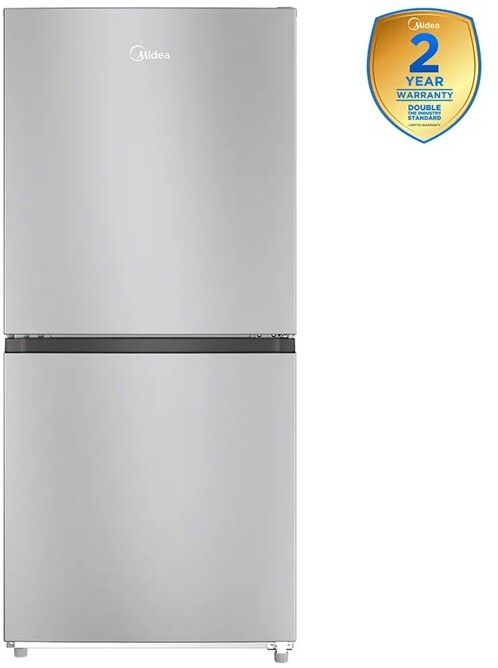
If you need both refrigerated and frozen storage in one unit, consider an apartment-size fridge-freezer. These typically offer less freezer space than a standalone 3.5 cubic freezer but include a fresh-food compartment. Compare your priorities: if frozen goods dominate, the dedicated freezer wins every time.
A 3.5 cubic freezer hits the sweet spot between capacity and footprint, making it ideal for chefs, families, students, pet owners, and outdoor enthusiasts alike. You’ve learned how to evaluate your storage needs, pick the right style, manage energy costs, install correctly, keep performance sharp, fix common snags, and weigh alternatives. Now it’s time to pick your model.
Compare current prices and specifications on Fridge.com, then buy from the retailer you choose; delivery, installation and warranty terms are the retailer’s.5 cubic freezer options—manual-defrost or frost-free, chest or upright. Your perfect compact freezer is waiting, and your kitchen (or dorm room, garage, or RV) will thank you.
From Fridge.com research
Figures below come from data Fridge.com builds and maintains. Each links to the record behind it.
Fridge.com Energy Index, built on U.S. EPA and DOE ENERGY STAR records
Across 5,455 ENERGY STAR certified refrigerators and freezers from 263 brands, median use is 360 kWh per year.