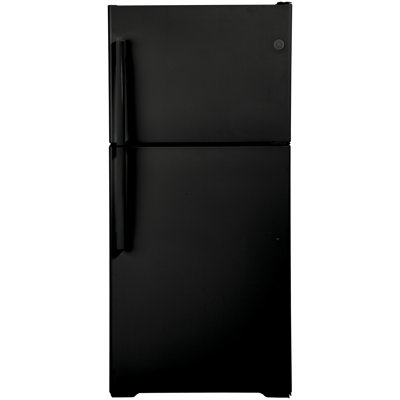
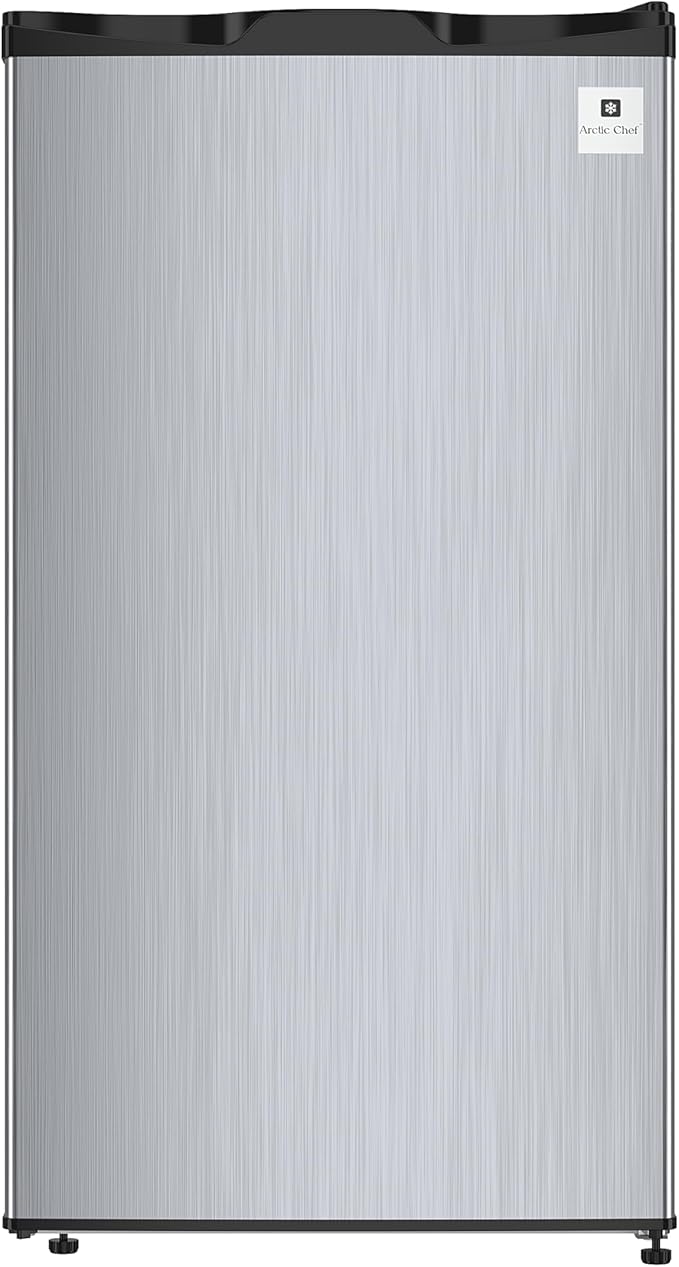
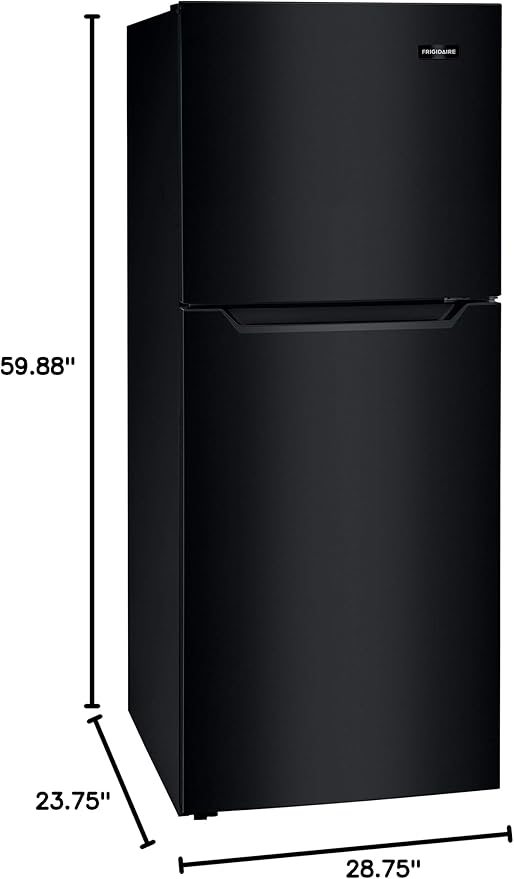
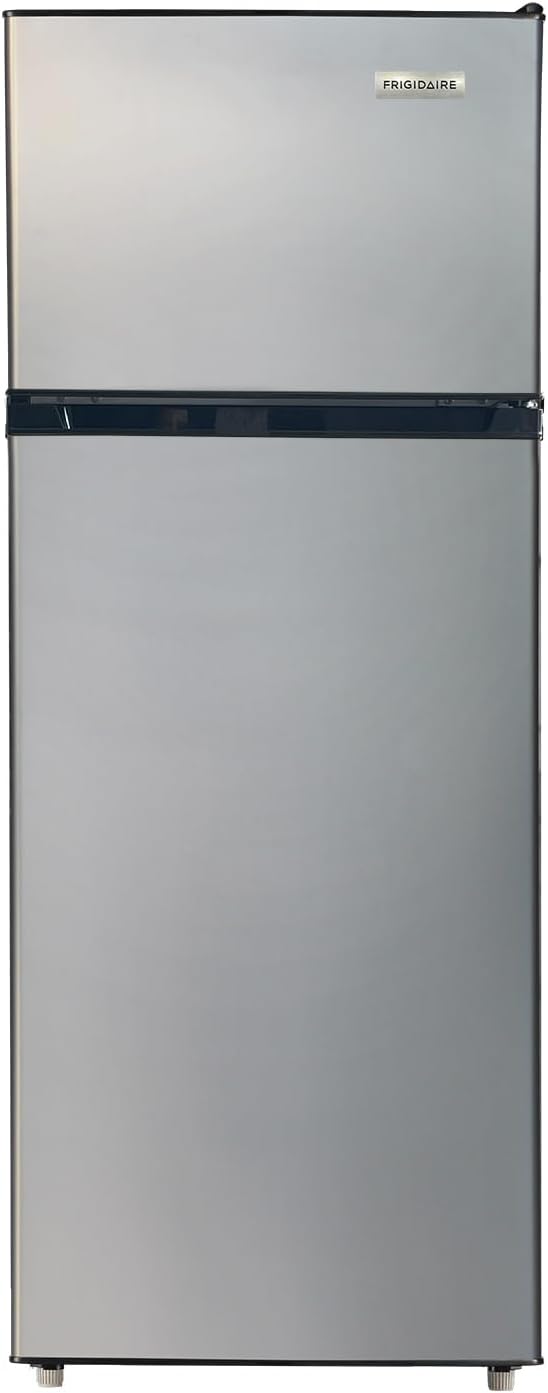
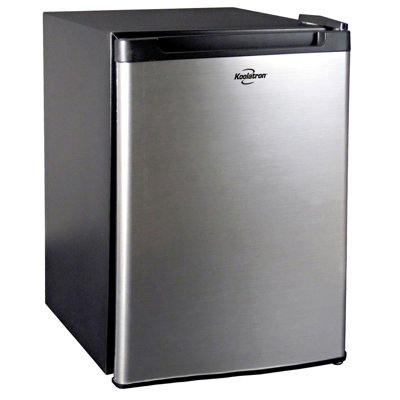
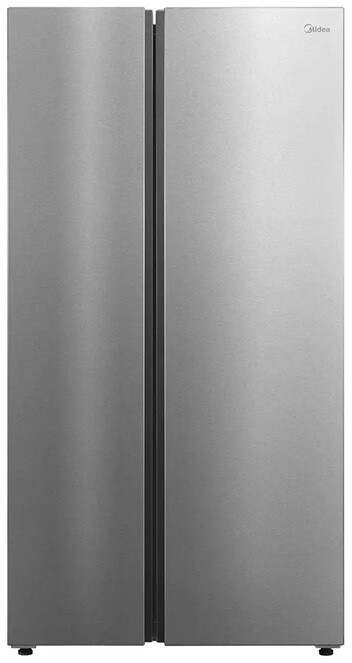
Have you been searching for a fridge that won’t overwhelm your kitchen yet still gives you enough space to store your groceries? A 24 deep refrigerator might be exactly what you need. With a slimmer profile than many standard units, it’s designed to fit neatly in compact areas—perfect for anyone who wants more storage capacity without sacrificing precious square footage in a home or apartment.
Before you jump in and make a purchase, let’s break down what you need to know about these 24-inch-depth models. You’ll learn how to assess your space, choose the right design, and keep your fridge running smoothly. By the end, you’ll be ready to decide if this sleek option is ideal for your household.
Consider the benefits
When you’re picturing a refrigerator, you might imagine a big, boxy appliance. But there are plenty of reasons to choose a 24-inch-depth unit over the traditional deep models.
Saves space. These slimmer designs typically free up room for comfortable movement, even in smaller kitchens, hallways, or studio apartments.
Streamlined look. A more compact depth can let your fridge align better with countertops, creating a clean, uniform feel.
Easier maneuverability. Fitting a standard-depth fridge into a tight space can be tricky. A 24-inch-depth unit is easier to install and adjust.
Choosing a shallow-depth model often means you won’t have as much interior volume as a classic refrigerator, but it’s a fair trade-off for apartments or homes that are already tight on space. Smaller households—or anyone who wants a less cluttered look—usually find this beneficial.
Why a 24-inch depth suits modern living
In today’s world, kitchens are getting more functional and aesthetically driven. Many homeowners prefer an open-concept layout where the fridge doesn’t stick out like a sore thumb. Having a 24-inch depth helps maintain that continuous line of sight, so everything feels more spacious. Plus, if you’re living solo or with a partner, you might not need huge shelves or extra crisper compartments. A shallower unit might fit your lifestyle just fine.
Assess your kitchen space
You’d be surprised how often people order a fridge, only to discover it won’t quite fit once it arrives. Measurements are critical. Plan out the specific area where your fridge will live, and be sure to account for door swings, ventilation needs, and clearance around the sides.
Take the full measurement from the wall to the front of your cabinets or counters.
Check how much space you’ll have when the fridge door is open 90 degrees.
Leave room for ventilation—particularly if the fridge has rear coils.
Making room for corners and doors
If your kitchen is configured with corners or angled counters, pay attention to how your refrigerator doors will open in those tight spots. In some layouts, a left-hinged door might bump into cabinetry, while a right-hinged door carves out a perfect path. A good rule of thumb is to add a few extra inches beyond the manufacturer’s recommended clearance, so the appliance can “breathe.”
Checking your entryways
Before your new 24-inch model even crosses the threshold, make sure it can pass through your front door, hallways, or any tight corridors. Measure door frames and angled turns. Remove doors from hinges if necessary—but planning ahead can help you avoid awkward moments with delivery crews. Think of it like moving a couch. You don’t want to discover it’s not going to fit at the very last minute.
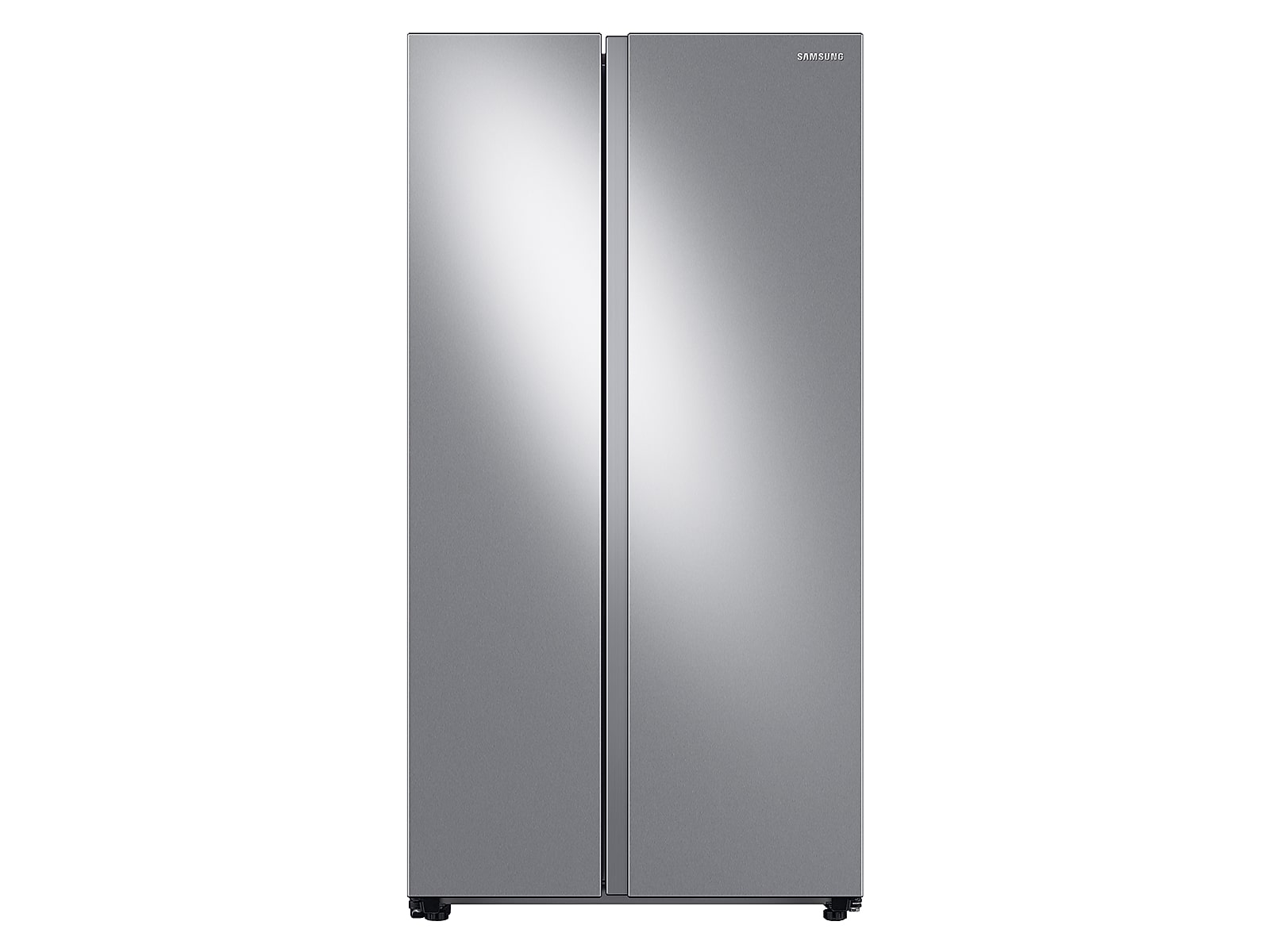
Not all 24-inch-depth refrigerators are built the same. You’ll see variations in door styles, freezer placement, and even the kind of shelves.
Below is a quick snapshot to help you compare standard depth, counter depth, and 24-inch depth at a glance:
Type
Approximate Depth
Pros
Cons
Standard Depth
30+ inches
More interior volume
Sticks out from cabinets
Counter Depth
~27–30 inches
Sleeker look, decent size
May have slightly less capacity
24-Inch Depth Unit
~24 inches
Saves space, compact
Limited interior storage in some models
Door configurations to consider
When it comes to door style, you typically have three main choices with a 24-inch-depth fridge:
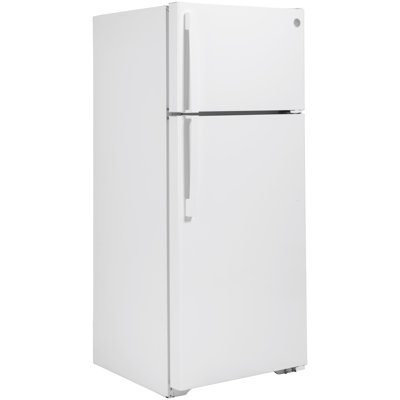
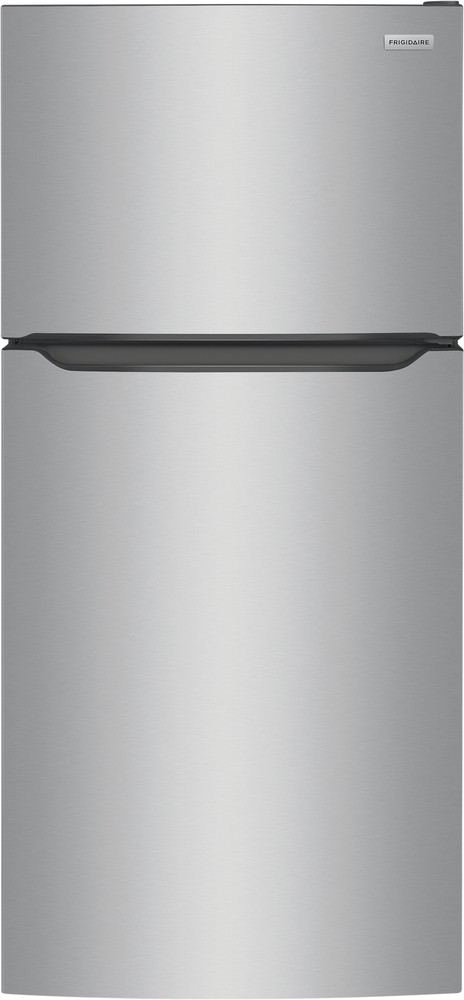
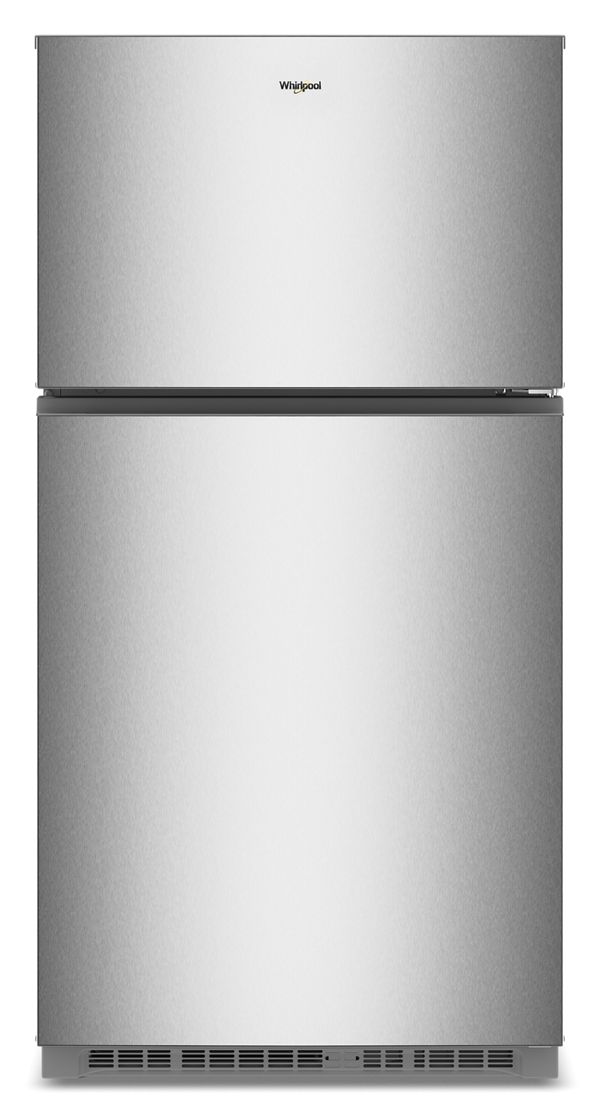
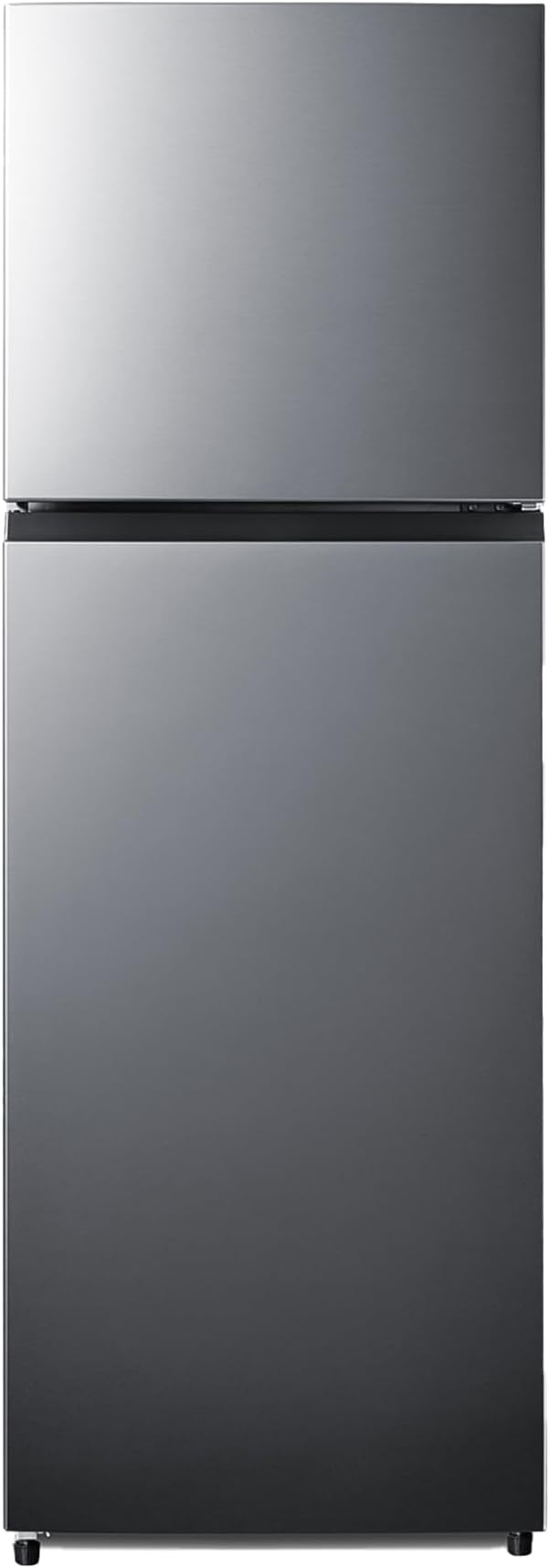
Top freezer
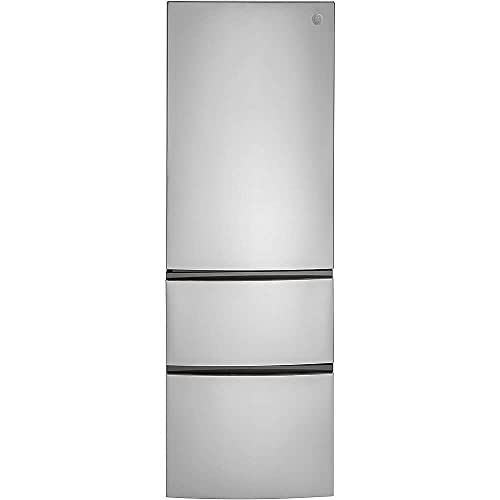
Bottom freezer
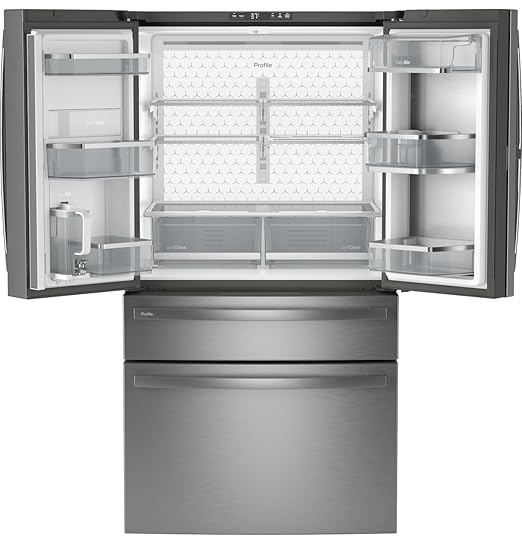
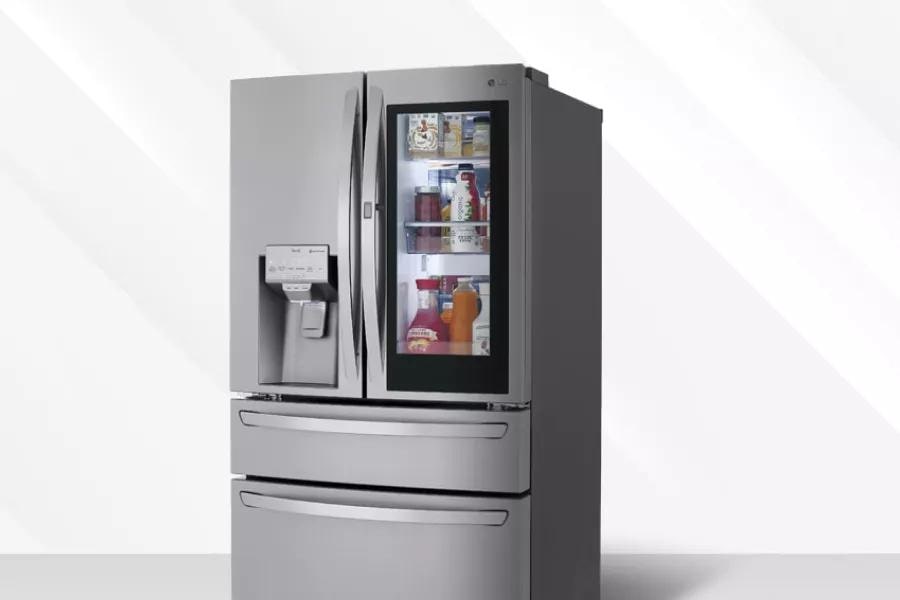
French door
A top freezer offers classic simplicity and often a lower price. A bottom-freezer design puts your fresh foods at eye level, so you don’t have to bend as much. French doors open in the center, letting you access items without swinging one full-width door out into your kitchen. Depending on your layout, one style might work better than another.
Internal layouts and shelves
Inside the fridge, look for adjustable shelves that can move up or down to accommodate taller items. Glass shelves are easier to clean than wire, but wire racks let cold air circulate better. If you store bulky trays or big drink pitchers, pay attention to how flexible the internal setup is. You can also find models with special beverage compartments—like a mini built-in cooler—if you often entertain. (If you’d rather keep beverages separate, check out the best beverage cooler for a bar to see if a dedicated unit could help.)
Your fridge’s ability to maintain consistent temperatures is key to food safety and preservation. While 24-inch-depth units can be just as effective as deeper versions, it’s helpful to understand how the cooling system works.
Single compressor vs. dual compressor: A dual-compressor system separately controls the fridge and freezer sections, which can help reduce odor transfer and maintain consistent temps.
No-frost systems: Also known as frost-free, these automatically defrost to prevent ice build-up. Very handy if you hate the chore of manual defrosting.
Cooling zones and humidity controls: Some fridges have specialized drawers with adjustable humidity to keep veggies crisp or cheeses from drying out.
Why consistent temps matter
Food safety is more than just a phrase. Bacteria can grow quickly if your fridge temperature creeps above 40°F (4°C). On the other hand, your vegetables might start to freeze if the fridge is too cold. Proper cooling technology helps keep everything fresh for as long as possible. If you’re following a diet that requires storing plenty of produce—like keto—then precise temperature control is a big deal. (If you’re going all-in on fresh foods, you might even consider a specialized unit like the best freezerless refrigerator for keto diet to maximize fridge space.)
A refrigerator runs 24/7, so energy consumption can stack up on your monthly bills. Models with a slimmer design can sometimes be more efficient, but not always—it depends on the technology inside.
Look for the Energy Star label as a quick reference point.
Compare annual energy consumption ratings (kWh per year).
Check for LED lighting, which usually consumes less energy than incandescent bulbs.
Balancing cost and performance
A 24-inch-depth fridge might have a slightly higher upfront price tag than its standard-depth cousin, especially if it’s marketed as a sleek, premium appliance. However, an energy-efficient model can pay off in the long run. You’ll likely spend less electricity keeping it cold, which translates to monthly savings. If you have a bit more budget, consider a model with advanced insulation or adaptive defrost features.
Think about storage capacity
One potential downside of a shallower fridge is less interior space. That doesn’t mean you can’t store everything you need to feed your household. You just have to be strategic.
Use door shelves for condiments you frequently grab
Opt for stackable containers to maximize shelf usage
Keep items you reach for daily at eye level
Handling special items
If you love freezing big batches of meals or storing large grocery loads, a smaller fridge might fall short. In that case, you could pair your 24-inch fridge with a compact deep freezer in the garage or basement. For instance, you can order deep freezers: offers to handle all those extra bulk purchases. This combo approach means you get a sleek fridge in your kitchen without losing out on long-term storage elsewhere.
Any fridge requires a bit of upkeep if you want it to last. Regular cleaning not only keeps the interior fresh but also helps you spot issues early—like a worn seal or an odd noise.
Wipe down the shelves at least once a month to prevent food residue buildup
Keep an eye on the door gaskets, and clean them with warm, soapy water
Vacuum the coils annually if they’re accessible, which helps efficiency
Sometimes, a smaller fridge can intensify odors if you don’t stay on top of leftover food. A bowl of baking soda (opened) at the back of the fridge can soak up smells. You can also try specialized charcoal filters designed for fridges, which trap odors before they spread.
A 24-inch-depth fridge thrives on smart organization. Because space is at a premium, you’ll want to set things up in a way that maximizes every inch.
Recommended placement
Top shelf: Items that don’t require cooking, like deli meats or leftovers
Middle shelves: Dairy, eggs, and any ready-to-eat foods
Bottom shelf: Raw meats, fish, or anything that might drip—this lowers cross-contamination risk
Crisper drawers: Fruits and vegetables, often separated by humidity settings
Quick tips for easy access
Label containers so you can see at a glance what’s inside
Put taller bottles or cartons near the back or on the door if they fit
Keep frequently used sauces, condiments, and drinks up front
If you ever install or replace the fridge shelving, remember to wipe them down at least once before putting them back in. For the simplest routine, check out the easiest way to clean refrigerator shelves.
Look at special features
Just because a fridge is shallower doesn’t mean it’s short on perks. Here are a few popular features that might be available in a 24-inch-depth model:
Water dispenser and ice maker: Some integrated dispensers require extra plumbing, but they’re super convenient. If you’re curious about dispenser choices, see why should i choose a water dispenser?.
Smart technology: Wi-Fi connectivity can alert you if the door is left open, or let you adjust the temperature from your phone.
Convertible compartments: Certain units let you adjust a drawer’s temperature from freezer-level to a soft chill zone for produce.
Water filters and more
If your fridge has a built-in water dispenser, you’ll likely need to replace the filter every six months. Some units have filter indicators that sparkle up a small light on the control panel. Others expect you to keep track manually. Either way, a clean filter means fresher water. If you prefer an external water dispenser, the best water dispenser for home might also be worth checking out.
A 24 deep refrigerator can make your life easier—especially when you want a streamlined layout without consuming the entire kitchen. By measuring accurately, checking for the right features, and planning a solid organization strategy, you’ll be well on your way to enjoying a fridge that fits both your home and your lifestyle. You won’t have to worry about constantly bumping into your appliance or awkwardly sliding around it to open cabinets.
If you need even more storage, pairing your 24-inch-fridge with a separate chest freezer can solve your bulk-purchase dilemmas. Or, if you want an upgrade down the road, you might compare French door styles by browsing order french door refrigerators: best prices. Ultimately, it’s about tailoring your options to how you shop and cook—ensuring you’ve got a fridge that keeps your food fresh and your kitchen flowing.
Don’t forget: keep it clean, check those gaskets, and organize your foods the way they make sense for you. After all, the best fridge is the one you find easy to love and effortless to use. If you’re storing homemade pesto pizza or other staples, a 24-inch-depth unit is plenty capable of handling daily groceries. And if you’re curious whether you can stash that leftover slice in the freezer, see can i keep pesto pizza in the freezer? for quick tips.
Go ahead and explore your options. A 24-inch fridge can open up your kitchen, keep your groceries neatly arranged, and give you that modern style you’ve been wanting—all without crowding your living space. Feel free to share your own tips or questions in the comments. You never know which friend or neighbor might also be eyeing a space-saving refrigerator solution just like you.
From Fridge.com research
Figures below come from data Fridge.com builds and maintains. Each links to the record behind it.
Fridge.com Energy Index, built on U.S. EPA and DOE ENERGY STAR records
Across 5,455 ENERGY STAR certified refrigerators and freezers from 263 brands, median use is 360 kWh per year.