If your fridge is crowded with leftovers and mystery containers, this guide on how to clean your refrigerator from top to bottom is here to help. A sparkling fridge not only looks better but also keeps your food fresher, which means fewer worries about funky smells or forgotten produce. With the right steps and a little time, you can get rid of hidden grime and create a clean, chilled oasis you’ll be proud to show off.
Ready for a deep dive? Let’s walk through a simple, systematic approach that anyone can handle. You’ll clear out expired food, sanitize surfaces, and learn a few tricks for maintaining a fresh fridge long after your initial scrub session.
Gather your cleaning supplies
Before you unplug anything, gather the tools and products you’ll need. Having everything in one place helps you move quickly because you won’t be scrambling for missing towels or sponges.
Rubber gloves to protect your skin
A mild cleaning solution (white vinegar or a gentle, all-purpose cleaner)
A bucket or large bowl of warm, soapy water
Microfiber cloths or non-scratching sponges
Paper towels for quick wipe-downs
Old toothbrush or soft-bristle brush for corners
Baking soda for stubborn odors or stains
Pro tip: If you’re interested in a deeper dive on scrubbing racks and drawers specifically, check out the easiest way to clean refrigerator shelves. It walks you through soaking and sanitizing shelves without damaging them.
Unplug and empty your fridge
For maximum safety and energy savings, it’s best to power off the fridge during a full clean. This prevents unnecessary cooling when the doors will be open for a while.
Locate the power cord.
Carefully pull the fridge away from the wall if needed.
Unplug it, and make sure the door remains propped open.
Dispose of expired items
While your fridge is off, it’s the perfect time to look over each item inside. We’ve all kept a forgotten sauce in the back, right?
Scan expiration dates and get rid of anything questionable.
Check produce for mold or wilting.
Inspect leftovers. If you’re unsure how long something has been in the fridge, it’s likely time to say goodbye.
If you’re someone who likes to keep large quantities of food on hand, you may find your fridge feeling cramped. In that case, consider the storage capacity of a 24 deep refrigerator for extra space, or you can explore specialized freezers by checking out order deep freezers: offers.
Once the fridge is empty, you’ll see all the components you can remove. Most modern refrigerators come with adjustable shelves, crisper drawers, and door bins that slide or pop right out.
Pull out every removable piece, including egg trays and small bins.
Fill your sink or a large basin with warm water and dish soap.
Place shelves, drawers, and bins into the soapy water to soak. Let them sit for a few minutes.
Dissolving tough stains
If you find sticky syrup puddles or hardened sauces, letting them soak in hot, soapy water for 5–10 minutes usually makes a huge difference. For extra stubborn spots, sprinkle a bit of baking soda on a non-scratching sponge and gently rub the area. Baking soda’s mild abrasiveness lifts stains without tearing up the surface.
While your removable parts soak, focus on the inside walls, ceiling, and floor of your fridge. This is prime territory for spills and hidden debris, especially in corners.
Spray or wipe an all-purpose cleaner or diluted vinegar solution on every surface.
Let the solution sit for a minute so it can soften grime.
Use a non-scratching sponge or microfiber cloth to wipe it all clean.
Top shelves down to crispers
Start at the top shelf and move your way down. Drips naturally run downward, so working from top to bottom ensures you won’t re-contaminate shelves that are already clean. Don’t forget the back corners and the small ridge where a shelf might meet the fridge wall.
Gentle solutions for stuck-on spills
Spilled milk or juice can leave sticky rings that cling to the plastic. Rather than scrubbing forcefully:
Dip a cloth in warm, soapy water or a vinegar solution.
Press it on the stain for 30 seconds.
Gently wipe away the residue.
If it doesn’t budge, repeat or use an old toothbrush for a little extra scouring power.
Door seals, also called gaskets, are those flexible rubber strips that line the edges of your fridge and freezer doors. They’re great at keeping cold air in, but they also attract crumbs and spills.
Dampen a cloth with your cleaning solution.
Run it along the fold of the seal, removing any visible dirt.
Use a toothbrush or a cotton swab for tight crevices.
While you’re here, pay attention to the door handles. These high-touch areas should be sanitized regularly to keep germs away. A soapy cloth should do the job, but you can also follow up with a mild disinfectant if you like.
No matter if your fridge is stainless steel, painted, or covered in magnets, the outside can collect greasy smudges and fingerprints. Plus, if you have kids or frequently open the fridge after cooking, you might see sauces splashed onto the surface.
Wipe down the entire exterior with a soft, damp cloth.
If you have stainless steel, follow the grain (the direction of the brushed metal).
Dry with a clean cloth to prevent streaks or water spots.
For static controls or a built-in touchscreen, spray a mild cleaner onto your cloth rather than directly onto the panel. This keeps moisture from seeping into buttons or edges.
Dry and reassemble everything
By now, your drawers and shelves should be squeaky clean from their soak. Rinse them in fresh water if needed, then dry them thoroughly to prevent any moisture buildup in the fridge.
Set them aside on a clean towel or drying rack.
Inspect each piece for leftover stains. If you spot a stubborn mark, address it before putting it back.
Slide each component back into its designated spot.
Only then should you plug your fridge back in. Let it cool down to your desired temperature, usually around 37–40°F (3–4°C) for fresh foods.
With a freshly sanitized interior, you’ll want to organize your groceries so you can find everything easily. A smart layout makes future cleanings simpler because you won’t have unexpected spills hiding behind tall jars.
Assign zones for easy access
Top shelf: Ready-to-eat items like cured meats or leftovers.
Middle shelves: Dairy products or beverages.
Bottom shelves: Raw meats, poultry, or fish, so no drips contaminate other food.
Veggie drawers: Leafy greens and crisp produce.
Fruit drawers: Berries, apples, and citrus that need a slightly different humidity level.
Label leftover containers
If you have a habit of forgetting what’s in each container, slap a piece of masking tape on the lid. Write the date and contents. This helps you see at a glance which items need to be eaten soon. If you’re often hosting gatherings or love to store big-batch meals, you might also consider a best freezerless refrigerator for keto diet. It’s handy for those who rely on fresh ingredients and need ample fridge space.
Think of daily maintenance as your mini “cleaning insurance.” By taking a minute or two each day, you drastically cut down on the time you’ll spend on a bigger scrub later on.
Weekly wipe-down
Every week, do a quick pass with a mild cleaner on shelves that have seen spills.
Throw out any produce that has started to wilt or spoil.
Rearrange items so nothing is blocking air vents.
Monthly purge
Once a month, do a deeper reevaluation of your condiments and leftovers.
Check jars in the door shelves that might have sat unused for weeks.
Wipe up any sticky rings around high-traffic sauce bottles like ketchup or salad dressing.
If you’re curious about unique fridge contents from different cultures, see 3 condiments every yemeni cook has in their fridge. You never know which new flavors you might want to try out.
Sometimes, even with the best of intentions, you can slip up. Here are a few pitfalls to watch out for, along with simple fixes.
Skipping the door gasket
Door gaskets are easy to ignore, but they trap crumbs and spills. If you don’t clean them, they can develop mold or cause your door not to seal properly.
Wipe them every time you do a quick fridge tidy-up.
Use a toothbrush with warm, soapy water if the dirt doesn’t budge.
Using harsh chemicals
Strong bleach-based products aren’t always necessary. They can leave a lingering odor, and in some cases, chemicals can damage fridge interiors.
Opt for vinegar and water or a mild, food-safe cleaner.
If you must use a disinfectant, rinse again with water afterward.
Below is a simple table showing a few common cleaners and how they’re best used:
Cleaning Solution
Best For
Notes
Warm Soapy Water
General wiping and soaking
Gentle, safe on most surfaces
Vinegar & Water (1:1)
Deodorizing and cutting mild grease
Ideal for lingering odors
Baking Soda Paste
Removing tough, stuck-on gunk
Mildly abrasive, gentle on walls
Mild Disinfecting Wipe
Door handles and seals (high-touch areas)
Check label for food-safe claim
Extra tips for fridge efficiency
A clean fridge isn’t just about brightness; it also helps with efficiency. Dirt and grime can hide vents, forcing the appliance to work harder.
Keep air vents clear of large items.
Place containers or jars so they don’t block airflow to the rear or sides.
Ensure your fridge is set at the recommended temperature range.
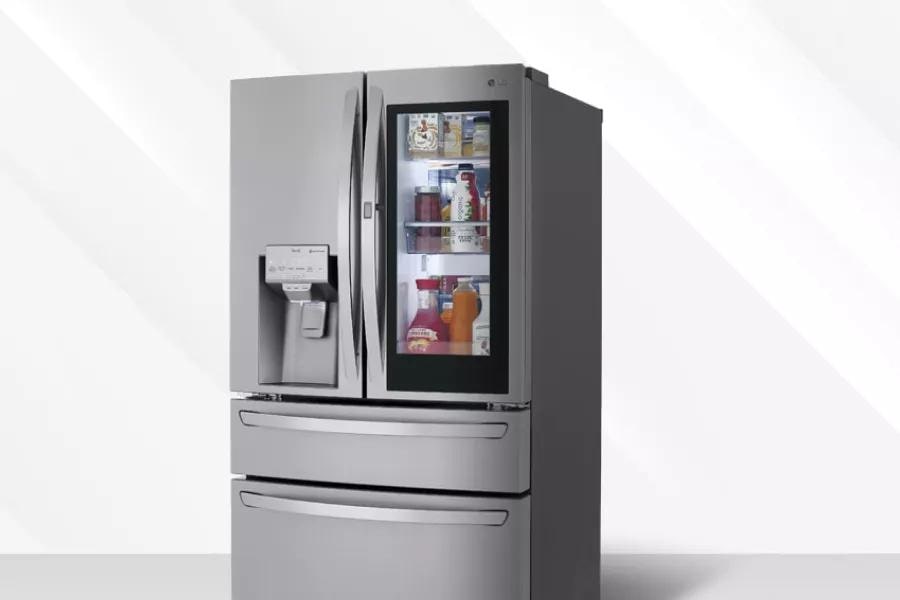
If you’re looking for a new fridge that aligns with your space and power needs, order french door refrigerators: best prices can give you a sense of what’s available. You might find one that fits your kitchen layout perfectly while cutting electricity costs.
Your fridge-freezer combo might have special compartments, like an ice maker or a pull-out freezer drawer. These can get dirty, too, especially with bits of ice that melt and refreeze. If you’re primarily cleaning your freezer section, you can also explore tips on can i keep pesto pizza in the freezer? to store food properly.
Remove any ice bins and wash them in warm soapy water.
Wipe the walls of the freezer with a cloth dampened with mild cleaner.
Dry everything thoroughly before reassembling.
Common questions and quick answers
Below are some frequent concerns people have when cleaning a refrigerator. If one of these applies to you, you’ll be ready with a quick fix.
“Can I keep my fridge plugged in while cleaning?”
It’s safer and more efficient to unplug it, especially for a deep clean. This prevents wasting energy while the doors are open, and it reduces the risk of electrical accidents.
“What’s the best way to handle an intense odor that won’t go away?”
Wipe down every surface with vinegar and water, then keep an open box of baking soda on a shelf to absorb smells. In stubborn cases, leave a small dish of coffee grounds inside for 24 hours.
“Should I clean my condenser coils, too?”
If you can access them, yes. Dusty coils can reduce efficiency, leading to higher energy bills. Use a vacuum or coil brush for gentle cleaning.
“How often should I do a top-to-bottom clean?”
Aim for a thorough clean at least four times a year. If you’re a heavy cook or keep many condiments, you might want to do it every couple of months.
Remove all items, checking for expired or questionable food.
Soak shelves, bins, and drawers in warm soapy water.
Wipe down all interior surfaces: walls, ceiling, floor.
Carefully clean door seals, handles, and the fridge exterior.
Dry all parts thoroughly and reassemble.
Plug in and wait for the fridge to cool, then restock your items.
Implement a weekly mini-clean and a monthly purge for easy upkeep.
Tying it all together
Congratulations, you now know exactly how to clean your refrigerator from top to bottom. It might seem like a lot, but once you have your routine, the process becomes second nature. Maintaining a clean fridge is not just about avoiding scary science experiments—it’s also about prolonging the life of your appliance, saving on power bills, and keeping your groceries fresher.
What’s next? If you’re thinking of upgrading or adding specialized cooling options, you could look into beer fridge offers for dedicated beverage storage or weigh the pros and cons of a why should i choose a water dispenser? to keep everything chilled and clean. Otherwise, stick to the basics: a quick weekly wipe-down and a monthly discard of anything you know you won’t eat.
Try doing a mini-clean today. Maybe you’ll throw out an old sauce or wipe up a small spill on the bottom shelf. Your future self will thank you, and so will your next grocery haul. If you have any refrigerator-cleaning shortcuts or love using natural solutions, share your tips with friends and family so no one’s fridge becomes a hidden mess. Happy cleaning!
Frequently Asked Questions
Your fridge-freezer combo might have special compartments, like an ice maker or a pull-out freezer drawer. These can get dirty, too, especially with bits of ice that melt and refreeze. If you’re primarily cleaning your freezer section, you can also explore tips on can i keep pesto pizza in the freezer? to store food properly. Remove any ice bins and wash them in warm soapy water. Wipe the walls of the freezer with a cloth dampened with mild cleaner. Dry everything thoroughly before reassembling.