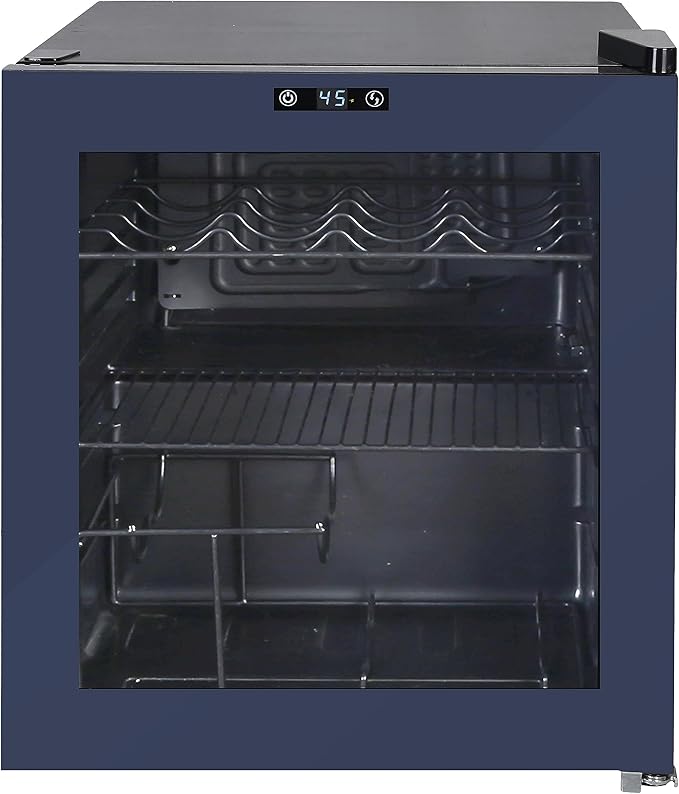
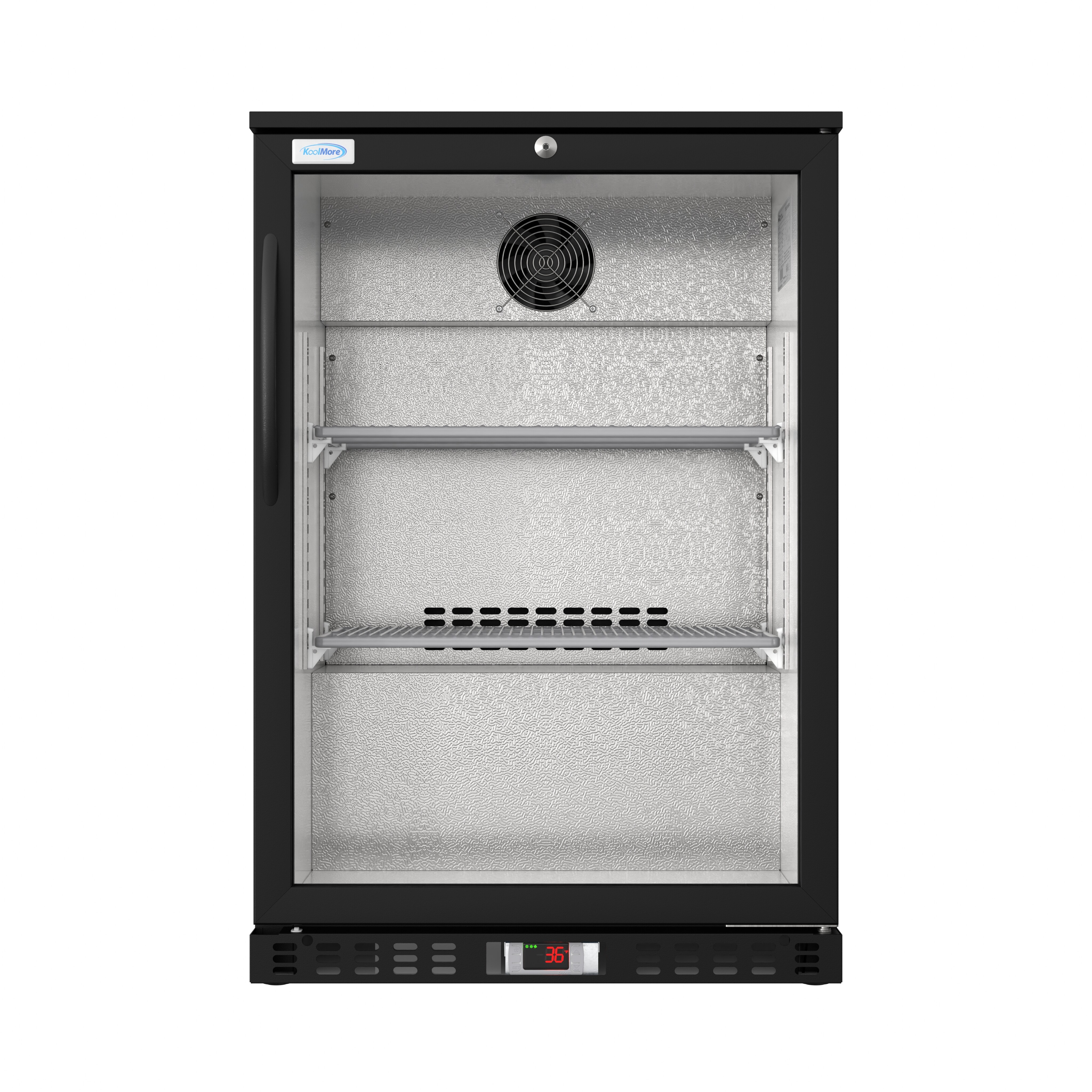
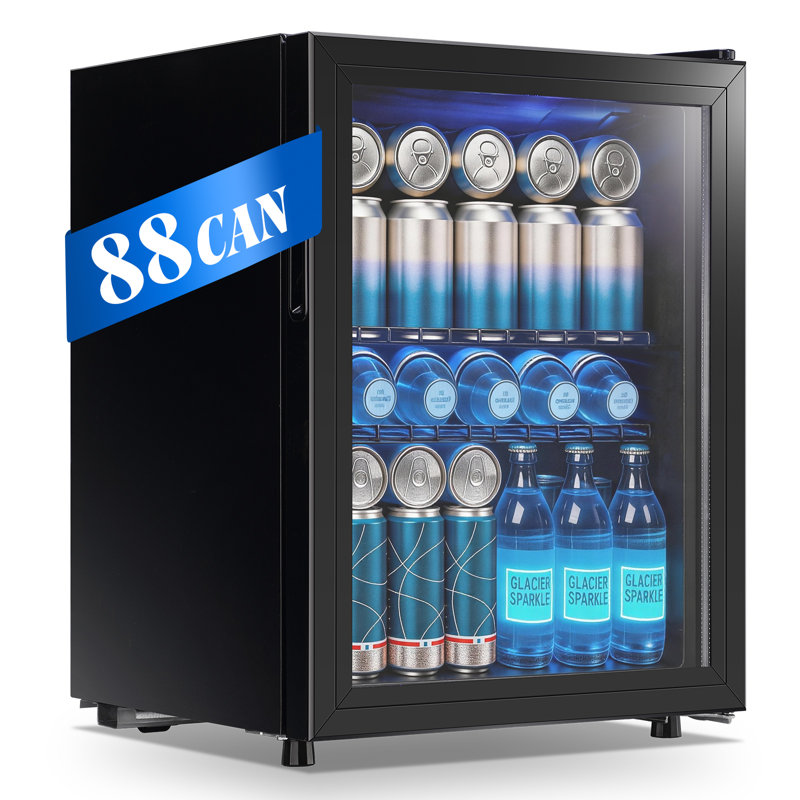
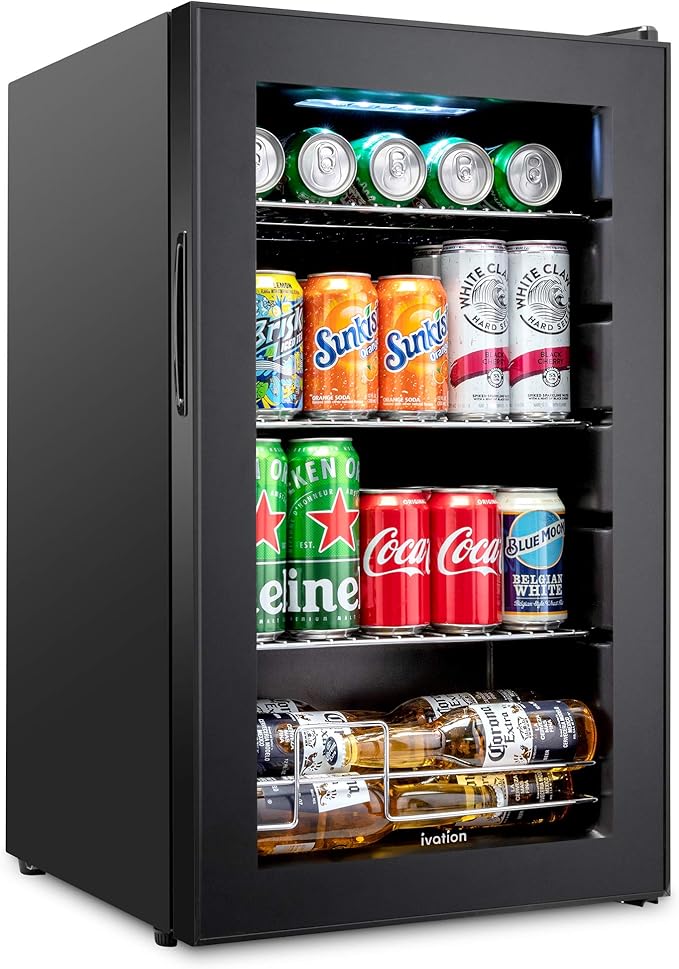
When you picture having the best beverage cooler for a bar in your home, you probably imagine a chilled paradise for all your favorite drinks, from craft beers to sparkling sodas and everything in between. Finding that perfect cooler can transform your social gatherings, daily routines, and even your kitchen layout. But with so many styles and features to choose from, how do you narrow it down? In this guide, you’ll learn what to consider, how to balance performance with design, and why the right beverage cooler can take your at-home bar setup to a new level of convenience.
Sure, you could keep your bottles in your regular fridge, but a dedicated beverage cooler offers better temperature control, clever space usage, and a bar-like experience right in your living room or kitchen. Let’s dive into the essentials, from defining your bar style to choosing the right size and maintaining your new appliance so it runs smoothly all year long.
Picture your bar goals
Before you start browsing, take a moment to think about your unique space and how a beverage cooler will fit into your everyday life. Are you hosting frequent gatherings with friends? Or do you just enjoy an ice-cold soft drink at the end of a long day? By clarifying your bar goals, you’ll be able to pinpoint the features you actually need rather than getting sidetracked by bells and whistles that won’t matter in daily use.
Size of your entertaining space
If you’re dealing with a cozy living area or a small eat-in kitchen, you’ll want a compact model that doesn’t overwhelm the room. On the other hand, if you have a dedicated home bar, a larger-capacity appliance might fit seamlessly alongside other fixtures. One quick tip is to note how many guests you typically host. If it’s just you and a couple of friends, a smaller unit might suffice. But if you regularly throw large parties, consider a more spacious cooler.
Types of drinks you enjoy
Are you a craft beer lover who needs specific temperature ranges to preserve flavors? Or maybe you’re a soda aficionado wanting ample can storage. Your favorite beverages will directly influence the features and temperature settings you look for. Some coolers are designed with dedicated wine racks or angled can shelves, while others have adjustable shelving to accommodate a variety of bottle and can sizes.
Quick reflection
Ask yourself:
How many guests do I serve on average?
What types of beverages do I store most often?
Does style or capacity matter more in my current setup?
These questions can help you form a clear vision of what you’re after, which makes shopping so much simpler. After all, there’s no point in getting a flashy, high-end model if you rarely adjust the temperature or need specialized racks. It’s all about matching the cooler’s functionality to your lifestyle.
You’ve got your bar goals in mind, so now it’s time to break down the must-have features of any dependable beverage cooler. While aesthetics do matter, you’ll want performance and convenience to top your list of priorities.
Temperature control and ranges
Different drinks thrive at different temperatures. Craft beers, for instance, may require a slightly warmer setting than light beers or soda. Some beverage coolers offer dual temperature zones so you can keep multiple types of drinks at their ideal chill. If you opt for a single-zone model, make sure it can handle the temperature range you need. Double-check the control interface: does it allow you to specify exact degrees, or is it a dial with vague settings?
Shelving and interior layout
Shelves should be sturdy, adjustable, and easy to remove when you need to fit taller bottles or reorganize your stock. Consider your go-to beverages. If you’re primarily storing cans, look for shelves specifically designed to hold them without rolling around. For wine bottles, angled wire racks or gently contoured shelves are a plus. If you have a mix of everything, flexible shelving is key.
Noise reduction
If you’re planning to place your cooler in a family room or open kitchen, noise can become an issue. Models with advanced compressor technology or thermoelectric cooling systems often run quietly. Check for noise ratings or user reviews that mention the cooler’s hum level. A loud motor can quickly disrupt movie night or a cozy dinner.
Energy efficiency
We all love a well-chilled drink, but no one wants to watch their electric bill skyrocket. Look for an Energy Star rating or comparable eco-friendly certifications. Such models often run more efficiently, saving you money in the long run. Plus, good insulation not only cuts noise but also sustains consistent temperatures, which helps keep your drinks at their best.
Handy feature comparison table
Below is a quick table to help you evaluate the importance of each aspect:
Now that you understand the main features, let’s tackle sizing. Beverage coolers come in three general categories: compact, mid-size, and large capacity. Each size suits a different lifestyle and space configuration, so choose wisely.
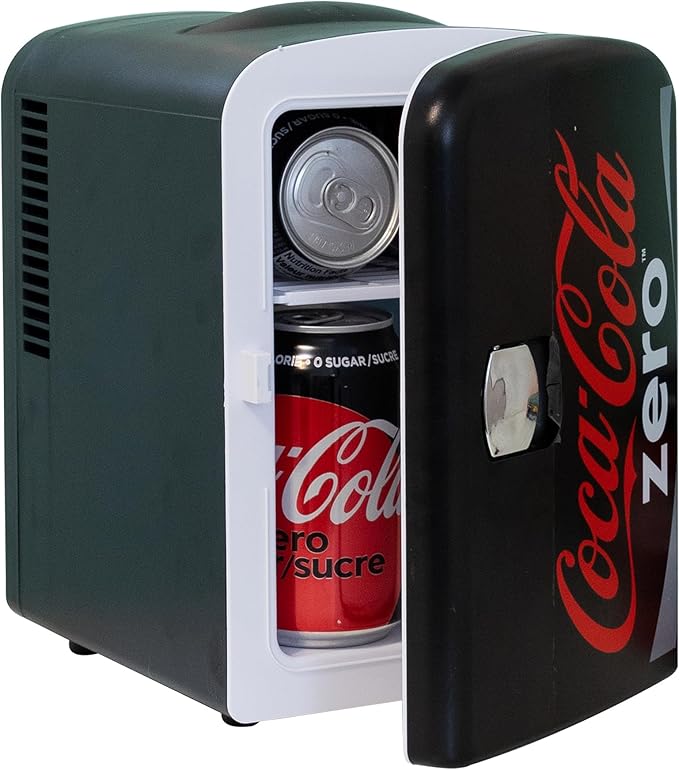
Compact coolers
These are the mini-fridge style units. They’re perfect if you:
Live in a smaller apartment or condominium
Want a dedicated cooler for a handful of beverages
Need something portable enough to relocate easily
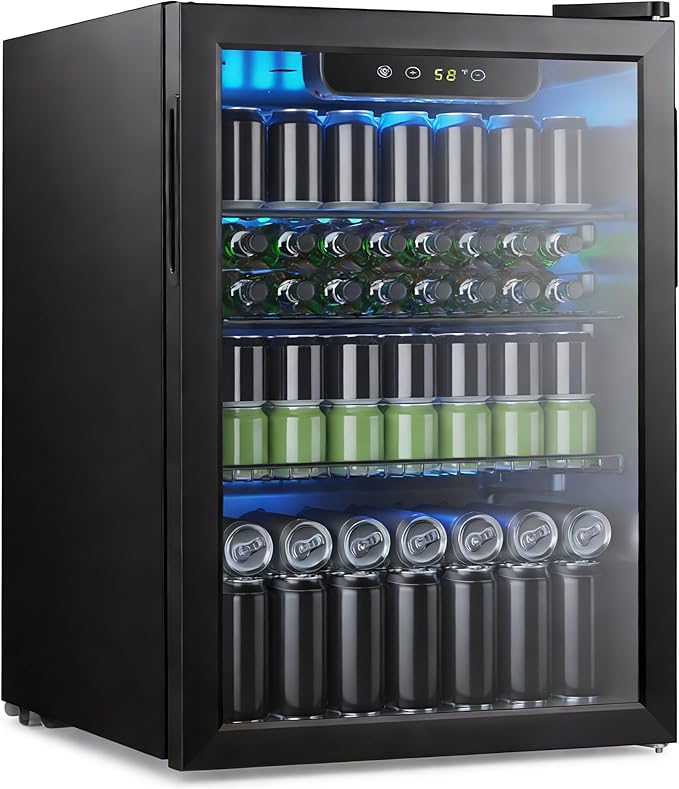
Compact units typically hold from 40 to 80 cans, depending on design. Keep in mind that if you enjoy bottled drinks, you might have to remove or adjust shelves to fit them all. Because these units are smaller, they’re often less expensive, but they can have limited temperature control compared to larger models.
Mid-size units
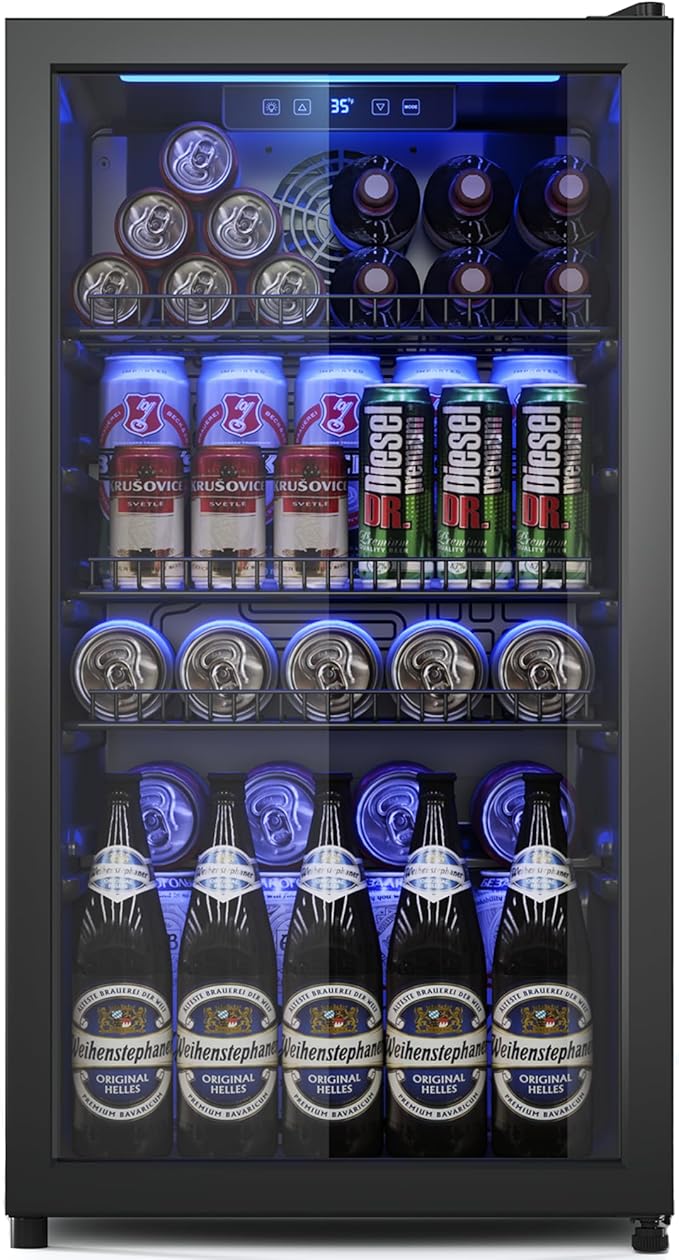
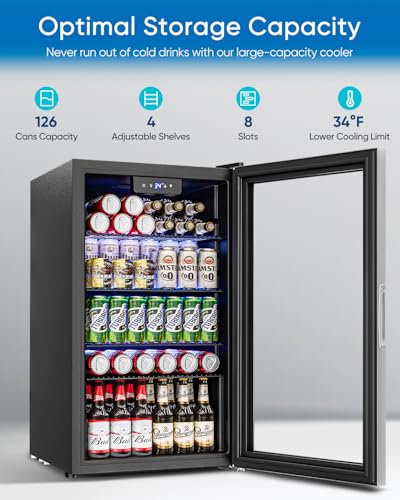
These sit in the sweet spot for many homeowners. They’re big enough to handle a variety of drinks but still small enough to tuck under a counter or fit alongside standard kitchen cabinets. With capacities often ranging from 80 to 150 cans, mid-size coolers are a good pick if you frequently entertain but don’t need to stock an entire party’s worth of beverages at once.
Since these models strike a balance between size and price, you’ll find a lot of variety in features, including adjustable shelves, compressor cooling, and sometimes dual temperature zones. If you’re worried about your existing kitchen space, measure carefully. And don’t forget to factor in door swing when placing the cooler near cabinetry.
Large capacity options
If you’re determined to have a real showstopper in your bar area, a large beverage cooler could be right for you. These can hold anywhere from 150 cans up to a few hundred, depending on the model. Some have multiple sections with separate temperature controls, so you can keep sodas on one side and wines on the other. Naturally, these require more upfront investment and physical space.
Large units make sense if you:
Host large gatherings regularly
Want to store a diverse collection (wine, beer, seltzers, etc.)
Have allocated space in a man cave or dedicated bar area
Just ensure that your floors and counters can handle the weight, and be prepared for a more noticeable presence (visually and in terms of energy usage).
You have a good grasp of which cooler might fit your needs. The next step is figuring out how you’ll integrate it into your bar or kitchen space. This is where you’ll consider the difference between built-in and freestanding, decide on door styles, and evaluate any design elements that matter to you.
Built-in vs. freestanding
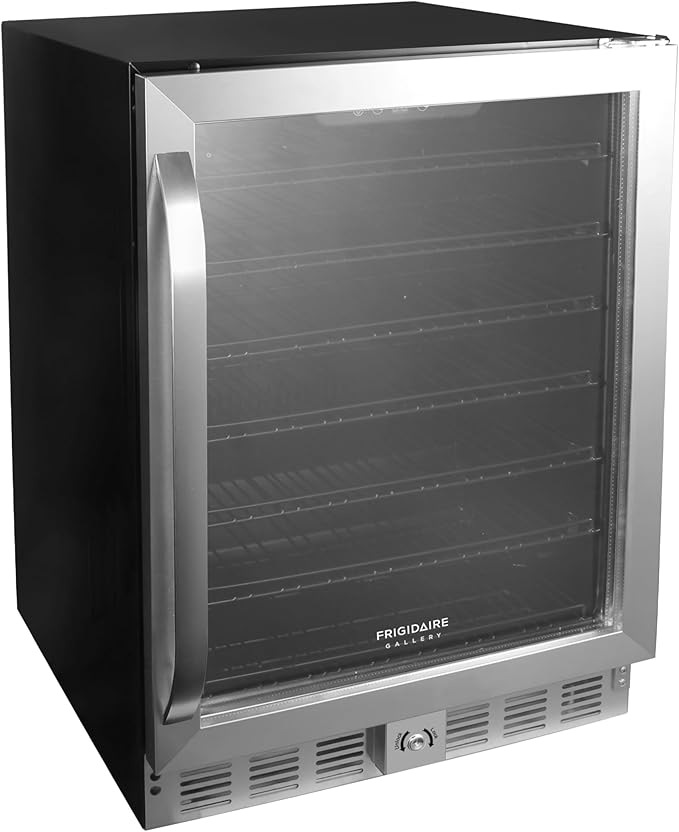
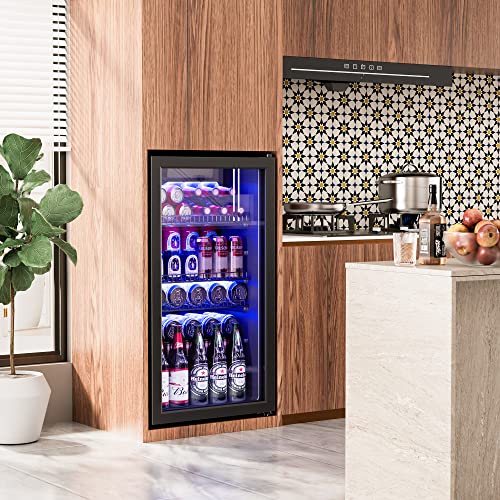
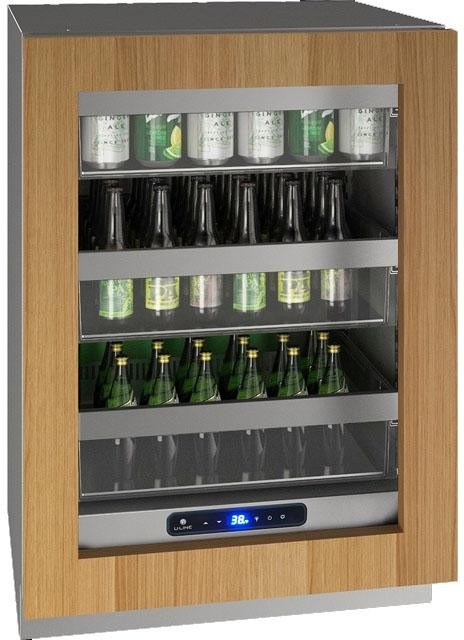
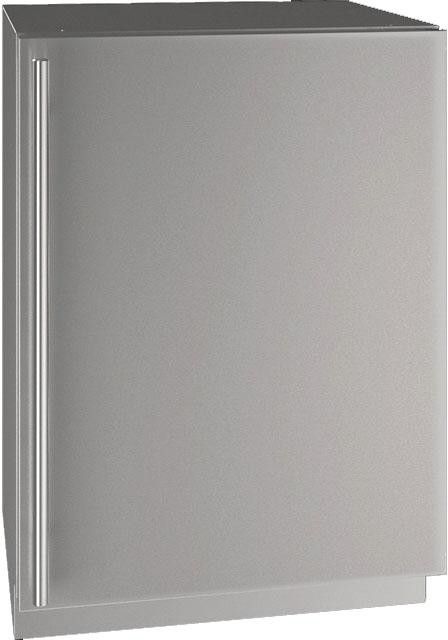
Built-in coolers are designed to slide under a counter or into cabinetry. They typically have front-facing vents to manage airflow. This approach offers a clean, custom look and can help save floor space. But keep in mind, these models sometimes come at a higher price.
Freestanding options can be placed anywhere there’s a power outlet and good ventilation. They’re often a bit more budget-friendly and allow you to move the cooler around if you decide to redo your layout down the road. On the flip side, freestanding units usually vent from the back, so you’ll need a few inches of clearance to prevent overheating.
Door style and aesthetics
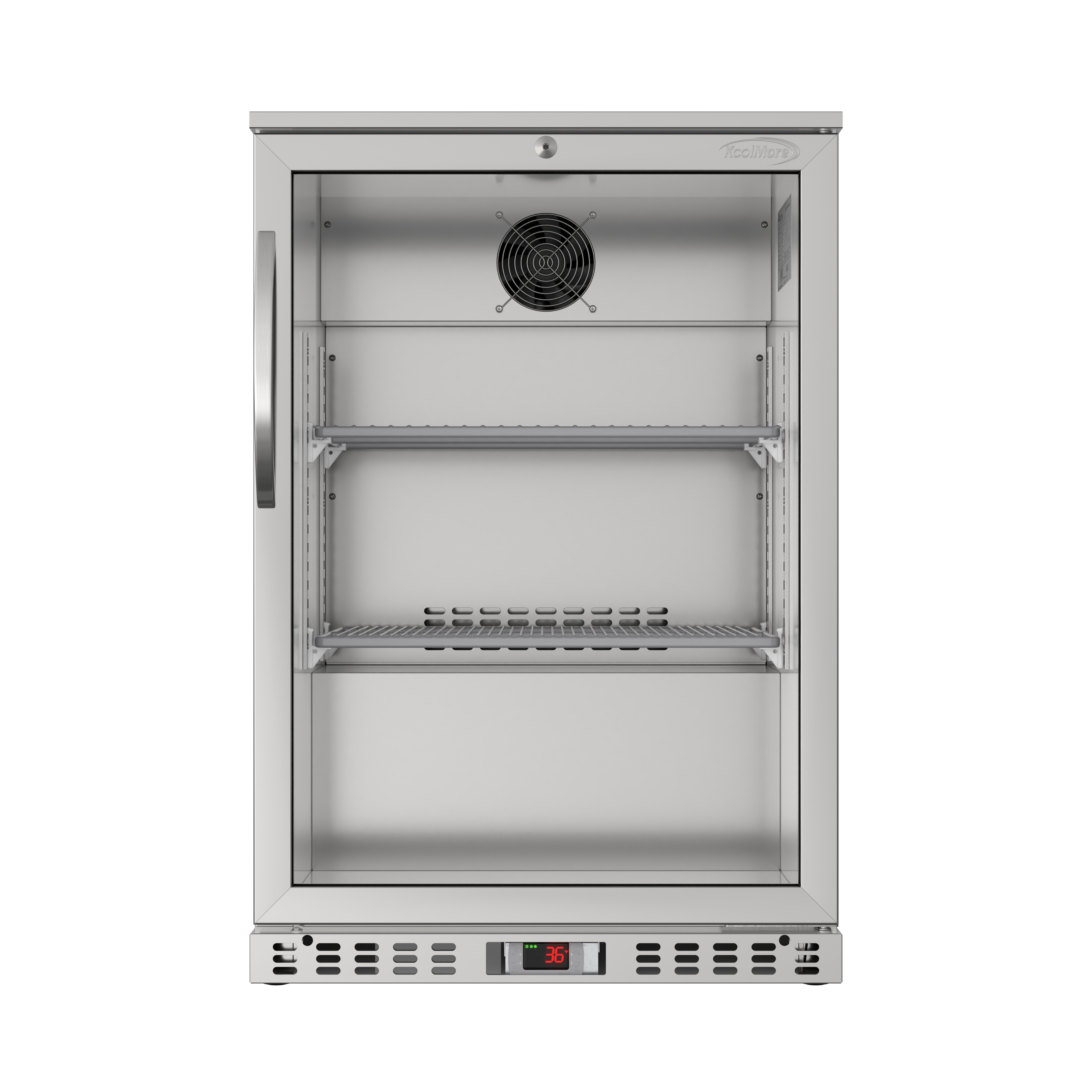
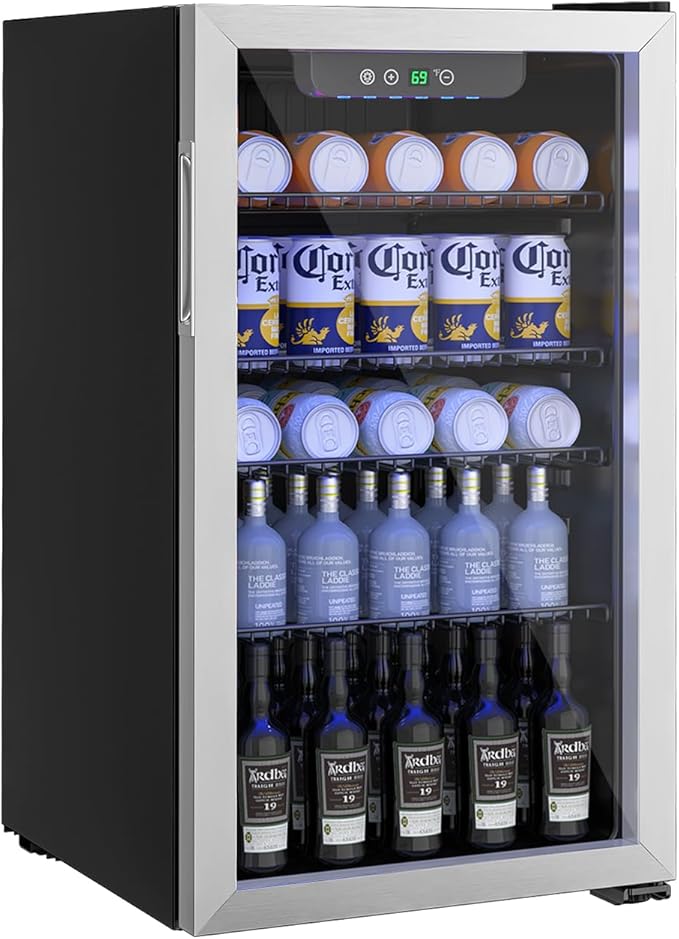
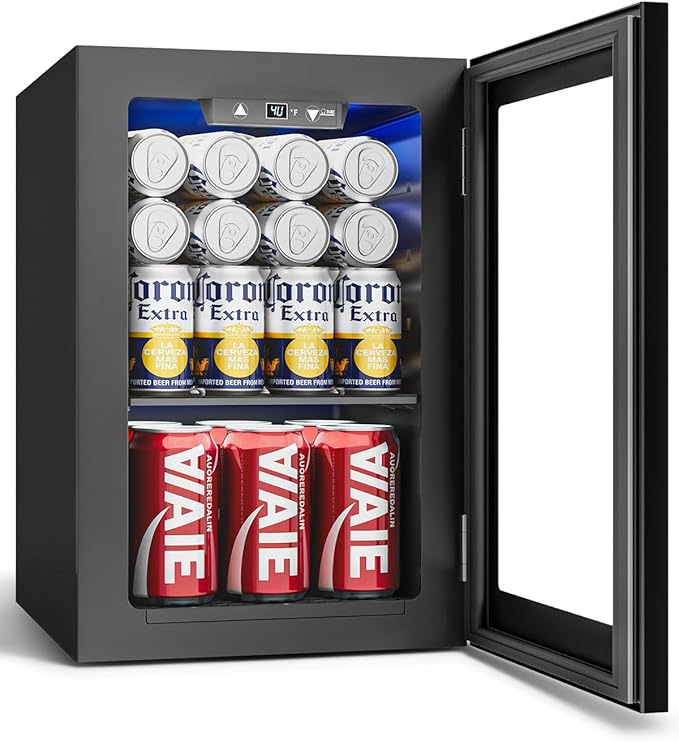
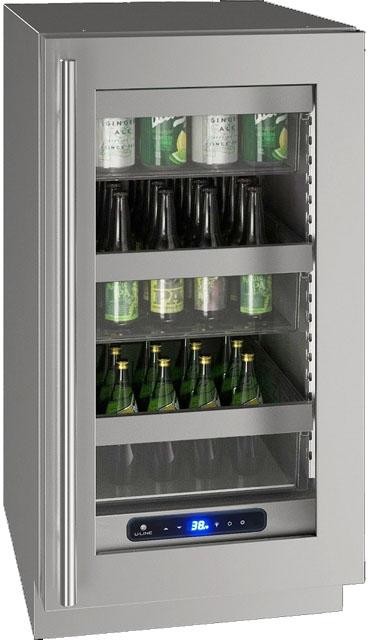
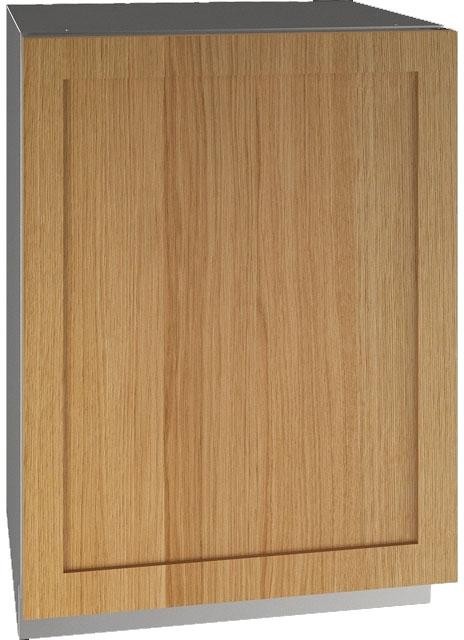
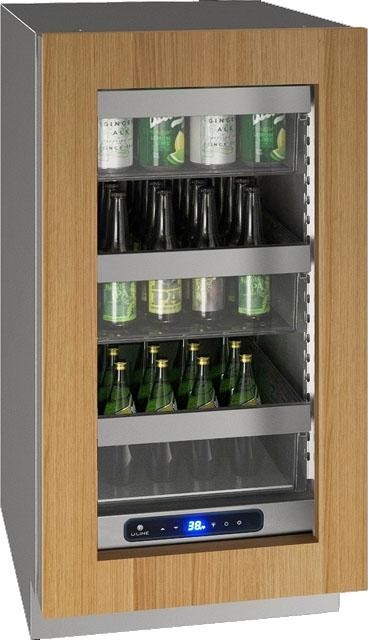
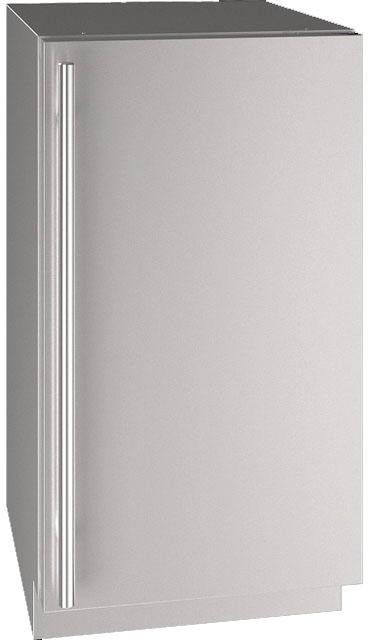
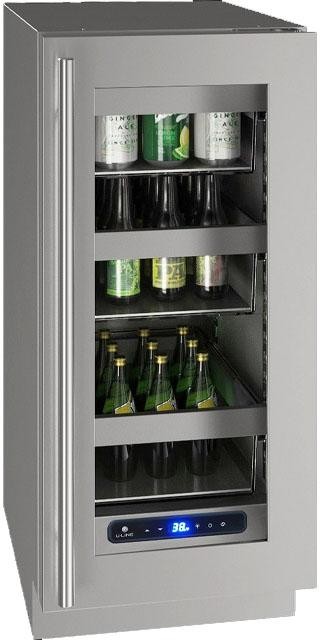
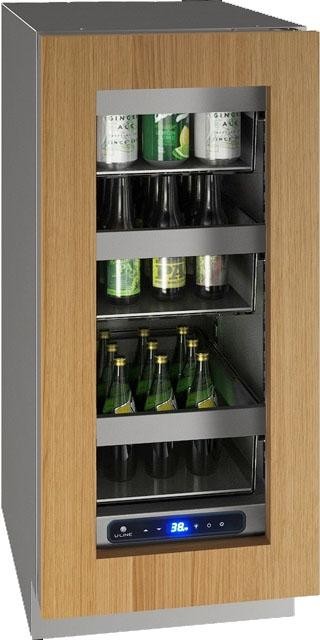
Glass doors are popular because you can see your selection without opening the cooler, keeping the cold air in and the fridge’s temperature more stable. Stainless steel trim lends a sleek, modern look that pairs well with most home bars. You might, however, prefer a solid door if you want to protect your drinks from some light exposure and reduce potential UV damage—especially important for certain beers and wines.
Blend with your décor
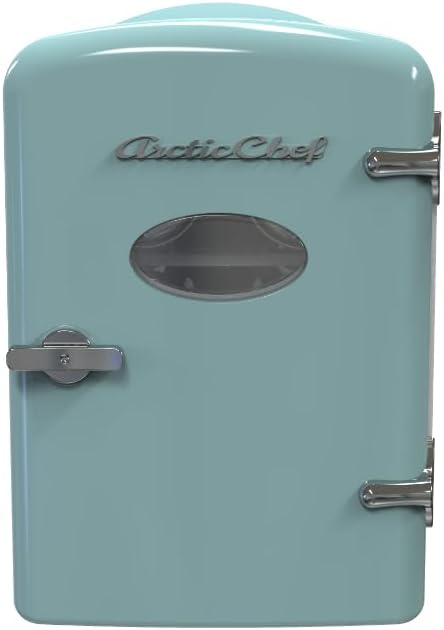
Beyond door style, also think about color and finish. A black cabinet or trim can blend invisibly with dark countertops, while brushed steel brightens up a room with a more industrial flair. If you have a themed bar area—like a retro setup—there are also fun, vintage-inspired models out there. Don’t be afraid to match it to your personal style so it feels like a cohesive part of your home.
Don’t forget deals and offers
While you’re planning, keep an eye on promotions or seasonal sales. For instance, if you’re focusing on beer in particular, you might find some interesting options in these beer fridge offers. These deals can help you land a high-end model without breaking the bank.
Maintain your cooler
You’ve invested time (and money) into selecting the beverage cooler that’s just right for your bar. To keep it running smoothly, maintenance should be part of your plan. Fortunately, upkeep is fairly straightforward if you adopt a few good habits.
Basic cleaning routine
Regular cleaning prevents odors, mold growth, and dust buildup in the vents. At least once every few months, unplug the unit, remove all drinks, and wipe down the interior with a gentle soap solution. Avoid abrasive cleansers that could damage the shelves or walls. If you’ve ever cleaned a standard refrigerator, you likely already know the basics. For a deep dive, you can also check out this handy tutorial on how to clean your refrigerator from top to bottom. Many of the same principles apply.
Additionally, focusing on the shelves themselves helps keep everything neat. If you’re looking for quick pointers, see the easiest way to clean refrigerator shelves to ensure you’re not missing any tricky spots.
Monitor temperature and humidity
Every couple of weeks, verify that the internal temperature matches your settings. Will your cooler beep if it notices significant fluctuations? Some models do. A small moisture absorber or dehumidifier pouch can help stave off condensation, especially if you live in a humid area. Keeping a thermometer inside can also give you peace of mind that your beverages remain at the right chill.
Troubleshooting common issues
Here are a few frequent hiccups and how to address them:
Strange noises or rattling: Make sure the unit is level and check that no items inside are vibrating against the walls.
Frost buildup: If you notice ice accumulating along the back wall, you might have your temperature too low, or the door seal could be compromised. Inspect the door gasket and thaw the frost following the manual’s instructions.
Temperature fluctuations: Ensure the vents aren’t blocked, and clean the condenser coils (if accessible) to improve efficiency.
When bigger problems pop up, consult the manufacturer’s guide. If repairs turn out to be too expensive, consider whether it’s time to replace or upgrade.
From defining your bar style to performing simple upkeep, you’ve learned how to turn a basic beverage cooler into a real game-changer for your home setup. Picking the right cooler isn’t just about aesthetic appeal, but also about capacity, temperature control, and convenience. A well-chosen cooler means your drinks are always ready to impress guests or cap off a long workday with a crisp, cold beverage.
So, what’s next? Take your room measurements, note your beverage preferences, and compare model specs. Then, decide whether you want a built-in or freestanding unit, pick your favorite door style, and focus on features like dual temperature zones or energy efficiency. If you spot a fun sale, jump on it—especially if it aligns with the specs you have in mind. You might also explore different fridge types if you want to expand beyond beverages, such as a dedicated refrigerator for meal-prep ingredients. For instance, if you’re following a special diet that requires a lot of fresh produce or specialized storage, you could look into a best freezerless refrigerator for keto diet to complement your beverage cooler.
Above all, choose a unit that fits your routine. If you’re the type who loves to tinker, a model with lots of adjustable settings might be fun. If you just want to keep your go-to drinks cold, don’t overcomplicate it. In either case, you’ll soon find that having a dedicated beverage cooler turns your bar area into a more welcoming, effortless part of your home. Enjoy the freedom to grab a perfectly chilled drink at any moment, share tasty beverages with friends, and say goodbye to overstuffing your main fridge.
Now that you have a handle on beverage cooler essentials, it’s time to pick your winner. Whether you go for a compact model or a top-of-the-line dual-zone masterpiece, you’ll soon appreciate that extra convenience every time you pop open a bottle or can. Cheers to an at-home bar that’s both fun and functional!
From Fridge.com research
Figures below come from data Fridge.com builds and maintains. Each links to the record behind it.
Fridge.com Energy Index, built on U.S. EPA and DOE ENERGY STAR records
Across 122 ENERGY STAR certified compact cooler models, median use is 134 kWh per year — 32% better than the federal standard.