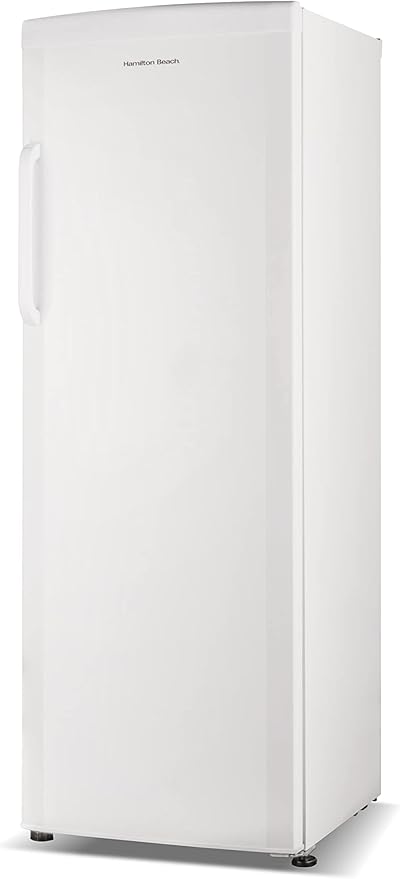
Hello there! Have you ever looked at those leftover slices of pesto pizza on your kitchen counter and asked, “Can I keep pesto pizza in the freezer?” If so, you’re in the right place. This guide will walk you through exactly how to store, freeze, and eventually enjoy your pesto pizza again without losing flavor or texture. Whether you’re dealing with a specialty homemade pie or a store-bought version, you’ll learn easy techniques to keep that pesto goodness locked in for days or weeks—whatever suits your schedule. You’ll also pick up tips on avoiding freezer burn, preventing soggy crusts, and making sure your freezer stays efficient along the way. Ready to learn more? Let’s dive in!
Understand pesto pizza
It’s helpful to start with a quick overview of what makes pesto pizza different from a typical tomato-based slice. Pesto itself is a sauce made primarily of fresh basil leaves, pine nuts, Parmesan cheese, garlic, and olive oil. Sometimes, people add their personal twists (like spinach or walnuts). This oily, herb-packed sauce tends to behave a little differently than tomato sauce does once frozen.
Most of the time, pesto pizza also includes fresh cheese, such as mozzarella, which pairs wonderfully with the tangy herbs in the pesto sauce. You might also find tomatoes or other veggies scattered on top for extra flavor and color. Compared to a red-sauce pie, pesto pizza can be a bit more delicate. Basil’s flavor can fade or turn slightly bitter if not handled correctly, while the olive oil can separate if frozen carelessly.
Another big difference is the overall texture. With tomato-based pizzas, you often have a heartier sauce that feels thick enough to withstand slight moisture changes during freezing. By contrast, pesto is thinner and oil-heavy, so it can absorb into the crust or separate from the cheese if you don’t store it well. You’ll want to take a little extra care prepping and wrapping these slices so they keep that bright, herby punch.
Why does this matter? In short, if you throw a pesto pizza slice into a freezer bag with little thought, you might end up with a soggy, flavorless hunk of bread. That’s no fun. But when you freeze pesto pizza properly, you’ll preserve not just the taste but also the texture and visual appeal. After all, nobody wants the leftover slices to come out looking pale and mushy.
One last note: because pesto sauce can be pricier than standard marinara (basil and pine nuts aren’t cheap!), you’ll want to get the most from your pizza. Wasting slices because they’re past their prime is a bummer, so let’s figure out how to avoid that. By the end of this article, you’ll know exactly how to freeze your pesto pizza so each slice remains a treat, not a disappointment.
You might wonder: Why go through the hassle of freezing pesto pizza when you could just place it in the fridge and eat it the next day? There are a couple of good reasons. First, refrigeration only keeps pizza slices fresh for a limited time, usually around three to four days. After that, you’re looking at stale dough, dried-out cheese, and possibly an off-taste from the pesto sauce. Freezing, on the other hand, can extend the life of your pizza to a few weeks or more, depending on how well you store it.
Second, freezing helps you avoid food waste. Maybe you ordered a family-sized pie for a party, and half of it is still around. Maybe you baked a large homemade pizza, and you only managed to finish half a dozen slices. In many households, tossing food is the last thing you want to do, especially if money is tight or you just hate waste. Keeping your leftover slices in the freezer is one of the easiest ways to stretch your grocery budget.
Third, convenience is key. When you freeze your pizza, you create a ready-to-eat meal for those days when you don’t feel like cooking from scratch. In less time than it takes to drive for takeout, you can pop a slice in the oven, reheat it, and have a perfectly tasty lunch or dinner. It saves you from an extra trip to the store, and if you label the slices carefully, you’ll know exactly what’s in your freezer.
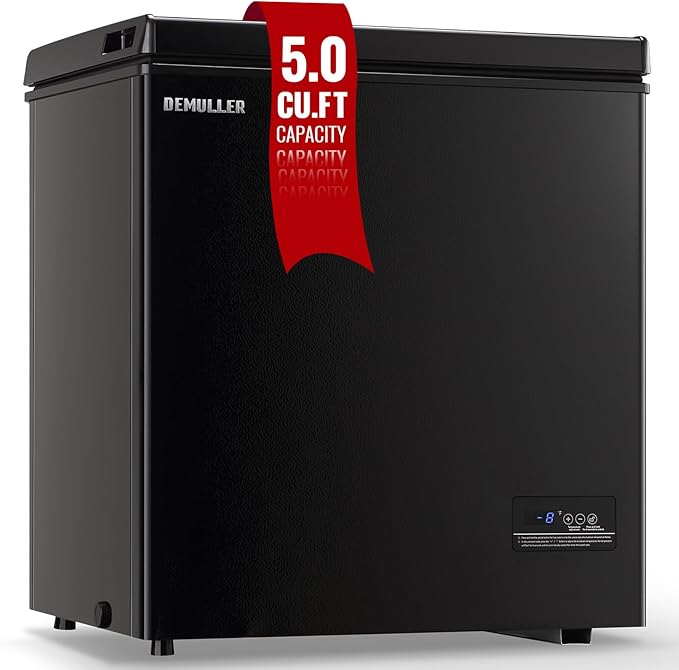
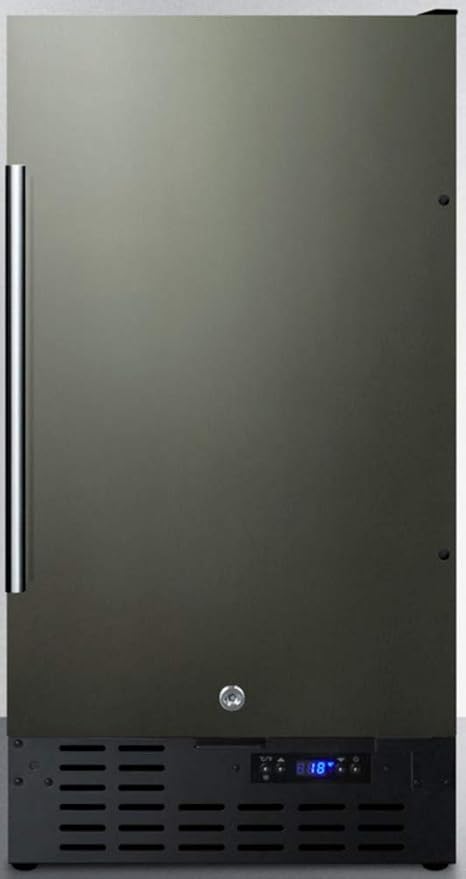
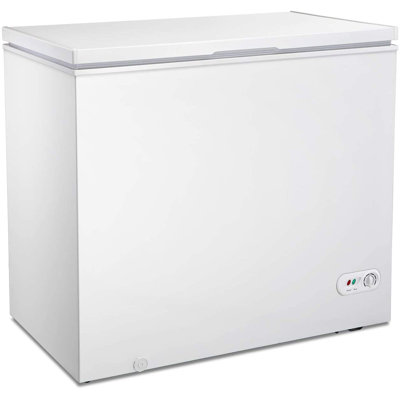
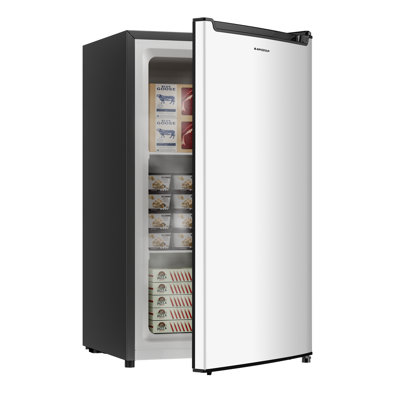
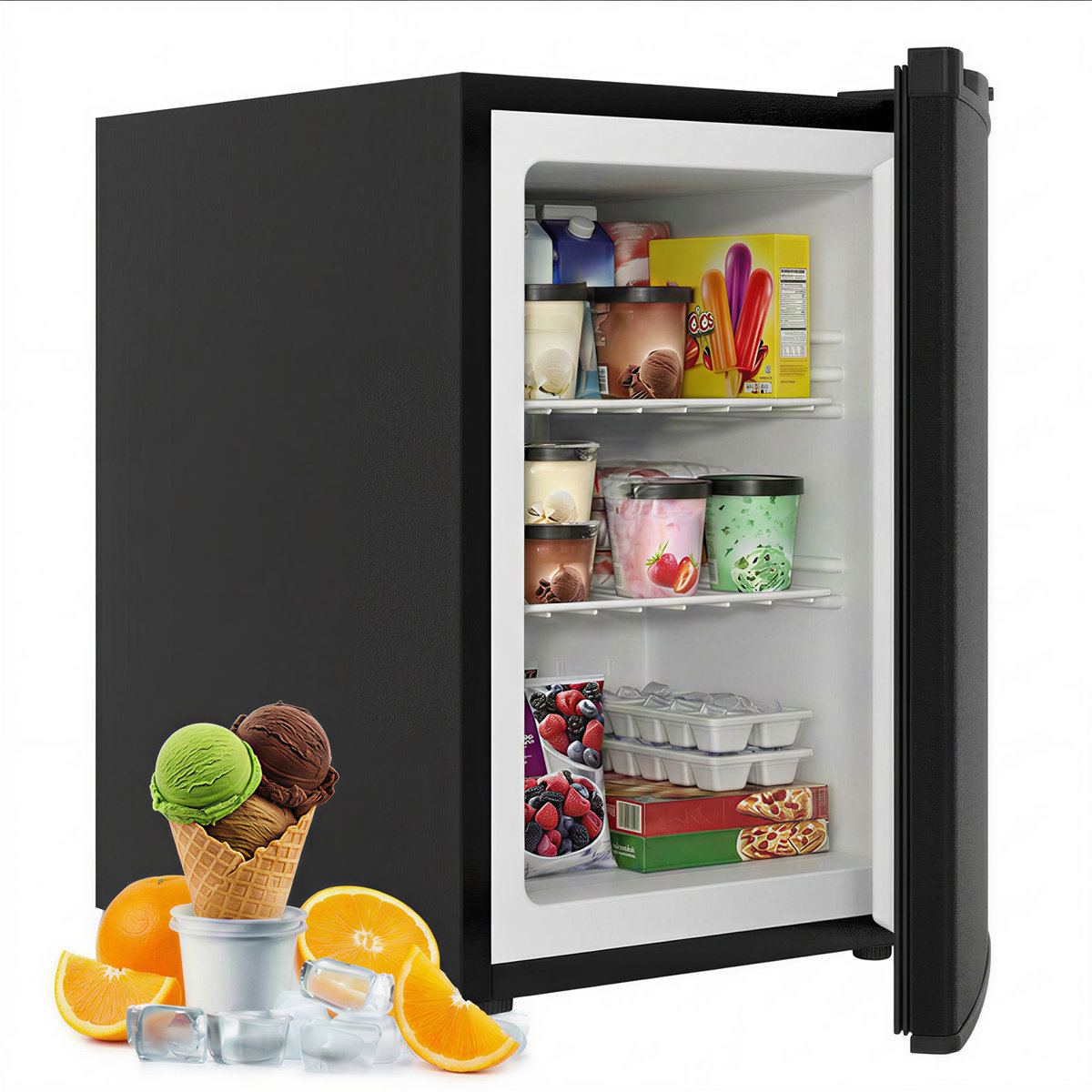
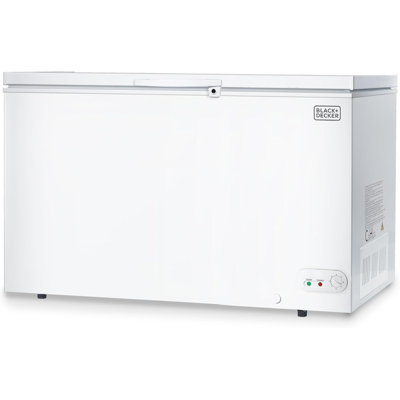
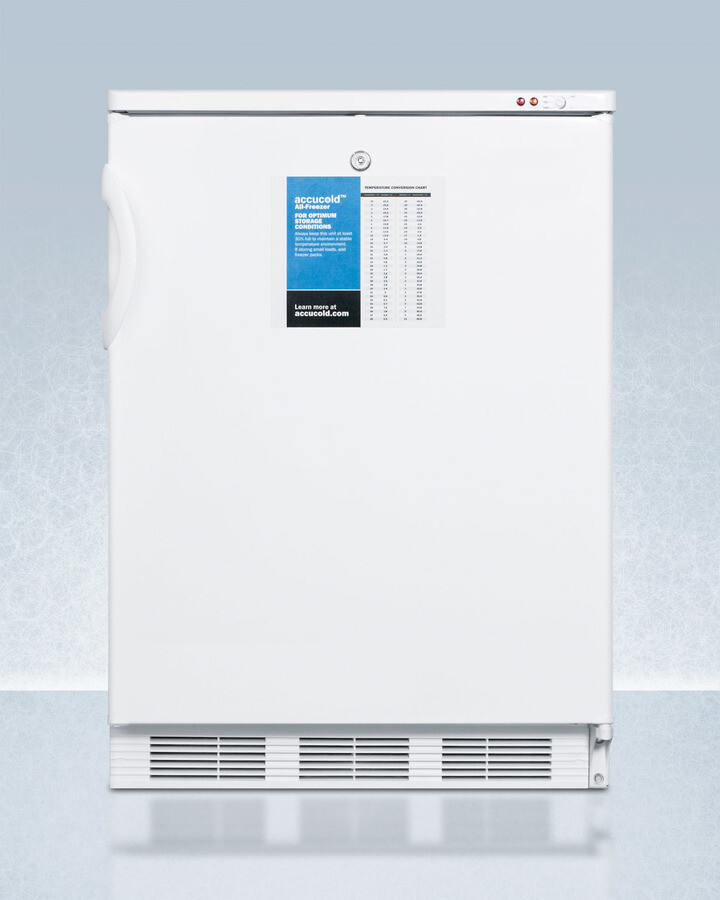
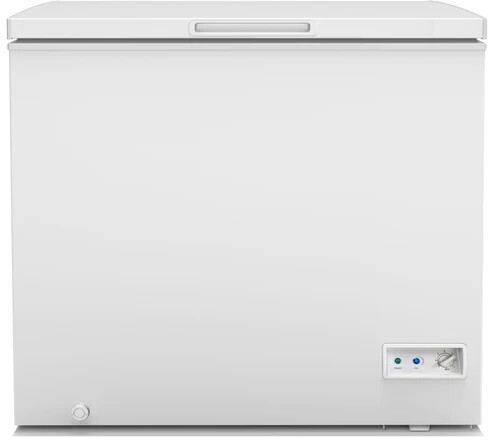
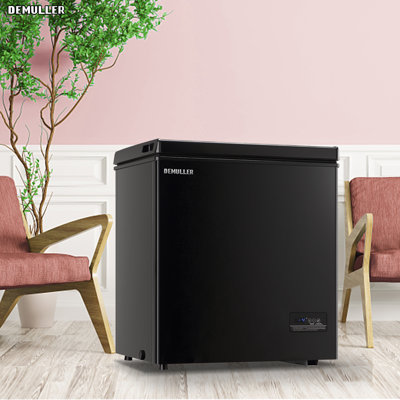
Of course, these benefits do hinge on proper packaging and freezing techniques. If you’ll be storing your pizza in a built-in freezer, for instance, you might enjoy reading what fits in a built in freezer? to better organize your space. Whether you have a large chest freezer in the garage or a compact freezer in your kitchen, the general principles remain the same. The important part is maximizing space and ensuring your pesto pizza is wrapped tight against potentially damaging air.
Before you pop your pizza into cold storage, a few straightforward steps will help seal in the flavor and ensure the slices stay crisp. First, allow the leftover slices to cool at room temperature for about 10 to 15 minutes after you finish your meal. There’s no rush! Attempting to freeze hot or warm pizza can cause condensation, which can lead to a buildup of ice crystals when you finally tuck it into the freezer.
Next, pat off any excess grease or moisture with a clean paper towel. This matters more than you might think, especially with pesto pizza, which naturally contains more oil than tomato-based varieties. If the crust is already buttered with oil, you don’t want an extra layer floating around and contributing to freezer burn later.
After that, pre-slice any larger pizzas into single-sized portions if you haven’t already. One giant wedge of pizza can be a real pain to thaw if you only want a small slice. Plus, single-serving portions are much easier to handle. This step is particularly handy if you live alone or share a place with someone who doesn’t eat much. You can freeze exactly what you need without forcing a big chunk on yourself later.
If your pesto pizza includes fresh tomatoes or other veggies on top, examine them to make sure they aren’t too watery. If you see a very soggy tomato slice, either remove it or gently blot it to avoid adding unnecessary moisture. A lightly cooked tomato typically freezes fine, but a super wet topping can cause problems. Also, keep an eye on any small ingredients like roasted onions or mushrooms. Decide whether they’re sturdy enough to handle freezing, or remove them if they seem slimy.
Lastly, organize your freezer space. It’s never a bad time to tidy up. If you need inspiration, you may want to see how to clean your refrigerator from top to bottom. While that article focuses on cleaning, organizing your fridge and freezer often go hand in hand. By clearing space and wiping away old spills, you’ll create a better environment for your precious pesto pizza slices.
Use correct storage methods
So, how do you bundle up your pesto pizza for its deep freeze nap? The method you choose will dictate whether you end up with fresh, delicious slices or ice-laden, bland lumps of dough. Here’s a quick look at common storage approaches:
Airtight freezer bags: These work best if you remove as much air as possible to reduce the chance of freezer burn. You can press out the air by hand or use a small straw to suck out excess air (some folks do this if they don’t own a vacuum sealer). Label the bag with the date, so you don’t forget how long it’s been in there.
Plastic wrap plus foil: Many pizza lovers prefer a double wrap for extra protection. First, wrap each slice tightly in plastic, then layer aluminum foil around it. This combo slows down the transfer of odors and offers a bit more cushion against bumpy items in the freezer. Make sure the seal is tight, or you could still wind up with dryness creeping into the crust.
Rigid containers: If you happen to have freezer-friendly containers that fit your slices neatly, feel free to use them. Often, you can stack multiple slices with parchment paper in between. Just ensure the lid snaps on firmly. Hard-sided containers stack well, so they help keep your freezer organized.
Vacuum sealing: If you own a vacuum sealer, you already know it’s a great way to keep air out and preserve foods longer. Many pizza lovers swear by this method. Just be cautious that the suction action doesn’t crush the slices. If you have a gentle vacuum sealer, or you’re comfortable controlling the suction, this can be your best option.
Any method you choose should keep your slices snuggled safely away from circulating air and potential freezer odors. Remember, your freezer can hold all kinds of items—leftover fish fillets, open bags of vegetables, or even unsealed ice cream. You really don’t want your pesto tasting like fish or frosting. If you find that you’re consistently short on space, consider upgrading. For extra storage, you might look into an upright or chest model and even check out order deep freezers: offers to see what deals are available.
Once your pizza is safely stored, your next question might be: How long can these slices hang out in the freezer before they lose their edge? Generally, frozen pizza—pesto or otherwise—tends to maintain its best quality for about one to two months. This doesn’t mean it goes bad immediately after that window, but you’ll likely notice the flavors aren’t as bold and the texture might be a bit off.
Why the short timeline? Freezer burn is the main culprit. Even if you’ve taken steps to eliminate air and extra moisture, tiny ice crystals can form over time. They melt during reheating and compromise the crust. Pesto sauce can also start tasting bland or even slightly sour after a couple of months. This is partly due to the delicate nature of fresh basil, which can oxidize over time.
If you’re the type who likes to keep everything super-organized, chart out your freezer inventory using a simple spreadsheet or sticky notes on the freezer door. That way, you’ll always know which pizza slices went in first. And if you’re already a bit short on space, you might enjoy reading about more specialized fridge types, like the best freezerless refrigerator for keto diet, depending on your lifestyle and eating habits. While that might not be your immediate concern, it’s sometimes interesting to explore how different fridge configurations can solve storage issues.
Another tip: When you notice your slices have been sitting for around a month, consider moving them to the top of your “must eat” list. You’ll enjoy them at near-optimal freshness. After all, there’s no point in freezing something if you never plan to eat it. By setting a loose schedule for your freezer meals, you ensure that your effort and money weren’t wasted.
Your moment of truth arrives when you open the freezer door, pull out that carefully wrapped slice, and prepare to bring it back to life. Now what? There are several ways to reheat pesto pizza, but here are a few top contenders:
Oven or toaster oven: Preheat to around 375°F (190°C). Remove any wrapping and place the slice directly on the oven rack or on a baking sheet lined with parchment paper. Heat for about 10 to 15 minutes, checking at the halfway mark. The cheese should get bubbly and the crust golden. This method makes the pizza crispy on the bottom.
Stovetop skillet: Craving a quick fix? Warm a nonstick or cast-iron skillet over medium heat. Pop the frozen slice right into the skillet, cover it, and let it heat for about five to seven minutes. The direct contact with the skillet’s surface can crisp the crust nicely, while the lid traps heat to melt the cheese.
Microwave (with caution): If you’re in a hurry, you can microwave a frozen pesto pizza slice for about two to three minutes, depending on the wattage. This option often results in a soggier crust, unless you have a microwave crisper tray. If crispness matters, you might want to explore the oven or stovetop route instead.
Air fryer: More people are investing in air fryers for that crispy edge. If you have one, set it to about 350°F (175°C) for around five to eight minutes. Just be sure not to overcrowd the basket. The air fryer can quickly overbrown the crust if you’re not careful, so keep an eye on it.
No matter which route you choose, consider letting the pizza thaw for about 10 minutes on the counter before heating, so you won’t shock the crust and cheese with sudden extreme heat. This is more of a preference than a rule. Some folks don’t mind skipping that step and going straight to reheating from fully frozen.
If you’re pulling your slice out and notice frost buildup or dryness, that could be freezer burn. In that case, you might need to gently rub off any icy crystals before heating. Or, if the slice looks too far gone, it may be best to discard it. There’s no sense in forcing yourself to eat subpar pizza, right?
Freezer burn can happen to the best of us, even when we meticulously package our food. But there are a few extra measures that help keep your pesto pizza safe from dryness and flavor loss. The biggest tip is reducing air exposure. You can double-wrap each slice, press out all the air, or use a vacuum sealer. Even so, sometimes a well-organized freezer is the missing piece in your pizza preservation plan.
If you find you’re overloading your freezer or letting items accumulate too long, you might want to schedule a periodic refresh session. Aim for once every month or two. Pull out older items, plan your meals around them, and eliminate anything too freezer-burned to salvage. Doing so keeps your freezer tidy, and it also helps you stay on top of expiration dates.
Additionally, ensure that your freezer maintains a steady temperature of 0°F (-18°C) or below. Frequent opening and closing of the door can cause temperature fluctuations, increasing the chance of partial thawing and re-freezing, which leads to ice crystal formation. If you have the space and you’re a real freezing enthusiast, you might appreciate a free-standing unit. Check out order deep freezers: offers if you’re thinking about adding extra freezer space to your home.
Give yourself a routine reminder to inspect your freezer seals too. Torn gaskets around the door or frost buildup from time to time can compromise the whole operation. While these little tasks might seem small, they can make a big difference in preserving the taste and texture of everything you’re freezing, from pesto pizza to leftover chili.
Explore leftover dough and sauce
While we’re on the topic of freezing pesto pizza, you might also wonder about storing leftover dough or sauce for future pizza nights. After all, maybe you have a container of pesto you didn’t finish, or you made extra dough for a double batch. Good news: both dough and pesto sauce can be frozen pretty well with a few quick pointers.
Dough: Roll your extra dough into individual balls. Lightly coat each ball with olive oil (to prevent sticking), place them in freezer-safe bags or containers, and label them with the date. When you’re ready to use them, simply thaw overnight in the fridge or for a few hours at room temperature. Once the dough is soft and pliable, you’re back in action for another round of pizza-making.
Pesto sauce: Transfer the sauce into a small, airtight jar or freezer-friendly container. Some people like to pour leftover pesto into ice cube trays, freeze until solid, then pop the cubes into a labeled freezer bag. This method lets you grab exactly the amount of sauce you need. If you like the idea of portioned freezing, you might also be interested in the cubes freezer tray: cyber monday sale for convenient one-ounce or two-ounce portions.
Reusing your sauce: Thawed pesto might separate a bit due to the olive oil, but a quick stir will typically restore the consistency. If you notice it tastes a little dull, toss in a pinch of salt or a tad more cheese and garlic to perk it up.
Keep in mind that homemade pesto often contains raw garlic, so be sure you’re handling it safely. Store-bought pesto might have preservatives that lengthen its shelf life, but once opened, treat it with caution. Give the sauce a sniff test before using it again, and if anything smells “off,” toss it. Safe handling and mindful freezing practices are your best bets for a tasty next pizza night.
By now, you’ve got the full scoop on handling that leftover pesto pizza. You know that letting slices cool, patting away moisture, and wrapping them carefully can make all the difference in the final taste. You also know you can keep your pesto pizza in the freezer for about one to two months and reheat it in the oven, skillet, microwave, or even an air fryer. Plus, you’re now prepared to prevent freezer burn by banishing air pockets, keeping a stable temperature, and organizing your freezer regularly.
If you want to keep your pizza nights lively, consider pairing your frozen pesto slice with a refreshing drink kept on ice in the best beverage cooler for a bar. Or, if you’re planning a bigger kitchen upgrade, you might be interested in exploring how a different fridge-freezer setup could better suit your storage needs. Take your pick, but always remember to finish the slices you’ve already got stored away!
Freezing might sound like an extra effort at first, but once you get into the habit, you’ll wonder why you didn’t start sooner. Sitting down to a perfectly reheated slice days, or even weeks, after the original pizza night can feel almost magical. The bright pesto flavor might still remind you of fresh basil leaves, while the crust remains pleasantly crisp.
So go ahead, stash those leftovers confidently, savor them at your leisure, and keep your kitchen routine efficient and waste-free. That’s the beauty of understanding exactly how to freeze and reheat your pesto pizza. Enjoy every slice, and feel free to share your own freezer tips in the comments. After all, you never know when your best trick might help someone else keep their favorite food tasting awesome!
Free tool
Food Storage Calculator
Free interactive tool from Fridge.com — get a quick answer while you read.