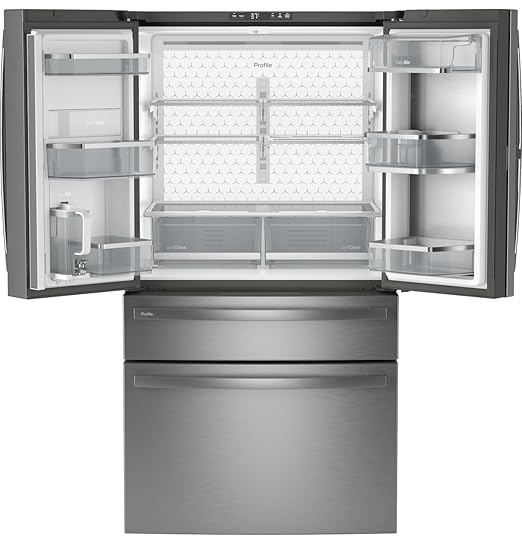
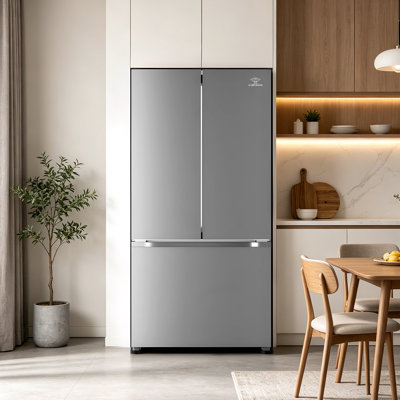
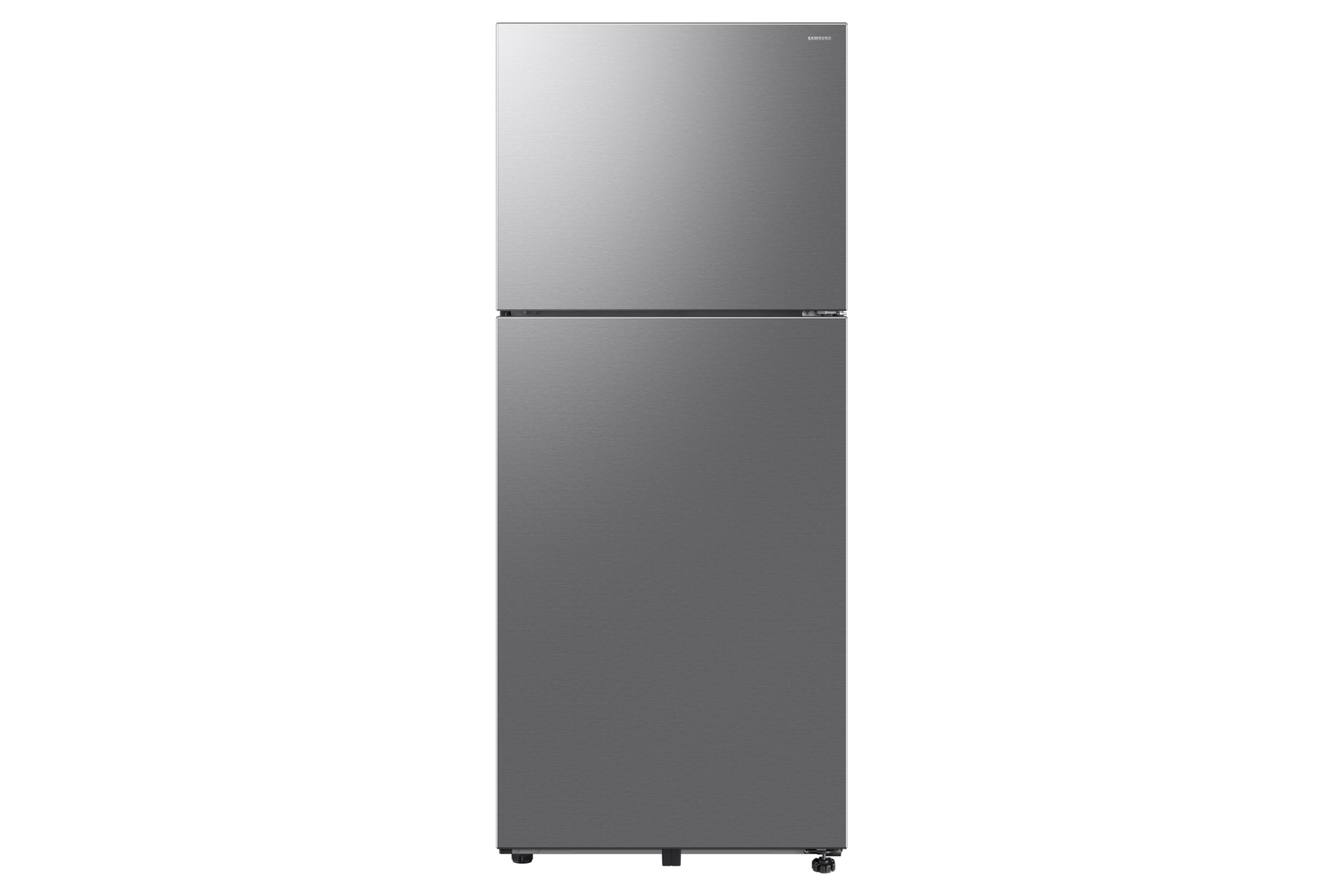
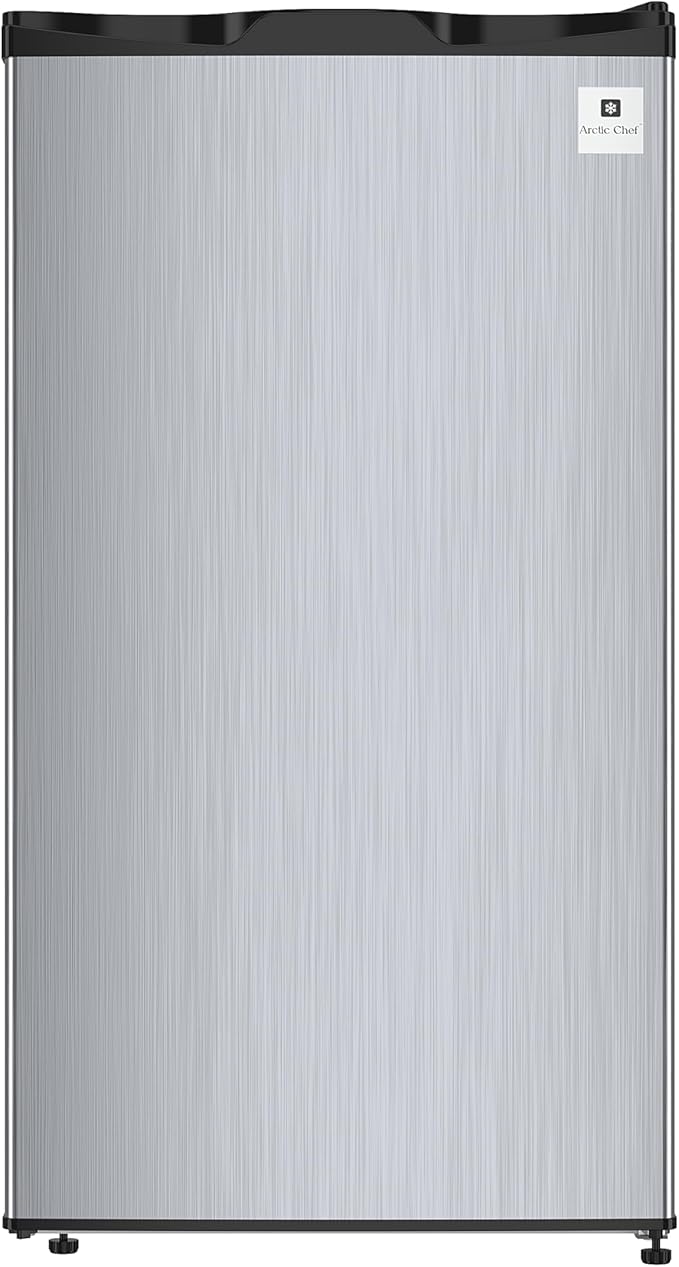
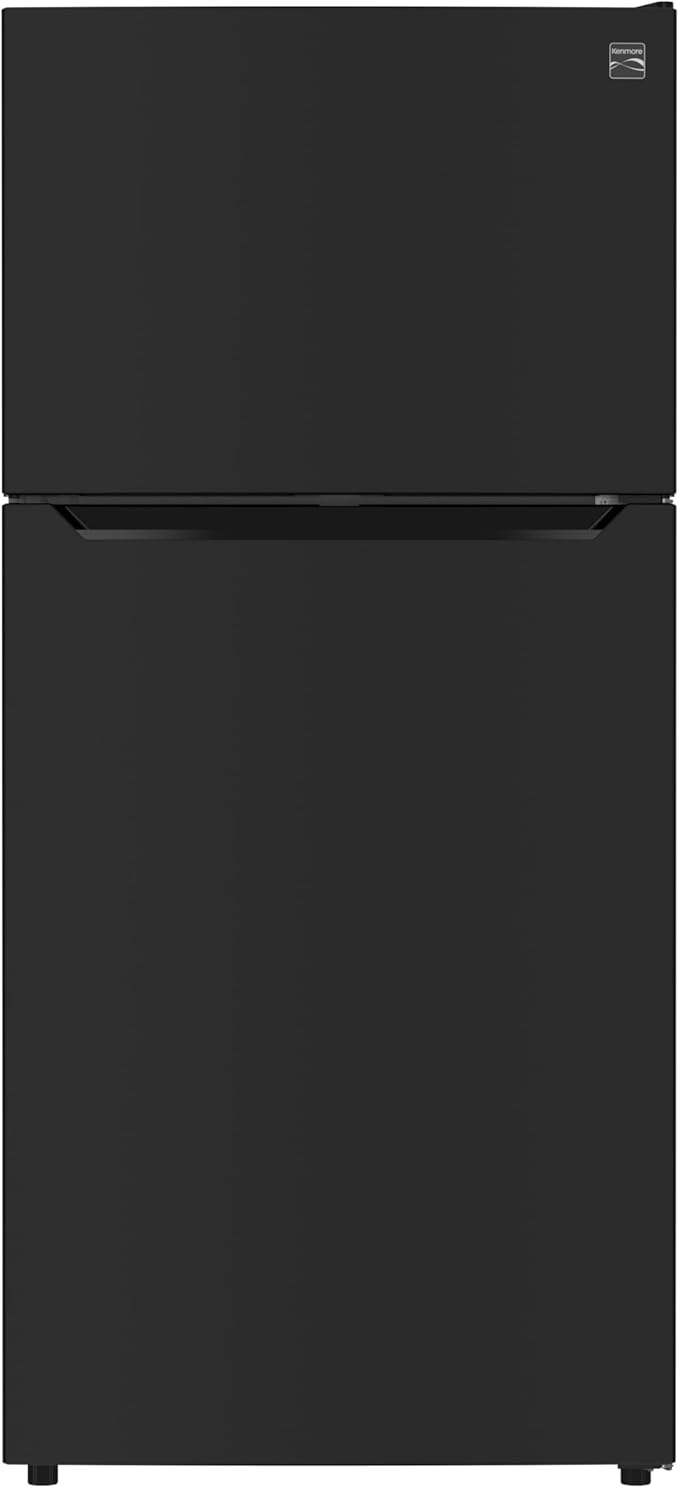
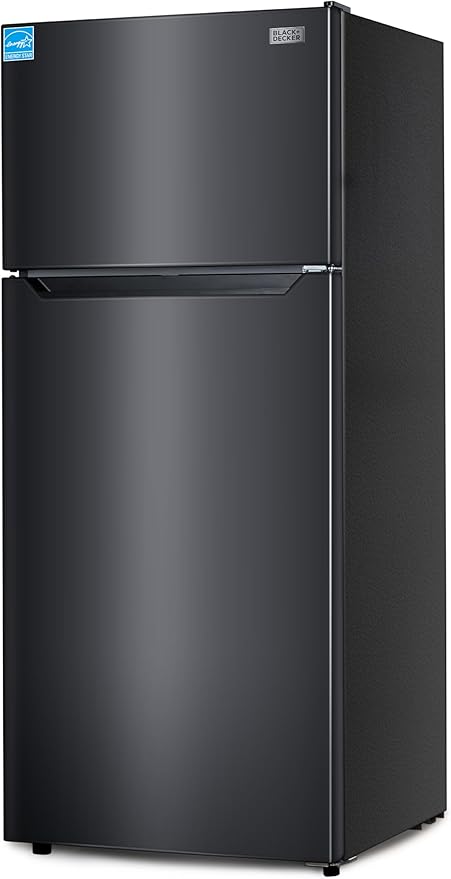
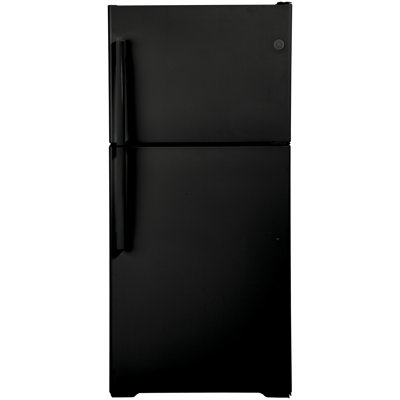
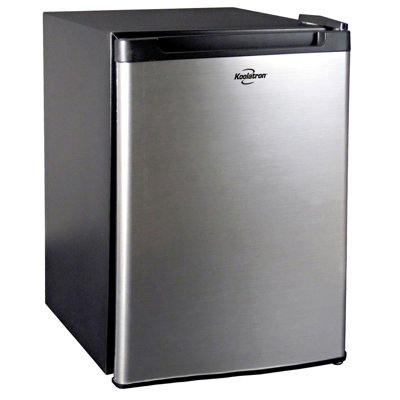
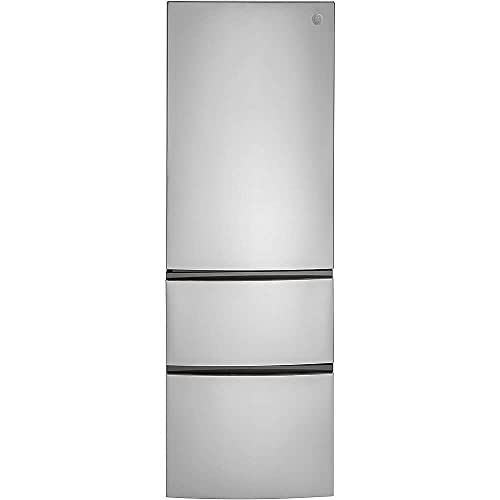
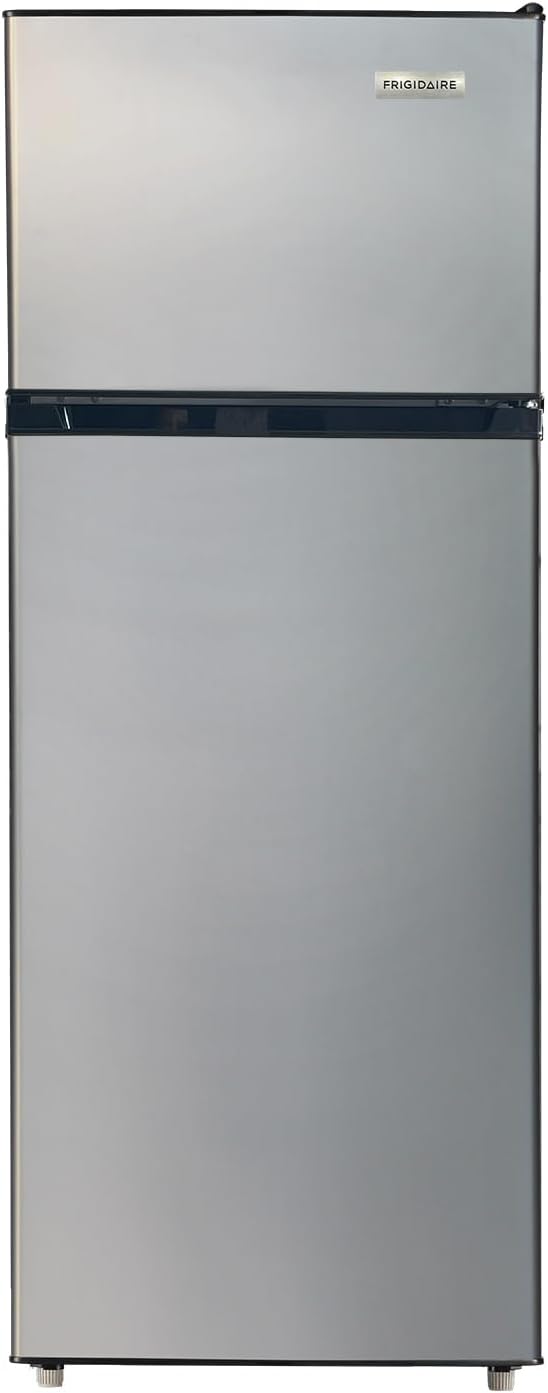
In this ultimate guide, you’ll get up close with what makes a 24 depth refrigerator different, how to measure for one, which features matter most, and how to keep it running smoothly day after day.
Replace Filters And Gaskets
Swap water filters as recommended—usually every six months.
Adjust Temperature Settings
Keep your fridge between 35 °F and 38 °F and your freezer at 0 °F.
Following these simple steps can trim energy consumption by 10 percent or more and reduce your long-term cost of ownership.
Looking for a fridge that fits flush with your cabinets and still delivers the storage you need? A 24 depth refrigerator offers a sleek, built-in look without the high price tag of true built-ins. In this ultimate guide, you’ll get up close with what makes a 24 depth refrigerator different, how to measure for one, which features matter most, and how to keep it running smoothly day after day.
Whether you’re outfitting a chef’s kitchen, stocking up for family meals, running a café nook in the office, or squeezing appliances into an RV or studio apartment, we’ve got you covered. You’ll learn installation tips, organization hacks, energy-saving strategies, top model picks, and answers to your burning questions—everything you need to choose and live happily with a 24 depth refrigerator.
Understanding 24 Depth Refrigerators
Before you shop, let’s nail down exactly what a 24 depth refrigerator is. Unlike standard full-depth fridges that can stick out 30 inches or more, a 24 depth refrigerator extends about 24 inches from the wall. That means the door and handles sit flush or nearly flush with your countertop run, giving a streamlined, built-in appearance without costly cabinetry modifications.
What sets these models apart is their balance of form and function. You get ample interior capacity—often between 15 and 20 cubic feet—while maintaining a flush look. In many cases you’ll see counter-depth or integrated panels that match your kitchen design. And because they don’t protrude, you avoid high-traffic bumps and wasted floor space in tight layouts.
Why choose a 24 depth refrigerator?
Clean, custom-like installation for modern kitchens
Better traffic flow in small galley or open-plan layouts
Compatible with many standard cabinetry openings
Plenty of storage for everyday needs
If you love the built-in style but need a budget-friendly option, a 24 depth refrigerator is your sweet spot.
When you narrow your search, compare these core features to find the model that fits your routine:
Capacity And Layout
Look for adjustable glass or wire shelves, humidity-controlled crispers, and door bins sized for gallon jugs. If you prep large trays or stack take-out containers, flexible shelving can make all the difference.
Door Style And Finish
You’ll find French-door, side-by-side, bottom-freezer, and top-freezer 24 depth options. Finishes range from stainless steel to fingerprint-resistant coatings and custom panel-ready exteriors.
Temperature Control Options
Models may include digital touchpads, dual-evaporator systems for separate fridge/freezer control, door-alarm alerts, and smart connectivity for remote monitoring.
Ice Maker And Water Dispenser
Built-in ice makers and external water dispensers free up freezer space but add cost. Consider whether you prefer inside-mounted dispensers to maximize cabinet grab space.
A 24 depth refrigerator won’t solve your kitchen puzzle if it doesn’t fit. Follow these steps to measure properly:
Measure Height, Width, Depth
• Height from floor to lowest overhead cabinet
• Width of the opening—allow at least 1/8 inch of wiggle room on each side
• Depth from wall to front edge of adjacent cabinets or island
Account For Ventilation
Most models need space on top or at the back for airflow. If you’re tight on clearance, explore zero-rear-clearance fridges—learn which side breath design permits zero rear clearance?.
Plan For Door Swing
Check how far handles extend and ensure doors can open fully without hitting counters, islands, or walls.
Check Floor Level
Uneven floors can affect door alignment and sealing. Make sure you can level the unit using adjustable front feet or built-in leveling legs.
Accurate measurements and clearance planning prevent delivery day headaches and ensure you enjoy that built-in look from day one.
Installation And Setup Tips
You’ve measured and shopped. Now it’s time to install and set up your new 24 depth refrigerator:
Professional Vs DIY
If you’re comfortable with basic plumbing and electrical work, you can manage a DIY install. Otherwise, hiring a pro ensures proper leveling, safe water-line hookups, and a sealed electrical connection.
Leveling And Positioning
Use a carpenter’s level to confirm the fridge sits perfectly flat. Adjust the front leveling screws or legs until the door closes on its own when left slightly ajar. A tilted unit can lead to cooling inefficiencies and water leaks.
Hooking Up Water Supply
If your model has a built-in ice maker or water dispenser, connect to the cold-water line per the manufacturer’s instructions. Replace the inline filter regularly for pure, great-tasting water—check our refrigerator water filter guide for tips on choosing and swapping filters.
Final Checks
• Confirm the drip tray is seated and draining properly.
• Listen for odd vibrations or sounds—these often indicate a missing leveling adjustment.
• Give it 4 to 6 hours for the fridge to stabilize at operating temperature before loading heavy groceries.
A careful install sets you up for trouble-free operation and peak performance.
Once your 24 depth refrigerator is humming, it’s time to organize so you can find everything at a glance:
Optimize Shelf Layout
Keep frequently used items—milk, juice, condiments—at eye level. Reserve top shelves for prepared foods and snacks, middle shelves for dairy and leftovers, and lower shelves for raw ingredients or heavy items.
Use Door Bins Strategically
Door bins are ideal for bottled sauces, dressings, and small jars. Avoid storing highly perishable dairy or eggs there since the door sees the most temperature fluctuations.
Maximize Crispers And Drawers
Store fruits and vegetables separately to keep humidity levels ideal. Adjust the dividers in deli drawers for meats, cheeses, and prepared meals.
Group Like Items
Create zones for breakfast, meal prep, snacks, and beverages. Use clear bins or lazy Susans to corral items and prevent spills.
By assigning a home for every item, you’ll reduce food waste, speed up dinner prep, and keep your fridge looking neat.
Regular maintenance keeps your fridge running efficiently and prevents surprises:
Clean Coils Annually
Dust and pet hair can coat condenser coils and force your compressor to work harder. Every six to twelve months, unplug the unit and vacuum or brush the coils—see our guide on how to clean refrigerator coils.
Empty And Wash Drip Pan
Ice makers and defrost cycles drain into a pan under the fridge. Check it periodically and follow steps to how to clean your fridge drip pan to avoid odors and mold.
Sanitize Interior Surfaces
Once a month, remove all food and shelves. Wash bins and trays in warm, soapy water, then wipe the cabinet interior with a mild bleach solution or vinegar spray.
Replace Filters And Gaskets
Swap water filters as recommended—usually every six months. Inspect door gaskets for cracks or gaps; clean them with soapy water to maintain a tight seal.
Keep Up With Software Updates
If your model has Wi-Fi or smart features, install firmware updates to improve efficiency and add new functionality.
A little maintenance goes a long way toward extending your fridge’s lifespan and keeping energy bills in check.
You care about your kitchen’s look and your utility bill. Here’s how to save energy:
Choose Certified Models
Look for the ENERGY STAR label on 24 depth refrigerators and consult our list of energy star certified counter depth bottom freezer refrigerators to find top performers.
Adjust Temperature Settings
Keep your fridge between 35 °F and 38 °F and your freezer at 0 °F. Each degree colder costs more energy without improving food safety.
Maintain Proper Airflow
Avoid overstuffing shelves and drawers. Air needs room to circulate so the compressor doesn’t run continuously.
Minimize Door Opening
Plan your meals, grab everything you need in one trip, and close the door fully each time to prevent cool air from escaping.
Defrost Promptly
If ice builds up in a manual-defrost freezer, thaw it before the buildup exceeds 1/4 inch. Thick frost robs efficiency and storage capacity.
Following these simple steps can trim energy consumption by 10 percent or more and reduce your long-term cost of ownership.
Top Brands And Models
When you’re ready to shop, these manufacturers lead the pack in quality, reliability, and style:
KitchenAid
Known for robust compressors and sleek designs, KitchenAid’s 24 depth French-door fridges offer dual evaporators and precise temperature controls.
Samsung
Samsung models often feature adjustable shelves with EZ-Open handles and bright LED lighting. Look for models with large capacity and external dispenser options.
LG
LG’s panel-ready counter-depth refrigerators blend into custom cabinetry. Many include smart diagnostics and repeat-freeze technology to protect food during power interruptions.
Bosch
Bosch focuses on quiet operation and refined finish options. Their 24 depth bottom-freezer units are a go-to for high-end, minimalist kitchens.
To compare prices and snag deals, head over to shop counter depth refrigerators: offers.Compare current prices and specifications on Fridge.com, then buy from the retailer you choose; delivery, installation and warranty terms are the retailer’s.
What makes a fridge “24 depth”?
It refers to the approximate 24-inch cabinet depth, measured from the back panel to the front of the unit (excluding handles).
Will a 24 depth refrigerator fit standard cabinets?
Yes, most kitchen base cabinets are 24 inches deep. Always confirm width and height clearances before ordering.
Is a 24 depth model less efficient than a full-depth fridge?
Not necessarily. Many counter-depth units carry ENERGY STAR certification and use efficient compressors and insulation.
Can I install it myself?
If you’re handy with leveling and water-line hookups, yes. Otherwise, a professional install ensures proper alignment and warranty coverage.
How do I maximize storage in a slim-depth design?
Use adjustable shelving, clear bins, and door-bin organizers. Group items by category and label clear containers for quick access.
Are replacement parts easy to find?
Popular brands like Samsung, LG, and KitchenAid have widespread parts availability. Always note your model number for any service call.
Ready to find your perfect 24 depth refrigerator?Compare current prices and specifications on Fridge.com, then buy from the retailer you choose; delivery, installation and warranty terms are the retailer’s.
From Fridge.com research
Figures below come from data Fridge.com builds and maintains. Each links to the record behind it.
Fridge.com Energy Index, built on U.S. EPA and DOE ENERGY STAR records
Across 5,455 ENERGY STAR certified refrigerators and freezers from 263 brands, median use is 360 kWh per year.