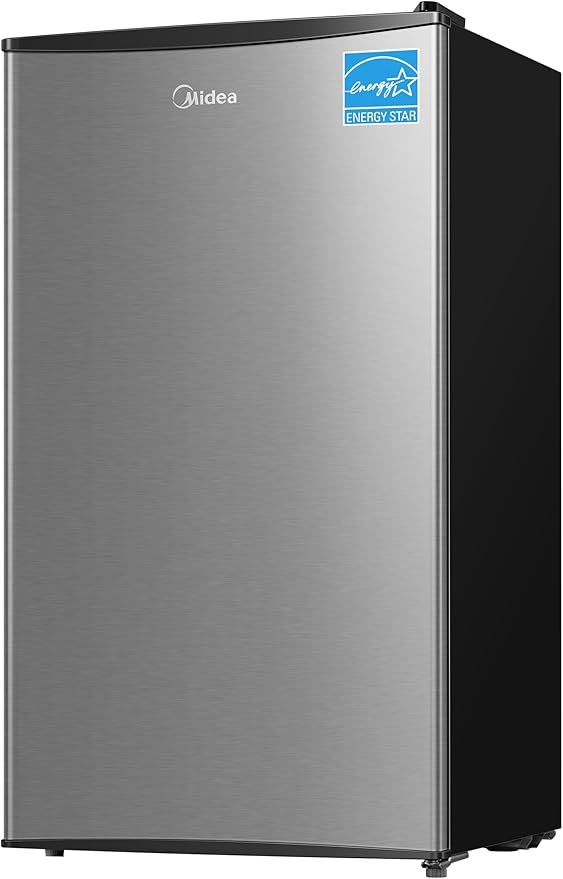
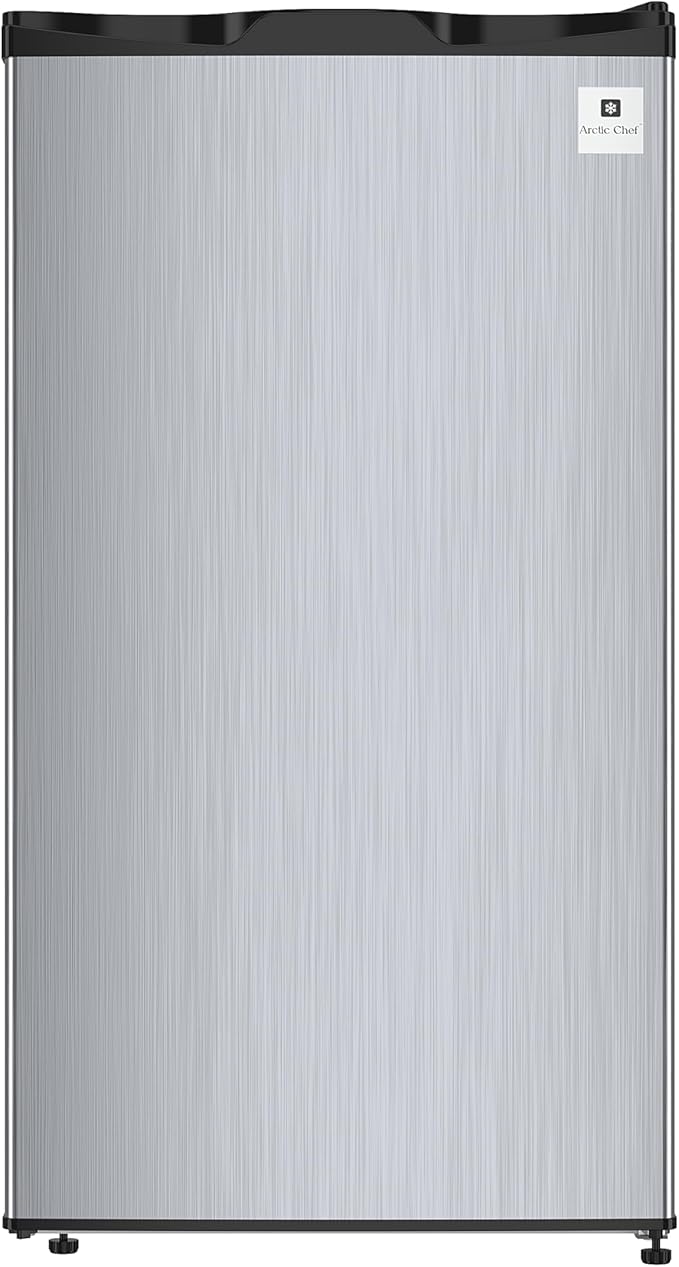
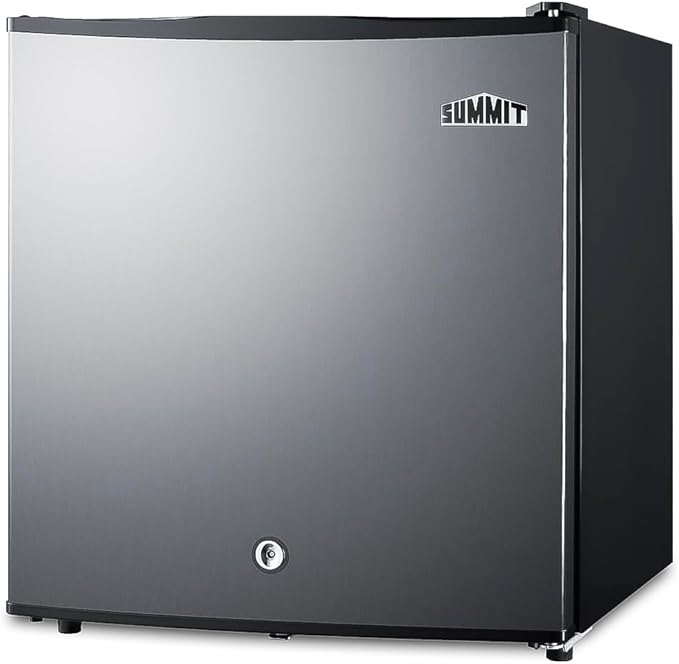
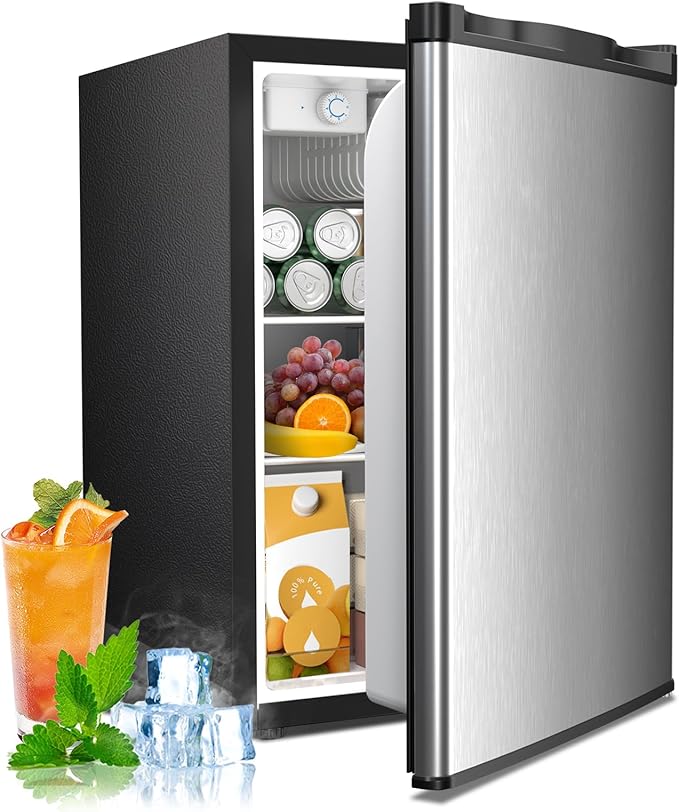
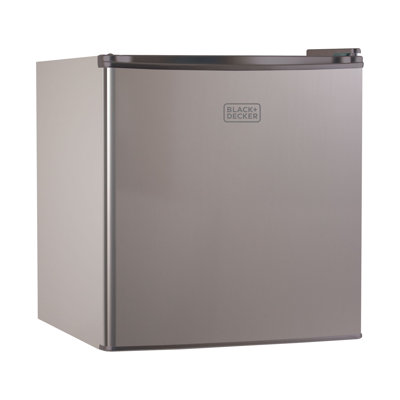
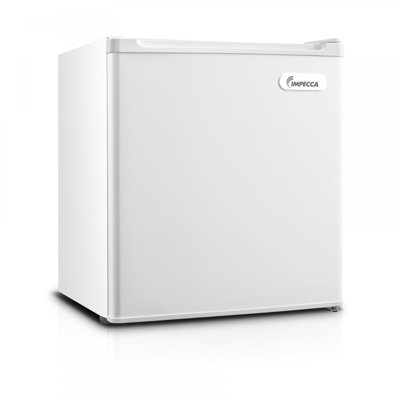
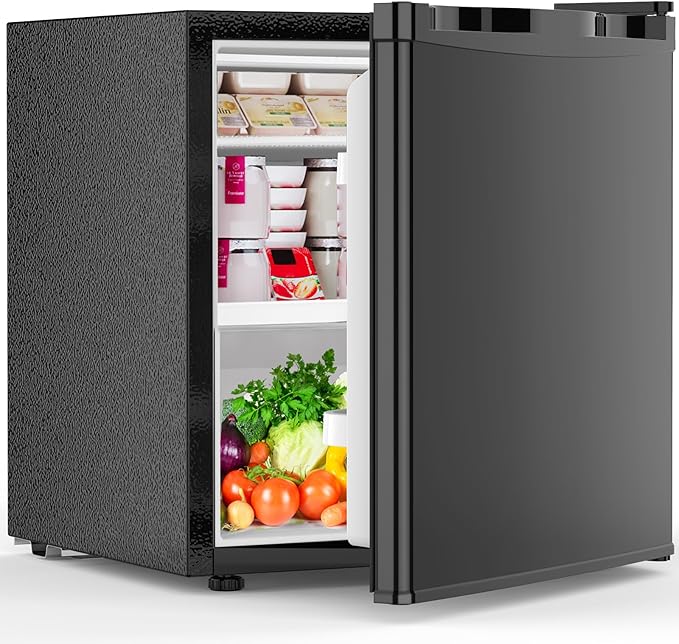
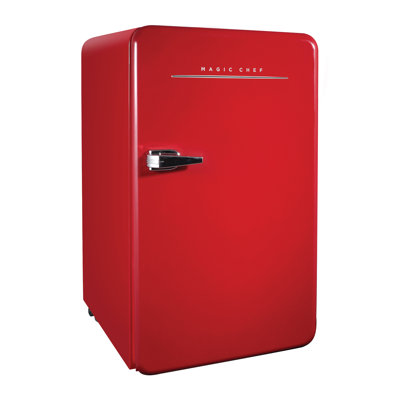
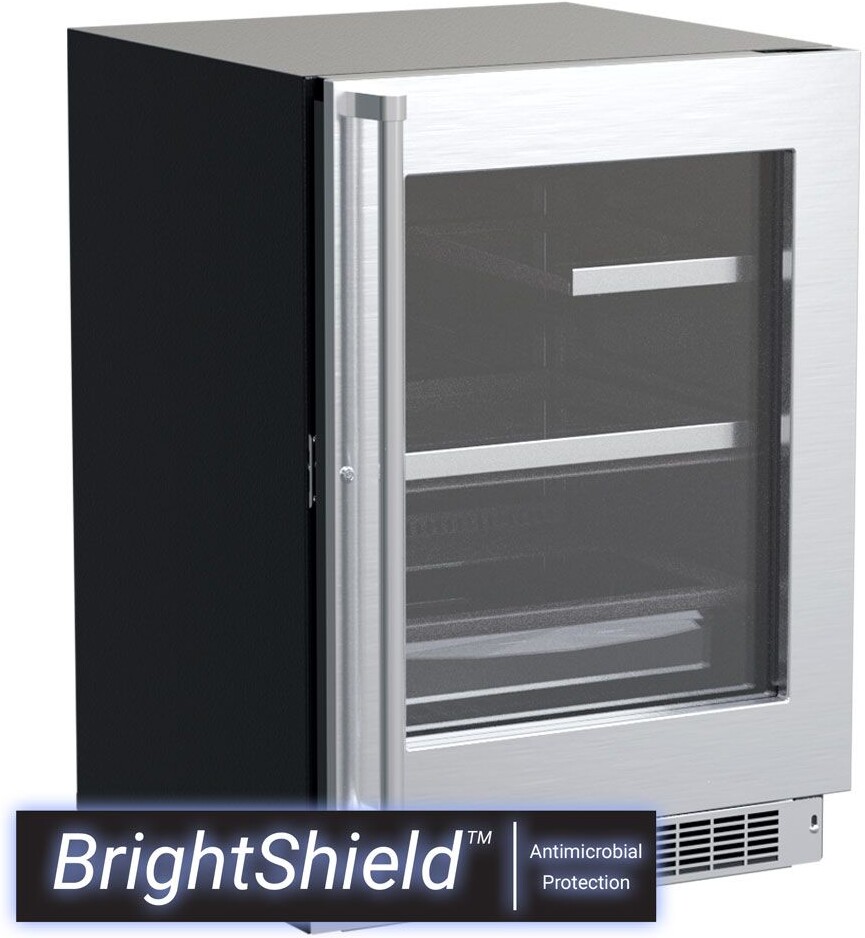
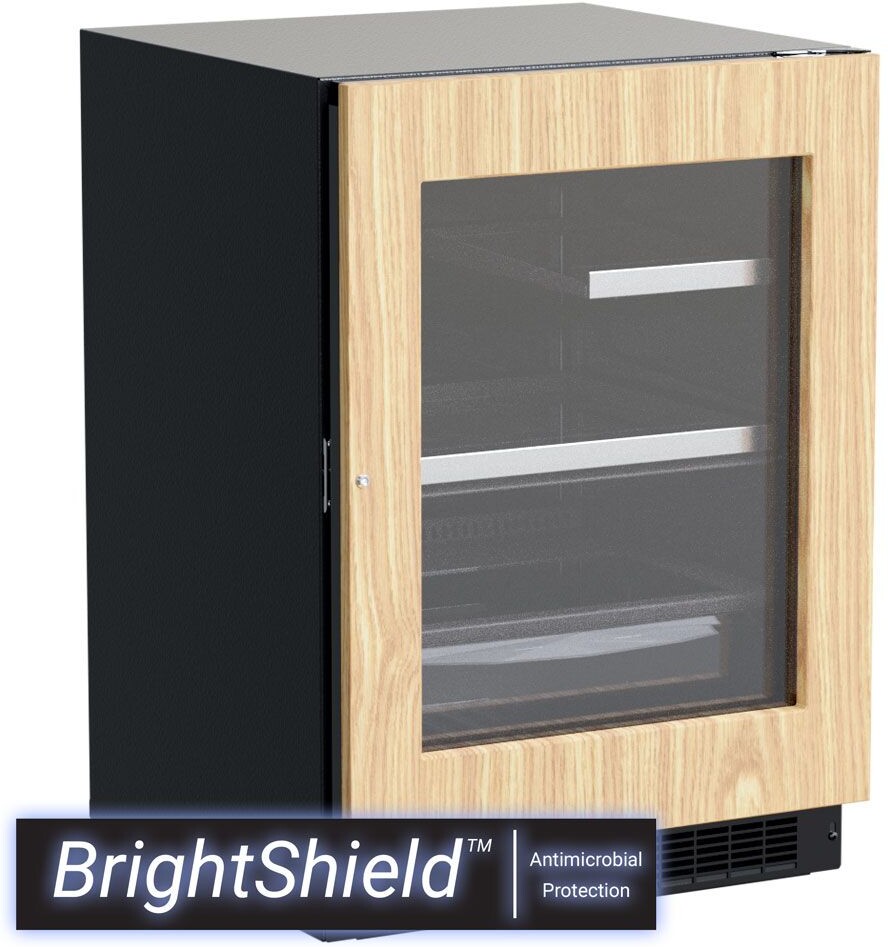
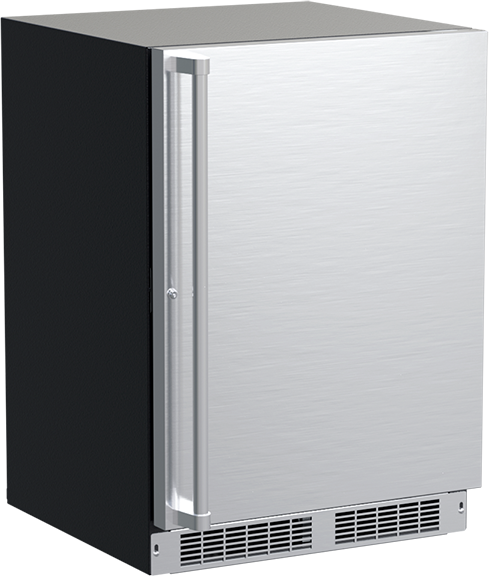
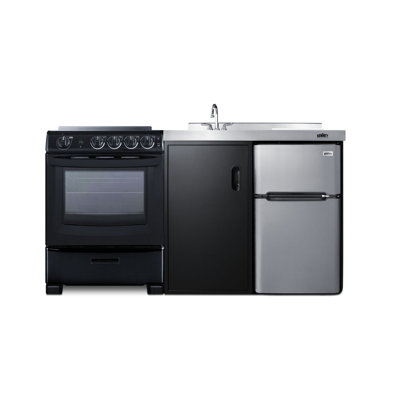
When you hear “2.7 cubic foot,” you’re squarely in the realm of compact refrigerators—those space-savvy workhorses that fit under desks, in dorm rooms, office nooks, garages and even RVs. A 2.7 cubic foot capacity may not sound like much compared to a full-size kitchen fridge, but for meal-preppers, craft beer aficionados, parents storing baby food and anyone living or working in tight quarters, this size strikes a sweet spot between portability and practicality. In this guide, you’ll learn what 2.7 cubic foot really means in terms of dimensions and storage, how to pick the right mini fridge for your lifestyle, ways to keep it running smoothly and tips for maximizing every inch of that interior. Let’s dive in.
Understanding 2.7 cubic foot capacity
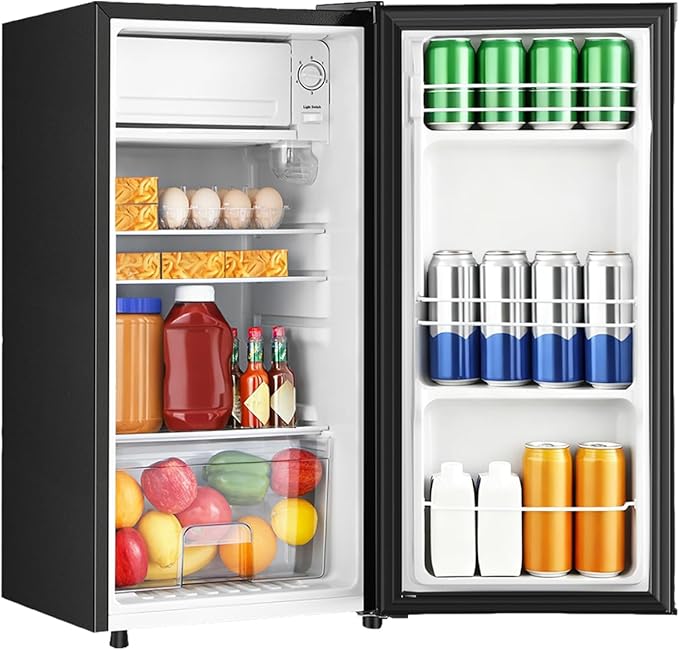
A fridge’s capacity is measured by its interior volume in cubic feet. At 2.7 cubic foot, you’re looking at roughly 76 liters of storage. That translates to:
- A small shelf or countertop appliance rather than a built-in unit
- Enough room for 30–40 standard soda cans or a dozen 12-oz beer bottles
- A footprint roughly 18–20 inches wide, 18–22 inches deep and 20–24 inches tall
Dimensions and footprint
While exact dimensions vary by model, a typical 2.7 cu ft fridge measures around:
| Measurement | Range |
|---|---|
| Width | 18″–20″ |
| Depth (incl. handle) | 18″–22″ |
| Height | 20″–24″ |
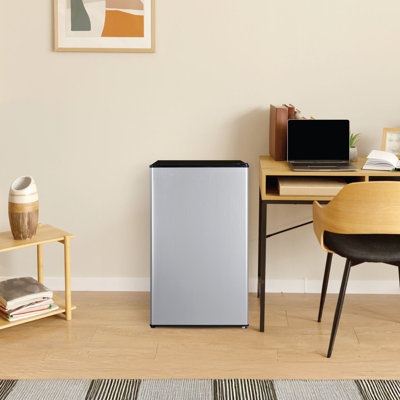
Because of its compact footprint, you can tuck it under a counter, slide it beside your desk or position it in a dorm alcove. Just measure your available space—remember to leave 1–2 inches for ventilation at the back and sides.
Storage volume in practice
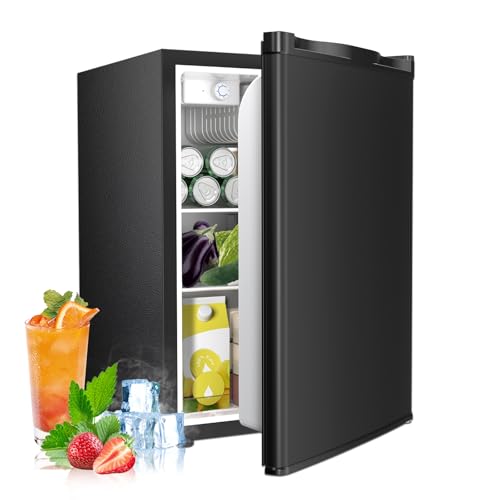
In real-world terms, a 2.7 cu ft mini fridge can hold:
- A week’s worth of snacks and drinks for one or two people
- Ingredients for simple meal-prep batches (think salad containers, yogurt cups, cheese sticks)
- A few leftovers in shallow containers
- Up to a half-dozen 1 liter bottles upright
If you need more room for tall bottles, check how tall fits a 750 ml bottle upright in 17 inch column?(/how-tall-fits-a-750-ml-bottle-upright-in-17-inch-column) models. Or consider a slightly larger 3.3 cu ft option like the models in our best 3.3 cu ft mini fridge roundup.
Ideal use cases
You’ll find a 2.7 cu ft fridge perfect for:
- University students in dorm rooms
- Home offices for lunchtime prep and cold drinks
- Garage or poolside beverage stations
- RV and camper trips where space is king
- Studio apartments or tiny homes where every inch counts
If you need wine-cooling duty for entertaining, pair it with a small wine fridge or check out our wine cooler deals for festive gatherings.
Evaluating storage space
Not all 2.7 cu ft fridges are created equal. Storage design—shelves, door bins and freezer compartments—makes a big difference.
Shelves and compartments
Look for adjustable or removable shelves so you can customize the space:
- Wire shelves sit higher to fit tall items
- Glass shelves give a solid surface for small containers
- Crisper drawers (rare in this size) can keep produce fresher
- A mini-freezer section can handle ice trays and frozen snacks, though it cuts into fridge volume
Door bin capacity
Door bins are great for:
- Soda cans and slim bottles
- Condiments and sauce bottles
- Eggs in specialized holders (or follow tips on eggspire your fridge discovering the longevity of boiled eggs to keep your eggs fresh)
Bottle and can capacity table
| Configuration | Approximate capacity |
|---|---|
| Standard cans (12 oz) | 30–35 cans |
| Tall cans (16 oz) | 18–22 cans |
| Beer bottles (12 oz) | 24–30 bottles |
| 1 liter bottles upright | 4–6 bottles |
Choosing the right model
With so many 2.7 cu ft fridges on the market, focus on features that matter to your routine.
Features to consider
- Temperature control
- Mechanical dials are simple and reliable
- Electronic controls offer precise settings and digital displays
- Energy efficiency
- Look for ENERGY STAR ratings to save on electricity
- Compare annual energy consumption (kWh) in product specs
- Defrosting type
- Manual defrost models are lighter on price and maintenance if you don’t mind periodic de-icing
- Frost-free units require less upkeep but can be noisier and cost more
- Compressor quality
- A sturdy compressor cools faster and lasts longer
- If you want the lowdown on compressor selection, see how to choose a compressor for a refrigerator
Door style options
- Single door mini fridges are the most compact and affordable
- Models with a small top freezer door give you instant frozen storage
- Reversible doors let you hinge left or right—handy if your layout changes and you wonder, do people reverse their fridge doors?(/do-people-reverse-their-fridge-doors)
Noise and placement
If you plan to keep your fridge in a bedroom or study, check decibel ratings (ideally under 40 dB). Compressor cycles can be audible on some units, so look for “quiet” or “ultra-quiet” in specs.
Comparing mini fridges
Putting 2.7 cu ft in context helps you decide if it’s right for you.
2.7 vs 3.3 cubic foot
- 3.3 cu ft offers roughly 20% more space for tall bottles and larger containers
- 2.7 cu ft models tend to be more compact and lightweight
- Price difference often under $20–30, so if space allows, the extra room can be worth it
2.7 vs full-size refrigerators
If you need more cold storage for family meals or batch cooking, you might look at our 11.6 - 18 cubic feet refrigerator guide. Those fridges handle big-batch meal prep and large party platters, but they require serious real estate.
Pocket-size freezer alternative
For focused frozen storage—ice packs, ice cream or frozen veggies—you could pair your mini fridge with a chest freezer. Learn about balancing a large freezer small fridge setup to maximize overall capacity.
Maintaining your mini fridge
Even a tiny fridge needs TLC to stay in top shape.
Cleaning best practices
- Unplug and empty your fridge before cleaning
- Wipe interior surfaces with a mild baking soda solution (1 tbsp baking soda to 1 qt warm water)
- For stubborn stains or odors, see how do you clean a musky refrigerator?
- Clean door gaskets to maintain a tight seal
Defrosting tips
If your fridge isn’t frost-free:
- Turn off and unplug the unit
- Remove food and store in a cooler with ice packs
- Place towels around the base to catch melting ice
- Let the ice melt naturally or accelerate with a bowl of hot water inside
- Dry thoroughly before restarting
Avoiding odors
- Store strong cheeses and leftovers in airtight containers
- Keep an open box of baking soda inside to absorb smells
- Regularly rotate perishables to prevent forgotten spills
Maximizing your fridge’s use
You’ve got limited space—here’s how to make every inch count.
Organizing techniques
- Use stackable bins or baskets for grouped items (snacks, condiments, small jars)
- Label containers so you can see at a glance what’s inside
- Keep frequently used items at eye level and less-used items on top or bottom shelves
Temperature zones
- Place dairy and leftovers on middle shelves where temperature is most stable
- Store raw meat or fish in sealed containers at the bottom to prevent drips
- Use the door bins for drinks and condiments since they experience the most temperature fluctuation
Energy-saving tips
- Avoid overfilling—proper air circulation keeps your compressor from working overtime
- Let warm items cool at room temperature before storing
- Keep the door closed as much as possible and resist the urge to browse your snacks
Common questions
How long should you wait before stocking?
You’ll want your mini fridge to reach its set temperature—usually 2–4 hours after plugging in. For details on timing and best practices, check how long should you wait to put stuff in a mini fridge?
Can you reverse the door?
Many 2.7 cu ft fridges offer reversible hinges so you can switch door swing direction. If you find your space changes or door alignment is off, reversing it is a simple weekend DIY. See tips on do people reverse their fridge doors?


Is a tiny freezer worth it?
A small freezer compartment is handy for ice trays, frozen meals and emergency ice packs. If you rely heavily on frozen goods, ensure your fridge’s freezer holds at least 0.3–0.4 cu ft—or pair with a chest or upright freezer.
Final thoughts
Owning a 2.7 cubic foot fridge means embracing efficiency without sacrificing convenience. Whether you’re fueling late-night study sessions, keeping beverages icy cold in your home bar, or fitting your fridge into a snug apartment nook, this compact size delivers real utility. By evaluating storage layouts, choosing features that match your routine and practicing simple maintenance, you’ll enjoy reliable performance and maximize every inch of that 76 liters of chill space. Now that you know what to look for, go ahead and pick the model that fits your world—your perfectly compact fridge awaits.