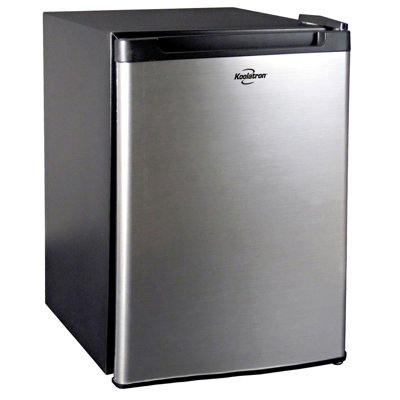
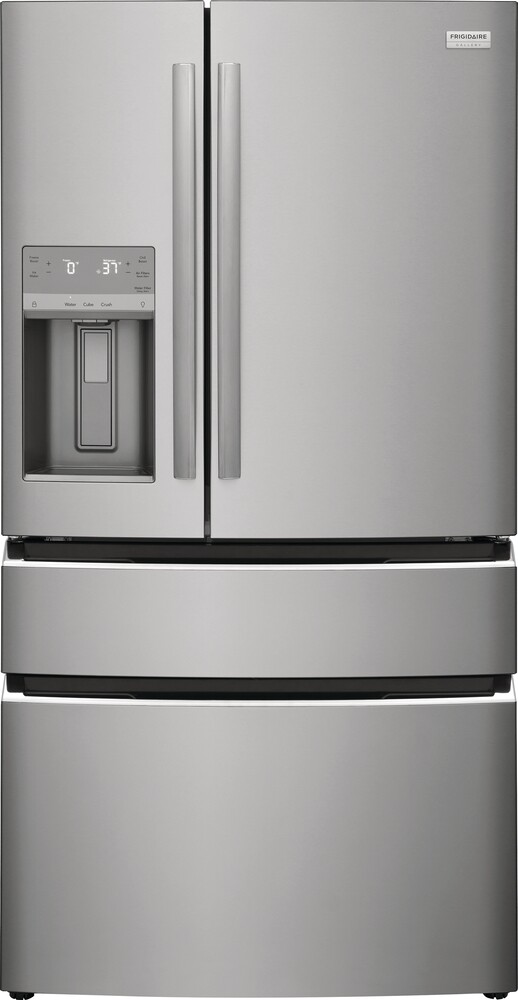
Tip: Standard mid-size fridges are 28 to 32 inches wide, 60 to 70 inches tall, and 28 to 34 inches deep.
In the 11.6-18 cubic feet range, efficient models often consume under 350 kWh per year.
When you’re shopping for an 11.6 - 18 cubic feet refrigerator, you’re looking at a mid-size range that fits a wide variety of needs.
Once you map out who uses the fridge and for what, you’ll know whether to lean toward the lower end of the 11.6-18 cubic feet range or go big for extra bins and drawers.
When you’re shopping for an 11.6 - 18 cubic feet refrigerator, you’re looking at a mid-size range that fits a wide variety of needs. Whether you’re outfitting a small family kitchen, stocking a dorm room, or adding extra cold storage for your craft beer collection, this capacity gives you enough room without overwhelming your floor plan. In this guide you’ll learn what that cubic footage really means, how it translates to real-world storage, and why mid-size fridges often strike the perfect balance between space and efficiency.
Assess usage needs
Before you pick a specific model, think about how you’ll use your new refrigerator. Your daily habits and storage requirements will guide your choice.
Household scenarios
Small families and parents storing baby food
University students or roommates sharing a dorm fridge
Home cooks meal-prepping breakfasts, lunches, dinners
Office break rooms or garage use for overflow
RV trips and outdoor entertaining
Special applications
Craft beer enthusiasts and kegerator owners
Commercial kitchens and cafeterias
Vegetarian meal planners
Friends hosting potlucks or brunches
Once you map out who uses the fridge and for what, you’ll know whether to lean toward the lower end of the 11.6-18 cubic feet range or go big for extra bins and drawers.
Different refrigerator layouts offer unique benefits. Here’s a quick comparison:
Design
Benefits
Considerations
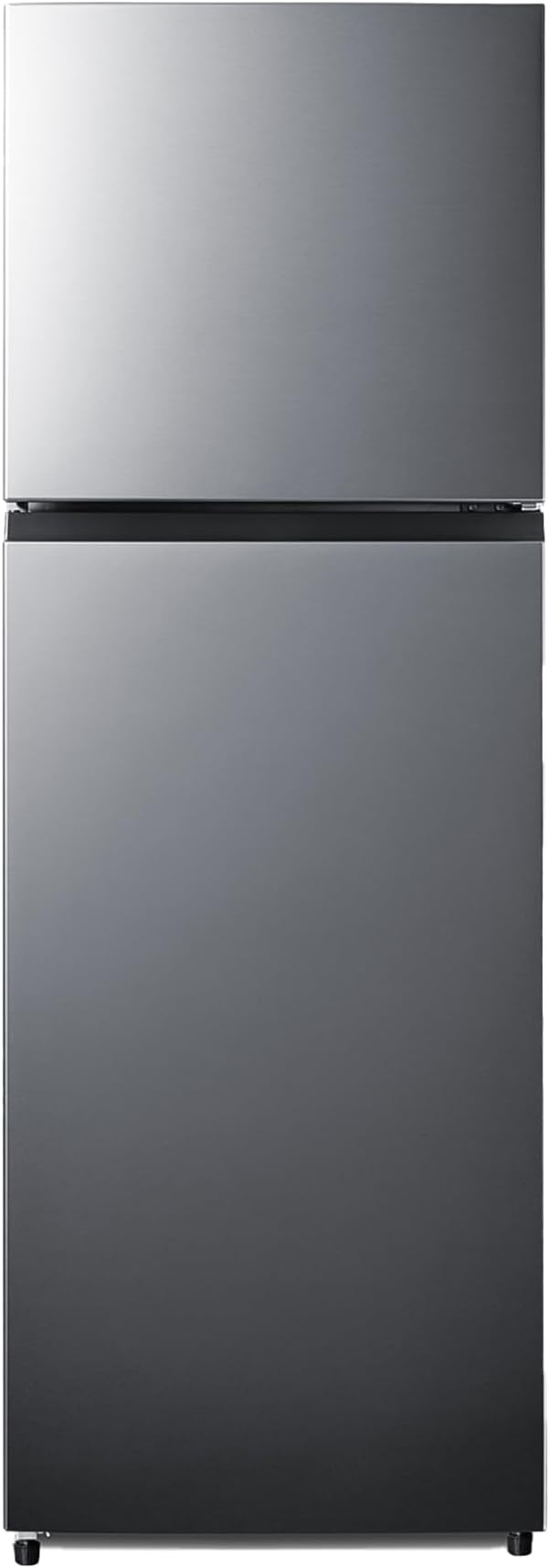
Top freezer
Classic style, lower price point
You bend to reach fresh foods
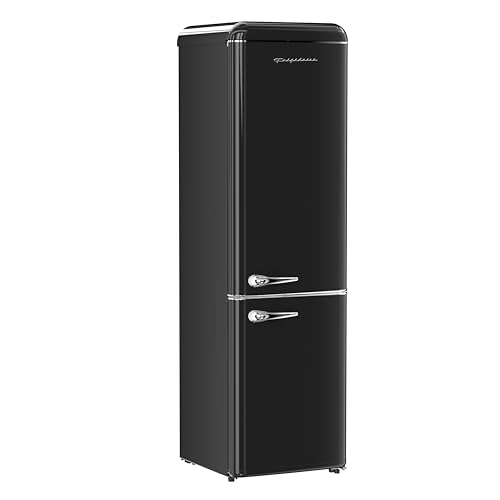
Bottom freezer
Easy-access fresh foods, ergonomic
Freezer at waist height may be deep
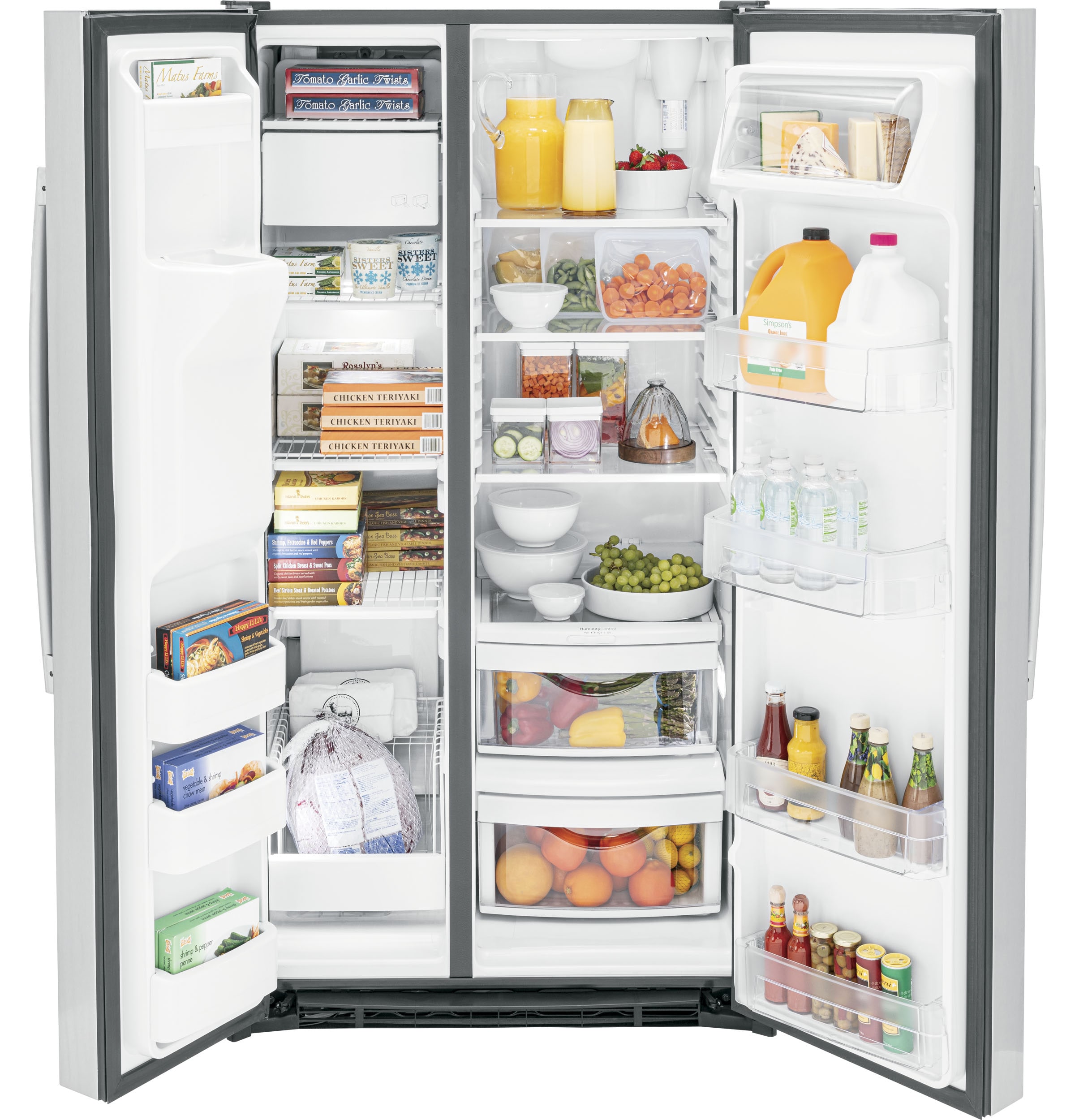
Side-by-side
Narrow doors, built-in water dispenser
Shelf width can limit large items
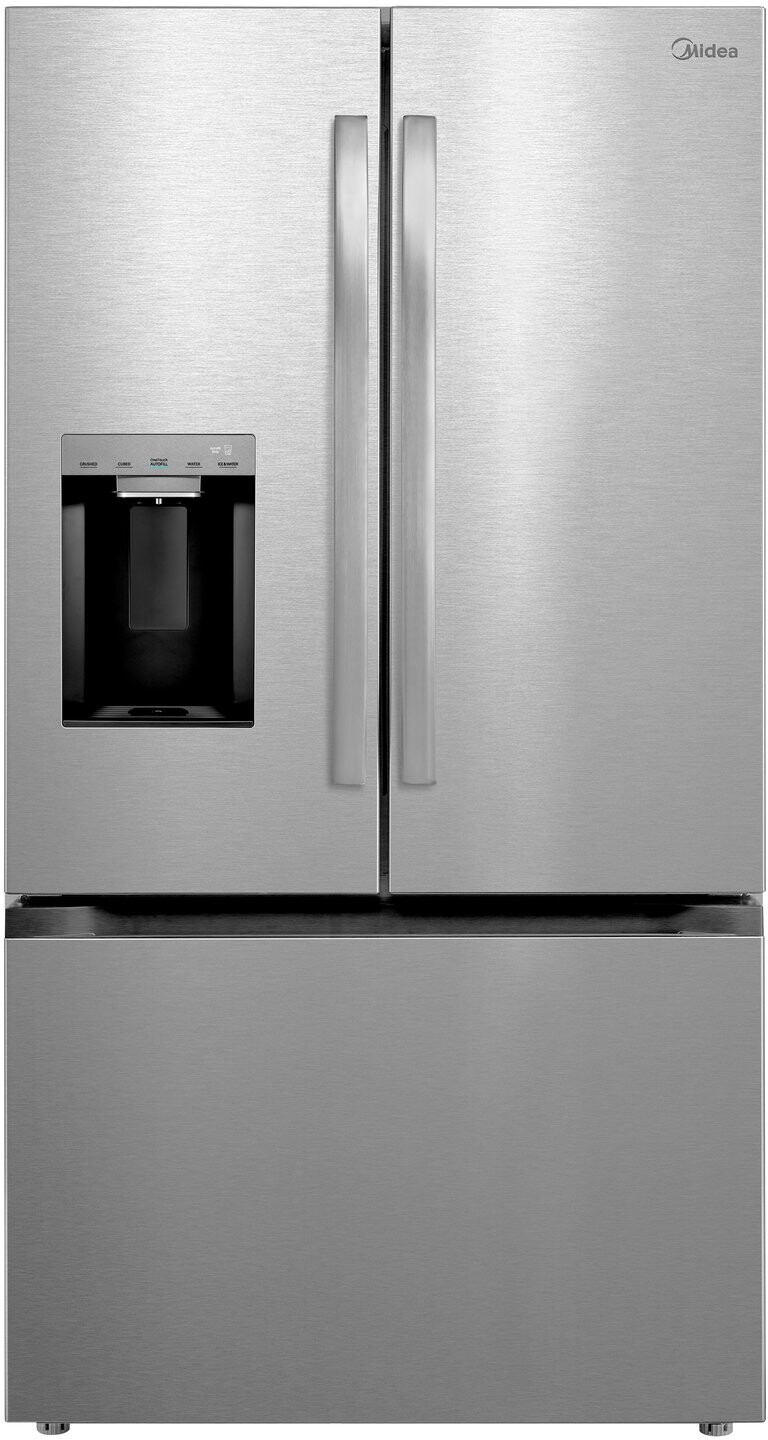
French door
Wide shelves, flexible bottom freezer
More expensive, door swing needs space
Top freezer style
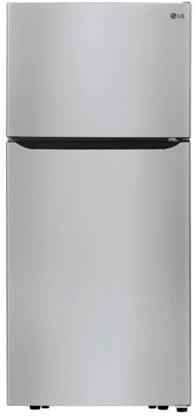
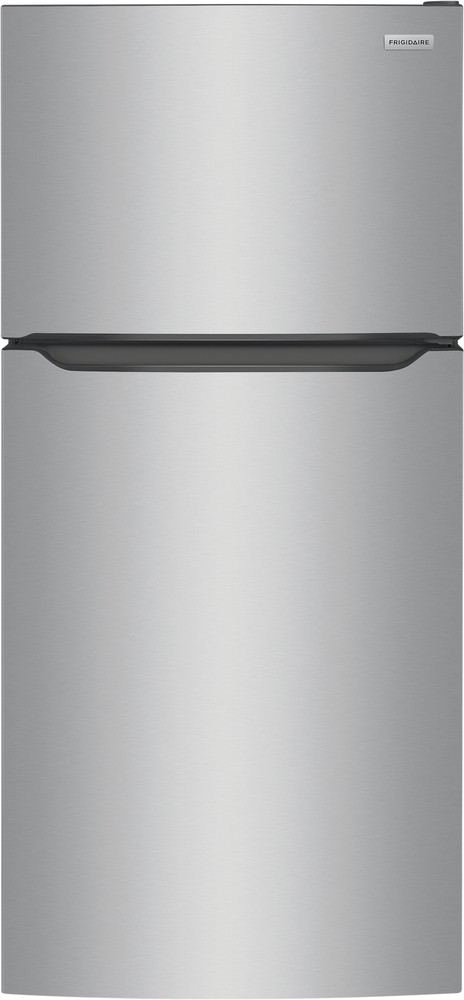
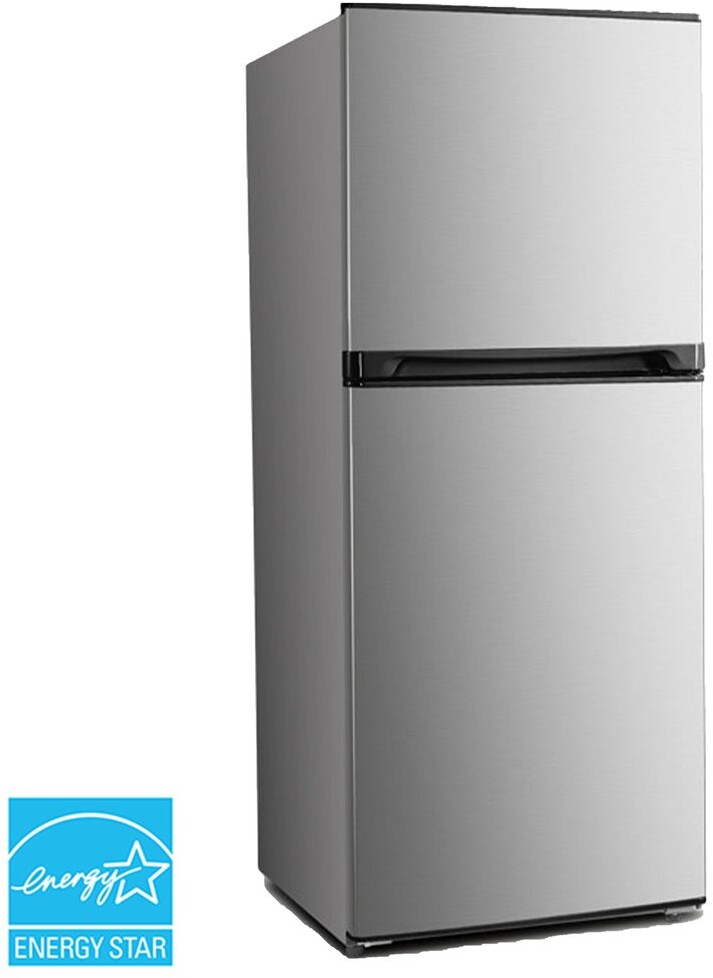
This traditional design keeps things simple. If you’re on a budget or need a compact footprint, a top freezer fridge in this capacity range can deliver reliable performance without frills.
Bottom freezer style
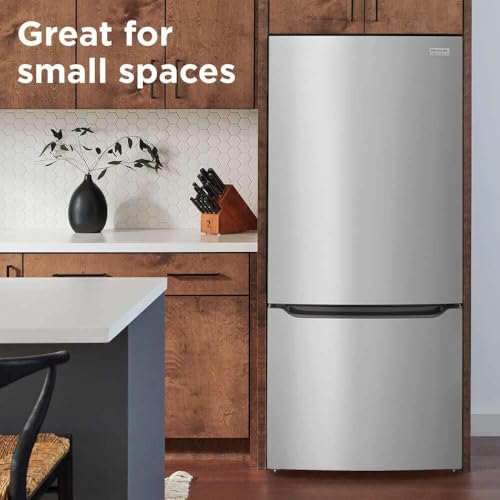
You’ll get easier access to fresh foods at eye level. It’s a popular option for busy home cooks who pull veggies, dairy, and deli items multiple times a day.
Side-by-side style
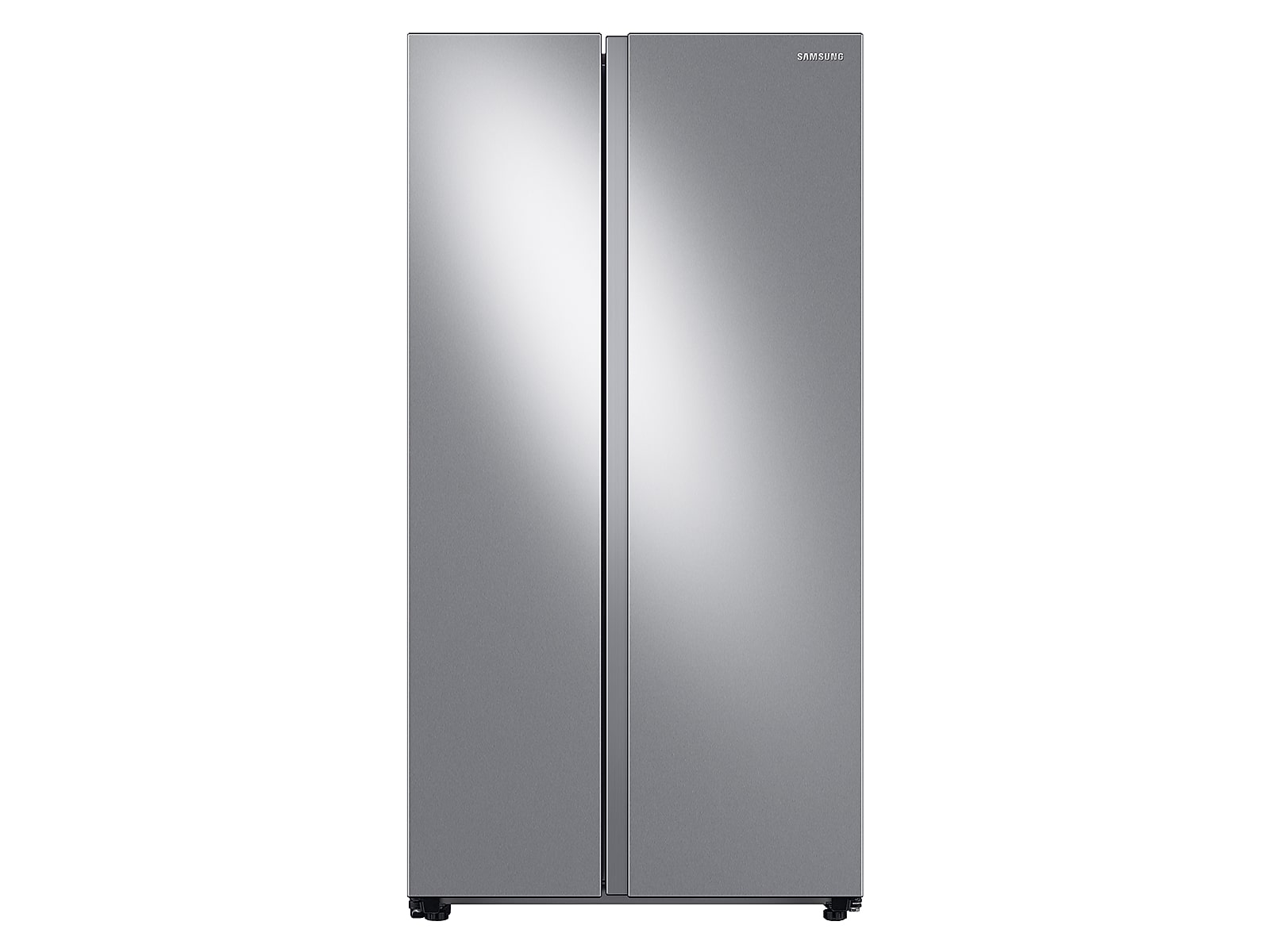
With long vertical doors, side-by-side fridges offer convenient organization and narrow door swings. If you want built-in water or ice dispensers, start here.
French door style
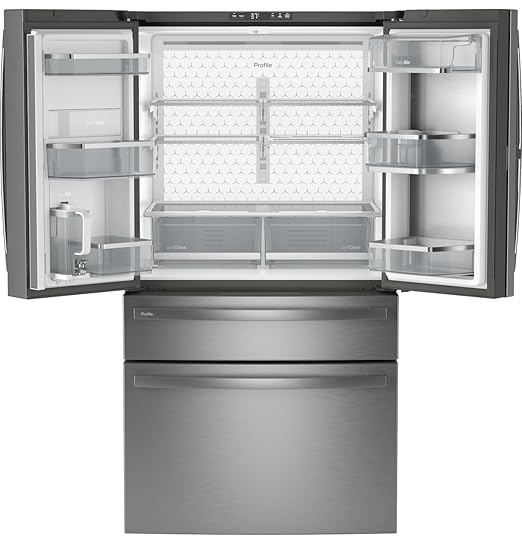
For the ultimate in flexibility, consider a french door model. Wide shelves let you store platters and party trays, and the bottom freezer drawer keeps frozen goods out of sight. If you’re curious about capacity specifics, check out what fits in a french door refrigerator?(/what-fits-in-a-french-door-refrigerator)
Mid-size refrigerators can be surprisingly efficient, but you still want to compare models.
Look for Energy Star
An Energy Star certification lets you know the fridge has been tested for low annual energy use. In the 11.6-18 cubic feet range, efficient models often consume under 350 kWh per year.
Compressor considerations
A high-performance compressor keeps temps steady and cuts down on power spikes. If you’d like more detail on choosing the right unit, see how to choose a compressor for a refrigerator(/how-to-choose-a-compressor-for-a-refrigerator).
Long-term cost savings
Lower electricity bills
Reduced environmental impact
Quieter operation
Even a few dollars saved each month adds up over a decade of fridge ownership.
Once you’ve narrowed capacity and layout, zero in on must-have features that make your daily life easier.
Temperature control
Digital thermostats give you precise settings for deli meats, dairy, and produce. Some models offer multiple zones so you can fine-tune the crispers separately.
Reversible doors
If your kitchen layout needs flexibility, look for a fridge with reversible hinges. Many people swap door sides to clear walkways or adapt to open-plan spaces. Curious if others do it? Read do people reverse their fridge doors?(/do-people-reverse-their-fridge-doors)
Door alarm
A door-ajar alarm can save your groceries when you’re stocking shelves or juggling takeout bags. To learn which systems let you silence the beep temporarily, visit what door alarm silences temporarily for stocking?(/what-door-alarm-silences-temporarily-for-stocking)
Adjustable shelving
Move shelves up or down to fit tall bottles or baking sheets. Look for glass shelves that contain spills and slide-out bins for easy access.
Built-in ice maker
If you entertain often or run a small café, an integrated ice maker can be a game-changer. Just remember it may sacrifice some freezer space for the ice bin.
Dimension and fit
Knowing the exact footprint and clearances ensures a seamless installation.
Measure accurately
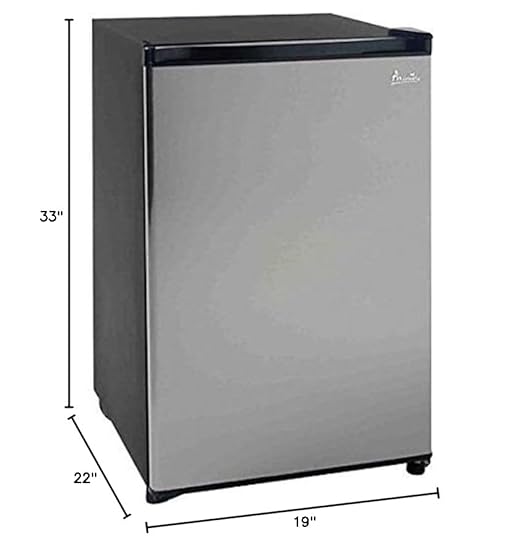
Width, height, depth of the unit
Door swing radius
Space for venting at top and back
Tip: Standard mid-size fridges are 28 to 32 inches wide, 60 to 70 inches tall, and 28 to 34 inches deep.
Clearance and door swing
Ensure at least one inch of clearance on each side, and two inches at the top. If you have tight hallways or cabinets, reversible doors and narrow designs can make all the difference.
Regular upkeep keeps performance high and extends the life of your appliance.
Clean condenser coils
Every six months, pull out the fridge and vacuum the coils. Dust buildup makes your compressor work harder.
Check door seals
Run a dollar-bill test: close the bill in the door and try to pull it out. If it slips easily, replace the gasket to prevent cold air leaks.
Defrost the freezer
Even frost-free models benefit from a manual defrost every year. If you’re experimenting with DIY methods, read will salt defrost the freezer?(/will-salt-defrost-the-freezer).
Sanitize interior
Wipe down shelves and drawers monthly with a mild baking soda solution to prevent odors and mold.
Maximize storage space
A mid-size fridge gives you room to organize if you use smart strategies.
Shelf organization
Group like items together (dairy, condiments, beverages)
Use clear bins for cheese, deli meats, and snacks
Label leftovers with dates
Crisper drawer tips
Adjust humidity settings: high for leafy greens, low for fruits.
Door bin best practices
Store condiments, sauces, and small bottles here. Avoid raw eggs or milk, since door temps fluctuate.
Bulk and overflow
If you need extra freezer space, check out tips to double freezer space this summer(/tips-to-double-freezer-space-this-summer). For overflow refrigeration, an undercounter fridge can complement your main unit.
Picking the right 11.6 - 18 cubic feet refrigerator means balancing your lifestyle with fridge features. Here’s your quick checklist:
Capacity matches your household size
Layout design fits your kitchen flow
Energy efficiency lowers your bills
Key features streamline your routine
Dimensions and clearances are correct
Installation plan is in place
Maintenance tasks fit your schedule
Storage hacks optimize every shelf
Ready for more insights on appliance lifespan? See how long do refrigerators last: 2025 lifespan update(/how-long-do-refrigerators-last-2025-lifespan-update). If you outgrow this mid-size range, explore top 48 refrigerators for ultimate capacity(/top-48-refrigerators-for-ultimate-capacity).
With these pointers, you’ll find the perfect mid-size fridge for your home, office, or on-the-go adventures. Enjoy organized meals, crisp produce, and hassle-free cooling for years to come.
From Fridge.com research
Figures below come from data Fridge.com builds and maintains. Each links to the record behind it.
Fridge.com Energy Index, built on U.S. EPA and DOE ENERGY STAR records
Across 5,455 ENERGY STAR certified refrigerators and freezers from 263 brands, median use is 360 kWh per year.