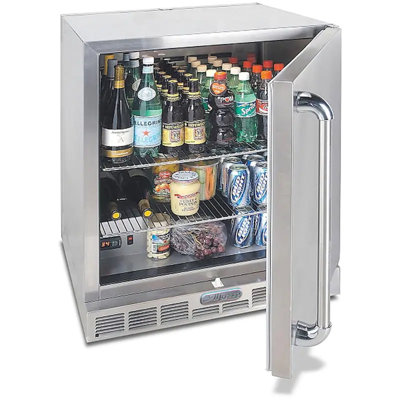
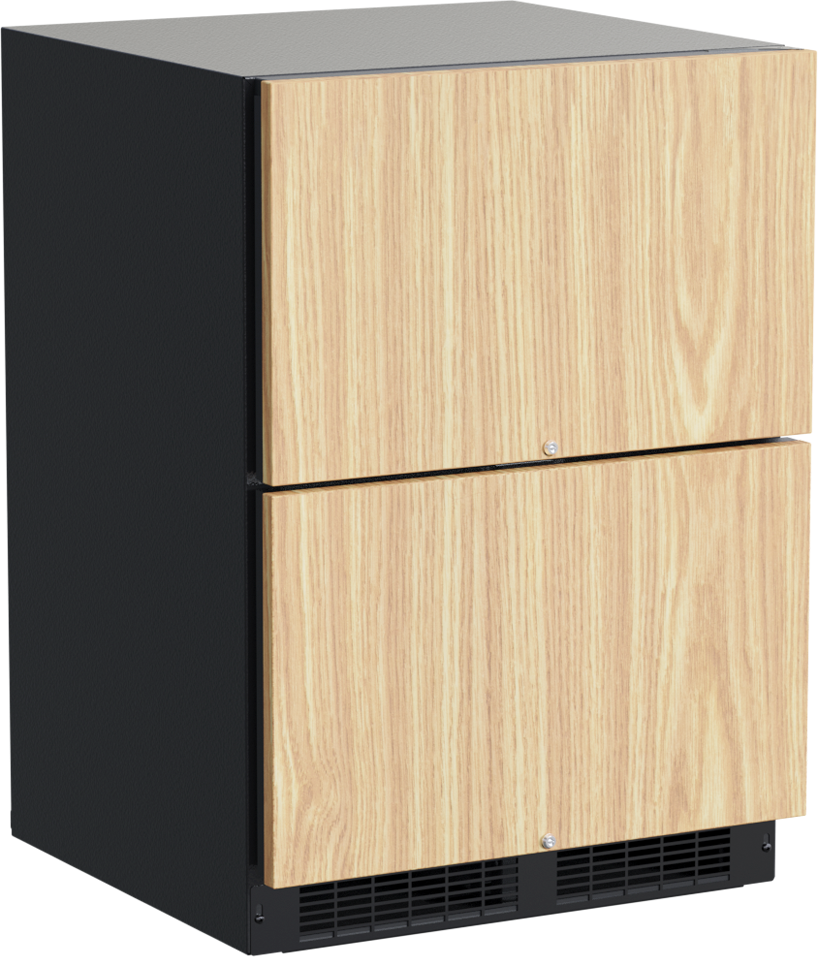
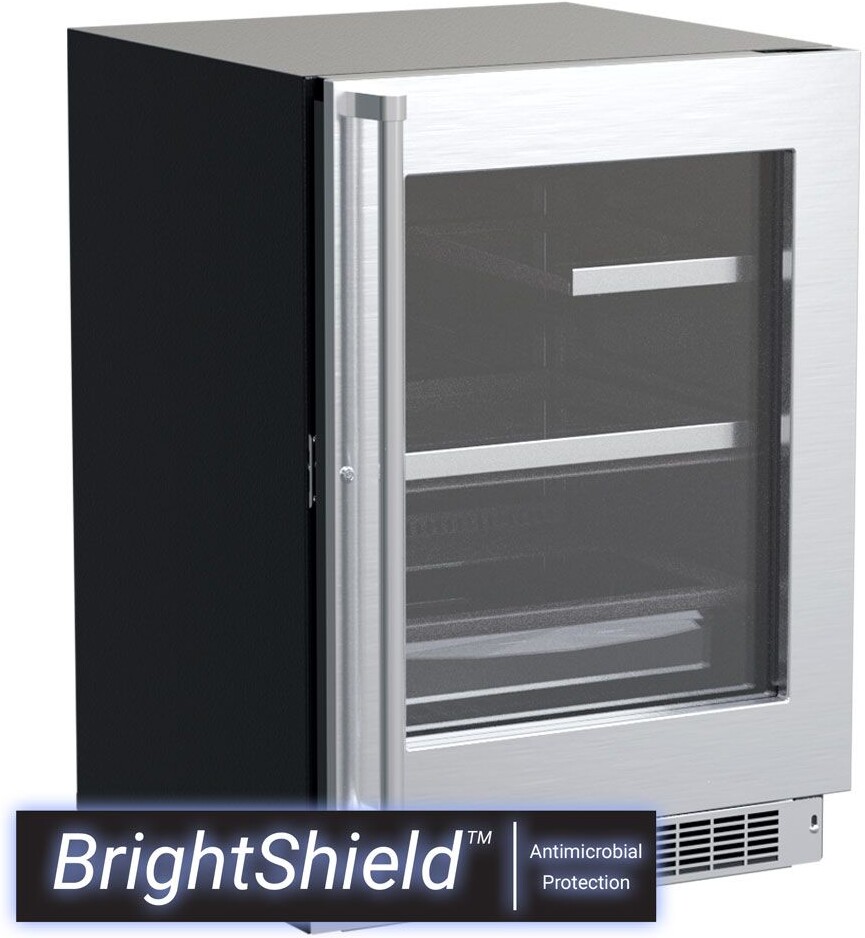
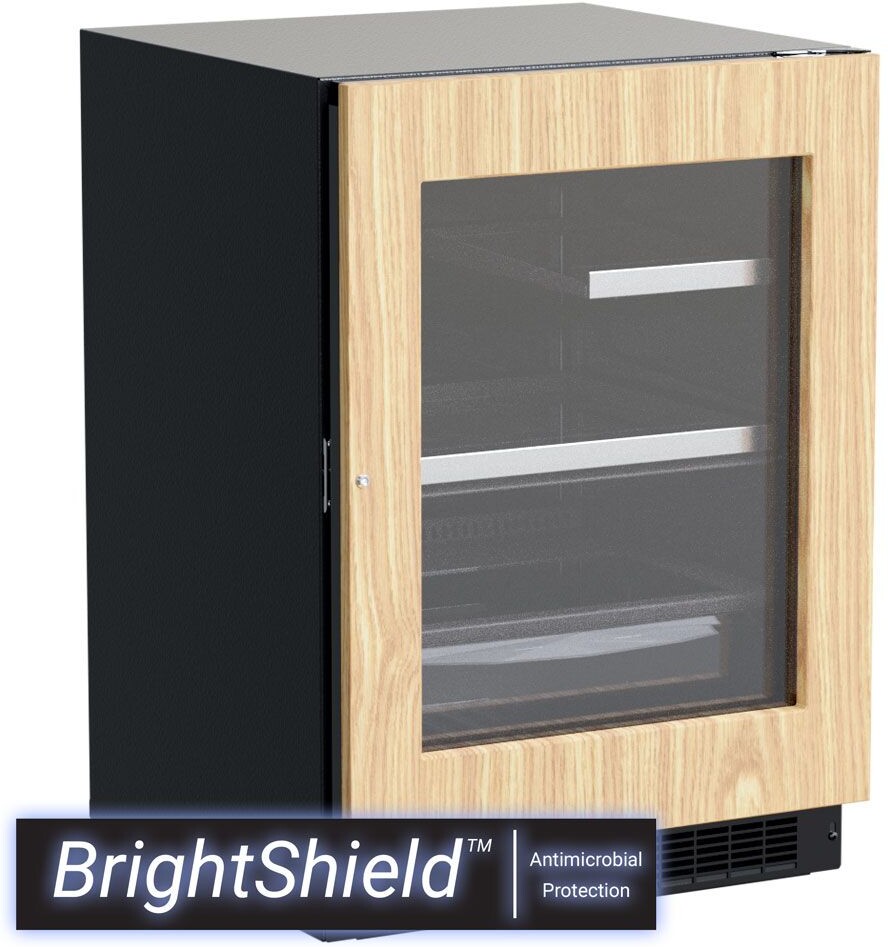
You’ve probably seen units marketed as a large freezer small fridge and wondered if that’s right for you. Whether you’re meal-prepping for a big family, stocking craft beer for a weekend bash, or fitting an extra cold zone in your garage, this combo promises freezer-first capacity without sacrificing a fridge section. It’s a smart solution when you need massive frozen storage but still want a handy spot for fresh ingredients, drinks, or leftovers.
In this guide you’ll see why a large freezer small fridge setup might be a game changer, how to pick the right style, and what features really matter. We’ll also cover installation tips, maintenance tricks, clever organization hacks, and when it’s time to upgrade. By the end you’ll know exactly how to match a freezer-heavy unit to your space and lifestyle—no freezer burn on your watch.
Understand large freezer small fridge units
Why choose this setup?
A configuration with a large freezer and a small fridge flips the typical balance. Instead of a tiny freezer behind one door, you’re getting more frozen real estate—great for:
Bulk meal-prep: stash portions for hectic weeks
Batch baking: freeze cookies, dough, or bread
Craft beer or kegerator needs: keep extra cases cold
Seasonal produce: extend garden harvests into winter
At the same time you keep enough fresh-food space for daily essentials like milk, eggs, deli meats, and greens. If your freezer is always overflowing and your fridge barely scratches the surface of what you store, this setup could be a breath of fresh air.
Who benefits most?
You’ll love a large freezer small fridge unit if you:
Host dinner parties or potlucks often
Run a home bakery or small catering gig
Live in a studio or small apartment with limited countertops
Use your garage or outdoor kitchen as a backup zone
Need a second cold source for baby food, breast milk, or meal-prep
In a busy household or shared space, everyone can grab what they need without rifling through a jam-packed fridge. Plus, you’ll save frequent trips to the store by freezing extras.
Compare unit types
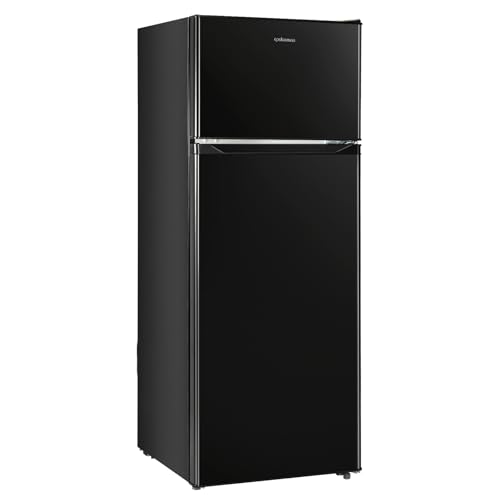
When it comes to large freezer small fridge combos, you have a few layouts to consider:
Type
Pros
Cons
Typical freezer/fridge capacity
Upright freezer top
Easy access to frozen goods, compact footprint
Small fridge section, shelf depth varies
Freezer: 8–12 cu ft, Fridge: 3–5
Upright freezer bottom
Fridge at eye level, freezer storage below
Bending for frozen items
Freezer: 10–14 cu ft, Fridge: 4–6
Side-by-side
Balanced doors, clear separation
Narrow shelves, door clearance needed
Freezer: 7–11, Fridge: 7–11
Separate units
Customize each independently
More floor space, two power sources
Depends on models
Combo fridge freezers
Combo models integrate into a single footprint and share controls. They often include frost-free technology so you won’t have to manually defrost. Look for digital thermostats and adjustable shelving to fine-tune your setup.
Standalone options
If you already have fridge space but need an extra freezer, consider pairing a chest or upright standalone freezer with a compact fridge. For small kitchens or apartments, check out best deep freezer for a small kitchen to keep things streamlined.
Before you fall in love with a model, grab a tape measure. You’ll need height, width, depth, and clearance for doors to swing fully open. Don’t forget about ventilation gaps—most manufacturers recommend 1–2 inches behind and on the sides.
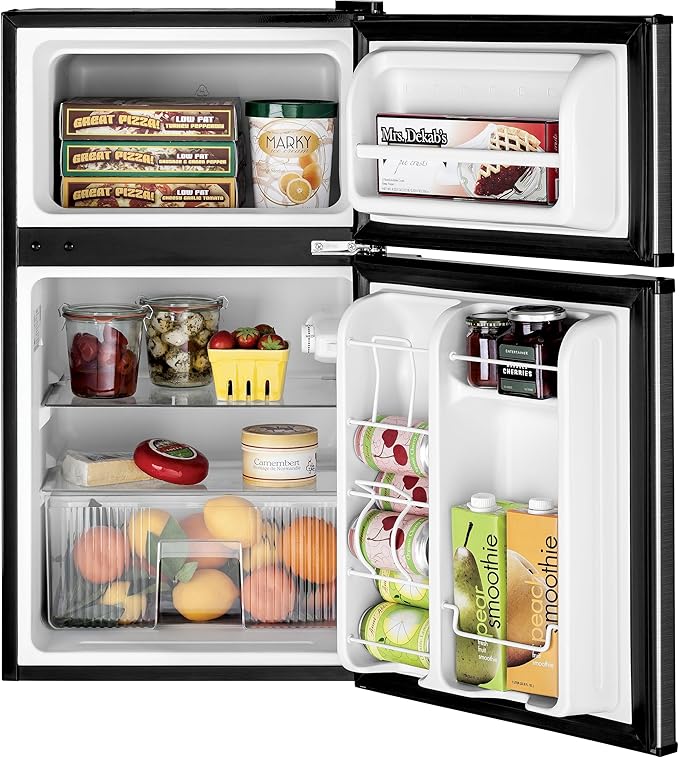
Interior organization
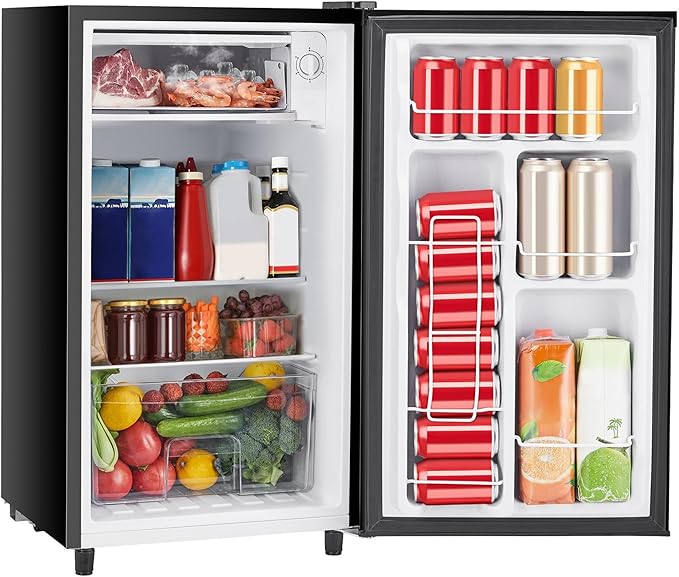
Big freezer doesn’t always mean smart storage. Look for:
Adjustable door bins in the fridge
Pull-out drawers or baskets in the freezer
Spill-proof fridge shelves for easy cleanup
LED interior lights so nothing hides in the back
If you’re eyeing a larger refrigerator, comparing sizes like a 11.6 - 18 cubic feet refrigerator can help you find the sweet spot between capacity and fit.
Precise dials or digital panels let you dial in the perfect cold. Some units offer dual-zone control, so your freezer stays rock-solid while your fridge hovers around 37°F.
Energy efficiency
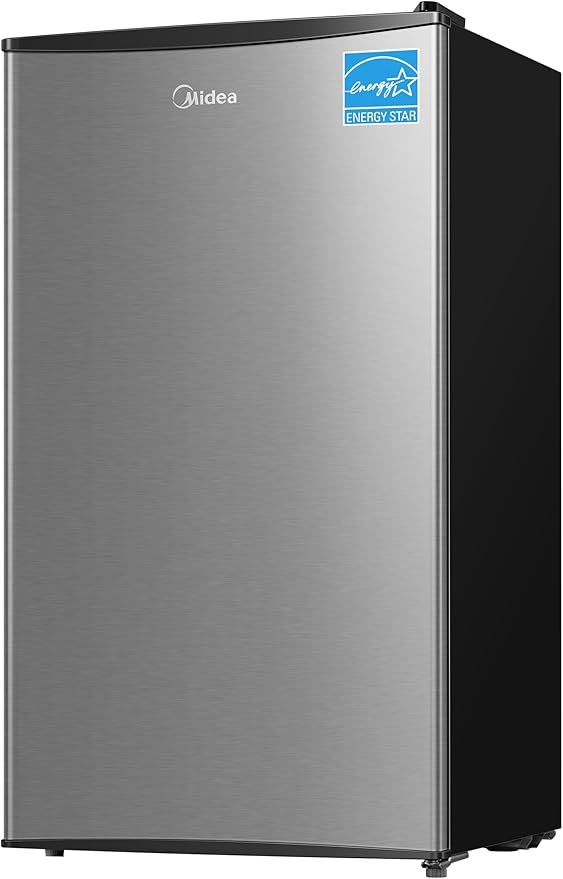
Check the ENERGY STAR label to estimate yearly energy use. A slightly higher upfront cost can mean big savings on electricity over time. Look for features like:
Eco modes
Vacation settings
Well-insulated doors and walls
Defrost systems
Most modern combos use automatic defrost, but if you’re curious about salt methods or quick fixes, see “does salt defrost the freezer?” will salt defrost the freezer? for a deep dive.
Beverage presets
Love chilling craft sodas or sparkling wine at the perfect temp? Some models include presets for 38°F sparkling drinks—great for host-mode. Learn more in what preset chills sparkling beverages at 38 °f?.
Install and position properly
Ventilation requirements
Keep airflow unobstructed. Poor ventilation can:
Reduce cooling efficiency
Spike energy use
Shorten appliance lifespan
Allow the recommended clearance, and avoid tucking your unit into a super-tight nook.
Leveling and stability
An unbalanced fridge can leak water, make noise, or leave doors ajar. Use a level to adjust the feet until:
Front and back are even
Doors close with minimal effort
No rocking when you give it a slight push
If your model includes anti-tip brackets, secure them to the wall to prevent accidents.
Reserve door bins for condiments, not milk or butter
Accessories and add-ons
Consider wire basket dividers, hanging fruit racks, or egg trays to boost usable space. In warm months, pairing storage tips with tips to double freezer space this summer can help you prep for BBQs and pool parties.
If you’re prepping dinners in bulk, designate freezer drawers by meal type—breakfast, lunch, dinner. Use stackable bins for proteins, veggies, and pre-made sauces.
Commercial kitchens and offices
In a shared environment, clear labeling and separate zones prevent mix-ups. A large freezer small fridge combo is perfect for grab-and-go lunches, catering trays, or office events.
Outdoor use and RV trips
Look for models rated for garage or outdoor use if you plan to stash cold storage in a workshop or patio. For mobile adventures, secure your unit with anti-vibration pads and lockable doors.
Upgrading sooner can save money on repairs and keep your food fresher.
Final thoughts and tips
Choosing a large freezer small fridge combo is all about matching your priorities: freezer capacity, footprint, energy use, and ease of access. Measure carefully, pick the right layout, and customize interior features to fit your habits. Once you’ve got the perfect unit in place, regular cleaning and smart organization will let you enjoy a clutter-free kitchen or workspace.
Remember, small tweaks—like neat bins, clear labels, and consistent maintenance—keep your combo running smoothly for years. Now go ahead, pick the model that speaks to your lifestyle, and start stocking up those frozen favorites without sacrificing your fresh-food stash. You’ve got this.
Frequently Asked Questions
A configuration with a large freezer and a small fridge flips the typical balance. Instead of a tiny freezer behind one door, you’re getting more frozen real estate—great for:. Bulk meal-prep: stash portions for hectic weeks. Batch baking: freeze cookies, dough, or bread. Craft beer or kegerator needs: keep extra cases cold. Seasonal produce: extend garden harvests into winter. At the same time you keep enough fresh-food space for daily essentials like milk, eggs, deli meats, and greens. If your freezer is always overflowing and your fridge barely scratches the surface of what you store, this setup could be a breath of fresh air.